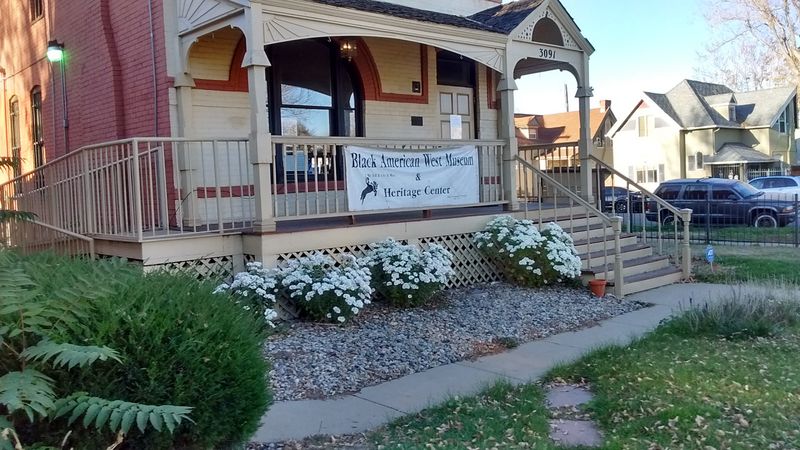
A boy in Denver was once told there were no Black cowboys. He spent the rest of his life proving that claim wrong, gathering artifacts and oral histories until the evidence filled an entire house.
That house still stands in Five Points, open just two days a week and run by volunteers who know every story inside it. Here you will find cowboy memorabilia, a famous buffalo coat, the legacy of a pioneering doctor, and a building that was physically moved to save it.
Keep reading to learn where it is, what to see, and how to plan a short, affordable visit that fits into a Friday or Saturday morning.
A Victorian House on California Street
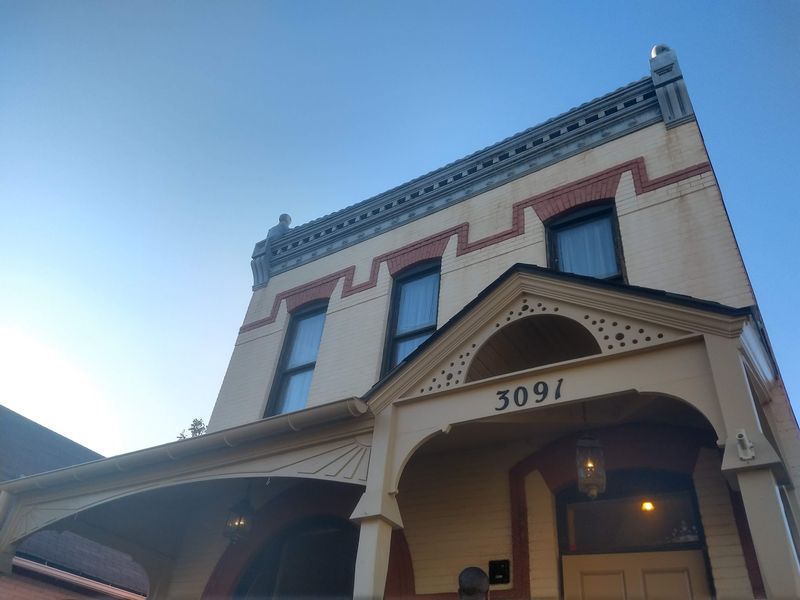
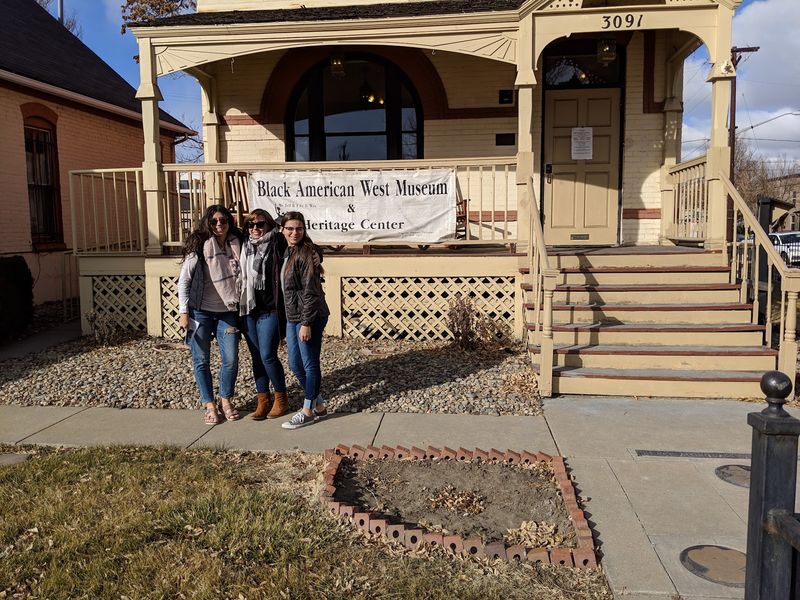
Some of Colorado’s most important history hides inside a modest Victorian home. The Black American West Museum & Heritage Center sits at 3091 California St, Denver, CO 80205, in the Five Points neighborhood.
The museum focuses on Black frontier history. Its rooms hold artifacts that tell the story of African Americans in the American West, with a strong lean toward Denver and Colorado.
That regional focus is what sets it apart. Plenty of museums cover the West in broad strokes, but this one zooms in on people who lived, worked and built lives right here on the Front Range.
It is a small museum, and nobody pretends otherwise. The space covers two floors of a historic house, which keeps the experience manageable and personal.
Its reputation speaks loudly, though. The museum holds a 4.8 star average across more than 200 public comments, a remarkable number for a volunteer-run spot open only two days a week.
For Denver residents, it may be one of the easiest history lessons to fit into a weekend. No mountain drive, no I-70 traffic, just a short trip into one of the city’s oldest neighborhoods.
The Man Who Refused to Accept No
Every museum starts with a reason. This one started with a sentence a child heard and never forgot.
Paul Wilbur Stewart was told as a boy that there were no Black cowboys. Rather than shrug it off, he spent his life collecting artifacts and oral histories that told a very different story.
His research pointed to a striking conclusion. According to the museum’s story, roughly one in three cowboys was Black, a fact that rarely made it into textbooks or Hollywood westerns.
Stewart’s collection became the foundation of the museum. Today it stands as a passion project turned public resource, preserving voices that might otherwise have faded from memory.
That origin shapes the whole experience. The exhibits feel less like a dry archive and more like a long-overdue correction to the historical record.
Plenty of people walk out realizing how much they never learned in school. Some return years later and still pick up new details, which says a lot about how deep the collection runs.
So when you browse the displays, keep Stewart in mind. Each object exists because one person decided a childhood myth deserved to be challenged.
Home of Dr. Justina Ford
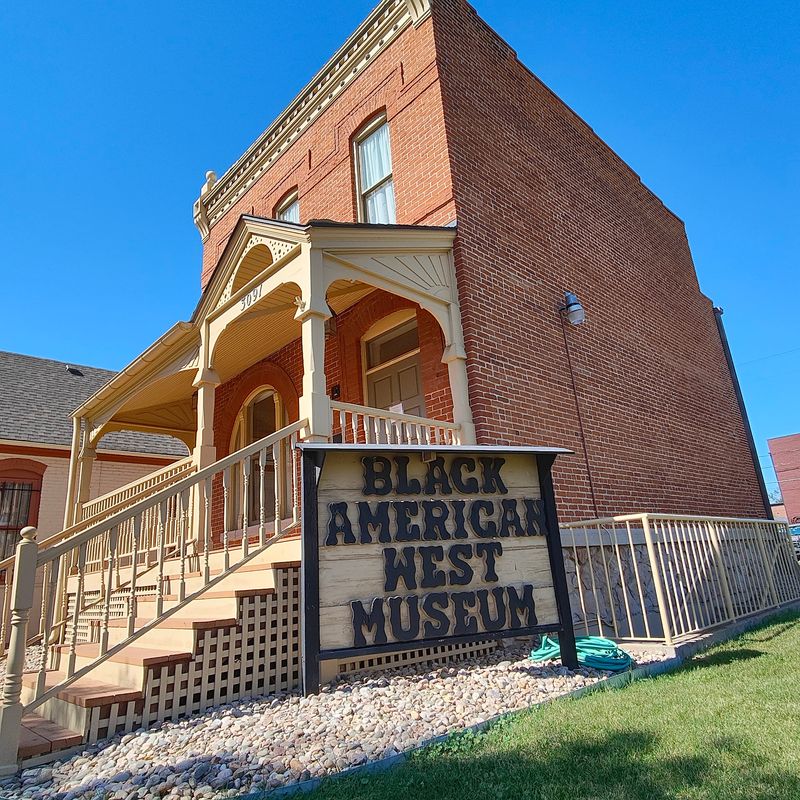
Here is a fun fact that surprises many guests. The museum building was once the home of Dr. Justina Ford.
Dr. Ford was the first licensed Black woman doctor in Denver. She is credited with delivering about 7,000 babies during her career.
Her approach to medicine was just as notable as her numbers. Museum materials describe how she treated anyone who needed care, regardless of race, gender, language, citizenship or ability to pay.
That legacy turns the house itself into an exhibit. You are not just looking at history on the walls, you are standing inside a place where it happened.
Exhibits share her story alongside the broader history of her building and the surrounding neighborhood. For many people, learning about Dr. Ford becomes an unexpected highlight of the visit.
It is a reminder that the Black West was not only about cattle drives and saddles. It was also about doctors, families and community builders who shaped Denver from the inside.
Few local museums can say their building has a story this personal. Here, the walls genuinely earn their keep.
A Building That Changed Addresses
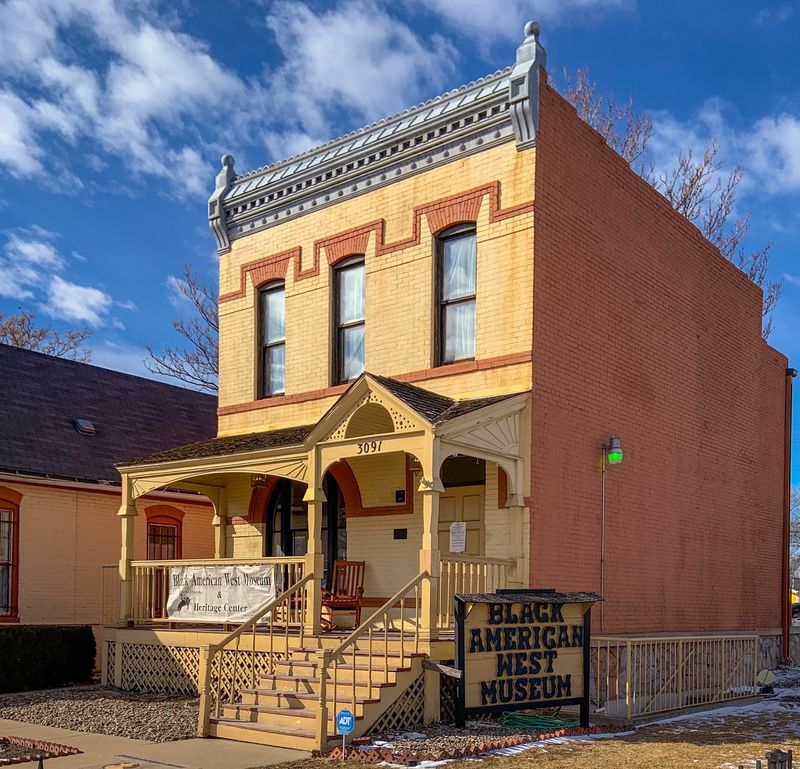
Most houses stay put for their entire lives. This one took a trip across town.
The building was moved to its current location, and the story of that relocation is one of the details guests mention most often. Hosts share the tale as part of the introduction, and it tends to stick.
Preserving the structure mattered because of who lived there. Saving Dr. Ford’s home meant saving a tangible link to Denver’s Black history, not just a set of photographs.
Today the house is described as beautifully restored and well preserved. The period setting helps frame the artifacts and gives the exhibits a sense of place that a modern gallery could not replicate.
Ask about the move when you arrive. The volunteers are known for their knowledge, and the backstory adds real depth to everything else you will see inside.
It is a neat example of a community deciding that history was worth the heavy lifting, quite literally.
Saddles, Spurs and Cowboy Memorabilia
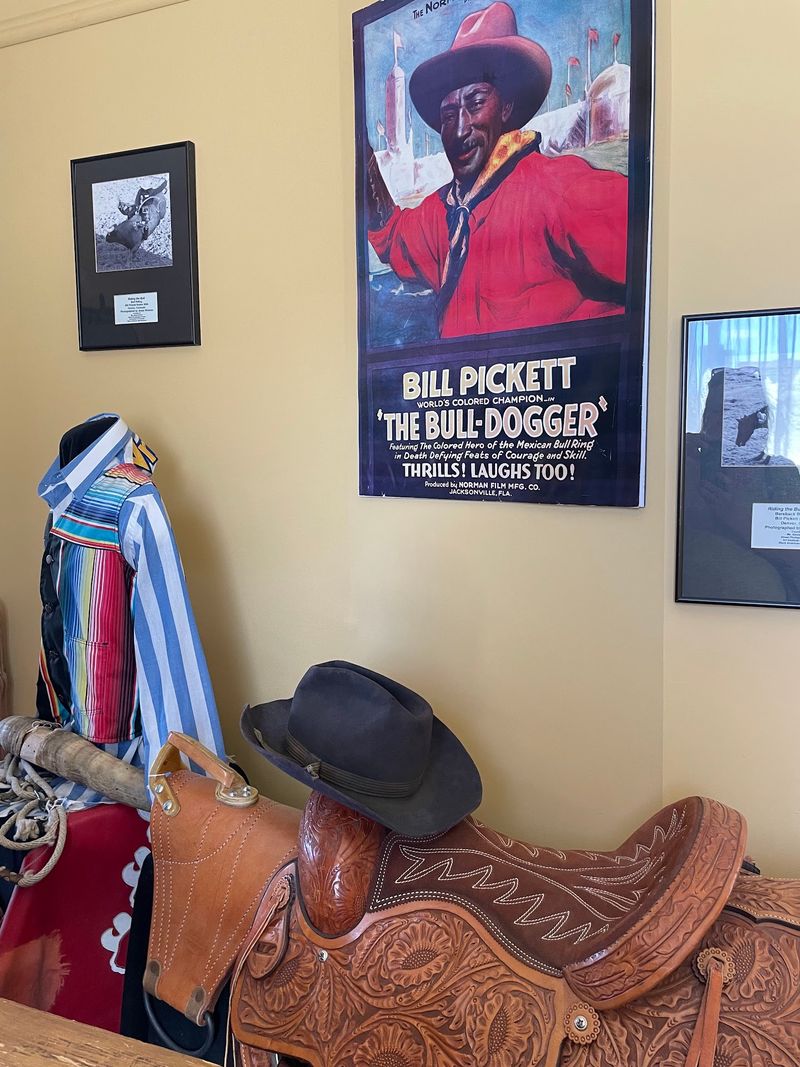
Cowboys are the reason many people come through the door. The museum does not disappoint on that front.
Cowboy memorabilia forms a key part of the collection, alongside exhibits on ranching and homesteads. These displays tell the stories of Black men and women who worked the land and the range across the West.
The goal is simple but powerful. Show the faces and lives that were left out of the classic western narrative.
Stewart’s research is woven throughout these rooms. Artifacts and documents help explain how common Black cowboys really were, and why their stories were overlooked for so long.
Kids who grew up on westerns may find this section especially eye-opening. Adults often do too, since the history rarely shows up in standard curriculum.
It is a corner of the museum that rewards slow browsing. Read the captions, ask the docents questions, and let the stories add up.
By the time you leave this section, the old image of the lone cowboy on the frontier will look a lot more crowded, and a lot more accurate.
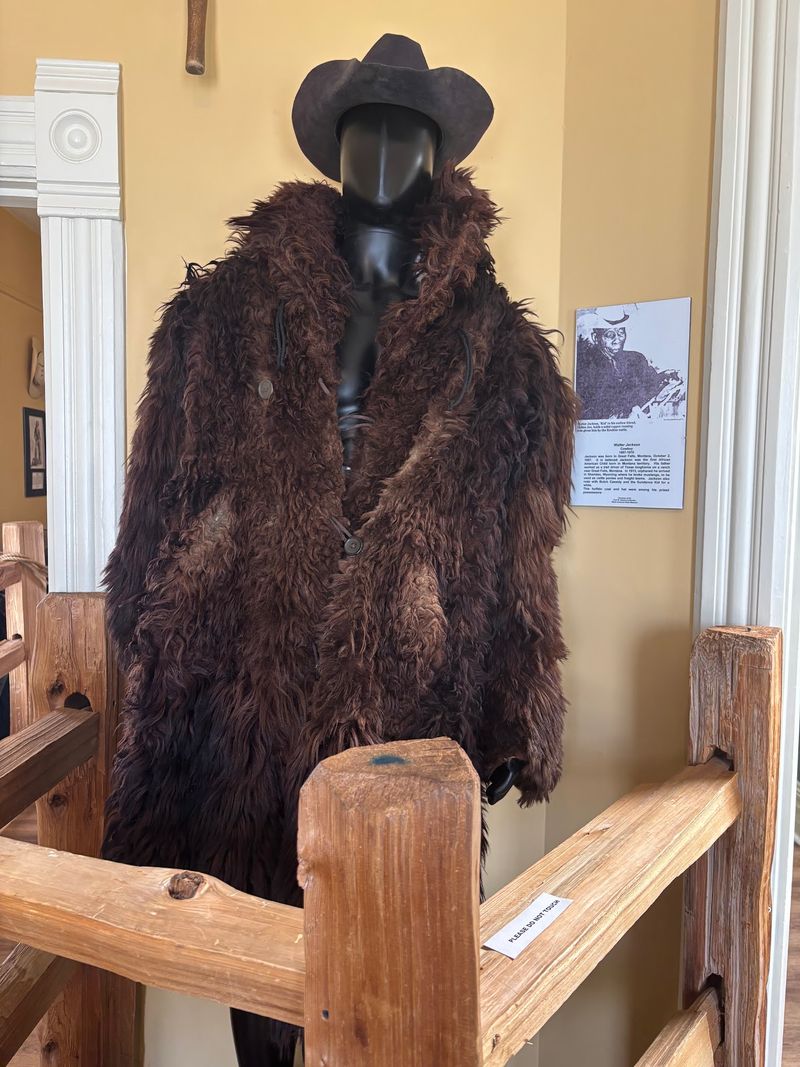
Walter Jackson’s Buffalo Coat
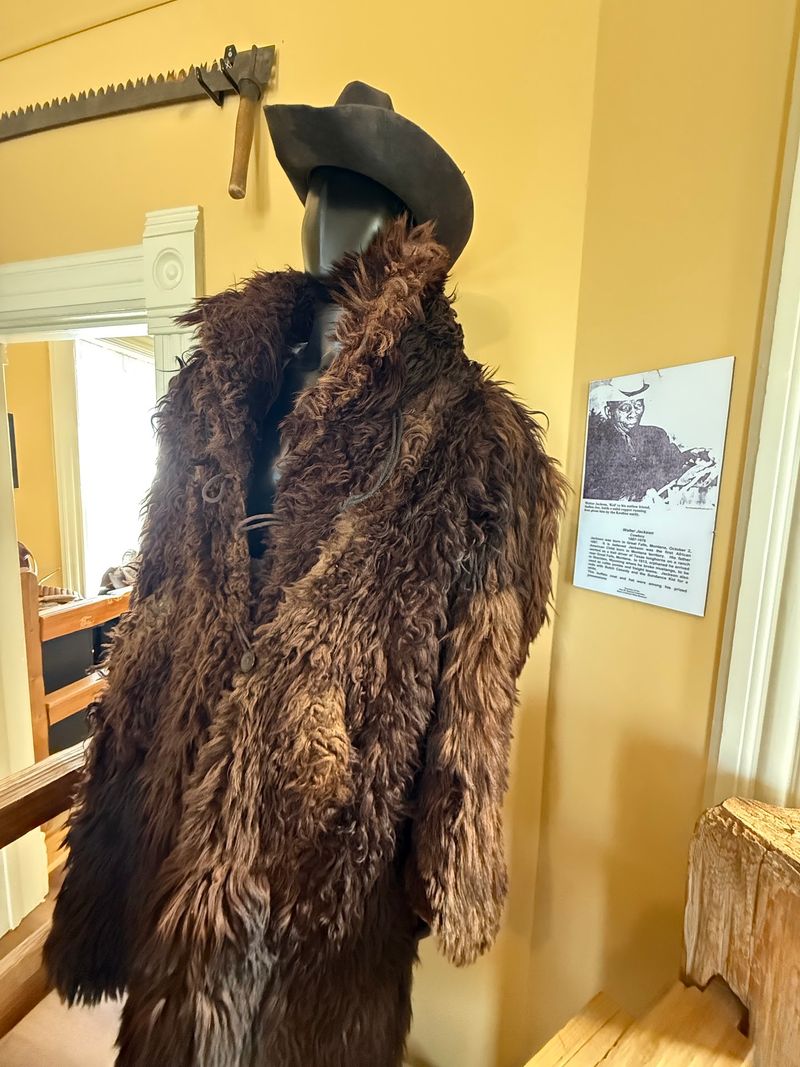
Fashion fans, take note. One of the more memorable pieces in the house is Walter Jackson’s buffalo coat.
The museum’s clothing displays get special praise for quality. These are not costume reproductions but historical pieces tied to real Denver history.
Clothing has a way of making history personal. A coat or a hat tells you how someone dressed for the weather, the work and the occasions of their life.
That makes this collection a nice change of pace from documents and photographs. It gives a fuller picture of the people behind the stories.
One practical note before you go. The museum prefers that photos be taken only for personal use, so plan to enjoy these displays in person rather than through a lens.
Honestly, that may be a bonus. It encourages you to slow down and actually read about what you are seeing.
Whether you know your vintage styles or not, the buffalo coat is worth seeking out on your way through the rooms.
Medicine, Mining and Military Service
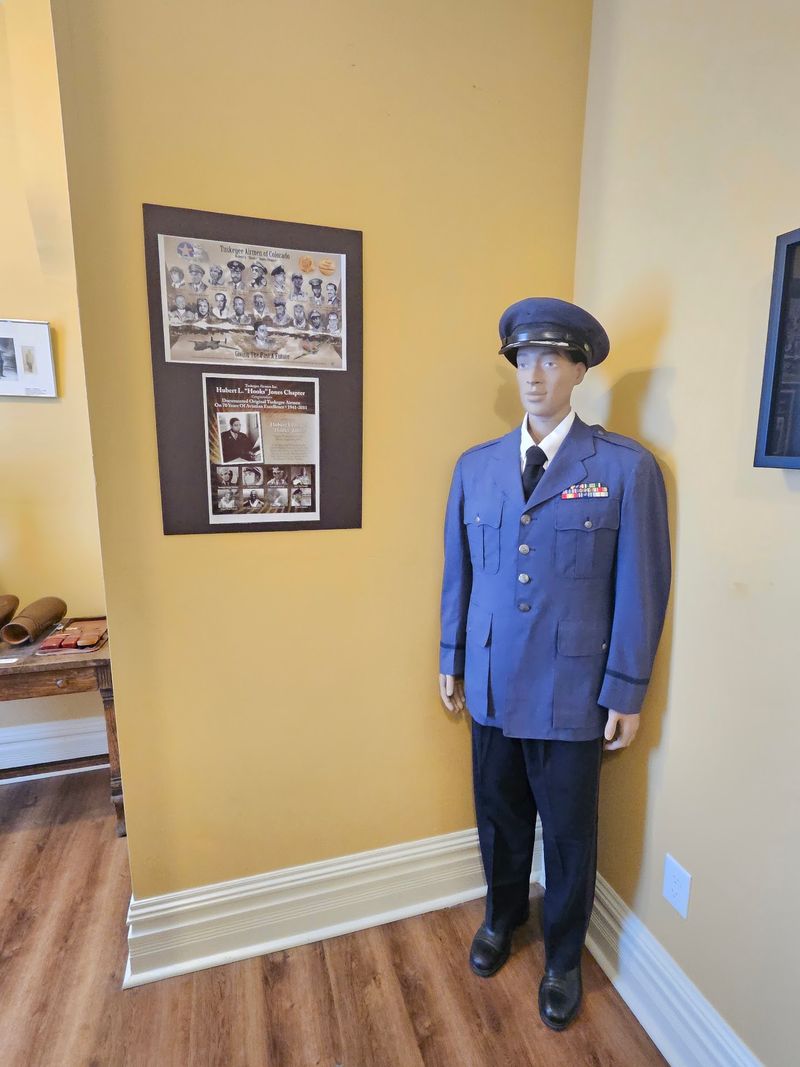
Cowboys get top billing, but the museum covers far more ground. Exhibits have explored Black history in medicine, mining, ranching, homesteads and the military.
The military displays draw particular interest. They highlight the service of Black Americans in the West and connect those stories to the region.
Mining exhibits tie directly into Colorado’s own past. For a state built partly on mining booms, this is a chapter many residents may not know.
Medicine connects back to Dr. Ford, of course. Her story anchors this theme, showing how healthcare and community care shaped Denver neighborhoods.
The variety keeps things interesting. Even people who arrive with some knowledge of Black history tend to find new topics they had never encountered.
Notable Black Coloradans appear throughout these exhibits as well. Their stories link national events to local streets and towns.
Consider it a broad survey squeezed into a cozy space. Each room seems to open a different door into the past.
Echoes of a Vanished Settlement
Colorado’s prairies hold more history than most people realize. One museum feature brings a forgotten chapter back into view.
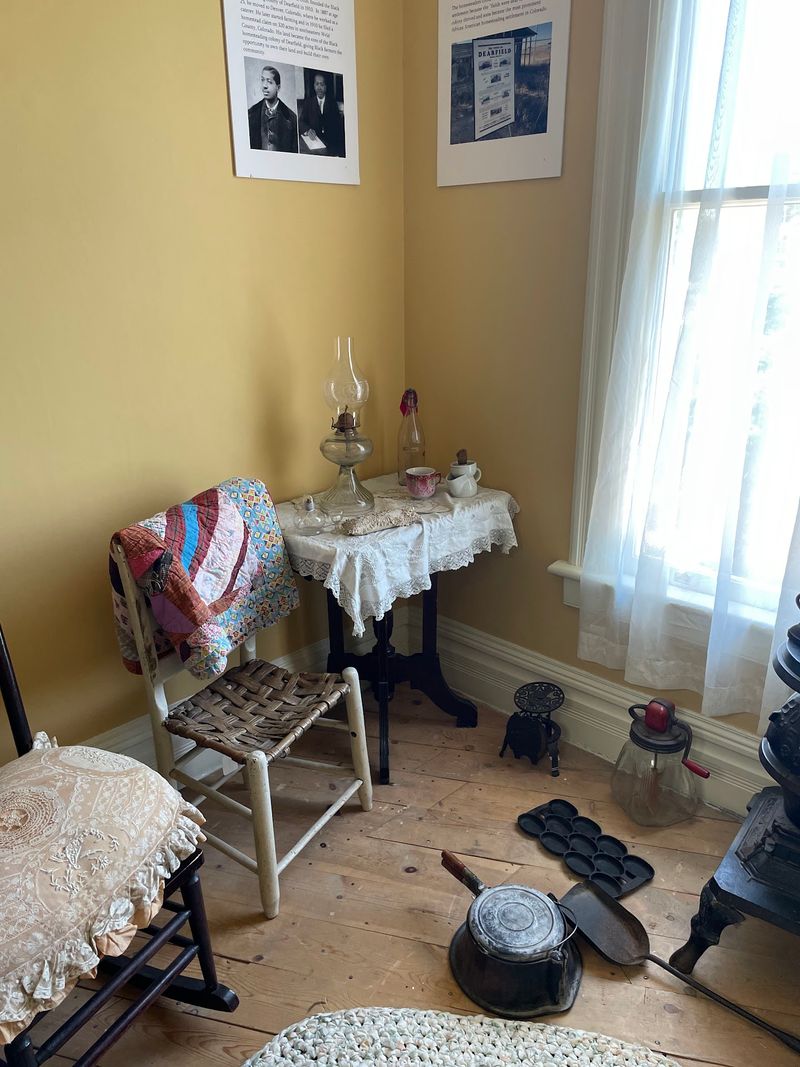
A video presentation has covered an all-Black settlement in Colorado that is now a ghost town. It is the kind of story that rarely appears in standard state history lessons.
Homesteading exhibits help explain how and why such communities formed. Families moved west seeking land, independence and opportunity.
For residents who love Eastern Plains history and vanished towns, this section may be a favorite. It connects the museum to the wide open spaces east of Denver.
The settlement is gone, but the story remains. Preserving accounts like this one is exactly why Stewart started collecting in the first place.
It also invites reflection. How many other communities shaped Colorado and then quietly disappeared from public memory?
Leave a few extra minutes for this portion of the visit. It adds a layer of context that makes the cowboy and homestead exhibits even more meaningful.
Volunteers Who Know Every Story
Good guides can make a small museum feel huge. That is exactly what happens here.
The museum is entirely volunteer run. The board chair has noted that funding and staffing shape what is possible, and the team keeps the doors open through dedication.
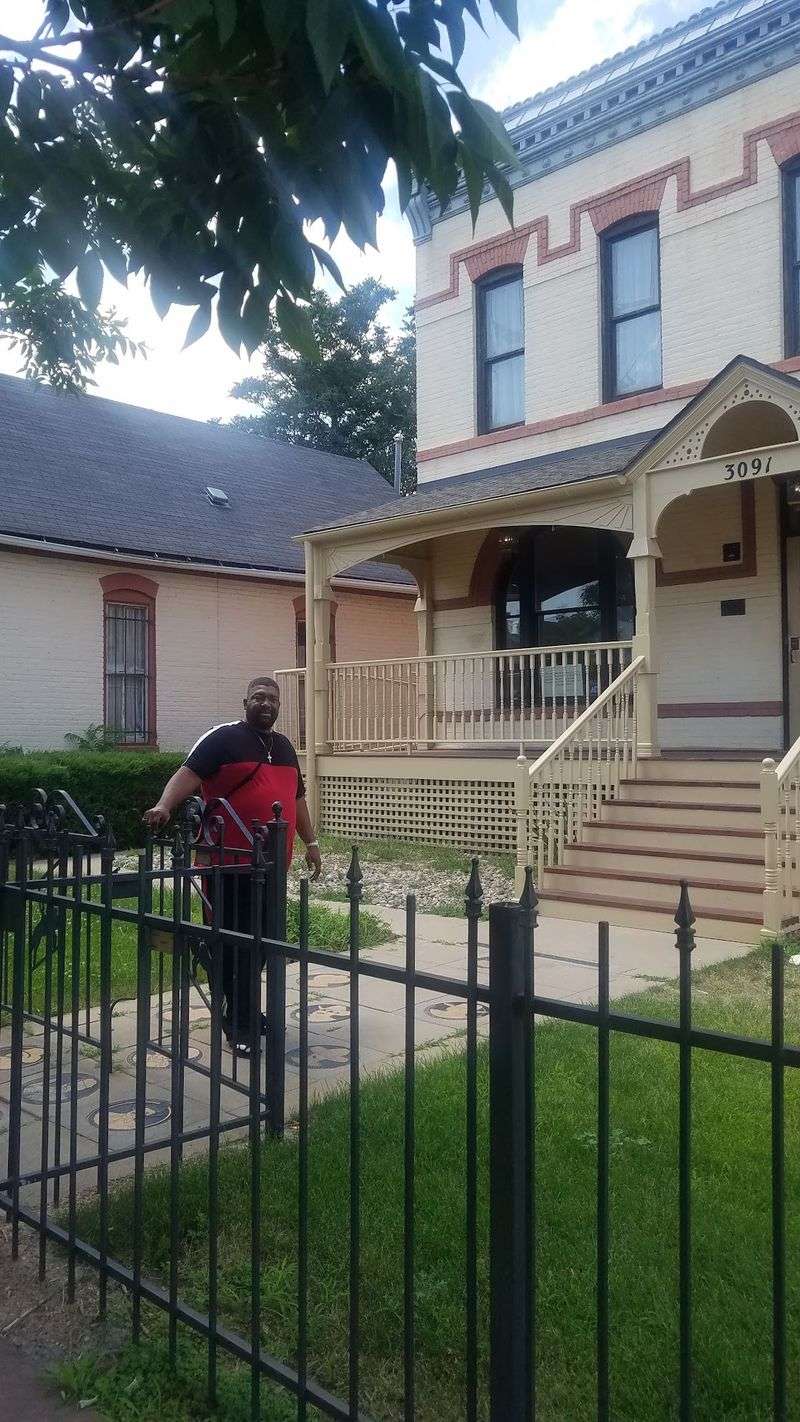
Knowledgeable staff come up again and again when people talk about this place. Docents are described as friendly, patient and deeply connected to both the museum and the Five Points community.
Guests typically get a warm welcome and a guided introduction on the first floor. After that, you explore the rest of the house at your own pace.
School groups have had great experiences too. One group of students and educators praised the staff for being especially patient and kind with a neurodiverse audience.
Private tours can also be arranged. That option works well for families, classes or anyone wanting a deeper conversation.
Take advantage of the volunteers while you are there. Their stories often fill in details that no caption can capture.
Five Points and the Walk Out Front
History starts before you even open the front door. The surrounding neighborhood carries tremendous weight for Black history and culture in Denver.
Five Points is one of the city’s most interesting and diverse neighborhoods. Spending time here adds context to everything inside the museum.
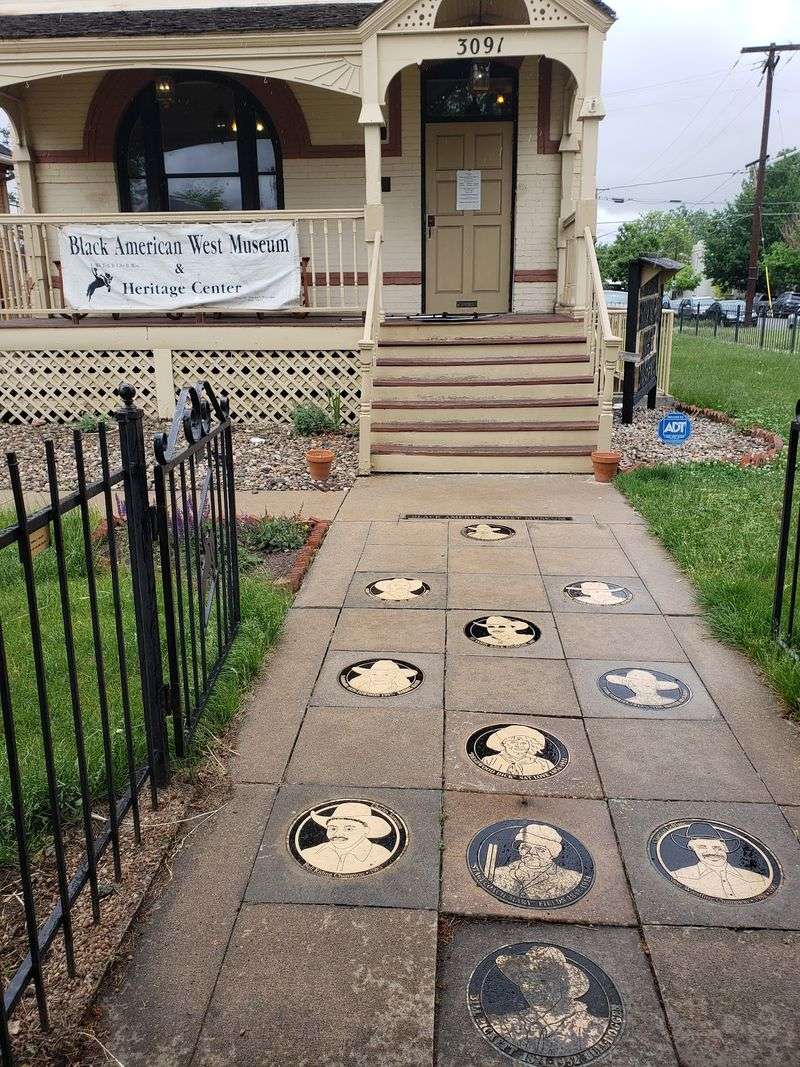
Do not rush past the walkway out front. It is a feature guests specifically recommend checking out on the way in or out.
Walking to the museum is an option worth considering. Some guests have strolled in from about a mile away and enjoyed seeing Denver’s older housing styles along the route.
That makes the visit easy to pair with a neighborhood walk. You get a mini history tour of the streets before and after the exhibits.
For Front Range residents, Five Points may be close enough for a simple half-day outing. No overnight bags or mountain passes required.
Think of the neighborhood as the museum’s outdoor wing, free to explore and full of its own stories.
Planning Around Two Short Days
Timing is everything here. The museum is open only on Fridays and Saturdays, from 10 AM to 2 PM.
It is closed Sunday through Thursday. Those limited hours reflect the all-volunteer staff, so plan accordingly.
Buying tickets in advance is a common recommendation. Wait times can be minimal, especially on Fridays, but securing a spot ahead of time removes any guesswork.
Most people spend about an hour inside. That makes it a manageable outing for families, retirees or anyone with a busy weekend.
Check the museum website at bawmhc.org for current ticket details. Guests consistently describe the cost as worthwhile for what is offered.
Save a little time for the bookstore. It is a pleasant part of the experience and a nice way to continue learning at home.
Memberships are also available. The board encourages them as a way to help sustain the museum and keep these stories in front of the public.
Small House, Lasting Impression
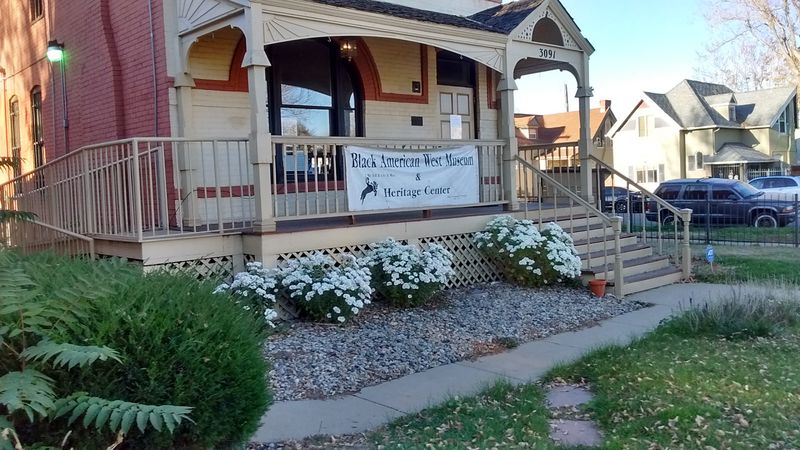
Size can be misleading. A modest two-floor house turns out to hold a remarkable amount of history.
The Black American West Museum suits history lovers, curious families, school groups and longtime Denver residents who think they already know their city. Many leave realizing there was much more to learn.
Its strength lies in focus. Instead of covering everything, it zooms in on Black life in Denver, Colorado and the broader West.
The self-guided format lets you move through comfortably and without interruption. Pair that with a friendly introduction from volunteers, and the visit feels both personal and relaxed.
Returning guests note that they pick up something new each time. That kind of depth is rare for a museum this compact.
Supporting it also matters. As a volunteer-run institution, it relies on word of mouth, memberships and people simply showing up on a Friday or Saturday.
Paul Stewart once heard that Black cowboys did not exist. A morning in this Five Points house may be the most satisfying way to see just how wrong that was.