Fabric prices have a way of turning a fun sewing project into a budget meeting. Somewhere in Colorado Springs, though, there is a shop where remnant bins sell for a couple of dollars each and lace is sold by the foot for pocket change. Every item on the shelves was donated by someone who finished a hobby, cleaned out a closet, or simply had more yarn than one person could ever knit.
That means the stock changes constantly, and no two trips look the same. Quilters, scrapbookers, cosplayers, painters, and curious kids all end up digging through the same treasure piles. The place keeps supplies out of the landfill and puts them into the hands of people who will actually use them.
Keep reading to learn where it is, what fills its rooms, how the prices work, and a few tips that can help your next haul go further.
1. A Craft Thrift Store on Arcturus Drive
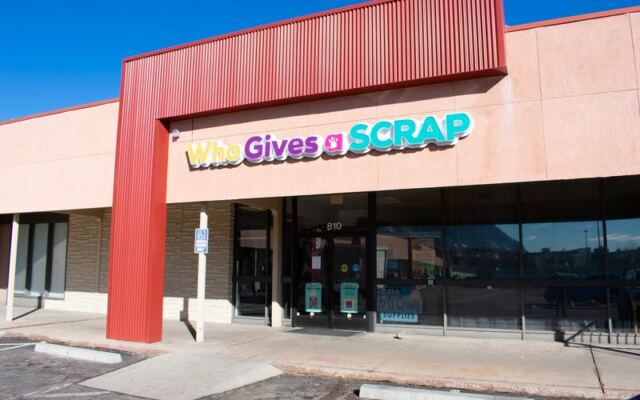
Most thrift stores hide a few craft supplies on a back shelf. Who Gives a SCRAP flips that idea around and makes craft supplies the entire point.
The shop sits at 810 Arcturus Dr, Colorado Springs, CO 80905, on the southwest side of the city. It is listed as a craft store, but it works like a thrift shop, with almost everything coming in through donations.
That mix surprises a lot of first-timers. A common reaction is simple disbelief that a thrift store for craft supplies even exists.
For Front Range residents, the location is an easy drive from most of Colorado Springs and a reasonable day trip from the Denver area. Locals often call it one of the best kept secrets in town for hobby needs.
The store also carries a strong reputation, holding a 4.8-star average across more than 800 opinions on Google. Friendly staff is the single most mentioned topic, which says plenty about the place before anyone even reaches the fabric room.
Here is the short version of what to expect:
Type: secondhand arts and crafts store
Stock: donated, changing daily
Best for: crafters on a budget and hobby-hoppers
So what exactly is behind the doors? Quite a few rooms, as it turns out.
2. Where Every Shelf Starts as a Donation
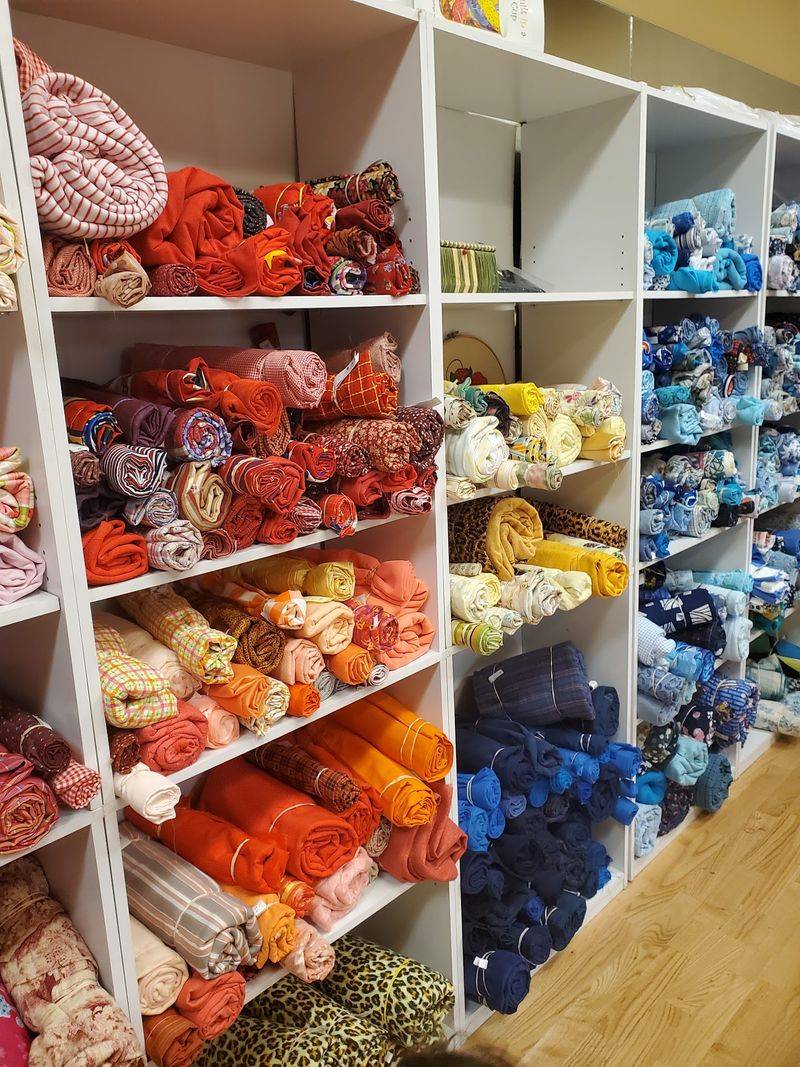
Hobbies come and go. The supplies, unfortunately, tend to stay in the closet long after the interest fades.
Who Gives a SCRAP gives those leftovers a second life. Donations are the most talked-about part of the shop, and the whole model depends on people dropping off art and craft materials they no longer need.
Plenty of locals love that there is one place to take any and all unused supplies. Hobby-switchers especially appreciate knowing their favorite materials will keep being loved after they move on to something new.
There is a feel-good angle too. Shoppers point out that buying here keeps scrap out of the landfill while sending it home with a new owner at a low price.
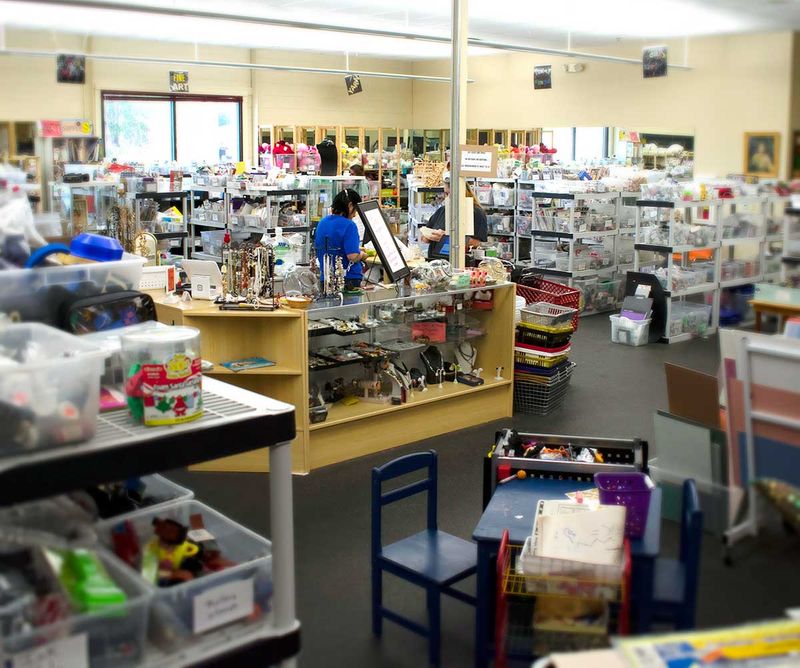
The shop runs with a staff and a volunteer community, and both get plenty of credit for keeping the operation humming. The supplies are described as mindfully organized, which is no small feat when everything arrives in random batches.
Because all items are donated, the stock changes every single day. That turns each trip into a fresh hunt rather than a repeat of last week.
It also means a smart shopper might pull double duty. Bring a bag of unused supplies on the way in, then leave room in the car for whatever turns up inside.
3. The Fabric Room and Its Two-Dollar Bins
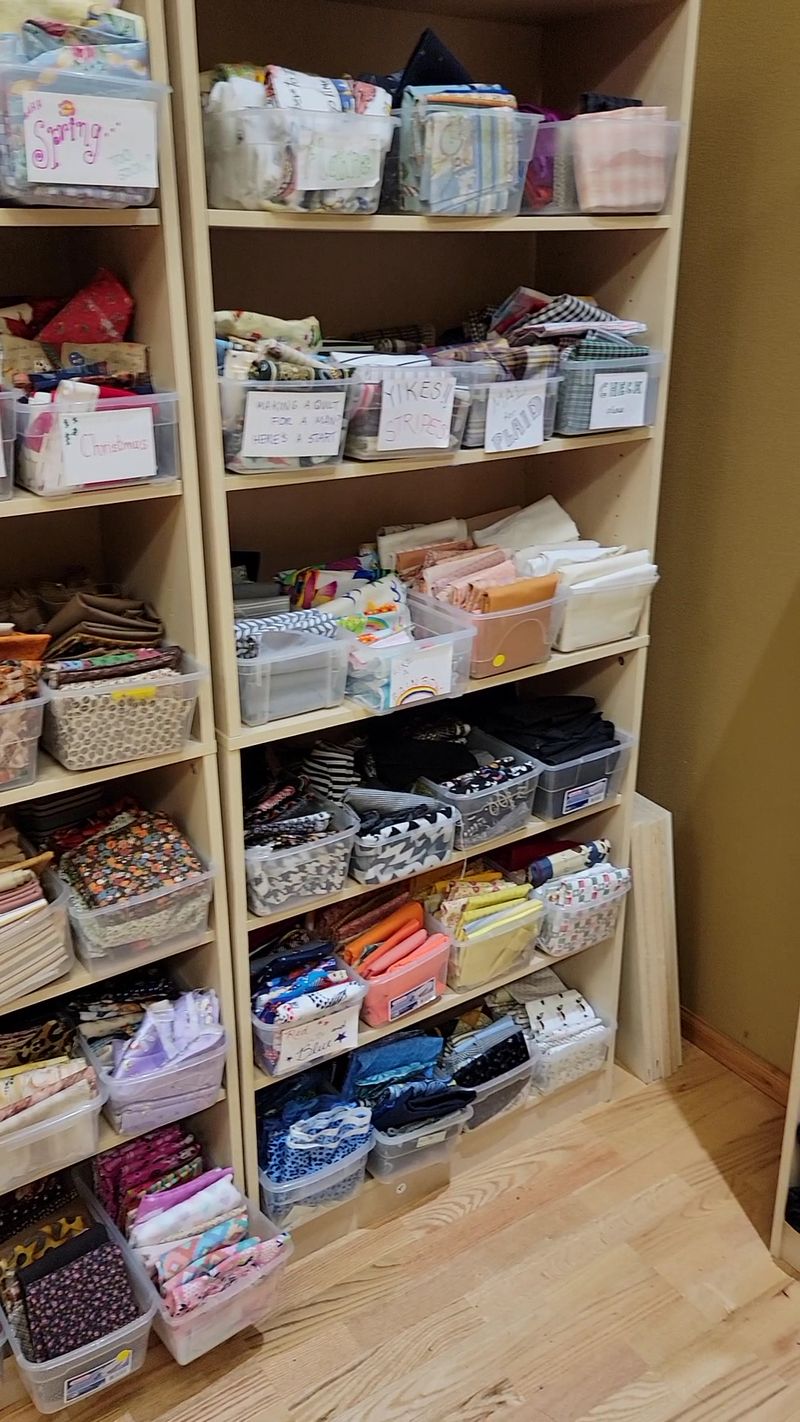
Anyone who has priced fabric lately knows the sticker shock. Here, the math looks a lot friendlier.
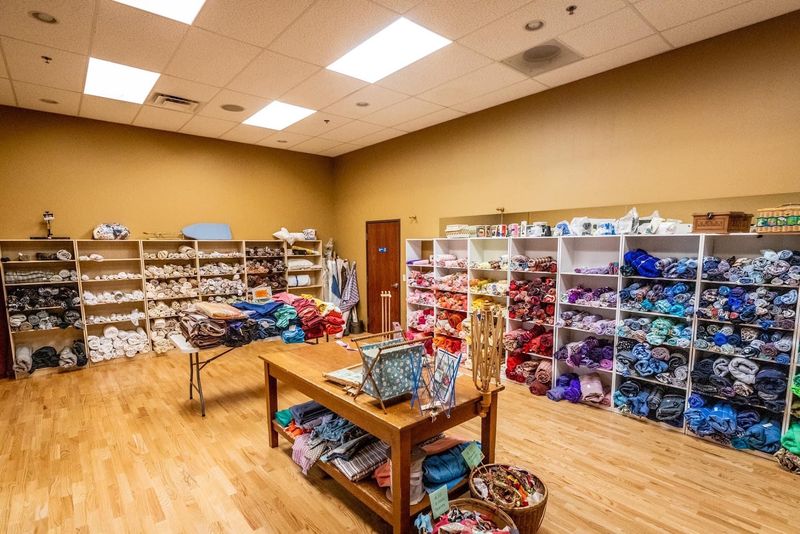
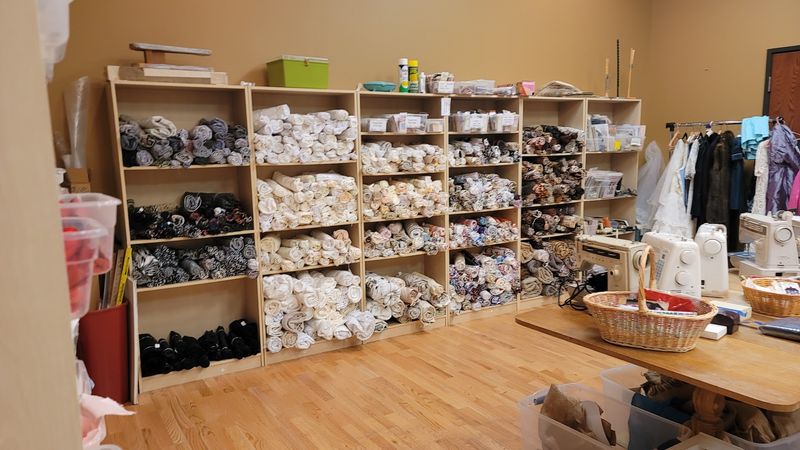
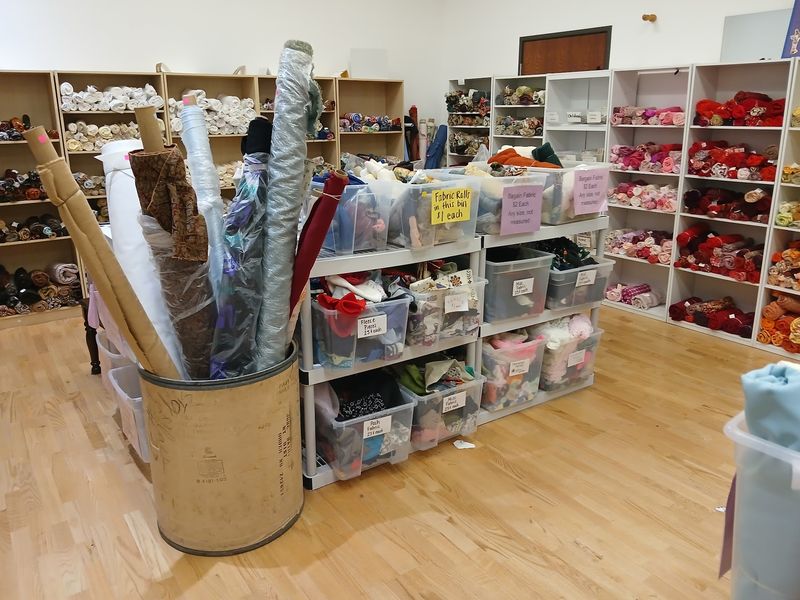
The shop has a huge room dedicated to fabrics, and it includes a bunch of remnant bins priced at $2 each. Quilters and sewists often walk out with a stack of material at a price that makes the trip worth it on its own.
The selection is large, and the quality earns praise too. The store has also expanded in recent years, so returning shoppers often notice more space than they remember.
That said, fabric here is a bit of a gamble. Some deals are excellent, while a few are less impressive, so a little patience pays off.
Shoppers may notice staples on some pieces. According to the shop, only the value fabrics are stapled, a step taken after problems with tags being switched onto pricier pieces.
Premium and higher-priced fabrics now carry written descriptions as well. It is a practical fix that helps keep prices fair for everyone.
A quick tip list for fabric hunters:
– Bring measurements for your project
– Check remnant bins first for the best value
– Plan to dig, because the good stuff rarely sits on top
Sewists who love a deal may find this room hard to leave.
4. Lace, Buttons, Yarn and a Tin of Scrabble Tiles
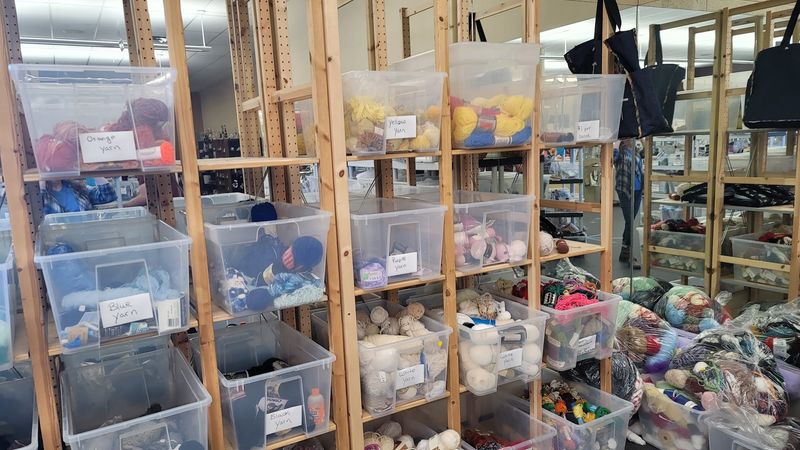
Small stuff can add up fast at a big-box craft store. At this shop, the small stuff is where a lot of the fun lives.
One room is devoted to lace and trims, sold for 25 cents a foot. Buttons also get regular mentions, which makes sense in a store built for people who finish things by hand.
Yarn is another big draw. Knitters and crocheters can find a steady supply, though partial skeins are sometimes priced closer to full ones, so it is wise to check before buying.
Then there are the oddball finds. The shop keeps a big metal container full of Scrabble tiles, a favorite for kids and anyone making word art or jewelry.
The shelves also hold stamps, needles, jewelry-making supplies and scrapbooking materials. Paper crafters may find more than they expected tucked between the sewing notions.
Some shoppers come in with a very specific theme in mind and still find a match. Others leave with unusual pieces saved for some future project they have not dreamed up yet.
That is the quiet charm of a donation shop. The mix is random, so the most useful item might be the one nobody planned to buy.
5. Books, Sewing Machines and Beginner Gear
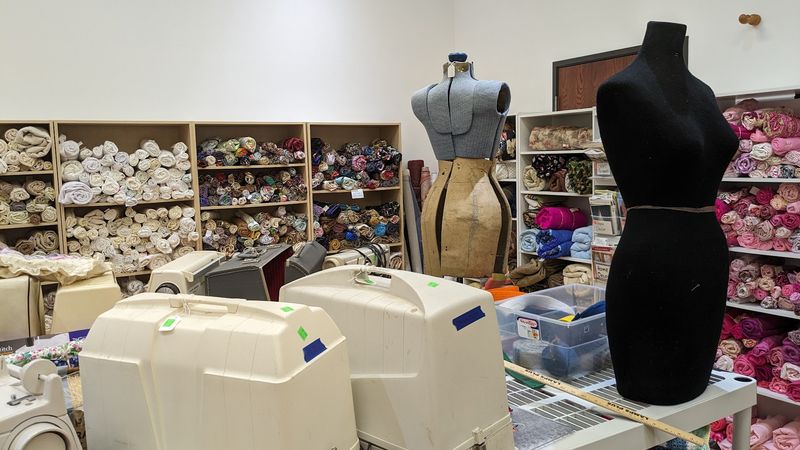
Trying a new hobby can get expensive before the first project is even finished. The shop offers a cheaper way to test the waters.
Used sewing machines show up here, which is a big help for beginners on a budget. Starting with a secondhand machine can make learning to sew far less of a financial leap.
There is also a room filled with books. Quilt books are a popular pick for sewists looking for patterns and ideas.
The shelves cover far more than fiber arts. Shoppers find supplies for cosplay, drawing and painting, alongside general hobby goods and the occasional antique piece.
Prices on the small items can be strikingly low. One shopper picked up skin-tone colored pencils for 50 cents while exploring a new coloring hobby.
That low-risk setup appeals to people who love bouncing between interests. A few supplies can be grabbed for a single project without committing to an entire new art form.
Some locals even suggest checking here before heading to a name-brand store. It is a simple habit that may save real money over a year of crafting.
And if the hobby does not stick, the supplies can always come right back as a donation.
6. Punch Cards, Monthly Sales and Fair Prices
Low prices are nice. Low prices with extra savings on top are even better.
Affordability comes up again and again when people talk about this store. Most items are described as very low or reasonably priced, and many shoppers call the prices surprisingly fair.
The shop also runs a rewards punch card program. Regulars say those cards really pay off over time, especially for people who stop in often.
Monthly sales are another reason to keep an eye on the calendar. The shop encourages shoppers to watch for them, and there are also creative sale days mixed into the schedule.
Here is a quick rundown of the savings tools:
Remnant bins: $2 each
Lace and trims: 25 cents a foot
Rewards: punch cards for repeat shoppers
Events: monthly sales and special sale days
Not every price will feel like a steal. Some donated items, yarn in particular, can be priced higher than expected, so it helps to compare before checking out.
Still, for families, retirees and anyone watching a craft budget, the overall value is hard to argue with. A full bag rarely costs what a single trip to a chain store might.
7. Classes, Studios and a Creative Crowd
Shopping is only part of the story here. The building also works as a small creative hub.
The shop offers classes for all sorts of crafts. That makes it a handy stop for anyone who wants to learn a skill and buy the supplies in the same place.
There are artist studios on site as well. According to the shop, studio managers are located in studios 10 and 15, and any concerns can be passed along through the store manager.
Staff and volunteers get steady praise for being kind, helpful and knowledgeable. Even shoppers who arrive close to closing time mention being treated warmly.
The crowd is wonderfully mixed. Kids love hunting for craft objects, longtime sewists come for fabric, and hobby-hoppers come for a little bit of everything.
Some people stop by several times a month. Not always for a project, either, since browsing here is half the entertainment.
That steady community feel helps explain why the place earns so much loyalty. It is a store, a classroom and a gathering spot rolled into one address.
8. Hours and Smart Digging Strategy
Time has a funny habit of vanishing in this shop. Some shoppers walk in planning a quick look and realize two hours have slipped by.
Fortunately, the hours make room for long browsing sessions:
Monday through Saturday: 10 AM to 6 PM
Sunday: 11 AM to 4 PM
The store is open every day of the week. Weekday visits may be an easier choice for people who like extra space while they browse, though that is simply a general rule of thumb for busy shops.
Digging is part of the deal. The common advice is that if nothing turns up, the search simply did not go deep enough.
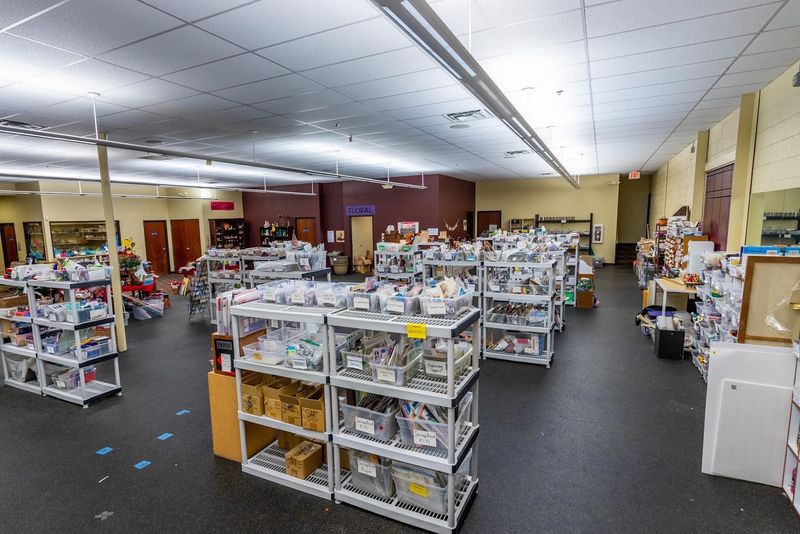
Since the store keeps expanding, there may be more rooms than a first trip reveals. Returning shoppers often discover new sections on a second visit.
A few practical tips help:
– Leave extra time on the schedule
– Bring a project list, but stay open to surprises
– Check back often, since stock changes daily
The store is described as clean and well organized, which makes the digging easier than it sounds. Patient shoppers usually get rewarded.
9. A Soft Verdict for Budget Crafters
Some stores sell supplies. This one recycles creativity, one donated box at a time.
Who Gives a SCRAP fits a very Colorado kind of shopper: practical, budget-minded and happy to skip the big-box crowds. Retirees on fixed incomes, parents with crafty kids and beginners testing a new hobby may all find something worth hauling home.
The fabric room alone can justify the trip for sewists and quilters. Toss in cheap lace, buttons, yarn, books and the occasional sewing machine, and the appeal widens fast.
It is not perfect. Fabric quality can be hit or miss, and some donated yarn carries higher prices than expected.
Even so, the overall picture is strong. Friendly people, fair prices, rotating stock and a mission that keeps supplies out of the landfill make a convincing combination.
For locals, the best approach may be a simple habit. Drop off unused supplies, browse with patience and come back often.
After all, the best scrap in the shop may not have been donated yet.
Share this story