Berkshire Botanical Garden feels less like a rushed attraction and more like permission to slow down for a while. Set in Stockbridge, Massachusetts, this beautifully designed garden layers winding paths, seasonal blooms, shaded corners, and carefully arranged landscapes into an outing that feels calm from the moment you enter.
The Berkshires provide the backdrop, but the small details are what keep your attention — the textures, colors, quiet benches, and artful planting choices that reward wandering without a strict plan. For visitors craving fresh air, gentle scenery, and a slower kind of weekend escape, Berkshire Botanical Garden delivers exactly the right rhythm.
A Soft Landing in Stockbridge
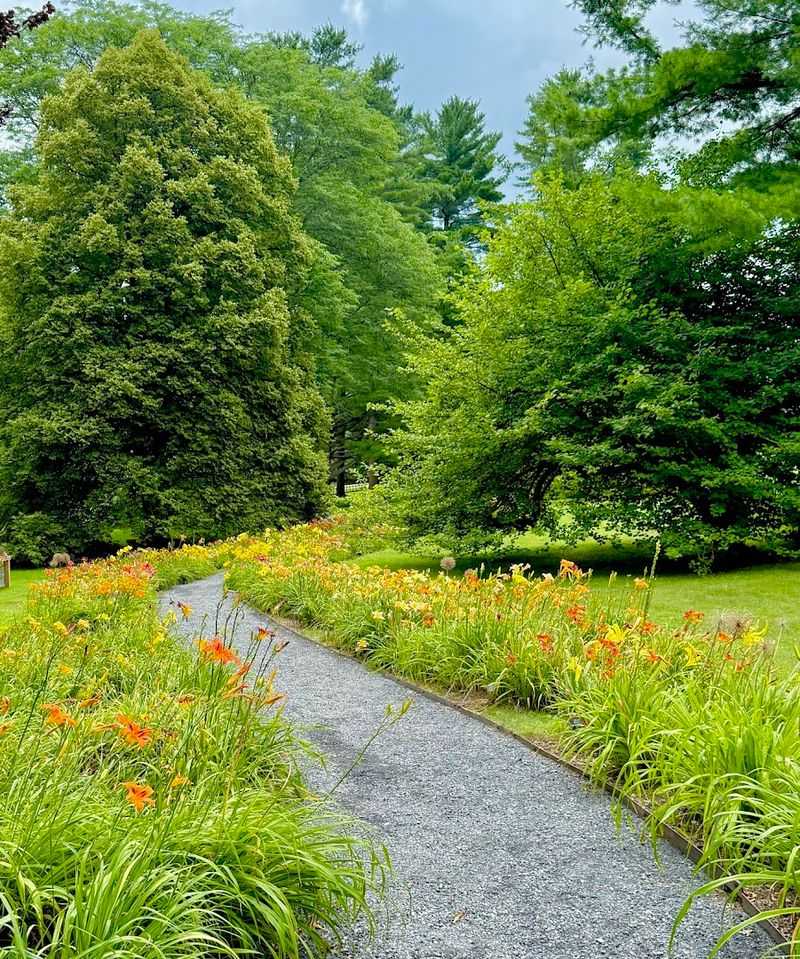
Berkshire Botanical Garden does not hit you with grand gates or a dramatic arrival sequence. Instead, the appeal starts with a quieter kind of confidence: manageable scale, leafy surroundings, and paths that immediately suggest a slow walk instead of a checklist.
In a region packed with high-profile cultural stops and scenic drives, that restraint is exactly the hook. The setting in Stockbridge helps. Roads nearby connect to some of the Berkshires’ busiest destinations, yet inside the garden, the mood shifts toward measured movement and close looking.
Beds, borders, shrubs, and trees are arranged in ways that reward wandering rather than rushing, so even a short visit can feel surprisingly full without becoming tiring or overplanned.
That balance makes this place unusually good for a stress-light weekend outing. You can arrive in the morning, spend around two easy hours exploring, sit for a while near a pond or planted border, and still have room in the day for lunch or another nearby stop.
Plenty of benches and open views support that unhurried rhythm, which matters when the whole point is to decompress.
There is also a practical charm to the layout. The grounds are substantial enough to feel like a destination, yet compact enough that you are not committing to an exhausting trek or a full-day production.
For anyone craving greenery without the intensity of a major estate garden, Berkshire Botanical Garden lands in a sweet spot: visually rich, easy to navigate, and calm in a way that feels immediately useful.
The Gardens That Pull You Forward
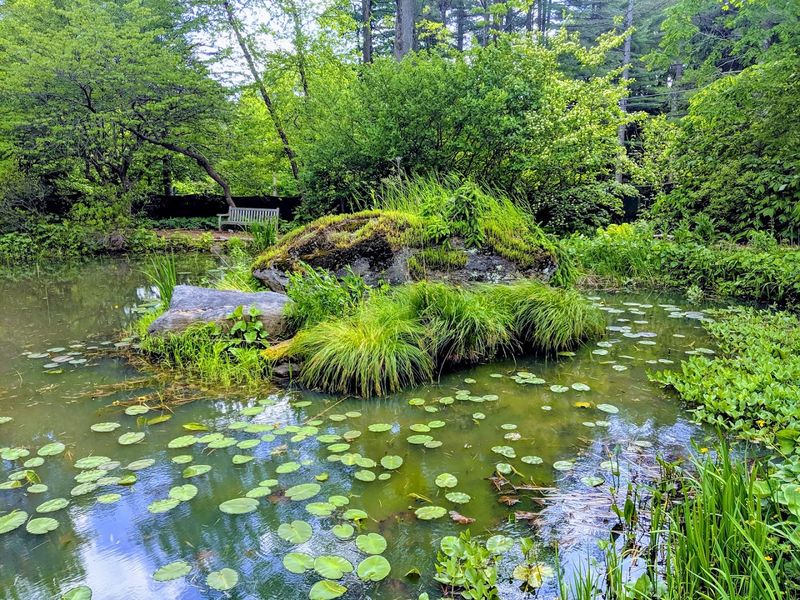
The real pleasure here comes from how many distinct scenes fit into one visit. Berkshire Botanical Garden includes a mix of ornamental beds, specialty gardens, pond views, and broader planted landscapes, so the walk keeps changing texture.
One turn delivers clipped structure and labeled plantings, another opens into looser growth, meadow notes, or water reflecting the sky.
That variety prevents the experience from flattening into one long floral blur. Gardens often become repetitive when every border asks for the same kind of attention, but here the pacing shifts naturally.
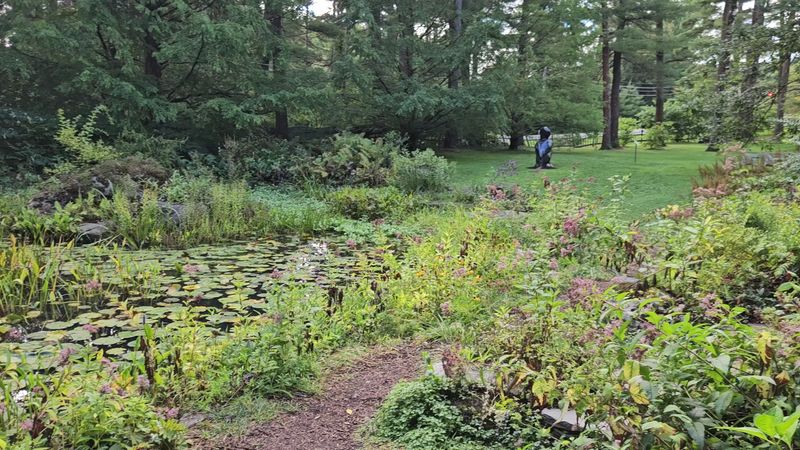
A rose garden offers classic color and form, the rock garden introduces a different scale, and the pond areas slow things down with softer edges and quieter sightlines.
The herb and vegetable sections add another layer by grounding the experience in plants you can imagine taking home, growing, smelling, or cooking with. This is where the garden becomes useful as well as pretty, especially for New England visitors looking for ideas suited to the region.
You are not just seeing decorative displays. You are seeing design choices, plant combinations, and seasonal possibilities that translate beyond the property.
Even when bloom timing varies, the structure still carries the visit. Trees, shrubs, pathways, and designed enclosures keep the grounds interesting outside peak flower moments, which is helpful in a place where weather and season can shift the visual show.
Instead of relying on one blockbuster display, Berkshire Botanical Garden succeeds through accumulation: one garden, then another, then another, each changing your pace just enough to keep you engaged.
Small Surprises Hidden Between the Beds
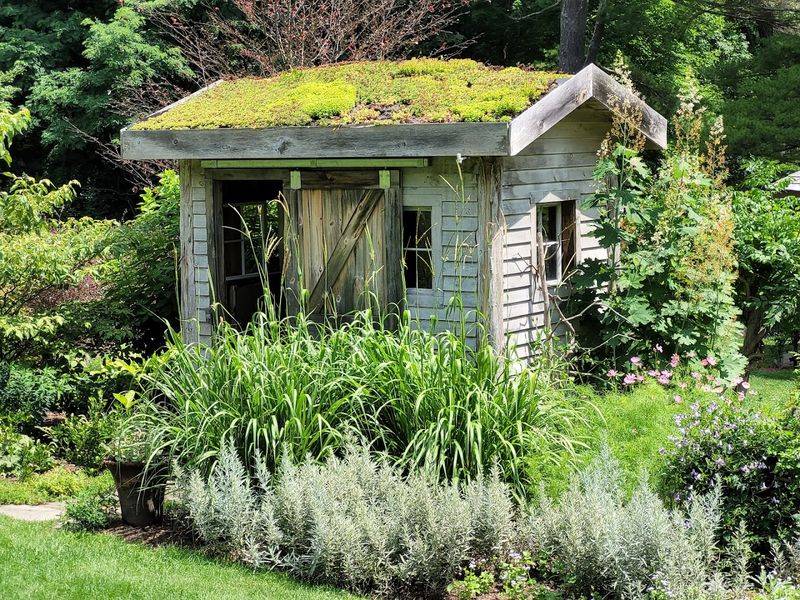
One of the smartest things about Berkshire Botanical Garden is that it does not rely only on broad landscape views. The grounds are packed with smaller details that change how you move through the place.
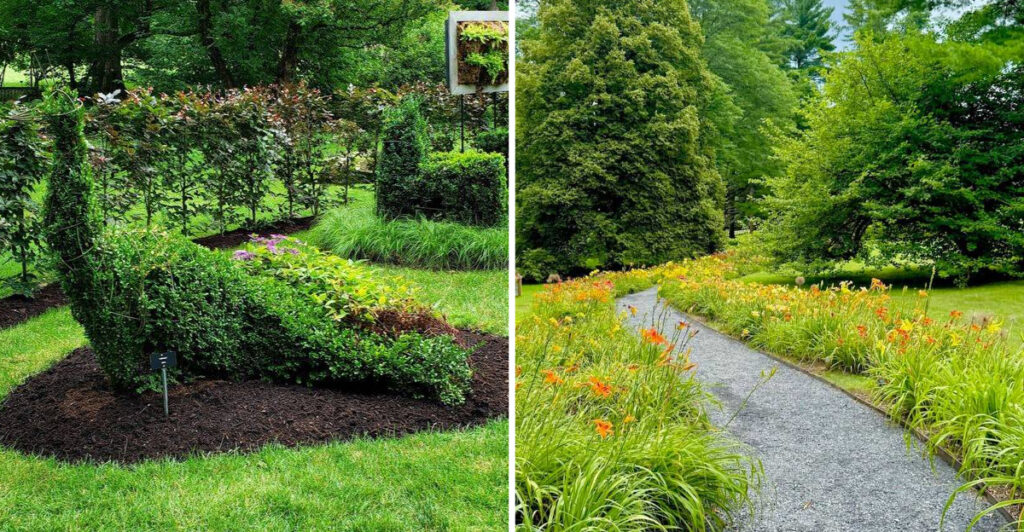
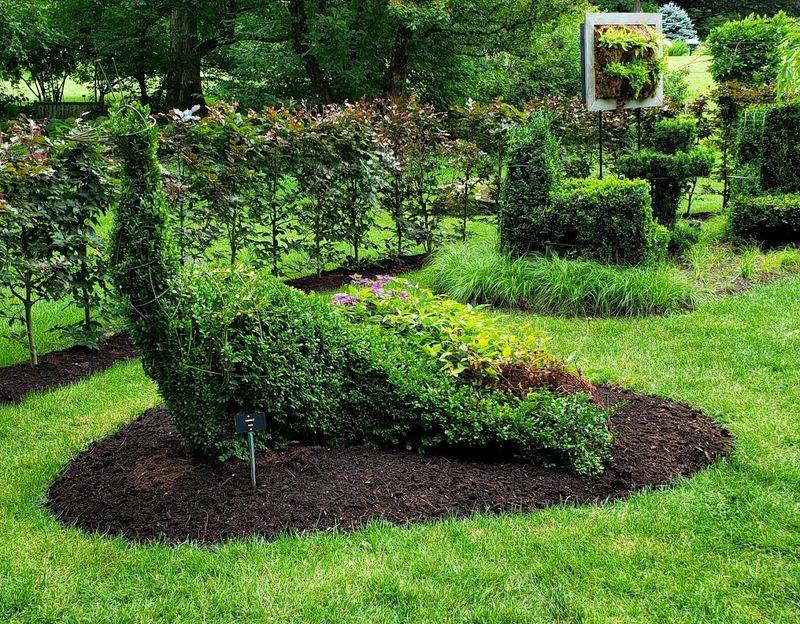
A shaped hedge, an unexpected sculpture, a tucked-away sitting area, or a carefully labeled plant can suddenly shift your attention from scanning the whole scene to studying one corner.
That close-up quality gives the garden personality. Reviews often mention features like the wish tree, topiary elements, and playful spots where seating becomes part of the design rather than an afterthought.
These are not oversized theme-park gestures. They work because they are folded into the landscape in a way that encourages pausing, circling back, and noticing textures, scents, and unusual forms.
The garden’s educational side also slips in without becoming heavy-handed. Plant labels, greenhouses, and demonstration-style areas provide context for what you are seeing, but the place never reads like an outdoor textbook.
You can absolutely drift through for beauty alone, yet if you like names, varieties, and design ideas, there is enough information to reward curiosity.
This combination of intimacy and discovery is why the garden works especially well for repeat visits in different seasons. One trip might center on daylilies, another on budding magnolias, another on herbs, greenhouse foliage, or sculptural plant shapes.
Because the experience is built from many smaller moments instead of one dramatic overlook, the visit stays flexible. You can stroll quickly, settle into details, or let a single unusual corner reroute the entire afternoon.
Where Massachusetts Garden Design Meets Local Culture
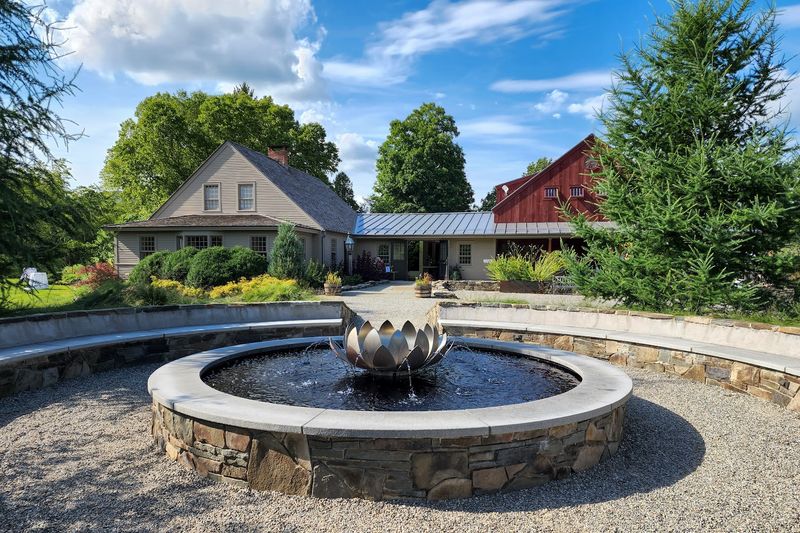
Berkshire Botanical Garden earns extra points for not separating horticulture from the larger cultural character of the Berkshires. This is not simply a place to look at flowers and leave.
Art exhibits, sculpture, and occasional installations add a second layer, giving the visit a subtle conversation between landscape design and the region’s broader creative identity.
That crossover matters in western Massachusetts, where gardens, galleries, and performance spaces often sit within the same day-trip orbit. At Berkshire Botanical Garden, the Center House and exhibit spaces can turn a plant-focused outing into something more textured.
You might come for blooms and winding paths, then find yourself lingering over artwork, interpretive material, or a visual surprise tucked into the grounds.
The Lost Bird Project sculptures and related displays are a strong example of how the garden expands beyond decoration. Instead of placing art as mere filler, the site uses it to create pauses and perspective.
Bird forms in the landscape encourage a different kind of attention, linking natural beauty with reflection on species loss and conservation without overwhelming the gentleness of the overall experience.
This local-cultural dimension also keeps the garden from feeling generic. Plenty of botanical spaces are beautiful, but fewer connect so naturally to the identity of their region.
In Stockbridge, where travelers often build a weekend around scenic drives, museums, and historic stops, Berkshire Botanical Garden fits right in while offering a softer tempo. It gives you gardens, yes, but also an artful Berkshire sensibility that makes the visit richer than a standard stroll among seasonal blooms.
How to Experience It Without Rushing
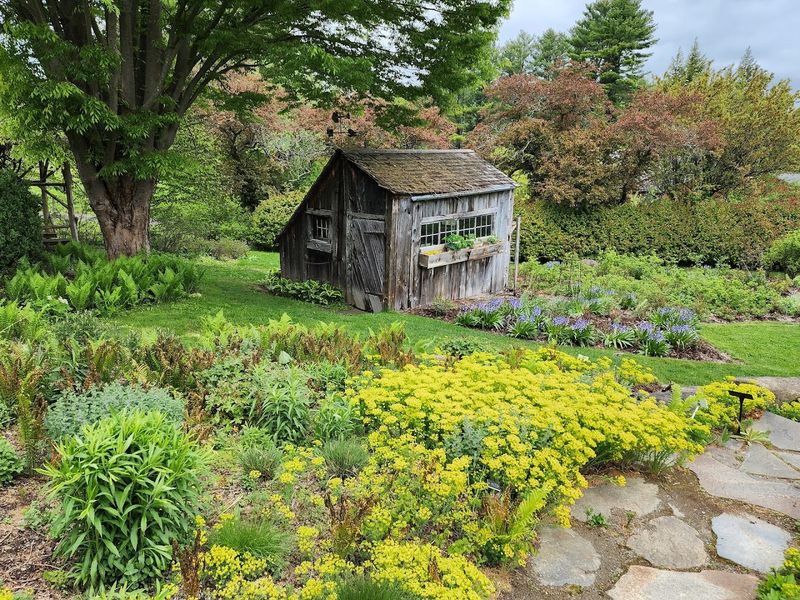
The best strategy here is wonderfully uncomplicated: do less, notice more. Berkshire Botanical Garden is not the kind of place that improves when you speed through trying to photograph every bed.
It works best when you allow the grounds to set your pace, moving between sections slowly enough to catch scent shifts, planting contrasts, and the small design decisions that give each area its identity.
Start on one side and stay with it before crossing the road to the other garden areas. That sounds obvious, but it matters because the property spans both sides, and treating each side as its own chapter makes the visit smoother and safer.
Instead of zigzagging back and forth, give yourself time to complete one sequence of paths, then reset and continue across.
If you can, arrive earlier in the day when the grounds are likely to feel calmer and the light is gentler on foliage, water, and flower color. A map helps, but this is one of those places where wandering is part of the pleasure.
There is enough structure to keep you oriented and enough variation to make detours rewarding, especially if a greenhouse, herb bed, or shady bench pulls you off the main route.
For a stress-free weekend stop, resist the urge to stack too much around it. Pair the garden with one nearby meal or another easy Stockbridge attraction, not five. The point of coming here is not efficiency. It is recovery through motion, air, and attention.
A visit tends to land best when you leave margin in the schedule for sitting quietly, retracing a favorite path, or staying longer in the section you did not expect to love most.
Timing, Tickets, and Useful Details Before You Go
Berkshire Botanical Garden is easy to fold into a weekend plan because the practical side is refreshingly straightforward.
The garden is open daily from 9 AM to 5 PM, which gives you a clear window for a morning visit, a relaxed midday stroll, or an afternoon stop before dinner elsewhere in Stockbridge. Parking is generally convenient, and the grounds are easy to find.
A typical visit lasts about two hours if you want to see both sides of the property without hurrying. That timing feels about right for most people: long enough to experience the range of gardens, short enough that it never turns into a commitment-heavy excursion.
There are restrooms, a small shop area, and places to sit, which all support the garden’s low-stress appeal.
Admission has recently been noted around $18 for adults, though some seasonal periods may operate on a suggested-donation basis. Since bloom quality changes across spring, summer, and early fall, your sense of value may depend on timing and expectations.
If you treat the visit as a designed landscape experience rather than a nonstop peak-bloom spectacle, the garden tends to make more sense in every season.
There are a few smart planning notes to keep in mind. Because most of the experience is outdoors, weather matters, and crossing between the two sides of the property requires attention to the road.
Even so, logistics stay pleasantly light. You do not need hiking gear, an all-day agenda, or expert plant knowledge to enjoy this place. Just bring comfortable shoes, a little curiosity, and enough unclaimed time to let the paths do their work.
Why This Berkshire Escape Stands Out
Berkshire Botanical Garden succeeds by understanding exactly how much space, movement, and variety a relaxing afternoon actually needs. The grounds never feel cramped, but they also never drift into the exhausting scale that can make larger botanical properties start feeling like assignments instead of outings.
You can wander comfortably between rose beds, shaded paths, ponds, greenhouses, and meadow sections without constantly checking a map or worrying about what you missed. That balance gives the garden a broader appeal than many destination-style attractions.
Couples can move slowly through the quieter corners, families can spread out without losing each other immediately, and solo visitors can settle onto a bench with a view that feels private for a few minutes. The experience adjusts naturally depending on how much energy, time, or attention you want to bring into the day.
The garden also benefits from the Berkshires themselves. In a region known for museums, performances, scenic drives, and busy seasonal weekends, this stop offers a softer counterpoint.
Instead of schedules, tickets, or crowded itineraries, the visit revolves around walking, observing, and occasionally stopping because a particular planting combination or hidden corner catches your eye longer than expected. What lingers afterward is not one dramatic reveal, but the overall texture of the afternoon.
A greenhouse fogging lightly in the morning sun, reflections moving across the pond, layered flower beds changing color around a bend, or a quiet path briefly empty except for birds and wind in the trees.
Berkshire Botanical Garden works because it gives those smaller moments enough room to matter, and that is exactly what makes it such a satisfying Massachusetts weekend escape.
Share this story