A box of familiar cereal costs less than expected. So does the pasta sauce beside it.
Then you spot an organic snack you normally skip because of the price, and suddenly that lands in the cart too. This is the rhythm of shopping at Grocery Outlet in Hamilton Township, where everyday staples share shelf space with deeply discounted surprises.
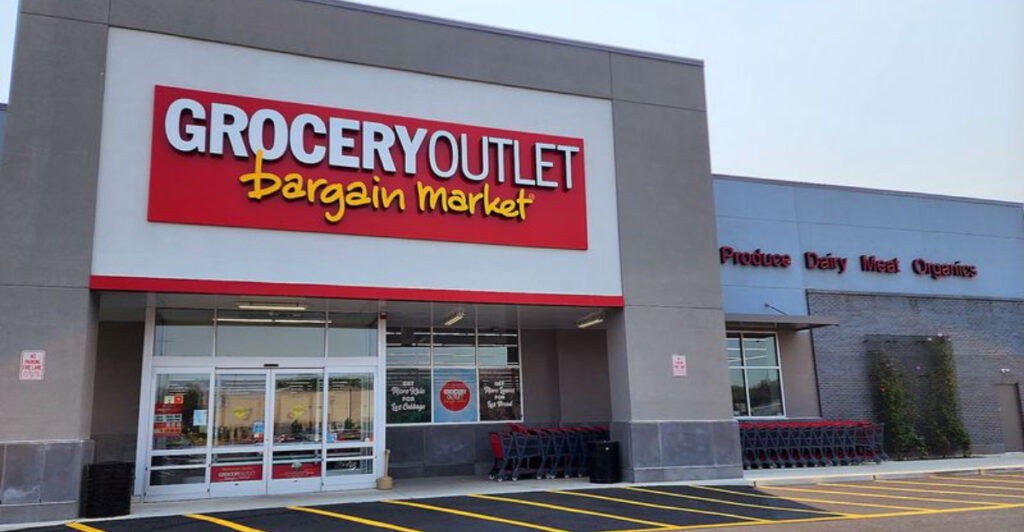
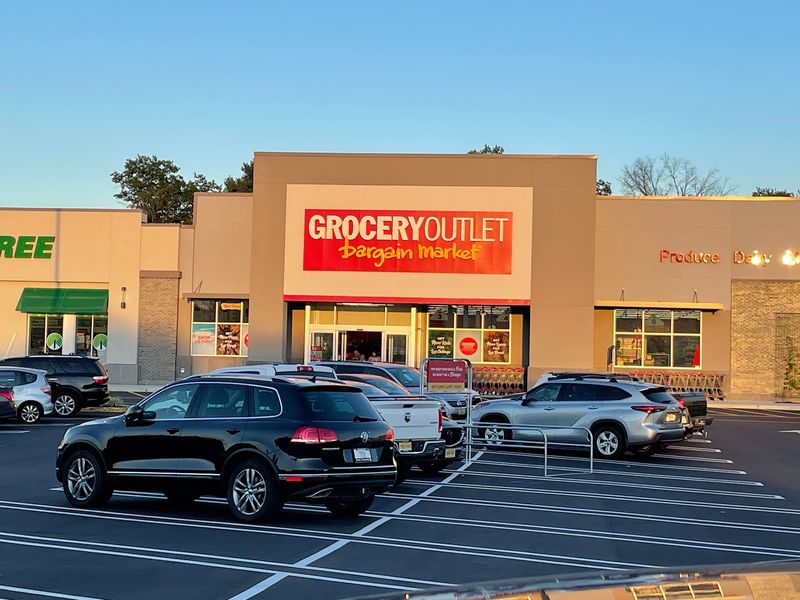
The store at 1075 Whitehorse Mercerville Road is not a warehouse club, and there is no membership card standing between shoppers and the bargains. Instead, its shelves are stocked through a buying system built around surplus inventory, production overruns, packaging updates, and other opportunities that conventional supermarkets often pass over.
The result can be savings of 40 to 70 percent on certain products compared with prices at traditional retailers. For Mercer County families watching every grocery dollar, those markdowns can turn an ordinary weekly errand into one of the most useful stops in town.
Grocery Outlet Brings Deep Discounts to Hamilton Township
Shoppers in Mercer County have a new reason to feel curious at checkout. Grocery Outlet’s arrival in Hamilton Township adds a big discount option for families who want familiar labels without the usual supermarket sting.
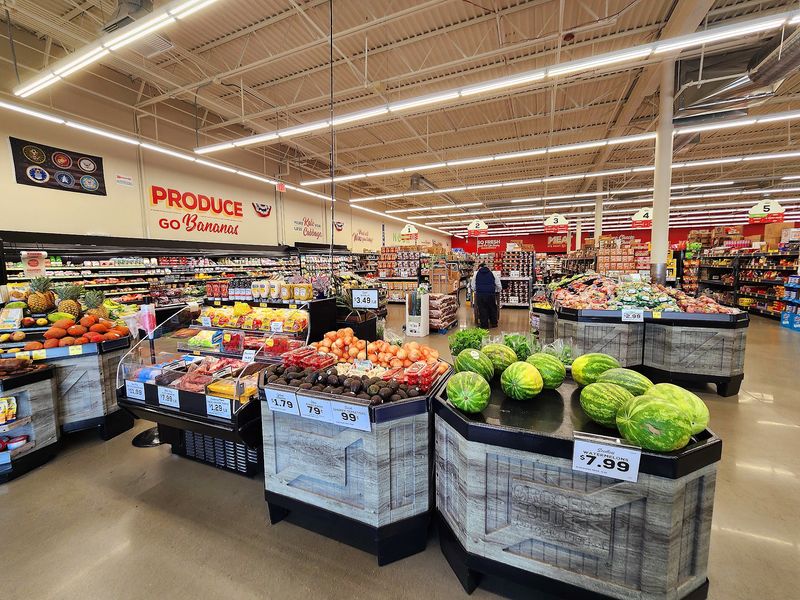
The store’s size matters because more space often means more surprises, from pantry basics to freezer finds and snack shelf favorites.
Walking in, you can expect a setup built for browsing rather than rushing. One trip might turn up cereal, coffee, pasta sauce, and paper goods from brands people already know, while another visit brings a totally different mix.
That changing lineup gives the store a local buzz, since regulars know a quick stop can pay off in a real way.
For New Jersey shoppers watching every dollar, a place like this can change weekly routines. It helps to bring a list, stay flexible, and check dates and package sizes before tossing items into the cart.
Hamilton Township now has a spot that feels practical, lively, and especially appealing when grocery bills keep climbing for local households across busy weekdays and budget-focused weekends alike.
Brand-Name Groceries Come With Prices up to 70 Percent Lower
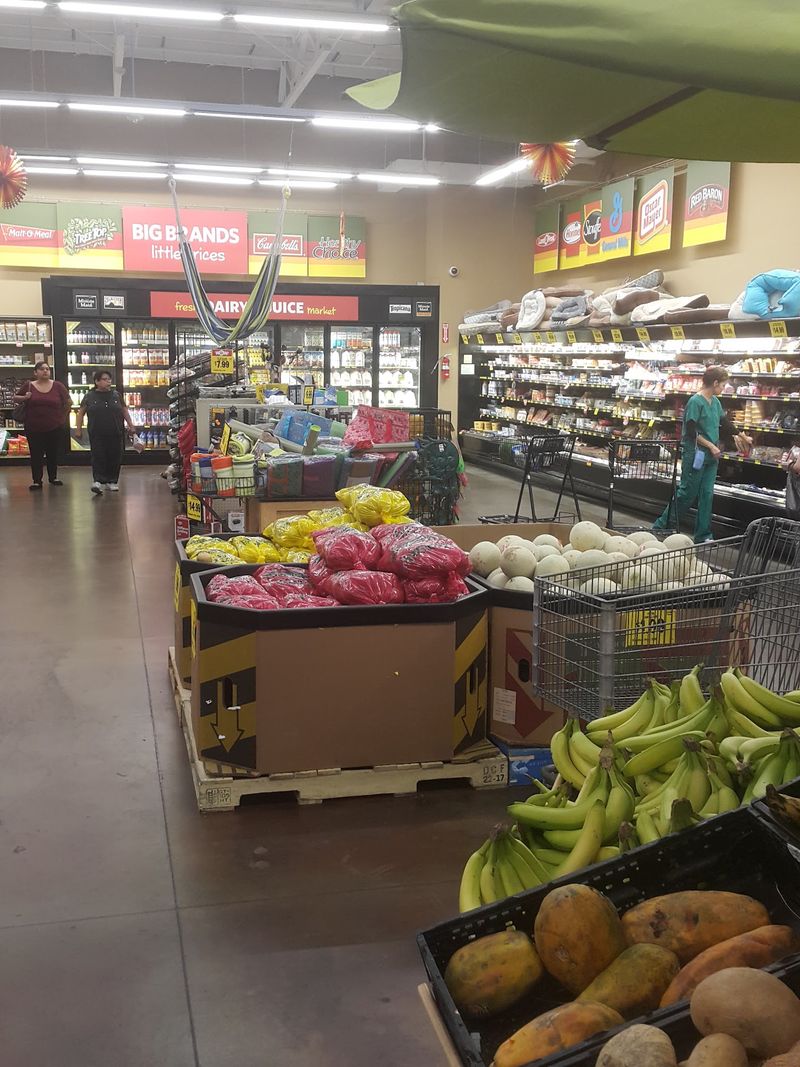
Sticker shock hits fast in any grocery aisle, which is why the promise of prices up to 70 percent lower grabs attention. At a discount market like Grocery Outlet, the appeal is simple: shoppers may spot brand-name food and household staples marked far below what they usually see elsewhere.
That kind of gap can free up room in a monthly budget without forcing people to switch everything they buy.
Not every item will be a jaw-dropping bargain, and that is part of shopping smart. The best approach is to compare shelf tags, think in unit prices, and focus first on products your household uses all the time.
If a favorite cracker, yogurt, or pasta brand shows up at a deep markdown, stocking up makes sense when the date and storage needs work for you.
Families, roommates, and retirees can all benefit from that mix of familiarity and savings. Paying less for recognizable labels can make meal planning feel easier, especially for picky eaters or busy parents.
Saving on basics also leaves more cash for foods, school needs, gas.
Overstock and Packaging Changes Keep the Savings Coming
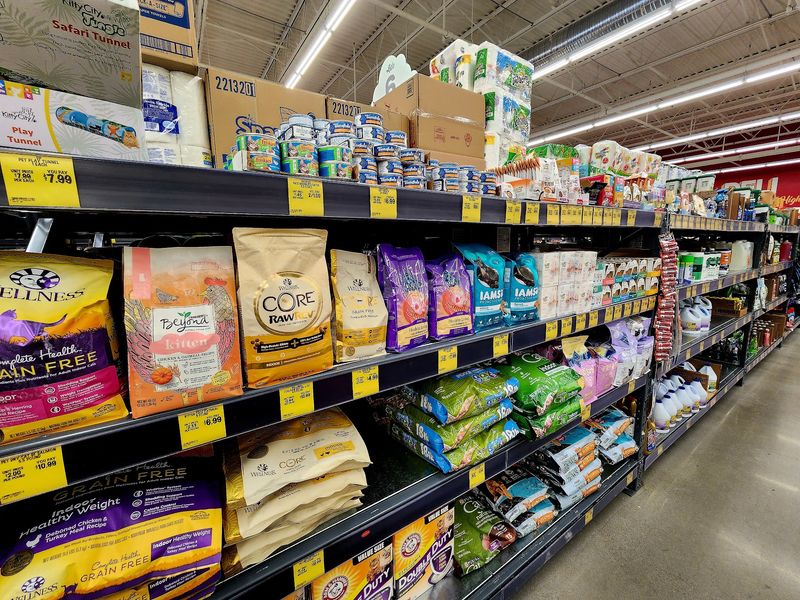
Here is the trick behind many discount shelves: the low price often comes from timing, not low quality. Grocery Outlet stores are known for buying overstock, seasonal extras, and products with updated labels or packaging, then passing those savings to shoppers.
A box with a new design or a batch made for a promotion can still be perfectly useful for your pantry.
That business model keeps the store feeling fresh because inventory changes as opportunities appear. One week you may notice extra soup, baking mixes, and cookies from a major brand, while the next week brings sauces, frozen meals, or drinks in a different package style.
Manufacturers need room for new items, and discount chains can turn that transition into lower prices for regular customers.
Shoppers still need common sense. Check best-by dates, inspect dents or seals, and think honestly about what your family will finish.
When the item fits your routine, buying overstock or old-package goods can feel less like settling and more like beating the system in the nicest possible way at the register for most shoppers.
Every Aisle Feels Like a Treasure Hunt
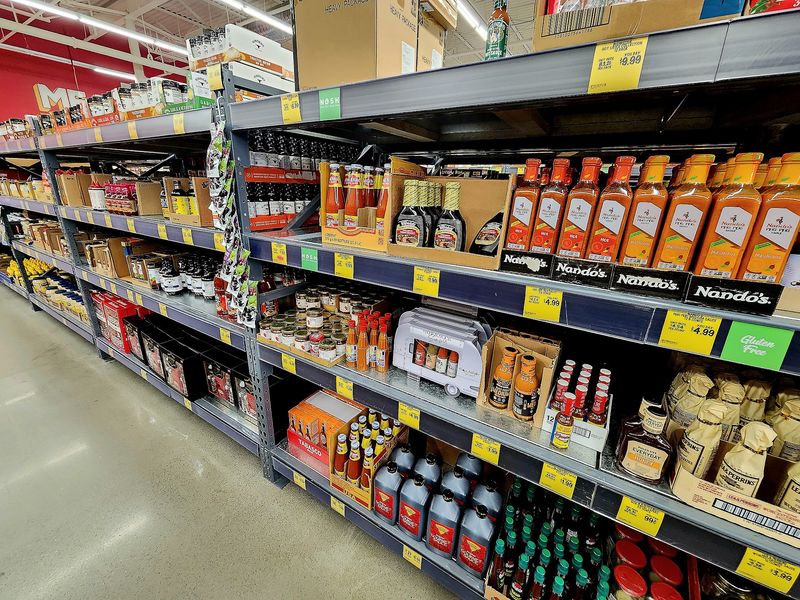
Some grocery trips feel like homework, but this kind of store can feel more like a scavenger hunt. The fun comes from never knowing exactly what will be waiting at the end of the next aisle.
Familiar brands sit beside surprise finds, and that mix can turn a routine errand into a small win after work or on a weekend afternoon.
Because the selection shifts, regular shoppers learn to keep their eyes open. A shelf that held granola bars last week might now feature imported cookies, sparkling water, or a sauce you have wanted to try without paying full price.
That sense of discovery keeps people moving slowly, checking endcaps, and thinking creatively about meals instead of buying the same thing every single time.
There is a practical side to the treasure-hunt vibe too. You may walk in for bread and leave with lunchbox snacks, a better coffee, and a freezer backup for hectic nights.
The key is balancing curiosity with a budget, so the surprises stay helpful rather than turning into clutter in your kitchen cabinets at home later.
Organic and Specialty Foods Lose Their Premium Price Tags
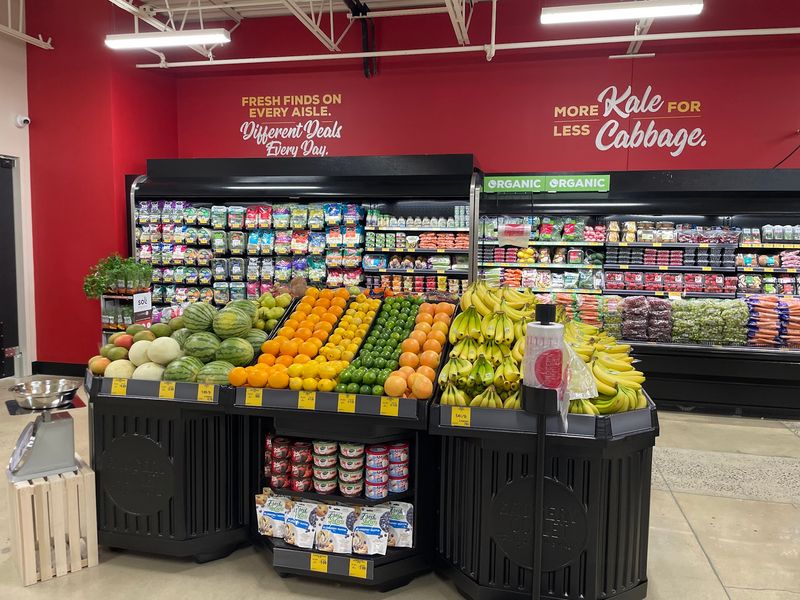
Organic snacks and specialty foods usually make shoppers pause, then look at the price twice. At a discount grocery store, those higher-end items can feel much more reachable.
That matters for people who want gluten-free crackers, plant-based drinks, natural sauces, or better-for-you treats without turning one shopping trip into a budget problem.
Sometimes the biggest surprise is seeing foods that normally live in a pricey health aisle show up beside standard groceries. When those items land at a markdown, trying something new feels less risky.
You can test a fancy granola, an organic soup, or a specialty pasta sauce without wondering if one experiment just wrecked your weekly spending plan.
There is still a smart way to shop this category. Read ingredient labels, compare package sizes, and only buy extras if your household truly uses them.
A lower price does not help if the food sits untouched in the pantry. Still, finding premium-leaning products for less can make healthy choices and food sensitivities easier to manage, which is a big deal for many New Jersey families right now.
Smart Shopping Habits Can Add Up to Thousands in Annual Savings
A few dollars saved on one box of cereal may not seem life-changing at first. Add those small wins across milk, snacks, frozen foods, coffee, condiments, and cleaning supplies, and the yearly total can become impressive.
That is why discount grocery shopping is not only about a fun bargain, it is also about building better habits that quietly protect your wallet.
The simplest strategy starts before you leave home. Make a flexible list with must-buy staples and a second group of nice-to-have items.
Once you are in the store, compare prices, avoid panic buying, and grab extras only when the discount is strong and the product is something your household will actually use.
Storage matters too, especially for bigger savings. If you have room in a pantry, fridge, or freezer, stocking up on smart deals can cut future full-price trips.
Over months, that rhythm can shrink the grocery budget in a meaningful way. For some families, steady bargain shopping could add up to hundreds, and possibly thousands, in annual savings over time without changing what they like to eat most.
Share this story