Somewhere in Cambridge, a room full of orchids, lilies, and wild roses has not been watered in over a century, and none of them has wilted. That is because every petal, stem, and root is made of glass.
People press close to the cases, squint, and then shake their heads, because the plants simply refuse to look fake. The same building also holds a whale skeleton hanging overhead, rooms of minerals, meteorites, dinosaur bones, and enough mounted animals to fill a small ark.
For Massachusetts residents hunting for a meaningful day trip that does not require a plane ticket or a long hike, this spot near Harvard Yard delivers a lot of wonder in a few hours. Keep reading for the story behind the glass, the best rooms to explore, and the practical tips that make a visit easy.
A Museum Tucked Into Harvard’s Backyard
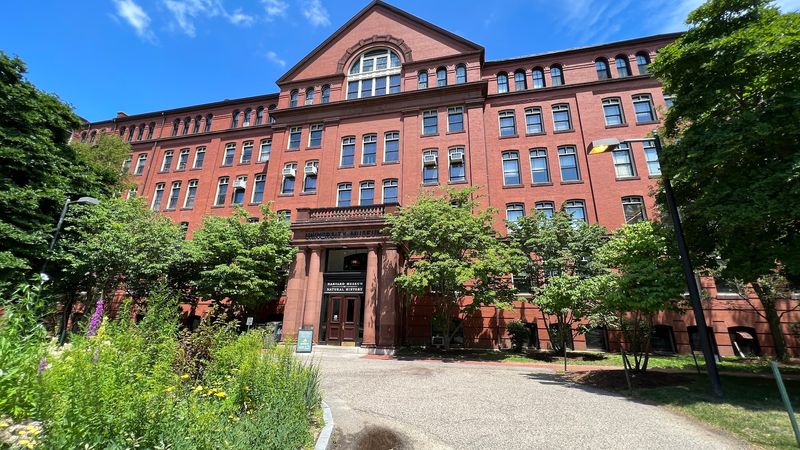
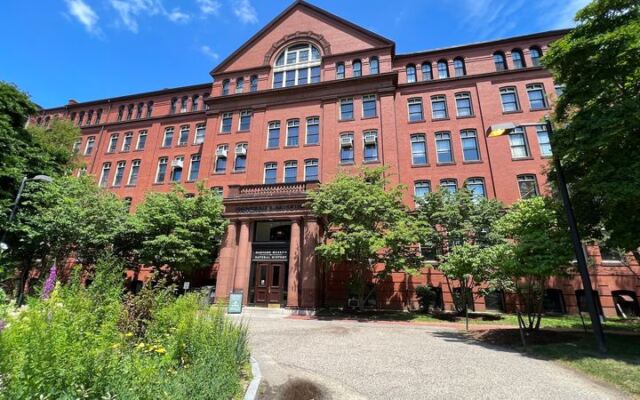
Just a short walk from the busy paths of Harvard Yard sits a brick building that holds one of the most surprising collections in the state. The Harvard Museum of Natural History stands at 26 Oxford St, Cambridge, MA 02138, in Massachusetts, United States.
It is a natural history museum built around three big strengths: glass flowers, zoology, and minerals. The galleries cover animals, rocks, fossils, and plants, all under one roof.
The building itself has an old-school character. Ceilings run lower than in many modern museums, and the layout moves room to room, which gives the place the feel of a naturalist’s personal collection grown very large.
Finding the right door can take a moment, since GPS directions sometimes point toward the wrong side of the building. A quick check of the museum map before arriving saves some wandering around Oxford Street.
Size is part of the charm here. The museum is not enormous, so a visit feels manageable rather than exhausting, yet the exhibits are packed so densely that many people stay far longer than planned.
The location also pairs nicely with a stroll across the Harvard campus, with its traditional brick buildings and leafy walkways. A campus walk followed by an hour or two inside makes for a full, easy outing.
And then there is the second floor, where the most famous residents of the building have been blooming without water for generations.
The Glassmakers Behind the Garden
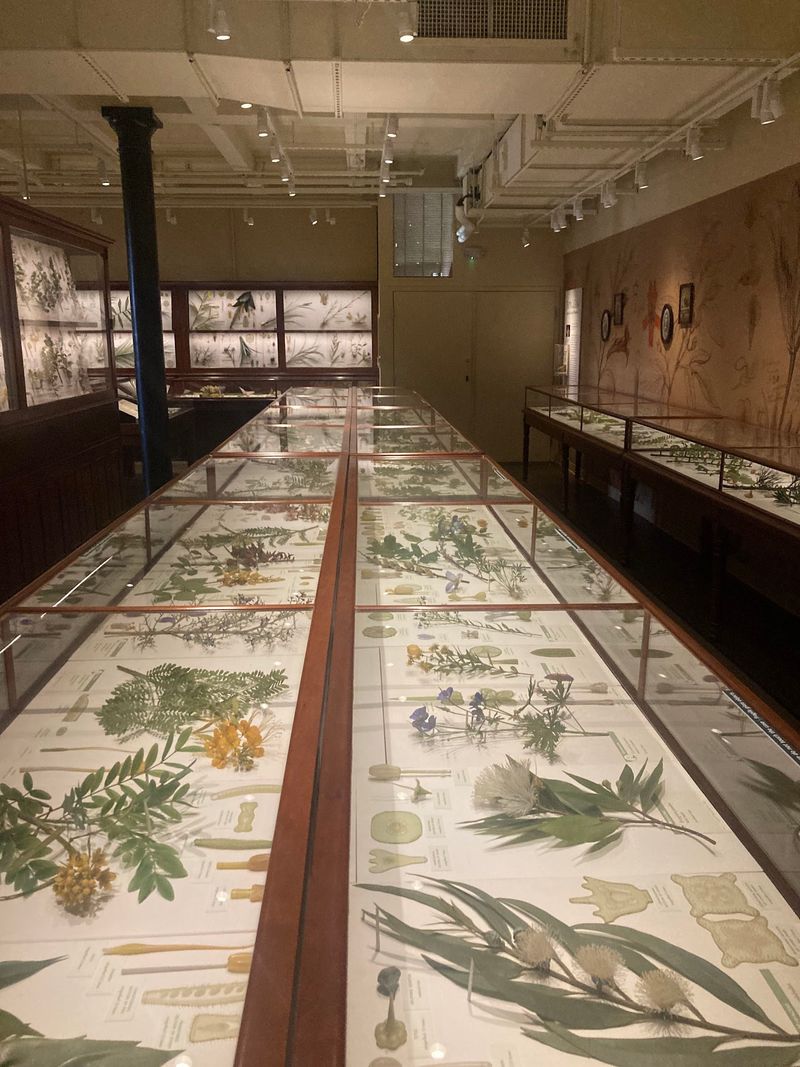
Long before color photographs could teach botany, a father-and-son team of glass artists named Leopold and Rudolf Blaschka took on a very unusual job. They crafted plant models in glass for Harvard, built to serve as teaching tools.
Those models became the Ware Collection of Blaschka Glass Models of Plants, known to almost everyone simply as the Glass Flowers. It remains one of a kind and is still on display today.
The goal was scientific accuracy, not decoration. That is why the collection does more than show pretty blossoms.
Many cases include dissected flowers, cross-sections of plant parts, and enlarged details that a botany student would need to study. Some people end up most fascinated by these cutaway models rather than the full plants.
The Blaschkas also made glass sea creatures, and a smaller exhibit of these marine models appears in the museum too. Fans of the duo sometimes come specifically for those jellyfish-like forms and find the plant collection far larger than expected.
Here is a fun bit of trivia worth sharing on the drive home. The models were created for learning, yet they became so famous that people now travel to see them as art.
Knowing the backstory changes how the gallery reads. Every case becomes a lesson that happens to look like a garden.
Petals That Pass the Double-Take Test
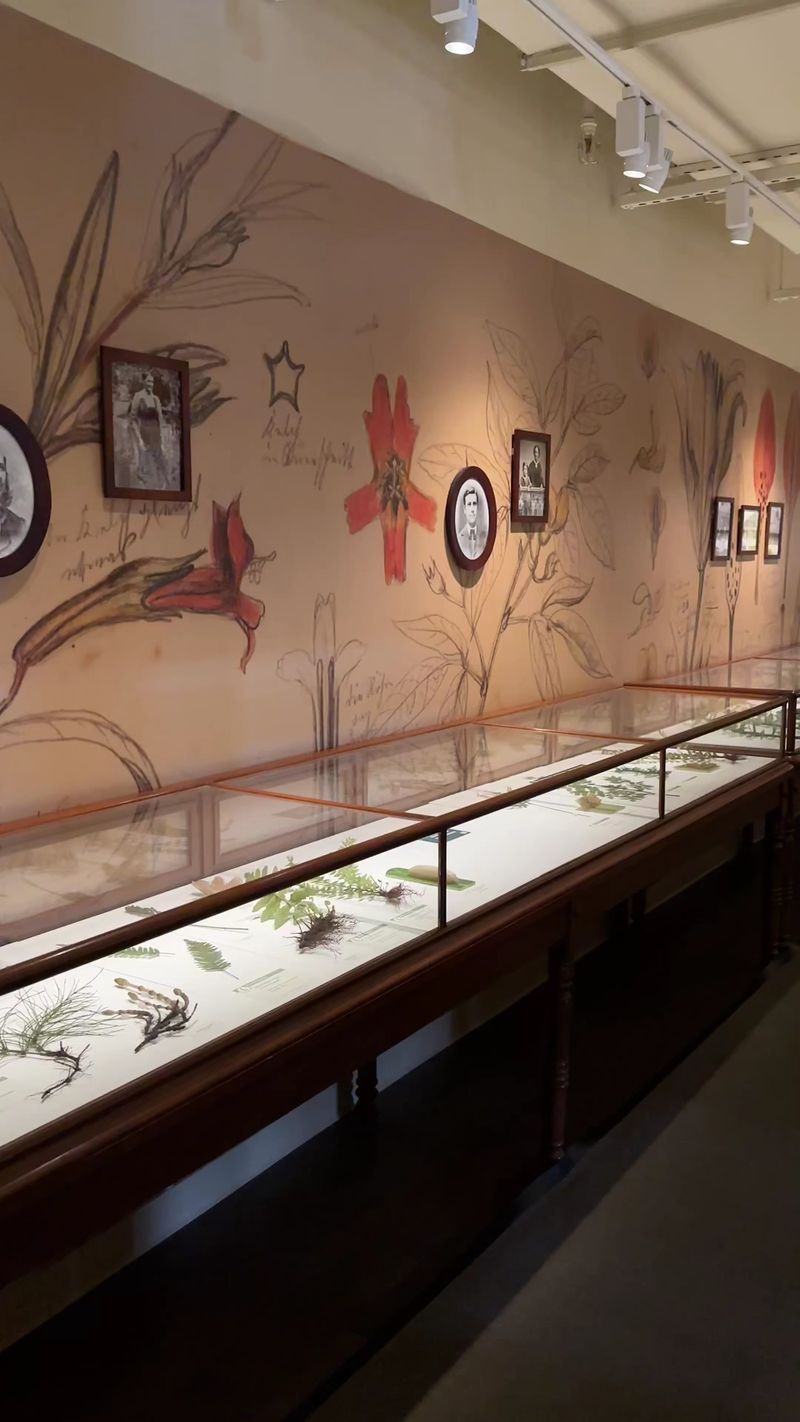
Here is the funny part about the Glass Flowers gallery. People know before they walk in that everything is glass, and they still catch themselves doubting it.
The collection lives on the second floor, and it consistently lives up to its reputation. Petals look delicate, leaves curl naturally, and stems seem ready to bend.
The craftsmanship is the headline. Plants appear so realistic and fragile that many guests say this exhibit alone justifies the trip.
Cases hold a huge range of species, from showy blooms to humble plants that most people would walk past in a field. Some displays include roots, which adds to the startling realism.
Photography fans should plan ahead a little. The LED lighting in the gallery can make clean photos tricky, so patience and a few tries help.
Families tend to treat the room like a quiet puzzle. Kids compare models to flowers they know from their own yards, and adults start reading labels just to confirm the obvious.
A slow lap is the best approach. Rushing through means missing the tiny details, like hairs on a stem or the inside of a split seed pod.
Leave a little time to circle back at the end. The second look is often when the glass finally sinks in.
Whales Overhead and a Roomful of Relatives
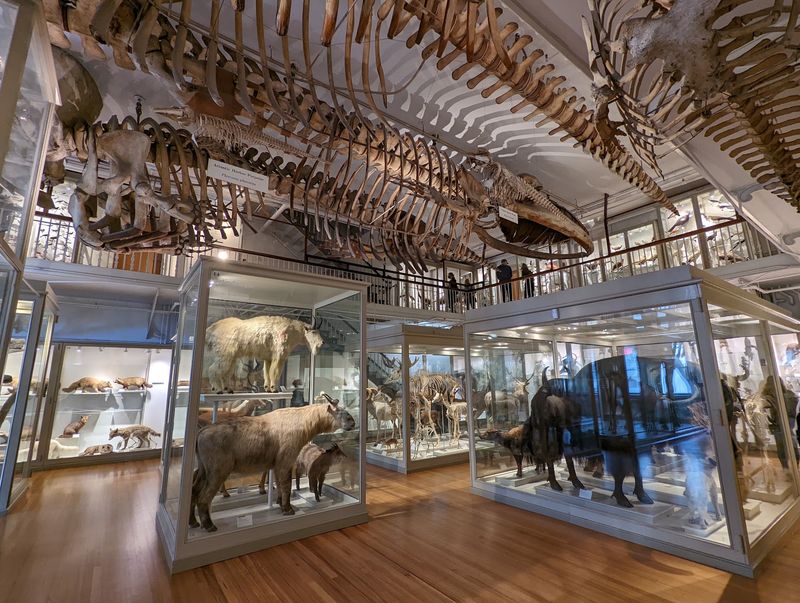
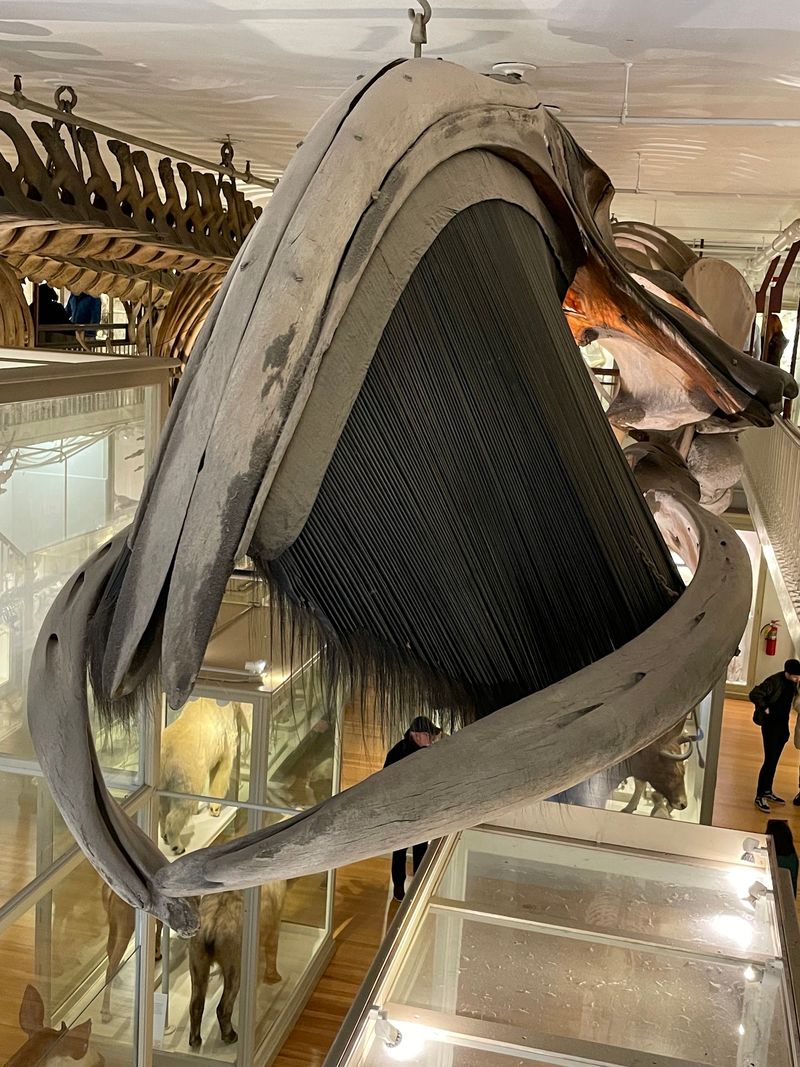
Look up. An enormous whale skeleton hangs from the ceiling in the zoology galleries, and it tends to stop conversations mid-sentence.
Below it sits a collection of mounted animals that is, frankly, a lot. Mammals, birds, and fish from every continent fill the cases, many of them gathered more than a hundred years ago.
The arrangement is dense, with animals placed close together in older-style displays. Some mounts show more personality than others, which is part of the historical flavor.
What makes this wing especially useful is the side-by-side approach. Skeletons sit near skins of similar species, so comparing bone structure with outer form becomes easy.
The left wing leans heavily on taxonomy, grouping creatures by their family ties. Insects appear here too, adding the small stuff to the giant stuff.
An evolution room rounds out the section. It is simpler than some other exhibits, but it gives younger guests a handy framework for everything else they see.
Signs earn real praise in this part of the museum. They are readable, clear, and explain why animals are grouped the way they are, which turns browsing into learning without much effort.
By the time the last case is done, that whale overhead starts to feel less like a decoration and more like the room’s quiet host.
Rock Stars of the Mineral Wing
Plenty of museums have a rock room. Few have one that people describe as almost overwhelming in the best way.
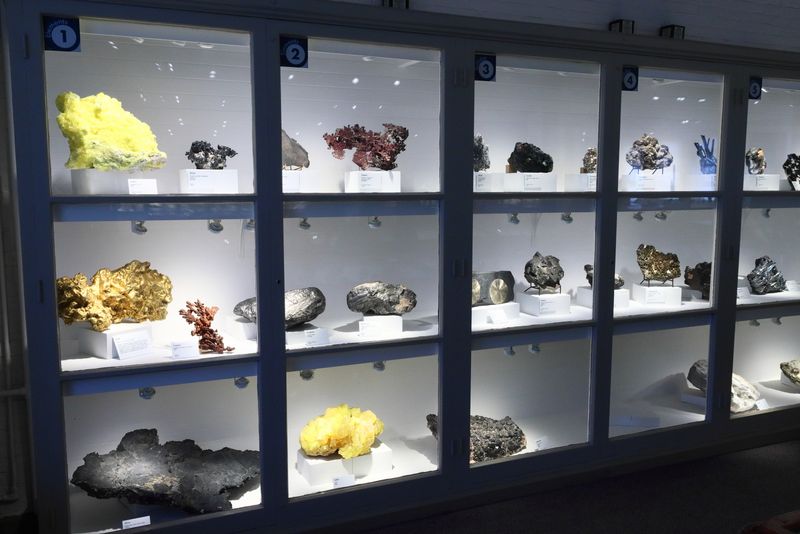
The mineral and gem wing sits to the right side of the museum, and it seems to go on and on. Some guests rank it as the finest mineral display they have seen anywhere.
These are not pocket-sized pebbles. Many specimens are large, and they are organized into rock families so the relationships between them make sense.
Crystals appear in a wide spread of colors and forms. Geodes, gemstones, and polished pieces fill case after case.
A popular little game here is hunting for a birthstone. It gives kids and adults alike a personal reason to slow down and read the labels.
Geology exhibits extend the story beyond pretty stones. They explain how rocks form and change, which adds depth for anyone curious about the ground beneath Massachusetts towns.
Meteorites also have a place in this section. Seeing material that arrived from space sitting near crystals from the Earth makes a nice contrast.
Time disappears quickly in this wing, so it helps to budget for it. Those who planned a quick peek often leave a full hour later, rock-solid fans of geology.
Fossils, Dinosaurs, and Four Museums for One
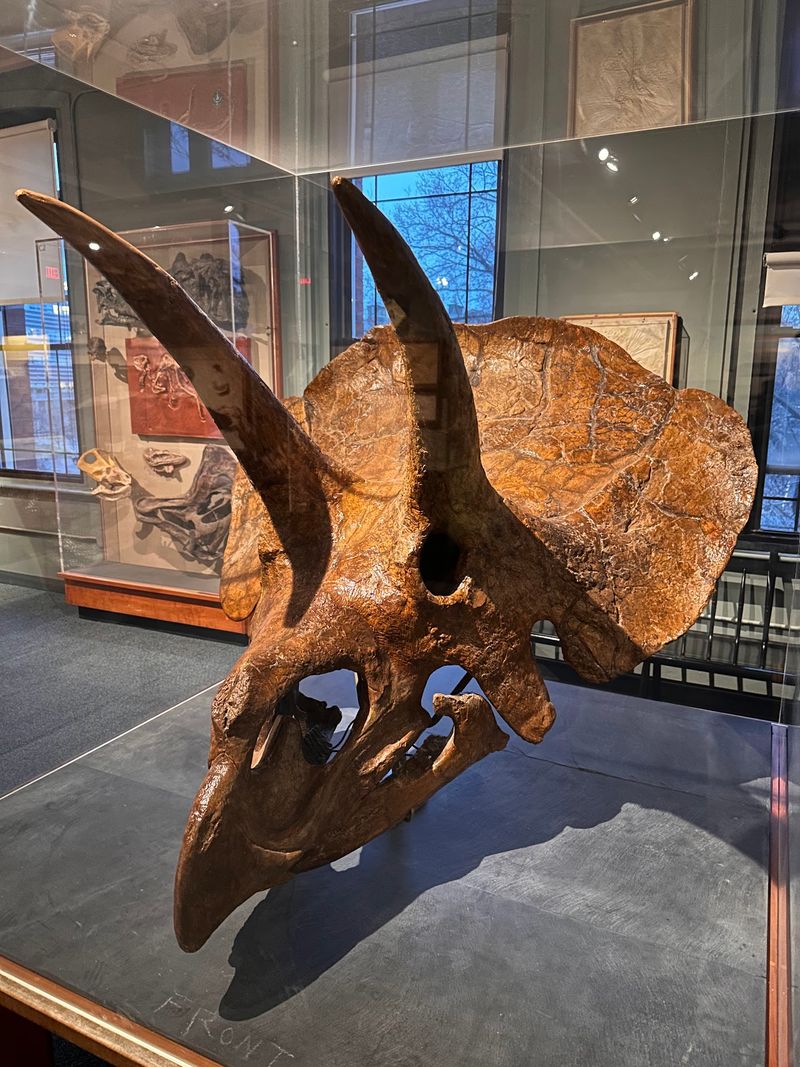
Dinosaur bones are on the menu too, and they hold their own against the flashier exhibits. The fossil displays cover ancient creatures and extinct mammals, with helpful signs beside the bones.
Those signs deserve credit. They explain what each skeleton is and how scientists group them, which keeps the fossil hall from becoming a blur of bones.
Here is where the value gets interesting. Admission typically covers more than one collection.
The Peabody Museum of Archaeology and Ethnology connects directly to the building. Exhibits there include artifacts tied to Central American history and culture, along with a well-liked Americas exhibit.
The ticket can also extend to other nearby Harvard museums, including the Harvard Museum of the Ancient Near East and the Collection of Historical Scientific Instruments. That is why some people call it several museums for the price of one.
The museum also includes a section on climate change. Many guests skip it simply because the main galleries take up their time.
Planning matters with so much included. A two-hour visit usually covers the natural history side, while seeing the anthropology galleries too can stretch the day much longer.
Pick priorities before arriving, then let curiosity handle the rest.
Who Leaves Happiest
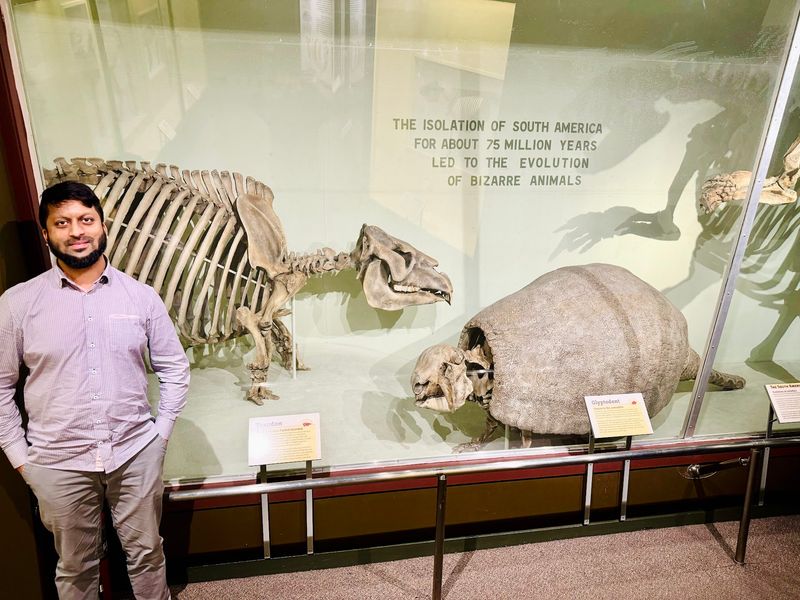
Kids with clipboards are a common sight here. School groups often move through the galleries on scavenger hunts, searching the labels for answers.
That energy tells you a lot about the place. It is a strong pick for families, with young children often enjoying room after room.
Special programs add extra appeal. One family brought two girls, ages 8 and 5, to a lecture about axolotls, and the children were completely absorbed.
Adults are far from left out. Even people who have toured the world’s biggest museums mention learning plenty of new things here.
Staff and volunteers circulate in the galleries, ready to answer questions about the exhibits. Their knowledge turns a casual browse into real conversation.
Those who enjoy nature, science, or history tend to feel right at home. Even folks who usually skip museums often call this one a pleasant surprise.
The overall mood is calm and thoughtful for much of the day. Field trips can make some hours lively, so quieter visits come down to timing.
The gift shop is worth a stop on the way out. It stocks appealing souvenirs and some of the most reasonably priced postcards around, a small win for budget-minded collectors.
Hours, Tickets, and Getting There
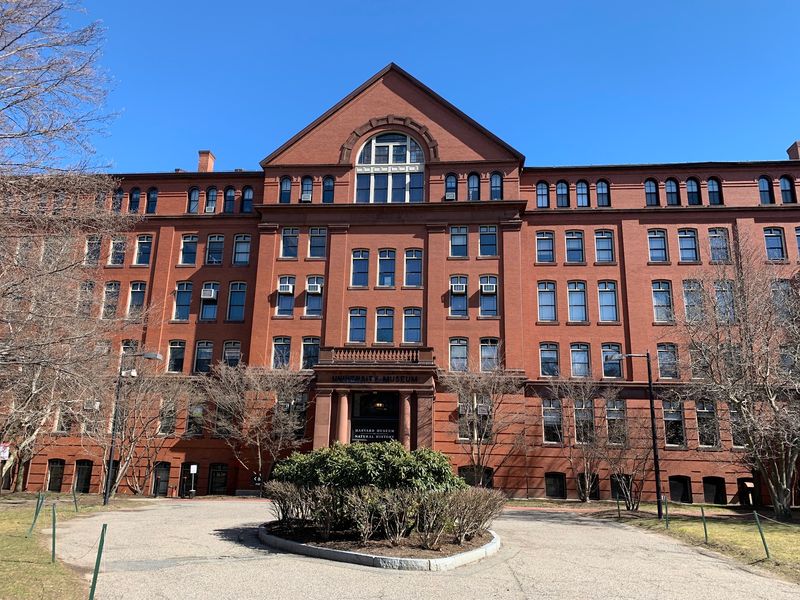
Good news for flexible planners: the museum keeps the same schedule every day of the week. Doors open at 9 AM and close at 5 PM, Monday through Sunday.
Arriving right at opening is a smart move. Mornings tend to be calm, while late morning into noon brings bigger crowds and more families.
Rainy days also draw a crowd, since everyone has the same indoor idea. Weekdays generally offer a more relaxed pace.
Regular adult admission has been around $15, and many people find it reasonable compared with other big museums. The museum also works with the City pass for those using one.
The title promises free, and prices and discount programs can change. Massachusetts residents should check the official website at hmnh.harvard.edu for current admission details before heading out.
Parking takes some thought. The museum does not provide its own lot, so options are street parking or a paid garage nearby.
One handy choice is the garage at 52 Oxford Street, which is very close, and the museum offers a sign-up for parking there. Public transit and short rides from Boston neighborhoods like Back Bay also work well.
Inside, an elevator is available, though moving between floors can still involve some stairs. Plan accordingly and the logistics stay simple.
A Day Trip Worth the Second Look
Some outings need a long drive, a big budget, or serious hiking boots. This one needs a few free hours and a little curiosity.
The Harvard Museum of Natural History packs glass flowers, a hanging whale, towering mineral displays, dinosaur bones, and connected cultural collections into one manageable building. It holds a 4.8-star standing from thousands of people, which says plenty about its staying power.
Time is the main thing to budget. Two hours covers the highlights, three to four hours lets you see most things, and a full day is possible for those adding the attached museums.
For Massachusetts residents, the appeal runs deeper than a rainy-day plan. These collections are part of the state’s own scientific story, cared for and shown to the public for generations.
Pair the visit with a campus stroll, grab a few postcards, and save the Glass Flowers for a final lap. That last look tends to be the one people remember.
Plenty of folks return decades after a first visit, sometimes bringing a spouse or grandchild who always wanted to see the glass garden. The flowers have waited patiently.
They are not going anywhere. But a weekday morning on Oxford Street might be the perfect time to finally lean in and check.
Share this story