Somewhere in south Minneapolis, an Egyptian mummy shares a roof with Monet, Rembrandt, and a Tibetan sand painting, and nobody charges a cent at the door. The collection stretches across roughly 5,000 years of human creativity, so a single afternoon barely scratches the surface.
Crafters, design fans, history buffs, and families on a budget all find something here worth the drive. Keep reading for the full story, from the mummy and the period rooms to parking tricks and the best day to show up.
A Free Landmark on Third Avenue South
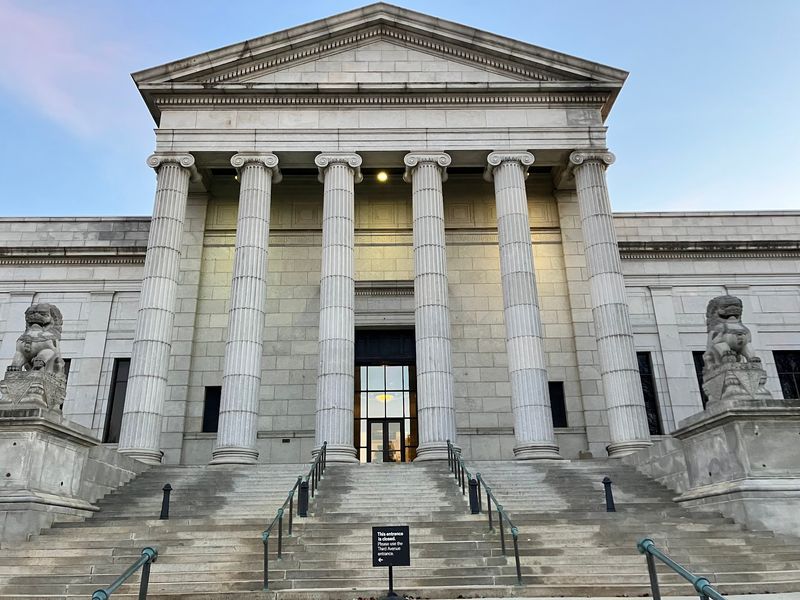
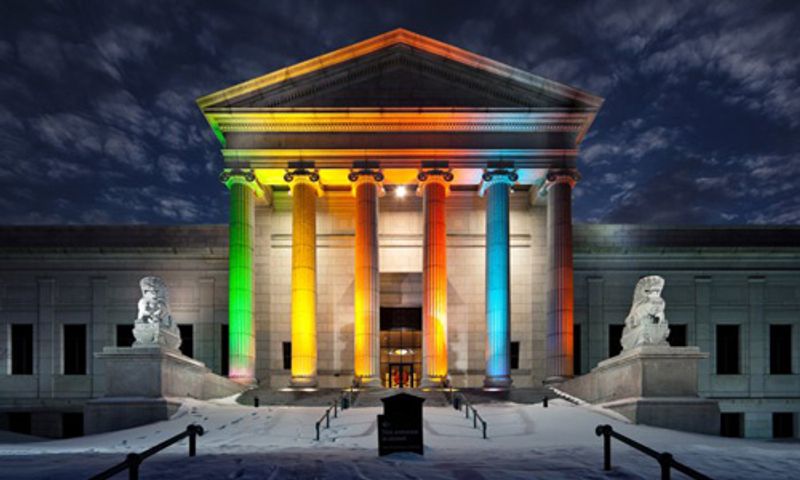
First, a small correction to the headline’s spirit. The place in question is the Minneapolis Institute of Art, an art museum rather than a rock-and-mineral hall, though its collection digs deep into the past all the same.
You will find it at 2400 3rd Ave S, Minneapolis, MN 55404, in the state of Minnesota, United States.
Locals tend to call it the MIA, and the nickname shows up everywhere from conversations to signage. The building sits in a neighborhood setting just south of downtown, which makes it an easy stop for city residents and out-of-towners alike.
The big headline here is the price tag, or rather the lack of one. General admission is free, with a suggested donation collected near the entrance for anyone able to chip in.
Special exhibitions are the exception and can carry a fee. Everything else, from ancient objects to modern paintings, stays open to anyone who walks through the doors.
The museum carries a 4.8-star average across more than 10,500 opinions on Google, which says a lot about how consistently it delivers. Many first-timers arrive on the advice of friends who insist it cannot be skipped.
That kind of word-of-mouth reputation is hard to earn and even harder to keep, so the MIA clearly does something right.
Five Thousand Years Under One Roof
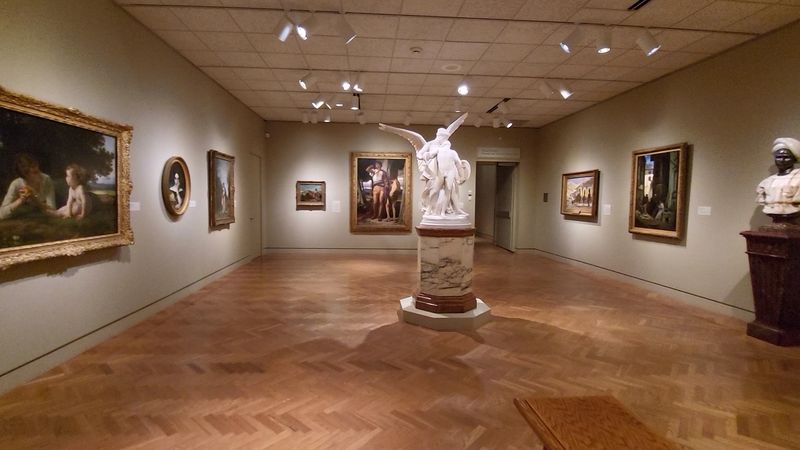
From a mummy to Monet, the museum’s own tagline sums up the range nicely. The collection covers about 5,000 years of fine and decorative arts.
That span is the real draw. One hallway might lead to ancient artifacts, and the next might open onto modern and contemporary painting and sculpture.
The galleries are generally grouped by century, country, region, or culture. Sculptures, historical objects, pottery, themed galleries, and cultural exhibits all share space with classic canvases.
People who would not call themselves artsy still find plenty to enjoy. The variety makes the museum approachable for anyone with even a passing interest in history, culture, or design.
Latin American art, Asian artifacts, and European paintings all have their own corners. Design-minded guests often linger over pieces related to vehicle design, which is not something every art museum offers.
The sheer quantity is part of the fun. Some regulars say they could return every day for a week and still have rooms left to explore.
Others admit they have barely made it past the second floor after multiple trips. For a free museum, that is a remarkable amount of art per dollar, which is to say infinite.
Plan to come back, because one trip simply will not cover it all.
The Mummy Everyone Asks About
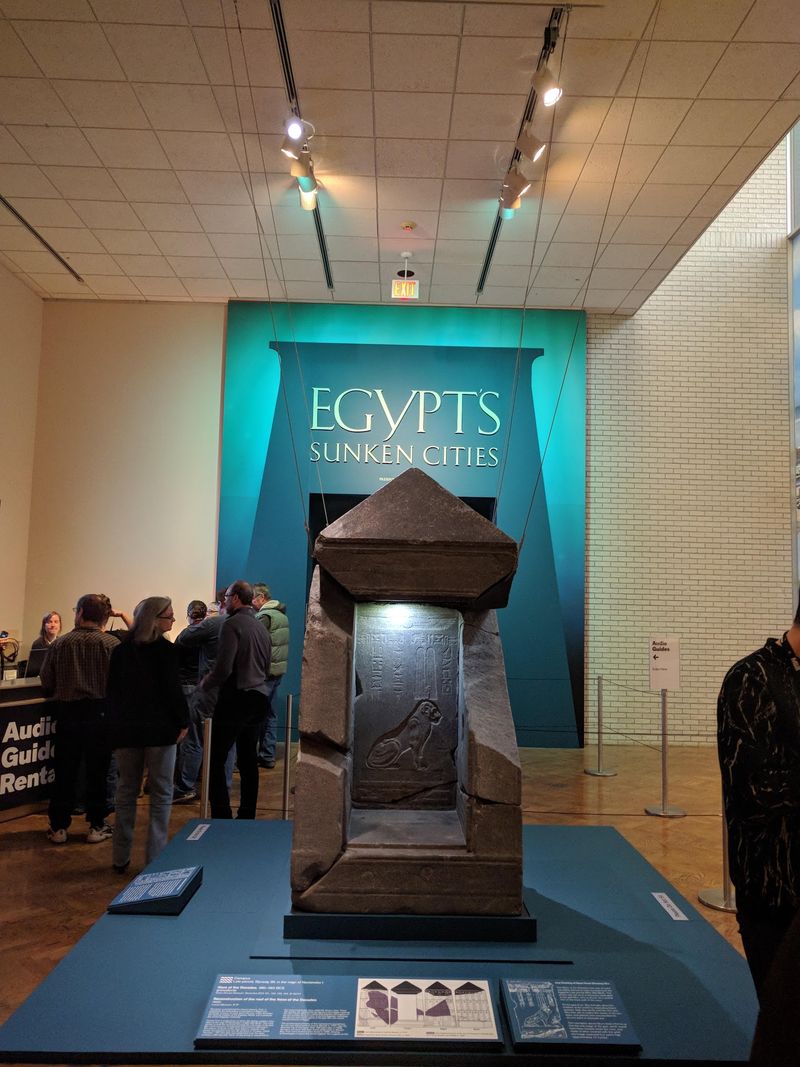
Ask a kid what they want to see at the MIA, and the answer often arrives fast. The Egyptian mummy is a crowd favorite for good reason.
It sits at the far end of that famous mummy-to-Monet range, representing the oldest chapter of the collection. Many people list it among the most memorable pieces in the entire building.
Artifacts in general get a lot of love here. They are among the most talked-about features of the museum, outpacing even some of the big-name painters.
The ancient galleries give context to the mummy rather than leaving it alone in a corner. Pottery and other historical objects help tell a broader story about early civilizations.
For families, this section works as a smart opening act. Younger guests get an instant hook, and adults get a reminder of just how far back human artistry goes.
History buffs should budget a little extra time here. The objects reward slow reading of the wall labels and a bit of patience.
It is not every day a free museum lets you meet someone who has been around for thousands of years. Consider it the oldest welcome committee in Minnesota.
Rembrandt, Monet, and Famous Company

Big names do appear on these walls. Monet and Rembrandt both come up often when people talk about their favorite finds.
The museum’s description highlights paintings by European masters as a core part of the collection. Pissarro canvases are also on view, along with work by Salvador Dali.
A Botticelli exhibition drew plenty of attention as well. It became one of the more frequently discussed shows in recent memory.
Fair warning for anyone hunting a specific celebrity painter. Some guests note that the museum is not packed wall-to-wall with household names, and a few have spotted only one Monet during their trip.
That is not really the point of the place, though. The strength here lies in breadth, with masters sitting alongside lesser-known artists from many regions and eras.
Fans of the European tradition can easily spend an hour or two in these galleries. Bring the map, since the paintings are spread across multiple floors.
Treat the famous works as anchors and let the surrounding rooms fill in the rest of the story. You may leave with a new favorite artist whose name you had never heard before.
Period Rooms Built for Design Lovers
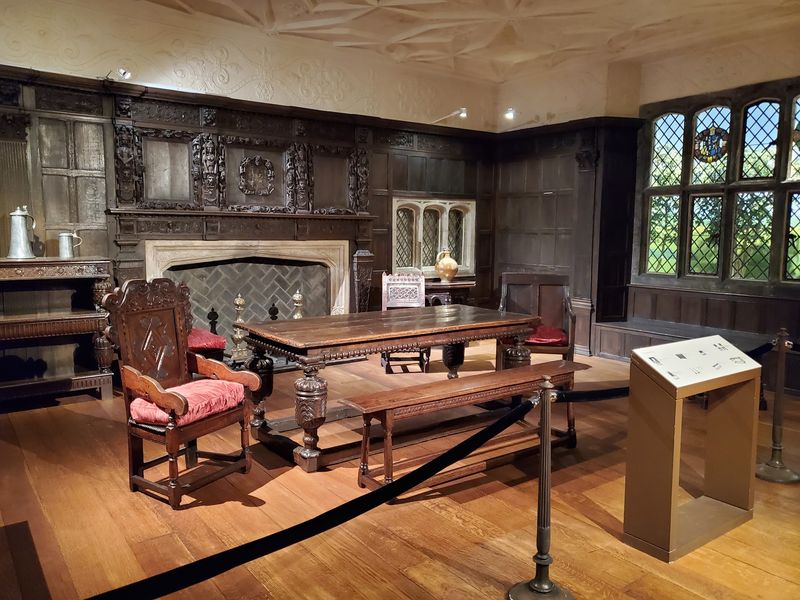
Vintage collectors, take note. The period rooms are one of the most beloved features of the MIA.
These recreated interiors show how people furnished and decorated their homes in earlier eras. Furniture, wall treatments, and decorative objects are arranged as complete settings rather than isolated pieces.
For anyone who spends weekends at estate sales or antique shops, this section is pure research material. It offers a chance to study craftsmanship and style choices up close.
Decorative arts run throughout the museum, not just in these rooms. Pottery and design objects sit beside paintings, which suits crafters who care about how things are made.
The vehicle design pieces add another layer for the design-curious. It is a reminder that art does not stop at canvas and marble.
Photographers tend to fill their camera rolls in these spaces. Many people say they took far more pictures than expected during their trip.
Give yourself time to read the descriptions, since each room carries its own backstory. A quick lap will show you the furniture, but a slower pace reveals the history behind it.
Consider it window shopping across centuries, minus the price tags.
Second-Floor Treasures From Asia
Head upstairs if Asian art is on your list. The second floor holds a particularly large selection from the region.
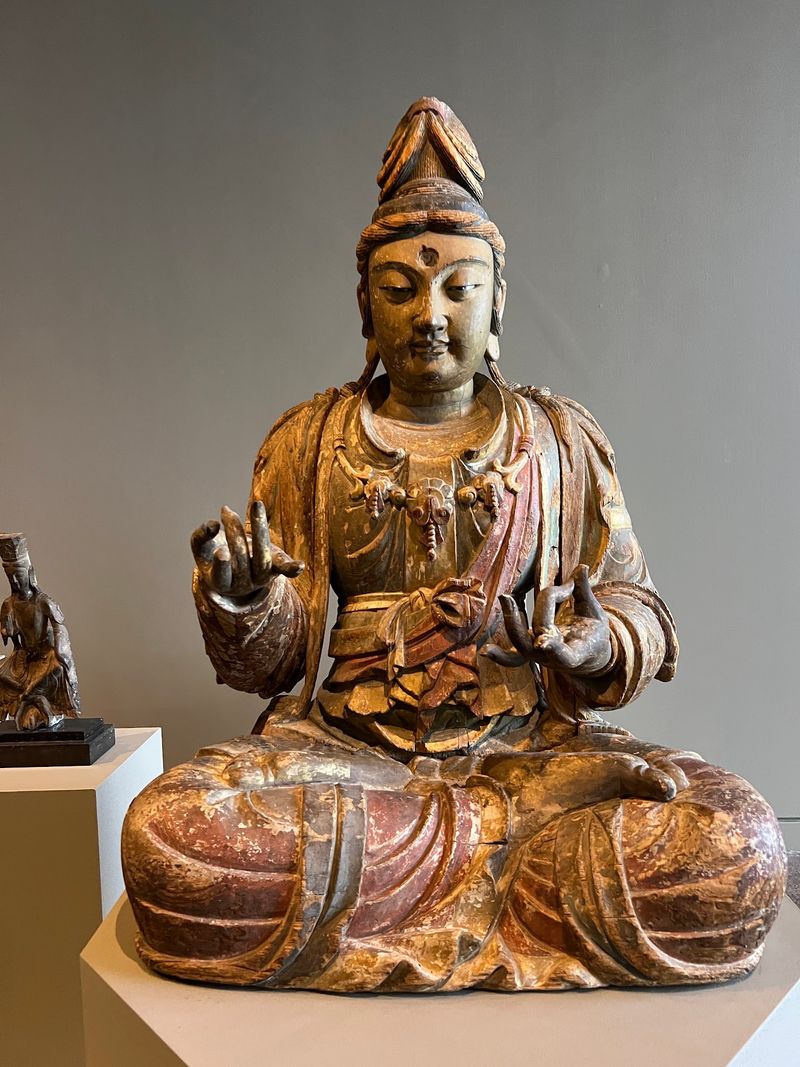
Many guests single out this section as a highlight worth a dedicated visit. Artifacts, ceramics, and other objects fill galleries that could easily occupy an entire afternoon.
The tea house earns special affection from regulars. It ranks as a personal favorite for people who return again and again.
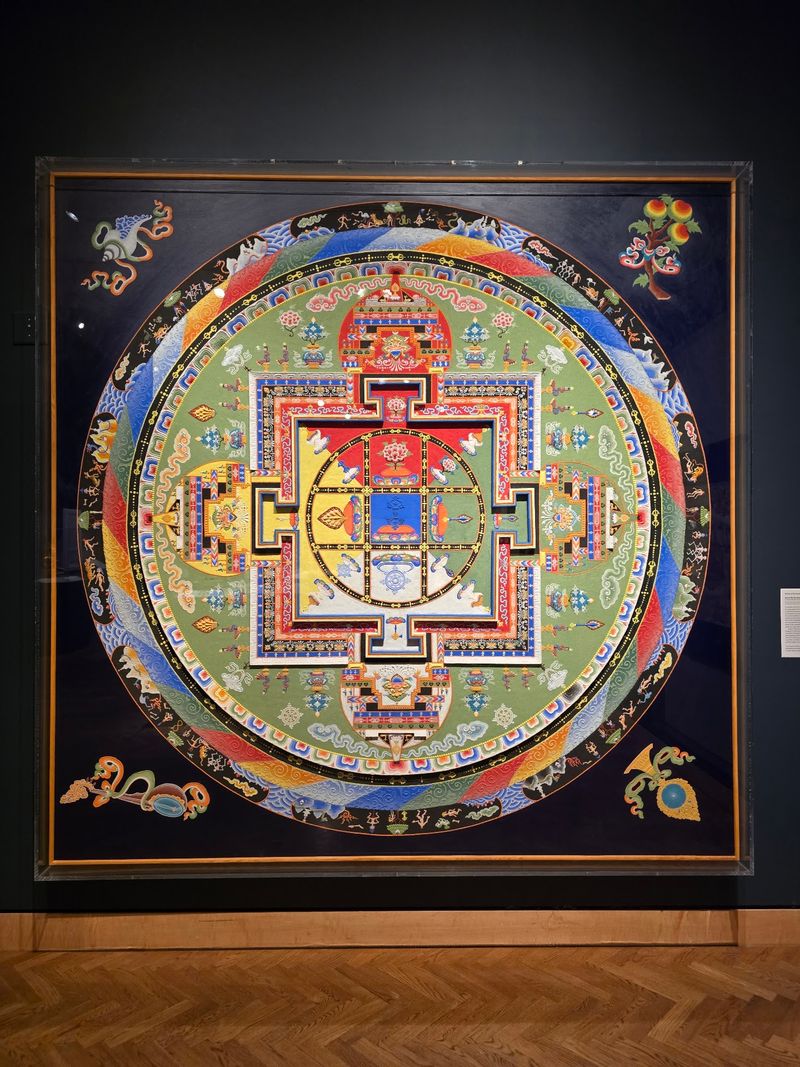
Another standout is a preserved Tibetan monk sand painting. It is the kind of piece that stops people in their tracks, since sand paintings are traditionally temporary works.
Crafters may appreciate the attention to detail across this floor. The objects show patience and technique on a scale that inspires anyone who works with their hands.
Because the section is so large, it helps to pick a few galleries rather than trying to see everything. The numbered rooms on the map make that easier.
Second floors are often where museum energy fades. Here, it is where many people find their second wind.
Exhibits That Keep Changing
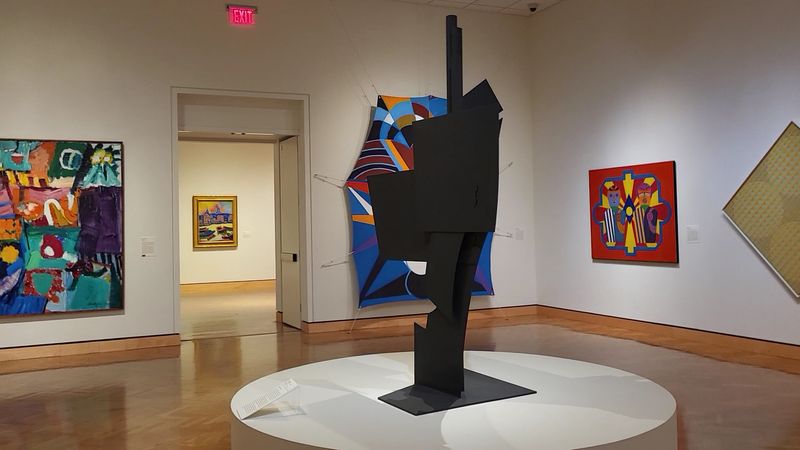
Repeat trips never feel like reruns. The MIA rotates its exhibits often enough to keep things fresh for regulars.
Meanwhile, the permanent collection stays out year-round. That combination means you get familiar favorites plus something new on each return.
A recent example was a show on modern art and politics in Germany from 1910 to 1945. It focused on German Expressionist work and the artists behind it.
Many of those artists faced exile, imprisonment, or the destruction of their art. Their work was labeled degenerate by their own government, which gives the exhibition real weight.
The show earned praise for being well organized. Its audioguide also got strong marks for adding helpful context.
Keep in mind that special exhibitions can carry a fee, unlike the general collection. Check the museum website before your trip to see what is currently on view.
Rotating shows are a good reason to put the MIA on your calendar more than once a year. The next exhibit might be the one that surprises you most.
Art in Bloom, a Spring Tradition
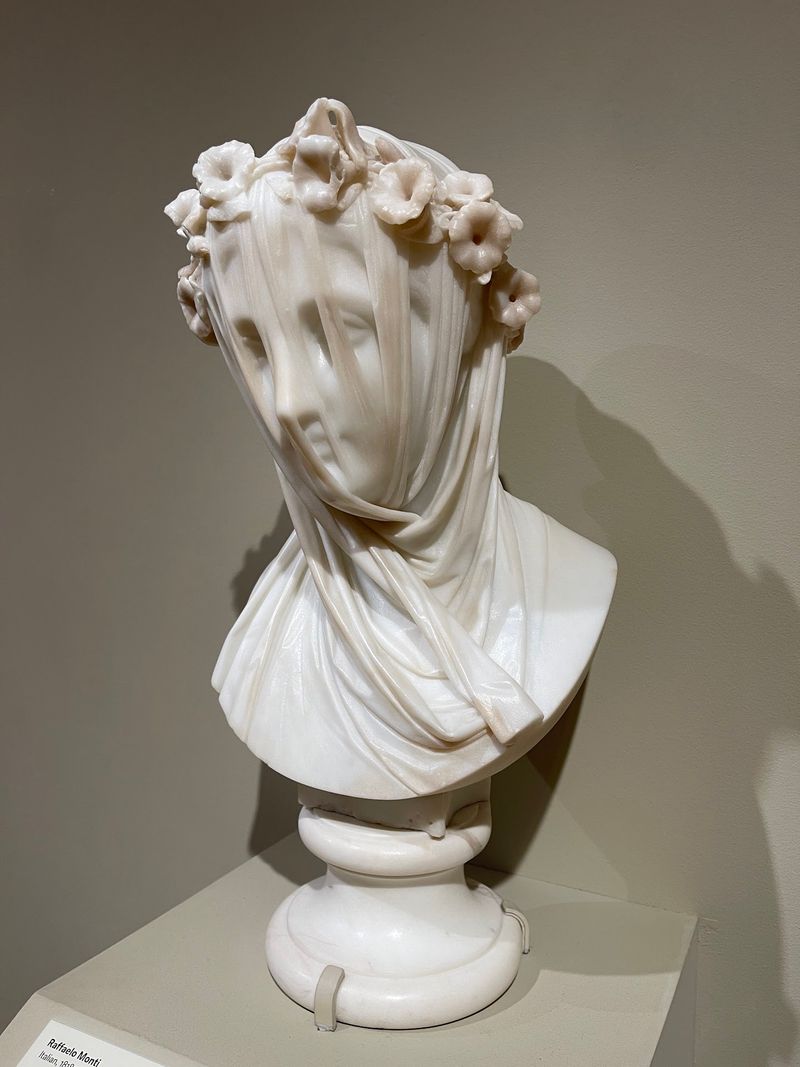
Every spring, the museum turns into something of a floral showcase. Art in Bloom pairs works of art with flower arrangements inspired by them.
Florists and artists interpret pieces from the collection using blooms. The result is a side-by-side look at a painting or object and its floral response.
For some Minnesotans, this event is an annual rite of spring. Others discover the MIA for the first time during Art in Bloom and vow to return.
Crafters in particular should circle this one. Seeing how arrangers translate color and form into flowers can spark ideas for your own projects.
Expect more people than usual during the event. Groups often spend two hours or more on a single floor and still do not see everything.
The event recently ran in 2026, and fans are already looking ahead to the next edition. Watch the museum’s website for dates.
Even outside Art in Bloom, the collection stands strong on its own. Still, catching the event at least once is a smart move for anyone who loves seeing creativity in a new form.
Maps, Stairs, and Smart Navigation
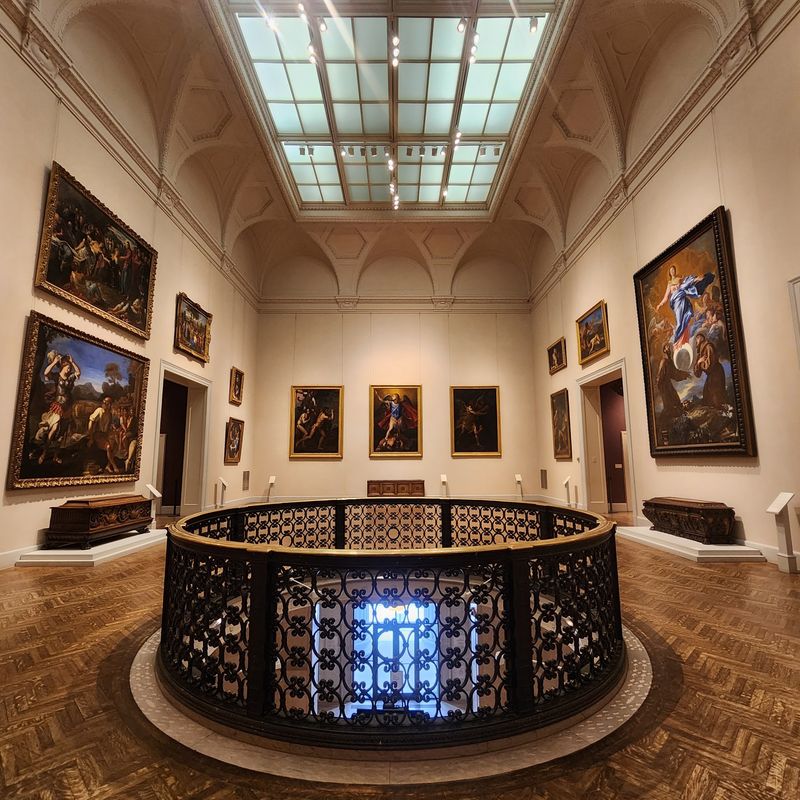
Grab a map at the start. The layout is complex, and there is not always an obvious path from one gallery to the next.
Without a plan, it is easy to miss whole sections or end up backtracking. Paying attention to the numbered galleries helps a lot.
Most of the art sits on the second and third floors. That means plenty of stair climbing, which some people happily count as bonus exercise.
Elevators exist, but there are only a few, and they can be hard to find. Anyone with mobility concerns should ask staff for directions early on.
Comfortable shoes are a must. The building is large, and a few hours here adds up to a serious step count.
The staff earns praise for being helpful and welcoming. They are a good resource when the map is not quite enough.
A loose game plan works best. Pick two or three must-see areas, then wander from there and let the museum surprise you.
Getting a little lost is almost part of the tradition.
A Calm Retreat for Families and Friends
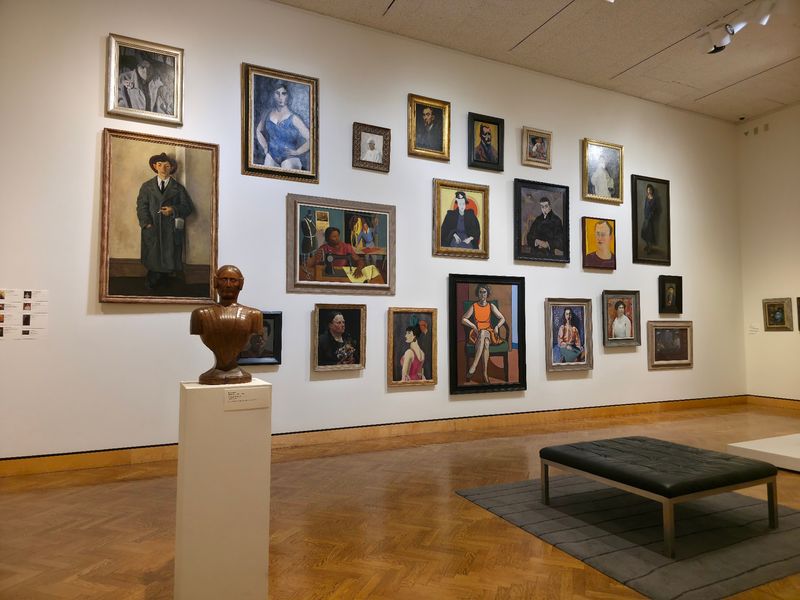
Quiet galleries and friendly staff set the overall mood here. Many people describe the atmosphere as peaceful.
Families find it accessible and kid-friendly. That said, younger children may tire after about two hours, so short trips can work better for little ones.
Because admission is free, cutting a trip short carries no guilt. You can always return another day to finish what you missed.
The museum also works well for groups of friends and out-of-town guests. Hosts often bring visiting relatives here knowing the trip will impress.
On a hot day, the building doubles as a welcome break from the heat. It is a year-round option in any season.
Need a pause? Agra, the museum cafe, offers snacks and beverages at prices many people call surprisingly reasonable.
The museum even lends phone chargers, which is handy for anyone who has burned through a battery taking photos. One playful fan joked that the free chargers and easy access made it impossible to leave.
That is about as charming a complaint as a museum can get.
Hours, Donations, and Parking Tips
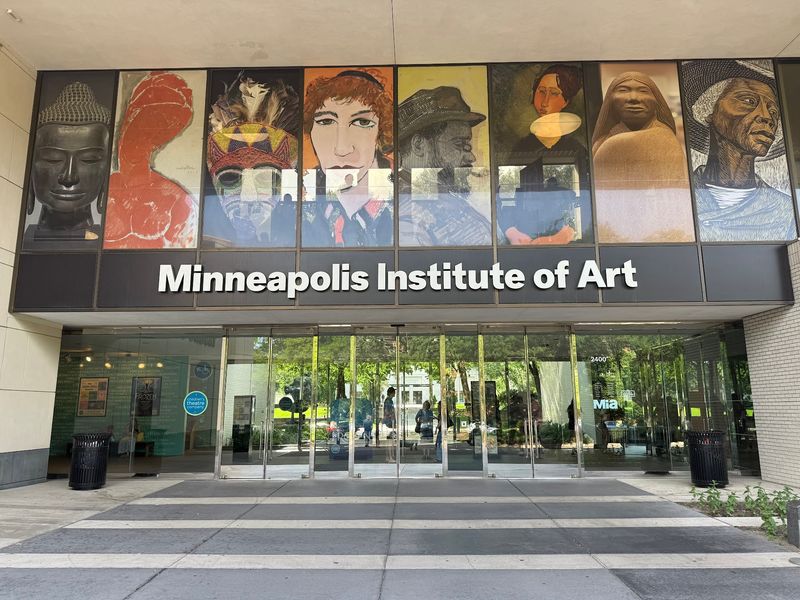
Timing matters here. The MIA is open Tuesday, Wednesday, Friday, Saturday, and Sunday from 10 am to 5 pm.
Thursday brings extended hours, running from 10 am to 9 pm. Mondays are closed, so plan around that.
General admission is free, with a suggested donation at the entrance. Anyone can enter regardless of their ability to pay, though contributions help support the museum.
Parking takes a bit of strategy. Free two-hour street parking is available, and arriving at opening improves your chances of grabbing a spot.
By afternoon, especially on weekends, the area can get packed. Parking may become tricky or pricey during busy times.
If two hours will not cover your plans, a $10 option is available for all-day parking. Serious art fans who want to see everything may find that worth it.
Sunday mornings tend to start calm before crowds build later in the day. Thursday evenings offer another window for those with daytime commitments.
Check the museum website before heading out, since special exhibitions and event schedules can change. A little prep turns a good trip into a smooth one.
Why a Second Trip Is Inevitable
Plenty of people have toured dozens of museums across several continents and still rank the MIA among their favorites. Its blend of range, quality, and open access is hard to match.
The mummy grabs attention, but it is only the start. Period rooms, Asian treasures, European masters, and rotating exhibits keep the momentum going.
Crafters can study technique in the decorative arts. Vintage collectors can lose time in the period rooms, and design fans will find surprises around nearly every corner.
The free admission model is a big part of its appeal. It opens the doors to everyone, regardless of background or budget.
Many people say they would gladly have paid to see this collection. The fact that they did not have to makes the experience even better.
A few hours here rarely feels like enough. Some couples happily spend six hours inside and still leave rooms unexplored.
Treat your first trip as an introduction rather than a checklist. Pick your highlights, enjoy a break at the cafe, and save the rest for next time.
The MIA has been waiting thousands of years, in a sense, so it can wait for your return.
Share this story