Some people spend a lifetime driving past something remarkable without ever pulling over. Down in southern Minnesota, near Albert Lea, there is a spot like that, and plenty of locals admit they knew about it for years before finally stopping.
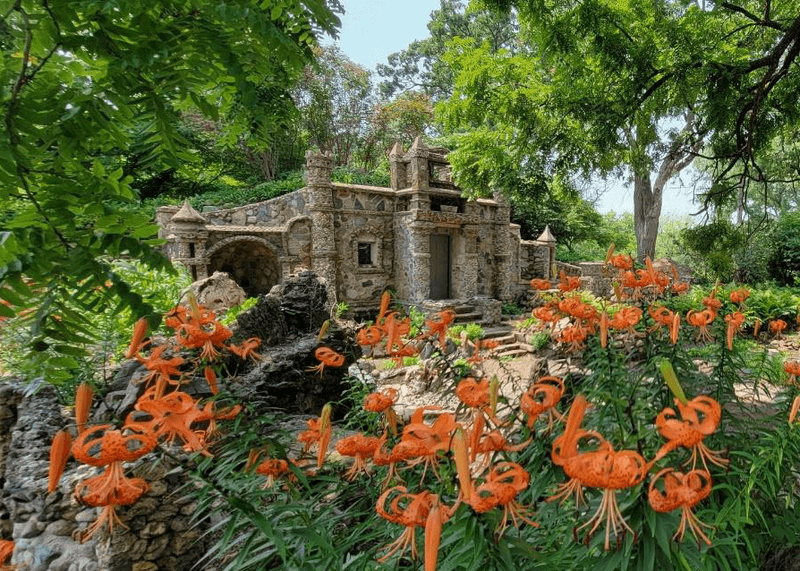
It sits in a quiet yard in the country, built by hand roughly a century ago by a couple with a big idea and a lot of stones. There is a castle, there are winding paths, and there are flowers tucked into nearly every corner.
Admission costs nothing, and a full stroll fits easily into a lunch break. Crafters, history fans, and anyone who loves handmade things will find plenty to admire here.
Keep reading to learn the story, the standout features, and the practical tips that make a visit easy.
A Backyard Wonder Near Albert Lea
Tucked away on a country road in southern Minnesota sits Itasca Rock Garden, at 2129 Itasca Rd, Albert Lea, MN 56007, in the United States.
It is listed as a tourist attraction, but it does not look like one at first glance. The whole thing lives in the side and back yard of a home.
That setup surprises a lot of first-timers. Many arrive wondering if they took a wrong turn, since there is no big gate or ticket booth.
The answer is simple. The garden was built right where its creators lived, in their own yard, about 100 years ago.
Today the spot draws road trippers, families, and curious locals who want a short, unusual outing. It holds a strong 4.7-star standing from 92 people who have weighed in, which is impressive for a place many Minnesotans have never heard of.
The phrase that keeps coming up is hidden gem. Even people who grew up nearby say they finally stopped after years of meaning to.
So what exactly is waiting behind that ordinary-looking driveway? The answer starts with a couple and a lot of rock.
The Couple Behind the Stones
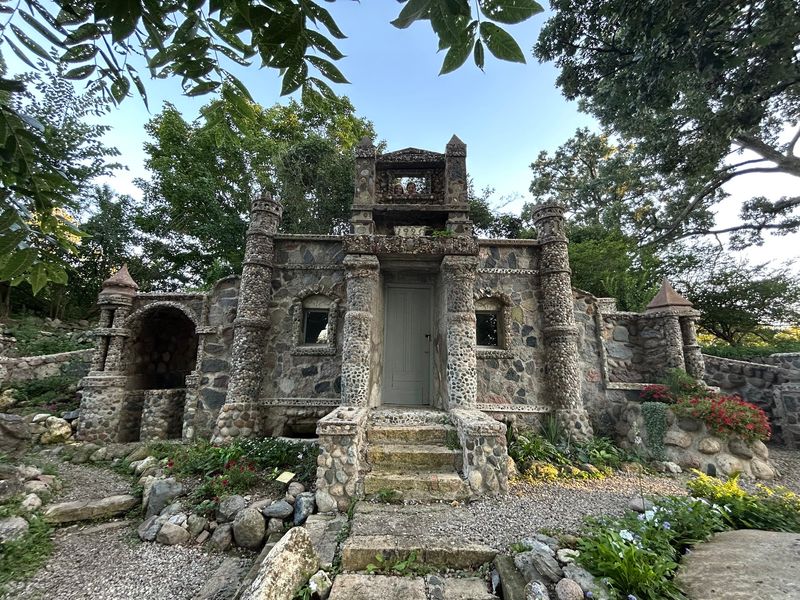
Every great backyard project starts with somebody saying, what if we tried this? Here, that question came from a couple roughly a century ago.
They built the garden themselves, in their own yard, piece by piece. The scale of that effort is what wins people over.
Adults tend to walk the paths thinking about the engineering. How did two people plan, haul, and set all of this by hand?
The story behind the garden is a big part of its charm. Many guests say learning the history made the visit far more meaningful.
There are signs on site that explain the background, and families appreciate being able to read along as they go. Some history lovers wish there were even more details posted, especially about how the stones were gathered and how the building came together.
That small mystery is part of the fun. The garden leaves room for wondering, and plenty of people leave with more questions than they arrived with.
For crafters and do-it-yourself fans, the takeaway is inspiring. Some guests head home itching to start a rock project of their own.
Of course, the story only goes so far without the star of the show. Next up is the structure that kids head toward first.
The Little Castle Everyone Climbs
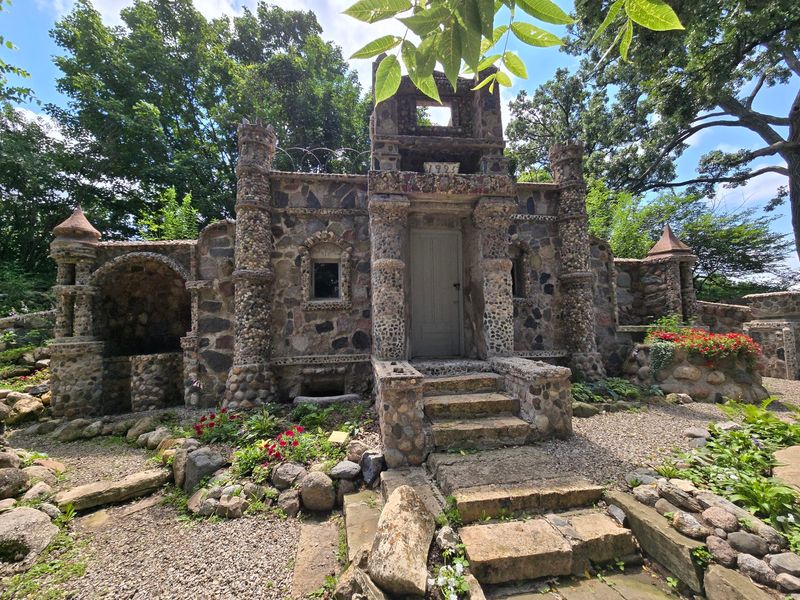
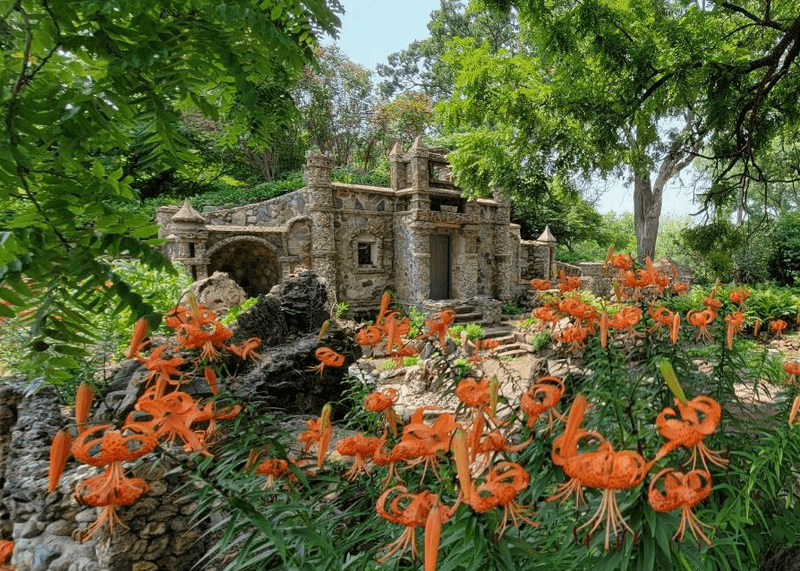
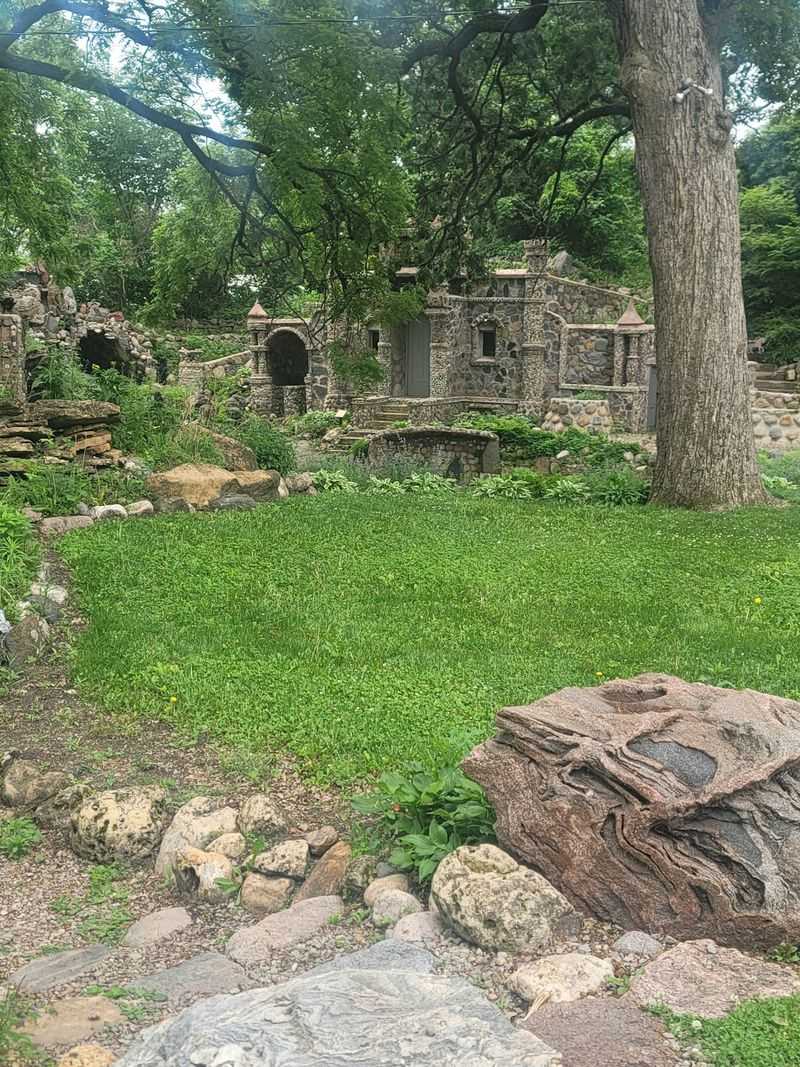
Kings and queens of the backyard, rejoice. The garden includes a castle, and it is easily the most talked-about feature on the grounds.
Built from stone like everything else, the castle gives the whole place a storybook personality. One grandparent described the grounds as a life-size fairy garden, and the castle is a big reason why.
Kids tend to treat it as their personal throne room. One parent joked that children climb to the top and demand obedience from the lower parent class.
That kind of playful energy fits the spot well. It is a place where imagination does a lot of the work.
Curious types often wish they could peek inside. The interior is not part of the experience, so the castle is admired from the outside and from the paths around it.
Even so, the craftsmanship holds attention. The detail in the stonework shows how much patience went into each section.
Photographers love it too, since the castle anchors almost any shot of the garden. It is the kind of structure that makes people say, someone built this in their yard?
Around that castle, though, the garden has plenty more handiwork waiting to be found.
Sculptures With Serious Detail
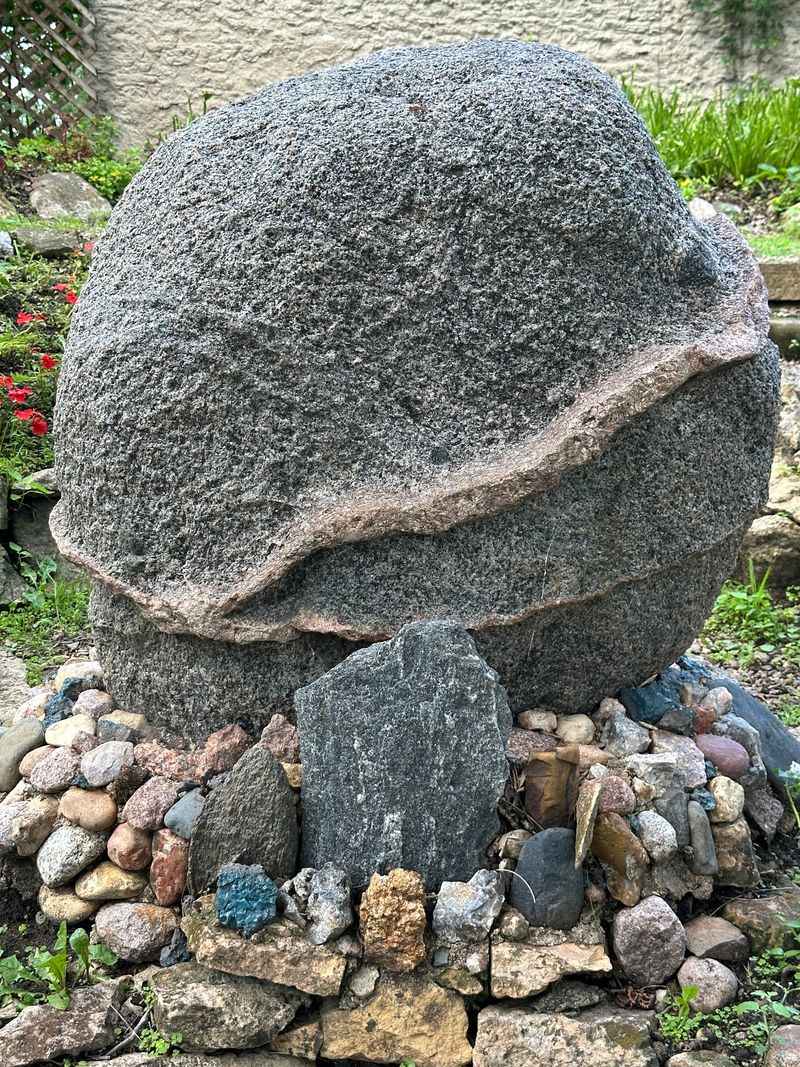
Rock gardens can be simple piles of stone. Not this one.
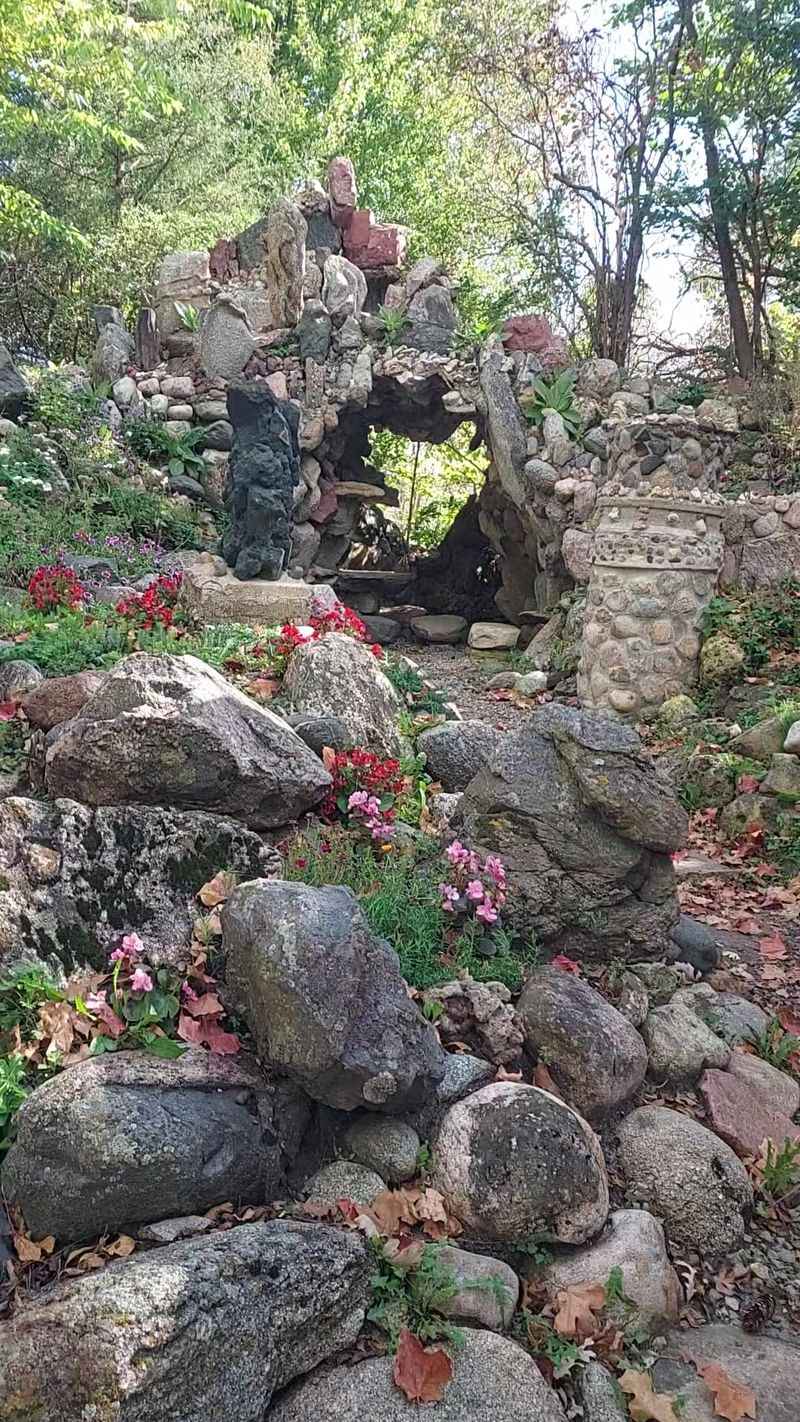
The sculptures here show intricate work that rewards slow looking. Guests often call the place creative, and the variety of shapes backs that up.
Crafters will appreciate the hand-built quality. Nothing here came from a factory, and that shows in every uneven edge and careful joint.
Part of the appeal is spotting small details on a second lap. Pieces that seem plain from a distance often reveal more effort up close.
Some people describe the experience as majestic, others call it adorable. Both reactions make sense, since the garden mixes ambitious structures with charming little touches.
One recent guest put it this way in spirit: the garden is better seen than described. That advice is hard to argue with when the main attraction is handwork.
For anyone who has ever built a birdhouse, glued a mosaic, or stacked a stone border, the place feels like a master class in patience. It shows what steady work over time can produce.
Between the sculptures, the creators left room for something else. Water once played a role in the design, and the story of the ponds deserves a closer look.
Ponds That Stay Dry, and Why
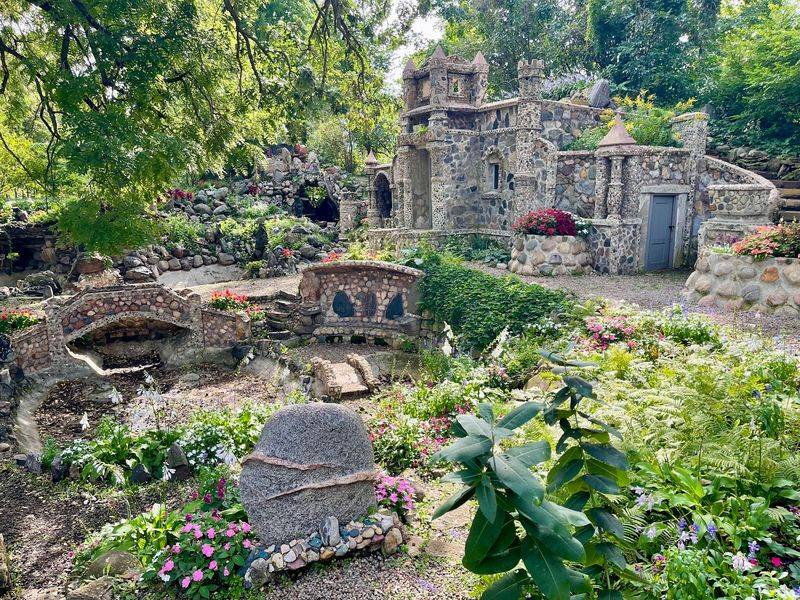
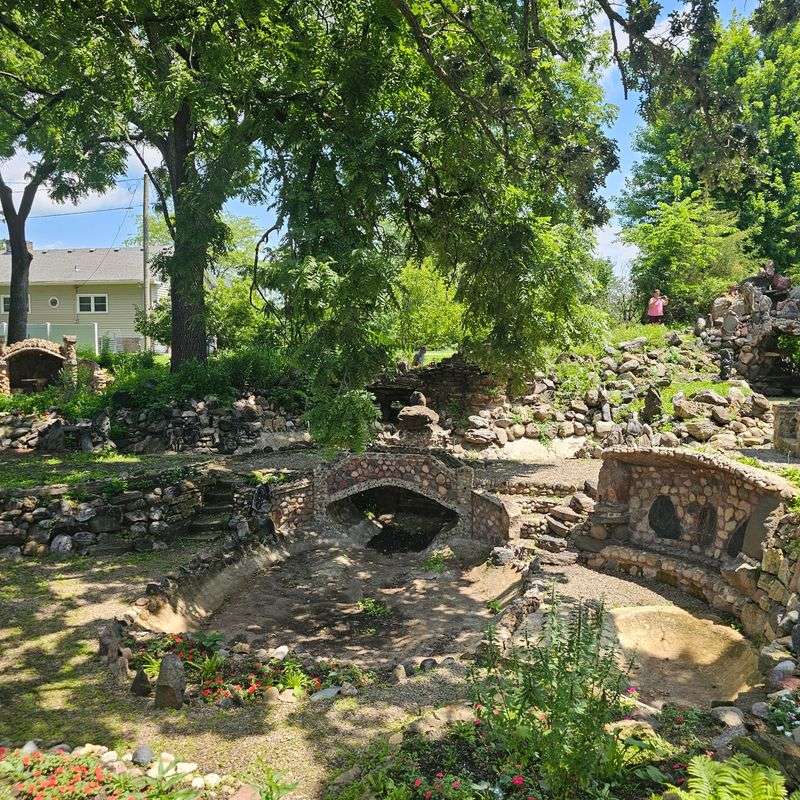
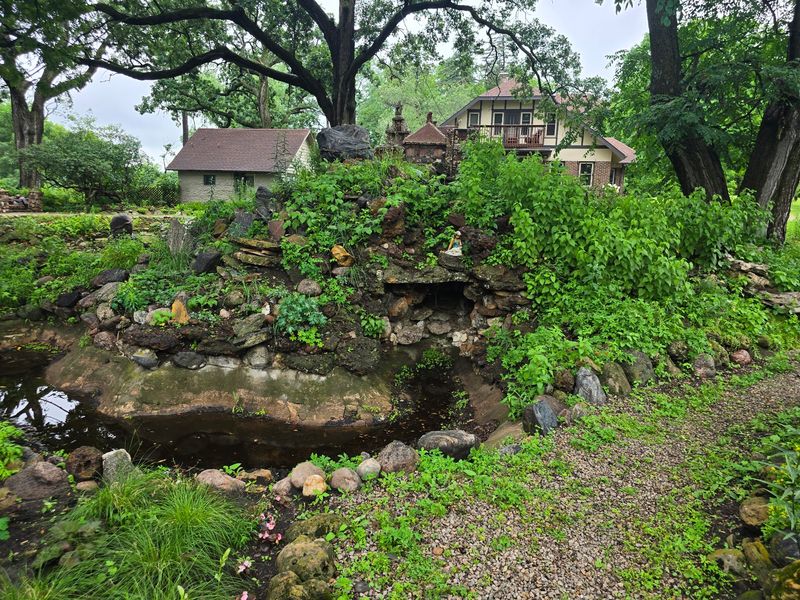
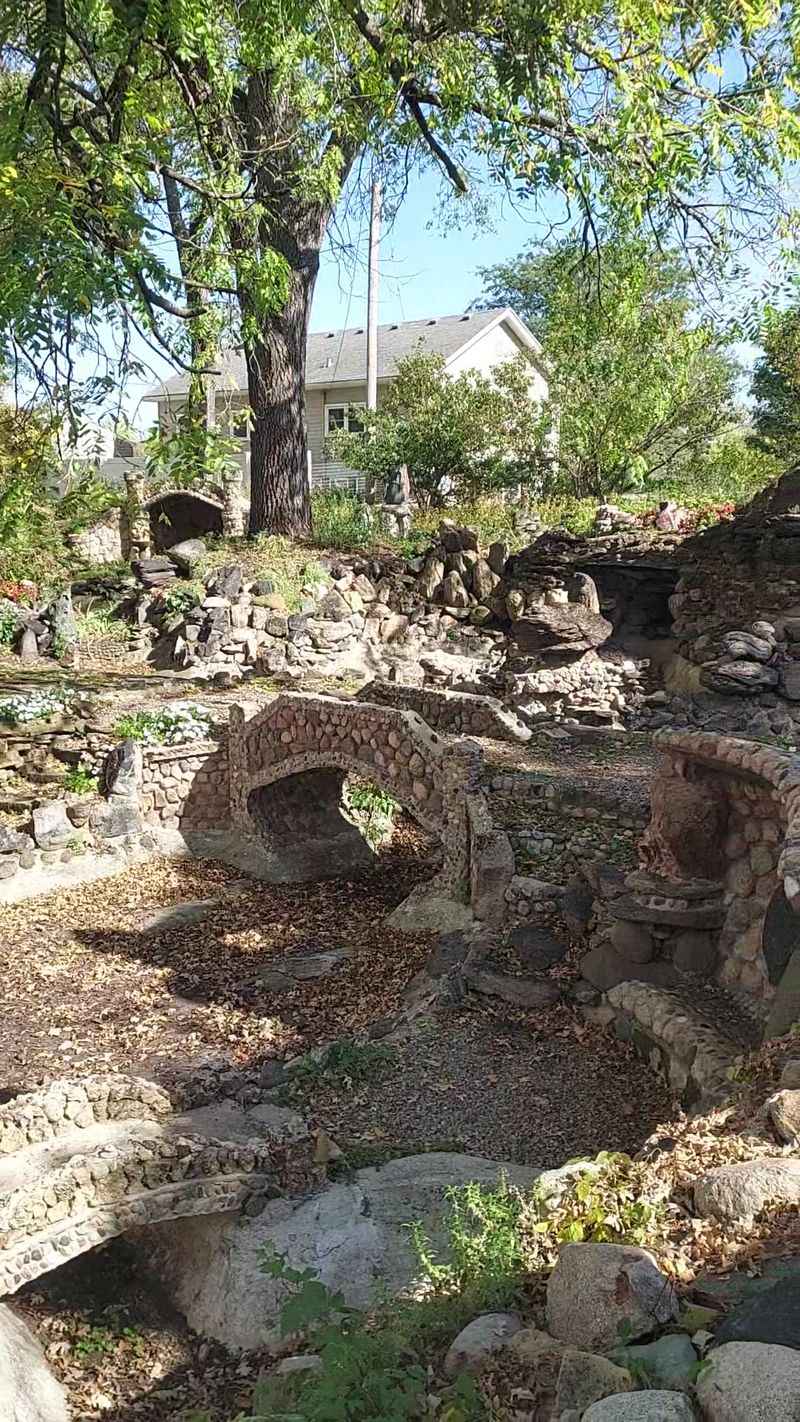
Here is a fun fact that clears up a common question. The garden has ponds and fountains built into its design, but they are kept empty.
Some guests assume they came at the wrong time of year. In reality, the dry basins are a deliberate choice.
The garden’s caretakers have explained that the ponds are not filled due to liability. They would love to add koi and water plants, but insurance will not allow it.
A few people say the grounds would feel even livelier with running water. That is a fair wish, and the caretakers clearly share it.
Still, the water features are worth studying. The stonework around the basins shows how the original builders planned the garden as a complete landscape.
Even without water, guests still call the place really cool to see. The structures themselves carry the visit.
Knowing the reason ahead of time helps set expectations. Nobody needs to feel shortchanged when the empty ponds are part of keeping the garden open to the public.
And while the water stays out, color is never in short supply. The planting beds bring plenty of life to the stone.
Flowers in Every Corner
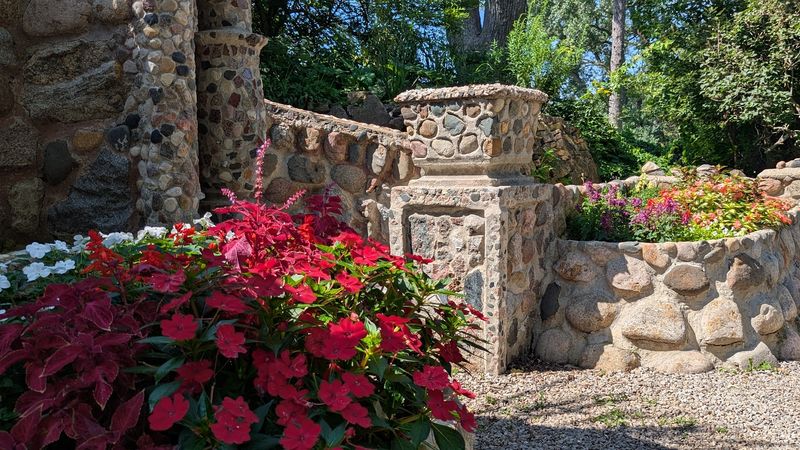
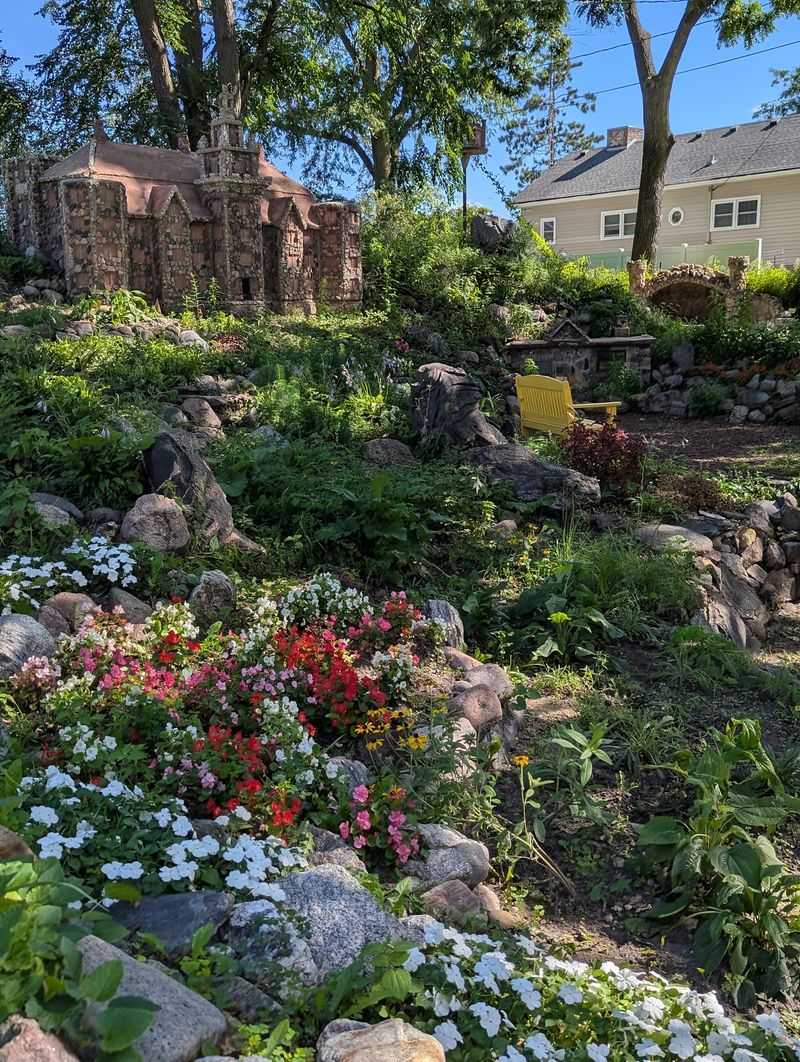
Stone may be the backbone, but flowers give the garden its color. Plantings appear just about everywhere along the paths.
The mix includes plenty of annuals plus a variety of perennials. That combination keeps the beds interesting across the growing season.
Gardeners will enjoy noticing how the blooms soften the rock. The pairing makes the structures feel friendly rather than heavy.
Timing matters for flower fans. At least one guest left planning a return trip for when everything is in full bloom.
That is smart thinking for anyone who wants the most color. A summer visit is likely the best bet for seeing the beds at their fullest.
Home gardeners may also leave with ideas. Seeing how flowers tuck between stones can spark plans for a small rock border or a raised bed at home.
The flowers also help explain why people call the garden pretty and beautiful again and again. Stone and blooms work as a team here.
With so much to look at, it is easy to wonder how long a visit takes. The answer might be shorter than expected.
A Quick Stroll With Big Payoff
Short on time? Good news.
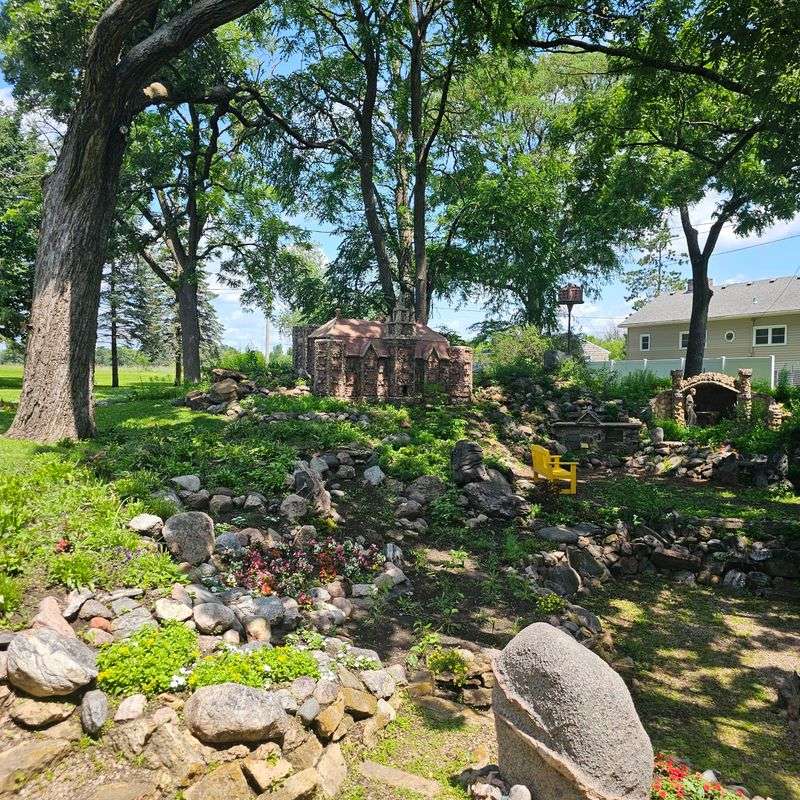
The garden is small, and a leisurely walk around the whole thing takes about 30 minutes. Some people stretch it to an hour by lingering and reading the signs.
That size makes it a great quick stop. It fits neatly into a road trip without taking over the day.
Guests often say it is totally worth the stop, even for a brief visit. The compact layout means nothing gets missed.
There is no guided tour. Everyone moves at their own pace, which suits families with small kids as well as couples who like to linger.
Sitting areas built by the original couple invite a pause. They make it easy to rest, chat, and take in the handiwork.
One couple chose the garden for their 32nd anniversary and came away very happy with the decision. It is a sweet reminder that a small place can mark a big moment.
Small does not mean forgettable. Plenty of people leave surprised by how impressive the grounds turn out to be.
That surprise ties into the mood of the place, which is calmer than most attractions.
Calm in a Quiet Corner
Some attractions buzz with crowds. This one leans the other way.
The garden sits in a quiet corner of the Albert Lea area, and people often describe it as peaceful. A few even call it zen.
Nature lovers looking for a calm moment find it here. It works well as a break from long drives and busy schedules.
The setting in a neighborhood on private land helps keep things low-key. There are no loud rides or gift shop lines.
That quiet also asks for a little courtesy. Because the garden is part of a home property, a respectful visit keeps the experience pleasant for everyone.
One guest described the grounds as a sanctuary made of rock and stone. The word fits the mood well.
Families and couples alike seem to settle into a slower pace once they start walking. It is a place that rewards taking a breath.
Even so, calm does not mean it lacks fun for younger guests. Kids find their own kind of adventure here, with a few ground rules.
Three Generations, One Garden
Grandkids racing toward a castle while grandparents read the history signs. That scene plays out often here.
The garden appeals across ages. One family brought three generations and said everyone enjoyed it immensely.
Kids tend to see it as a place to explore and play. Adults admire the labor and planning behind it.
Grandparents seem especially fond of it. One said her granddaughters loved every minute.
There are a few safety notes worth knowing. The garden has steps and uneven ground, and some stones have sharp edges.
That means running and roughhousing are a bad idea. Children do best walking slowly and staying calm on the paths.
Parents of toddlers may want to keep little hands close. The payoff is a fun outing that feels like a real discovery.
Those with mobility concerns should also plan for the uneven terrain. Sturdy shoes are a sensible choice.
With the whole family covered, there is one more group to think about. Four-legged companions have a rule of their own.
Rules Worth Knowing Before Arrival
A little preparation saves a lot of confusion. The garden has a few house rules, and they are easy to follow.
First up: no pets. Signs make that clear, so dogs should stay home or with a travel buddy.
Second, there is no ticket system. Guests simply arrive during open hours and explore.
Third, it helps to do some research ahead of time. Because the garden is in a neighborhood on private land, a few people find the arrival a bit puzzling.
Knowing that it sits in a home’s yard makes everything click. Nobody should let the setting scare them off from roaming the grounds.
The signs on site are a bonus. They explain the features and the background, which helps guests understand what they are seeing.
Respect for the property goes a long way. Staying on paths and keeping kids calm protects both the garden and the people in it.
With the rules sorted, the next question is the one everybody asks. How much does all this cost?
Free Entry and a Donation Box
Value seekers, this one is for you. Admission is free.
Instead of tickets, the garden runs on free-will donations. A donation box sits on site for anyone who wants to chip in.
Giving is not mandatory. Still, the caretakers clearly appreciate any support toward keeping the grounds in shape.
Bringing cash is a smart move. It makes leaving a donation quick and easy.
For families on a budget, a free outing with a castle and flowers is a nice find. It is the kind of stop that feels generous.
Grandparents in the area often point to it as something free to see that is still worth the drive. That combination is rare.
Supporting the garden also helps preserve a century-old piece of local history. A few dollars can go a long way for a small, hand-built site.
So the price is right. Now comes the practical part: when to go and how to find it.
Hours, Parking, and Getting There
Planning a visit is refreshingly simple. The garden is open every day of the week from 10 am to 6 pm.
That schedule makes it easy to fit into weekend drives or weekday breaks. Late morning and afternoon both work well.
Getting there takes a bit of navigating. The garden is a little off the beaten path, but many say it is well worth the extra miles.
For travelers on Interstate 90, it makes a handy detour. Guests describe it as a great place to stop and stretch.
Parking is easy. There is a fair amount of space on the lawn.
Need more time in the area? A house right by the garden is available to rent on Airbnb.
That option could appeal to anyone who wants to linger in Albert Lea. Some guests also mention a tour of the house alongside the garden.
For more background before heading out, the garden is connected to the website lovehistory.org.
With logistics handled, all that remains is deciding whether the trip is worth making.
Worth the Detour, Hands Down
Small places sometimes leave the biggest impressions. That seems to be the case here.
Guests call it breathtaking, delightful, and unusual. Many say that if someone is in Albert Lea, it should not be skipped.
The appeal is honest and simple. A couple built something remarkable in their own yard, and it still welcomes people a century later.
Crafters will admire the handwork. History fans will enjoy the story, and families will love the castle.
It is not a full-day destination, and the ponds stay dry. Those are fair points to keep in mind.
Yet the free entry, easy hours, and peaceful mood make it an easy yes. It rewards curiosity more than almost anything else nearby.
Perhaps the best part is how unexpected it feels. Many people leave saying they had no idea such a place existed so close to home.
So next time the road passes through southern Minnesota, consider pulling off for half an hour. Some secrets are meant to be shared, and this rock-solid one has waited long enough.
Share this story