Tucked away in Franklin, Tennessee, sits a beautiful estate that looks peaceful from the outside but holds one of the darkest chapters of the Civil War. Carnton witnessed unimaginable tragedy during the Battle of Franklin in 1864, when thousands of soldiers fought and died on its grounds. Today, visitors walk through rooms that once served as makeshift hospitals and stand in a cemetery that tells a story words can barely capture.
The weight of history here is impossible to shake off.
A Quiet Franklin Estate With a Story That Still Feels Heavy
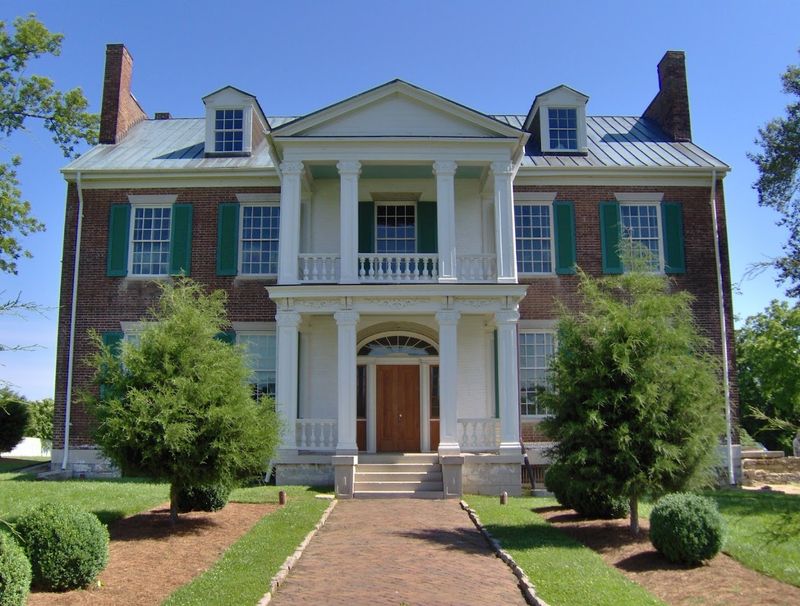
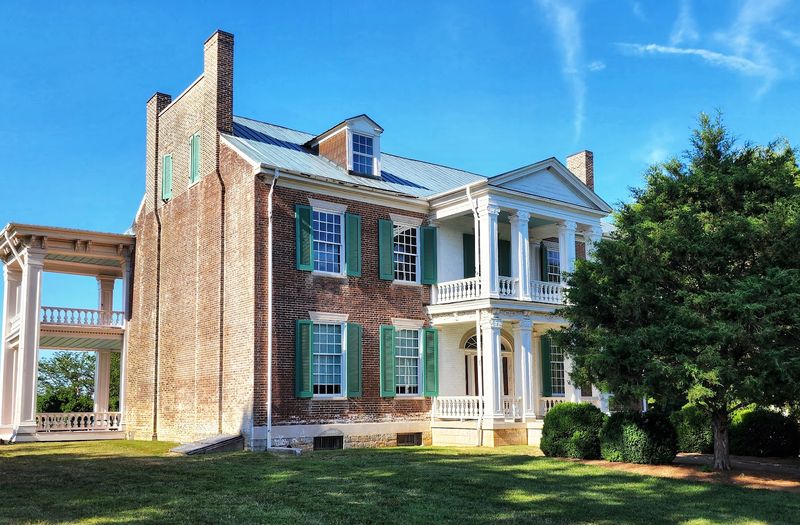
Walking up to Carnton feels different than visiting other historic homes. The white columns and elegant architecture suggest Southern charm, but there’s something in the air that makes you pause. This 1826 plantation house has stood through generations, yet its most defining moment came during one brutal night in November 1864.
The McGavock family built this estate long before the Civil War tore the nation apart. They lived here, raised their children here, and imagined a future that looked nothing like what actually happened. When war reached their doorstep, everything changed in ways they could never have predicted.
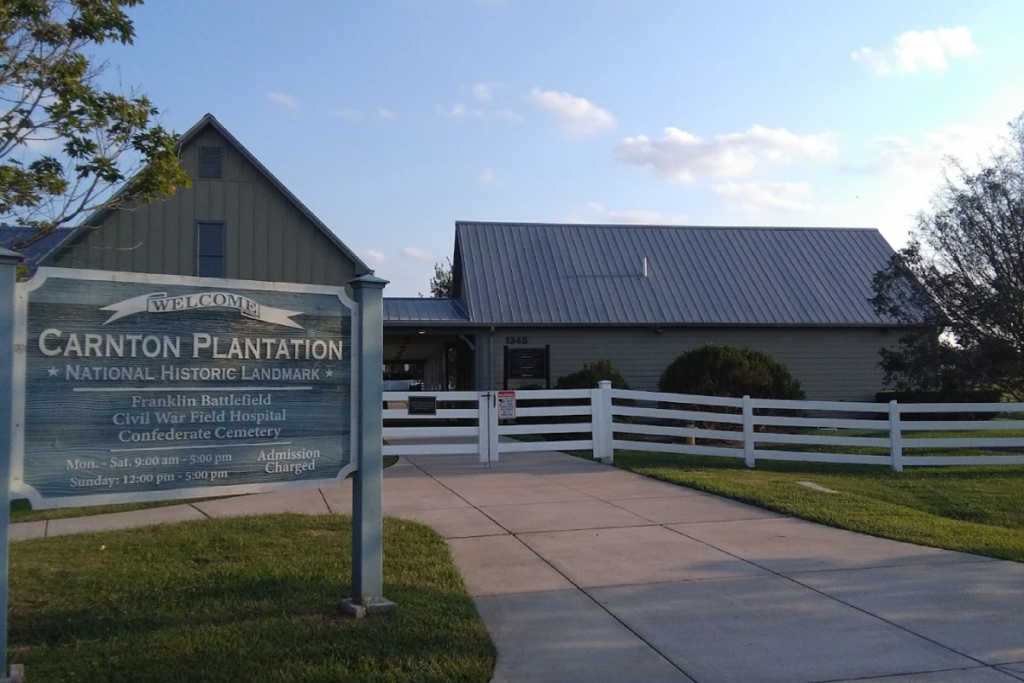
Today, the house sits at 1345 Eastern Flank Circle, open for tours that reveal layer after layer of complicated history. Visitors consistently mention feeling the weight of the past as soon as they step onto the property. The grounds are meticulously maintained, the gardens bloom in season, and yet there’s a heaviness that photographs can’t capture.
Tour guides here don’t sugarcoat what happened. They tell the full story, including the difficult parts about slavery, war, and the human cost of conflict. Some guests mention needing a moment to process what they’ve learned.
Others walk the grounds in silence, trying to imagine what it must have been like when this peaceful estate became the center of chaos.
The estate earned its 4.6-star rating from hundreds of visitors who appreciate the honest storytelling. Many say they’ve visited multiple times because one tour isn’t enough to absorb everything. The place demands your attention and respect, offering a history lesson that sticks with you long after you leave Franklin.
The Beautiful Grounds Hide a Much Darker Past
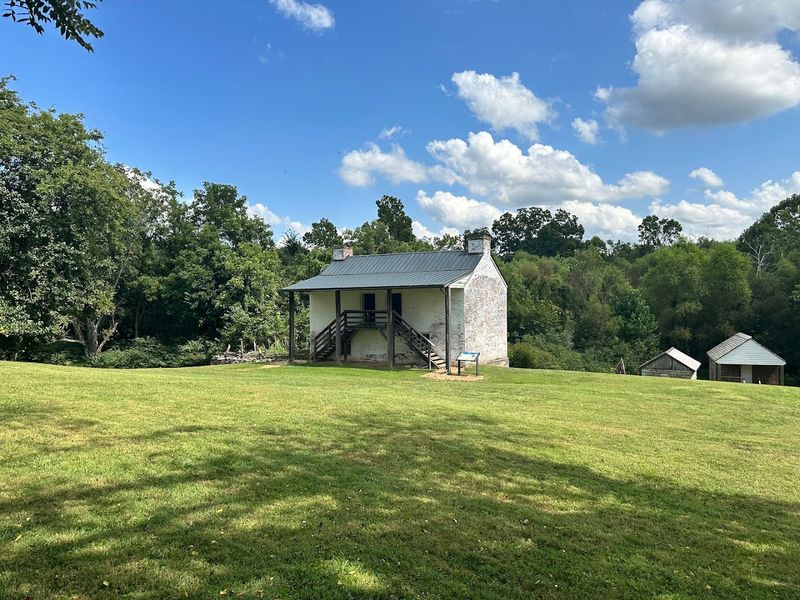
Strolling through Carnton’s grounds on a sunny day feels almost idyllic. Gardens bloom with seasonal flowers, old trees provide shade, and outbuildings dot the landscape like pieces of a puzzle from another era. But each structure tells part of a story that’s anything but simple.
The slave quarters still stand on the property, a stark reminder of the people who were forced to work this land. These weren’t just workers or employees in any modern sense. They were enslaved individuals whose labor built the wealth and comfort the McGavock family enjoyed.
Walking past these buildings forces visitors to confront uncomfortable truths about how this beautiful estate actually functioned.
Signs throughout the grounds provide context about daily life here before the war. The smoke house, spring house, and other outbuildings show how the plantation operated as a self-contained world. Everything needed to sustain the McGavock family and their enslaved workforce existed right here on these acres.
Recent efforts have improved how Carnton presents this difficult history. New exhibits and signage acknowledge the full story, though some visitors note there’s still room for growth.
It’s a work in progress, which honestly reflects how many historic sites are grappling with telling more complete narratives.
The grounds themselves are hilly and uneven in places, which makes them historically authentic but challenging for strollers or wheelchairs. Visitors recommend comfortable walking shoes and taking your time. There’s a lot to see, and rushing through means missing important details that help you understand what really happened here.
Carnton’s Role in the Battle of Franklin Changed Everything
November 30, 1864, started like any other day at Carnton, but it ended in absolute devastation. The Battle of Franklin erupted on the McGavock family’s doorstep when approximately 40,000 soldiers clashed in one of the Civil War’s bloodiest fights. In just five hours, the carnage was staggering.
Confederate forces launched a desperate frontal assault against well-entrenched Union troops. The fighting was brutal and close-range, with soldiers engaging in hand-to-hand combat as darkness fell. The sounds of battle surrounded Carnton completely, and the McGavock family could only shelter inside while the violence raged just beyond their walls.
By the time the guns fell silent, roughly 9,500 American soldiers on both sides were killed, wounded, or missing. That number is almost impossible to comprehend. Imagine a modern football stadium filled to capacity, then realize that many people became casualties in the span of a single afternoon and evening.
The battlefield tour offered at Carnton helps visitors understand the tactical situation and why the fighting was so intense. Guides like Willy and Joseph bring the battle to life through detailed storytelling that makes you feel the tension and chaos.
Standing on the grounds where this happened creates a connection to history that reading about it never could. The land itself became sacred ground that night, soaked with the blood of thousands of young men fighting for opposing causes. Carnton’s role shifted from private home to epicenter of tragedy in the span of hours, and nothing here was ever the same again.
The Mansion Became a Field Hospital Overnight
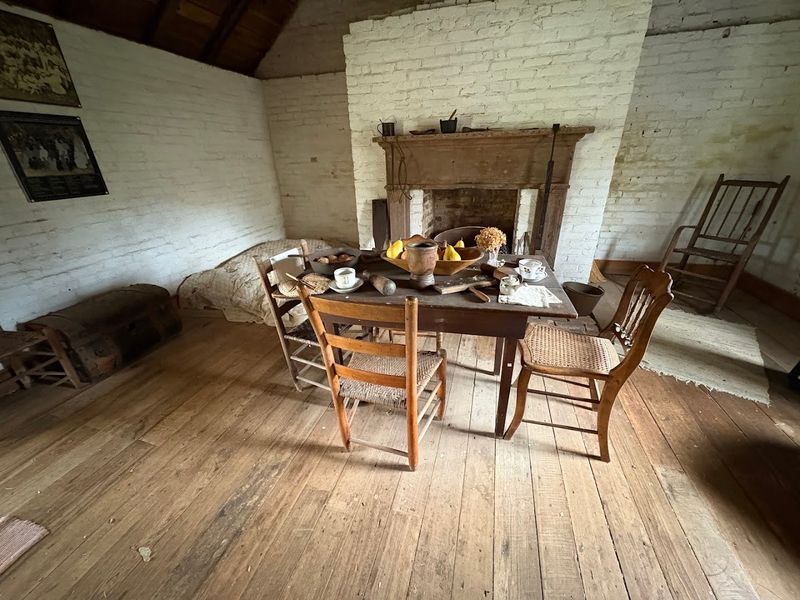
When the battle ended, the nightmare at Carnton was just beginning. The McGavock family opened their home to serve as a field hospital, and wounded soldiers were carried inside by the hundreds. Every room became a space for treating the dying and injured, with surgeons working frantically through the night by candlelight.
Blood soaked into the wooden floors so deeply that stains are still visible today. Tour guides point these out during visits, and the sight stops people in their tracks. These aren’t recreations or artistic interpretations—they’re actual bloodstains from soldiers who suffered and died in these very rooms more than 150 years ago.
The McGavock women, Carrie and her daughters, worked alongside doctors and volunteers to provide whatever comfort they could. They tore up linens for bandages, offered water to dying men, and held hands with soldiers who would never see home again. The emotional toll on this family must have been crushing, yet they didn’t turn anyone away.
Walking through the house today, visitors see period-correct furnishings and personal belongings that help recreate what life was like here. The woodwork is stunning—intricate craftsmanship done by enslaved artisans whose skill is undeniable. Yet it’s hard to focus on architectural beauty when you’re standing where so much suffering occurred.
Tour guides like Sheila and Steve are praised repeatedly for their knowledge and passion. They don’t rush through the difficult parts or try to make the story more palatable. Instead, they honor what happened by telling it truthfully, which visitors appreciate even when it’s hard to hear.
The house tour takes about an hour, and it’s cold inside year-round, so bringing a jacket is smart.
The Stories Inside Feel More Haunting Than Any Legend
Ghost stories swirl around Carnton, but the real history is far more haunting than any paranormal tale. The documented facts about what happened here are chilling enough without embellishment. Four Confederate generals died on the back porch in a single night, their bodies laid out while the battle still raged.
That’s not legend—that’s documented history.
Inside the mansion, personal artifacts tell stories about the McGavock family and the people connected to this place. The family Bible, mentioned by multiple tour visitors, contains records of births, deaths, and marriages that span generations. Looking at handwritten entries from people who lived through these events creates an eerie intimacy with the past.
The attention to historical accuracy is impressive. Most furnishings are original to the house or period-appropriate pieces that help recreate the 1860s environment. Family descendants loaned many items, which adds authenticity you can feel.
Every room has layers of detail that reward careful observation, though some visitors mention the tours move quickly through spaces packed with artifacts.
Tour guides vary in their approach, with some focusing more on architectural details while others emphasize the human stories. Visitors consistently praise guides like Jeff, Leah, and Emily for their engaging storytelling that brings history to life. The best tours balance facts with emotional context, helping modern visitors understand not just what happened but what it meant.
Some guests mention the experience feeling heavy or emotionally draining, which makes sense given the subject matter. This isn’t entertainment—it’s education about one of America’s darkest periods. The mansion preserves stories that deserve to be remembered, even when they’re difficult to hear.
Bringing children is possible, but younger kids might not grasp the significance or could get restless during the hour-long tour.
The Cemetery Makes the History Feel Impossible to Ignore
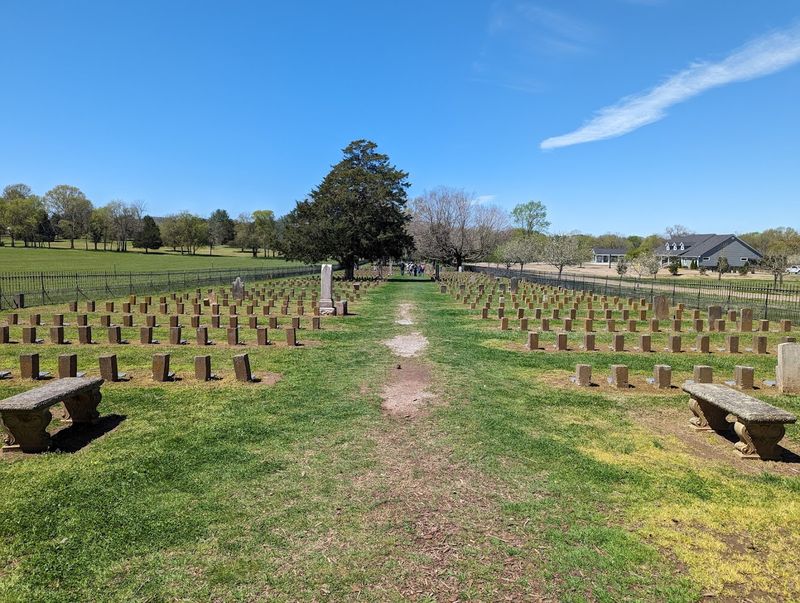
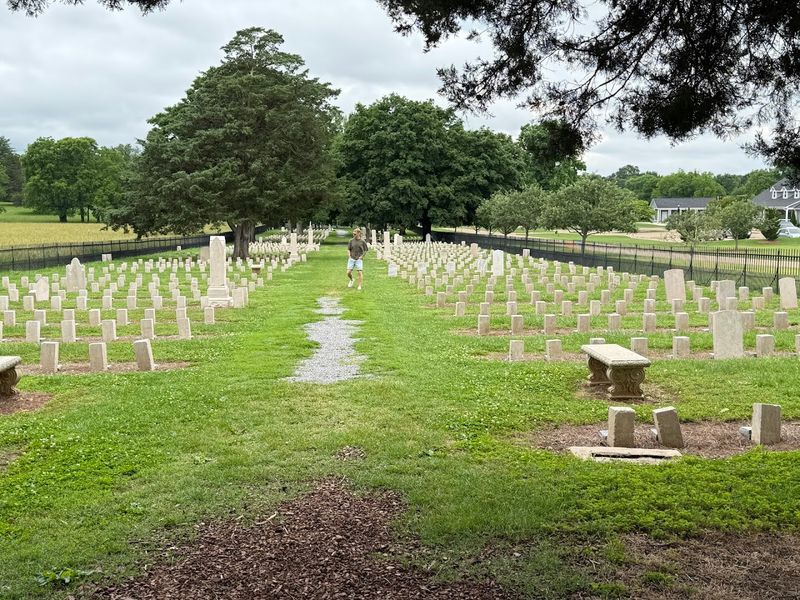
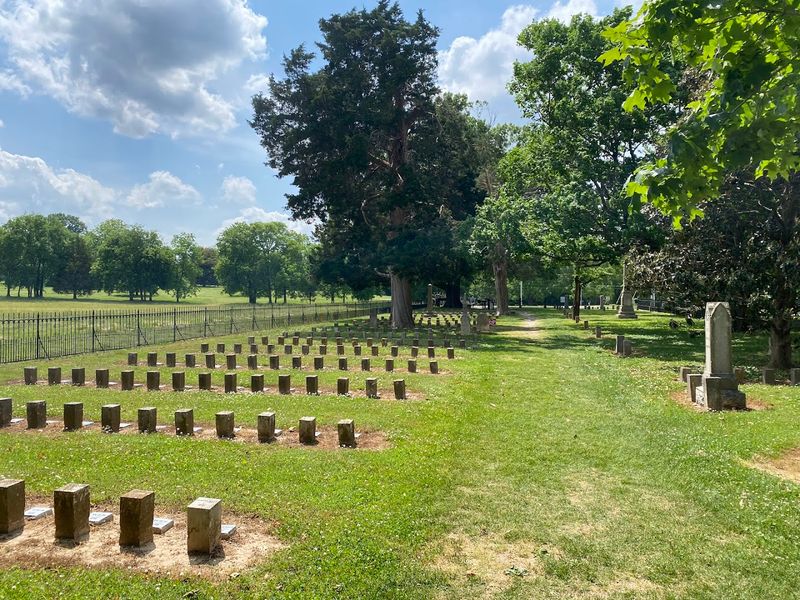
Right next to Carnton sits the McGavock Confederate Cemetery, the largest privately owned military cemetery in the nation. Walking among the rows of headstones hits differently than reading statistics in a book. These 1,481 graves represent real people—sons, brothers, fathers, and husbands who never made it home from Franklin.
After the battle, Carrie and John McGavock donated two acres of their land to create this burial ground. They could have walked away from the tragedy, but instead chose to honor the fallen by giving them a proper resting place. The couple maintained detailed records of who was buried where, which was remarkable given the chaos and scale of casualties.
Many graves are marked with names and units, while others simply read “Unknown.” Standing there, you realize how many families never got closure about what happened to their loved ones. The sheer number of headstones stretching across the hillside makes the battle’s cost visceral in a way numbers alone never could.
Information markers throughout the cemetery provide context about the burial process and the women like Sarah Gaunt who helped prepare bodies and maintain records. These stories of civilians dealing with the aftermath show a different kind of courage than battlefield heroism. The emotional labor of caring for thousands of dead soldiers while processing your own trauma must have been overwhelming.
Visitors often mention the cemetery as the most powerful part of their Carnton experience. Some walk through in complete silence, while others read every marker they can find. The grounds are generally accessible, though the terrain is uneven in places.
Spring and summer bring beautiful landscaping, but even in winter, the cemetery commands respect and reflection about the true cost of war.
Why This Tennessee Estate Still Leaves Visitors Silent
Something about Carnton stays with you after you leave. Multiple visitors mention driving away in silence, still processing what they learned and felt. This isn’t typical tourist attraction awkwardness—it’s the weight of connecting with history in a place where you can almost feel the past pressing against the present.
The combination of beautiful preservation and terrible history creates cognitive dissonance that’s hard to shake. You admire the craftsmanship of the house while knowing enslaved people created it. You appreciate the gardens while standing where thousands died violently.
These contradictions force you to think about history’s complexity rather than accepting simplified versions.
Tour guides play a huge role in the experience. The best ones, repeatedly mentioned by name in reviews, don’t just recite facts—they help visitors understand the human dimension of what happened. They answer questions thoughtfully, adapt to group interests, and create space for the emotional impact of the stories they’re sharing.
When guides rush through or stick rigidly to scripts, visitors notice and feel shortchanged.
The site continues evolving how it presents history, with newer exhibits attempting to provide broader context about slavery, the war, and its aftermath. This ongoing work matters because historic sites have a responsibility to tell complete stories, not sanitized versions that avoid uncomfortable truths. Some visitors note the effort is visible but still developing, which is fair feedback.
Carnton costs $18-25 per person depending on which tour you choose, and combination tickets with the nearby Carter House offer better value. The investment is worth it for anyone interested in Civil War history or understanding how the past shapes the present. Just be prepared for an experience that’s educational, emotional, and likely to leave you thinking long after you’ve returned home.
Share this story