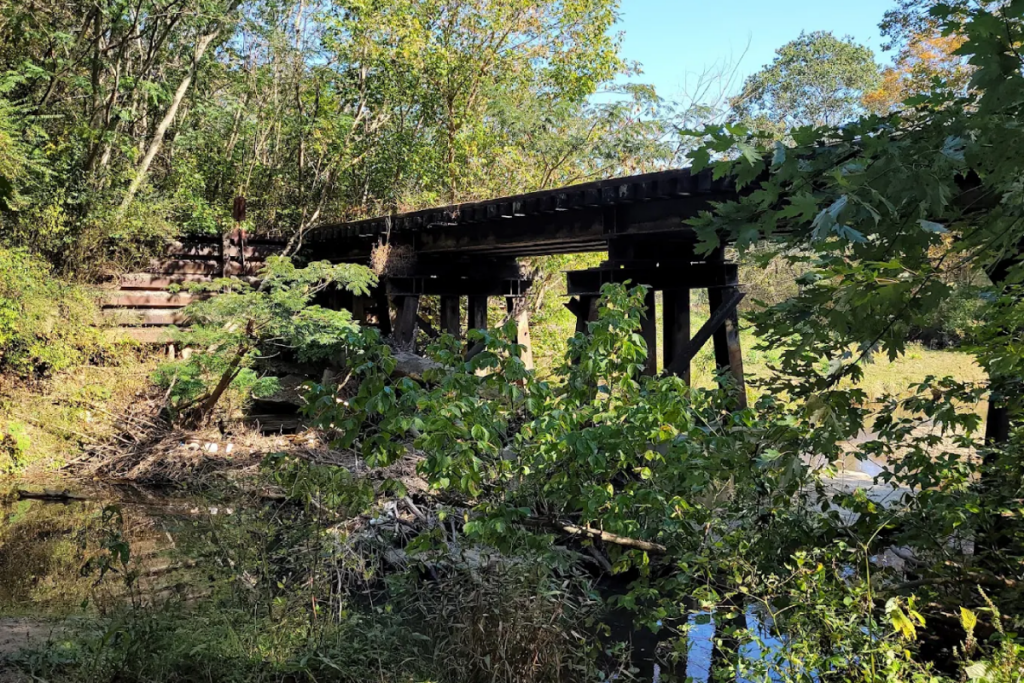
Deep in the hills of Anderson County sits a quiet old bridge that most people drive right past without a second thought. But ask anyone who grew up around Briceville, and they’ll tell you Drummond Bridge carries more than just traffic over Coal Creek.
The locals know the stories, the whispers that get passed down through generations, and the eerie feeling that settles over the place when the sun goes down.
The Haunted Bridge Hiding in Tiny Briceville, Tennessee
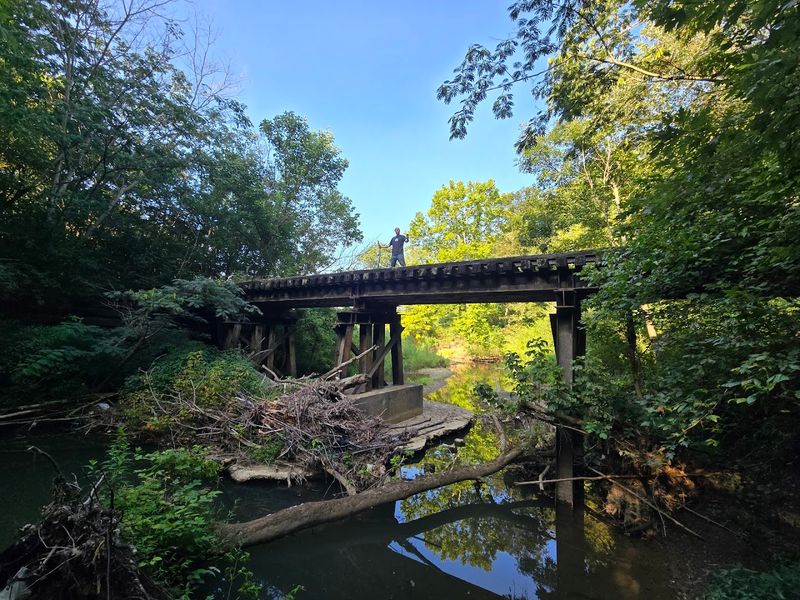
Finding Drummond Bridge takes a little effort, which somehow makes the whole experience even creepier. Tucked away on Lower Briceville Road in a town most Tennesseans have never heard of, this historical landmark doesn’t announce itself with signs or tourist traps. You have to know where you’re going, and honestly, that’s part of what keeps the legend alive.
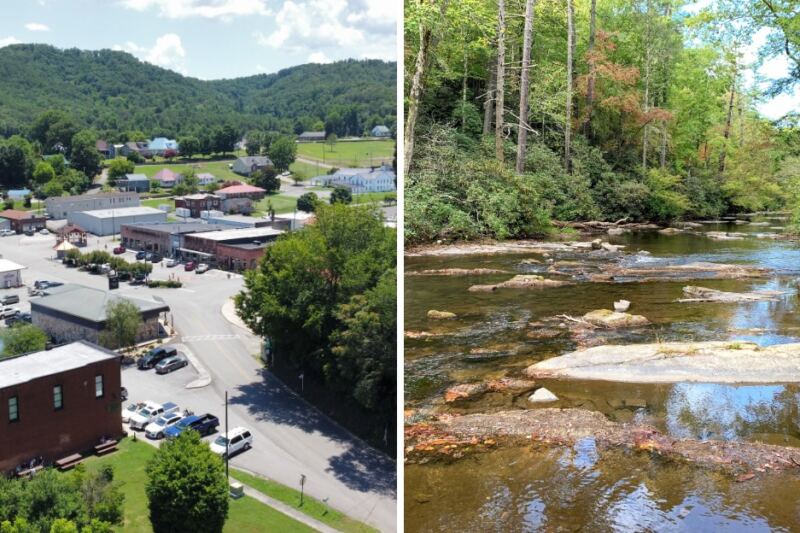
Briceville itself barely registers on most maps. With a population that hovers around 600 people, it’s the kind of place where everyone knows everyone, and outsiders stick out immediately. The town sits in Anderson County, nestled between the Cumberland Mountains and the valley below, where coal mining once ruled the economy and shaped every family’s story.
The bridge crosses Coal Creek, a waterway that played a huge role in the area’s industrial past. Today, the creek looks peaceful enough, winding through the trees and under the old structure that’s seen more than a century of use. But there’s something about the setting that feels just a little off, especially when you know what happened here.
Most visitors who make the trip are either local teenagers testing their courage or paranormal enthusiasts who’ve heard the tales online.
Getting there requires winding through back roads that feel like they belong to another era. Cell service gets spotty, the trees close in around you, and suddenly you’re standing on a bridge where locals swear the past refuses to stay buried. It’s remote, it’s quiet, and it’s exactly the kind of place where ghost stories thrive.
Drummond Bridge Looks Quiet, But Its Past Feels Anything But
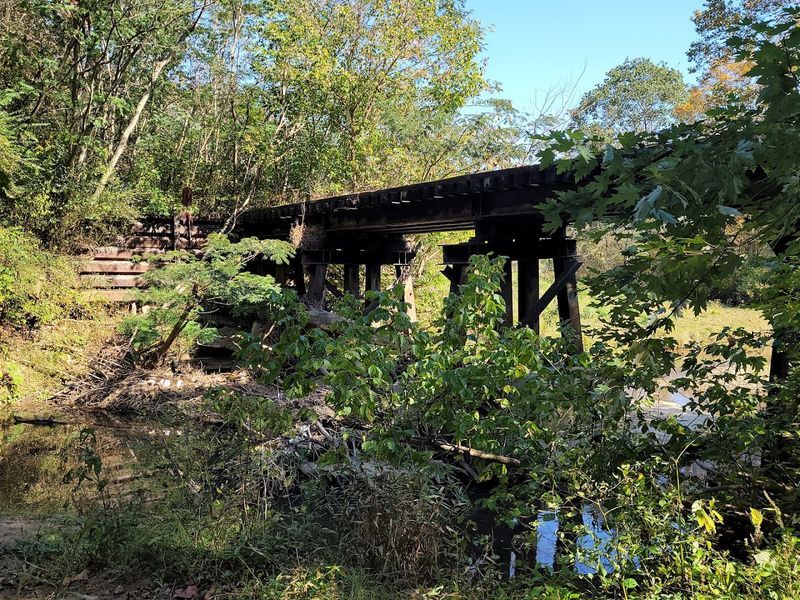
At first glance, Drummond Bridge doesn’t look like much. It’s not a grand suspension bridge or an architectural marvel that stops you in your tracks. Instead, it’s a functional, aging structure that’s been doing its job for decades, carrying local traffic over Coal Creek without fanfare.
But spend a few minutes there, especially as evening approaches, and you’ll understand why people can’t shake the feeling that something lingers.
The bridge was built to serve the communities that sprang up around the coal mines. Back in the late 1800s and early 1900s, this area was booming with mining activity, and infrastructure like bridges became lifelines for workers and their families. Drummond Bridge connected people to jobs, to town, to survival itself during an era when life in these Tennessee hills was brutally hard.
Coal Creek wasn’t just a pretty stream. It was part of the lifeblood of the region’s economy, and the bridge that crossed it witnessed countless daily crossings by miners, families, and merchants. But it also saw darker moments, tragedies that small communities experience but rarely talk about openly with outsiders.
Today, the bridge shows its age. The materials have weathered, the surrounding landscape has grown wilder, and the traffic that crosses it has dwindled as Briceville’s population has shrunk. Standing on it now, you can almost feel the weight of all those years, all those footsteps, all those stories that have soaked into the wood and stone.
Locals will tell you the bridge has always had a strange atmosphere, even before the ghost stories took hold. There’s a heaviness to the place, a sense that the past hasn’t quite finished with it yet. Whether you believe in hauntings or not, there’s no denying that Drummond Bridge carries more than just physical weight.
The Coal Creek History That Gives This Place Its Weight
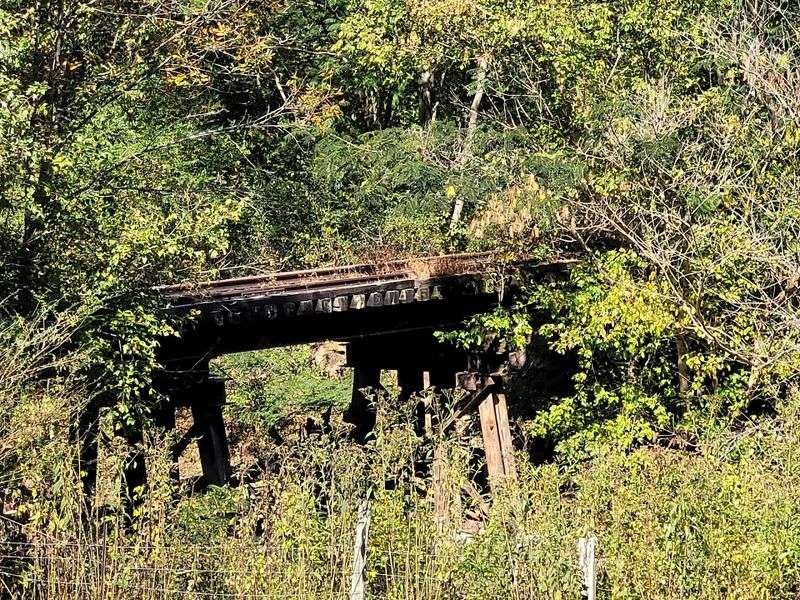
Understanding why Drummond Bridge feels so heavy requires knowing what happened in these hills over a century ago. Coal Creek wasn’t just a location. It was the epicenter of one of Tennessee’s most significant labor uprisings, a place where miners fought back against a system that treated them like disposable tools rather than human beings.
In the 1890s, coal companies in Anderson County started bringing in convict laborers to replace free miners who demanded fair wages and safe conditions. These prisoners, leased from the state, worked for almost nothing and lived in conditions that were somehow even worse than the already dangerous mines. Free miners watched their jobs disappear and their families go hungry while the companies profited.
The Coal Creek War erupted when miners decided they’d had enough. They marched on the stockades where convicts were held, freed the prisoners, and sent them back to Knoxville on trains. The companies brought the convicts back, and the miners freed them again.
This cycle repeated, growing more intense each time, until the state militia got involved and blood was spilled.
Briceville sat right in the middle of this conflict. Families were torn apart, men died, and the community carried scars that never fully healed. The bridge that crossed Coal Creek witnessed the aftermath, the grieving families, the broken men who survived, and the quiet rage that simmered for generations.
This history doesn’t just live in books. It’s embedded in the landscape, in the stories grandparents tell, in the way locals talk about the old days with a mix of pride and pain. Drummond Bridge stands as a physical reminder of a time when this peaceful-looking valley was anything but peaceful, and that energy hasn’t dissipated even after all these years.
The Chilling Legend of Richard Drummond Still Lingers Here
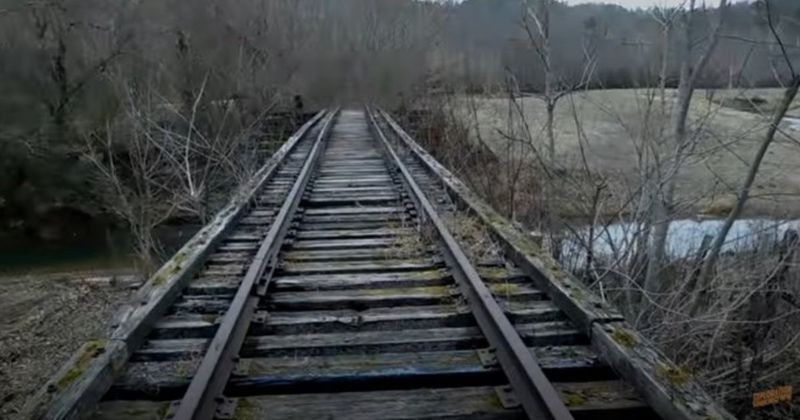
Every haunted place needs a ghost, and Drummond Bridge has Richard Drummond. The legend goes that Richard was a local man connected to the bridge, though the exact details shift depending on who’s telling the story. Some say he died there under suspicious circumstances, while others claim he took his own life after a tragedy he couldn’t overcome.
What everyone agrees on is that his spirit never left.
Richard’s story is tangled up with the coal mining era and the violence that defined it. Whether he was a miner himself, a victim of the labor conflicts, or someone caught in the crossfire of that brutal time, his death marked the bridge in a way that locals have never forgotten. His name became synonymous with the structure itself, giving it an identity beyond just a crossing over Coal Creek.
People who visit the bridge at night report strange experiences they struggle to explain. Some hear footsteps on the bridge when no one else is around, the sound of boots on old wood echoing through the darkness. Others describe a feeling of being watched, of eyes following them from the shadows under the trees.
A few brave souls claim they’ve seen a figure standing at the edge of the bridge, there one moment and gone the next.
Whether Richard was real or a composite of several tragic figures, his legend has become inseparable from the bridge. Locals whisper his name with a mix of respect and unease, keeping his memory alive even as the decades roll past.
Why Locals and Ghost Hunters Still Talk About This Bridge
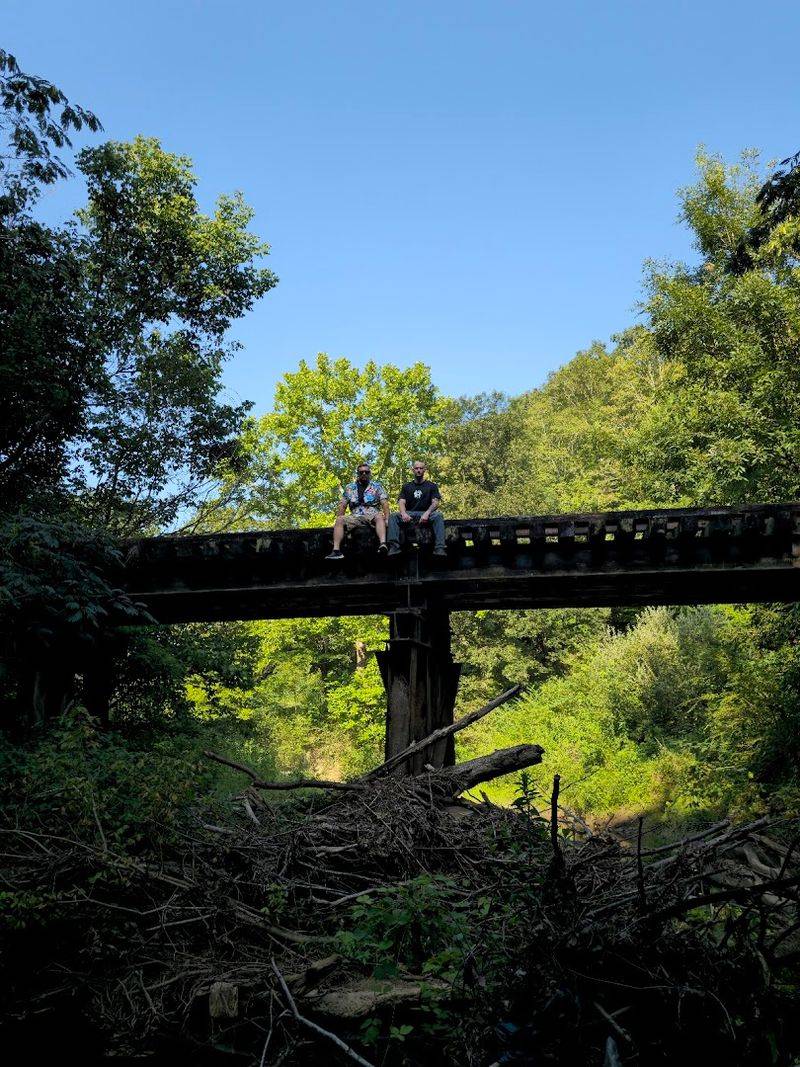
Drummond Bridge has earned itself a reputation that extends far beyond Briceville’s tiny population. Ghost hunting groups from across the Southeast have added it to their lists of must-visit locations, and the bridge regularly appears in online discussions about Tennessee’s most haunted spots. For a place so remote and unassuming, it’s punched well above its weight in paranormal circles.
Part of the appeal is the authenticity. Unlike some tourist-trap haunted attractions that feel manufactured, Drummond Bridge doesn’t try to sell you anything. There’s no gift shop, no admission fee, no guided tours with dramatic lighting.
It’s just a bridge, standing where it’s always stood, indifferent to whether you believe the stories or not.
Locals have their own relationship with the place. For them, it’s not about thrill-seeking or collecting ghost stories for social media. The bridge is woven into their community’s history, connected to real tragedies and real people they’ve heard about their entire lives.
When they talk about the haunting, there’s a seriousness to it, a respect for what happened and who might still be there.
Ghost hunters bring a different energy. They show up with EMF readers, digital recorders, and night vision cameras, hoping to capture evidence of paranormal activity. Some claim they’ve recorded unexplained voices or caught strange anomalies in their photos. Others leave disappointed but intrigued, planning return visits with better equipment or different timing.
It’s become a destination, a place people seek out specifically because of the darkness in its past and the whispers that won’t stop.
The Eerie Setting Makes the Story Feel Even Harder to Shake
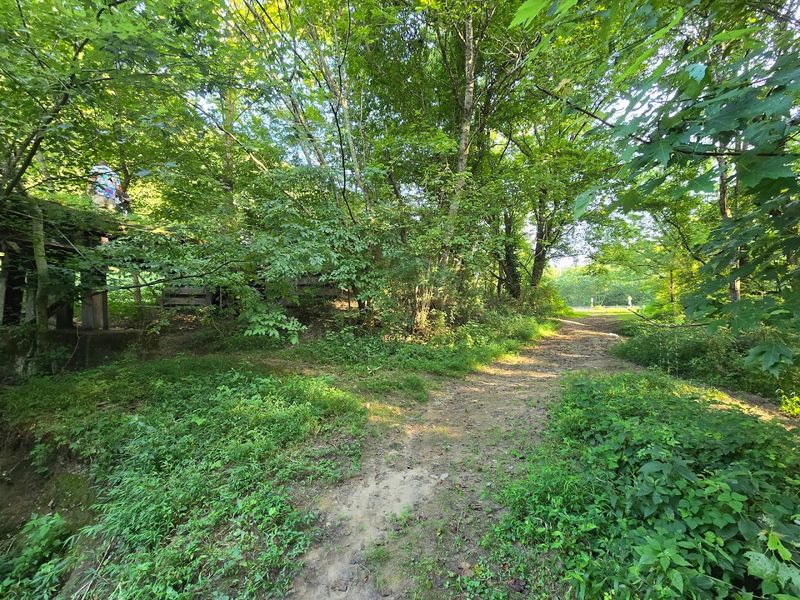
Location matters when it comes to ghost stories, and Drummond Bridge has the perfect setting to keep people on edge. The isolation alone does half the work. When you’re standing on that bridge with nothing but trees, creek water, and darkness surrounding you, your imagination doesn’t need much encouragement to run wild.
Coal Creek flows underneath with a sound that changes depending on the season. During dry spells, it’s barely a trickle, but after heavy rains, the water rushes past with surprising force, creating a constant background noise that can mask other sounds or make you think you’re hearing things you’re not. That ambiguity feeds the unease.
The trees close in around the bridge, creating a canopy that blocks out moonlight and starlight. Even with a flashlight, the darkness feels thick and oppressive. Shadows move in ways that could be wind, could be wildlife, or could be something else entirely.
Your rational brain knows it’s probably nothing, but your instincts aren’t so sure.
The bridge itself creaks and groans as you walk across it, sounds that are perfectly normal for an aging structure but feel ominous in the context of ghost stories. Every noise becomes suspect, every movement in your peripheral vision becomes a potential encounter. The setting primes you to experience something strange even before anything actually happens.
Visiting during the day offers a completely different experience. The place looks almost mundane in sunlight, just another old bridge in rural Tennessee. But even then, locals say there’s something about it that doesn’t feel quite right.
The shadows under the bridge stay dark even in bright sun, and the quiet feels a little too complete, like the area is holding its breath.
The combination of genuine historical tragedy, persistent local legends, and a setting straight out of a horror movie has given Drummond Bridge a staying power that most ghost stories never achieve.
Drummond Bridge Is One of Tennessee’s Creepiest Haunted Stops
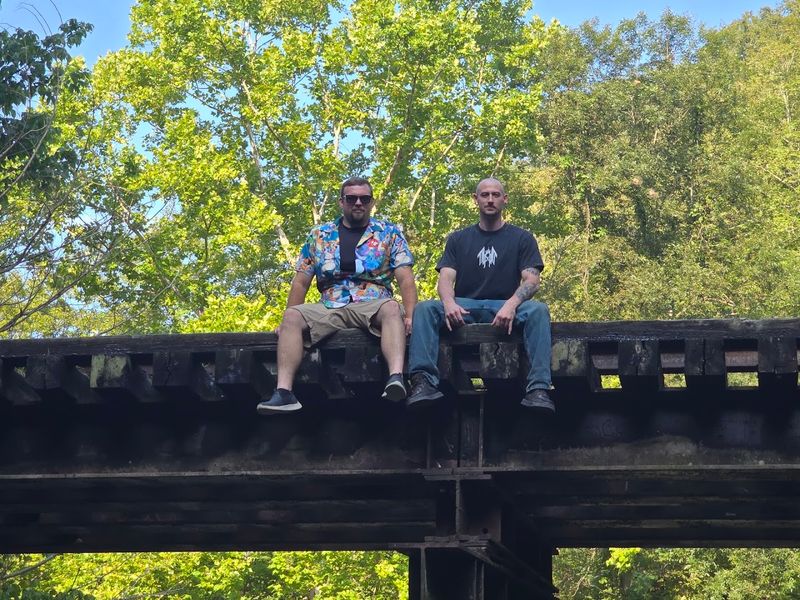
Tennessee has no shortage of haunted locations. From the Bell Witch Cave to the Orpheum Theatre in Memphis, the state’s ghost story catalog runs deep and varied. But Drummond Bridge holds its own in that crowded field, offering something that polished tourist attractions can’t replicate: raw, unfiltered connection to a dark past that still feels present.
What sets this bridge apart is how it refuses to lean into its haunted reputation for profit. There’s no commercialization, no attempt to capitalize on the legend. It just exists, doing what it’s always done, while the stories continue to circulate and grow.
That authenticity makes believers more convinced and skeptics more curious.
The bridge’s historical landmark status acknowledges its importance without sensationalizing it. The designation recognizes the role this structure played in the community’s development during the coal mining era, but it doesn’t advertise the ghost stories. That separation between official recognition and local legend creates an interesting dynamic where both can exist without undermining each other.
For visitors interested in Tennessee’s darker history, Drummond Bridge offers a tangible connection to the Coal Creek War and the brutal realities of 19th-century labor struggles. The haunting, whether you believe in it or not, serves as a reminder that trauma leaves marks on places as much as it does on people. The bridge absorbed decades of hardship, violence, and loss, and those experiences don’t just evaporate.
Standing on Drummond Bridge means standing in a place where history got written in blood and sweat, where communities fought for survival, where individual tragedies played out against a backdrop of larger conflicts. The ghost of Richard Drummond, real or imagined, represents all of that compressed into a single legend that refuses to die.
Whether you’re a paranormal enthusiast, a history buff, or just someone who appreciates a good ghost story, this unassuming bridge in tiny Briceville has earned its reputation as one of Tennessee’s creepiest spots.
Share this story