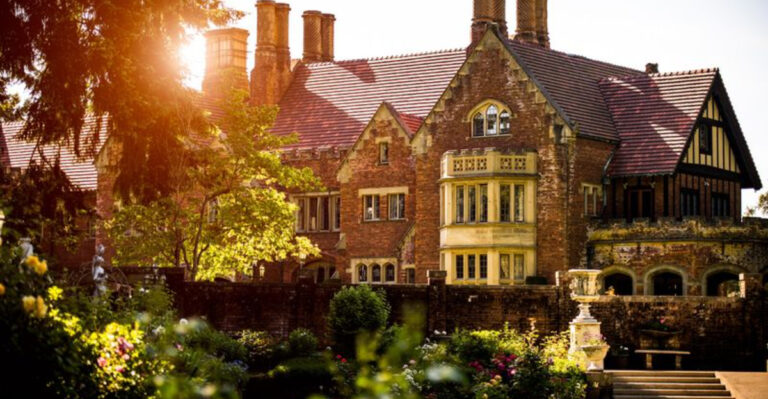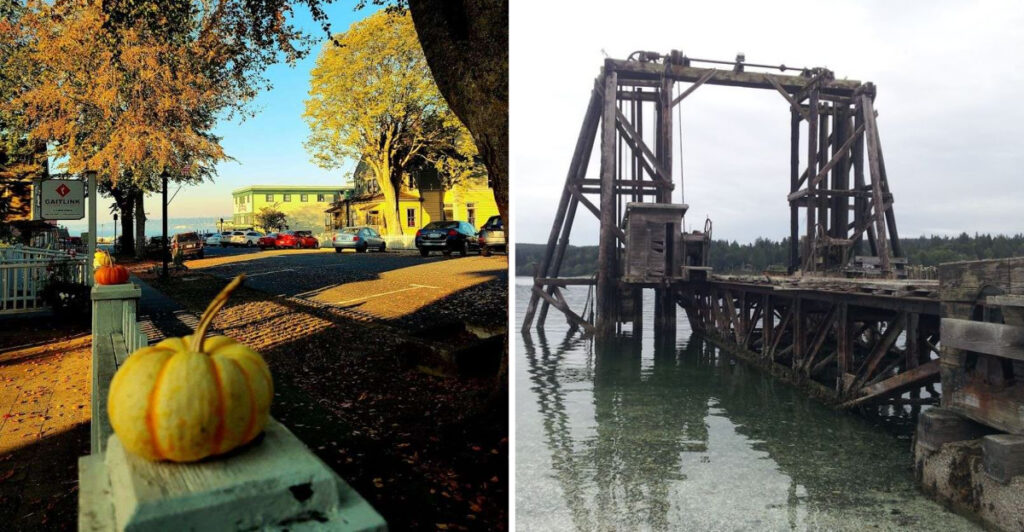
Port Gamble, Washington, feels like the kind of town already halfway inside a ghost story before the tour even begins. The historic waterfront streets stay quiet, the old buildings glow softly after dark, and the surrounding trees add just enough atmosphere to make every story land a little harder.
What makes the ghost walk memorable is not cheap jump scares, but the layered history woven through the town itself. The experience blends local legend, Pacific Northwest mood, and genuine historic character into something that feels immersive from start to finish. If you love haunted history with real atmosphere instead of gimmicks, Port Gamble absolutely delivers the setting for it.
A Storybook Street With a Chilling Edge
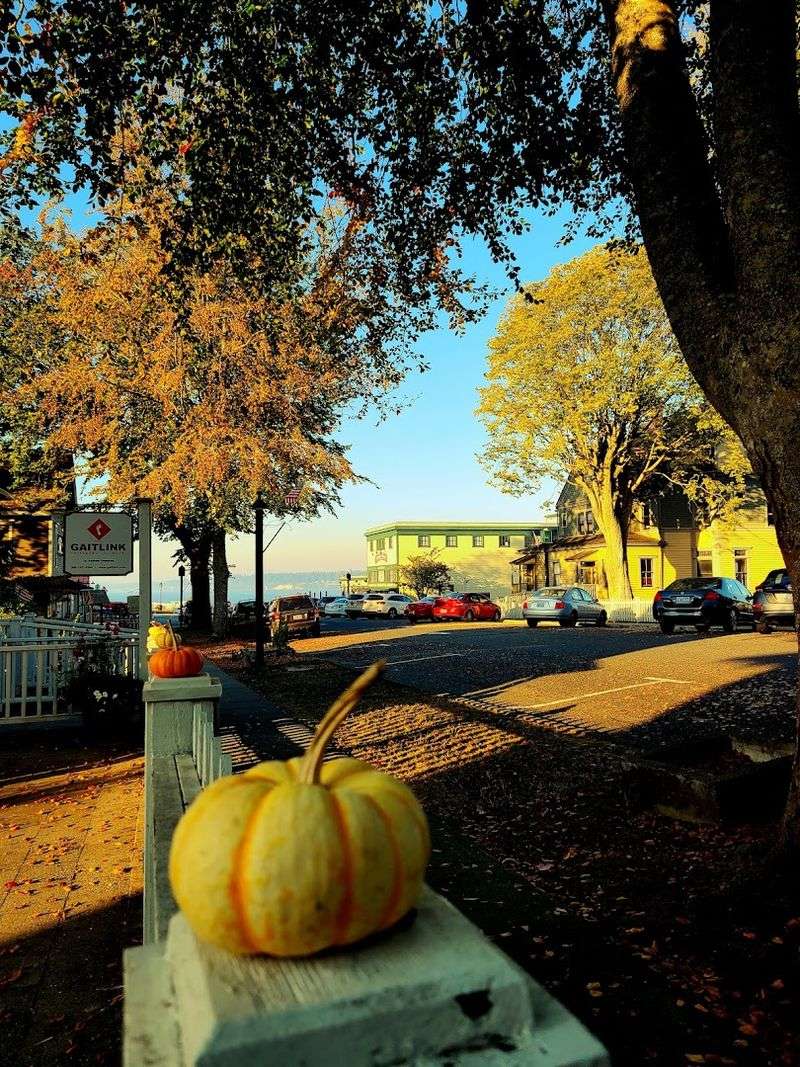
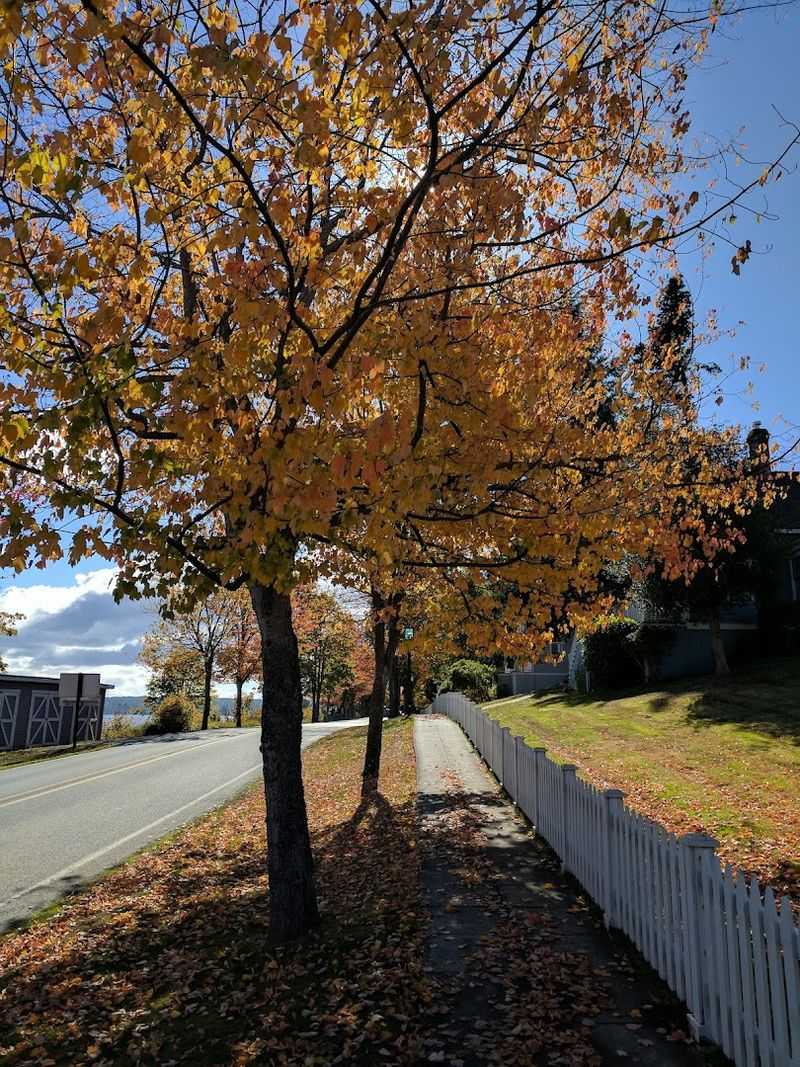
Port Gamble grabs your attention before a guide even starts talking. Neat white buildings, picket fences, and old storefronts line the street with such tidy precision that the town almost looks staged, like a period set waiting for actors to hit their marks.
Then the light shifts, the trees darken at the edges, and that polished historic charm picks up a sharper, more mysterious tone.
That contrast is the real hook. You are not wandering through a crumbling ghost town built around obvious theatrics, but through a remarkably intact company town where the beauty is part of the tension.
Clean facades and postcard views across the water make the setting inviting, while the age of the place quietly reminds you that many lives passed through here long before your tour group arrived.
Walking here at dusk matters. Port Gamble sits between shoreline, forest, and old architecture, so the environment does half the storytelling without trying very hard.
You notice long shadows stretching across the road, wind moving through tall evergreens, and pockets of stillness that make ordinary sounds stand out, especially when everyone pauses to listen.
That visual setup gives the ghost walk its strongest advantage. The town does not need costumes, flashing props, or exaggerated staging because the streets already carry a cinematic quality on their own.
By the time the first legend is introduced, you are fully tuned in to windows, corners, porches, and pathways, scanning details you might ignore in daylight. Very few haunted attractions begin with a backdrop this complete, and that is exactly why Port Gamble earns instant bucket-list status.
Where Port Gamble, Washington Tells Its Darker Tales
The strongest part of a ghost walk in Port Gamble is not just the idea of hauntings. It is the way local history gives the stories shape, grounding each stop in a place that already carries visible age and purpose.
Instead of floating in vague spooky language, the experience works best when you hear how a mill town functioned, who lived here, and how daily life once moved through these same streets. That context matters because Port Gamble is unusually cohesive.
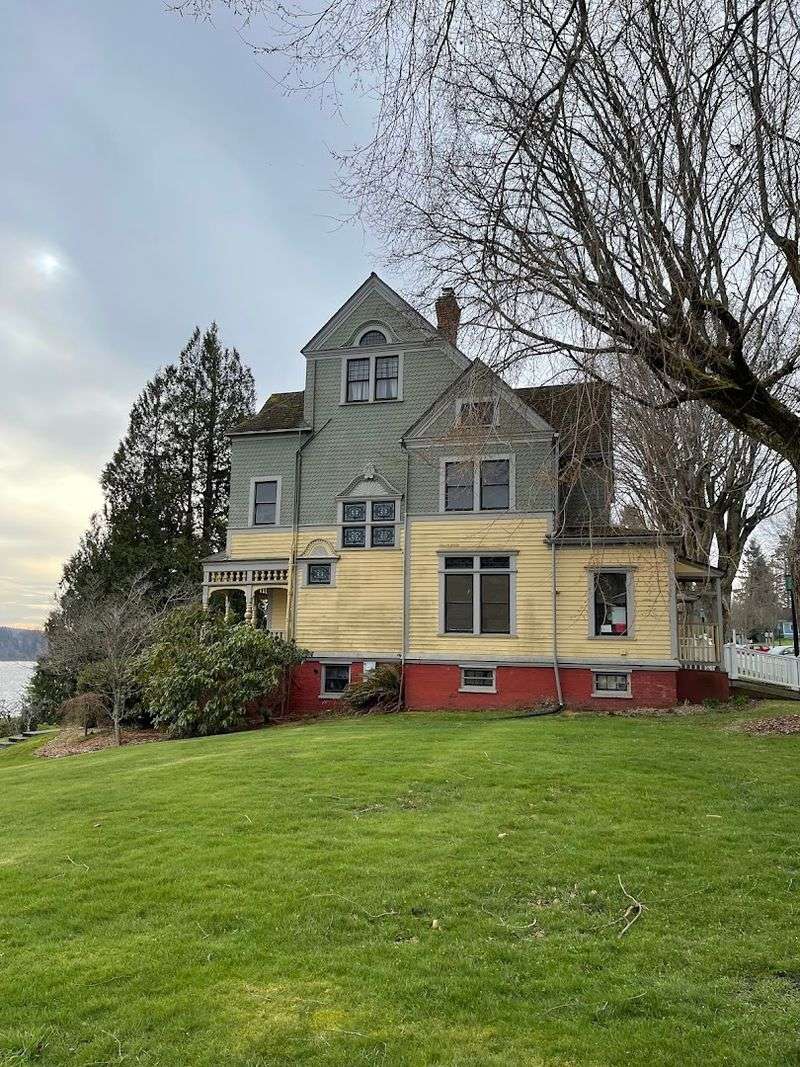
The town was built with a clear pattern, and much of that historic layout still reads clearly when you walk it today. Stops connected to places like the Walker-Ames House and the Port Gamble Historic Museum help anchor the stories in recognizable landmarks rather than abstract legend.
You can look at homes, museums, churches, and waterfront buildings and immediately sense that they belong to an older system tied to work, family life, and the lumber economy that once defined the area. Ghost stories gain power when they are attached to real geography.
A porch becomes more interesting when you know why someone might have stood there night after night, and a quiet lane becomes more unsettling when it once linked important parts of town. In Port Gamble, the stories benefit from exact locations because the environment keeps nudging your imagination toward the people who occupied these spaces before modern visitors arrived.
That blend of local history and haunted lore creates a richer experience than a standard fright-focused tour. You get suspense, certainly, but you also get a sharper sense of place.
By the end of a well-paced walk, Port Gamble starts reading less like a picturesque stop on the Kitsap Peninsula and more like a living archive, with every corner offering another clue, another rumor, or another reason to linger a little longer before heading back to the car.
The Waterfront Silence Does Half the Work
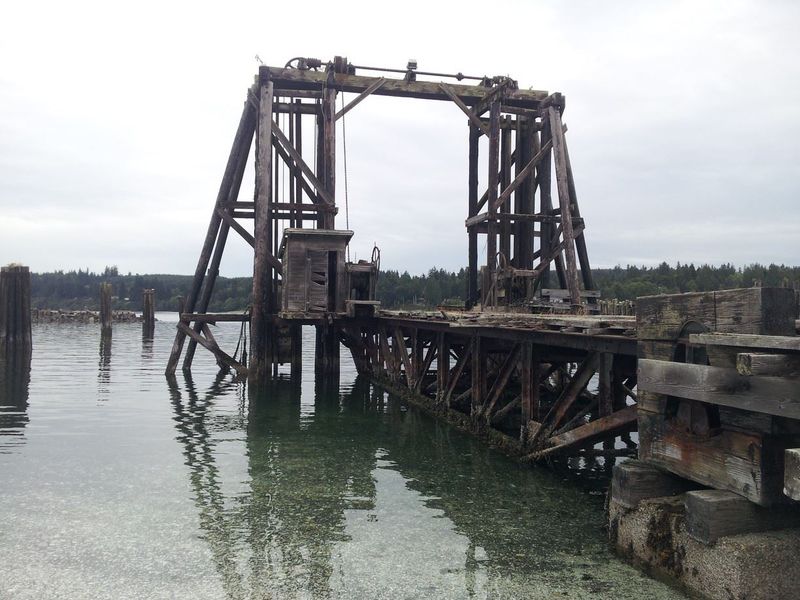
Some haunted walks rely on narrow alleys and urban noise to build tension. Port Gamble goes in the opposite direction, using space, water, and silence as part of the experience.
The bay sits close enough to shape the mood, and when the evening settles in, that open shoreline can make the town seem even quieter than it really is.
Water changes how you hear everything. A voice carries differently, footsteps sound more isolated, and a pause in conversation can feel unusually pronounced when the air is still.
In Port Gamble, that matters because the town is not packed tight with distractions. You get stretches where the setting opens up, and those wider views can be more unnerving than a cramped path because there is nowhere for your attention to hide.
The shoreline also gives the ghost walk texture beyond the buildings themselves. One moment your focus is on old facades and lit windows, and the next it shifts toward the bay, the dark tree line, and the sense of distance beyond town.
That change in scale keeps the experience dynamic. It reminds you that Port Gamble is not only historic, but also deeply tied to its Pacific Northwest landscape.
For visitors, this is where the town separates itself from more predictable haunted destinations. You are not just consuming stories stop by stop.
You are moving through a place where weather, water, and fading light actively shape your reactions. Even if you usually stay skeptical during ghost tours, the physical setting here has a way of lowering your defenses.
The silence becomes part of the script, the shoreline becomes part of the stage, and the walk gains a slow-building tension that sticks with you long after the final stop.
Small Details You Start Noticing After Sunset
A good ghost walk changes the way you interact with ordinary surroundings, and Port Gamble is especially effective at that shift. Once the group settles into the rhythm of the evening, people naturally begin paying attention differently.
Small details start pulling focus away from the larger landmarks. Window curtains, porch steps, side gates, and second-floor lights suddenly seem more significant because each one feels capable of holding a story.
This is where the town’s preserved character becomes so useful to the experience. Many of the buildings still carry proportions and exterior details that reward slow observation, particularly after sunset when shadows soften edges and isolate certain features.
A simple doorway can feel unusually formal in low light, while a row of homes that looked picturesque during the afternoon can start appearing strangely watchful once darkness settles around them. The ghost walk works best when you lean into that heightened awareness instead of waiting for dramatic scares.
Not every memorable moment comes from a guide delivering a chilling story at full volume. Sometimes it is the pause outside an older house, the sound of footsteps along the walkway, or the way conversation briefly drops when everyone notices the same unexplained movement or flicker of light at once.
Those quieter reactions create suspense more effectively than exaggerated theatrics ever could. Port Gamble rewards visitors who stay observant.
You do not need to believe every legend to appreciate how thoroughly the town encourages close attention. By the middle of the route, many people find themselves scanning upper windows, studying narrow gaps between buildings, and lingering on details that would disappear into the background during the day.
That shift in behavior is part of what makes the walk memorable. The town gradually trains you to look more carefully, which turns the entire environment into an active participant in the experience rather than just scenery along the route.
Why the Human History Hits Harder Than the Scares
One reason Port Gamble’s ghost walk feels more memorable than a standard haunted attraction is that the town’s real history never fades into the background. The stories work because they are tied to places that still feel active and visible rather than disconnected from modern life.
Instead of relying entirely on spooky theatrics, the experience draws power from historic buildings, preserved streets, and landmarks that already carry emotional weight before any ghost story begins
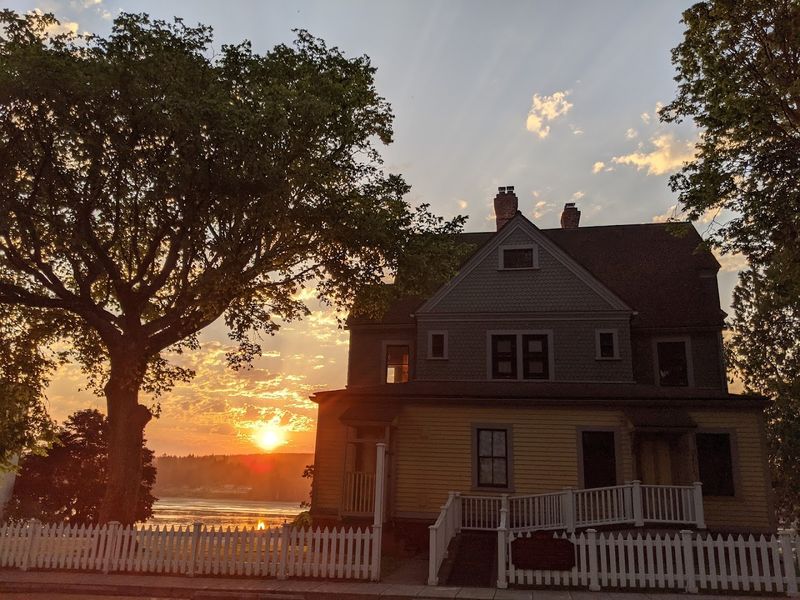
The Walker-Ames House is one of the clearest examples. The large Victorian mansion already stands out during daylight because of its scale, architecture, and commanding position in town.
After dark, though, the atmosphere changes completely. The house becomes quieter, heavier, and far more mysterious, which explains why it has become such a central part of Port Gamble’s haunted reputation.
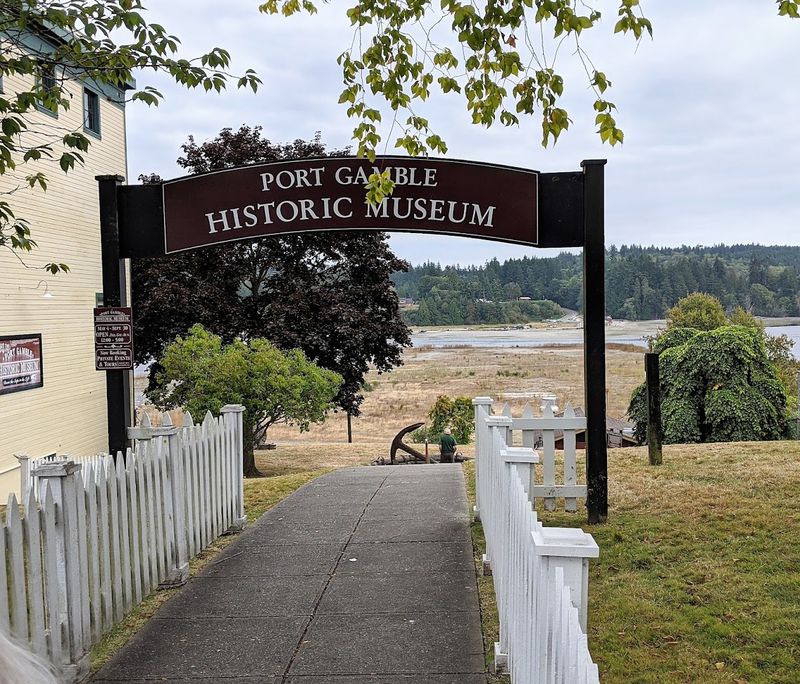
Even visitors who remain skeptical about paranormal stories usually admit the setting alone leaves a strong impression. The Port Gamble Historic Museum adds another layer to the experience by grounding the town’s legends in documented local history.
Old photographs, artifacts, and exhibits help connect the ghost stories to real people who once lived and worked here. That context matters because it turns the walk into more than a collection of spooky anecdotes.
You begin understanding how tightly connected the town’s identity is to logging, waterfront industry, and generations of community life along the Kitsap Peninsula. Then there is the bay itself, which quietly shapes the mood of the entire evening.
The still water, shoreline silence, and dark tree line surrounding the town give every story a little more atmosphere than it would have elsewhere. Together, the Walker-Ames House, the museum, and the waterfront create a ghost walk that feels layered instead of gimmicky.
The scares may draw people in, but the human history is what makes Port Gamble linger in your memory afterward.
How to Time the Walk for Maximum Drama
If you want the best version of this experience, timing matters almost as much as the stories themselves. Port Gamble is striking in daylight, but the ghost walk gains power during that narrow transition when evening color drains from the sky and building lights start to glow.
That in-between hour lets you absorb the town’s historic beauty first, then watch it slip into a more suspenseful register.
Arriving a little early is the smartest move. You get time to see the waterfront, notice the layout, and understand how compact the historic area is before the walk begins.
That familiarity pays off later because the same streets look noticeably different once the light drops. A route that seemed gentle and picturesque can suddenly feel much more theatrical, especially when the group pauses and the surrounding quiet takes over.
Season and weather also shape the mood in useful ways. Cool air, low cloud cover, and a bit of coastal dampness can intensify the setting without turning it into parody.
Clear nights work too, but softer, moodier conditions tend to flatter the town’s older architecture and evergreen backdrop. Comfortable shoes and an extra layer are simple choices that make it easier to stay present instead of rushing through the route.
The best approach is to treat the ghost walk as an evening plan, not a quick add-on. Give Port Gamble enough time to reveal itself gradually.
Let the daylight version establish the town’s order and charm, then let dusk complicate that picture. This rhythm is a big part of the appeal.
You are not stepping into a haunted set built to look old. You are watching a real historic place change character in real time, which is far more satisfying.
The Bucket-List Case for This Kitsap Peninsula Walk
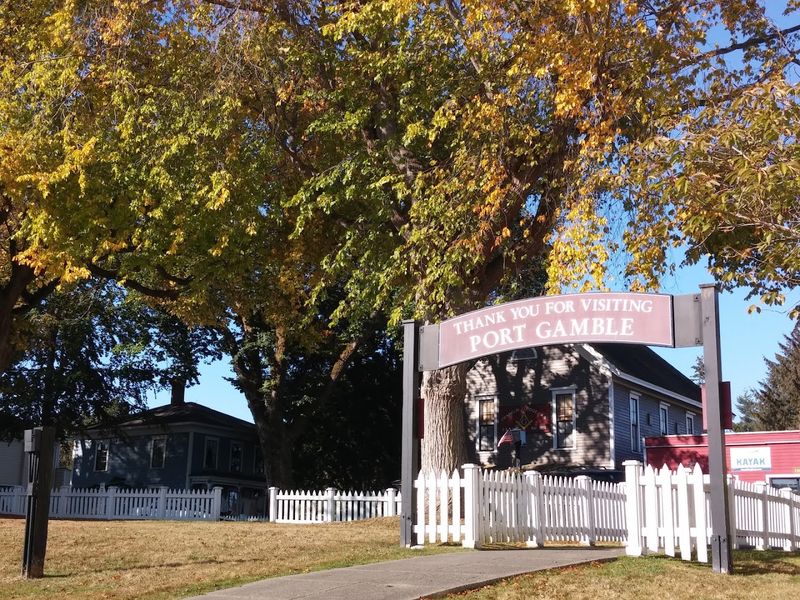
Plenty of ghost walks promise a spooky night out. Port Gamble offers a more distinctive package: a preserved historic town, a waterfront setting, a strong sense of local past, and just enough quiet to let your imagination get involved.
That combination is rare, and it is the main reason this experience rises above novelty status. The town itself does not have to strain for effect. Its scale is walkable, its layout is legible, and its architecture creates an immediate visual identity that stays consistent from one stop to the next.
Because of that, the tour feels coherent rather than stitched together. Every story benefits from the surroundings, and every turn keeps you rooted in the same compact world instead of sending you hunting for atmosphere that is not really there.
There is also a satisfying range to the experience. You get beauty, unease, history, and practical accessibility in one evening, which makes the walk appealing even if everyone in your group wants something slightly different.
One person may come for the haunted angle, another for the historic setting, another for the waterfront mood. Port Gamble has enough texture to support all three without feeling overproduced.
That is why this belongs on a bucket list, especially if you like travel experiences with a strong sense of place. Port Gamble delivers a version of haunted tourism that still respects landscape and history.
You leave with more than a few spooky anecdotes. You leave remembering the shoreline at dusk, the precision of the old town grid, the dark edge of the trees, and the way the whole place turned quietly uncanny as night settled in.
Few walks give you scenery and suspense with that much personality packed into a single route.
Share this story