You can miss the turn the first time. That is part of the charm.
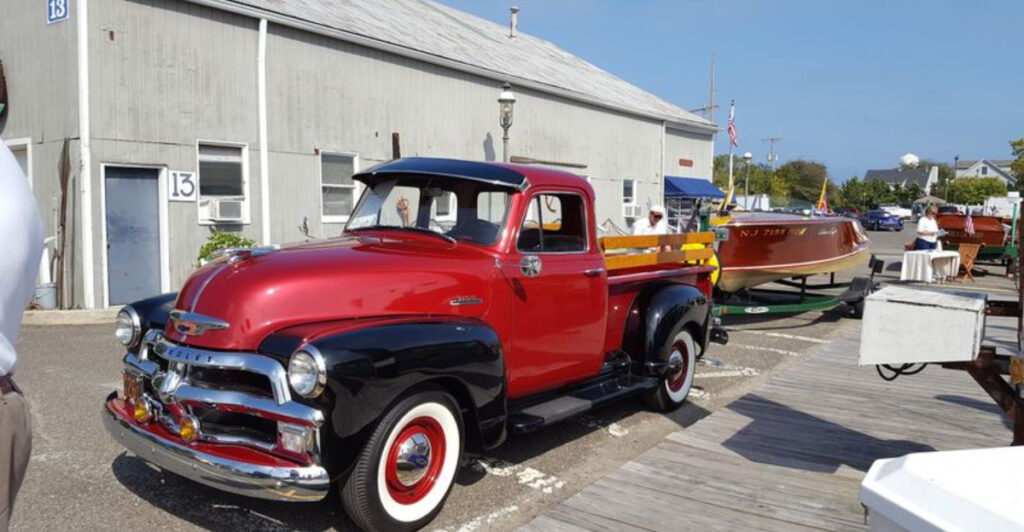
Tucked at 1800 Bay Avenue in Point Pleasant, with the entrance reached by turning left onto Meadow Avenue and finding Building 13 near Johnson Brothers Boat Works, the Vintage Automobile Museum of New Jersey does not announce itself like a flashy roadside attraction.
It waits patiently, the way a well-kept classic waits under a soft cover in someone’s garage.
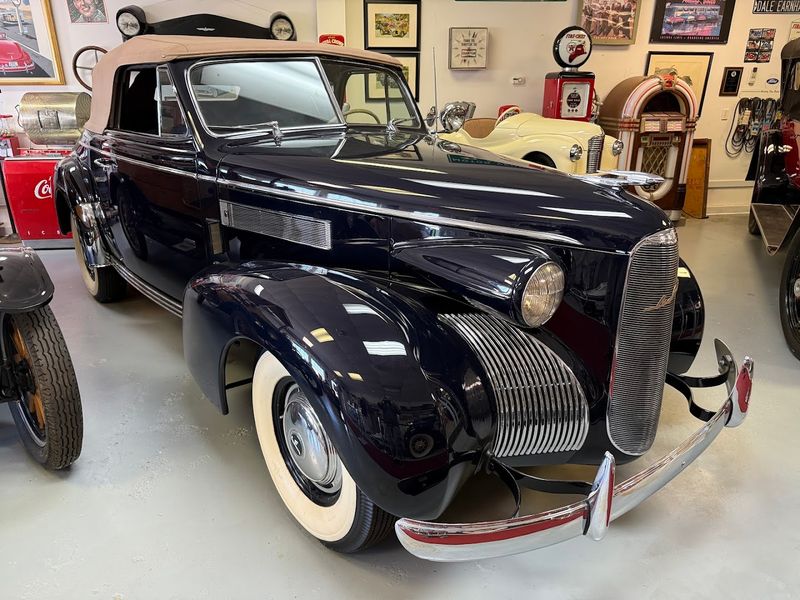
Inside, though, the place opens into something wonderfully unexpected: polished fenders, old-school dashboards, hood ornaments, memorabilia, and the kind of cars that make people slow down mid-sentence. This is not a giant warehouse museum where you shuffle through and forget half of what you saw.
It is smaller, friendlier, and more personal, with volunteer hosts who actually want to talk cars. Better yet, admission is free, and the museum is open Friday through Sunday from noon to 4 p.m.
A Hidden Gem for Car Lovers at the Jersey Shore
Point Pleasant usually makes people think of boardwalk fries, fishing boats, beach traffic, and the familiar summer crawl toward the ocean. That is exactly why this museum feels like such a good little New Jersey surprise.
It sits close to the water, near Route 35 and a short drive from the Garden State Parkway, but it is not trying to compete with the beach for attention.
The Vintage Automobile Museum of New Jersey is the kind of place you discover because someone local says, “You know what you should check out?” and then gives you directions that include one very specific turn you might otherwise miss.
The museum shares a building area with the New Jersey Museum of Boating at Johnson Brothers Boat Works, but the car museum is on the opposite side, which already gives the visit a slightly tucked-away feel. That setting works in its favor.
You are not fighting the energy of a mega-attraction. You are stepping into a compact, volunteer-run museum where the main event is the cars themselves.
There is a nice Jersey Shore rhythm to the whole thing: boats nearby, classic cars inside, and no pressure to rush. Because admission is free, it also has that rare local-spot quality where you can stop in without turning the day into a production.
Spend an hour, linger longer if a volunteer starts telling you the story behind a particular model, or pair it with lunch in town. It is especially good for people who like their museums approachable.
You do not need to know carburetors from camshafts to enjoy it. You just need to appreciate design, memory, and the thrill of seeing machines that once ruled American roads sitting close enough to admire every curve.
Step Inside the Vintage Automobile Museum of New Jersey
The first thing to know is practical and important: this is New Jersey’s only public car museum, according to the museum itself, and it is run as a nonprofit with a mission centered on preserving and sharing automotive heritage. That gives the place a different personality from a private collection or a commercial attraction.
It feels less like someone showing off expensive toys and more like a group of enthusiasts opening the garage door for the community. The organization was incorporated in 2000, and after years of outreach and community support, it secured its permanent Point Pleasant location in 2013.
That backstory matters because you can feel it in the way the museum presents itself. This is not a polished corporate experience with dramatic lighting and a gift-shop exit strategy disguised as history.
It is warmer than that. Museum hosts are experienced volunteers, and the museum encourages visitors to ask questions while they are there.
That small detail can change the whole visit. A car behind a rope is interesting.
A car with someone nearby who remembers why its grille looked that way, how it drove, or what made it special is much better. The collection spans more than 75 years, from the turn of the century through the “Fabulous Fifties” and beyond, so the visit does not land in just one era.
You may see early automotive shapes that still look part carriage, part machine, then move toward the long hoods, chrome trim, and bigger personalities of mid-century motoring. The museum is also wheelchair-accessible, and it recommends calling ahead because hours can be affected by inclement weather or volunteer availability.
That is the trade-off with a small, volunteer-powered treasure: it feels personal because real people are keeping it going.
Classic Cars That Tell the Story of a Different Era
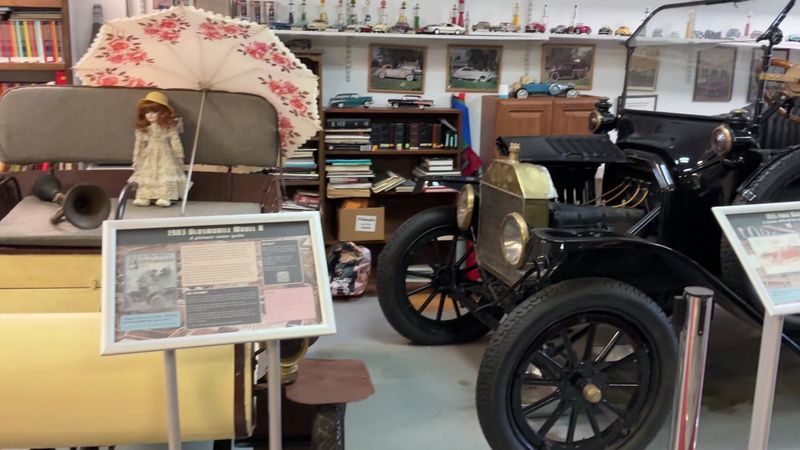
A Model T does not just look old. It looks like a turning point.
The museum’s gallery notes that vehicles displayed over the years have ranged from early 20th-century Model Ts to muscle cars of the 1960s and 1970s, with owners including the museum, trustees, donors, and local car clubs. That range is what keeps the museum from feeling like a single-note nostalgia trip.
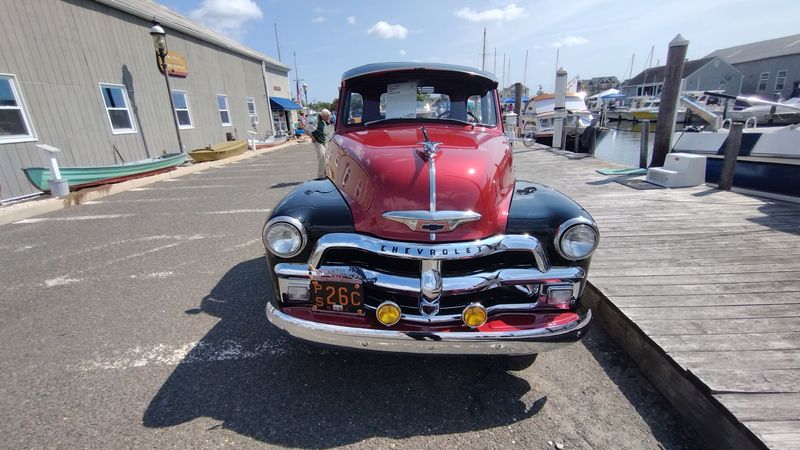
Early cars remind you how new and strange the automobile once was, when every design choice still seemed like an experiment. Pickup trucks tell a different story, one about work, utility, and the slow evolution of the everyday American vehicle.
Stock cars bring in speed and local car-club energy. Cars from the 1950s and 1960s bring the drama: bold lines, bigger silhouettes, color, confidence, and a sense that driving was once marketed as a full-blown lifestyle.
One of the smartest things the museum does is rotate vehicles every two to three months, which means the display can change depending on when you go. That keeps the collection from becoming frozen in place.
The museum has also hosted special displays, including themed exhibitions such as an all-British car display, so repeat visits can feel different without the museum needing to be enormous. This is where the “underrated” part really earns its keep.
Big museums can overwhelm you with quantity. Here, the smaller scale gives each car room to register.
You notice the dashboard shapes. You notice the seat materials. You notice how a hood ornament can look like jewelry and branding at the same time. These cars are not just shiny objects.
They are timelines with tires, showing how taste, engineering, status, and daily life changed from decade to decade.
Why This Small Museum Feels So Personal
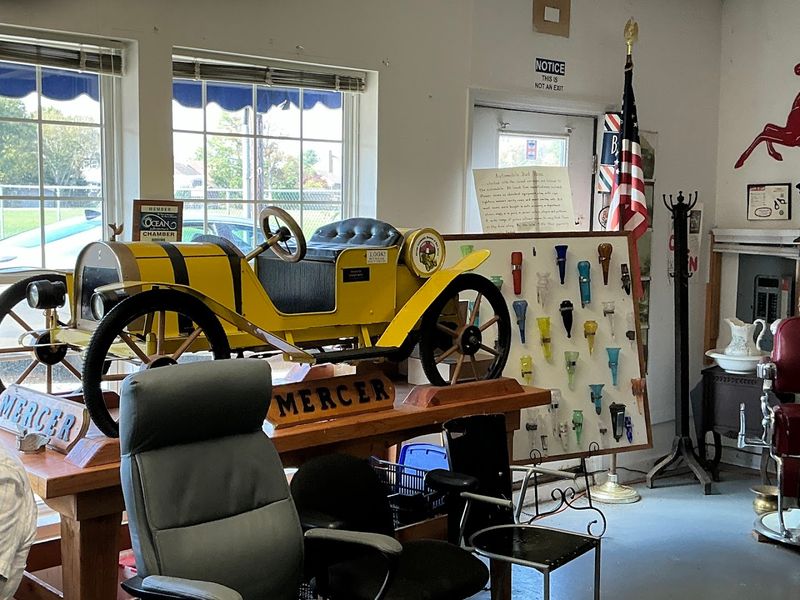
There is a reason a small car museum can be more fun than a massive one: people talk to each other. At the Vintage Automobile Museum of New Jersey, the volunteer presence is not a side note.
It is part of the experience. The museum says its volunteers come from Ocean and Monmouth Counties, and many are longtime car lovers who help keep the place running.
That local involvement gives the museum a personality you cannot fake with signage. Someone may point out a detail you would have missed, explain why a particular model mattered, or tell you about a car show where one of the vehicles appeared.
That is a very New Jersey kind of museum moment: informal, useful, and probably more interesting than the plaque you were about to read. The museum’s history also started with passionate collectors who simply liked to talk cars before they even had a building.
In a funny way, that origin story still seems to shape the visit. It feels like a conversation that eventually became a museum.
The educational side is real, too. The museum has offered outreach programs such as History on Wheels, where students can see how automotive design, style, and engineering evolved, and a STEM Summer Program for Kids in partnership with Save Barnegat Bay that includes hands-on activities like making air-propelled cars.
That is a nice reminder that classic cars are not only for retirees in club jackets or people who know every trim package ever made. They are also a way to talk about invention, manufacturing, culture, and problem-solving.
The museum even has a “Professor Otto” History Corner character on its site, which is exactly the right level of playful for a place that takes car history seriously without becoming stiff.
More Than Shiny Chrome and Restored Engines
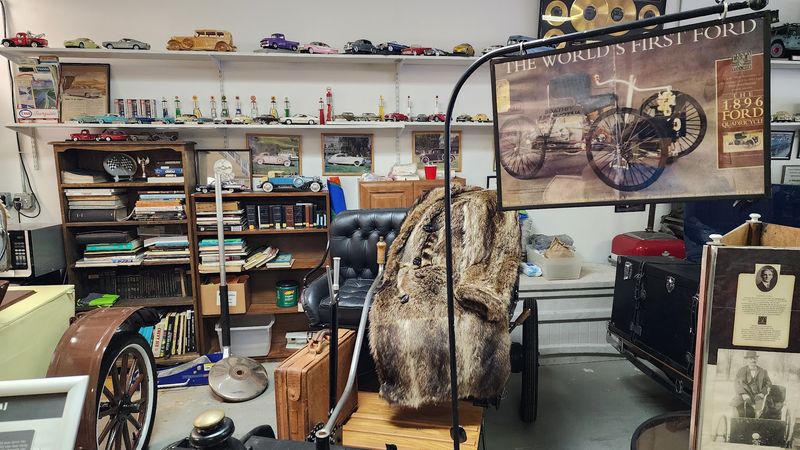
The cars are the stars, obviously, but the surrounding details are what make the museum feel lived-in. Automotive memorabilia has a sneaky way of pulling people into the past.
A gas station sign, a license plate, a service manual, a tool, or an old advertisement can say almost as much about a time period as the car itself. The museum describes the experience as one surrounded by automotive memorabilia and cultural artifacts, with an educational angle built into the visit.
That matters because cars have never existed in isolation. They shaped how New Jersey towns grew, how families traveled, how teens found independence, how businesses moved goods, and how entire weekends were planned.
The Garden State is a particularly good place to think about that. This is a state of parkways, diners, shore drives, commuter routes, garage culture, and “I know a guy who can fix that” wisdom passed down like family folklore.
In that context, a vintage car museum near the Shore feels less random and more perfectly placed. The gift shop adds another small but telling layer, offering museum-branded shirts and hats along with car calendars, with proceeds going back into museum operations.
Again, nothing about this feels overbuilt. It feels practical and community-minded.
Even the rotating displays give the memorabilia more context, because a pre-war collection creates a different mood than a stock-car display or a lineup of 1950s and 1960s vehicles.
You might come in because you want to see the cars, but you leave thinking about the world around them: the roads they drove on, the mechanics who kept them running, the families who packed into them, and the Saturday mornings when washing the car in the driveway was practically a ritual.
How to Turn Your Visit Into a Perfect New Jersey Day Trip
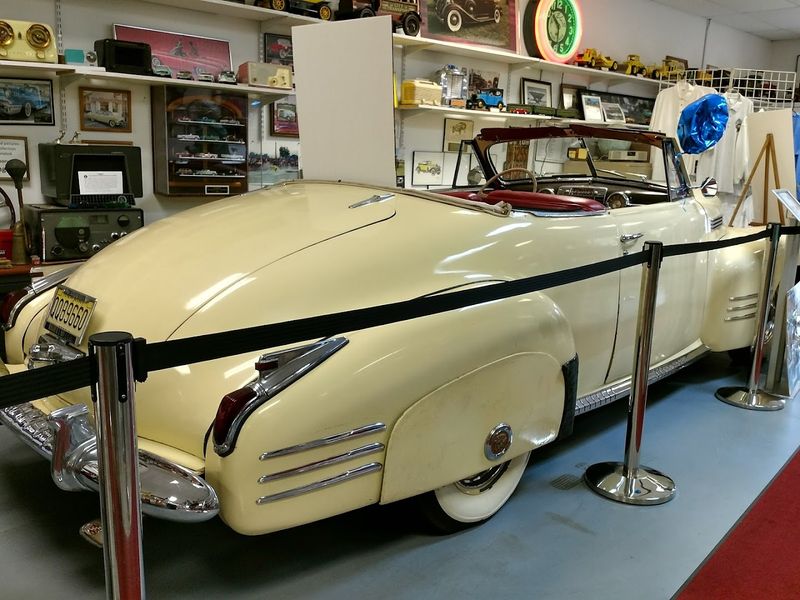
The museum is open only three days a week, Friday through Sunday from noon to 4 p.m., so it works best as the centerpiece of a relaxed Shore afternoon rather than a rushed early-morning stop. Start with the museum, especially if you are the kind of person who likes talking to volunteers before the day gets busy.
Because admission is free, you can keep the visit casual, but bringing a few dollars for the donation box or gift shop feels like good local manners when a nonprofit is keeping a place like this alive.
The address is 1800 Bay Avenue in Point Pleasant, but remember the museum’s own direction: turn left on Meadow Avenue and look for Building 13, on the opposite side from the New Jersey Museum of Boating.
Afterward, the rest of Point Pleasant is easy to fold in. If the weather is cooperating, head toward the water, take a slow drive through town, or make your way to the boardwalk side of Point Pleasant Beach for the classic Jersey Shore contrast: vintage cars first, salt air second.
Food does not need to be complicated. This is the kind of outing where a diner meal, a slice of pizza, seafood near the water, or something sweet from a local bakery fits better than a fancy reservation.
The museum also participates in events throughout the year, including car shows and anniversary programming, so checking the calendar before you go can pay off if you like your visit with a little extra horsepower.
The best version of the day is simple: a few beautiful old cars, a good conversation with someone who knows them, and a little time afterward to enjoy the Shore without needing a full vacation plan.
Share this story