There are plenty of scenic stops around Watkins Glen, but very few places shift the mood of a whole trip the way Farm Sanctuary does. Set on rolling land above the Finger Lakes region, this animal sanctuary pairs postcard-worthy views with close encounters that are tender, surprising, and deeply grounding.
Rescued cows, pigs, goats, sheep, and turkeys roam spacious pastures, giving visitors a chance to connect with animals in a very different setting than a traditional farm. The experience encourages slowing down, paying attention, and seeing familiar animals through a new lens. By the time you leave, the scenery is still memorable—but the personalities you met along the way tend to stay with you longer.
The Road In Sets the Tone Fast
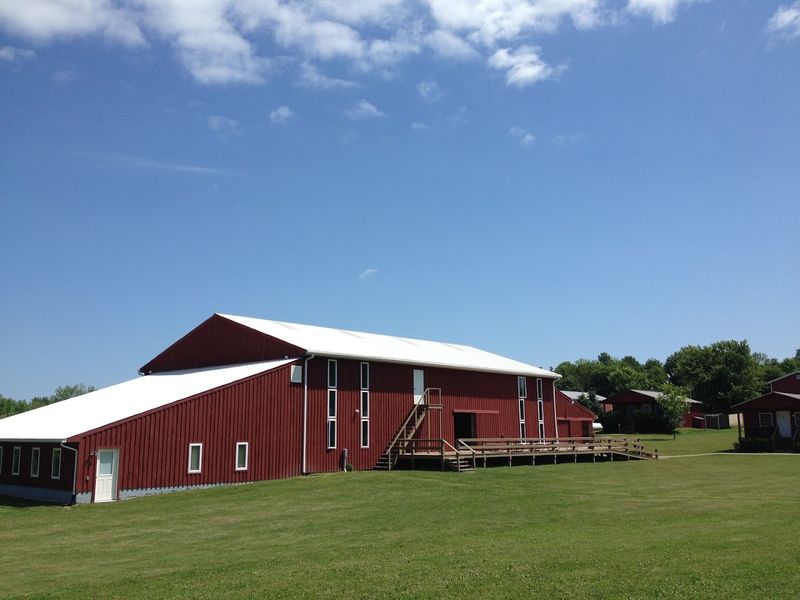
The approach to Farm Sanctuary does not build with flashy signs or a big commercial entrance. Instead, the setting opens gradually through rural roads, fields, and tree lines, which makes the property land with more force once it appears.
By the time the barns, fences, and wide green stretches come into view, the place already feels separate from the usual winery-and-waterfall rhythm around Watkins Glen.
That first visual contrast matters. This is not a petting zoo, and it does not read like a themed attraction trying to manufacture charm.
The grounds look cared for, open, and calm, with enough space for the animals to move naturally and enough room for visitors to slow their own pace without being nudged along.
Even before a tour begins, the property tells you what kind of visit this will be. There is a practical neatness to the farm layout, but the mood stays soft rather than rigid.
Fenced pastures, barn structures, walking paths, and distant hills create a layered landscape that looks beautiful in photographs yet still works as an active sanctuary first.
That balance is one of the strongest parts of the experience. You are arriving somewhere scenic, but scenery is not the point.
The land frames the mission instead of overshadowing it, and that makes the rescued animals the clear focus from the start.
For travelers who expect a simple roadside stop, the visual scale can be surprising. Farm Sanctuary feels tucked away, but not tiny.
It has the kind of quiet confidence that makes you lower your voice a little, look longer across the fields, and realize this visit is going to be more immersive than the average afternoon outing.
Where Goats, Pigs, and Cows Steal the Entire Show
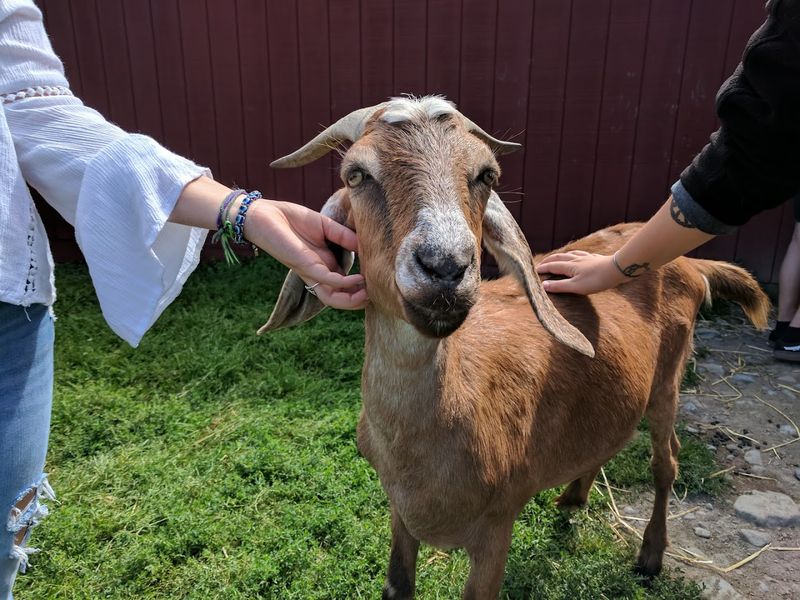
The headline draw here is simple to explain and much harder to forget once you are there. Farm Sanctuary gives you the rare chance to meet rescued farm animals up close in a setting built around their comfort, not your entertainment.
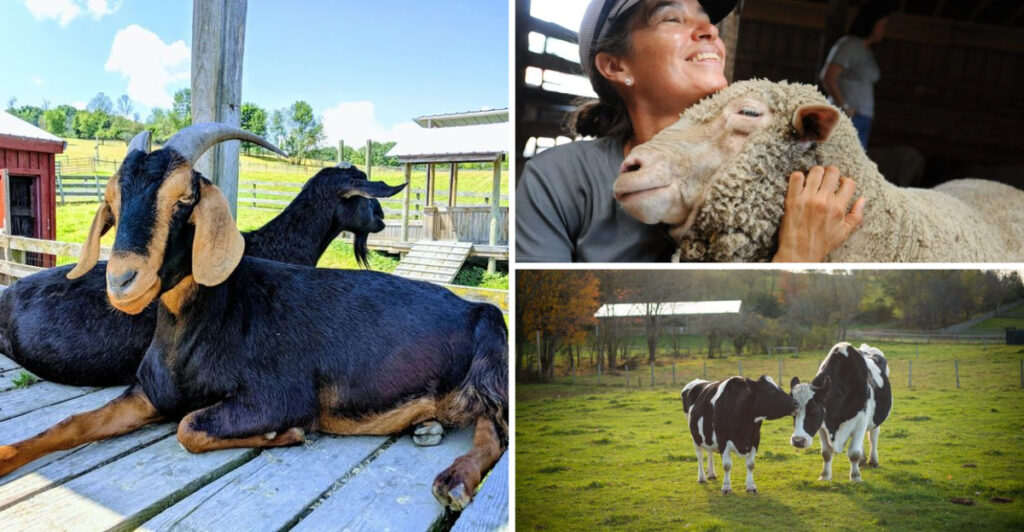
Goats lean in with quick curiosity, pigs move with surprising confidence, and cows have a size and presence that feels completely different when you are standing only a few feet away.
That closeness changes the visit from passive sightseeing into direct observation. You start noticing details that never come across in cartoons, children’s books, or highway glimpses of distant fields.
Pigs are enormous, cows can be both imposing and gentle, and goats often bring a playful unpredictability that keeps the tour lively without feeling chaotic.
The most effective part is that the sanctuary does not rely on tricks to make the animals seem endearing. Their personalities do the work.
Some approach the fence immediately, some hang back, some seem interested in the group only on their own terms, and that independence is exactly why the interaction feels real.
When petting is allowed, it lands as a calm moment rather than a staged thrill. You are not rushing from enclosure to enclosure collecting quick reactions.
The visit has enough breathing room for an animal to come closer, for a guide to explain a rescue story, and for the physical reality of that encounter to settle in.
If you came mainly for cuddly goats, you will get that spark. The surprise is how much the larger animals command attention too.
Seeing rescued pigs and cows living safely, with space to roam and distinct personalities on full display, gives the whole sanctuary a weight that goes well beyond a cute farm stop.
The Stories Hit Harder Than the Scenery
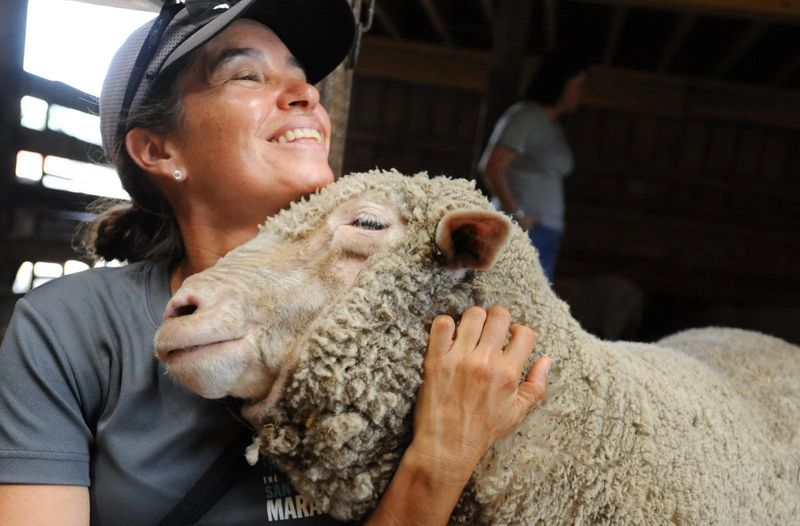
For all the pastoral beauty on the property, Farm Sanctuary is not built as a purely soothing escape. The guided experience adds context, names, and rescue histories that sharpen everything you are seeing.
Once an animal becomes more than a silhouette in a field, the visit shifts from scenic to personal. That educational layer is one reason the sanctuary stays with people.
Guides are often praised for being informed and engaged, and the tour structure appears designed to connect individual animals to the larger mission of protection and advocacy.
You are not just learning species facts or hearing a few cute anecdotes. The sanctuary frames these residents as individuals with pasts, recoveries, and daily lives worth understanding.
It is also useful to know that some parts of the message can be emotionally heavy. Several visitors note that the tours address animal agriculture directly, and some mention content that may be intense for sensitive children.
That does not make the experience harsh, but it does make it more serious than families expecting a light, purely playful farm outing might assume.
In practice, that seriousness gives the sanctuary much of its power. The place works because the tenderness of petting a goat or watching a pig roam freely is paired with a clear explanation of why this safe setting matters.
Without that context, the visit would be pleasant. With it, the sanctuary becomes more pointed, more memorable, and far more distinct from ordinary agritourism.
If you like attractions that trust visitors to engage with complicated ideas, this approach will likely feel meaningful rather than preachy. Farm Sanctuary is not hiding its values behind neutral language.
It is inviting you into a landscape of rescue, recovery, and direct encounter, then letting the animals make the strongest argument in sight.
A New York Farm Stay With Tiny Cabins and Quiet Porches
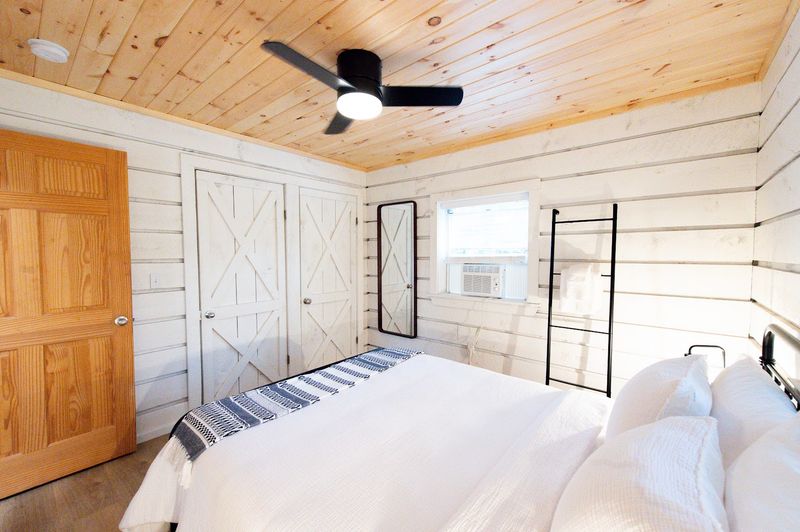
One of the most appealing twists at Farm Sanctuary is that the visit does not have to end after a single tour. The property offers tiny-house style lodging that turns a daytime stop into a slower overnight retreat, and that changes the whole rhythm.
Instead of arriving, touring, and leaving, you get time to settle into the landscape and watch the sanctuary become quieter around you.
That overnight option stands out because it matches the mission without turning rustic discomfort into a virtue. Guests consistently describe the cabins as clean, cozy, thoughtfully decorated, and practical enough for a weekend stay.
Details like porches, coffee setups, and a generally calm atmosphere appear to matter just as much as the novelty of sleeping in a tiny house beside a sanctuary.
The bigger draw is the perspective those cabins create. Several guests describe looking out at pigs roaming or waking up to the peace of the grounds, which sounds far more immersive than a standard hotel near town.
You are not getting a generic glamping package with string lights and buzzwords. You are staying next to rescued animals in a place where the setting actually has substance.
That said, this is not luxury resort territory, and it does not need to be. The charm comes from simplicity, quiet, and proximity.
The best version of this stay is for travelers who want comfort with a purpose, not maximal amenities or a packed activity schedule.
If your Finger Lakes itinerary already includes wineries, the state park, or scenic drives, the cabins offer a smart counterpoint. They slow the trip down.
A morning at Farm Sanctuary after sleeping on-site is likely to feel very different from squeezing in a quick tour between busier regional stops, especially when the first thing outside your door is open pasture instead of a parking lot.
The Vegan Cafe Is Not an Afterthought
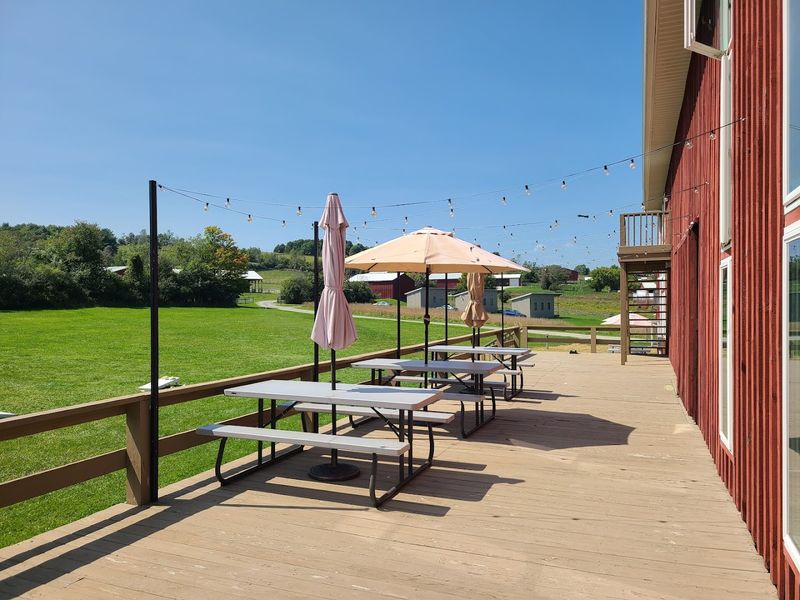
Too many destination cafes feel like a reluctant add-on, as if food was included only because visitors eventually ask where to eat. That does not seem to be the case here.
Farm Sanctuary’s cafe repeatedly comes up as a genuine highlight, which says a lot in a region where your meal options are hardly limited.
The praise is specific enough to matter. Visitors mention loaded home fries, sliders, jackfruit salad, coffee, breakfast, lunch, dessert, and portions that do not read as token snack-bar fare.
Even travelers who are not vegan single out the food as impressive, which gives the cafe an importance beyond simply supporting the sanctuary’s message.
That matters because the meal extends the visit in a grounded, practical way. After a tour that can be emotional, educational, and physically outdoorsy, sitting down to something satisfying helps reset the pace.
It also keeps the sanctuary from feeling like a one-note experience. You are not being hurried back to your car the second the last animal is introduced.
The cafe also broadens who this place works for. Some travelers may arrive mainly for the animals, others for the mission, and others out of curiosity while exploring the Watkins Glen area.
A well-liked food stop gives each kind of visitor another reason to stay longer without forcing the experience into souvenir-shop territory.
There is also a quiet strategic brilliance here. Plant-based food can sound abstract to people who rarely seek it out, but a good breakfast or a strong lunch makes the idea concrete fast.
You leave with a fuller picture of how the sanctuary thinks about care, hospitality, and daily choices. In a travel landscape full of attractions that overpromise and underdeliver on dining, Farm Sanctuary appears to understand that a memorable meal can be part of the argument, not just an amenity near the exit.
How to Time Your Visit for the Best Experience
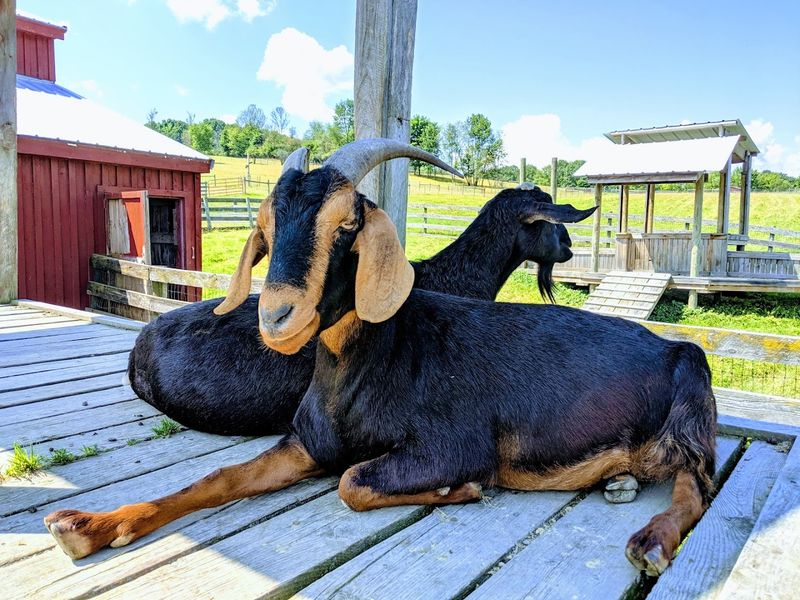
Farm Sanctuary works best when you plan for more than a quick drive-by. The tour itself is central to the experience, so this is the kind of place where timing shapes your entire impression.
If you rush in with only an hour between other Finger Lakes stops, you will likely miss the slower, more observant rhythm that makes the sanctuary distinct.
Building your day around a tour, then leaving room for the cafe or extra time on the grounds, is the smarter move. The sanctuary has a strong educational component, and the emotional register can be different from what some travelers expect at an animal attraction.
Giving yourself space after the tour helps you absorb the information instead of processing it from the driver’s seat ten minutes later.
Families should also think ahead. Some visitors praise children’s programming, while others caution that certain tour content may be upsetting for younger or more sensitive kids.
That does not rule out bringing children, but it does mean checking the format and choosing an age-appropriate option when possible rather than assuming every visit follows the same script.
Overnight guests have an obvious advantage because they can spread the sanctuary across a longer stay. Day-trippers can still do it well by arriving ready to walk, lingering after the formal experience, and resisting the urge to stack too much around it.
The property is scenic, but the point is not to race through the prettiest views and leave. If you are already exploring Watkins Glen, nearby state park trails, or regional wineries, Farm Sanctuary fits best as the anchor rather than the leftover slot. Let it take the larger share of the day.
The animals move at their own pace, the guides provide real context, and the place rewards attention far more than hurried check-ins or quick social-media detours.
Why This Stop Changes the Shape of a Watkins Glen Trip
Watkins Glen is often planned around its famous gorge, lake views, and wine-country routes, so Farm Sanctuary can look at first glance like a side trip with a softer vibe. In reality, it adds an entirely different dimension to the region.
Instead of another scenic backdrop to admire, you get a place organized around attention, care, and direct contact with animals who are usually treated as abstractions in daily life.
That shift is why the sanctuary stands apart from the usual list of family farms, seasonal attractions, and photo-friendly rural stops. It has beauty, yes, but it also has a clear point of view.
The property, tours, lodging, and cafe all seem to work in concert, making the experience feel cohesive rather than patched together from unrelated amenities.
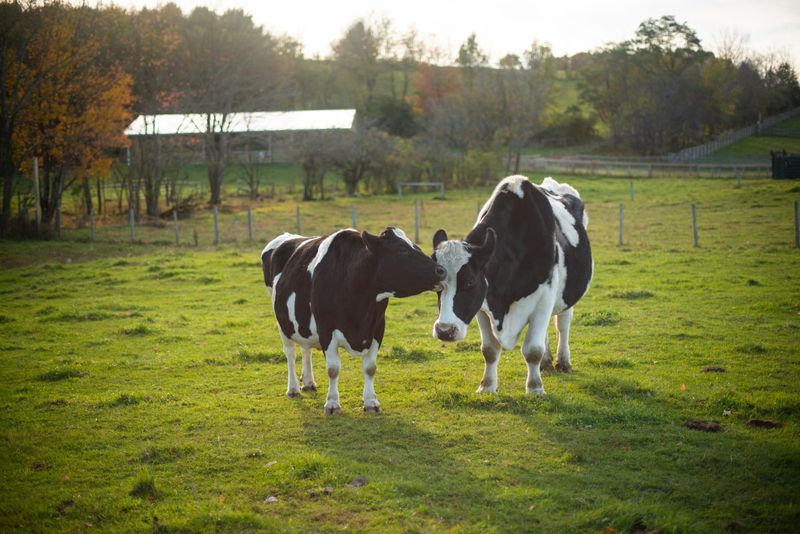
There is also a rare sense of scale here. You can have a quiet, gentle moment with a goat, then look across a pasture and register the size of a grown cow or pig in a way that recalibrates old assumptions fast.
The sanctuary keeps translating those encounters into something larger without losing the intimacy that makes them land.
For travelers who like destinations with a strong personality, that combination is hard to fake. Farm Sanctuary is peaceful without being sleepy, educational without becoming sterile, and playful in flashes without slipping into novelty.
Even the overnight stay option reinforces that identity by letting you remain inside the setting instead of consuming it in one pass and moving on.
If your ideal Upstate New York stop includes scenery, substance, and one unforgettable interaction with a rescued animal, this address earns a place near the top of the list.
Farm Sanctuary does not ask for detached observation. It invites a closer look, then quietly rearranges how the rest of the trip around Watkins Glen is likely to feel.
Share this story