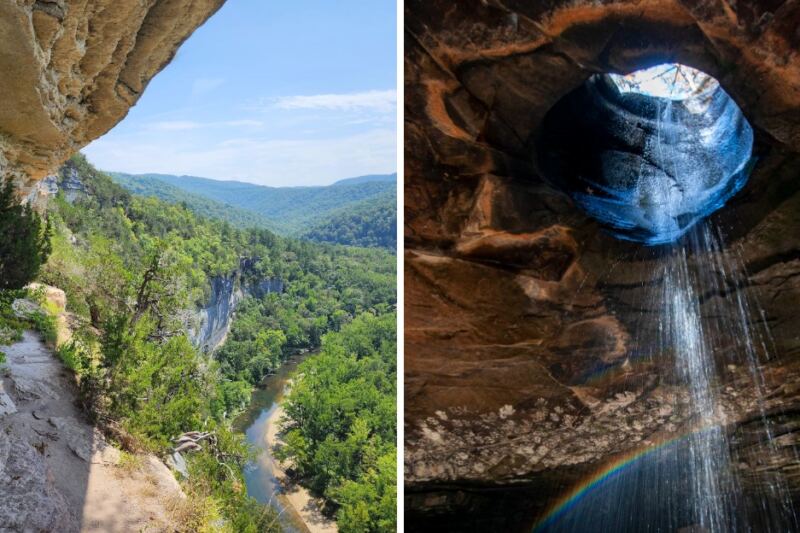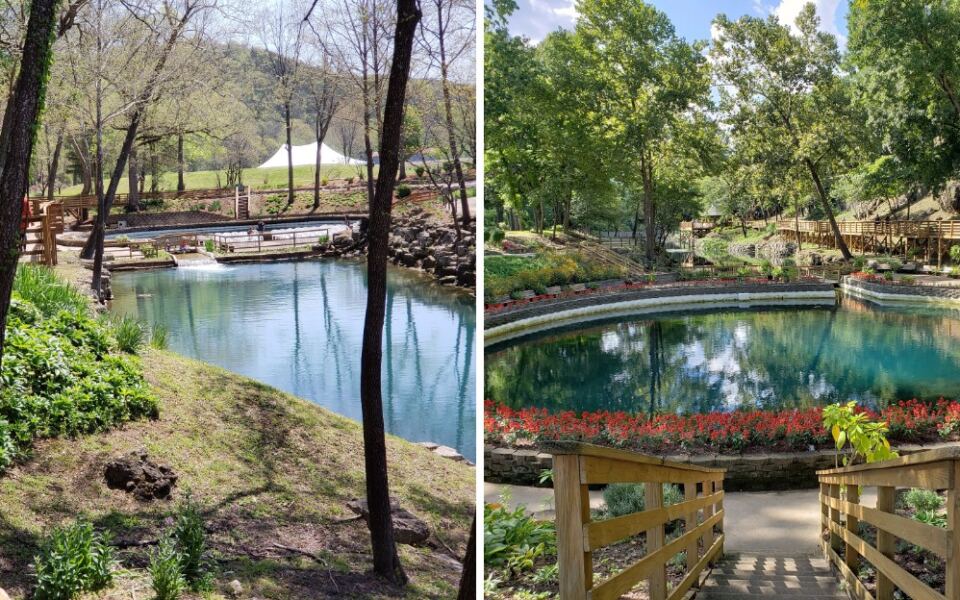
A quiet garden path in the Ozarks leads to water so blue that first-time walkers often stop mid-step. Near Eureka Springs, a loop of gardens, stairs, and bridges winds toward a spring that pushes out millions of gallons every day. Along the way there are trout to feed, benches to rest on, and a deep history that stretches back long before the paths were built.
This guide walks through the story, the trail, the practical details, and the small surprises, so your next weekend outing has a real destination and a reason to slow down.
Where the Trail Begins
Blue Spring Heritage Center sits at 1537 Co Rd 210, Eureka Springs, AR 72632, United States, tucked into the Ozark hills of northwest Arkansas.
Google Maps lists it as a historical landmark, and its own description calls it a nature attraction with guided tours. The site is an ancestral Native American place with eco-tours of the gardens and structures that surround a natural spring.
Arrival is simple. Guests walk in through the gift store, where admission is paid, and a parking lot sits close by with a clean restroom nearby, according to those who have stopped in.
Staff members at the front desk explain the map and point out the main stops. That short chat helps first-timers decide how to spend their time on the grounds.
From that entrance, the path leads out into the garden and toward the water. Few places in the area pack this much into a single walk.
A Spring With Centuries Behind It
Long before anyone laid a walkway, people gathered here. The spring has flowed for centuries, and it has long been a gathering place for Indigenous communities.
Native fish have lived in its waters for just as long. That deep timeline gives the site a weight that a typical garden stroll rarely carries.
Guests often describe the property as sacred, and many say it feels carefully looked after. The land is treated as something to protect rather than simply display.
History comes up again and again in conversation about the place. The Trail of Tears is one of its most mentioned topics, tied to the story told on site.
Short informational videos in the visitor center help fill in the background before the walk begins. Seating is plentiful, so there is no rush to take it all in at once.
Knowing the story first changes how the water looks later on the trail.
The Visitor Center Warm-Up
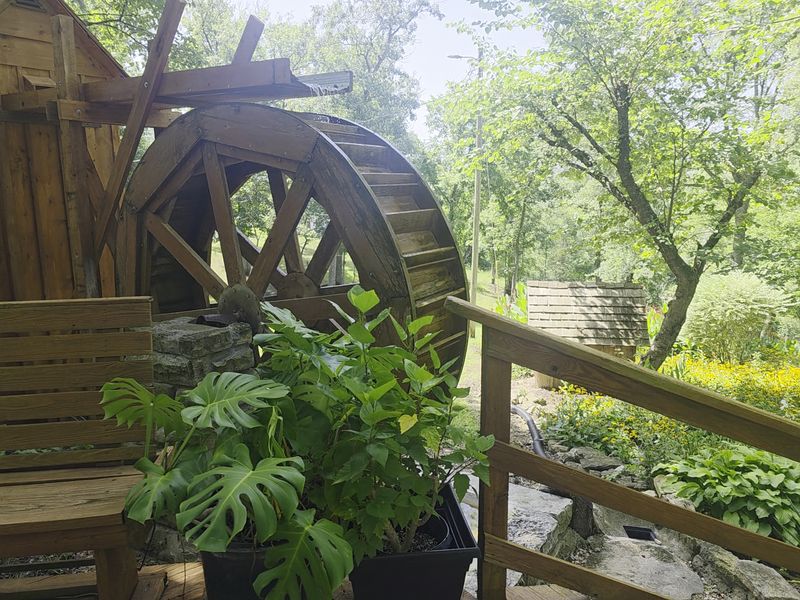
Before the trail, there is a quick stop that sets the scene. A small video about the spring plays in the visitor center, and it is short enough to fit into any schedule.
Informational displays cover the history of the place, and comfortable seating means groups can settle in together. Families with restless walkers can keep it brief and still learn the basics.
The gift shop shares the same building and gets praise for its selection. It is also where the entry fee is collected, so everyone passes through.
Staff are described as knowledgeable and friendly, and they take time to explain the map. That kind of welcome matters at a place where the best views sit deep inside the grounds.
One practical tip comes up often. Use the restroom near the lot before heading out, since facilities along the far end of the trail are a long walk back.
Gardens in Constant Bloom
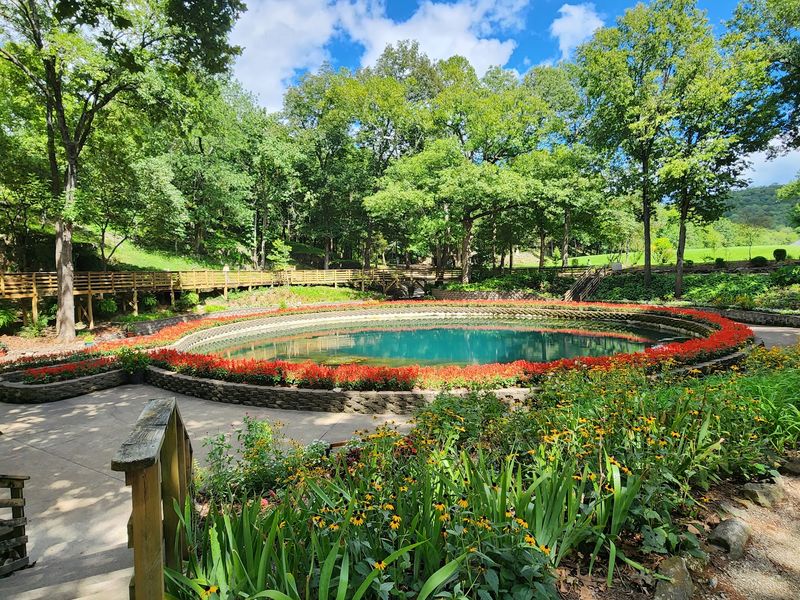
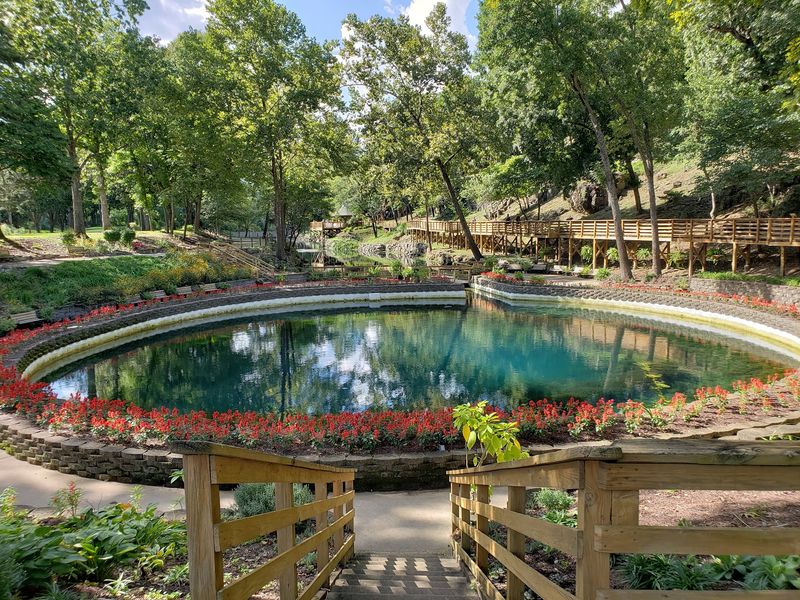
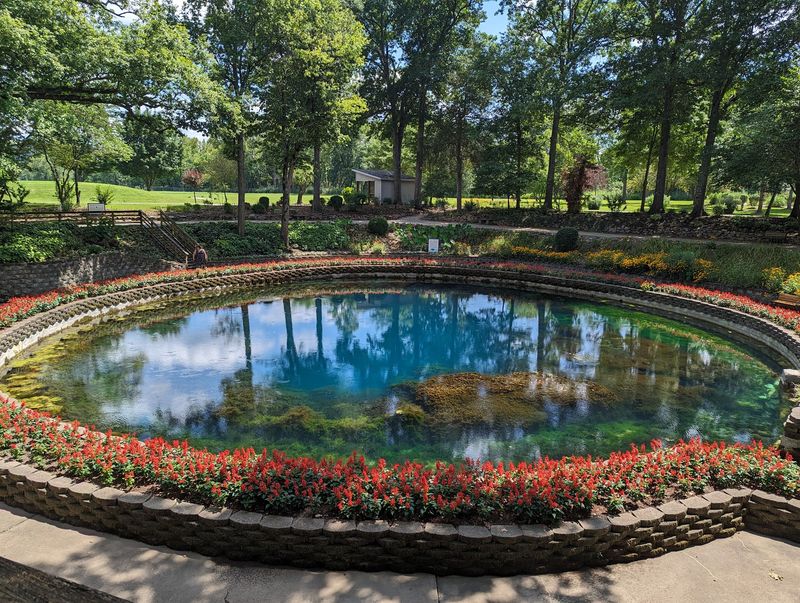
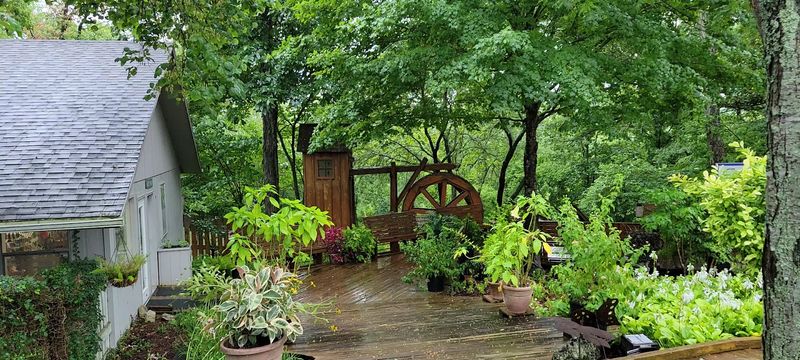
Flowers are the most talked-about feature here, with gardens and blooms leading the list of popular topics. Beds line the walkways, and the upkeep gets steady praise.
Butterflies are plentiful around the plantings. Black-eyed susans and rose mallow form impressive stands, with tall phlox and coneflowers near the entrance.
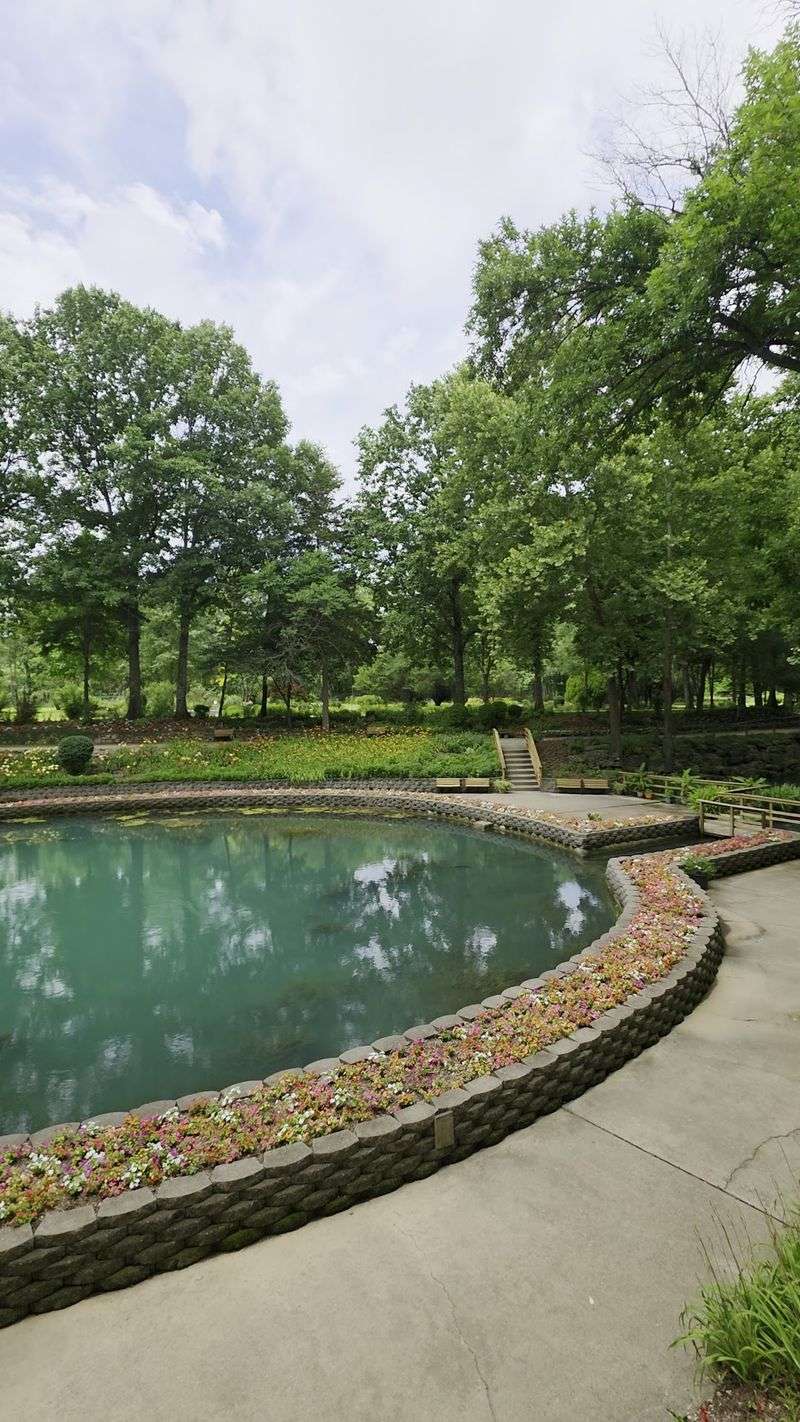
Annuals fill much of the space around the spring. The owners have explained that frequent flooding makes them the practical choice near the water.
They have also noted that the plant signs were taken down, so the grounds are best described as a beautiful garden rather than a labeled botanical collection. Anyone hoping for a plant-by-plant tour should adjust expectations.
Garden lovers who come for color rather than classification tend to leave happy. The walkways, florals, and tidy beds make a strong first impression.
Water That Looks Edited
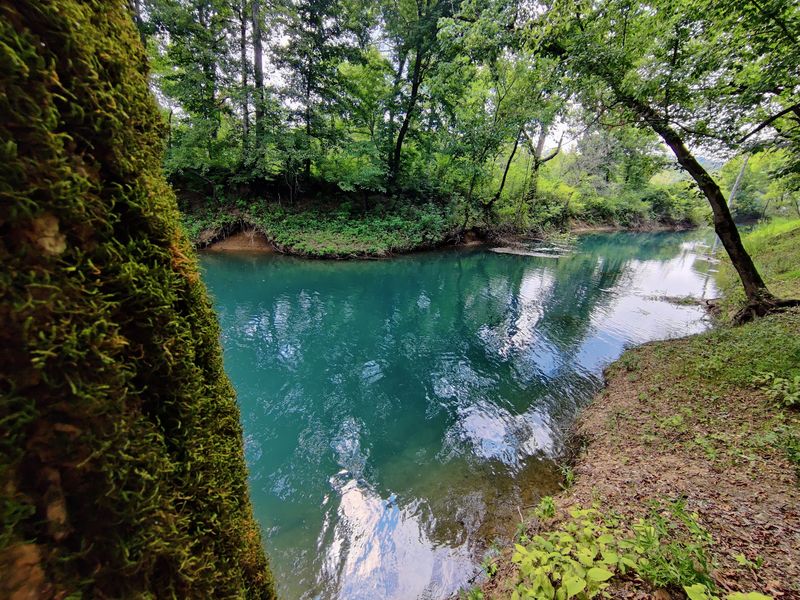
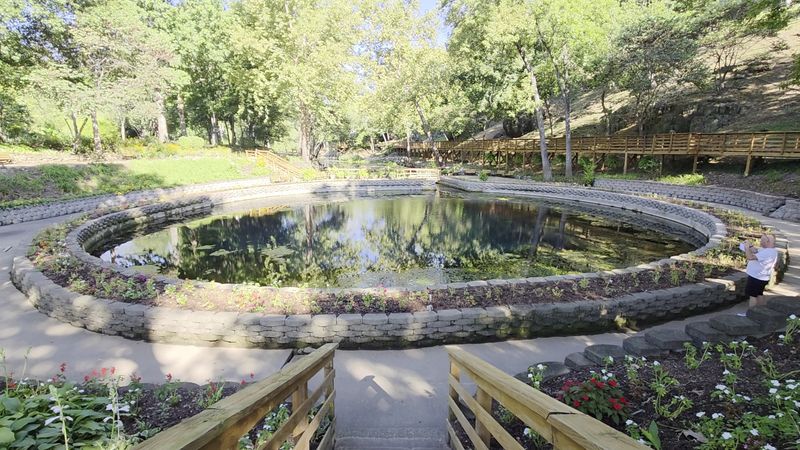
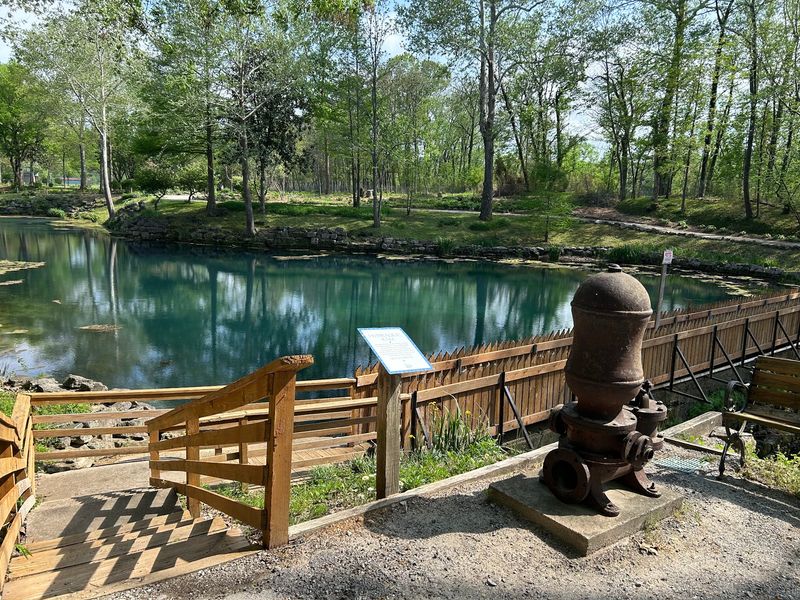
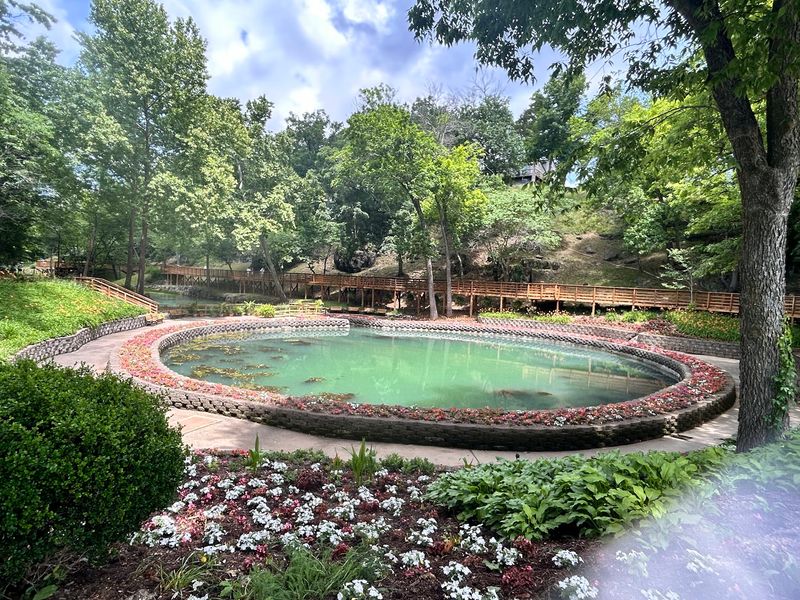
Photos of the spring can look like they were filtered. In person, the water shows an aqua shade between blue and green that stops walkers in their tracks.
Minerals rising from the deep spring give the water its color. About 38 million gallons come out each day, according to visitors who have made the trip.
The pool is called a blue hole in some mentions, and it is the centerpiece of the whole walk. The clear surface lets the depth show.
Conditions can shift with the weather. After a dry end of summer, the spring looked a little different than usual, though guests still found it worth the visit.
Fall draws particular praise as a time to go. Even so, the water holds its appeal in every season described.
Cold Feet at the Little Bridge
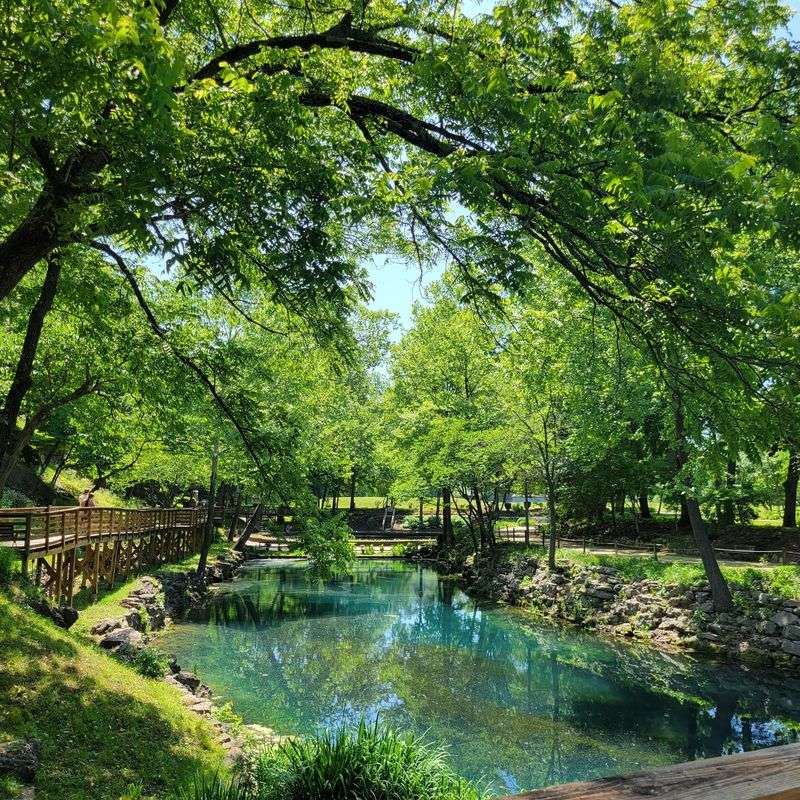
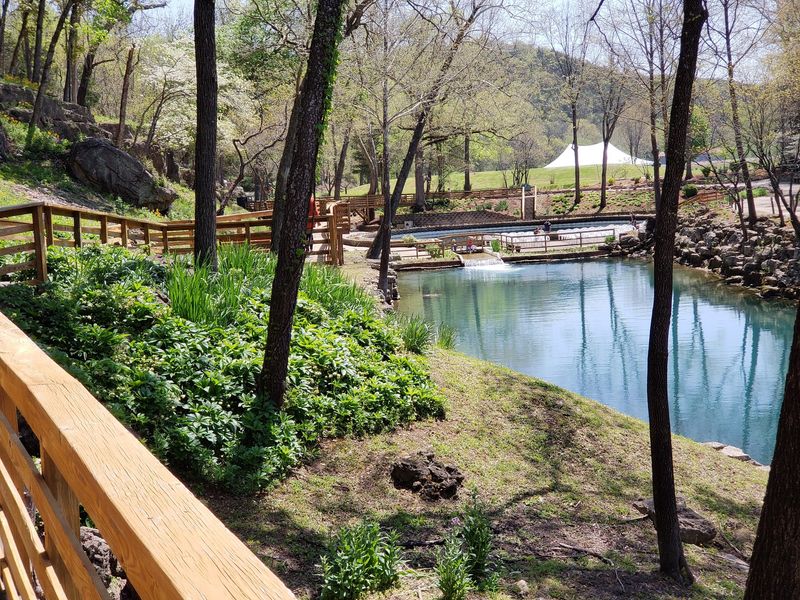
Shoes come off at one particular spot on the walk. A small bridge lets guests dip their feet and hands into the spring itself.
Everyone who tries it mentions the temperature. The water is very cold, and that is half the fun.
The foot soak is a favorite stop for groups, and it works well as a pause during a longer walk. Some people stay a while just to enjoy the break.
Bring a towel or a spare pair of socks if you plan to join in. Wet feet and stairs do not always mix well.
It is one of the few places where touching the water is part of the experience. That hands-on moment is a memory many guests take home.
Feeding Time in the Lagoon
Quarters are the secret currency here. A few coins buy trout feed for the lagoon, which draws a steady crowd of hungry fish.
Trout feeding is one of the most mentioned activities, and the trout pond appears on the list too. Kids and adults both crowd the railing.
The fish respond quickly once feed hits the surface. It makes for a lively break from the quiet of the garden loop.
Planning ahead helps, since coins are easy to forget. Tuck some into a pocket before you head down the path.
Families will find this stop easy to enjoy, as it keeps younger walkers engaged between the longer stretches of trail.
Reading the Trail Map
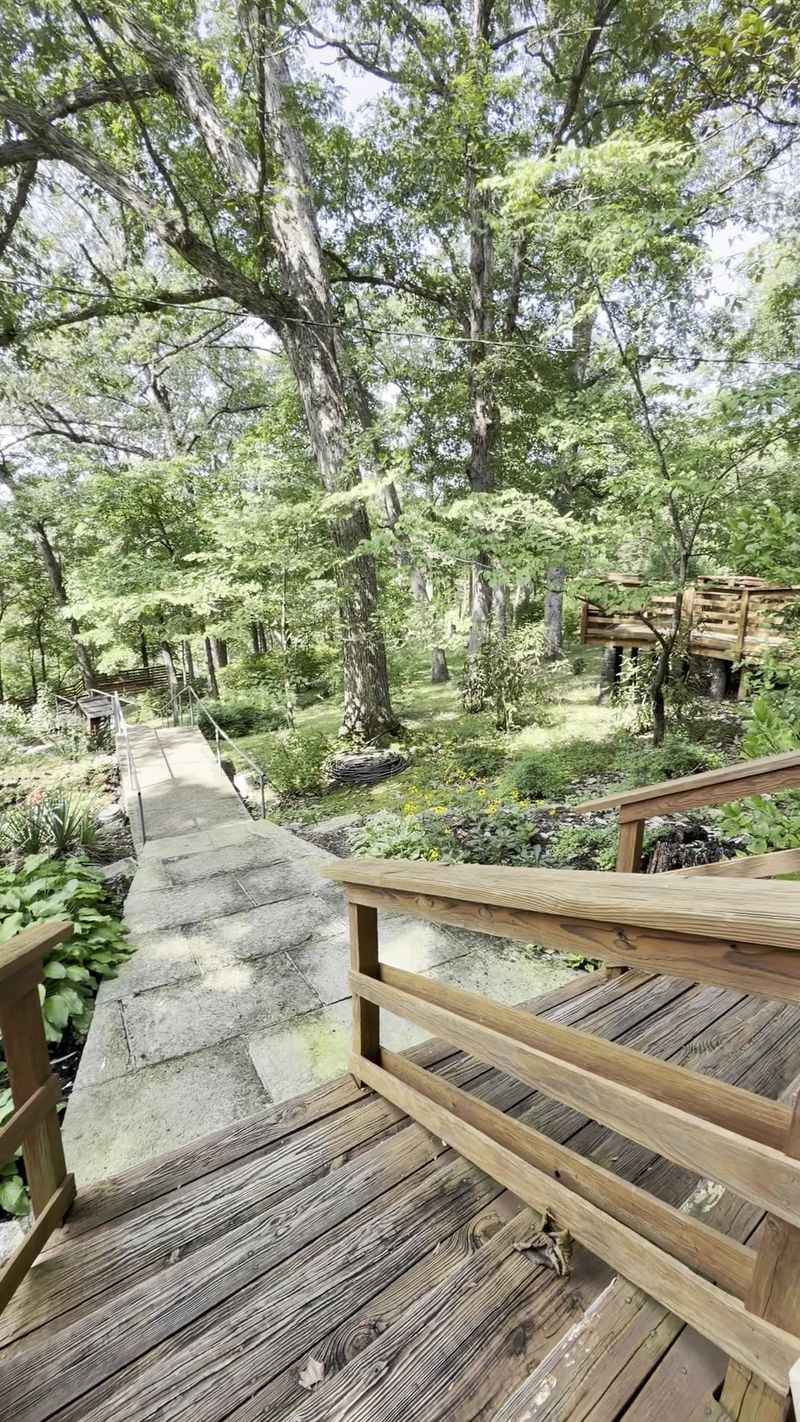
The route is a loop around the garden, and it rewards an unhurried pace. Benches appear throughout, so there is always a place to sit.
Staff walk newcomers through the map at the front desk. That briefing makes it easier to find the spring, the bridge, and the trout lagoon.
Some guests spent between one and one and a half hours on the grounds. Others stretched it to a few hours, and a few walked the path twice to get more from the admission.
The route includes a ramp down to the spring that took serious effort to build. It is a solid piece of work that visitors notice.
Plan your time based on how many stops you want to linger at. The path is flexible enough for a quick visit or a long afternoon.
Stairs, Gravel, and Accessibility
Mobility matters when choosing this outing. The garden loop is described as ADA accessible, and the site is generally workable for wheelchairs and strollers.
Some sections are rocky, though, which can make for a bumpy ride. Gravel walkways and a few stairs are part of the terrain.
The path is a little steep on the way down toward the spring. That means the return trip takes more effort.
The far end of the trail is also a long way from the restrooms, with several flights of stairs between. Comfortable shoes are a smart choice.
Knowing the layout ahead of time lets each group plan a route that suits them. Many guests with different abilities find a way to enjoy the grounds.
A Quiet Place to Slow Down
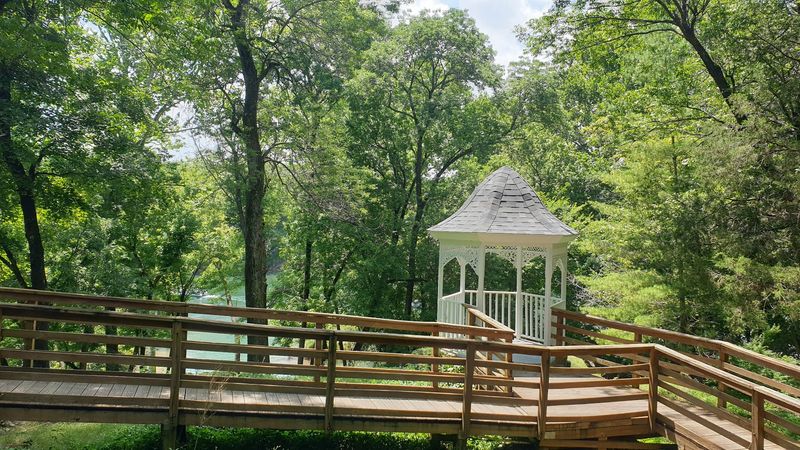
Peace is the word that comes up most. A peaceful atmosphere is among the top mentions, along with beautiful scenery.
Early mornings are recommended for those who want the grounds nearly to themselves. Fewer people means the water and birds take center stage.
Native birds, a river, a spring, and forest all share the property. The mix gives the walk variety without crowding the path.
This is a good fit for couples, friends, and families who want a calm outing. It also suits adults who want a gentle escape rather than a thrill.
Some guests describe a deep, reflective feeling at the spring. The land is lovingly cared for, and that care shows.
Photo Spots Worth the Stop
Cameras get a workout here. Several spots along the loop are praised for their photo potential.
The spring itself leads the list, with its aqua water framed by rock and trees. Garden beds and the walking bridge add more options.
Fall color is a seasonal favorite for pictures. Locals say the property is especially lovely at that time of year.
Early visits mean cleaner shots with fewer people in the frame. That also gives more room to set up a group photo.
Bring a phone with plenty of storage. The walk offers more frames than most people expect.
Hours, Admission, and Timing
The center is open every day of the week from 9 am to 5 pm. That makes it easy to fit into a weekend trip.
Adult admission is reported at around $17, with one guest noting $17.95 plus tax per person and another noting $18. Check the official website at bluespringheritage.com for current rates.
Most guests plan one to one and a half hours on the grounds. Anyone who loves lingering can stretch that into a few hours.
Admission is paid in the gift shop on the way in. Coins for the trout are a separate small extra.
Arriving earlier in the day helps with both quiet and parking. It also leaves time for the whole loop before closing.
Honest Notes Before You Go
A few honest points help set expectations. Some guests found restrooms and other areas needing more cleaning and upkeep, and the owners have said they will address it.
Plant fans should note that the gardens use many annuals, and some native plant enthusiasts wished for more native species. Others see it as a nature park rather than a formal botanical garden.
The spring level can vary with rainfall. Dry spells change how it looks.
Even with these notes, the overall response is strongly positive, with a 4.5 star score from over 1,400 reviews.
Most guests find the beauty and history outweigh the small gripes. Being prepared makes the visit smoother.
A Soft Verdict for the Ozarks
Blue Spring Heritage Center turns an ordinary weekend into a memorable one. The mix of gardens, history, trout, and clear water gives the day a clear shape.
It suits families looking for an easy, engaging outing, and adults who want a calm walk. Each group will find something to enjoy.
Plan for stairs, bring a few quarters, and go early if quiet matters. Those small steps make the visit smoother.
Locals often recommend it to friends and family visiting from out of state. Many return several times a year.
The spring does most of the talking, and it has plenty to say. A trip to Eureka Springs is richer with this stop on the list.
Share this story