Every summer weekend, half of Phoenix seems to point its truck toward the Rim and hope for an open campsite. Most of them never make it past the paved road. Somewhere beyond that last stretch of asphalt sits a small pine-shaded campground with raked fire rings, a short trail to a trout lake, and restrooms so clean that campers keep bringing them up.
There is no cell signal, no store, and no Wi-Fi, which is exactly the point. The catch is a long, rocky dirt road and a cash-only fee box, and that is a big part of why the place stays calm. Keep reading for the route that saves you miles of washboard, what the sites include, what to pack, and when to skip it entirely.
1. A Campground at the End of FR295E
Some of the best spots in Arizona come with a dirt-road toll, and this one charges in miles rather than dollars.
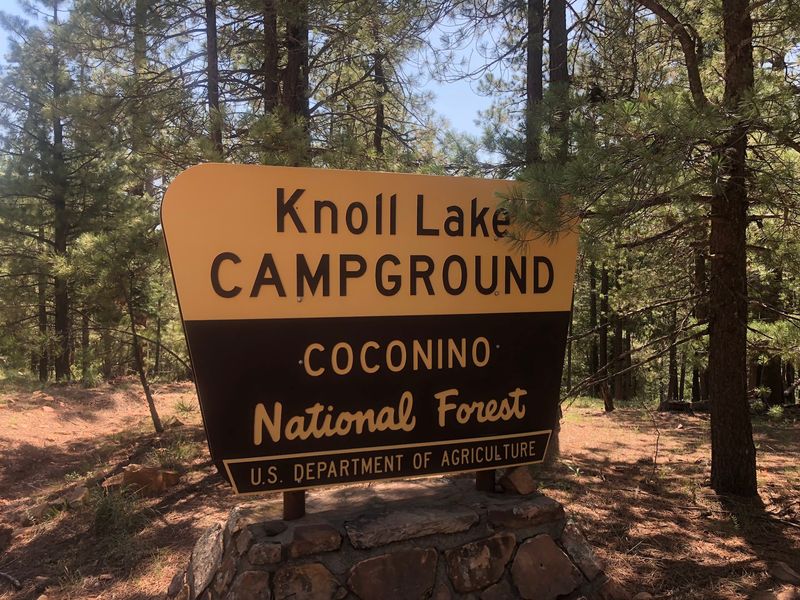
Knoll Lake Campground sits at Knoll Lake, FR295E, Payson, AZ 85541, up on the Mogollon Rim in the Coconino National Forest. The Forest Service manages it, and the address may say Payson, but the town is a long drive away.
The campground is a classic Rim setup. Sites are tucked under pines, spaced apart, and set a short walk from the lake itself.
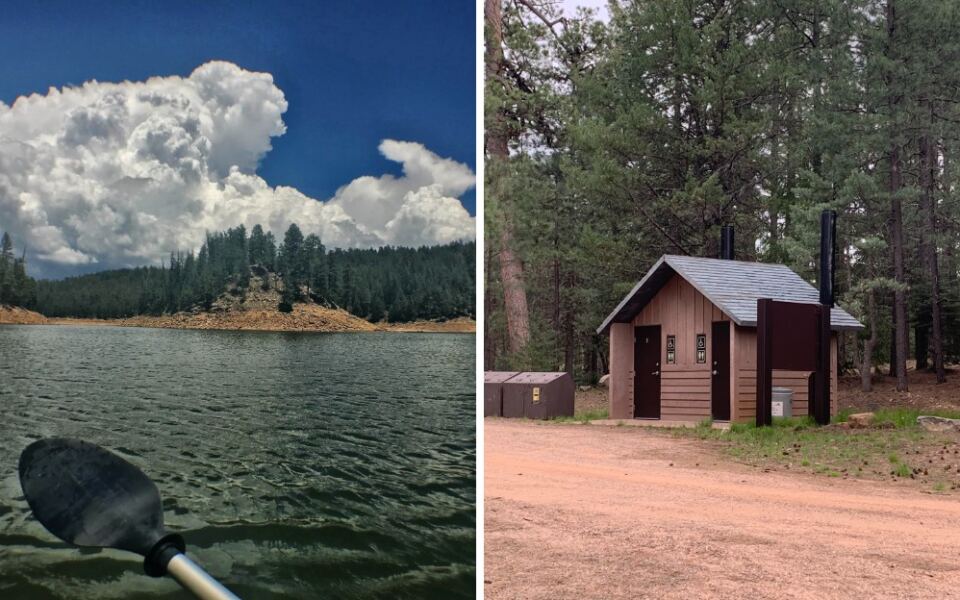
Camping is not allowed right at the lakeshore. Instead, the campground sits back in the trees, roughly half a mile to a little under a mile from the water depending on which path or road you take.
For Valley residents, that layout is a small gift. You get the lake for the day and a calmer camp for the night.
It is a place built for unplugging. There is no cell reception, no Wi-Fi, and no camp store to wander into.
That remoteness is the whole personality of the campground, and it shapes everything that follows, starting with the road in.
2. The Road That Keeps the Crowds Away
Here is the honest truth: the drive is the bouncer at the door.
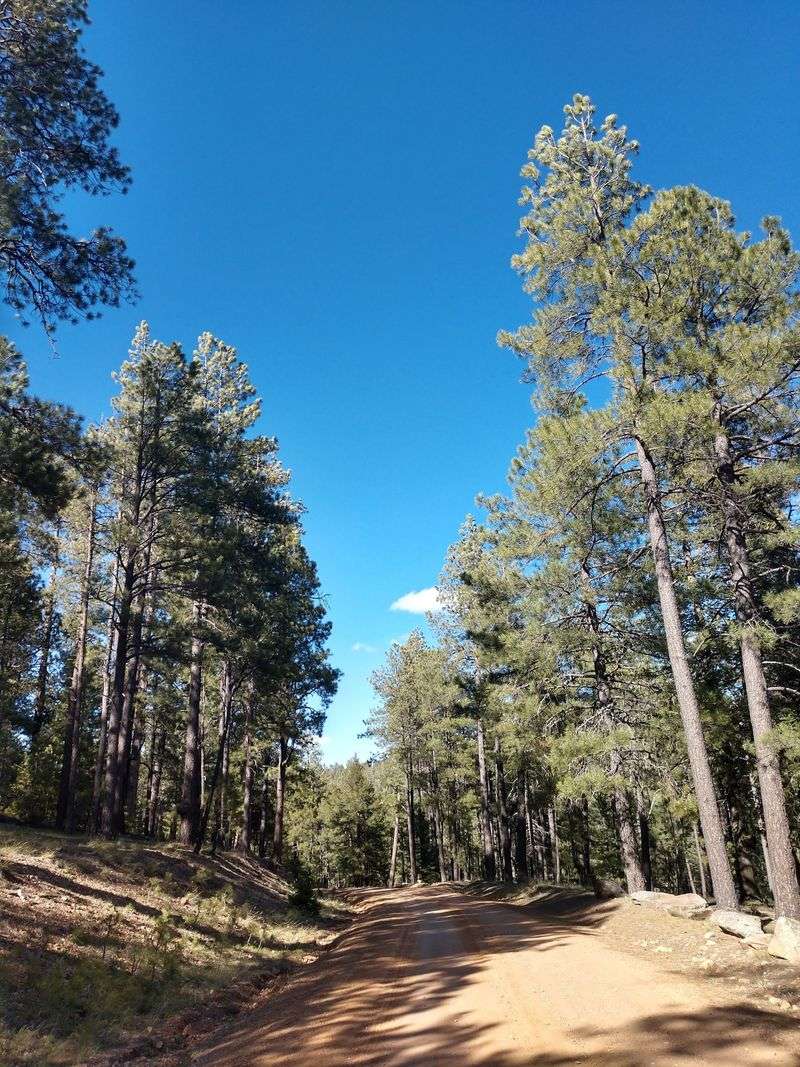
Once the pavement ends, plan on roughly 40 minutes to an hour of rough, rocky road, especially if you are towing a camper. Campers describe the terrain as rocky enough that a sturdy truck, 4×4, or AWD vehicle is a smart call.
Route choice matters more than most people expect. The recommended approach runs through Payson, which keeps the dirt portion to about 11 miles.
Head in from the Happy Jack side instead, and you can end up on roughly 27 miles of dirt road. That is a mistake one camping family still gets teased about.
So check your map before you leave the Valley. A few minutes of planning can save a lot of rattling.
Low-clearance sedans and long trailers may struggle. Take it slow, secure your gear, and budget extra time so you are not setting up camp in the dark.
That bumpy approach filters out casual weekenders. The people who make it tend to be the ones who actually want the quiet, which is a pretty fair trade.
3. Sites With Elbow Room
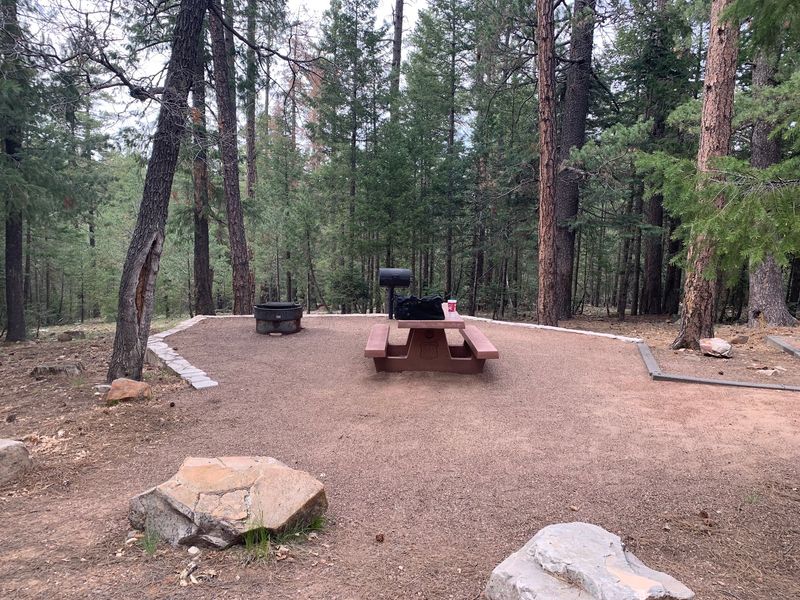
Nobody drives an hour of dirt road to camp three feet from a stranger’s tent, and thankfully, nobody has to here.
Sites are spaced far enough apart that the campground feels private. Families describe plenty of room to spread out, along with enough parking for trucks and gear.
Each site comes with a sturdy concrete picnic table. There is also a large fire pit with an attached grill, and some campers mention a separate stand-alone charcoal grill as well.
Double sites are available for bigger groups. That makes it a solid pick for extended family trips or two households sharing a weekend.
Shade comes from the tall pines overhead. In a state where summer camping often means hunting for any scrap of cover, that detail matters.
Some sites sit closer to the restrooms than others. Site 15, for example, is noted as roomy and convenient to the bathrooms.
Arrive early in the season or midweek, and you may get your pick. Either way, the basics are covered so you can spend less time setting up and more time doing nothing at all.
4. Restrooms Worth Bragging About
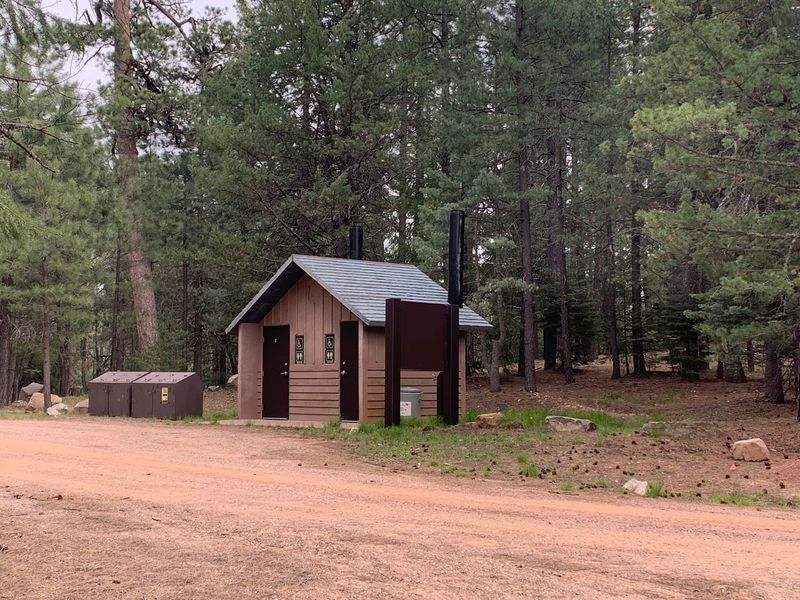
Few campgrounds earn a reputation for their bathrooms. This one practically has a fan club.
Clean restrooms come up more often than almost anything else about the place. Campers who normally avoid public facilities describe these vault toilets as spotless, bug-free, and even pleasant.
One family put it bluntly: you could eat off the outhouse floor. That is not a test anyone needs to run, but the point lands.
Keep in mind these are outhouse-style facilities. Do not expect flush toilets or showers.
Water spigots have been working during recent seasons. Earlier in some years, though, campers found no running water at all, so packing your own supply is still the safe move.
Bear-proof trash cans are on site too. That means you do not have to haul garbage back down that long road.
For a remote Rim campground, that combination is rare. It is the kind of detail that turns a first trip into a yearly tradition.
5. Meet T and Art
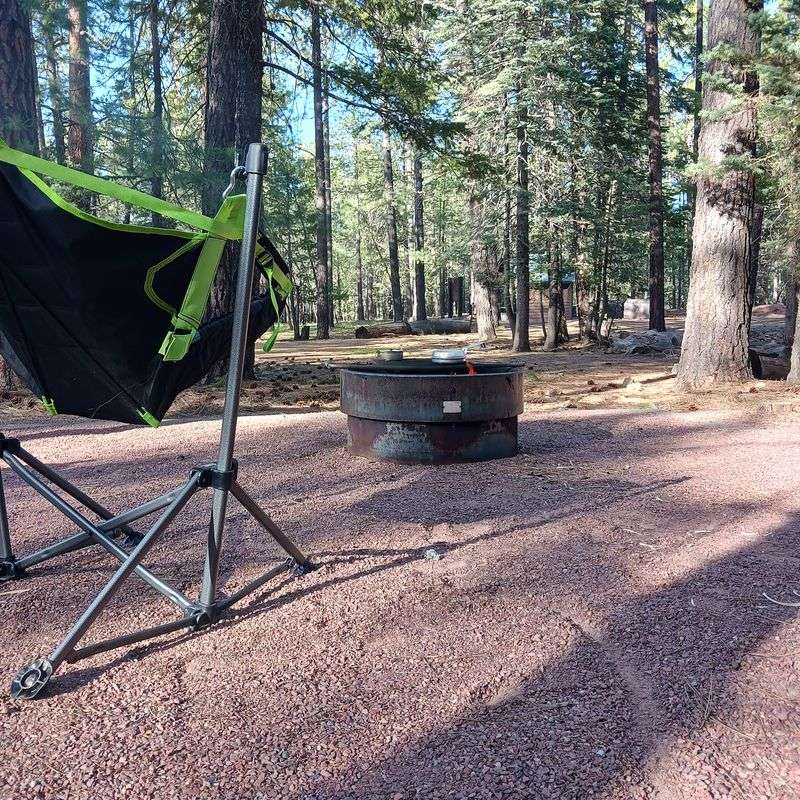
Behind every tidy campground is someone with a rake, and at Knoll Lake, that someone has a name.
Volunteer camp hosts T and Art have become a big part of the experience in recent seasons. Campers mention them by name again and again, and one family even nicknamed the duo Tart.
Their work shows up in small ways. Fire pit areas get raked before arrivals, sometimes leaving neat lines in the sand that look like a little zen garden.
They check in on new campers soon after arrival. They also share helpful hints with first-timers who are not sure what to expect.
Restrooms get cleaned constantly, and trash gets picked up. The result is a campground that stays debris-free from one weekend to the next.
There is even a Facebook group where the hosts answer questions. That is handy for checking conditions before committing to the drive.
Hosts can change from year to year, and earlier seasons had different friendly faces. Still, the standard of care seems to stick around.
6. Paddles, Trout, and a Short Walk
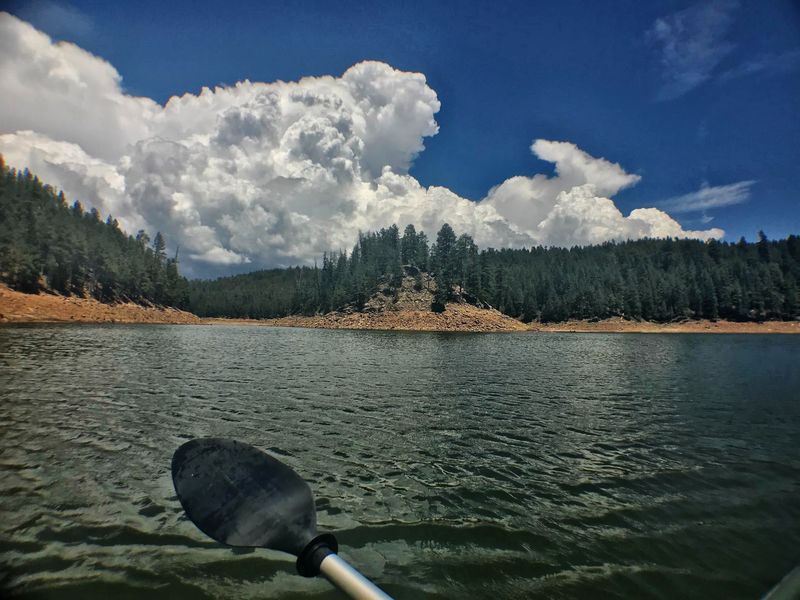
Grab the paddleboard, throw it over your shoulder, and start walking. The lake is closer than the drive makes it seem.
A small trail connects the campground to Knoll Lake. Families carry paddleboards and kayaks down without needing to load the truck again.
Trout fishing is one of the main draws. Anglers line the shore, and paddle boarders share the water on calm days.
Kayakers love the lake too. It is a smaller body of water, which suits easy paddling more than long-distance trips.
Water levels can drop noticeably. In some seasons, the lake has sat around 20 feet low, so expect a longer walk to the shoreline.
That low water does not seem to dampen much enthusiasm. The scenery still earns praise, with pines framing the water from nearly every angle.
If you bring a fishing pole, check current Arizona fishing license rules before you go. A day here works best when you plan to actually get on or near the water, not just admire it.
7. Neighbors With Antlers and Tails
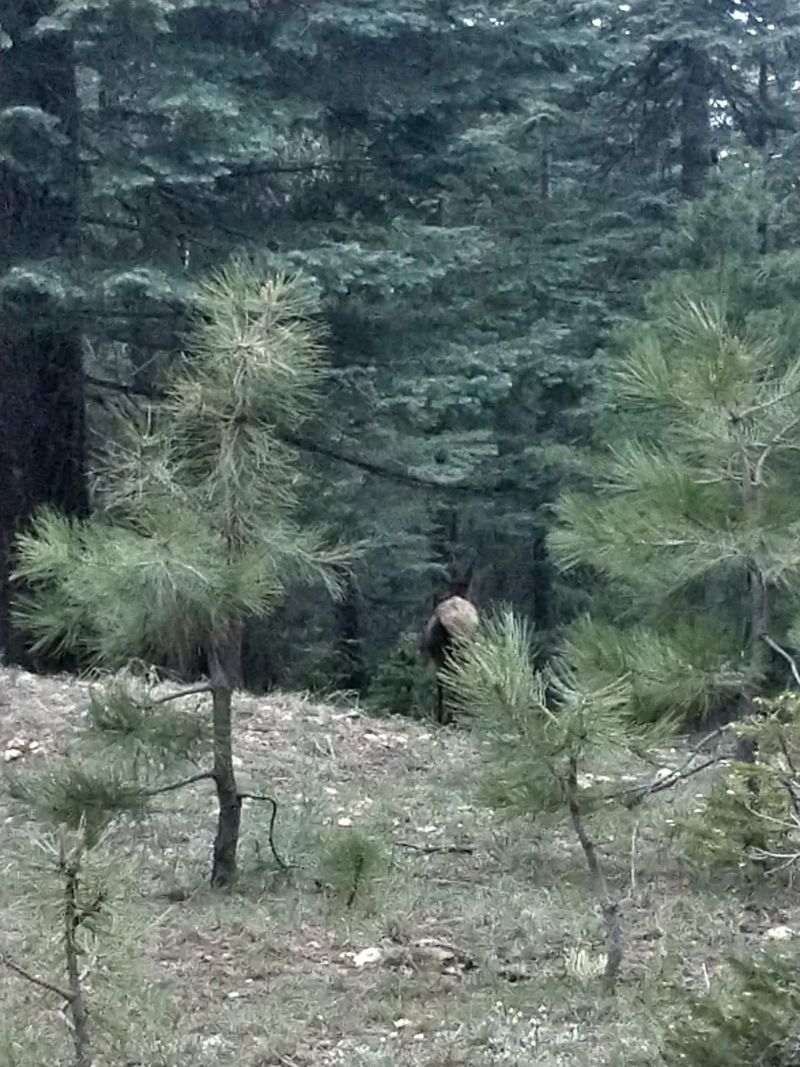
Not every camper at Knoll Lake pays the fee. Some of them have hooves.
Elk sightings are common in this part of the Rim. Longtime campers mention seeing them often around the area and along the forest roads.
Deer show up too. Keep an eye on the tree line in the early morning and near dusk.
Smaller residents keep things lively around camp. Chipmunks dart between sites, and jays hop through the pines looking for crumbs.
That is a good reminder to store food properly. The bear-proof trash cans exist for a reason, and keeping a clean site helps everyone.
Give larger animals plenty of space, especially elk. A pair of binoculars is a better tool than trying to get closer.
For kids from the Valley, spotting an elk from camp can be the highlight of the trip. It beats any screen, which is fortunate, since there is no signal up here anyway.
8. Cash, Fees, and the No-Store Reality
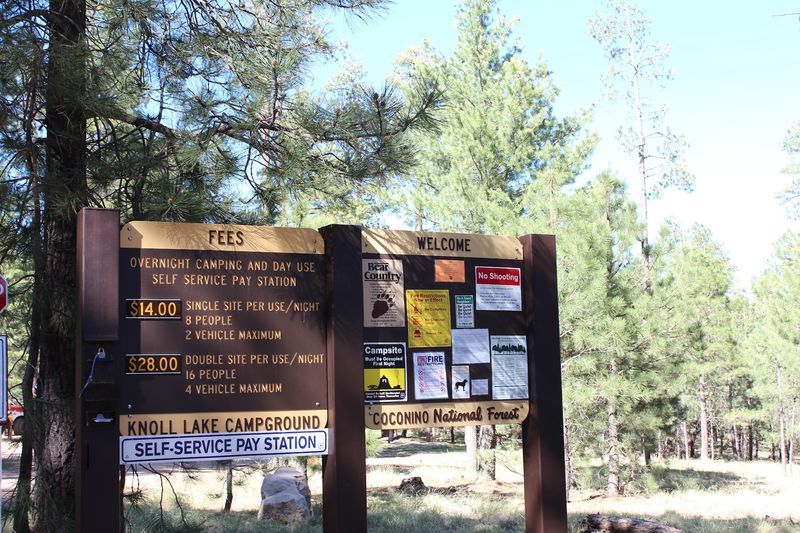
Leave the card in your wallet. Up here, paper money still rules.
The campground is cash only. Fees have shifted over the years, from about $14 per night for a single site years ago to around $20 per night more recently, with double sites costing more.
Since prices change, confirm the current fee with the Coconino National Forest before heading out. Bring a little extra cash just in case.
There is no store anywhere nearby. Forget the ice, the firewood, or the forgotten can opener, and you will be driving a long way to fix it.
Water is the big one. Pack plenty, even if the spigots have been working lately.
Fill up on gas in Payson as well. The rough road eats time, and you will want a comfortable cushion.
A simple checklist goes a long way: cash, water, food, firewood, and a full tank. Get those five right, and the rest of the weekend tends to take care of itself.
9. When to Go and When to Skip It
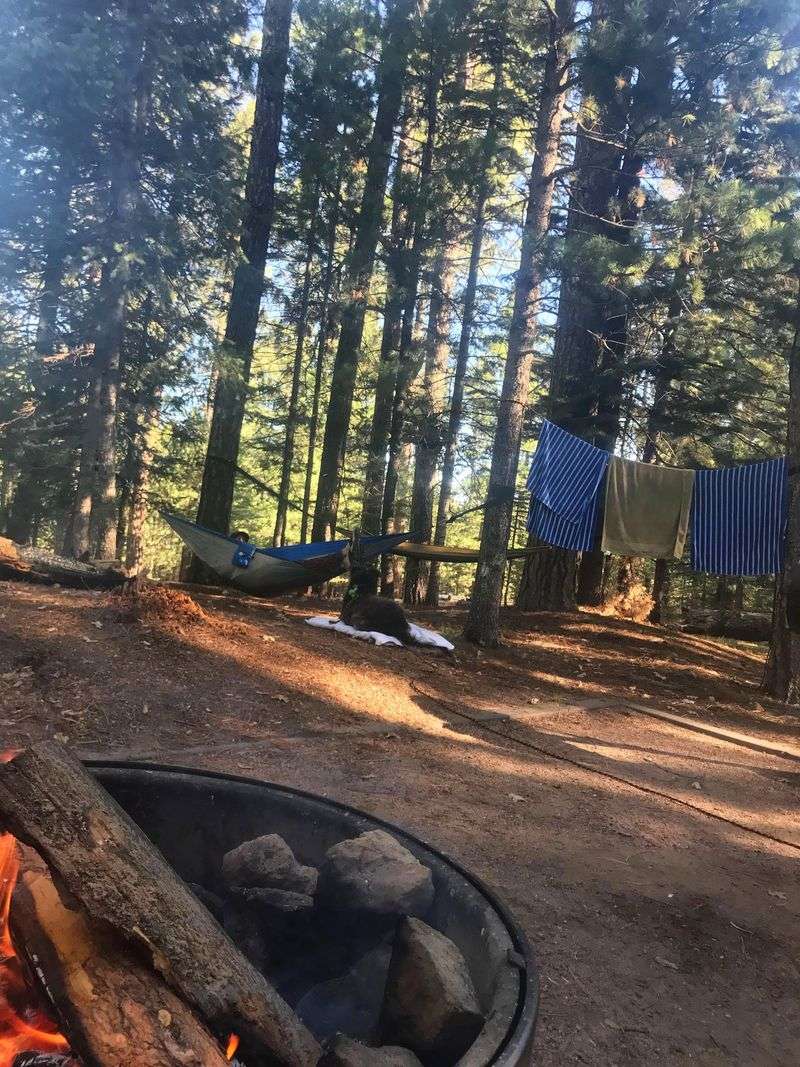
Timing is everything, and holiday weekends are the one exception to the quiet promise.
On big holiday weekends, the campground can get packed and overwhelming. Longtime regulars recommend steering clear of those dates if calm is what you are after.
Outside of holidays, the mood shifts back to peaceful. Midweek trips and ordinary weekends tend to deliver the remote feel this place is known for.
Quiet hours run from 10 p.m. to 6 a.m. Most campers respect them, though a rowdy group can occasionally slip through.
If that happens, the camp hosts are the right people to talk to. Handling it early beats losing a whole night of rest.
Mid-to-late summer and early fall get a lot of love from campers. The Rim’s elevation makes it a natural escape when the Valley is baking.
Late September trips have gone well too, though the lake may be running low by then. Pick your window wisely, and you may have a corner of the forest mostly to yourself.
10. A Backup Plan and a Final Verdict
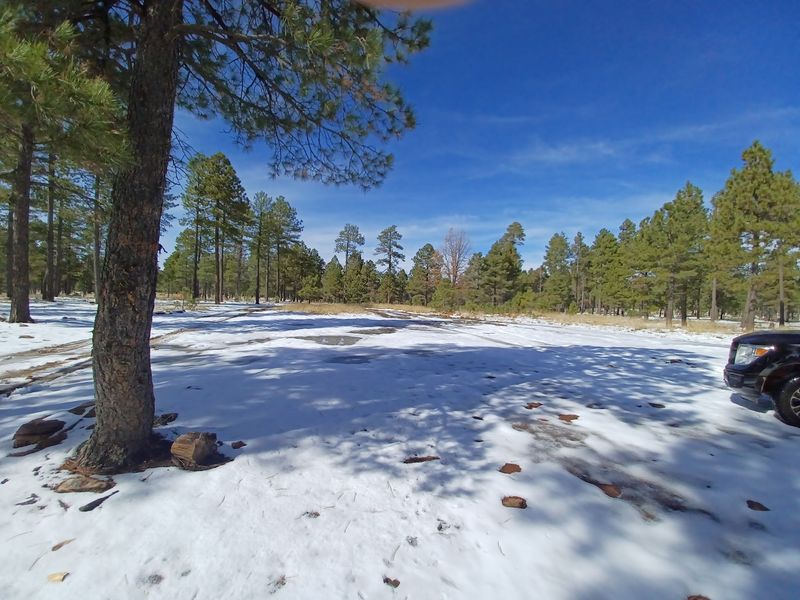
Even quiet campgrounds fill up now and then, and Knoll Lake has a built-in safety net.
If every site is taken, there are many primitive camping spots along the surrounding forest roads. Some campers actually prefer dispersed camping for the extra solitude.
Follow Forest Service rules for dispersed sites. Check current fire restrictions too, since they can change quickly on the Rim.
So who is this campground really for? It suits families who want clean facilities without crowds, anglers chasing trout, and paddlers who like a short walk to the water.
It is less ideal for anyone who needs cell service, hookups, or a quick run to the store. Low-clearance vehicles and long trailers should think twice about the road.
For Phoenix and Tucson locals willing to trade some bumpy miles for peace, though, the payoff is real. Big shaded sites, raked fire pits, spotless restrooms, and hosts who genuinely care add up to something special.
Bring cash, take the Payson route, and skip the holiday rush. The Rim has plenty of campgrounds, but few manage to stay this calm while still feeling this well cared for.
Share this story