If you think you know what waits behind an ordinary neighborhood house, The Temple of Tolerance in Wapakoneta is ready to prove you wrong. This open air museum feels part rock garden, part spiritual retreat, and part living scrapbook built from history, mystery, and pure imagination.
Around every turn, you find stacked stone, unexpected artifacts, and quiet corners that somehow feel both personal and universal. It is the kind of place that makes you slow down, look closer, and leave with more questions than you brought in.
1. A Backyard Entrance That Turns Into Something Vast
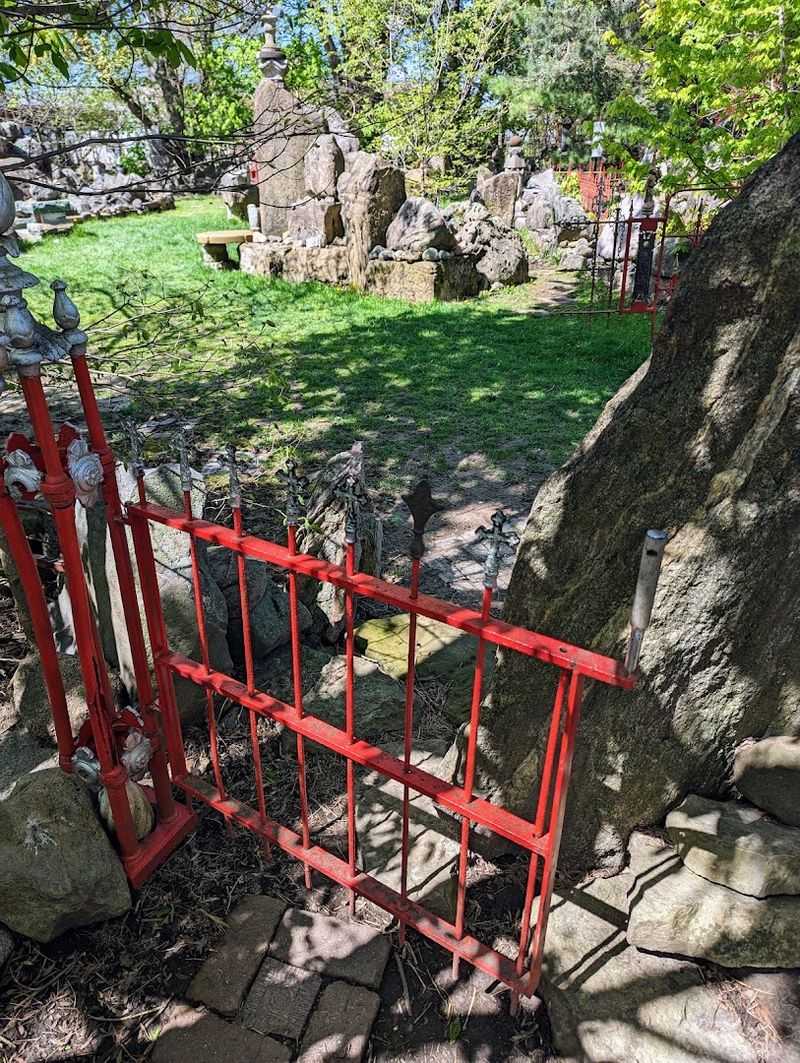
The first surprise at The Temple of Tolerance is how ordinary the approach feels. You arrive on South Wood Street expecting a quick roadside stop, then realize this quiet residential setting hides something much bigger.
That contrast is part of the magic, because the experience begins before you even step through the gate.
Visitors often mention feeling unsure at first, wondering whether they are really allowed to walk in. Once you enter, that hesitation fades almost immediately.
The property opens outward in layers, and what looked like a simple yard starts unfolding into paths, stonework, gathering spaces, and details that keep stretching farther than expected.
I love places that challenge your assumptions, and this one does it within minutes. It feels intimate, but never small.
By the time you look back toward the street, you realize you have crossed into a handmade world shaped by curiosity, welcome, and a very different sense of scale.
2. Stone Sculptures Built With Patience And Vision
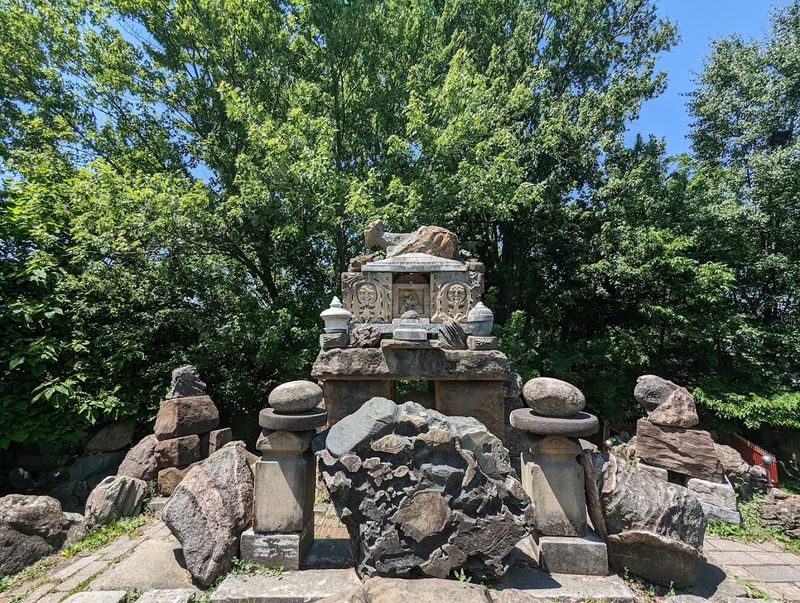
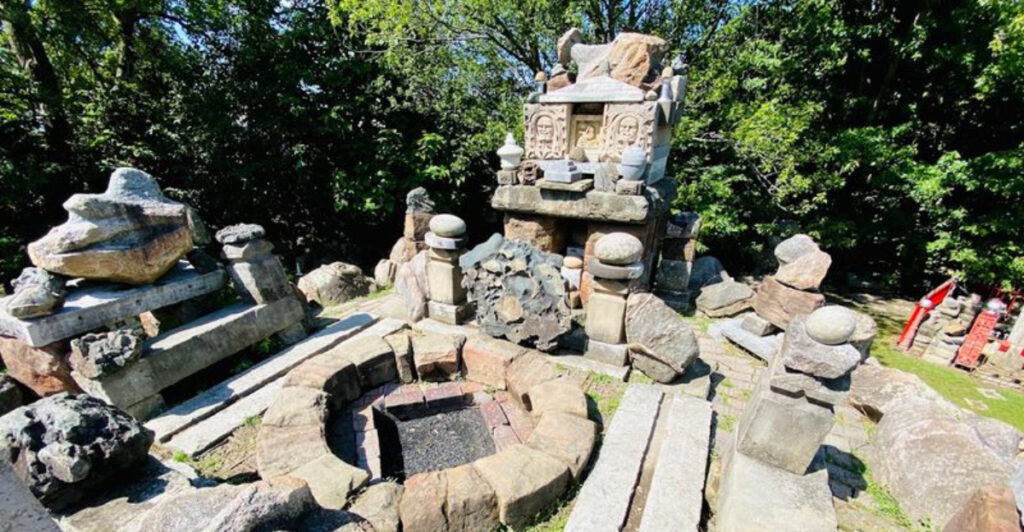
The stonework here is what stops you in your tracks. Massive rocks, carefully stacked forms, sculptural walls, and elevated platforms show an unbelievable level of labor, especially when you remember this vision grew from one creator’s devotion over many years.
Nothing feels rushed, and that patience gives every corner a sense of intention.
Some visitors come away amazed simply by the physical effort required to move and place so much material. That reaction makes sense.
Even if you know nothing about masonry, geology, or outdoor art, you can still feel the weight of what was built and the determination needed to make it real.
What I find most compelling is that the stonework never feels cold or formal. It feels human.
These structures carry imperfections, personality, and a handmade honesty that polished attractions often lack, which is exactly why the place feels memorable instead of staged.
3. The Deeper Meaning Hidden In Every Corner
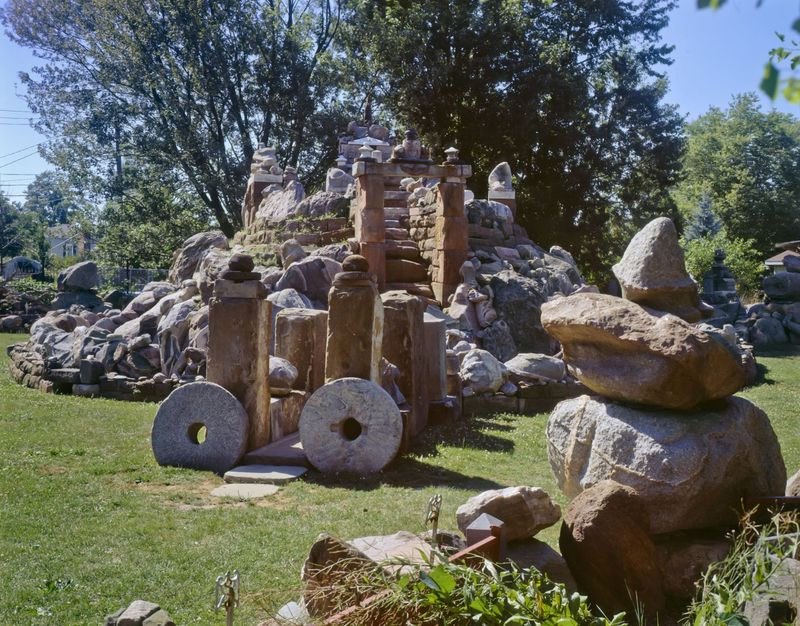
The Temple of Tolerance is not just a collection of rocks and objects. People who spend time here often describe a deeper layer, something spiritual, reflective, or symbolic that reveals itself slowly.
You do not need to understand every reference to feel that the site was created with belief, purpose, and a message about peace.
That is what makes wandering here so satisfying. One path might lead to a quiet seat, another to an arrangement of artifacts, and another to a structure that feels ceremonial without becoming intimidating.
The meanings are not always explained, but the atmosphere encourages you to pause, observe, and decide what resonates personally.
I think that openness is one of the place’s greatest strengths. It invites different interpretations without forcing a single lesson.
Whether you arrive curious, skeptical, spiritual, or simply looking for something unusual, the grounds give you space to experience significance in your own way.
4. Why So Many Visitors Describe It As Peaceful
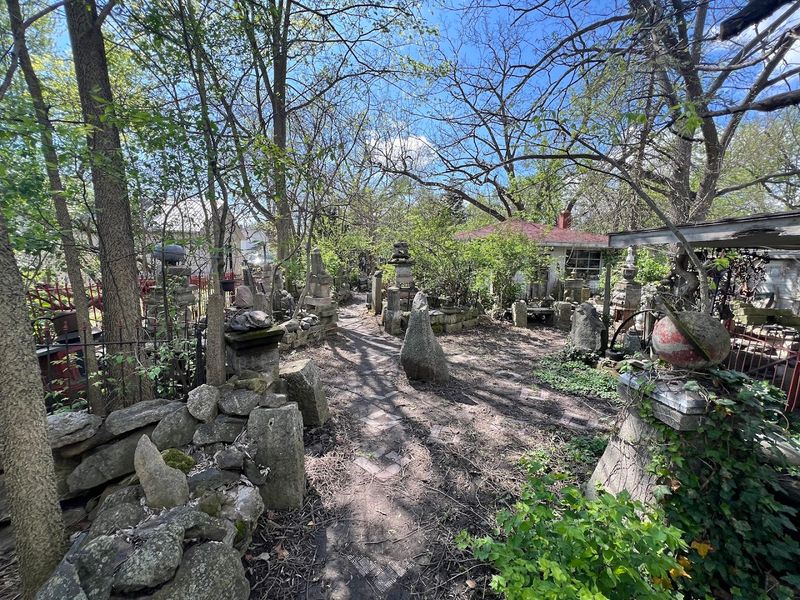
Again and again, visitors use the same words when talking about this place: peaceful, serene, moving, healing. That consistency says a lot.
Even people who arrive unsure of what they are looking at often end up describing a calm they did not expect to find in the middle of an ordinary Ohio neighborhood.
Part of that feeling comes from the layout. There are places to sit, places to climb, places to wander, and enough little turns that you can create your own rhythm.
Instead of pushing you through a fixed route, the temple lets you roam, breathe, and spend as much or as little time as you need.
I can see why people return with picnic lunches, children, or simply a need to think. The space is open twenty four hours, and that accessibility adds to its character.
It feels less like a formal museum visit and more like being welcomed into a shared refuge.
5. A Place Full Of Surprises, Nooks, And Unexpected Finds
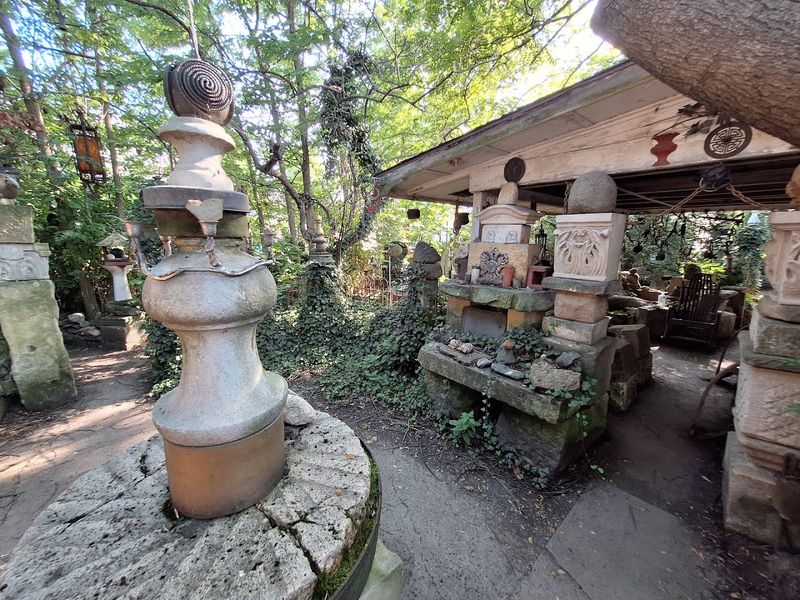
One of the best things about The Temple of Tolerance is that it refuses to reveal itself all at once. You keep spotting new details as you move, whether that means a tucked away sitting area, an unusual artifact, a sudden rise in the stonework, or a path that leads somewhere you did not anticipate.
That sense of discovery makes the grounds feel much larger than a typical backyard attraction. Reviews often mention thinking they had seen it all, then finding another section beyond the next turn.
The surprises are not gimmicks. They come from density, imagination, and the way the environment rewards slow exploration.
If you enjoy destinations where wandering is the whole point, this place delivers. You are not checking off one landmark and leaving.
You are noticing textures, symbols, shapes, and little moments of wonder that build on each other. The result feels playful, reflective, and genuinely hard to predict.
6. The Legacy Of Jim Bowsher Still Shapes The Experience
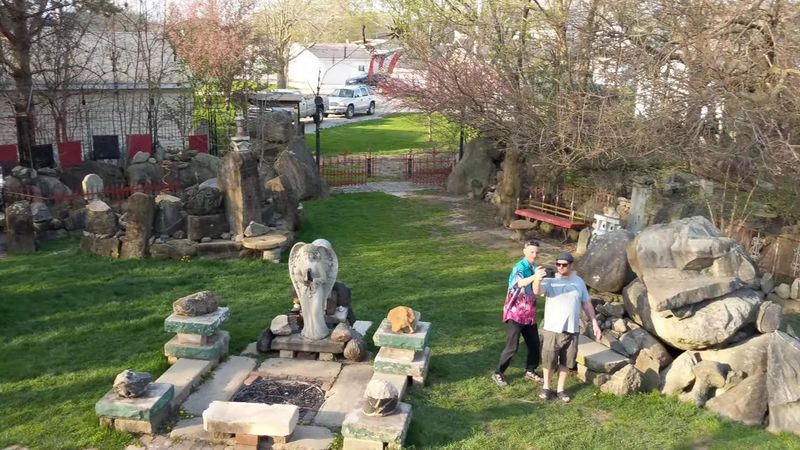
You cannot talk about The Temple of Tolerance without talking about Jim Bowsher, the creator whose vision still defines every inch of the property. Many visitors speak about him with admiration, gratitude, and even affection, describing the site as a remarkable legacy built through talent, endurance, and generosity.
There is a strong sense that his presence remains part of the experience. People mention feeling connected to his ideas while walking the grounds, and others remember personal encounters that made the place even more meaningful.
That human story matters because it turns the temple from an unusual attraction into an expression of one person’s lifelong commitment.
I think that is why visitors often encourage donations and respectful behavior. They are not only reacting to what they see.
They are responding to the gift of access itself. The temple feels shared, but it also feels personal, and that balance gives it uncommon emotional weight.
7. Planning A Visit To This Open Air Museum
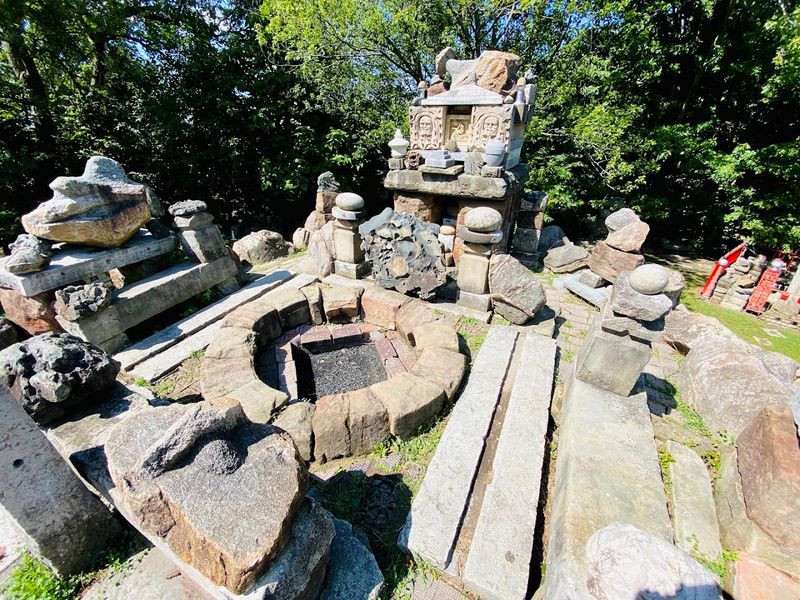
Visiting The Temple of Tolerance is refreshingly straightforward, but it helps to know what to expect. The museum is located at 203 South Wood Street in Wapakoneta, has a strong 4.8 star rating, and is open twenty four hours a day, which makes it easy to fit into a road trip or a slow afternoon.
Because it sits on residential property, first timers sometimes feel hesitant about entering. Multiple visitors say not to worry.
You can park nearby, walk in respectfully, and explore at your own pace. There is a donation box, and contributing is a thoughtful way to support upkeep for a place that remains free and accessible.
I would also plan for uneven ground, changing weather, and more time than you think you need. This is not a quick photo stop unless you force it to be.
The best visit happens when you give yourself room to wander without rushing.
8. Why This Hidden Ohio Spot Stays With You
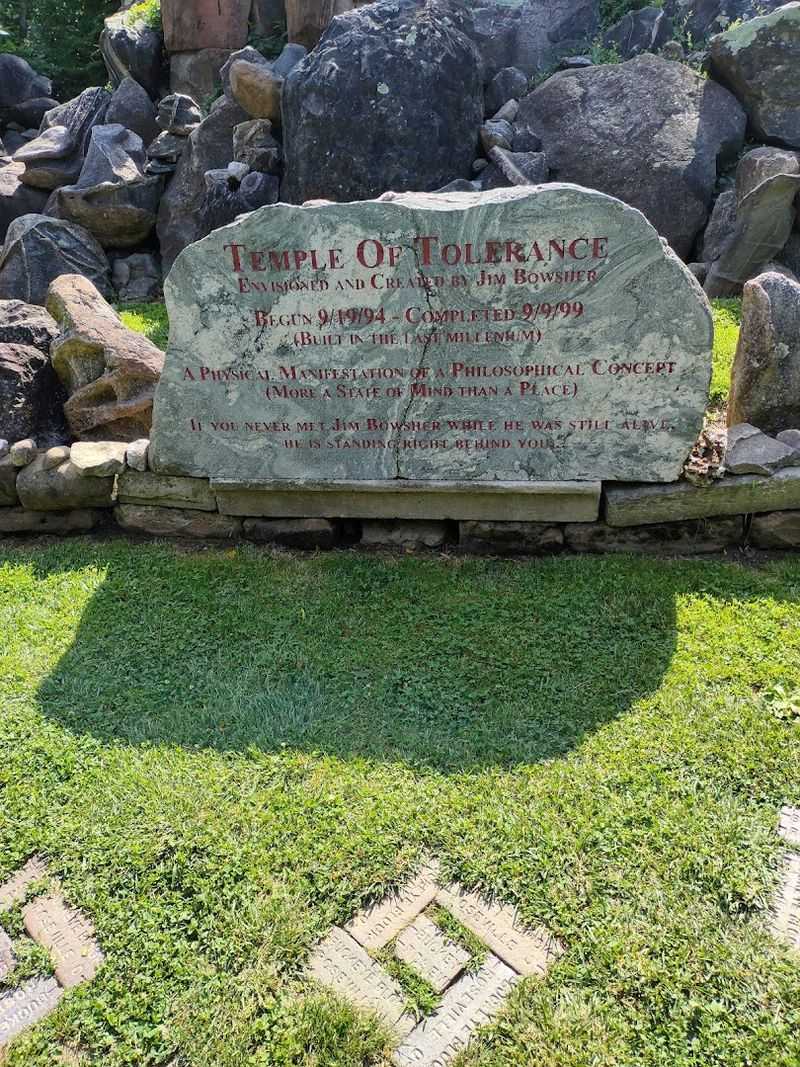
Some attractions impress you while you are there, then fade as soon as the drive home begins. The Temple of Tolerance is different.
It lingers because it combines surprise, craftsmanship, symbolism, and emotion in a way that feels difficult to summarize, which is exactly why so many visitors urge others to experience it firsthand.
This hidden Wapakoneta site can be playful for kids, reflective for adults, and fascinating for anyone drawn to outsider art, geology, local history, or spiritual spaces. It works on several levels at once.
You can visit for the visual spectacle and still leave thinking about legacy, tolerance, and what one person can build over a lifetime.
If you are passing through Ohio and want something genuinely unforgettable, this is worth the detour. If you live nearby, it is the kind of place you can revisit and see differently each time.
Very few places feel this surprising and this personal.
Share this story