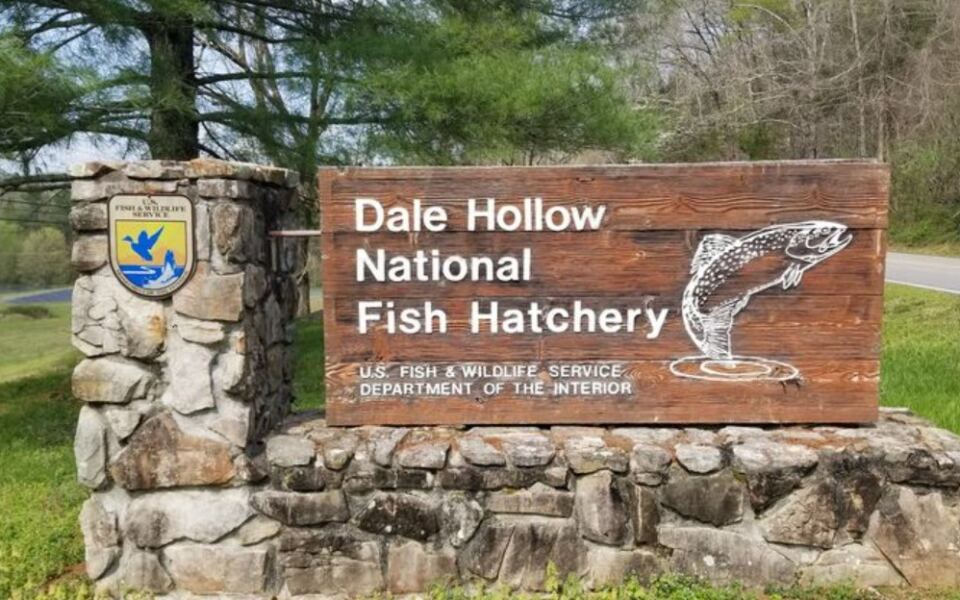
Hundreds of thousands of young trout are raised at this hatchery, where visitors can learn about the fish and see parts of the facility open to the public. Admission costs nothing at all.
The water feeding these fish comes from deep below a giant Tennessee lake. It stays cold all year, which is exactly how trout like it. That chilly supply helps raise fish that later end up in streams and rivers across several states.
I like how simple the whole visit feels. You start inside with an aquarium and some easy exhibits, then head outdoors to long concrete raceways full of bigger fish. Kids get to see trout at nearly every size, from tiny fry to fish worth bragging about.
I can’t imagine a cheaper way to spend a weekday morning with curious kids. So where exactly is this fishy little secret?
A Free Fish Show That Runs All Week Long
Free fun is rare, so Dale Hollow National Fish Hatchery Aquarium and Visitor Center deserves a spot on your list. Run by the U.S. Fish and Wildlife Service, it welcomes the public without charging a single cent.
The hatchery sits in Celina, a small town in north-central Tennessee. Its main job is raising trout, and lots of them, for waters across the region.
Visitors get to see that work happening in real time. You can stroll through at your own pace, so there’s no tour schedule to chase.
Hours run Monday through Friday, from 7:30 a.m. to 3:30 p.m. Weekend hours aren’t listed, so plan your trip for a weekday to be safe.
That schedule makes it a great stop during summer break or a long weekend trip. Show up in the morning and you’ll still have most of the day left for the lake.
Bring curiosity, comfortable shoes, and maybe a few good questions. The staff works here every day, and they know these fish better than anyone.
Honestly, a free look at thousands of trout beats another afternoon of screen time. Your kids may even agree.
The Aquarium Room Is Where the Fun Starts
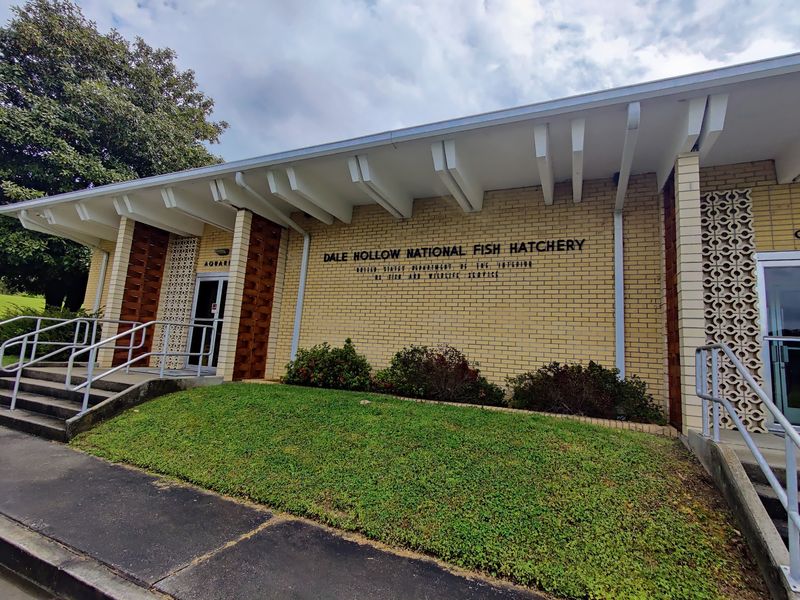
Your visit kicks off indoors, where a small exhibit space holds aquarium tanks and informational displays. It’s a quick, friendly warm-up before the real crowd of fish outside.
The posters explain how trout grow and why hatcheries matter. Short reads like these work well for younger kids with wiggly attention spans.
Tank displays can change with the seasons and with hatchery needs. Some days might feature more fish than others, so think of it as a bonus rather than the main event.
Public restrooms are available inside the building. Parents with small children will appreciate that detail more than any fish fact.
Little ones can explore the aquarium displays and learn more about trout. It’s a playful way to learn fish shapes and colors without anyone calling it a lesson.
Take a few minutes here before heading out. The displays give you enough background to make the raceways far more interesting.
Once you understand the life cycle, every pool outside tells a story. Suddenly that skinny fish is a teenager, and the chunky one is basically a grown-up with a mortgage.
Baby Trout Will Steal the Spotlight
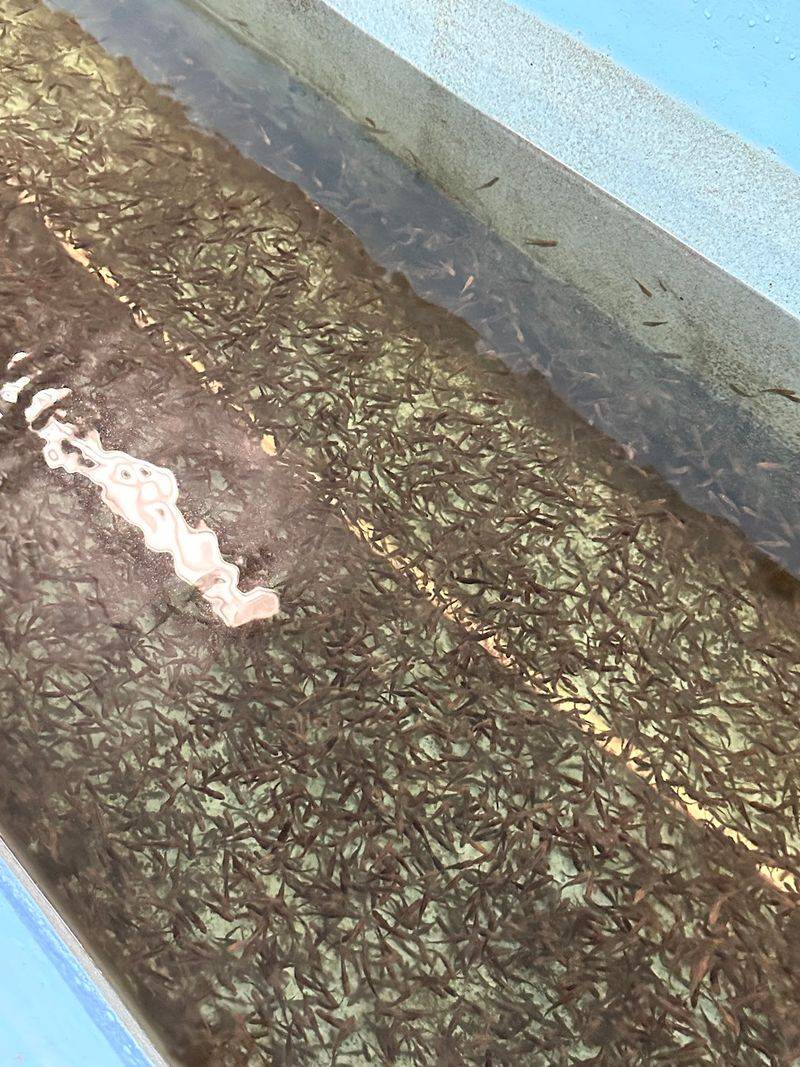
Tiny trout, by the thousands, fill the indoor hatchery tanks. Seeing so many little fish wiggling together is surprisingly mesmerizing.
These young fish are called fry and fingerlings, depending on their size. The hatchery raises them carefully until they’re big enough to move outdoors.
Watching the size changes is one of the coolest parts of a visit. Each tank shows a slightly different stage, almost like a living growth chart.
Kids usually love comparing the smallest fish to the bigger ones. It’s a simple way to show how animals grow over time.
Keep your hands to yourself unless staff says otherwise. These fish are part of an important program, and clean water keeps them healthy.
Bring a phone or camera for photos, though reflections on the water can be tricky. Try shooting at an angle to cut down the glare.
Fun fact for the car ride home: trout need cold, clean, oxygen-rich water to thrive. That’s why hatcheries like this one pay such close attention to their water supply.
Your kids just got a science lesson. Shh, don’t tell them.
Outdoor Raceways Hold the Big Kids
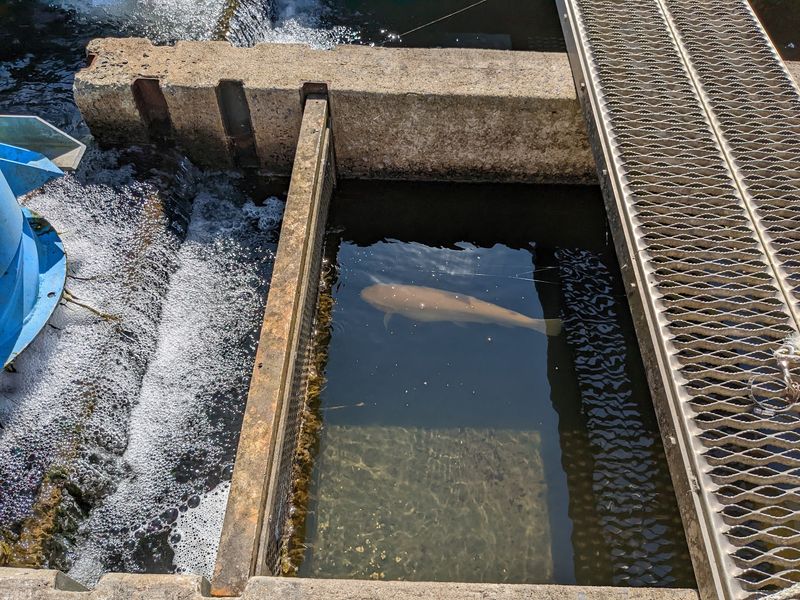
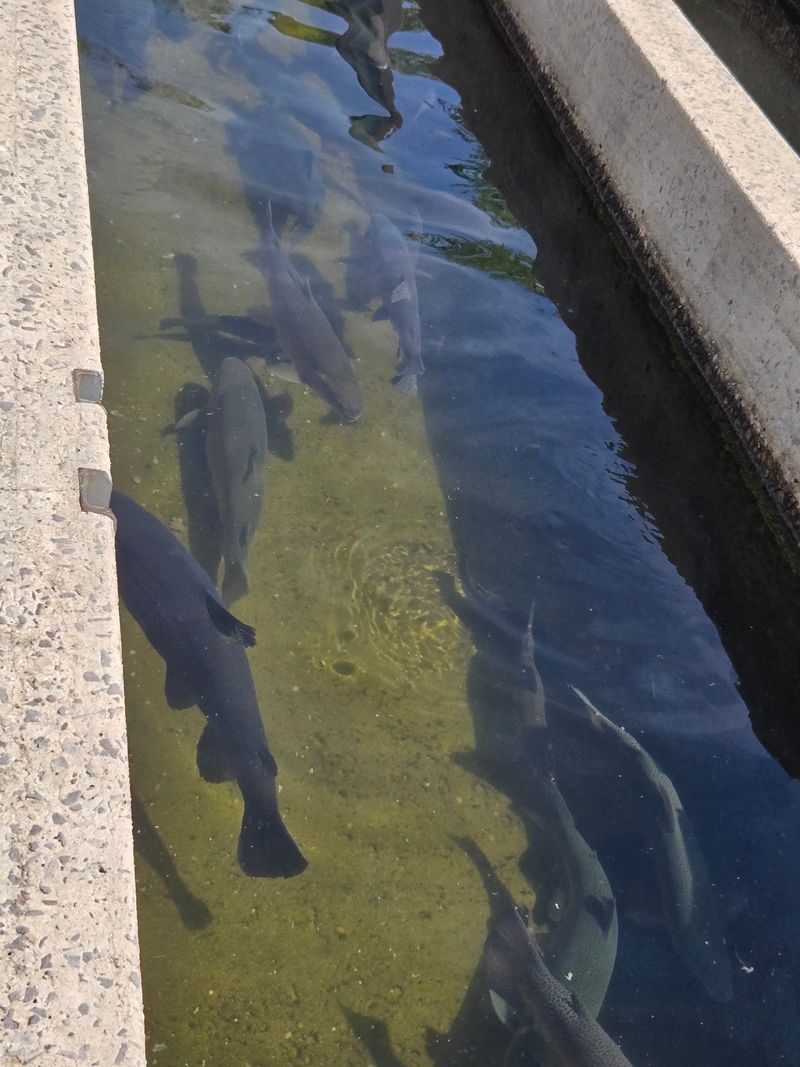
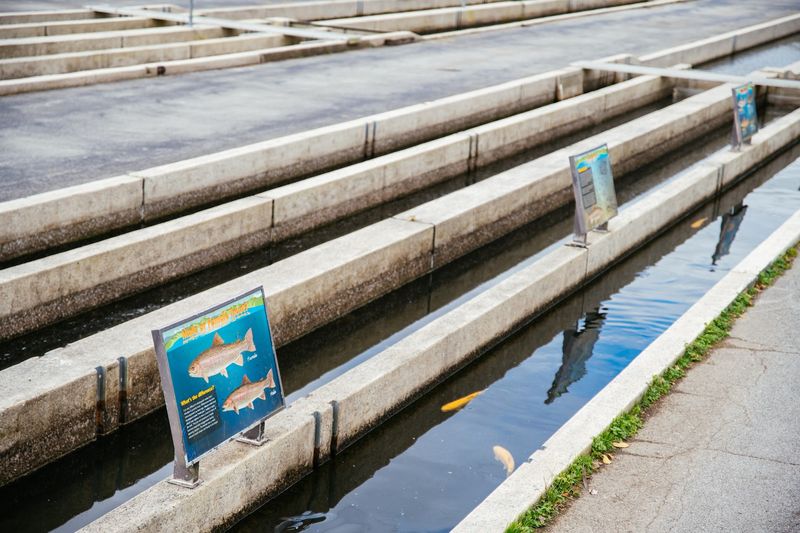
Step outside and the fish get noticeably bigger. Long concrete channels called raceways hold trout that have graduated from the indoor nursery.
Raceways keep water flowing constantly, which helps trout stay healthy. That moving water mimics the streams these fish will eventually call home.
From the walkways, you can look straight down at the swirling crowds. Rainbow trout, brown trout, and other species may be on display depending on the season.
Seeing the full range of sizes is the real payoff here. You go from tiny fry indoors to hefty fish outdoors in just a few steps.
Staff members often work out here, feeding fish and checking on the raceways. Watching their routine gives you a real peek at how hatchery life works.
Be careful near the edges, especially with small children. Water and concrete can get slippery, so stick to marked paths.
Sunny days can feel warm with little shade near the raceways. A hat and a water bottle will make the walk more comfortable.
Fishermen, prepare to feel a little jealous. Those trout are not on the menu today.
Cold Lake Water Makes the Whole Thing Possible
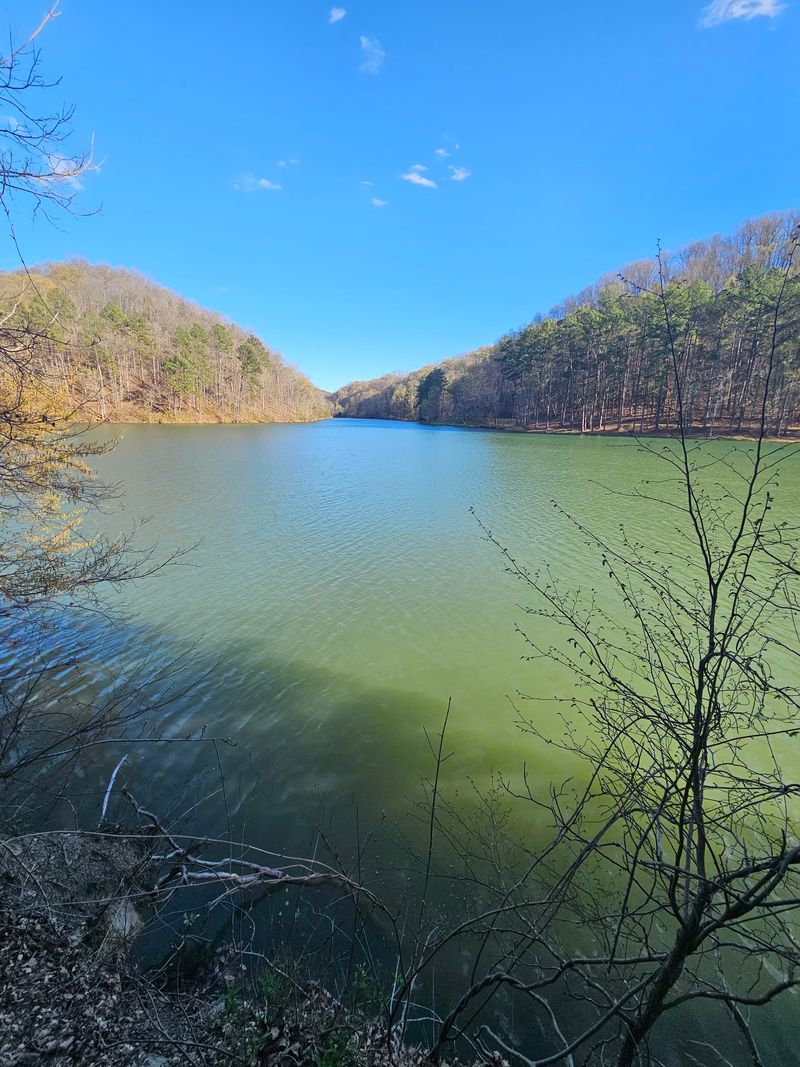
Trout are picky about temperature, and Dale Hollow National Fish Hatchery Aquarium and Visitor Center solves that problem cleverly. Its water comes from deep in Dale Hollow Lake, where things stay cold year-round.
The hatchery sits just below Dale Hollow Dam on the Obey River. Building dams changed the river’s natural habitat, and the hatchery helps make up for those changes.
Congress authorized the hatchery back in the 1960s, and it has raised trout ever since. Those fish head out to stock waters in Tennessee and nearby states.
Plenty of rivers in the region support trout fishing thanks to hatcheries like this one. Anglers casting a line downstream may be catching a fish raised right here.
It’s a neat way to explain teamwork between people and nature. Engineers built the dam, and fish biologists found a smart way to use its cold water.
Kids who like how things work will find this part fascinating. Ask them where they think the water comes from before you explain.
You might get some wild guesses. A giant underground refrigerator is a fan favorite.
Bring Your Toughest Fish Questions
Got a kid who asks why fifty times a day? Hatchery staff can handle it, since they work with these fish every single day.
Employees here are fish biologists and technicians, not tour guides reading scripts. Their knowledge comes straight from hands-on work in the raceways and tanks.
Ask how long it takes a trout to grow to stocking size. Or ask how they keep so many fish healthy at once.
Remember that staff members are busy running a working hatchery. Be patient and polite if someone is in the middle of a task.
Office hours line up with the hatchery schedule, so weekday mornings are a smart time to visit. You’ll have the best chance of catching someone free to chat.
Collecting stamps? The hatchery is part of the National Fish Hatchery System, administered by the U.S. Fish and Wildlife Service.
If you collect passport stamps, contact the hatchery office ahead of your visit to ask whether stamping is available.
Your kids may leave with more fish facts than you know. Prepare to be corrected at dinner.
Pack a Lunch for the Picnic Tables
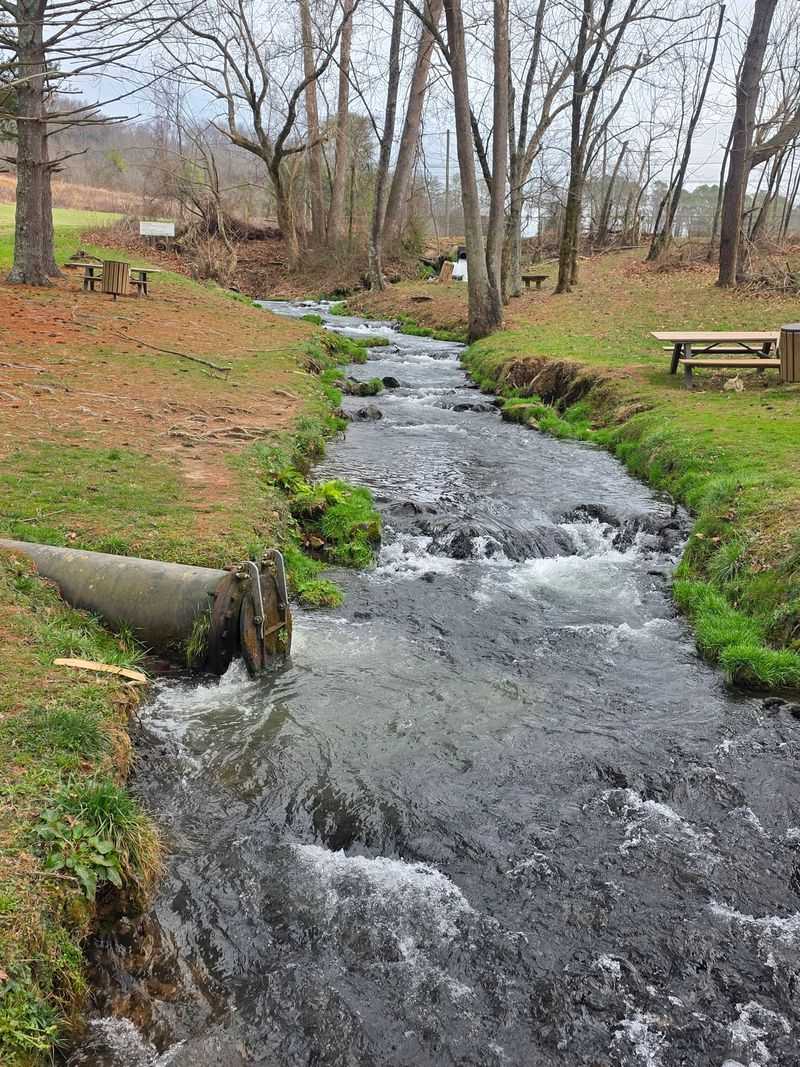
Nearby recreation areas offer opportunities to enjoy a packed lunch outdoors. A packed lunch turns a quick stop into a relaxed half-day outing.
The hatchery doesn’t sell food, so plan ahead before you leave town. Grab snacks, drinks, and maybe some fruit to keep everyone happy.
Shade matters in a Tennessee summer, and those trees help a lot. Kids can cool down while you reapply sunscreen for the third time.
Eating outside also gives little legs a break after walking the raceways. A full belly makes for a much calmer car ride later.
Please clean up everything you bring. Trash near the water can harm wildlife, and nobody wants a soggy napkin in the trout pond.
Wrappers blow away fast on breezy days, so keep a bag handy. Kids can even turn cleanup into a quick contest.
Pick a table, spread out a blanket, and enjoy the quiet. It’s a rare chance to slow down without spending a dime.
Trout don’t share lunch, by the way. Keep those crumbs to yourself.
Young Anglers Can Get Their Turn Here
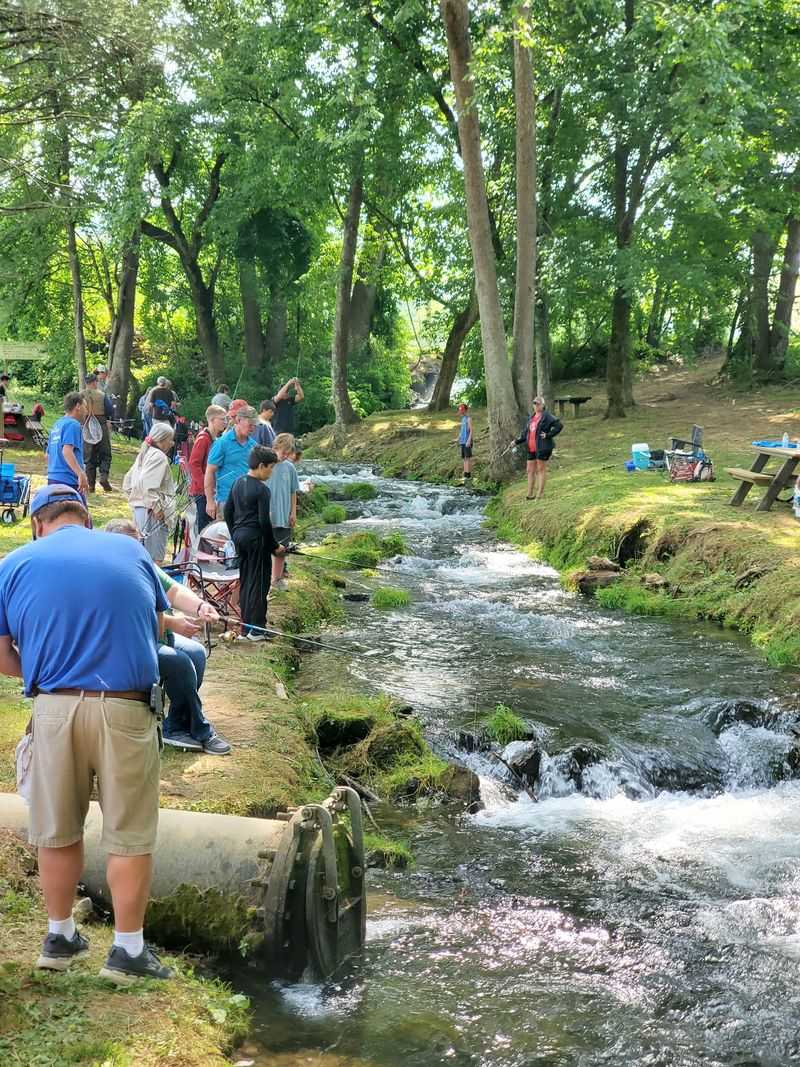
Fishing fans, good news: the hatchery has hosted kids fishing rodeo events. These events give young anglers a chance to cast a line and maybe reel in a trout.
Event dates change from year to year, so check ahead before planning around one. Summer is typically when these fishing days pop up.
Kids learn basic fishing skills in a friendly, low-pressure setting. There’s something magical about a first catch, even if the fish is small.
The nearby Obey River tailwater is also known for trout fishing. Anglers who want to try it should follow Tennessee fishing license rules and regulations.
Bring your own gear unless an event says otherwise. Sunscreen and bug spray are smart additions too.
Fishing near the hatchery connects the dots for kids. They see baby trout in tanks, then understand where catchable fish come from.
That link makes the whole visit feel complete. It’s like touring the bakery and then eating the cookie.
Just don’t promise anyone a record catch. Fish rarely read the itinerary.
Make a Day of It Around Dale Hollow Lake
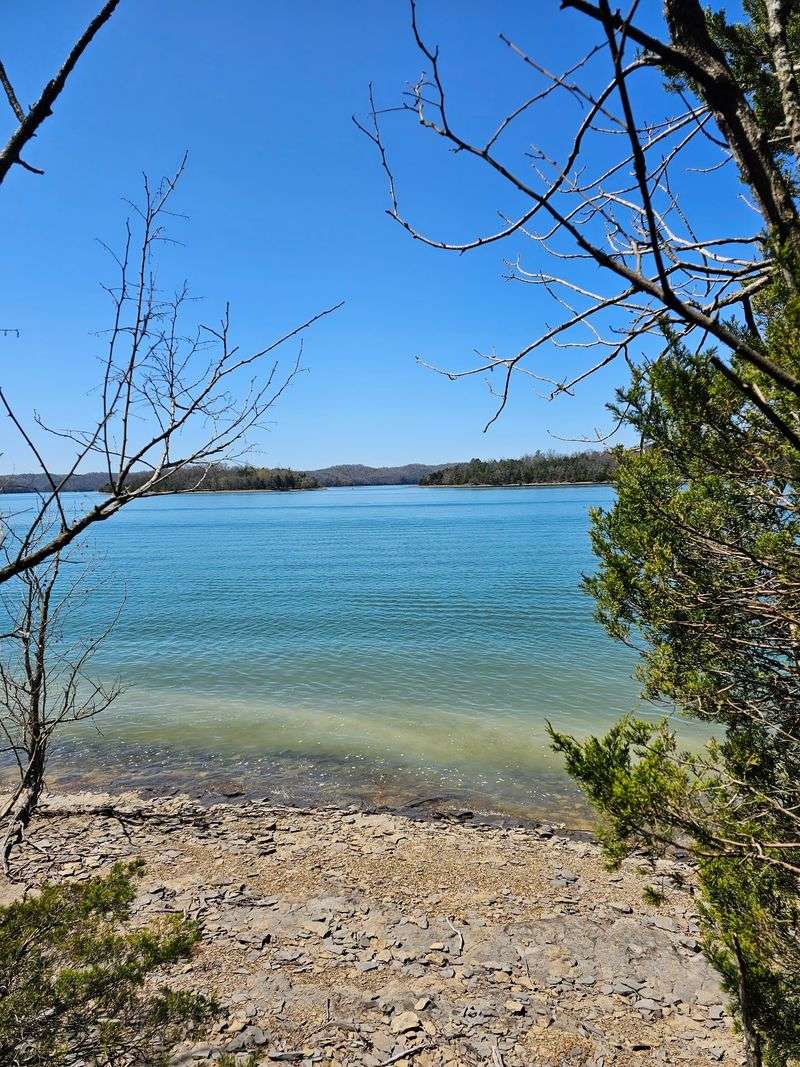
It sits right near Dale Hollow Dam, just outside town.
After your visit to Dale Hollow National Fish Hatchery Aquarium and Visitor Center, head for the lake. Dale Hollow Lake is famous for its clear water and quiet coves.
The lake straddles the Tennessee and Kentucky state line. Boating, swimming, and camping are popular ways to spend the afternoon.
Bass anglers know the lake for a legendary catch. The world-record smallmouth bass came from Dale Hollow Lake back in 1955.
The U.S. Army Corps of Engineers manages recreation areas around the lake and dam. You’ll find spots for picnics, hiking, and simply staring at the water.
Celina itself is a small, easygoing town with local shops and eateries. It makes a handy base for exploring this corner of Tennessee.
A morning of baby trout and an afternoon by the lake sounds like a winning combo. Pack the car early and give yourself time to wander.
The fish will be waiting. They’re not going anywhere.
Share this story