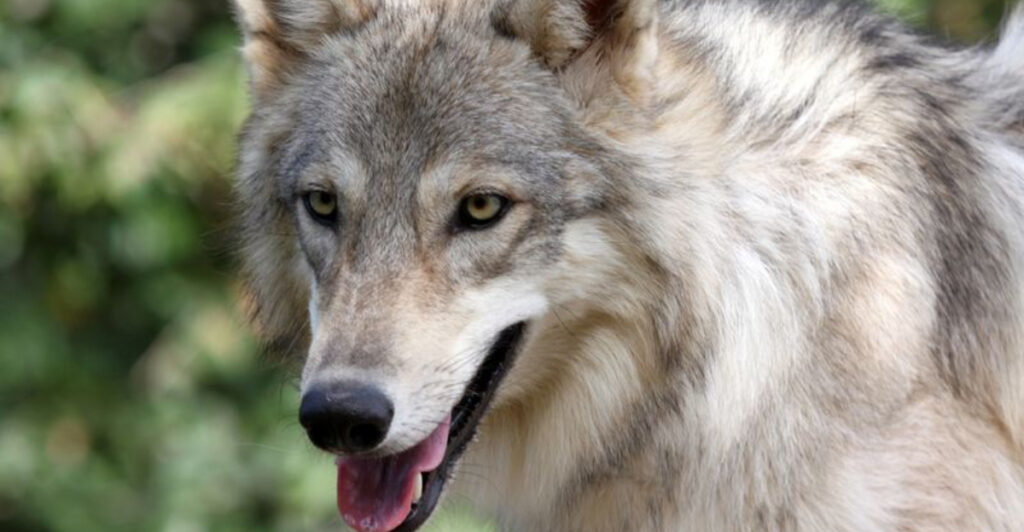
Set amid the rolling countryside near Navasota, Saint Francis Wolf Sanctuary provides a permanent, loving home for rescued wolves and wolfdogs. As the only USDA-certified wolf sanctuary in Texas, this peaceful refuge rescues animals from illegal breeding operations, owners who couldn’t care for them, and dangerous situations across the country. Visitors can tour the 20-acre property to meet these magnificent creatures, hear their heartbreaking stories, and learn why protecting wolves matters more than ever.
1. Texas’s Only USDA-Certified Wolf Sanctuary
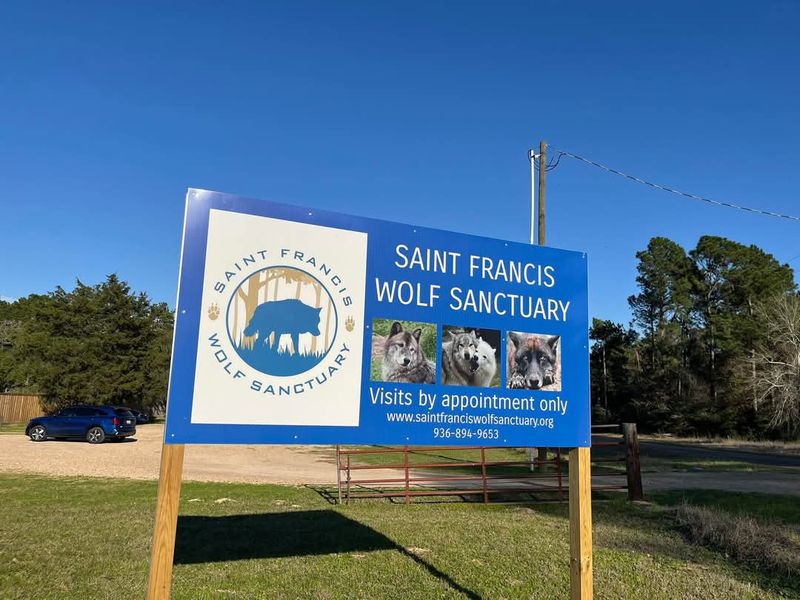
Game wardens from across America know exactly where to call when they rescue a wolf or wolfdog in trouble. Saint Francis Wolf Sanctuary holds the unique distinction of being Texas’s sole USDA-certified facility dedicated exclusively to wolf conservation and rescue. This certification means the sanctuary meets rigorous federal standards for animal care, housing, and welfare that few organizations can achieve.
The 20-acre property in Navasota provides permanent homes for wolves and wolfdogs seized from illegal breeding operations or surrendered by owners who realized too late that these animals aren’t pets. Unlike temporary shelters, every resident here stays for life because wolves bond deeply with their environment and moving them again would cause unnecessary trauma. The sanctuary works closely with law enforcement agencies nationwide who trust their expertise and compassionate approach.
Founder Nicole Wilde built this haven from the ground up with one mission in mind: giving these misunderstood animals the dignity and safety they deserve. The facility maintains spotless conditions that impress even first-time visitors, with spacious enclosures designed specifically for wolf behavior and psychology. Each habitat includes proper den structures, water sources, and sight lines that help the animals feel secure while maintaining their natural instincts as much as possible in captivity.
2. Educational Tours That Change Perspectives

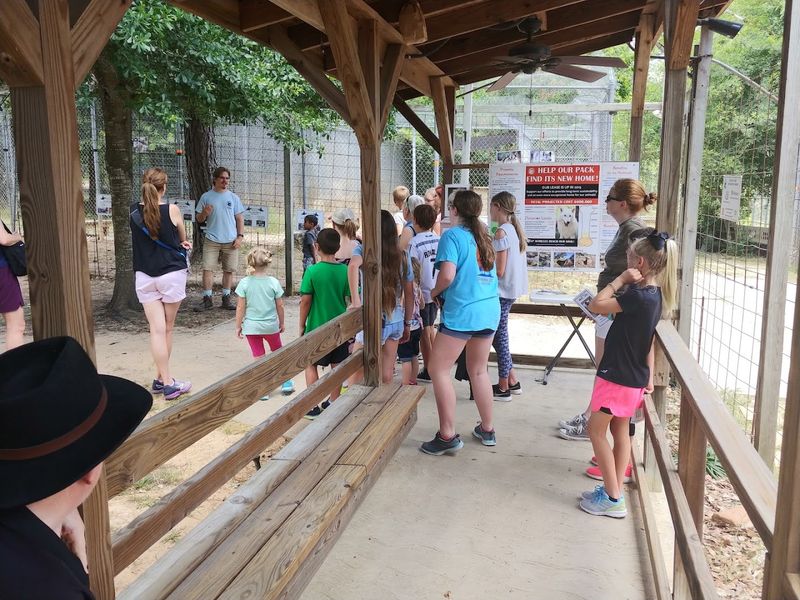
Walking through Saint Francis isn’t just sightseeing—it’s an education that sticks with you long after you leave. Expert guides like Nicole, Andy, Lauren, and Bryce lead two-hour tours that teach visitors how to distinguish wolves from wolfdogs at a glance, explain pack dynamics, and share the unique personality quirks of every resident. One reviewer admitted tagging along reluctantly but ended up having more fun than anyone else in the family.
The tour format keeps kids and adults equally engaged without feeling like a boring lecture. Guides answer every question thrown their way, from basic wolf biology to heartbreaking details about the illegal wildlife trade. Several visitors mentioned being moved to tears hearing how certain animals arrived at the sanctuary after years of neglect or abuse.
Photography is encouraged throughout the experience, though video recording isn’t permitted to minimize stress on the animals. Guests watch wolves interact with enrichment materials, sometimes catching playful moments or problem-solving behavior that reveals their intelligence. The sanctuary offers various tour options including private experiences and VIP tours where you might be the only visitors that day, creating an intimate atmosphere perfect for learning.
Many families return multiple times, with some even signing up for overnight stays to hear the pack howl under the stars—an unforgettable Texas experience that builds genuine appreciation for these misunderstood predators.
3. Meet the Pack and Their Rescue Stories
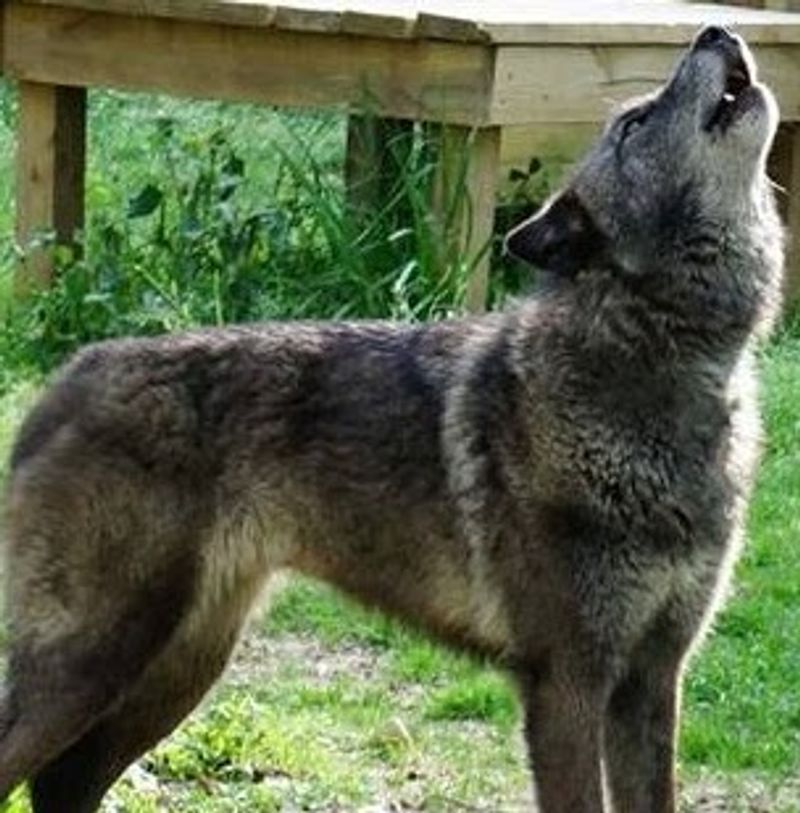
Every animal at Saint Francis arrived with baggage—sometimes literally. Each resident has a backstory that guides share during tours, transforming abstract conservation talk into real stories about real survivors. Some came from backyard breeders who advertised “pet wolves” online before abandoning them when they grew too large.
Others were confiscated from roadside attractions or private collectors who treated living creatures like collectible items.
The sanctuary carefully pairs wolves into mated pairs or compatible groups based on individual personalities and needs. This thoughtful matching process ensures the animals feel secure and can express natural social behaviors without fighting or stress. Guides explain how each pairing came together and what makes certain wolves click as companions.
What makes these tours special is learning that wolves aren’t the big bad predators from fairy tales. They’re cautious, intelligent animals who’ve been failed repeatedly by humans making selfish choices. The sanctuary maintains appropriate distance between visitors and wolves—you won’t be cuddling or hand-feeding anyone here because the staff prioritizes keeping these animals as independent from people as possible.
This approach respects the wolves’ dignity while acknowledging that their presence in captivity represents human failure, not animal need. Visitors leave understanding that wolves belong in the wild, and sanctuaries like Saint Francis exist only because too many people treat wildlife like fashion accessories they can discard when inconvenient.
4. Hands-On Enrichment Activities
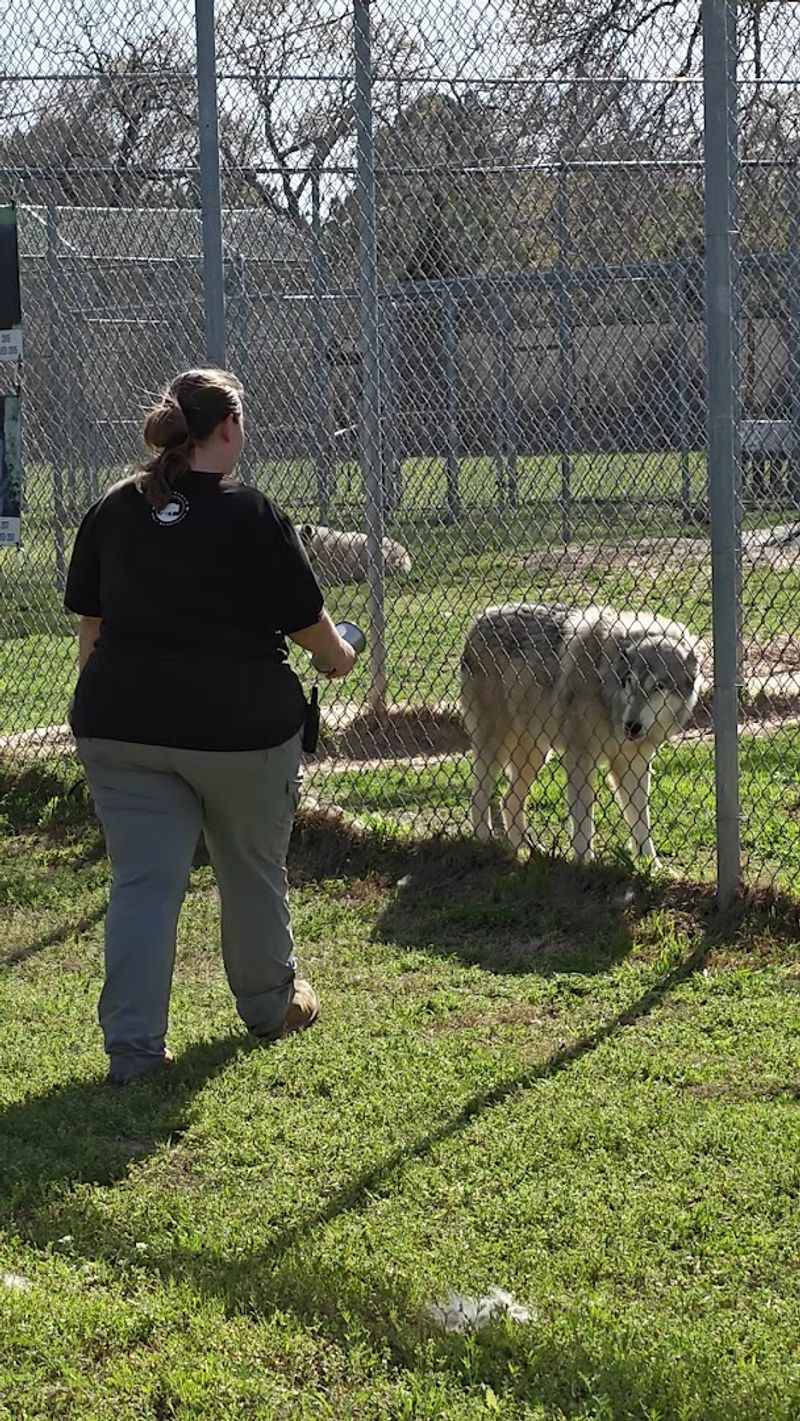
Tours at Saint Francis go beyond passive observation—you actually participate in the animals’ daily enrichment program. During certain experiences, guides teach visitors how to create special treats and puzzle toys that challenge the wolves mentally and physically. Making these enrichment items gives you hands-on involvement in the sanctuary’s care routines while learning why mental stimulation matters as much as food and shelter.
Watching wolves interact with the enrichment materials you helped prepare creates a personal connection that straight observation can’t match. Some animals approach puzzles cautiously, using problem-solving skills to access hidden treats. Others dive right in with enthusiastic energy that reveals their individual personalities better than any description could.
The private tour option particularly emphasizes this interactive element, allowing smaller groups more time to engage with enrichment preparation and delivery. Guides explain how different types of enrichment serve different purposes—some encourage natural foraging behaviors, while others promote physical activity or social bonding between paired animals.
This participatory approach teaches visitors that proper animal care involves more than just meeting basic survival needs. Wolves are intelligent creatures who get bored, frustrated, and depressed without adequate mental challenges. Sanctuaries must replicate the cognitive demands wild wolves face while hunting, exploring territory, and navigating pack dynamics.
Creating enrichment items might seem simple, but it represents a crucial component of compassionate captive care that keeps these magnificent animals engaged and healthy throughout their lives.
5. Supporting a Nonprofit Mission
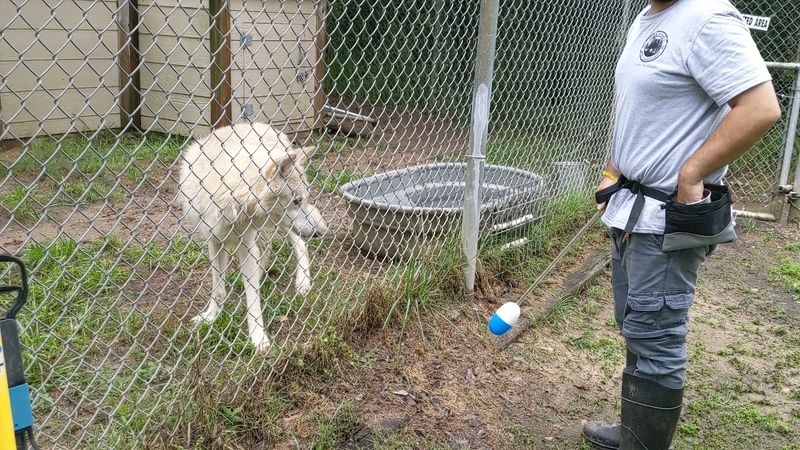
Behind the beautiful enclosures and knowledgeable staff lies a nonprofit organization running on passion, donations, and sheer determination. Every dollar spent on tours, gift shop purchases, or direct contributions goes straight back into caring for the resident wolves and maintaining the facility. The sanctuary’s gift shop stocks unique wolf-themed items that make perfect souvenirs while funding the animals’ daily needs.
Several visitors mentioned linking their Kroger rewards cards to automatically donate to Saint Francis—a simple way to contribute regularly without thinking about it. These small, consistent donations add up significantly for an organization feeding and caring for dozens of large carnivores year-round. Veterinary care alone costs thousands annually, not counting food, facility maintenance, and emergency repairs.
The sanctuary’s transparency about their nonprofit status and funding needs impresses visitors who appreciate knowing exactly where their money goes. Unlike for-profit roadside attractions, Saint Francis exists solely to provide the best possible life for animals who can never return to the wild. Staff members clearly chose this work out of genuine dedication rather than financial gain.
Supporting the sanctuary means supporting ethical wildlife rescue that prioritizes animal welfare over profit or entertainment. When you visit, you’re not just buying a tour—you’re investing in a safety net for wolves and wolfdogs across America who need emergency placement. Game wardens nationwide depend on facilities like Saint Francis to exist so rescued animals have somewhere appropriate to go instead of being euthanized.
6. The Difference Between Wolves and Wolfdogs
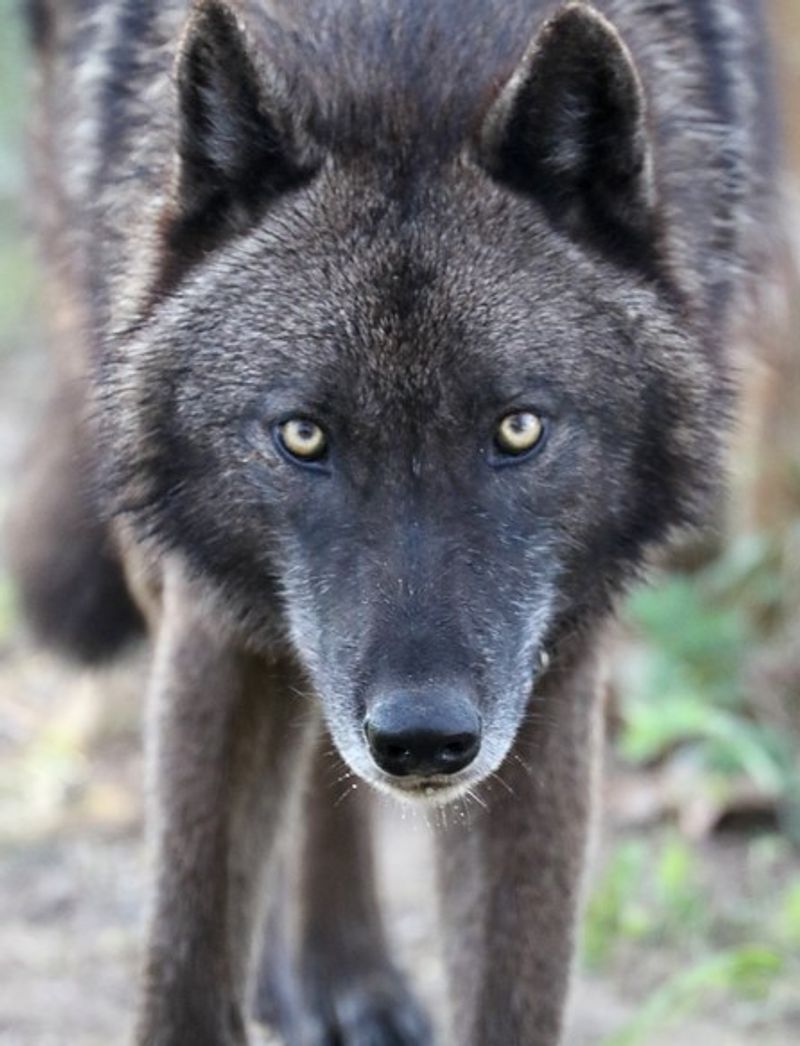
Most people can’t tell wolves from wolfdogs at first glance, but sanctuary guides teach you exactly what to look for. Pure wolves have longer legs, larger paws, and distinctive facial features that differ from even high-content wolfdogs. The eye color, coat texture, and body proportions all provide clues once you know what you’re seeing.
Understanding these differences matters because it highlights why these animals fail as pets. Wolfdogs inherit unpredictable combinations of wolf and dog traits that create behavioral challenges most owners can’t handle. Someone might buy a cute wolfdog puppy thinking they’re getting a loyal pet, only to discover an animal with strong prey drive, territorial instincts, and social needs that domestic dog training can’t address.
The sanctuary houses both pure wolves and various wolfdog percentages, providing living examples of how genetics play out. Guides explain how even low-content wolfdogs can exhibit enough wild behavior to make them unsuitable for typical homes. This education helps visitors understand why backyard breeding of these animals creates a crisis that sanctuaries struggle to manage.
Many wolves and wolfdogs end up abandoned or surrendered when owners realize their mistake, but by then the animal has bonded to captivity and can’t survive in the wild. Saint Francis uses their residents as ambassadors to spread this message: wolves belong in nature, not living rooms, and creating hybrid animals for profit causes suffering that lasts generations.
7. Conservation Education and Awareness
Did you know only 18 red wolves remain in the wild? Saint Francis doesn’t just rescue individual animals—they’re fighting for the survival of entire species through education and awareness. Guides share sobering statistics about wolf populations, habitat loss, and the ongoing threats these apex predators face across North America.
One young visitor learned about tracking wild red wolves through an app called Fahlo, showing how the sanctuary inspires conservation action beyond their gates.
The educational component addresses common misconceptions that fuel wolf persecution. Contrary to horror stories and folklore, wolves rarely threaten humans and play crucial ecological roles in healthy ecosystems. When wolves disappear, entire food chains collapse in ways that affect everything from deer populations to vegetation growth to river systems.
Visitors leave understanding that protecting wolves means protecting wilderness itself. The sanctuary’s passionate guides make complex ecological concepts accessible to kids and adults alike without dumbing down the science. They explain how human expansion into wolf territory creates conflict, and why coexistence requires changing human behavior rather than eliminating predators.
Several reviews mentioned that the tour sparked ongoing interest in wolf conservation, with families continuing to research and support wildlife protection long after their visit. This ripple effect represents the sanctuary’s greatest success—transforming casual visitors into informed advocates who spread awareness through their own communities. When enough people understand what’s at stake, real policy changes become possible that benefit wolves across their remaining range.
8. Plan Your Visit to This Hidden Gem

Getting to Saint Francis requires a bit of a drive—most visitors travel one to two hours from Houston, Austin, or other Texas cities. Located on Pavlock Road in rural Navasota, the sanctuary isn’t somewhere you stumble across accidentally. But everyone who makes the trip insists it’s absolutely worth the effort, with many families already planning return visits before they finish their first tour.
The facility sits on peaceful countryside property that immediately feels removed from urban stress. Some lucky visitors arrive just in time to hear the pack howling, an experience that connects you to something ancient and wild. Tours last approximately two hours, giving you plenty of time to meet every resident and absorb all the information guides share.
Booking ahead is essential since the sanctuary operates on a tour schedule rather than open visiting hours. This controlled approach minimizes stress on the animals while ensuring every visitor gets a quality educational experience with knowledgeable guides. Private tours and VIP experiences offer more intimate encounters for those willing to invest a bit more.
The sanctuary also offers overnight stays where visitors can hear wolves howling under the stars—an authentic Texas wilderness experience you won’t find anywhere else in the state. Whether you’re a lifelong wolf enthusiast or just looking for a unique family outing, Saint Francis delivers an unforgettable day that combines education, conservation, and genuine connection with magnificent creatures who deserve so much better than the cards they were dealt.
Share this story