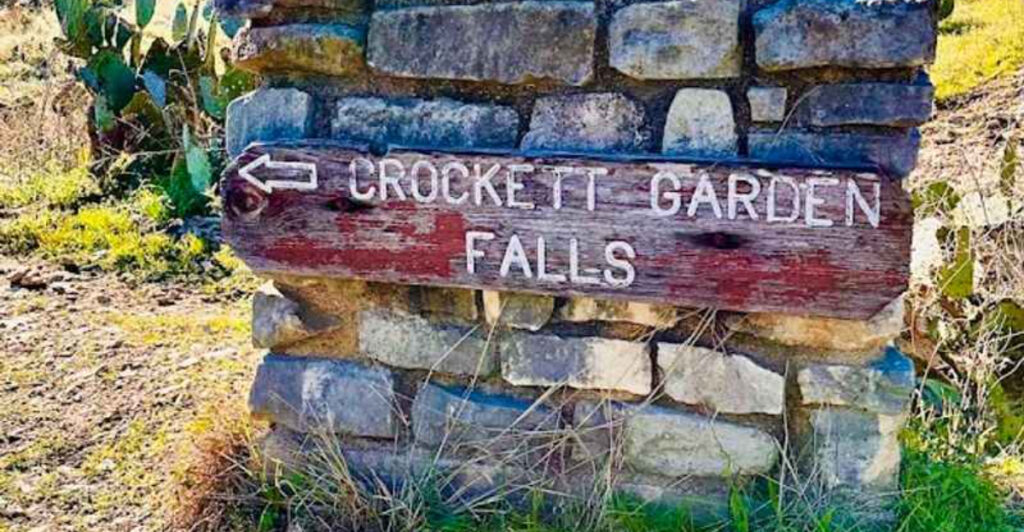
Nestled in Georgetown, Crockett Garden Falls is a hidden gem that outdoor lovers in Central Texas won’t want to miss. This stunning waterfall sits at the end of a rocky trail that winds along Lake Georgetown’s dramatic limestone cliffs, rewarding hikers with cool waters and breathtaking scenery. Whether you’re looking for a weekend adventure or a peaceful escape into nature, this hidden gem delivers an experience that’ll stick with you long after you’ve dried off.
1. Getting There Without Getting Lost
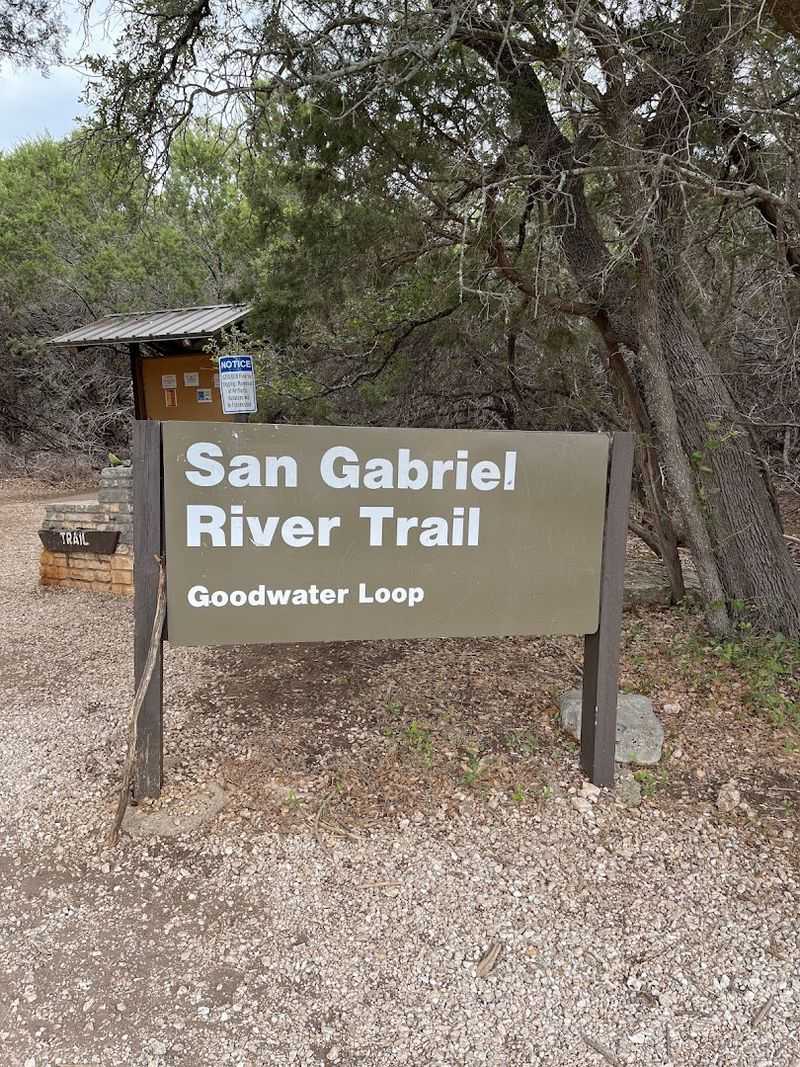
Most GPS systems will lead you astray when searching for Crockett Garden Falls, sending you to a blocked-off residential area that’ll leave you frustrated. The real entry point is Cedar Breaks Park on Cedar Drive, where you’ll find the actual trailhead that connects to the Good Water Loop Trail.
Parking costs five dollars for day use, paid through a QR code system at the entrance, though you can also purchase an annual pass for forty dollars if you plan on returning. Some visitors park outside the gate for free, but the convenience of closer parking is worth the small fee, especially after a long hike back.
Arrive before nine in the morning on weekends to snag a good spot and beat the crowds. The park opens at six AM, giving early birds plenty of time to hit the trail when temperatures are cooler and the light is perfect for photos.
Don’t bother looking for the Eagle Point Drive address from your GPS. That route no longer provides access, and locals know Cedar Breaks is the only reliable way in. Once you’re parked, the adventure truly begins at the clearly marked trailhead near the first parking area.
2. What the Trail Really Looks Like
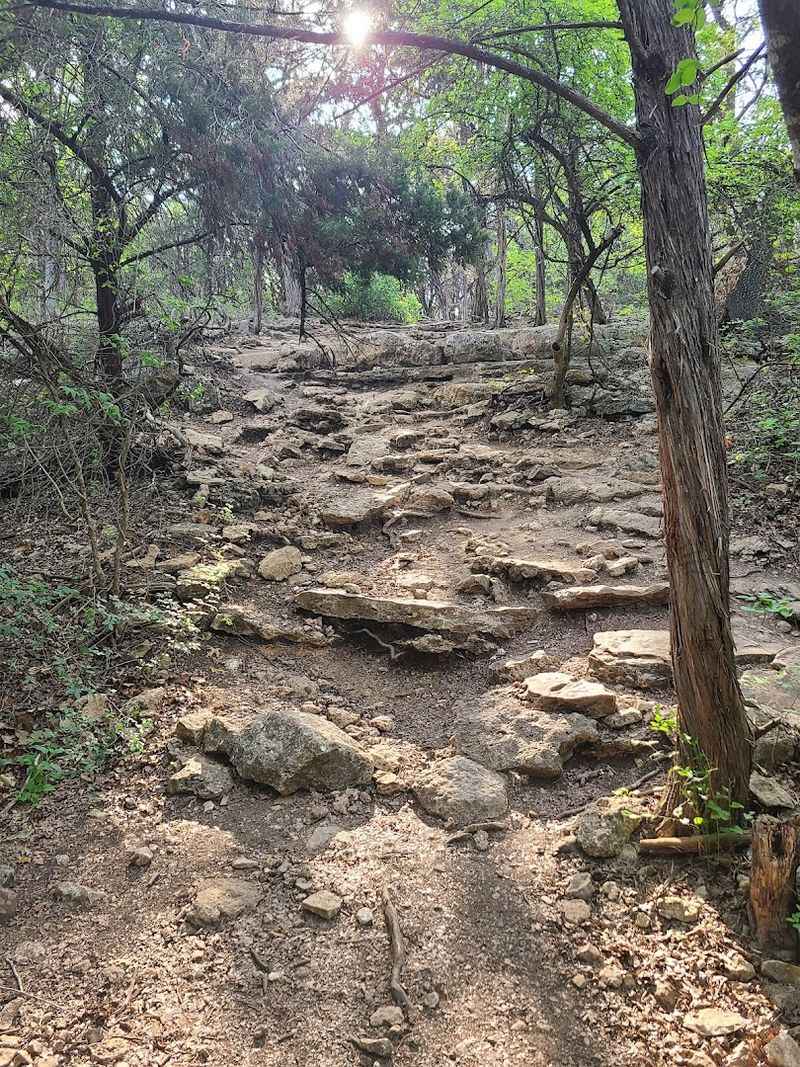
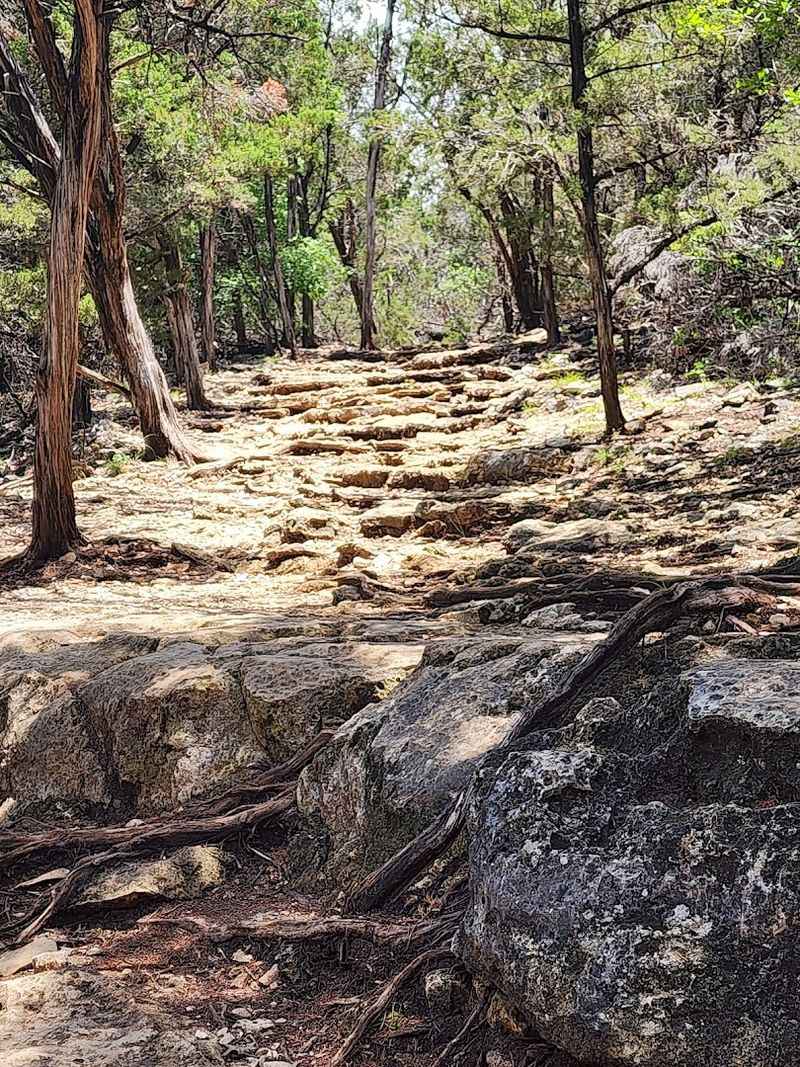
This isn’t your typical paved nature walk. The Good Water Loop Trail leading to Crockett Garden Falls covers roughly three miles one way, featuring loose gravel, sharp limestone outcroppings, and exposed roots that demand your attention with every step.
Thick-soled hiking boots are essential here, not optional. The jagged rocks will punish anyone attempting this trek in flimsy sneakers or sandals, and several reviewers mentioned checking their dogs’ paws repeatedly throughout the hike. The terrain shifts from loose gravel at the start to increasingly technical sections with boulders you’ll need to scramble over.
Trail markers are frustratingly scarce, which confuses many first-time visitors. Downloading the All Trails app before you go saves considerable headaches, as the path isn’t always obvious when multiple routes branch off. Keep following the main trail along the lake, and you’ll eventually spot signs pointing toward the falls.
After rain, the soil transforms into sticky, slippery mud that clings to everything and makes footing treacherous. Plan for a two to three-hour round trip at a moderate pace, longer if you’re stopping frequently for photos or bringing children. The lack of elevation gain makes it manageable for most fitness levels, though the distance and rocky surface bump it from easy to intermediate difficulty.
3. Jaw-Dropping Lake Views Along the Way
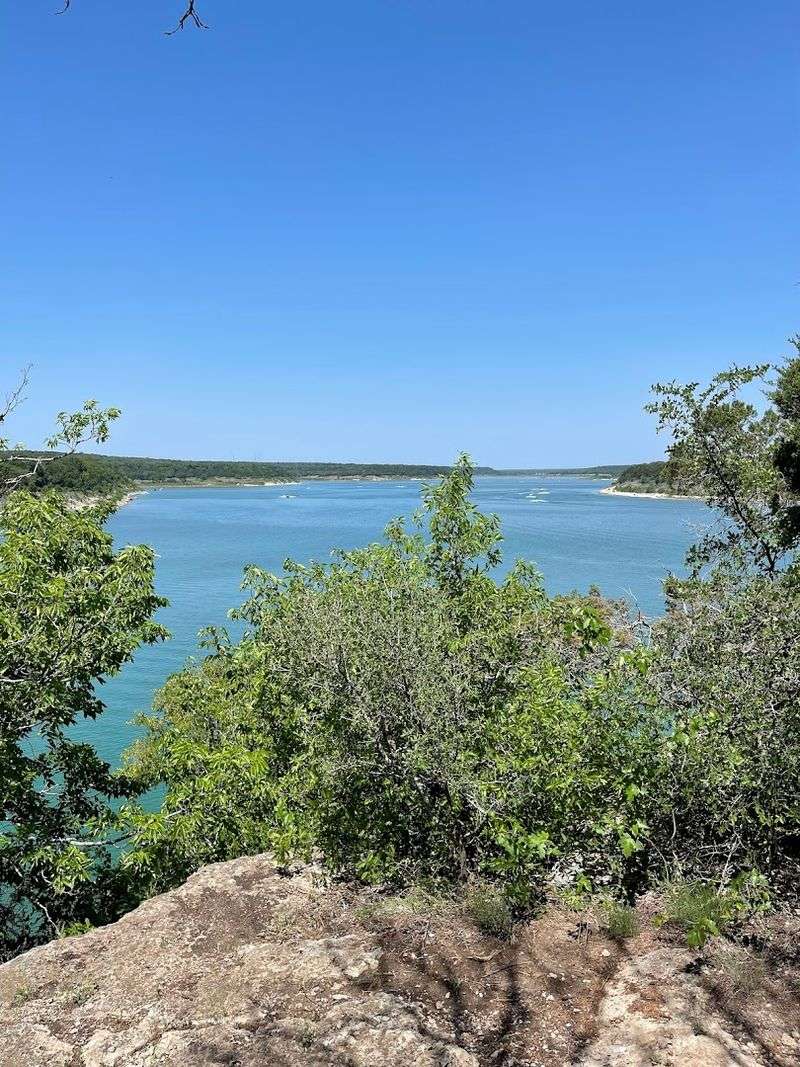
About a mile into your hike, the dense juniper forest opens up to reveal stunning overlooks of Lake Georgetown stretching out below. These eagle’s-eye perspectives from the limestone cliffs are worth the journey even if you never make it to the falls.
The ancient coral formations jutting from the rocks tell the story of when this entire area sat underwater millions of years ago. You’re literally walking on an ancient seabed, and the fossil-rich limestone creates a landscape unlike anything else in Texas. Bring your camera because these cliff-side vistas offer some of the most Instagram-worthy shots in the Georgetown area.
Multiple natural viewing platforms appear along the route where you can catch your breath and soak in the scenery. The contrast between the deep blue water, rugged cliffs, and green vegetation creates a visual feast that changes with the light throughout the day.
Some adventurous souls even paddleboard across the lake to reach the falls from the water side, which offers a completely different perspective. If you’re into water sports, this alternative route eliminates the rocky hike but requires launching from another park access point like Jim Hogg Park and navigating across open water.
4. The Waterfall Itself
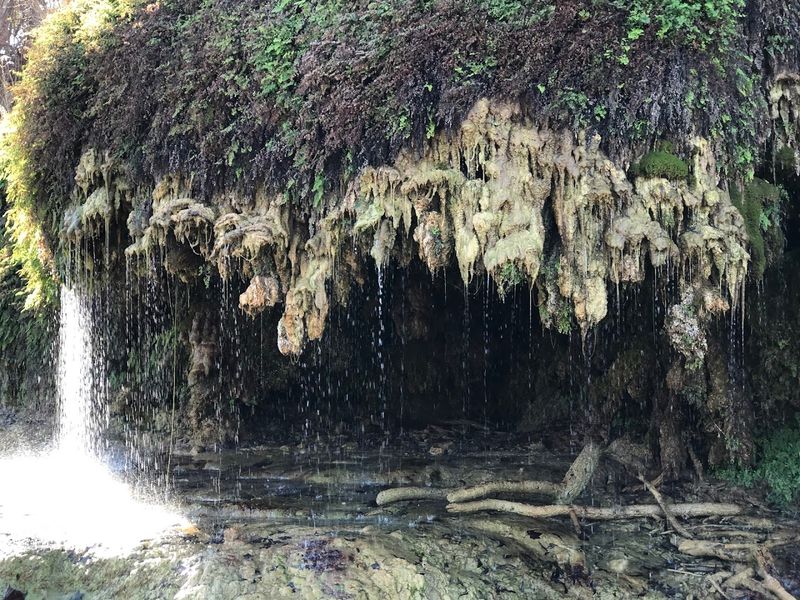
When you finally hear rushing water echoing through the trees, you’ll know you’ve arrived. Crockett Garden Falls tumbles over limestone formations into a clear, surprisingly warm pool that invites you to cool off after your dusty trek.
A winter storm a few years back caused part of the overhanging rock cave to collapse, changing the waterfall’s appearance from what you might see in older photos. The falls are smaller now and look different from the side rather than flowing through a dramatic cave opening, but the spot remains beautiful and absolutely worth visiting.
Water flow varies dramatically depending on recent rainfall. Visit after a good storm and you’ll witness a powerful cascade, while dry summer months can reduce it to a trickle. Check recent reviews or local hiking groups before making the trip if seeing substantial water flow matters to you.
The area around the falls stays about twenty degrees cooler than the surrounding air, with a refreshing breeze even on scorching hundred-degree days. Pack water shoes if you plan on wading in or getting close for photos, as the rocks are extremely slippery. Many visitors spend twenty minutes to an hour here, having lunch on the rocks or simply enjoying the peaceful sounds of falling water in this hidden oasis.
5. What to Pack for Success
Water tops the essential list for this adventure. There are zero water fountains or refill stations anywhere along the trail, and the Texas heat can be brutal even in spring and fall. Pack more than you think you’ll need, at least two liters per person for the round trip.
Sturdy hiking boots with good ankle support and thick soles protect your feet from the relentless rocky terrain. Tennis shoes might work in a pinch, but you’ll regret the choice when sharp limestone jabs through thin soles mile after mile. Some hikers also bring trekking poles for extra stability on the uneven surfaces.
Sunscreen and a hat provide crucial protection since much of the trail offers limited shade despite the juniper trees. A small first aid kit makes sense too, as the rocky path increases the chances of scrapes or twisted ankles.
Don’t forget extra plastic bags for carrying out your trash, as the park provides no garbage cans at the trailhead or along the route. Bring snacks or a packed lunch to enjoy at the falls, and consider water shoes if you want to explore the pool area safely. A portable phone charger ensures your GPS app keeps working if you rely on All Trails for navigation throughout the hike.
6. Best Times to Visit
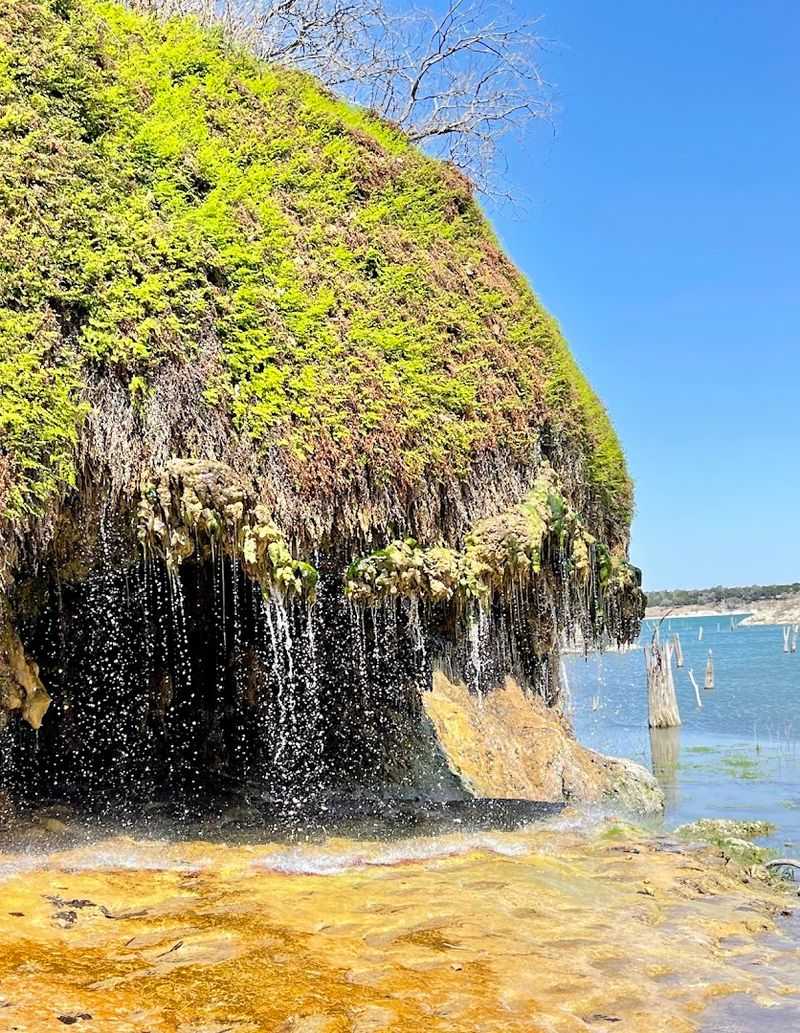
Early morning hours between six and nine AM offer the ideal window for experiencing Crockett Garden Falls. You’ll dodge the worst heat, encounter fewer crowds, and catch beautiful lighting for photography as the sun filters through the trees and illuminates the lake.
Weekdays stay significantly quieter than weekends when Georgetown locals and Austin day-trippers flood the trails. If your schedule allows, a Tuesday or Wednesday visit means you might have the falls nearly to yourself for that peaceful nature connection you’re seeking.
Spring and fall deliver the most comfortable temperatures for hiking, with wildflowers adding extra color in April and May. Summer visits are absolutely possible but require starting at dawn to avoid dangerous heat exposure on the exposed sections of trail.
Plan your trip within a few days after substantial rainfall if seeing the waterfall at full power matters to you. During drought conditions or late summer, the falls can slow to barely a trickle, though the hike and lake views remain worthwhile. Winter hiking works well too, with cooler temperatures making the distance more manageable, though you’ll want to check for ice on the rocks after freezing nights.
The park maintains the same six AM to ten PM hours year-round, giving you flexibility regardless of season.
7. Dog-Friendly Adventure
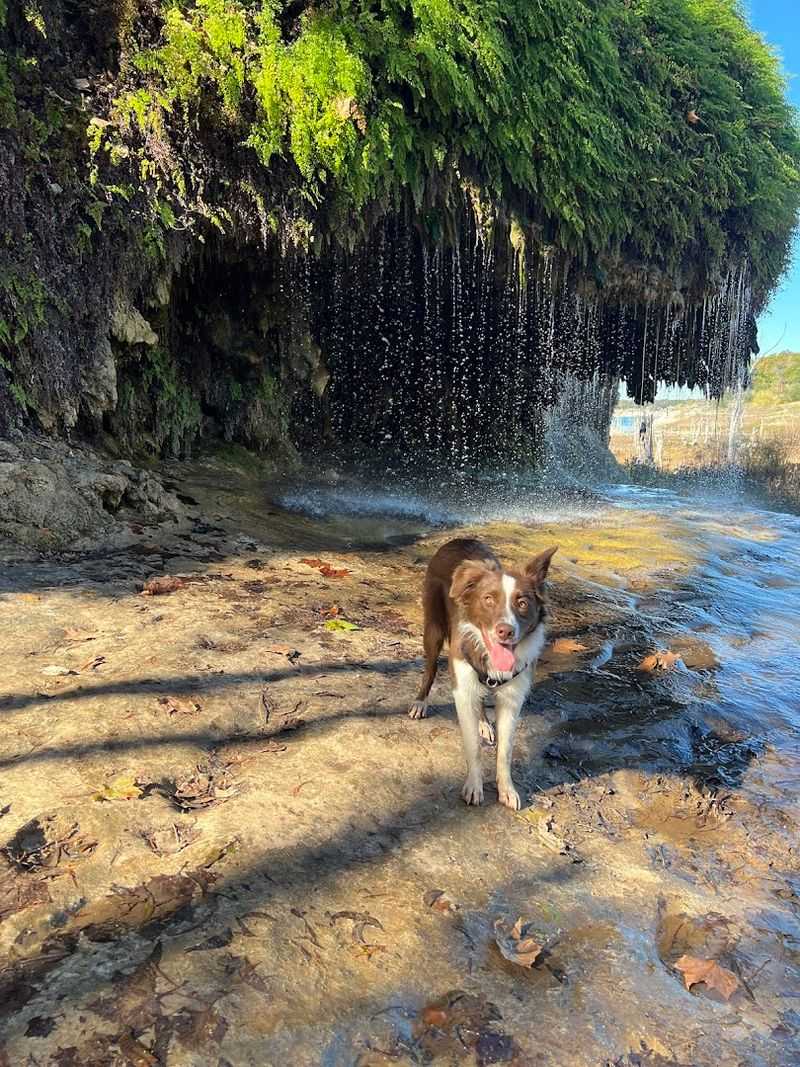
Four-legged hiking buddies are welcome at Crockett Garden Falls, though they must stay leashed throughout the entire trail. Many reviewers mentioned bringing their dogs and having wonderful experiences, though the rocky terrain presents some challenges for pups with sensitive paws.
Check your dog’s paw pads frequently during the hike, as the sharp limestone and hot rocks can cause cuts or burns. Some experienced dog owners bring protective booties for their pets or apply paw balm before starting the trek. The sticky mud after rainfall also clings to fur, so be prepared for a thorough bath when you get home.
Bring extra water specifically for your dog, as the three-mile distance in Texas heat can quickly lead to dehydration. Collapsible bowls make it easy to offer water breaks at the scenic overlooks along the way. The waterfall pool provides a perfect spot for dogs to cool off, and most pups love splashing in the refreshing water.
Be aware that there are no waste stations anywhere on the trail, so pack bags to carry out your dog’s waste. Keep your pet under control around other hikers and watch for wildlife, particularly snakes sunning themselves on rocks during warmer months. Despite the challenges, many dogs absolutely love this adventure, and their enthusiasm adds to the fun of exploring this hidden Texas gem together.
8. The No-Facilities Reality
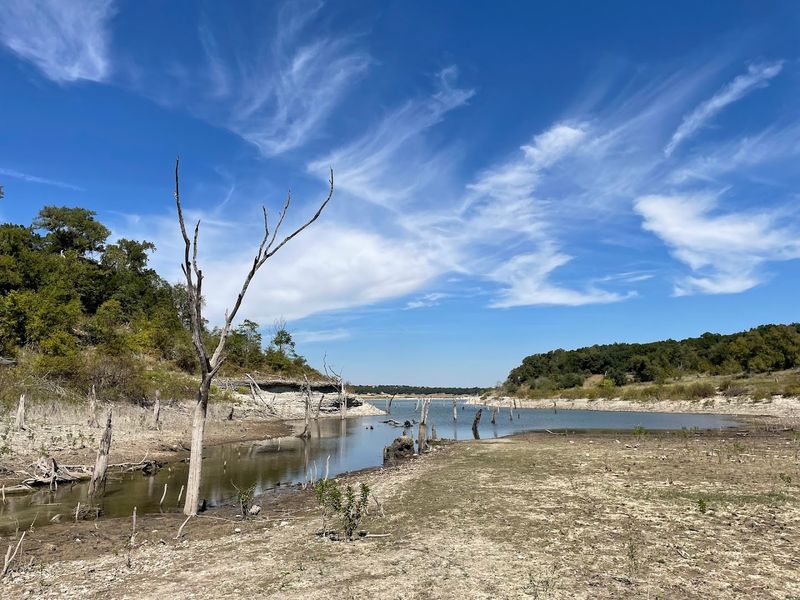
Here’s something many first-time visitors don’t realize until it’s too late: Crockett Garden Falls has absolutely zero facilities. No restrooms, no water fountains, no snack bars, no emergency phones. You’re genuinely out in nature here, which is part of the appeal but requires serious preparation.
Use the bathroom before leaving home or stop at a gas station in Georgetown, because once you’re on the trail, your only option is finding a private spot in the woods. This lack of amenities catches many families off guard, especially those with young children who didn’t plan ahead.
The parking area at Cedar Breaks offers nothing beyond a QR code payment station for the entry fee. Don’t expect rangers or staff to help with questions, medical emergencies, or directions. Cell service can be spotty in places, though most major carriers work well enough to use GPS apps.
This wilderness experience means taking full responsibility for your safety and comfort. Pack everything you might need including extra water, snacks, a basic first aid kit, and any medications. Let someone know your hiking plans and expected return time.
The isolation and natural setting create the magic of this place, but they also demand respect and preparation from visitors who want to enjoy it safely and comfortably.
9. Why It’s Worth Every Step
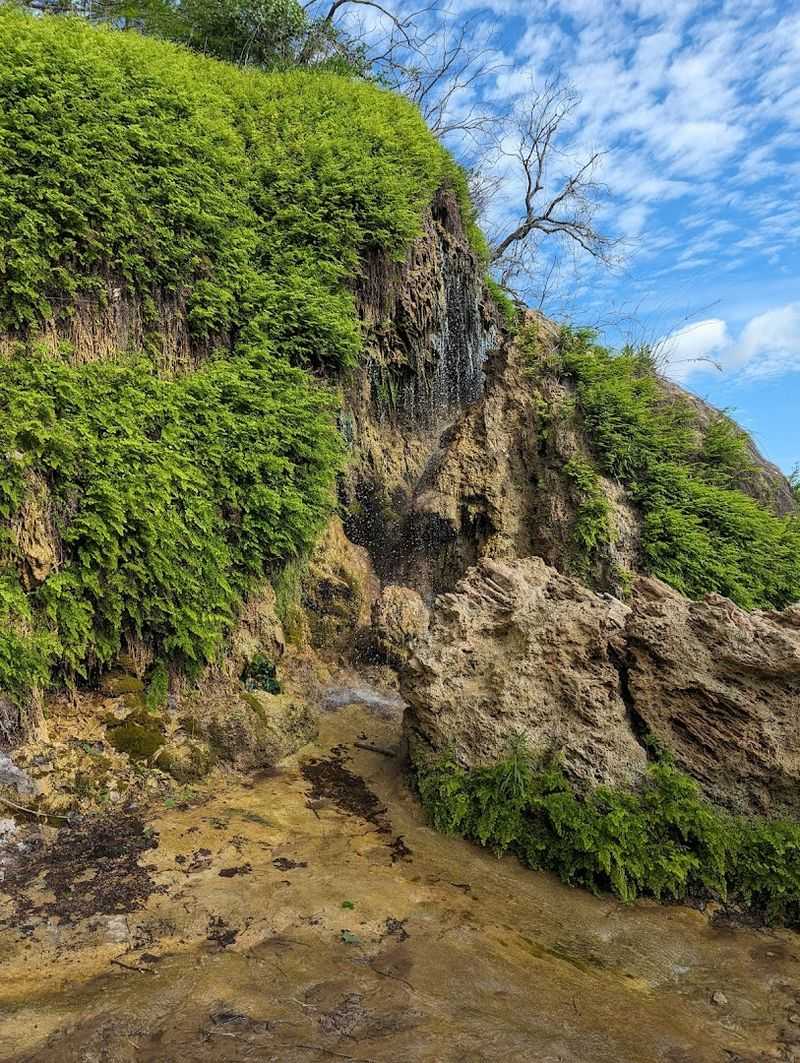
Despite the challenging terrain, lack of facilities, and confusing directions, Crockett Garden Falls delivers an authentic Texas Hill Country experience that’s increasingly rare near growing cities like Austin and Georgetown. You earn this waterfall through effort, which makes finally arriving feel like a genuine accomplishment.
The combination of dramatic lake views, ancient limestone formations, and the refreshing waterfall creates a complete outdoor package that appeals to photographers, nature lovers, and adventure seekers alike. Where else can you hike through fossil-rich terrain, stand atop stunning cliff overlooks, and cool off in a hidden waterfall all in one five-mile journey?
With a 4.4-star rating from one hundred fifty reviews, most visitors leave impressed despite the hike’s challenges. The peaceful atmosphere at the falls, where you can hear nothing but rushing water and birdsong, provides a mental reset that’s hard to find in our plugged-in world.
This hidden gem won’t stay secret forever as Georgetown continues growing, so visiting sooner rather than later means experiencing it before it becomes overcrowded. The journey tests your endurance and preparation, but standing beneath those falls after hiking three miles through rugged Texas terrain creates memories that last far longer than any easy roadside attraction ever could.
Share this story