History feels a lot more interesting when the old buildings are still full of everyday life. In Traverse City, Michigan, The Village at Grand Traverse Commons turns a striking historic property into a place where visitors can shop, eat, sip local wine, wander the grounds, and learn about the underground tunnels beneath the site.
The appeal comes from that unusual mix of grand architecture and modern energy, where the past feels present without making the experience feel like a museum visit. Every corner seems to add another layer to the story.
For anyone who likes Michigan stops with history, food, shopping, and a little mystery, this one deserves a closer look.
A Former Hospital With a Striking New Life
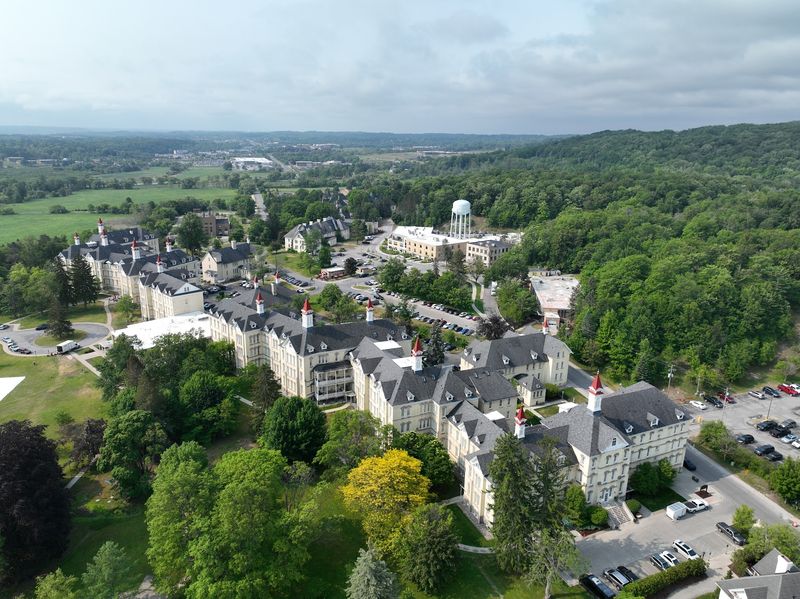
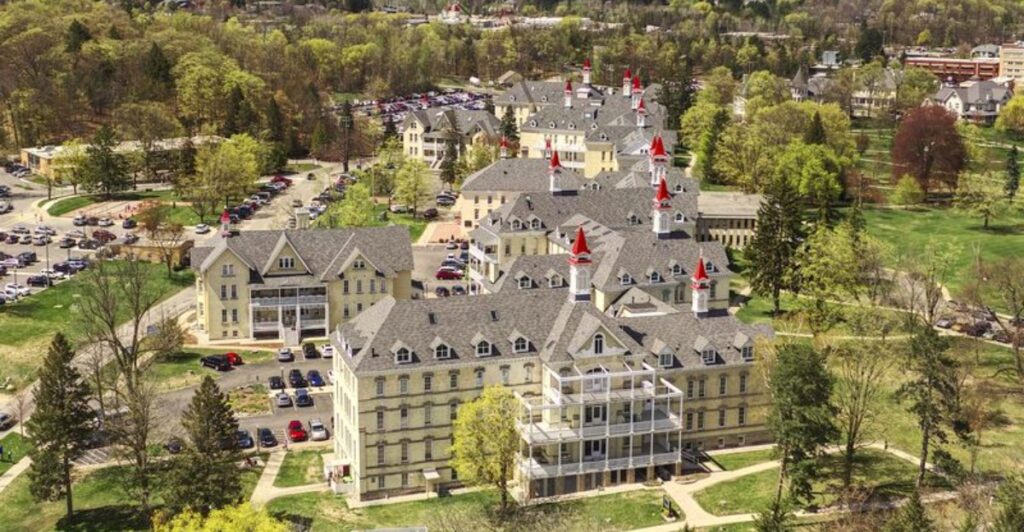
Long before you notice the stores, the building itself takes over the scene. The Village at Grand Traverse Commons sits inside the former Traverse City State Hospital, and its long brick facades, high windows, and wide grounds give the place a scale that feels different from an ordinary shopping center.
That history matters because the setting shapes everything you do here. Instead of walking into a modern strip mall, you move through a landmark where the architecture is part of the experience, and the old hospital layout still tells part of the story.
The property began in the late 1800s, and the buildings still carry that older design with a serious, almost stately look. Yet the present-day use is much lighter, with restaurants, boutiques, offices, and public spaces turning a once institutional site into a busy local destination.
You can sense that change most clearly in the contrast between the outside and inside. One moment you are looking at historic brick walls and broad lawns, and the next you are stepping into spaces filled with coffee, gifts, food, and people meeting up for the afternoon.
Not every restored historic site manages that shift well, but this one is easy to understand once you are there. The old structure gives the Village its identity, while the current mix of businesses makes it useful instead of frozen in time.
If you are visiting for the first time, slow down before rushing into the shops. Walk the grounds, look up at the rooflines, and notice how large the complex really is, because the size helps explain why this place stands apart from so many other stops around Traverse City.
Shops Inside Hallways That Already Tell a Story
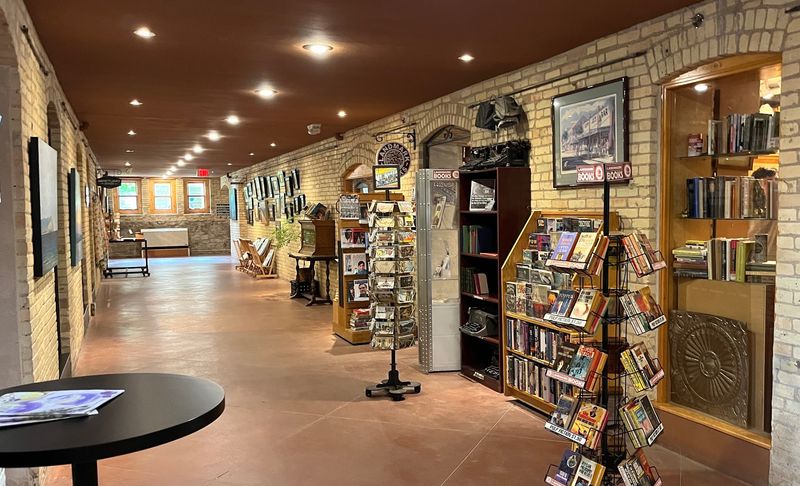
Shopping here starts with the setting before it starts with a purchase. At The Village at Grand Traverse Commons, the stores sit inside a restored historic complex, so even a quick browse feels more like exploring than running errands.
The most appealing part is the mix of small businesses tucked into a place with real age and character. You are not just moving from one storefront to the next.
You are walking halls and rooms that carry visible reminders of the building’s earlier life.
That creates a slower pace than many shopping areas. It encourages wandering, peeking into shops you did not plan to enter, and noticing details like old doors, tall ceilings, long corridors, and windows that pull in natural light.
Because the Village is known for cute shops and gift-worthy finds, it works especially well if you enjoy local browsing rather than chain retail. You can spend an afternoon moving between items for home, specialty goods, treats, and small souvenirs without feeling rushed.
There is also a practical bonus to that layout. If one person in your group wants to shop while another wants coffee or a meal, the complex makes that easy, so the stop can suit different moods at the same time.
A smart way to visit is to leave room for surprises instead of arriving with a strict list. Some of the most fun here comes from turning a corner and spotting a shop you did not expect inside such a historic building.
If you usually get bored in standard retail spaces, this place changes the rhythm. The shops matter, of course, but the larger pleasure comes from how the shopping is woven into the bones of a site that already has a strong personality.
Wine in a Place Better Known for Brick and History
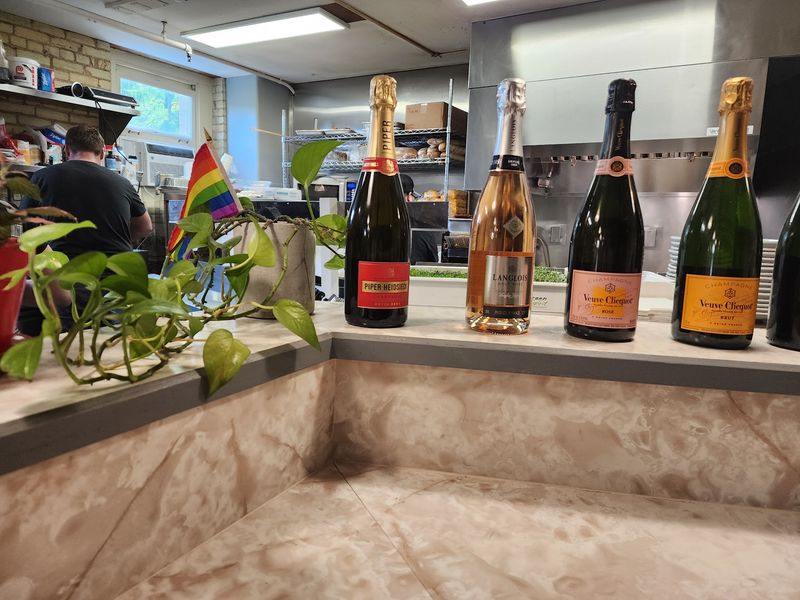
Wine may be one of the most surprising parts of the Village experience. The building’s old hospital past sounds serious and heavy, so finding spaces connected to tasting and dining adds a very different layer to the visit.
That contrast is exactly why the place stands out. Traverse City is well known for food and drink, and The Village folds into that local culture by giving wine and other stops a setting that feels older, bigger, and more textured than a typical tasting room district.
Instead of treating wine as a separate attraction somewhere else in town, the property lets it become part of a larger outing. You can browse, sit down for a meal, and work in a relaxed drink break without ever feeling like you have left the historic setting behind.
Some tours connected to the site have also included stops at winery or brewery spaces, which shows how naturally food and drink fit into the Commons now. Even if you do not book a tour, the dining side of the property still gives the place an easy social energy.
For travelers, that matters in a simple way. You do not need to organize the day around only one activity.
History lovers, shoppers, and people who just want a good lunch or glass of wine can all enjoy the same stop together.
If you are planning a slower afternoon, this is where the Village really works in your favor. Walk the grounds first, poke around the shops, then settle in for a drink once you have taken in the scale of the property.
Seen that way, the wine is not a random extra. It helps turn the old hospital campus into a full experience, one where restoration is not just about saving walls, but about giving the place a lively everyday use.
Cold Corridors Below Ground Steal the Spotlight
Few parts of the Village spark curiosity faster than the underground tunnels. Hidden below the more polished shops and dining spaces, they reveal a side of the old hospital that most visitors would never understand from the surface alone.
These passageways are a major reason guided tours are such a draw here. The tunnels were tied to the functioning of the larger institution, and stepping into them gives the history a physical, almost immediate quality that plaques and hallway photos cannot match.
The mood changes quickly once you head down. Light drops, temperatures can feel cooler, and the space becomes more industrial than decorative, which makes the contrast with the restored public areas above even sharper.
That underground section is also one of the clearest reminders that this was once a working campus, not a building designed for leisure. You start to see the property less as a collection of shops and more as a complex system with layers, infrastructure, and routines that supported daily life.
Several visitors describe the tunnel portion as a favorite part of their tour, and it is easy to understand why. It adds a little adventure without turning the experience into a gimmick, and it anchors the history in a real, walkable place.
If the tunnels interest you most, booking ahead is the smart move because general wandering around the Village will not give you the same access or explanation. A guide can connect the spaces to the wider story of the hospital and point out details you might otherwise miss.
Above ground, the complex feels open and social. Below ground, it turns quiet, practical, and a little eerie in the best possible way, giving the Commons one of its strongest and most unusual features.
Why Michigan History Hits Harder Here
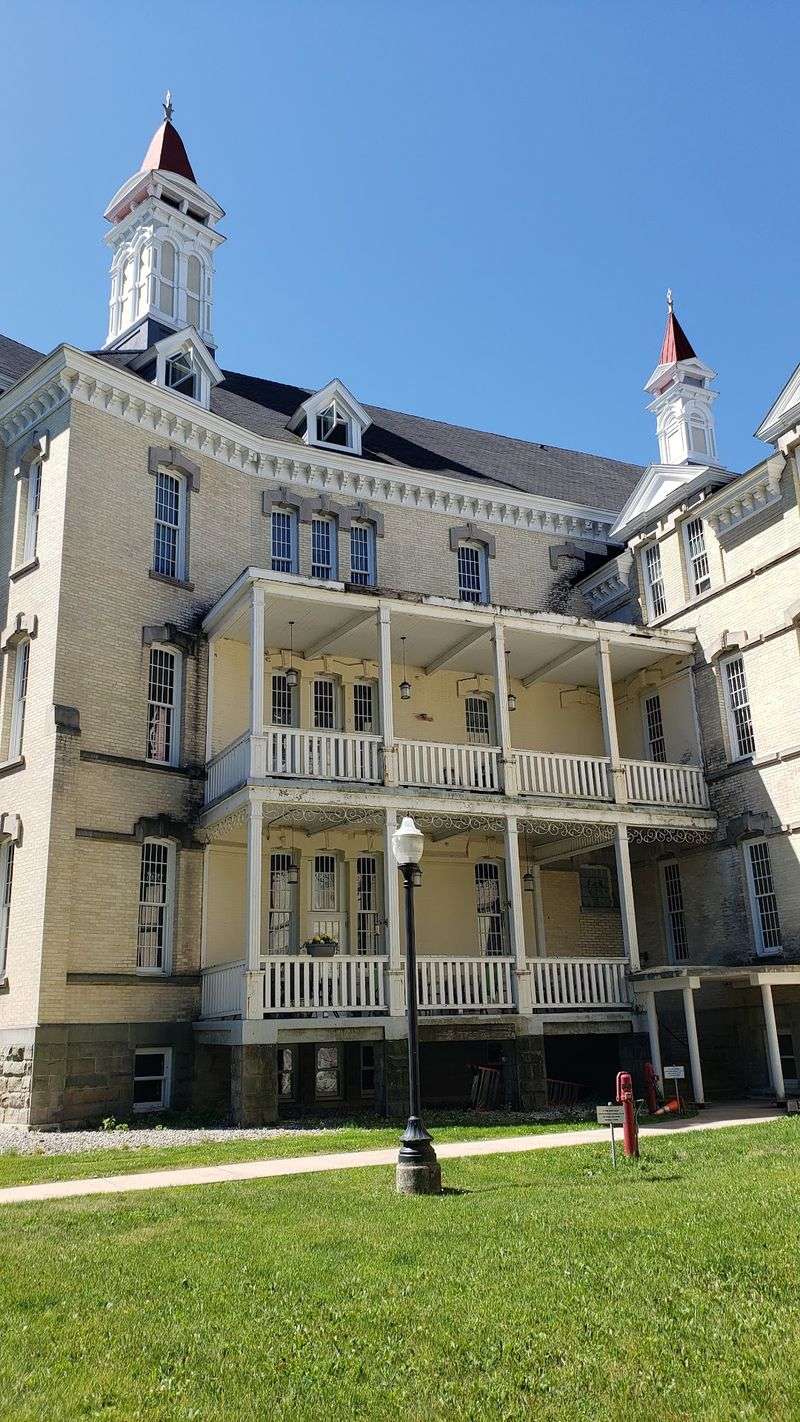
Some places hand you history in a neat little summary and call it a day. The Village at Grand Traverse Commons asks for a little more attention, because its past as a state hospital brings up architecture, medical history, community memory, and big questions about how old institutions are remembered.
That fuller context is part of what makes the site important in Michigan. The buildings are visually impressive on their own, but the property means more once you understand that it served a very different purpose long before it became a shopping and dining destination.
Tours appear to be the best way to grasp that complexity. Guides are often praised for being detailed and well prepared, and the most useful tours do more than point at old walls.
They connect the buildings to the people who lived, worked, and moved through them over time.
Some local stories run especially deep here, which gives the history extra weight. Families in the region still have personal links to the hospital, and that community connection keeps the place from becoming just another restored landmark with a polished surface and no depth.
At the same time, the Village shows how preservation can keep a site active rather than abandoned. The key is not pretending the past was simple.
It is allowing the old structure to remain visible while giving the property a new role in present-day Traverse City.
If you care about architecture, the visit delivers. If you care about local history, it offers even more.
The strongest approach is to make space for both, because looking only at the pretty exterior misses the reason the complex matters in the first place.
Among Michigan destinations, few combine such a large historic setting with such an active second life, and that tension is exactly what gives the Commons its staying power.
How to Experience the Grounds Without Feeling Rushed
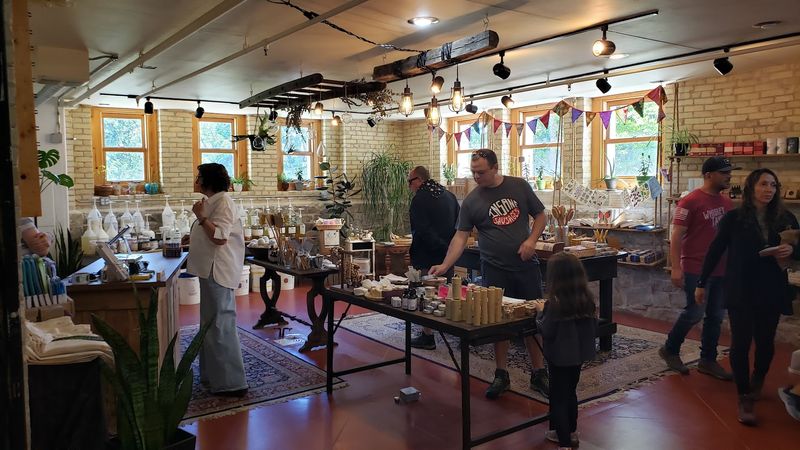
A rushed visit can flatten this place into a quick shopping stop, and that misses half the point. The Village at Grand Traverse Commons works best when you treat it like a small district to explore, not a single building to check off.
Start outside if the weather cooperates. The scale of the grounds helps you understand the former hospital campus, and a slow walk lets you take in the long buildings, open space, and the way the property sits apart from denser parts of town.
After that, move indoors without a fixed plan. Browse a few shops, pause for coffee, and let the architecture guide you as much as your shopping list.
The old layout naturally encourages wandering, and that is where the visit starts to feel rewarding instead of mechanical.
If history is your main reason for coming, build your day around a guided tour rather than squeezing one in at the end. The tour adds structure, fills in the background, and opens access to areas you will not understand fully on your own, especially the tunnels and less public sections.
Weekends can bring more activity, and a farmers market has been a plus for some visitors on Saturdays. That can make the Village feel more lively, though it may also mean more people around popular areas and tours.
Hours are fairly straightforward, with most days running from morning to early evening and shorter hours on Sunday. Because individual businesses may vary, arriving earlier in the day is a safe choice if you want time for shopping, food, and a walk without feeling pressed.
The best plan is simple: give yourself an afternoon, wear comfortable shoes, and leave room for both history and browsing. The Commons rewards curiosity far more than speed.
More Than a Curiosity, It Functions Like a Real Traverse City Hub
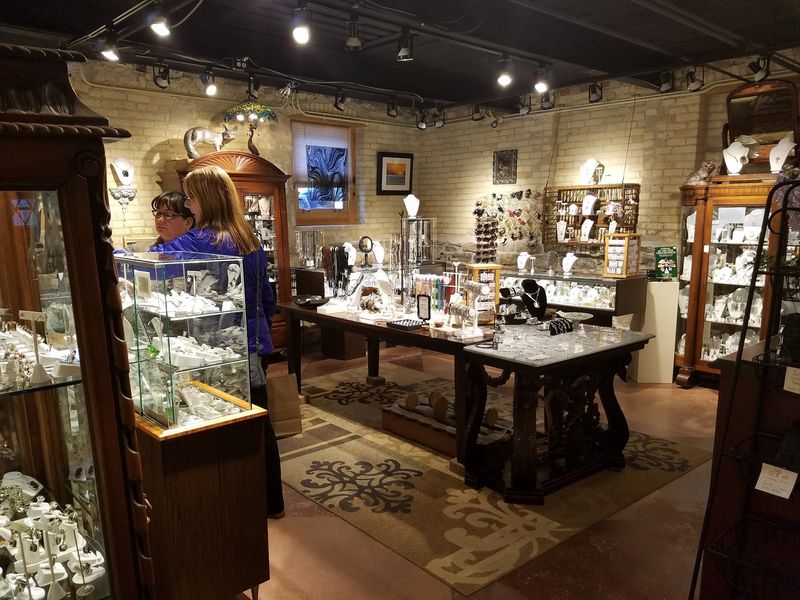
The clever part of the Village is not just that an old hospital was saved. It is that the property now works as a real part of Traverse City life instead of standing as a museum piece that people admire once and rarely use again.
You can see that in the range of activity packed into one address. There are places to eat, spots to shop, tours that dig into the history, and enough open space around the buildings to make the whole area feel like a destination rather than a single errand stop.
That practical usefulness gives the restoration staying power. Historic preservation often sounds abstract until you find a place where old walls now support everyday routines like lunch plans, weekend strolling, gift hunting, or meeting up with friends.
The Village also benefits from being broad in appeal without becoming bland. A history-focused traveler can spend time on the architecture and guided tours.
Someone else can come mainly for food, coffee, or browsing and still leave with a better sense of the site’s unusual past.
Even the address helps frame its role. Set on West Eleventh Street, the complex has enough room to feel separate from downtown while still being closely tied to the Traverse City experience.
That makes it easy to recommend to first-time visitors and locals who want a change of pace.
If you only know it by the title topic of hospital, shops, wine, and tunnels, the place may sound almost too mixed to make sense. In person, the opposite happens.
The parts support each other, and each one gives you a different entry point into the property.
Plenty of destinations offer history. Plenty offer shopping and food.
Very few combine them on this scale, in buildings this distinctive, with underground tunnels below and modern daily life moving steadily above.
Share this story