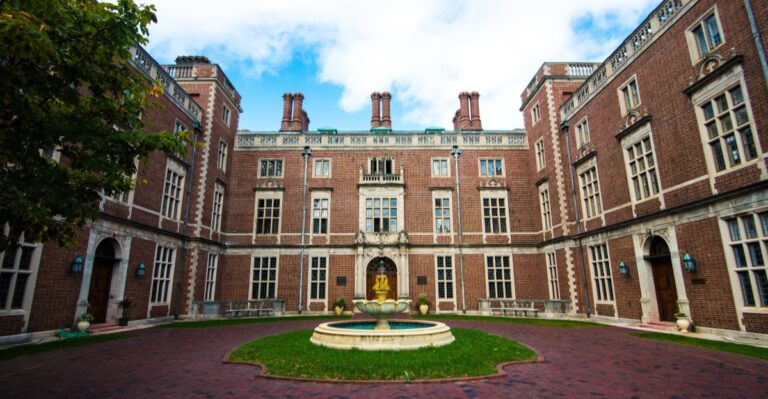
At Columbus Circle, the Museum of Arts and Design feels like one of those New York places that quietly rewires the way you look at creativity, because behind its sleek presence is a story of transformation, experimentation, and a museum experience that is far more intimate than the city’s blockbuster giants.
What pulls you in is not just the art on the walls, but the way the whole building seems to blur the lines between craft, performance, design, storytelling, and everyday objects, making a visit feel less like checking off galleries and more like stepping into a living conversation about how people make meaning with their hands and imagination.
If you have ever wanted a museum where jewelry, ceramics, digital installations, artist studios, and smartly staged exhibitions can all coexist without feeling crowded or pretentious, this is the kind of place that rewards curiosity at every turn.
From its manageable size and thoughtful curation to the exceptional shop, welcoming staff, and creative energy visitors keep talking about, the Museum of Arts and Design proves that a smaller museum can still leave you with the biggest afterglow.
1. A Columbus Circle Landmark With a Reinvented Identity
The Museum of Arts and Design sits at 2 Columbus Circle, and before you even enter, the address carries real New York mystique.
This corner has lived many cultural lives, which makes the museum feel especially fitting in a city that constantly reinvents itself.
When you arrive here, you are not just heading into another gallery stop; you are stepping into a place that understands transformation as part of its identity.
What makes MAD memorable is how naturally it connects history with contemporary creativity.
The building feels polished and modern, yet the experience inside keeps circling back to handmade processes, inventive materials, and the human urge to make beautiful, surprising things.
That balance gives the museum a personality all its own, especially in a neighborhood better known for shopping, traffic, and postcard views of Central Park.
I think that contrast is part of the appeal.
You can come from the noise of Midtown and quickly find yourself slowing down in front of ceramics, jewelry, furniture, or immersive installations that ask you to look closer.
Instead of overwhelming you with endless wings and marathon walking, MAD offers a more focused kind of wonder.
It feels approachable, but never small-minded.
The museum shows how a centrally located Manhattan building can become a creative refuge, where design is not treated as decoration alone, but as a serious and joyful way of understanding modern life.
2. Why This Museum Feels Different From Bigger NYC Institutions
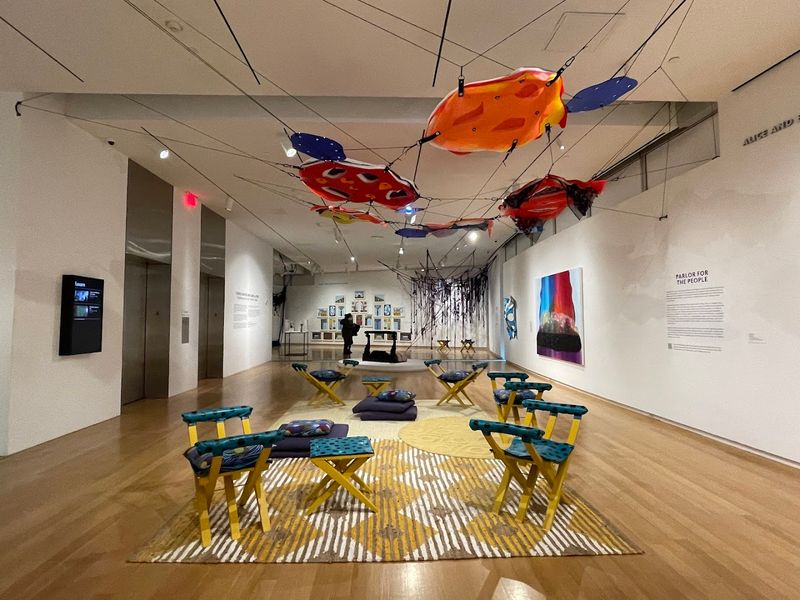
One of the first things you notice about the Museum of Arts and Design is that it does not try to compete with New York’s biggest museums on scale.
Instead, it leans into intimacy, and that choice works in its favor.
If you have ever felt exhausted by enormous institutions where you need a strategy, a map, and a snack break just to finish one wing, MAD can feel like a reset.
Visitors mention this again and again: the museum is manageable, calm, and full of breathing room.
That matters more than you might think, because design-centered exhibitions often deserve slower looking.
At MAD, you can actually give your attention to details like texture, construction, color, and material without feeling pushed along by crowds.
The smaller footprint also creates a more personal relationship with the exhibitions.
Each floor tends to feel like a carefully composed chapter instead of part of a giant cultural avalanche.
You are not rushing past masterpieces because there are fifty more rooms ahead, and that makes the whole experience more reflective.
I would call it small but concentrated.
The ideas here linger because the museum lets them.
Whether you have one hour or an unhurried afternoon, MAD makes a strong case that a museum does not need to be massive to be memorable, especially when the curation is sharp and the creative vision stays focused from entrance to exit.
3. Exhibitions That Turn Craft Into Conversation
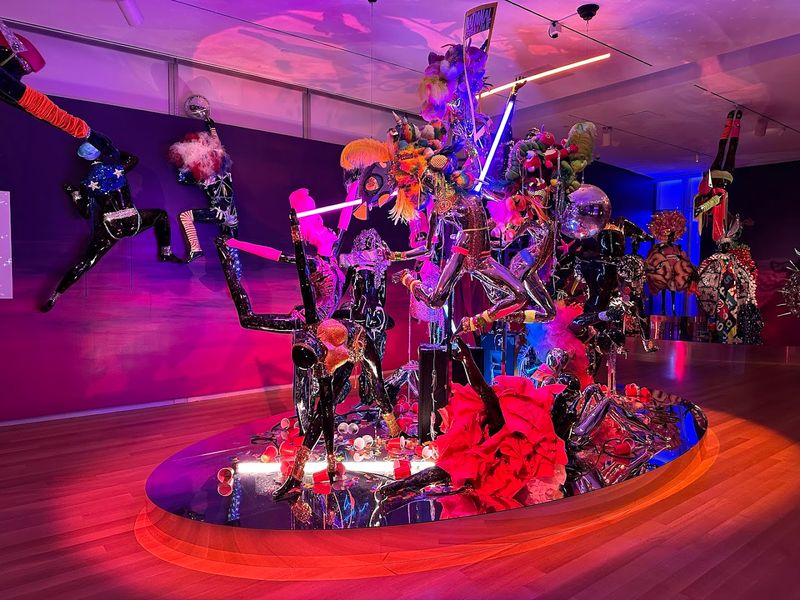
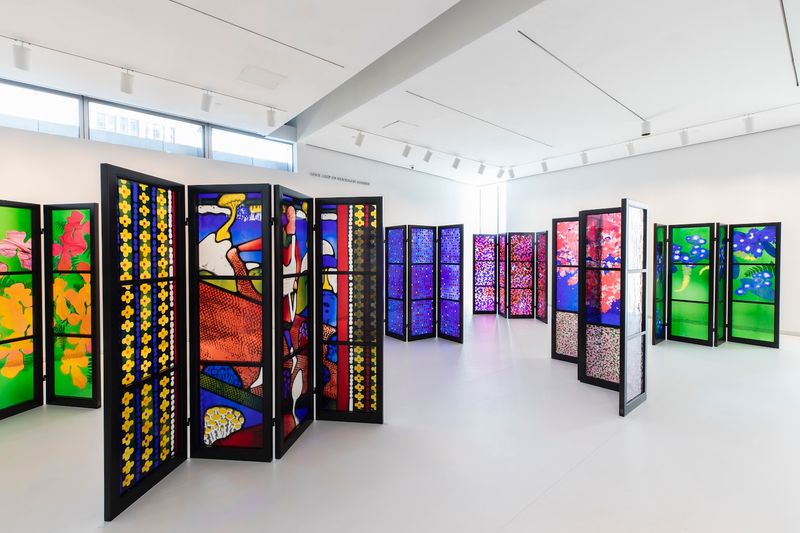
MAD’s exhibitions stand out because they treat craft, design, and contemporary art as active forms of conversation rather than separate categories.
You might see ceramics, jewelry, furniture, fashion, or digital work presented with the same seriousness usually reserved for painting and sculpture.
That approach gives the museum its own intellectual spark, and it invites you to think about how objects shape everyday life.
Past visitors have praised exhibitions that were interactive, emotionally resonant, or simply unexpected, from pop culture-themed shows to deeply material-focused installations.
That variety is a big part of the fun.
You never get the sense that the museum is locked into one narrow definition of what design should be.
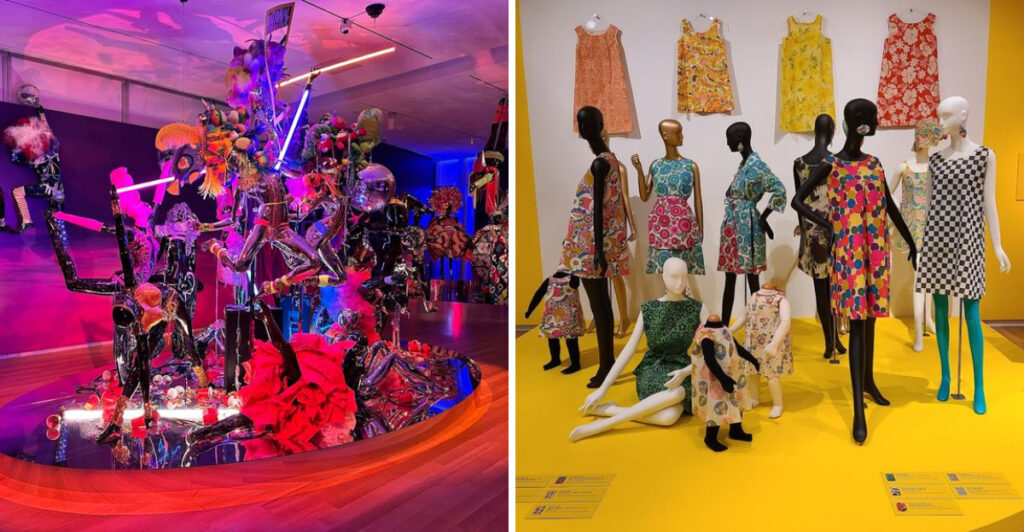
The curation often uses staging, lighting, mannequins, projections, and room-scale arrangements to create immersive visual worlds.
Instead of placing objects in isolation, MAD tends to build context around them, which helps each piece feel alive.
Even when an exhibition is experimental, the presentation usually gives you enough to engage with it on your own terms.
That openness is important because not every visitor arrives with the same background in art or design.
Here, you can be a collector, a student, a curious tourist, or someone who just wandered in from Columbus Circle and still find a way in.
The museum’s best shows do not lecture you – they pull you closer, then let the materials and ideas start talking.
4. The Rare Thrill of Seeing Artists at Work

One of the most distinctive parts of visiting the Museum of Arts and Design is the chance to encounter artists in working studios.
Several visitors describe this as the moment that changed the whole feel of the museum for them.
Seeing art where it is being made, not just where it is displayed, adds a kind of immediacy that many museum visits never quite reach.
There is something quietly powerful about watching an artist focus on process, tools, and experimentation in real time.
It reminds you that design is not just a finished object under perfect lighting.
It is labor, revision, risk, and patience, all unfolding behind the scenes and sometimes right in front of you.
That experience also softens the distance people often feel in museums.
Instead of viewing creativity as something sealed off from ordinary life, you get a glimpse of it as an active practice.
If the artist is available to talk, the encounter can become even more memorable, because a conversation about materials or method suddenly turns an abstract appreciation into a personal connection.
I love that MAD makes room for this kind of encounter.
It reinforces the museum’s larger mission by honoring makers, not just objects.
In a city where so much culture can feel polished and finalized, these studio moments bring back the unfinished, searching energy of creation, and that may be the most inspiring thing you take home with you.
5. A Museum Experience That Rewards Curiosity, Not Speed
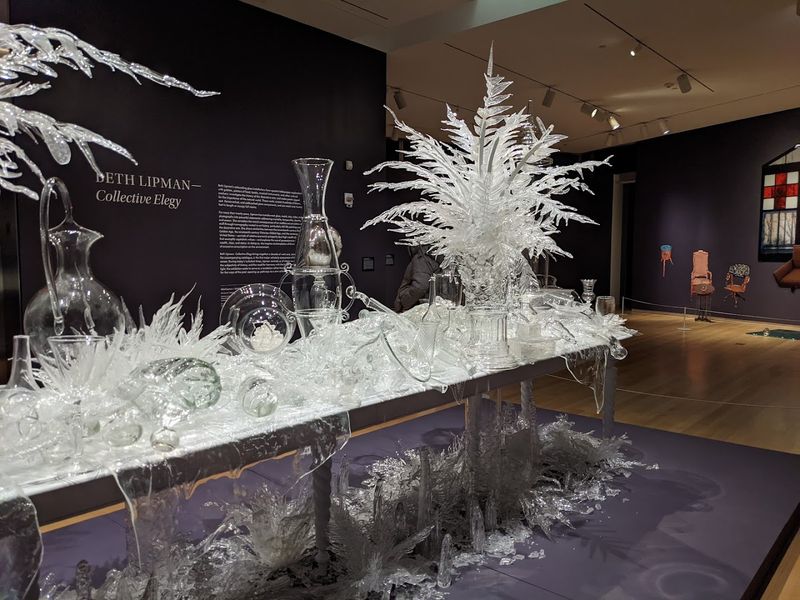
MAD is the kind of museum that works best when you give yourself permission to wander a little slower.
Because it is not enormous, you can resist the usual New York instinct to hurry through everything.
That shift in pace makes a difference, especially in a museum centered on objects whose meaning often lives in fine detail, technique, and material intelligence.
Visitors frequently mention that the galleries are well organized and easy to navigate.
You do not need a complicated route, and you are unlikely to feel lost or overloaded.
Instead, each floor unfolds in a way that encourages attention, whether you are drawn to experimental installations, carefully made functional art, or exhibitions that mix visual storytelling with hands-on creativity.
Some guests have stumbled upon interactive elements like drawing or coloring activities, while others were surprised by how emotionally involving certain exhibitions became.
That range keeps the museum fresh.
It also means your experience may be shaped as much by your curiosity as by the checklist of what is on view.
If you tend to leave bigger museums feeling like you missed half of what mattered, MAD offers a welcome alternative.
You can genuinely see the whole museum in a visit, but still feel intellectually engaged instead of underwhelmed.
It proves that depth does not always come from scale.
Sometimes it comes from a museum, knowing exactly how much space an idea needs to breathe.
6. What Visitors Love Most: Space, Staff, and Surprise

Reading through visitor impressions of the Museum of Arts and Design, a few themes appear over and over: friendly staff, well-curated galleries, and the pleasant surprise of discovering how much the museum offers within a relatively compact space.
Those details may sound small at first, but together they shape the entire tone of a visit.
A museum can have brilliant work on display and still feel cold, confusing, or rushed.
MAD usually earns praise for feeling welcoming instead.
That starts right at the front.
Helpful guidance about which levels are open, what exhibitions are on view, and where to find key spaces can make the visit feel easier from the beginning.
In a city where cultural institutions can sometimes feel intimidating, there is real value in a place that meets your curiosity with warmth.
The surprise factor matters too.
Many people seem to arrive expecting a quick stop, then leave impressed by the museum’s atmosphere, creativity, or a specific exhibition that stayed with them.
Some mention not being overwhelmed, which is almost a luxury in New York.
Others appreciate that the displays have room to breathe, allowing each installation to land with more impact.
Even mixed reviews often admit the museum has strengths, whether that is the setting, a memorable object, or the quality of the store.
That consistency tells you something.
MAD may not try to be everything, but when it clicks, it gives visitors an experience that feels personal, thoughtful, and unexpectedly rich.
7. The Gift Shop Is More Than an Afterthought
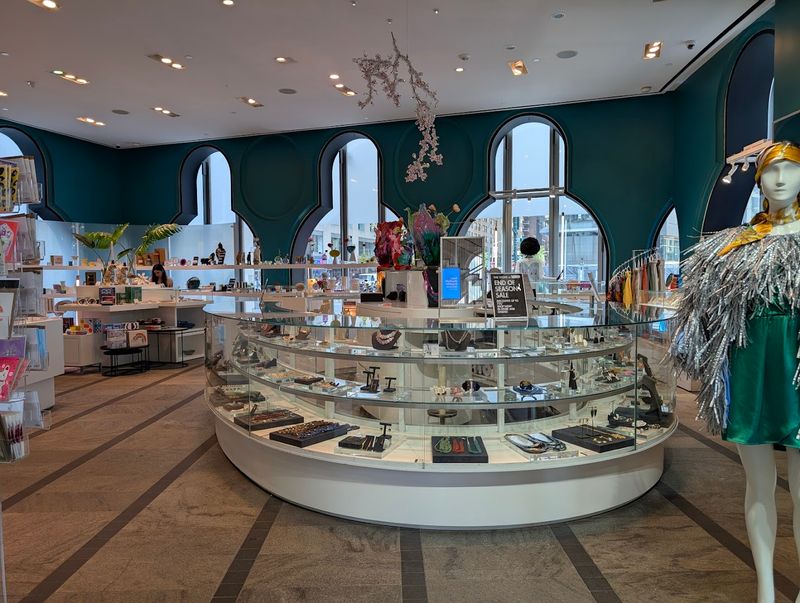
It is not every day that a museum gift shop becomes one of the most praised parts of the visit, but at the Museum of Arts and Design, that happens often.
People who normally skip museum stores go out of their way to mention this one.
That alone tells you it is not stocked with generic souvenirs and forgettable trinkets.
The shop feels like an extension of the museum’s mission.
Instead of treating design as something distant and untouchable, it lets you see how creativity can live in objects you might actually bring into your life.
Jewelry, books, home pieces, playful gifts, and artist-made items turn the post-gallery browse into one more curated experience rather than a commercial footnote.
I think that matters because MAD is a museum devoted to the overlap between art, craft, and function.
A strong store tangibly reinforces those themes.
You leave not only inspired by what was on the walls, but also reminded that good design can be intimate, useful, and part of a daily ritual.
Visitors have compared the shop favorably to other major New York museum stores, and that is not faint praise.
If you are looking for a thoughtful gift or just want to treat yourself to something with more character than a postcard, this is one of the best reasons to linger a little longer.
At MAD, even the shopping feels like part of the creative journey.
8. Planning Your Visit: Hours, Value, and Best Expectations

If you are planning a visit to the Museum of Arts and Design, it helps to know exactly what kind of experience you are booking.
This is a smaller museum with a focused identity, not an all-day encyclopedic institution.
Once you set that expectation, the value becomes easier to appreciate, especially if you love contemporary craft, inventive design, and exhibitions that change often.
The museum is located at 2 Columbus Circle and is generally open Tuesday, Wednesday, Friday, Saturday, and Sunday from 10 AM to 6 PM, with extended Thursday hours from 12 PM to 8 PM.
Monday is closed.
That Thursday window is especially useful if you want a later cultural outing in Midtown or plan to pair the visit with the neighborhood afterward.
Some guests note that admission can feel steep if they compare it strictly by square footage to giant museums.
That is fair, but size is not the strongest measure here.
The better question is whether the exhibitions, intimacy, and design focus match your interests, and for many visitors, they absolutely do.
I would recommend giving yourself at least one to two hours, more if you like reading labels closely or exploring the shop afterward.
Go in expecting thoughtful curation, unusual objects, and a less crowded environment.
If that sounds like your kind of museum day, MAD is likely to feel worth both your time and your ticket.
9. Why MAD Leaves Such a Lasting Impression
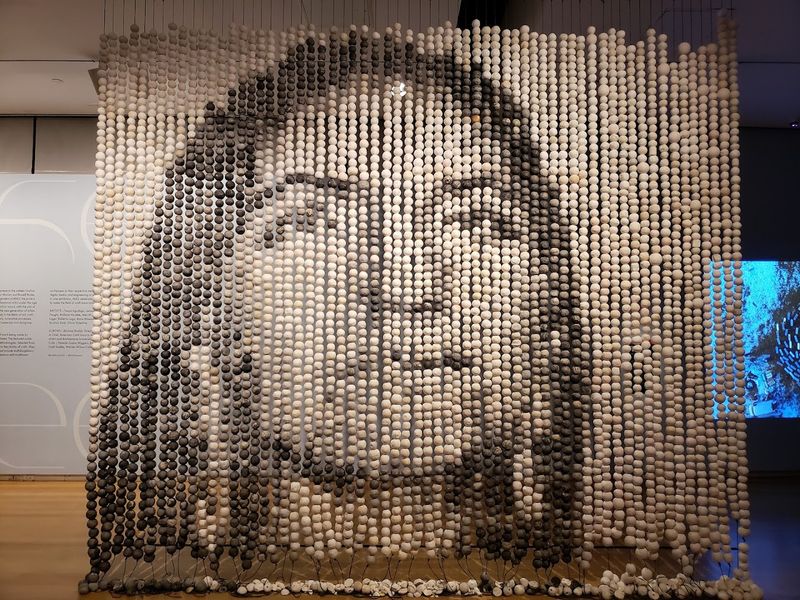
The Museum of Arts and Design tends to stay with people for reasons that are a little hard to summarize in one sentence.
Part of it is the subject matter, because objects made by hand or shaped through design often feel more intimate than traditional gallery fare.
Part of it is the scale, which lets you remember rooms, details, and textures instead of losing everything in a blur.
What really gives MAD its afterglow, though, is the way it combines seriousness with accessibility.
The exhibitions can be smart, experimental, and visually rich without making you feel shut out.
You can arrive as a design devotee or as someone who simply wants to see something original in New York, and the museum leaves space for both experiences.
Its location at Columbus Circle also helps frame the visit beautifully.
You step out from galleries filled with crafted imagination into one of Manhattan’s busiest crossroads, carrying a slightly altered sense of what everyday objects, materials, and artistic labor can mean.
That transition from museum quiet to city motion feels almost like part of the curation.
For me, that is what a memorable museum does.
It does not just occupy your attention while you are inside.
It changes the way you notice the world after you leave.
MAD may be smaller than New York’s headline institutions, but it delivers the kind of creative spark that can stay with you long after the elevators, galleries, and gift shop are behind you.
Share this story