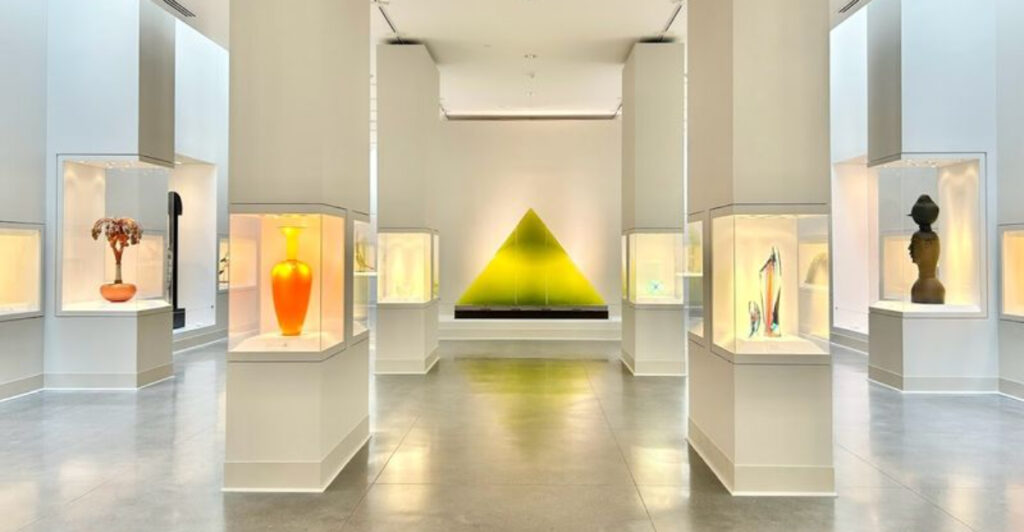
Tucked along the quiet museum campus of East Kearsley Street in Flint, Michigan, the Flint Institute of Arts is one of the state’s most underrated cultural destinations. The building holds centuries of European and American paintings, global sculptures, ceramic collections, and a live glassblowing studio that genuinely stops visitors in their tracks.
Most people have no idea a museum this large and this diverse exists outside of Detroit. Once you step inside, it becomes very clear why people keep coming back.
A Museum That Catches You Off Guard From the Start
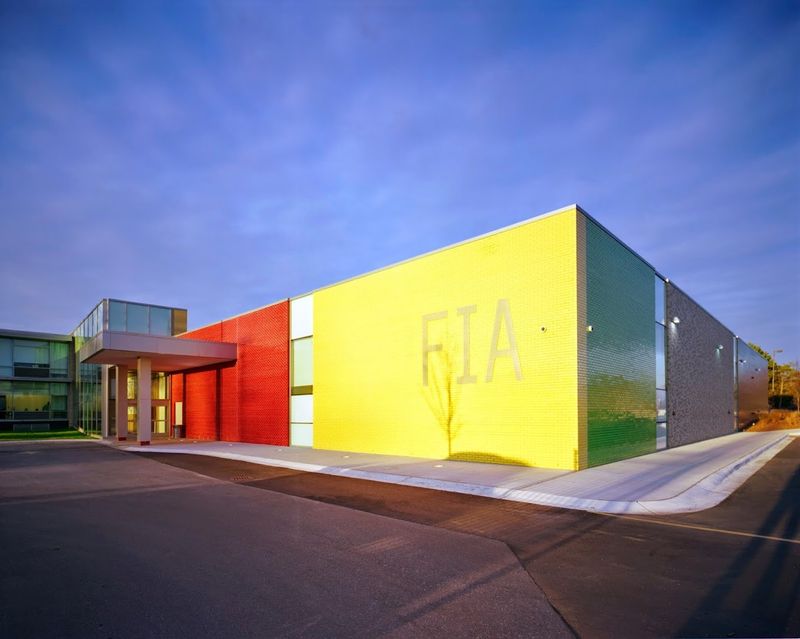
Walking up to the Flint Institute of Arts, the building carries a quiet confidence. The exterior sits along a tree-lined cultural campus, surrounded by other institutions that make this stretch of East Kearsley Street feel like a small arts district all on its own.
Nothing about the outside prepares you for how much is packed inside.
Once through the doors, the scale becomes obvious. Galleries branch off in multiple directions, and the layout feels like it grew organically over time — because it did.
The museum has expanded several times throughout its history, adding new wings and collections as the institution grew. That layered construction gives it a slightly maze-like quality that actually works in its favor, rewarding visitors who wander rather than rush.
Staff at the front desk are consistently described as warm and approachable, setting a relaxed tone right away. There is no pressure to follow a specific route.
The pace is entirely your own, which makes a visit here feel low-stress compared to larger, more crowded institutions.
Admission pricing stays reasonable, and Genesee County residents can enter free of charge on certain days, including Saturdays thanks to a partnership with Huntington Bank. Parking is also free, which removes one of the most common barriers to museum visits.
For a first-time visitor, the combination of welcoming staff, affordable access, and an immediately impressive interior creates a strong opening impression that carries through the entire experience.
Centuries of Paintings Hanging Right Here in Flint, Michigan
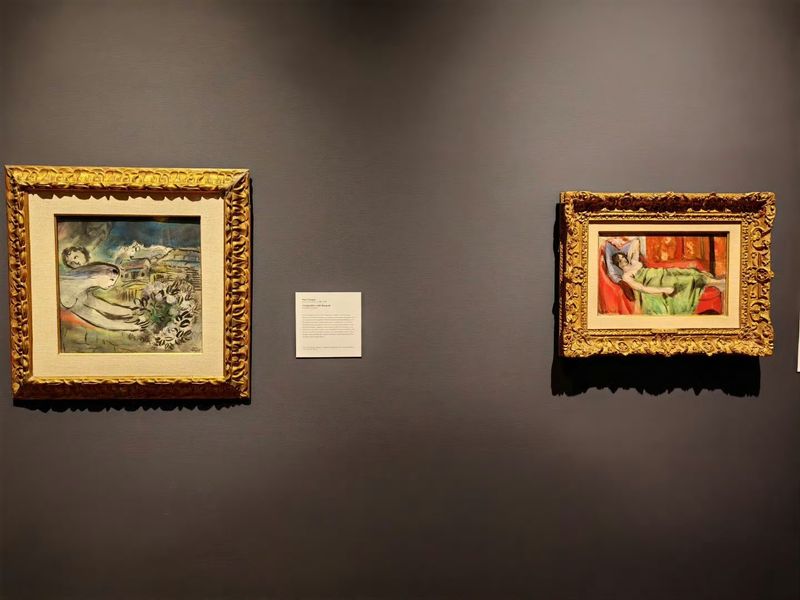
The permanent painting collection at the Flint Institute of Arts stretches back to the 15th century and covers both European and American works in impressive depth. Old master paintings share wall space with 19th-century American landscapes, and the transitions between eras feel intentional rather than random.
Detailed placards accompany nearly every piece, and visitors consistently point out how informative and easy to read those labels actually are.
European galleries feature works from multiple schools and periods, offering a sweep through art history that rivals what you might find at much larger institutions. The range is genuinely surprising for a mid-sized Midwest city.
People often enter expecting a modest regional collection and leave having stood in front of paintings they recognize from textbooks.
American works get serious attention here too. A section dedicated to Detroit art and its cultural influences draws particular interest, offering a regional lens on a nationally significant artistic movement.
The connection between Michigan’s industrial history and its visual art culture comes through clearly in how those galleries are curated.
One staff member named James Lewis became something of a local legend among frequent visitors for his habit of pointing out hidden details within individual paintings — small symbolic elements or compositional tricks that most people walk past without noticing. That kind of human layer, where a knowledgeable guide opens up a work you thought you already understood, is the sort of thing that turns a single visit into a lasting memory.
The painting collection alone justifies the trip, but the FIA has much more waiting beyond those gallery walls.
The Hot Shop: Where Glass Gets Shaped by Fire and Skill
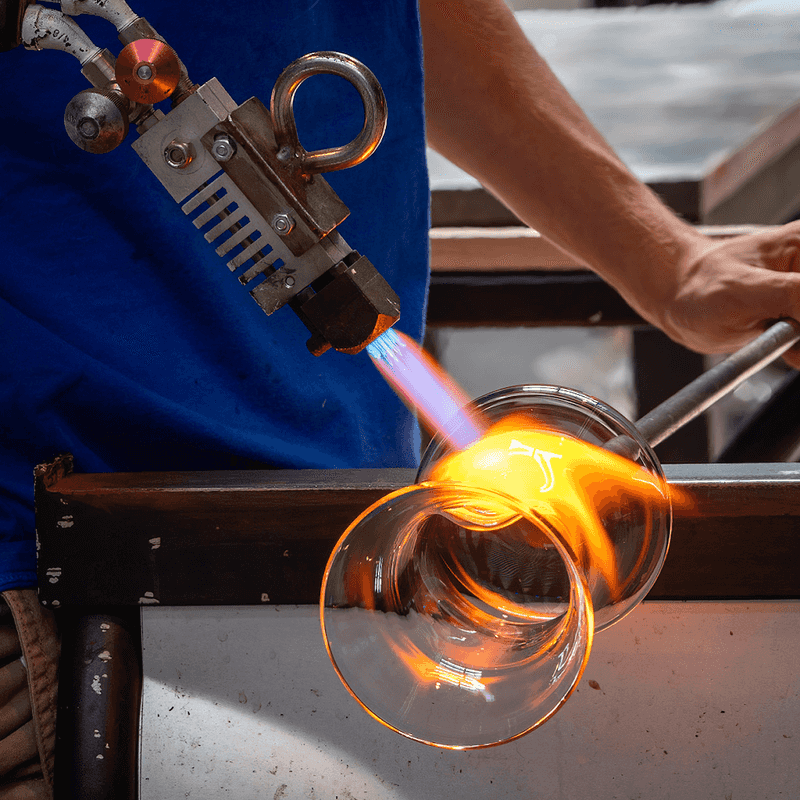
The Hot Shop at the Flint Institute of Arts is unlike anything else the museum offers, and that is exactly the point. Students from the University of Michigan-Flint take molten glass on the end of a blowpipe and shape it into something recognizable right in front of a seated audience.
The heat is real, the glow is intense, and the silence that falls over the room when a piece starts taking form is something no photograph can fully capture.
Live glassblowing demonstrations run on weekends, and they draw visitors who had no idea this was even part of the museum experience. Families who came specifically for a traveling painting exhibit have ended up spending more time in the Hot Shop than anywhere else in the building.
The performance quality varies by session since these are student artists, but that unpredictability actually adds to the energy rather than detracting from it.
The contemporary glass collection housed nearby gives context to what the Hot Shop produces. Completed works in the gallery show the full range of what skilled glassblowers can achieve, from delicate vessels to large sculptural forms that catch light in unexpected ways.
Seeing finished pieces right after watching the creation process creates a satisfying loop that other art forms rarely offer.
No other major museum in the region pairs a permanent fine art collection with an active working studio this way. The Detroit Institute of Arts, for all its scale and prestige, does not have a glassblowing component.
That distinction alone makes the FIA worth the drive from anywhere in southeast Michigan, and people who discover the Hot Shop for the first time almost always say it was the highlight of their day.
Glass Art You Can Actually Stand and Study Up Close
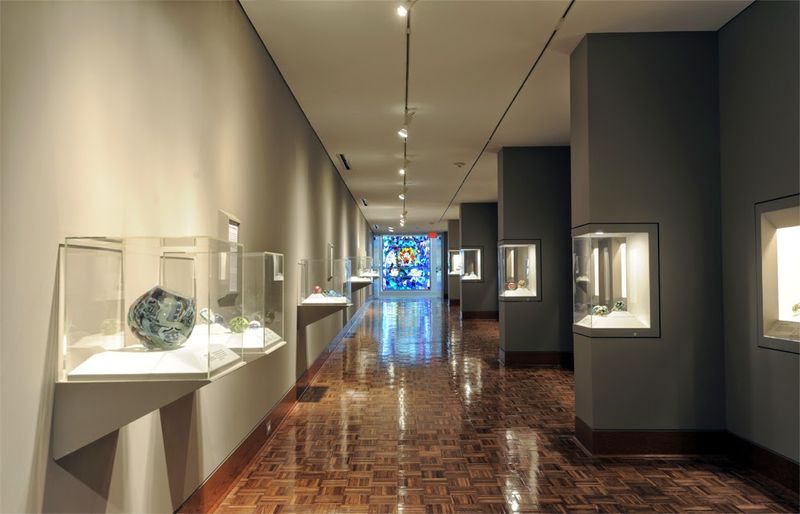
Beyond the live demonstrations, the contemporary glass gallery at the FIA stands as one of the most visually striking rooms in the entire building. Pieces range from small, jewel-like objects to large installations that command attention from across the room.
The way light interacts with each work changes depending on where you stand, which means a single sculpture can look completely different from three different angles.
Glass as a fine art medium gets overlooked at many museums, often treated as decorative rather than serious. The FIA pushes back on that assumption hard.
The collection includes works of genuine artistic ambition, and the curation places them in dialogue with each other rather than just lining them up along a wall. Visitors who think they are not particularly interested in glass tend to change their minds quickly once they spend time in this gallery.
The ceramics collection occupies a nearby space and complements the glass work in interesting ways. Both materials share a relationship with fire and transformation, and seeing them side by side highlights craft traditions that span continents and centuries.
Asian ceramics, in particular, receive thoughtful presentation, with enough contextual information to make the pieces feel connected to real cultural histories rather than floating in an aesthetic vacuum.
One longtime visitor noted that the glass room was added during a later expansion and described it as one of the best additions the museum has made. That sentiment shows up repeatedly among people who have visited more than once.
The gallery rewards slow, attentive looking, and it consistently delivers the kind of quiet visual surprise that makes a museum visit feel worthwhile long after you have driven home.
Traveling Exhibits That Keep the Experience Feeling Fresh
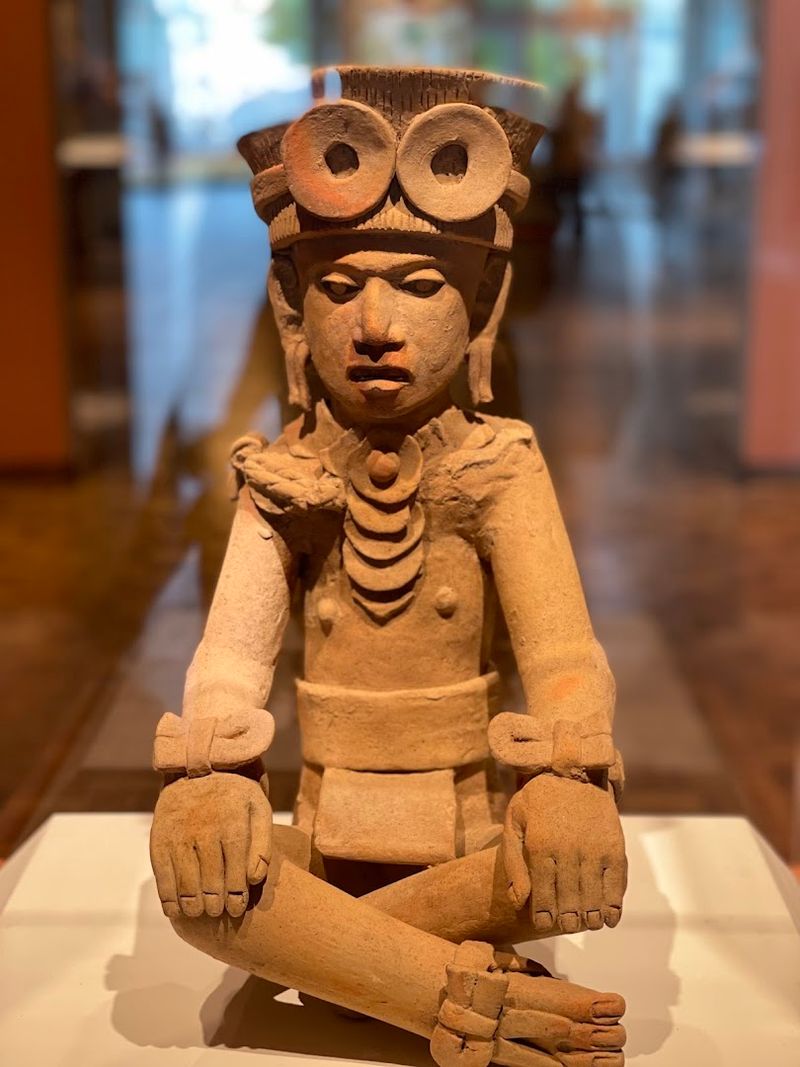
Alongside its permanent holdings, the Flint Institute of Arts regularly hosts major traveling exhibitions that bring entirely new audiences through the doors. Past shows have included a fantasy illustration exhibit that drew families with children, a porcelain collection that stopped collectors and casual visitors equally, and a documentary presentation about Martin Luther King Jr. and the FBI that sparked genuine conversation long after people left the building.
The range of subjects covered is wide by design.
Special events sometimes accompany these exhibits, turning a standard museum visit into something more layered. Live music, catered dinners, and educational programming have all been paired with specific shows, creating evenings that combine art with community gathering.
Those events attract people who might not typically visit a museum on their own, which is clearly part of the strategy.
One exhibit that left a lasting impression on many visitors was a gallery chronicling the Flint Water Crisis. Presented with care and historical rigor, it connected the museum directly to the lived experience of the surrounding community.
Art institutions sometimes struggle to feel relevant to local residents, but an exhibit like that one closes that gap in a way that purely aesthetic programming rarely achieves.
The traveling program means no two visits to the FIA are exactly alike. People who come back after a year or two consistently discover something entirely new waiting for them.
Combined with the permanent collection, which itself rewards multiple viewings as you notice new details each time, the museum has built a model that encourages return visits rather than treating each visitor as a one-time ticket sale. That long-term thinking shows in how the place is maintained and programmed throughout the year.
The Gift Shop, Cafe, and Everything Else Worth Knowing Before You Go
Practical details can make or break a museum day, and the FIA handles the supporting amenities well. The gift shop carries work by local artisans and student artists alongside more standard museum merchandise.
Pieces are genuinely curated rather than generic, which makes browsing feel less like an afterthought and more like a continuation of the gallery experience. Several visitors have mentioned picking up small works by student artists as affordable, meaningful souvenirs.
The on-site cafe offers food options that consistently surprise people expecting the usual museum fare. Descriptions from repeat visitors use words like delightful and good rather than the resigned language that often accompanies institutional dining.
Whether stopping for a full meal or just a coffee between galleries, the cafe functions as a genuine rest point rather than a grudging necessity.
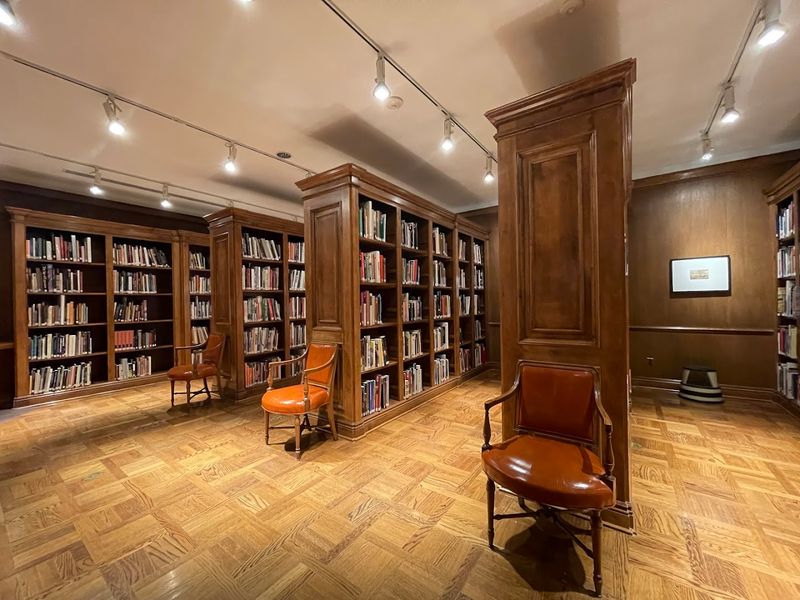
The museum library, accessible within the building, holds an impressive art reference collection that appeals to researchers, students, and dedicated enthusiasts. It is the kind of resource that reinforces the FIA’s identity as both a museum and an active educational institution rather than simply a display space.
Operating hours run Tuesday through Friday from 10 AM to 5 PM, with extended hours on Friday until 8 PM. Saturday hours run noon to 6 PM, and Sunday hours are 1 to 5 PM.
Monday also opens at 10 AM. The museum sits within a broader cultural campus that includes the Sloan Museum and the Flint Public Library, both within easy walking distance.
Combining multiple venues in a single afternoon is entirely practical, and locals recommend doing exactly that to get the full picture of what this stretch of East Kearsley Street has assembled over the decades.
Why the FIA Holds Its Own Against Any Museum in the Midwest
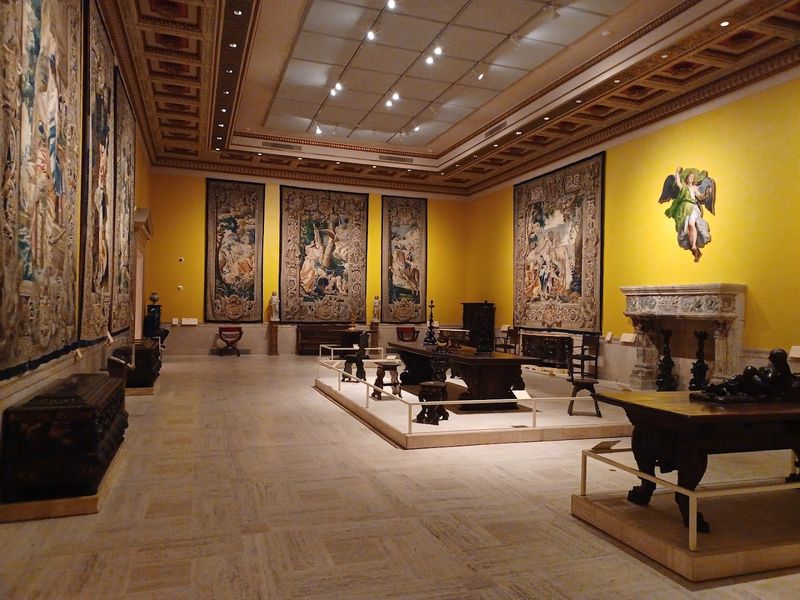
The Flint Institute of Arts carries the distinction of being the second-largest art museum in Michigan. That ranking alone tends to reset expectations for first-time visitors who arrive thinking they are stopping at a small regional curiosity.
The collection spans Asian, African, Arctic Rim, European, and American art, covering geographic and historical ground that most single-city museums never attempt.
Sculptures are distributed throughout the building rather than confined to a single room, which means you encounter them unexpectedly while moving between galleries. Some are large enough to anchor an entire space.
Others are placed at eye level in corridors, demanding attention in passing. The effect is that the whole building feels inhabited by art rather than organized around it.
The art school component adds another dimension that pure museums lack. Classes and programs run for visitors of various ages and skill levels, connecting the passive experience of viewing art to the active practice of making it.
That educational thread runs through everything the FIA does, from the student glassblowing demonstrations to the detailed exhibit placards to the programming that surrounds traveling shows.
For anyone in southeast Michigan, northern Ohio, or southwestern Ontario debating whether the drive to Flint is worthwhile, the answer the FIA delivers is consistent: yes, clearly. The combination of a world-class permanent collection, live studio demonstrations, rotating exhibits, free admission options, and a welcoming low-pressure environment produces something that larger and more famous institutions sometimes fail to offer.
Size and fame do not always produce the best museum experience. Sometimes the best afternoon you spend looking at art happens somewhere you almost did not bother to visit, on a quiet street in a city that keeps surprising the people who show up.
Share this story