A chicken cutlet sandwich at Sapore Ravioli & Cheese does not arrive looking particularly interested in restraint. The bread strains around hot breaded chicken, milky house-made mozzarella, roasted peppers, and enough balsamic-dressed goodness to turn a quick lunch into a two-napkin operation.
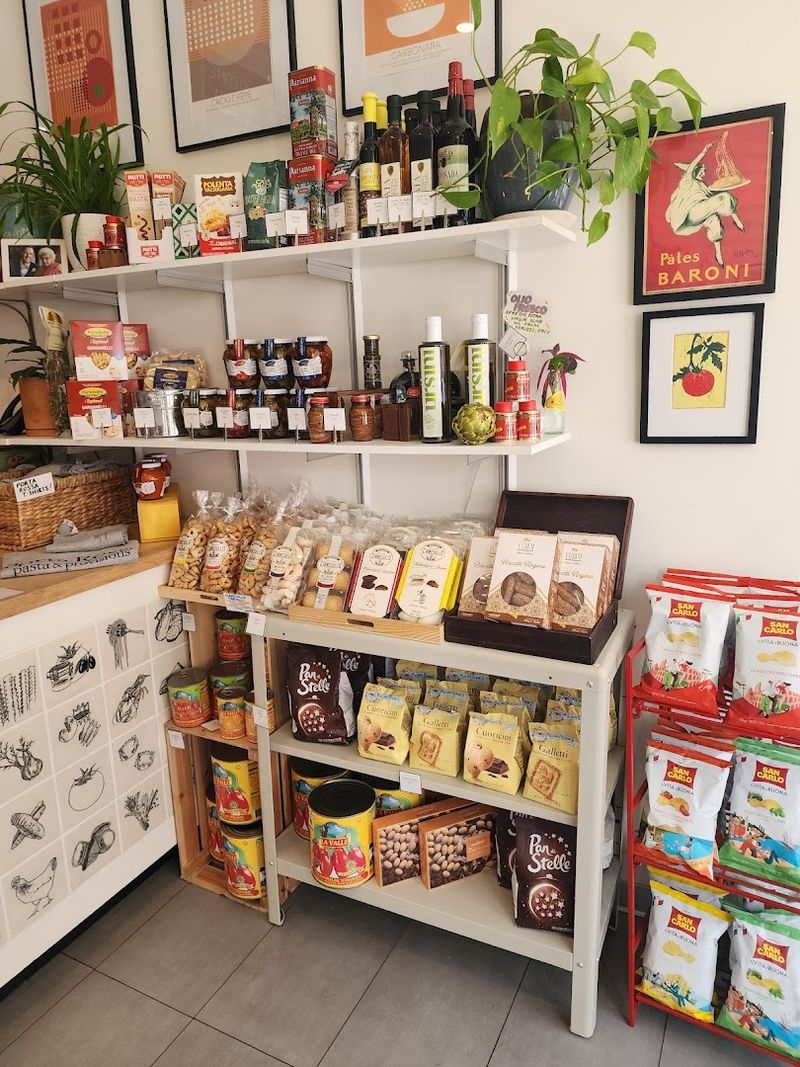
Then you notice the refrigerated cases. Rows of fresh ravioli, coiled pasta, jars of sauce, prepared dishes, and Italian specialties reveal that the sandwiches are only half the story.
Tucked along Lincoln Boulevard in Middlesex, this family-run shop began as a pasta operation, not a trendy sandwich counter. Its recipes trace back to owner Domenick Discenza’s childhood in Baranello, Italy, where making food from scratch was simply what a family did.
Today, Sapore can feed you immediately, stock your freezer for Sunday dinner, or send you home with enough fresh mozzarella and vodka sauce to make an ordinary weeknight feel considerably more important.
The Humble Middlesex Shop Built From Generations of Home Cooking
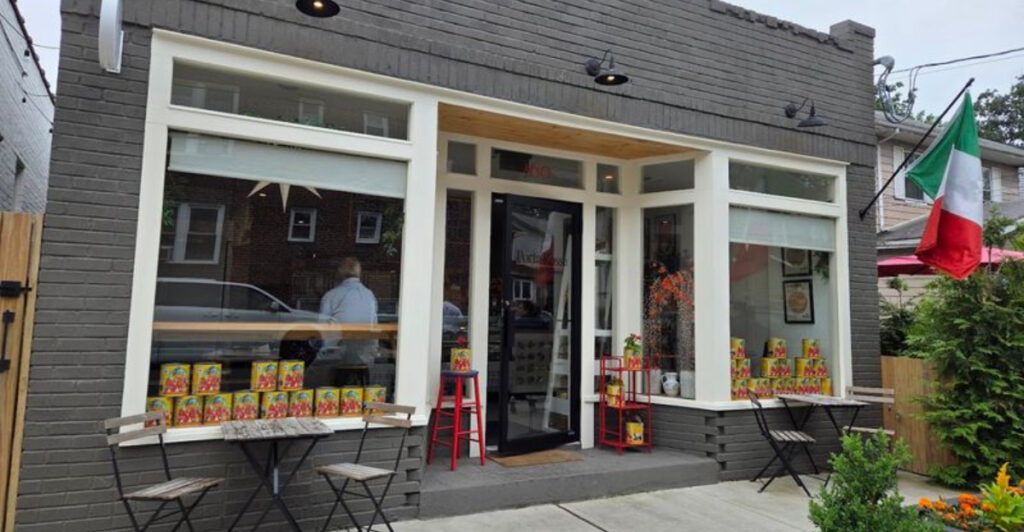
Nothing about the location announces a polished restaurant experience. Sapore sits at 429B Lincoln Boulevard, away from the kind of walkable downtown where hungry visitors might accidentally stumble across it.
The shop is near Interstate 287’s Exit 8, surrounded by a distinctly practical stretch of Middlesex rather than boutiques, cocktail bars, or decorative sidewalk planters. You generally come here because somebody told you about it, which is exactly how many of New Jersey’s best food traditions spread.
The business was originally intended primarily as a wholesale pasta operation. Local demand changed that plan.
Customers began showing up for the ravioli, sauces, and prepared foods, and the Discenza family eventually expanded into the neighboring building to create more room and additional parking. During especially busy holiday periods, the crowds have reportedly grown large enough to require traffic control.
That is an impressive development for a place whose physical setting could generously be described as under-the-radar. Sapore Ravioli opened in Middlesex in 1997, but its cooking philosophy started long before the storefront.
Domenick Discenza grew up in a family where meals were made rather than purchased. Pasta, sauce, meatballs, roasted peppers, sausages, and cookies came from familiar recipes and hands-on work.
When he created Sapore, the goal was not to modernize those traditions into something flashy. It was to keep them alive.
That home-kitchen foundation still shapes the shop. Sapore does not feel divided into neat categories such as deli, pasta factory, caterer, and specialty market.
It is all of those things at once, much like a serious Italian family kitchen can produce sandwiches at noon, a bubbling tray of manicotti at dinner, and enough sauce for several future Sundays. The shop may look humble, but the amount of food being made behind the scenes is anything but small.
Domenick Discenza Learned to Make Pasta Beside His Grandmother in Italy
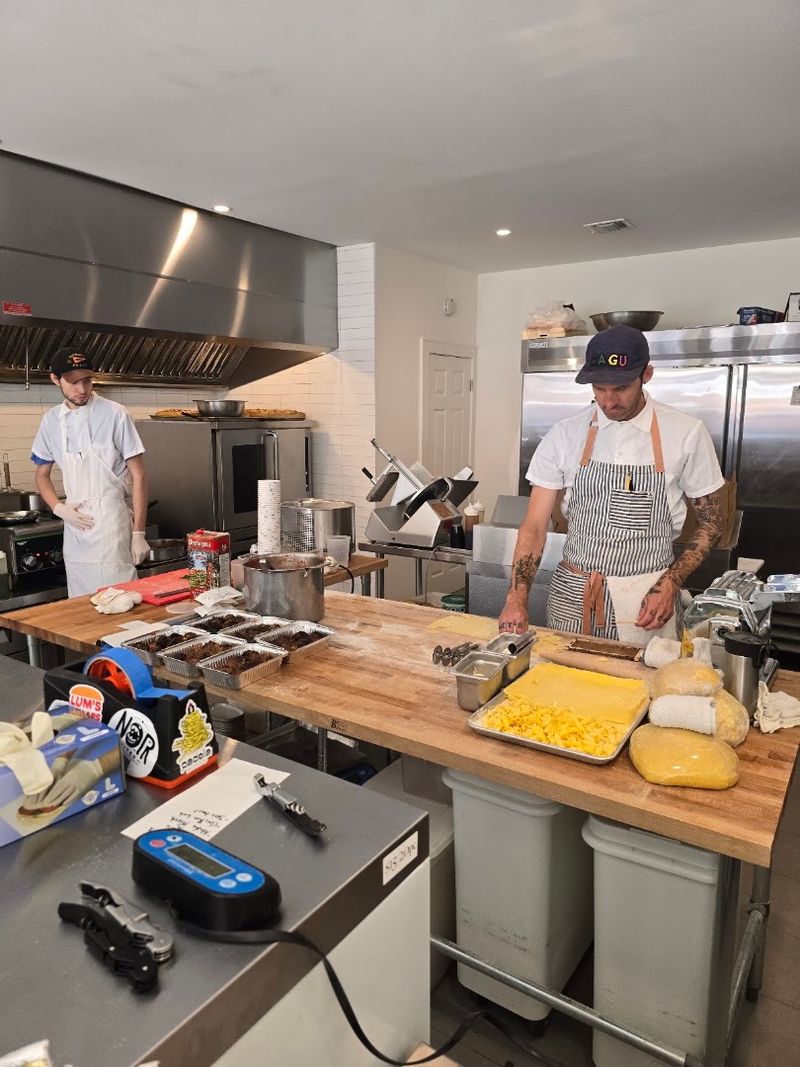
Before Middlesex, there was Baranello, a small town in Italy’s Molise region where Domenick learned the rhythms of fresh pasta in his grandparents’ kitchen. Flour was worked into dough, meals were planned around what the family prepared, and recipes were learned through repetition rather than written instructions.
He made pasta beside his grandmother, absorbing the details that separate something technically homemade from something that actually tastes like home. That early education followed him to New York City.
Domenick worked in a restaurant there and continued making pasta by hand, eventually buying the business when he was only 22. He operated it for roughly two decades before selling it and moving to New Jersey.
By the time Sapore opened in 1997, he was not experimenting with a newly discovered passion. He was building a business around work he had already been doing for most of his life.
The family connection did not end once commercial equipment entered the picture. Domenick’s parents and grandmother remained involved, and the shop’s meatballs became a particularly clear example of how the generations overlapped.
Even at 89, his grandmother would still come in when it was time to make them. The recipe combined freshly chopped beef, eggs, breadcrumbs made from leftover Italian bread, and freshly grated Romano cheese.
It is the sort of sensible, no-waste formula that existed long before phrases such as sustainable cooking became fashionable. Domenick’s son Michael later took on a larger role in the operation, bringing another generation into the kitchen and business.
Michael trained at the Culinary Education Center in Asbury Park, but Sapore’s most important education remains the family’s own. Techniques are demonstrated, corrected, repeated, and passed down.
The result is a shop where “family recipe” is not decorative menu language. It describes an active chain of people who have cooked together across countries, businesses, and generations.
Handmade Ravioli, Gnocchi, and Cavatelli Prove Why Pasta Still Comes First
It would be easy to assume the sandwich counter is Sapore’s main attraction, especially when lunch orders begin piling up. Michael Discenza has acknowledged that sandwiches are now among the shop’s most popular offerings.
Still, he puts ravioli first, and that distinction matters. The deli grew out of the pasta business, not the other way around.
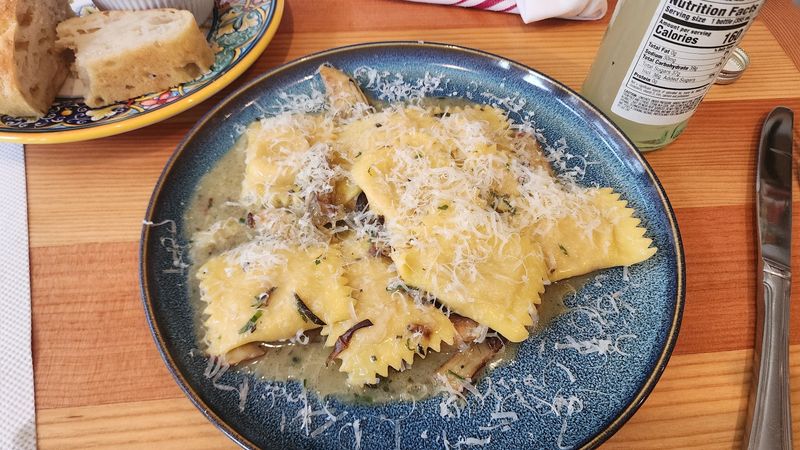
Fresh pasta remains the backbone of the operation. Sapore produces ravioli in large rounds and smaller squares, along with gnocchi, cavatelli, tortellini, stuffed rigatoni, manicotti, stuffed shells, lasagna sheets, and flavored varieties such as squid ink, lemon pepper, herb and roasted garlic, and arrabbiata.
The range of ravioli fillings could make choosing dinner unexpectedly complicated.
Cheese and spinach are joined by combinations involving broccoli rabe, grilled eggplant, asparagus, artichoke, smoked mozzarella, sun-dried tomato, Gorgonzola and walnut, roasted garlic and mascarpone, wild mushrooms and truffle, lobster, shrimp, and butternut squash.
The fresh pasta cooks quickly, but it does not eat like a shortcut. Ravioli needs only a few minutes in salted water, making it possible to produce a serious dinner with less effort than ordering takeout.
Pick up a pound, add one of the shop’s sauces, grate some cheese over the bowl, and dinner is essentially handled. Those who prefer to eat immediately can order prepared lunches.
Choices have included penne vodka, spaghetti and meatballs, stuffed shells, manicotti, and cavatelli served with marinara and a scoop of fresh ricotta. Swapping in vodka sauce takes the dish in an even richer direction.
Seasonal ravioli specials give regulars another reason to inspect the case before defaulting to an old favorite. The shapes and fillings may change, but the priorities stay consistent: tender fresh dough, substantial fillings, and sauces that cling rather than slide straight to the bottom of the plate.
Fresh Mozzarella Homemade Sauces and Family Recipes Set Sapore Apart
Watch what goes into one of Sapore’s sandwiches and a pattern becomes clear. The mozzarella is made in-house. The roasted peppers come from the kitchen rather than a generic deli tub. The chicken cutlets arrive hot.
Marinara and vodka sauce are part of the shop’s larger pasta-making operation, so they are treated as essential components rather than last-minute toppings. Sauce production is especially tied to family tradition.
Domenick has described summer sessions modeled after his grandmother’s process, with the kitchen working through as many as 75 bushels of tomatoes and canning sauce in large quantities. Sapore also sources red plum tomatoes from Italy for its tomato sauce.
Jars and containers can be purchased to take home, which means the same sauce used behind the counter can rescue a rushed dinner later in the week. The prepared-food selection extends that convenience.
Customers can leave with meatballs, chicken cutlets, sautéed vegetables, roasted peppers, pasta trays, sausages, Italian cookies, and other components that would take hours to reproduce from scratch. The shop does the slow part; you handle the boiling, heating, or strategic arrangement on a serving platter.
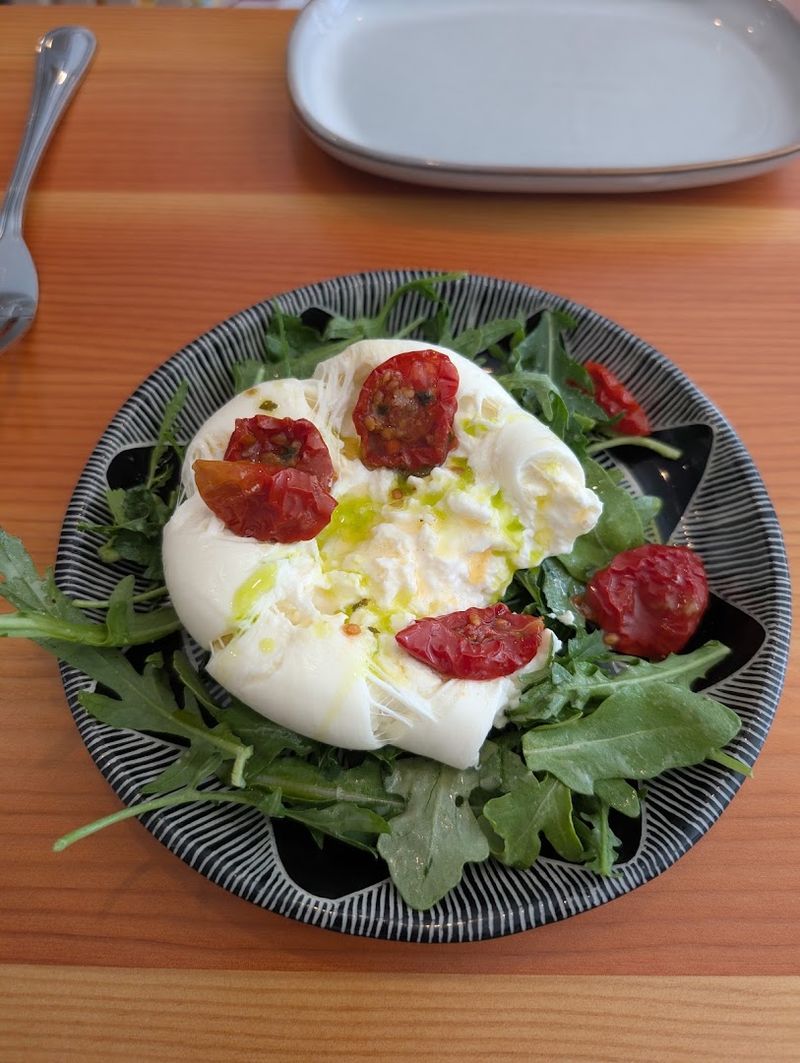
Fresh mozzarella may be the ingredient that best connects the pasta case to the deli counter. It adds a soft, milky layer to sandwiches such as the Parma, made with prosciutto, roasted peppers, balsamic, and oil, or the vegetarian Sapore Special, which combines fried eggplant, broccoli rabe, roasted peppers, mozzarella, and balsamic.
It also appears in caprese salads and alongside tomatoes and peppers. The food is rich, but the flavors are not buried beneath unnecessary extras.
Broccoli rabe brings bitterness, roasted peppers add sweetness, sharp provolone supplies bite, and balsamic cuts through fried cutlets and cured meats. That balance reflects cooking developed around a family table, where every ingredient has a job and nobody adds a garnish simply because the plate looks empty.
Chicken Cutlets, Vodka Sauce, and Italian Meats Create Monumental Sandwiches
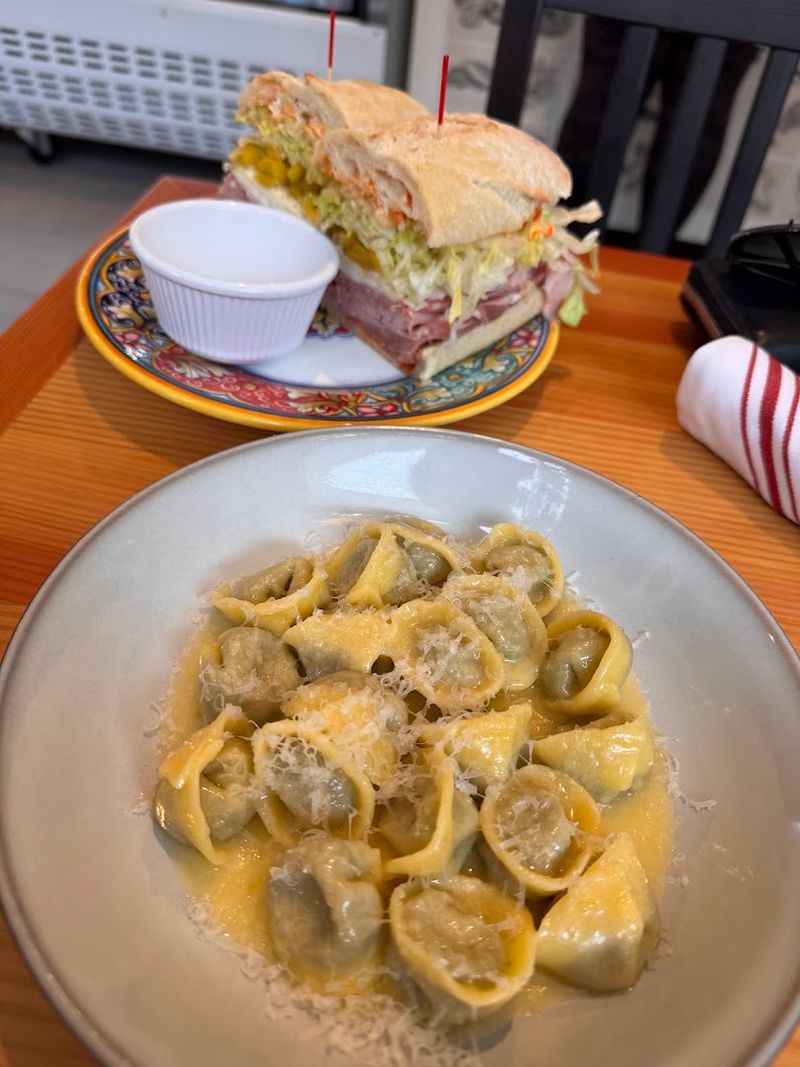
Some sandwiches are lunch. Sapore’s sandwiches feel more like construction projects wrapped in paper.
Most land in the upper-teen price range, which makes sense once you see the amount of chicken, cheese, cured meat, peppers, and greens being packed into each roll. These are not delicate café sandwiches intended to leave room for an afternoon pastry.
The Dom is Sapore’s signature Italian sub and a strong choice for anyone who believes moderation should be saved for another meal. It stacks hot and sweet capicola, hot and sweet soppressata, ham, pepperoni, imported prosciutto, and roasted peppers, finished with balsamic vinegar and oil.
It delivers nearly an entire deli case in one order. The Not So Chicken Little is equally direct about its lack of restraint.
A breaded chicken cutlet is layered with homemade fresh mozzarella, roasted red peppers, balsamic vinegar, and oil. The Tone B takes the chicken-cutlet formula even further, adding prosciutto, broccoli rabe, sun-dried peppers, mozzarella, and balsamic.
The G-Man goes in a sharper direction with broccoli rabe, hot peppers, American cheese, and balsamic glaze. Hot sandwiches bring the sauces into play.
Chicken parmigiana comes with house marinara, basil, and melted mozzarella on a toasted roll, while swapping in vodka sauce turns an already substantial sandwich into the sort of lunch that can rearrange the rest of your day.
Meatball parm, veal parm, sausage and peppers, and sausage with broccoli rabe keep the old-school options covered.
Even the vegetable sandwiches refuse to behave like consolation prizes. Fried eggplant, grilled zucchini, portobello mushrooms, roasted peppers, broccoli rabe, mozzarella, and balsamic are used with the same generosity as the meats.
Whatever you order, the smartest move is accepting early that the second half may become dinner.
Old-School Hospitality Keeps This Hidden Pasta Shop Rooted in Tradition
The line can get long, the counter can get busy, and certain orders require patience. Sapore’s response has never been to turn the operation into a faster, more anonymous machine.
The family’s approach is almost defiantly old-fashioned: take the necessary time, protect the quality, and treat customers as though they have come to the house for Sunday dinner. That attitude explains why the shop has developed such loyalty despite its tucked-away setting.
Domenick and Michael have spoken openly about choosing food over maximum efficiency and maintaining a personal atmosphere rather than a corporate one. Employees answer questions, suggest sauce pairings, prepare catering trays, and help customers navigate a selection that can be overwhelming on a first visit.
The experience feels less like moving through a standardized ordering system and more like dealing with people who genuinely care whether dinner works out. Sapore’s growth has not erased its original identity.
The family expanded the Middlesex property, developed wholesale distribution, placed products in selected New Jersey markets, and built a major catering operation. Yet fresh pasta is still being produced, mozzarella is still being made, meatballs still follow the family formula, and another generation remains involved in the process.
The practical details are straightforward. The shop is located at 429B Lincoln Boulevard in Middlesex and opens in the morning, with hours extending into the early evening on most weekdays and shorter schedules on weekends.
Calling ahead is sensible for large orders, holiday pickups, or a particular fresh-pasta variety. What lingers after a visit is not the idea that Sapore has recreated an Italian village in suburban New Jersey.
It is something more convincing. The Discenza family brought the cooking habits of Baranello into a working Middlesex kitchen and kept using them, batch after batch, until ravioli, sauce, and enormous chicken cutlet sandwiches became part of the local routine.
Share this story