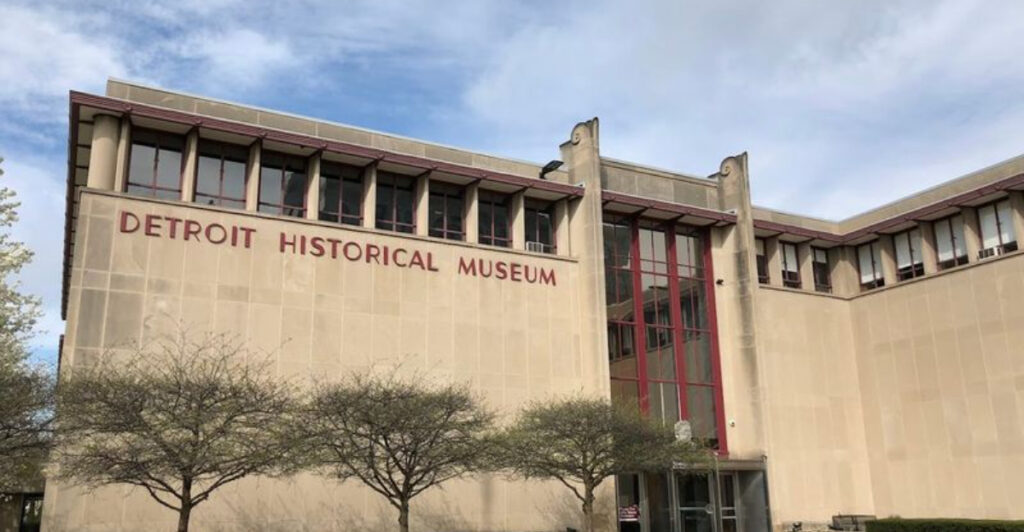
Sitting right on Woodward Avenue in the heart of Detroit, the Detroit Historical Museum is one of the most packed and surprising history museums in the Midwest. From recreated cobblestone streets to exhibits on the Underground Railroad, hockey legends, and the auto industry, this place covers an incredible range of stories.
Whether you grew up in Detroit or you are visiting for the first time, there is something here that will stop you in your tracks. Plan to spend at least two hours, because once you start exploring, it is very hard to leave.
Walking Into a Recreated Detroit Street From the 1800s
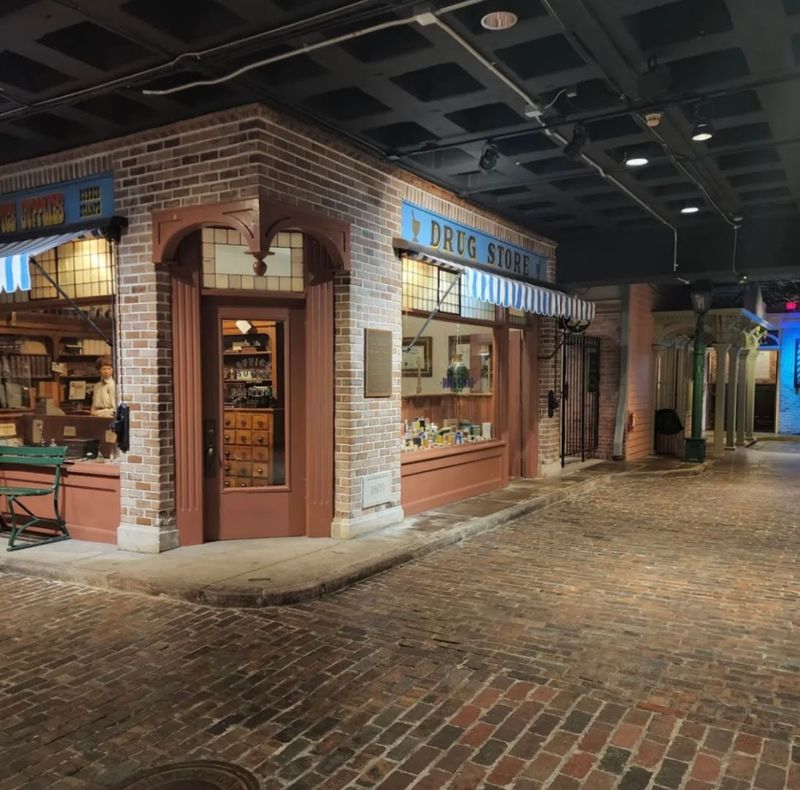
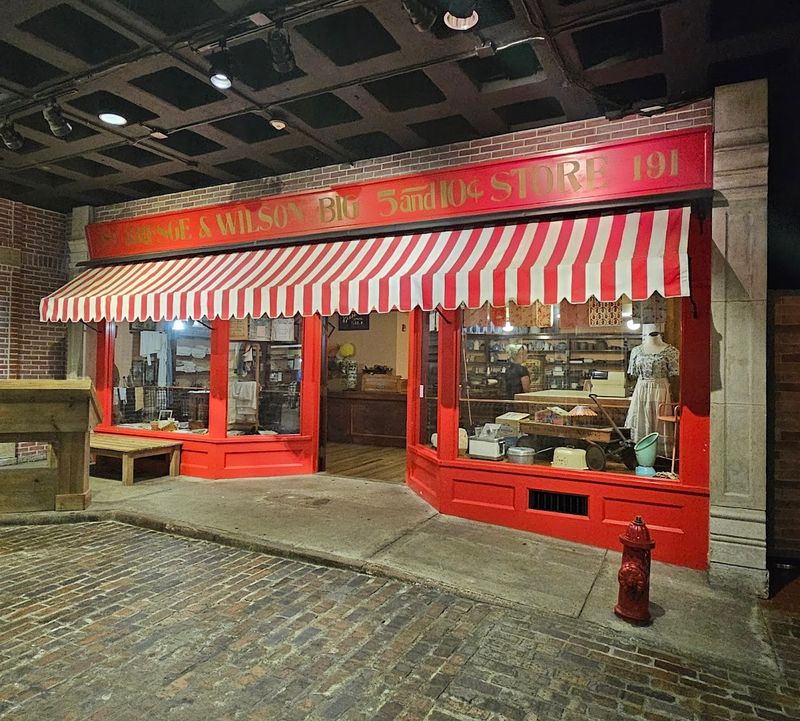
Step through a doorway inside the Detroit Historical Museum and suddenly the floor beneath your feet turns to cobblestone. The Streets of Old Detroit exhibit is one of the most visually striking things in the entire building.
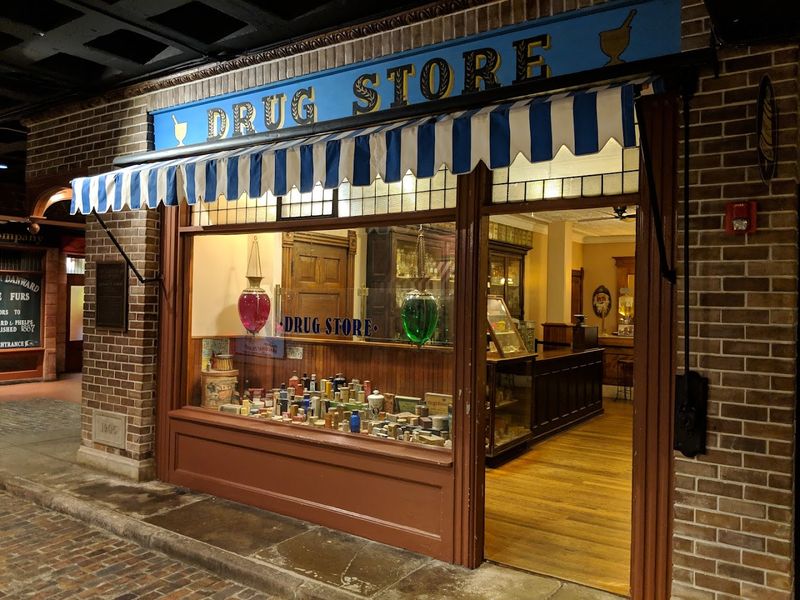
Brick facades, wooden storefronts, and period signage line a recreated street that looks like it was pulled straight out of the nineteenth century.
The detail work here is serious. Old shop windows display period-accurate goods, and the lighting is designed to mimic the warm, gaslit glow of a city block long before electric streetlights existed.
Visitors often slow down here without realizing it, drawn into the textures and scale of the recreation.
Kids tend to love this section because it feels like walking into a movie set. Adults appreciate how much research clearly went into each storefront.
Nothing looks slapped together or cheap.
The exhibit connects the physical layout of early Detroit to its commercial and social history, showing how a French colonial trading post eventually grew into a booming industrial city. Placards and displays explain who lived and worked in these spaces, giving faces and names to what could otherwise be an anonymous streetscape.
Locals who grew up visiting the museum on school field trips often say this is the section they remember most vividly decades later. There is something about walking through a space rather than just looking at photographs that makes history stick in a different way.
The cobblestones alone are worth pausing over. They are not decorative props — they are a reminder that the city being explored here was built by real people, one block at a time.
How the Auto Industry Shaped an Entire City and Its People
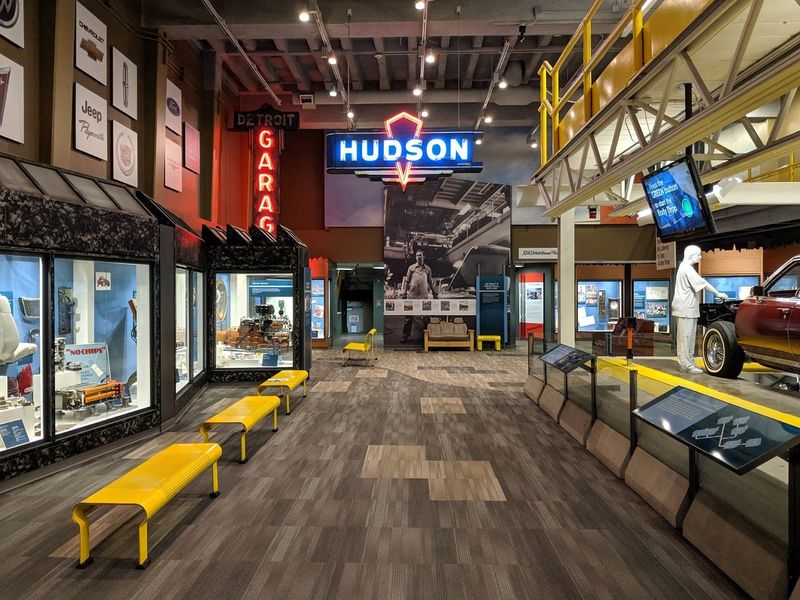
No city in America has a more complicated, powerful relationship with the car than Detroit, and the Detroit Historical Museum does not shy away from any of it. The automotive exhibits here go well beyond just parking a few shiny vintage cars in a room.
The story told is about labor, innovation, migration, and the economic forces that built and, at times, battered an entire metropolitan region.
Early automobile manufacturing is represented through factory tools, original blueprints, and photographs of assembly lines packed with workers. There are displays on the rise of the Big Three automakers and the ripple effects that industry had on neighborhoods, immigration patterns, and union organizing across Michigan.
One thing that stands out is how the exhibit handles the human side of manufacturing. The workers are not background details here.
Their stories, their wages, their daily conditions, and their political organizing are front and center. Visitors learn about the sit-down strikes of the 1930s and the way labor movements in Detroit influenced workplace rights across the entire country.
The transition from the postwar boom years into the economic challenges of the late twentieth century is also addressed with honesty. The museum does not present a sanitized version of Detroit history.
The complexity is part of what makes this section so valuable, especially for younger visitors who may not yet understand how deeply economic systems shape everyday life.
For car enthusiasts, the hardware on display is genuinely exciting. Seeing an early Model T alongside documents from Henry Ford’s original company is a different experience than looking at pictures online.
The combination of industrial artifacts and human stories makes the automotive section one of the strongest in the entire building.
The Underground Railroad Exhibit That Demands Your Full Attention
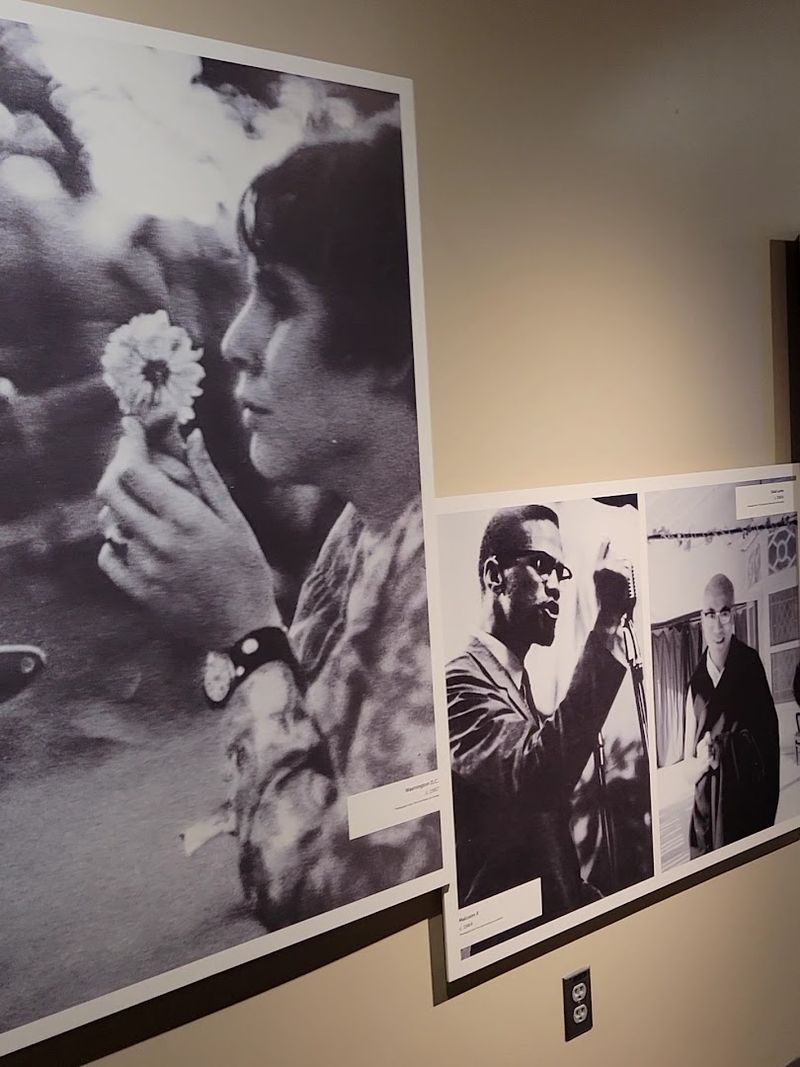
Detroit played a critical role in the Underground Railroad, and the exhibit dedicated to this history inside the Detroit Historical Museum is one of the most sobering and important stops in the entire building. The city’s location along the Detroit River made it one of the final crossing points for freedom seekers making their way into Canada, and the museum captures that weight with care.
The exhibit uses maps, personal accounts, and physical artifacts to trace the routes people took and the networks of abolitionists, free Black residents, and sympathetic community members who made those journeys possible. Reading the names and stories of individuals rather than just statistics changes how the information lands.
Lighting and layout in this section are deliberately quieter than in other parts of the museum. The design encourages visitors to slow down and read carefully rather than skim.
That choice pays off. People who rush through other sections tend to linger here.
Detroit’s Black community history is woven throughout this exhibit and extends into other parts of the museum as well. The connections between the Underground Railroad era, the Great Migration, and the civil rights movement are drawn clearly without oversimplifying the timeline.
Younger visitors especially benefit from seeing how these historical moments connect to one another rather than existing as isolated events on a textbook page.
Teachers who bring school groups to the museum often identify this as the section that generates the most conversation. The questions it raises about freedom, risk, community, and justice are not abstract.
They are grounded in specific Detroit streets, specific people, and specific choices made under extraordinary pressure. Few exhibits in any Michigan museum handle this subject with as much depth and respect.
Detroit’s Music Legacy on Full Display, From Motown to Now

Long before streaming playlists existed, Detroit was quietly inventing some of the most influential sounds in American music history. The music section of the Detroit Historical Museum celebrates that legacy with a range of artifacts, displays, and audio elements that trace the city’s contributions from early jazz and blues through the Motown era and well beyond.
Motown gets significant attention, as it should. Berry Gordy’s label did not just produce hit records — it created a production system, a performance school, and a cultural force that changed popular music globally.
The exhibit includes original recording equipment, promotional materials, and photographs that give visitors a tangible sense of what it looked and sounded like inside Hitsville U.S.A. during its peak years.
But the exhibit does not stop at Motown. Detroit’s contributions to techno music, which was literally invented in the city during the 1980s, are also acknowledged.
Punk, rock, and soul all get their moments too. The breadth here reflects the reality that Detroit has never been a one-genre city.
Interactive audio stations let visitors sample sounds and learn about specific artists and their connection to Detroit neighborhoods. For music fans, these stations are easy rabbit holes.
One exhibit leads naturally to the next, and before long an hour has passed.
What makes this section resonate beyond nostalgia is the way it connects music to place. The neighborhoods where artists grew up, the clubs where they performed, the radio stations that broke their records — all of these geographic and social details are woven into the displays.
Music did not happen in a vacuum in Detroit. It grew out of specific communities, specific struggles, and a specific city energy that the museum captures with genuine enthusiasm.
Sports Memorabilia That Hits Different When It Is Right in Front of You
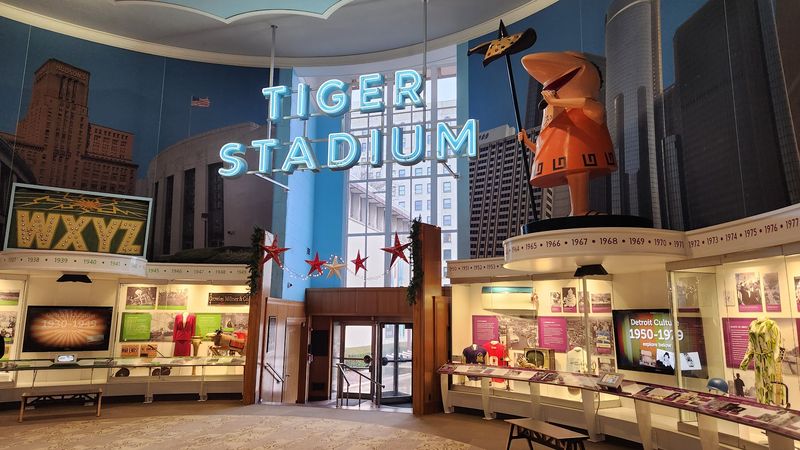
Detroit has one of the proudest sports cultures in the country, and the Detroit Historical Museum gives that culture the serious treatment it deserves. The sports exhibits here cover the Red Wings, Tigers, Lions, and Pistons with a depth that goes well past trophy cases and framed jerseys, though those are certainly here too.
The Red Wings exhibit in particular draws a lot of dedicated visits. Hockey fans who come specifically for this section often comment on how much they get to see that would otherwise be locked away in private collections or team archives.
Vintage equipment, championship records, and materials from legendary players fill the display cases with the kind of specificity that casual fans appreciate and serious fans obsess over.
Baseball history tied to the Tigers goes back well over a century, and the museum traces that arc from the early dead-ball era through the championship runs of the mid-twentieth century and beyond. Seeing actual game-used equipment from historic seasons in person carries a different weight than watching highlight reels.
What gives the sports section extra dimension is the way it connects athletic achievement to the broader city. Detroit sports teams have historically served as sources of civic pride during difficult economic periods.
The museum acknowledges that relationship openly, framing championships and key moments as part of the larger story of how a city sees itself and keeps going.
Families with kids who are not necessarily history buffs often find that the sports section becomes the entry point that pulls them into the rest of the museum. Once a young visitor gets excited about a Red Wings trophy or a Tigers pennant, the curiosity tends to spread naturally into the surrounding exhibits.
It works as both a standalone highlight and a gateway into deeper exploration.
Planning Your Visit to This Michigan Museum the Smart Way
Getting the most out of a trip to the Detroit Historical Museum starts with knowing a few practical details before you arrive. The museum is located at 5401 Woodward Ave in Detroit, Michigan, placing it right in the Museum District alongside the Detroit Institute of Arts and the Michigan Science Center.
The neighborhood is walkable, and visiting multiple museums in a single day is genuinely feasible if you pace yourself.
Hours run Wednesday through Friday from 10 AM to 5 PM, Saturday from 10 AM to 5 PM, and Sunday from 1 PM to 5 PM. The museum is closed on Mondays and Tuesdays, so plan accordingly.
Arriving right at opening on a weekday tends to mean smaller crowds and a calmer experience for visitors who want to read exhibits carefully without navigating around large groups.
Parking is available in the rear of the building, accessed from Kirby Street. Street parking options also exist nearby and can be cheaper depending on how long you plan to stay.
The Kirby Street entrance is the recommended way to enter if you park in the lot behind the building.
Admission pricing is budget-friendly, and discounts are available for seniors and educators. Residents of Detroit, Hamtramck, and Highland Park get in free.
Members of the Detroit Historical Society also receive free admission. Library card holders in the area should check whether MAP (Museum Adventure Pass) tickets are available, as some visitors have used these for free entry.
Plan to spend a minimum of two hours, though many visitors find themselves staying three or more. The gift shop near the entrance stocks Detroit-themed books, clothing, and memorabilia worth browsing before or after your tour.
Staff throughout the building are consistently described as helpful and welcoming.
Why This Museum Stands Apart From Every Other Stop on Woodward
There are plenty of museums along Woodward Avenue in Detroit, but the Detroit Historical Museum occupies a particular position among them. The collection here is enormous by any measure — thousands of artifacts, dozens of exhibit areas, and three centuries of city history compressed into a building that manages to feel both compact and endlessly explorable at the same time.
The layout has a maze-like quality that some visitors find disorienting at first and fascinating by the end. One exhibit opens into the next in ways that do not always follow a strict chronological order, but that structure encourages wandering rather than marching through a predetermined path.
Unexpected connections between different eras and topics tend to surface when you least expect them.
The museum also rewards repeat visits in a way that few institutions manage. Longtime Detroit residents who visited here on elementary school field trips bring their own children and grandchildren, and each generation finds something new.
Rotating and revolving exhibits mean the permanent collection is supplemented regularly with fresh material, giving returning visitors real reasons to come back.
Admission costs remain accessible compared to larger national museums, which matters for families and budget-conscious travelers. The combination of low cost and high content density is rare.
Most visitors leave feeling like they got significantly more than they paid for, which is not something every museum can honestly claim.
The Detroit Historical Museum is not trying to compete with flashy, tech-heavy institutions that prioritize spectacle over substance. What it offers instead is a deep, honest, and genuinely moving portrait of one of America’s most complex and resilient cities.
The cobblestones, the factory tools, the music, the sports trophies, the freedom seekers’ maps — together they tell a story that is impossible to summarize in a single visit but impossible to forget once you have started it.
Share this story