Some of the coolest fossils in Illinois look like plain, lumpy rocks. Crack one open, and you might find a fern or a strange sea creature from roughly 300 million years ago.
These rocks are called concretions. They formed around plants and animals buried in an ancient swampy coastline. Later, coal mining churned them up and left them scattered across the ground.
The spot where you can look for them today is a quiet stretch of lakes, grassland, and woods. You’ll need a free permit and some patience. You’ll also need a good pair of boots for the brambles.
I love that the treasure stays hidden even after you find it. You carry home a mystery rock and wait. I can’t imagine a better excuse to stare at a freezer for days.
Those Ugly Little Rocks Might Be Hiding Something Amazing
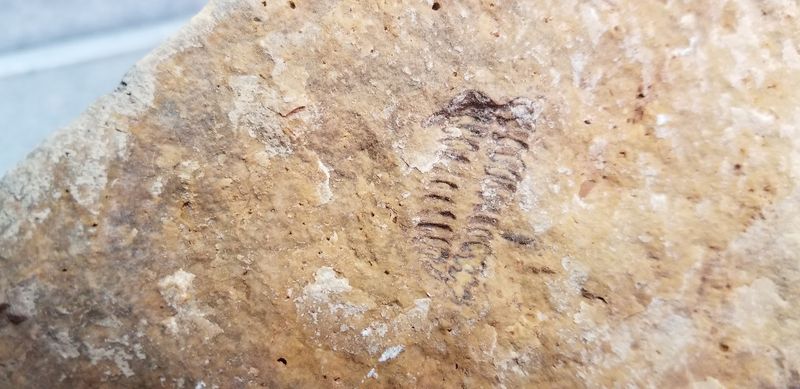
Mazonia-Braidwood State Fish and Wildlife Area sits in the heart of the famous Mazon Creek fossil region. Fossils here come sealed inside ironstone nodules called concretions.
Each nodule formed around a buried plant or creature about 300 million years ago. Minerals built up around the remains and locked them away like a time capsule.
On the outside, they look like flat, rusty-brown lumps. Inside, you might spot a fern leaf, a seed, or the outline of an ancient animal.
The Mazon Creek area is world famous among scientists. It preserved soft-bodied creatures that rarely survive as fossils anywhere else.
The most famous find is the Tully monster. This odd sea creature had a long snout with tiny claws at the tip.
It’s so strange that Illinois made it the official state fossil. Scientists still debate what kind of animal it actually was.
Finding a Tully monster is extremely rare, so don’t plan your weekend around one. Plant fossils turn up far more often.
Still, every nodule is a little lottery ticket. That’s a lot of excitement packed into a rock the size of your palm.
Grab Your Free Permit Before You Start Digging Around
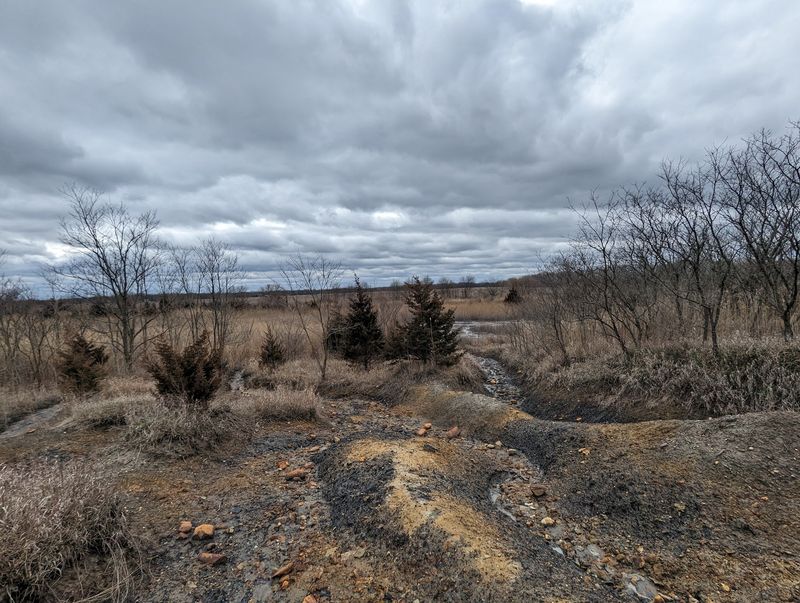
Paperwork is the least thrilling part of fossil hunting. Luckily, it’s also quick and free.
Collecting fossils at the site requires a permit from the Illinois Department of Natural Resources. You can pick one up at the site office, where forms and maps are usually available.
The permit lists which areas are open for collecting. It also explains the rules, so give it an honest read before heading out.
Fair warning, the maps can feel a bit dated. Some landmarks may not match what you see on the ground today.
That’s why a little homework pays off. Fossil books and online guides about Mazon Creek can show you what nodules look like.
Knowing the target shape makes a huge difference. Otherwise, every brown rock starts to look suspicious.
Keep your permit with you while you search. Rules matter here because this land is managed for wildlife, hunters, and anglers too.
It also helps to check the official site for current conditions before you go. Areas can change with seasons, hunting schedules, or maintenance work.
A few minutes of planning beats an hour of wandering. Your future self will thank you.
Your Freezer Becomes a Fossil Lab Back Home
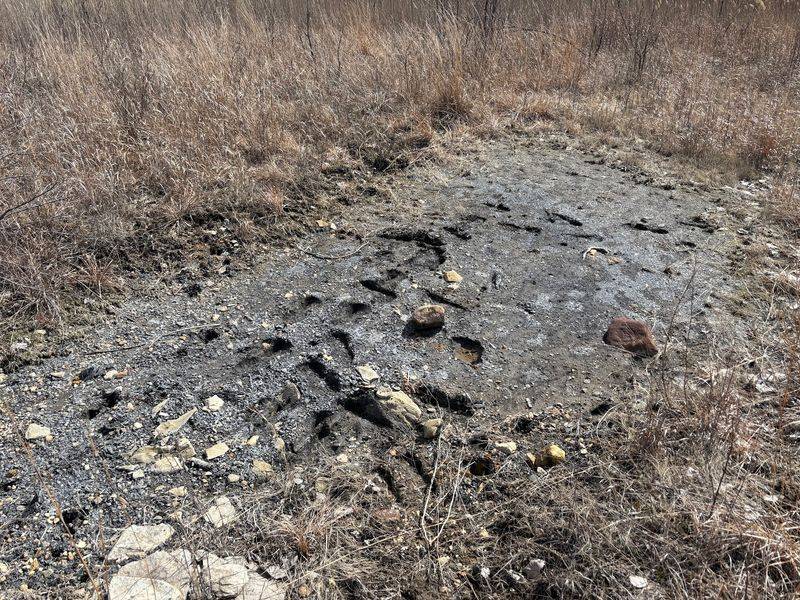
Patience is the secret tool of every Mazon Creek collector. Smashing a nodule with a hammer often ruins the fossil inside.
The smarter method uses nature’s own trick. It’s called freeze-thaw, and it’s as simple as it sounds.
First, soak your nodules in a bucket of water. Then put them in the freezer until frozen solid.
Next, let them thaw and repeat the cycle. Water sneaks into tiny cracks, expands as it freezes, and slowly pries the rock apart.
Some nodules split after a few rounds. Others take many cycles, so don’t lose heart.
When a crack appears along the edge, a gentle tap can finish the job. The two halves often open like a book.
Not every nodule holds a fossil. Some are empty, which is part of the game.
That’s why it helps to collect several. More nodules mean better odds of a fern or something stranger.
This step also makes a fantastic family project. Kids get to check the freezer for days, which beats checking a screen.
Label each nodule with where you found it. Good notes turn a fun haul into a real collection.
Spring Might Be the Smartest Time to Go Searching
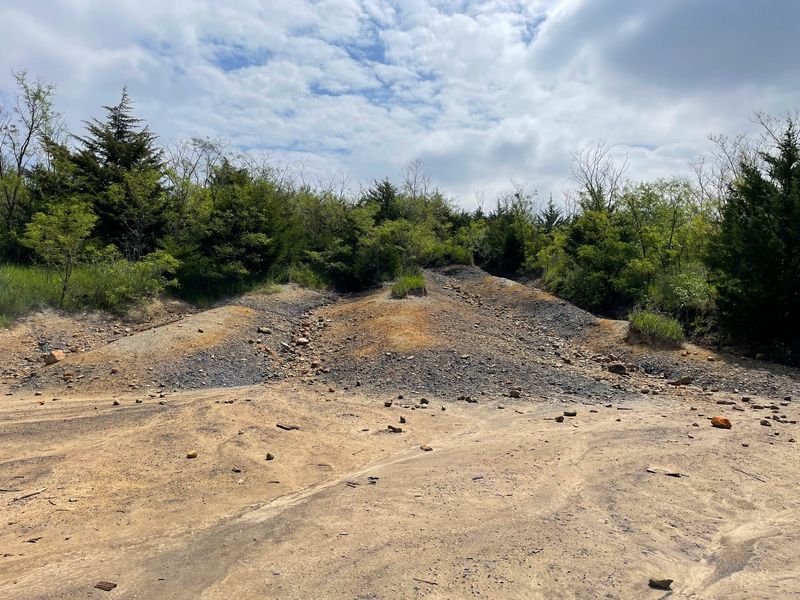
Timing can make or break a fossil trip. Early spring is a favorite choice for many collectors.
Before leaves fill in, the ground is easier to see. Brush is thinner, and nodules aren’t buried under summer growth.
Summer brings thick plants and plenty of bugs. Mosquitoes and ticks can turn a fun outing into a scratchy one.
Bug spray belongs on your packing list in warm months. So do long pants and sturdy boots.
Fall can be pretty here too. Just remember this is a hunting area, so certain seasons bring hunters into the fields.
Bright clothing is a smart idea during hunting seasons. Check the official schedule before planning a visit.
After heavy rain, shorelines and slopes can wash fresh rocks into view. Erosion does some of the digging for you.
Winter visits can still offer opportunities to enjoy the landscape, but fossil collecting is not permitted from October through February. For a fossil-hunting trip, plan between March 1 and September 30.
The site is open from 6 AM to 10 PM daily. Morning trips give you plenty of daylight to search and still find your car.
Pack Like an Explorer, Because Trails Can Get Wild
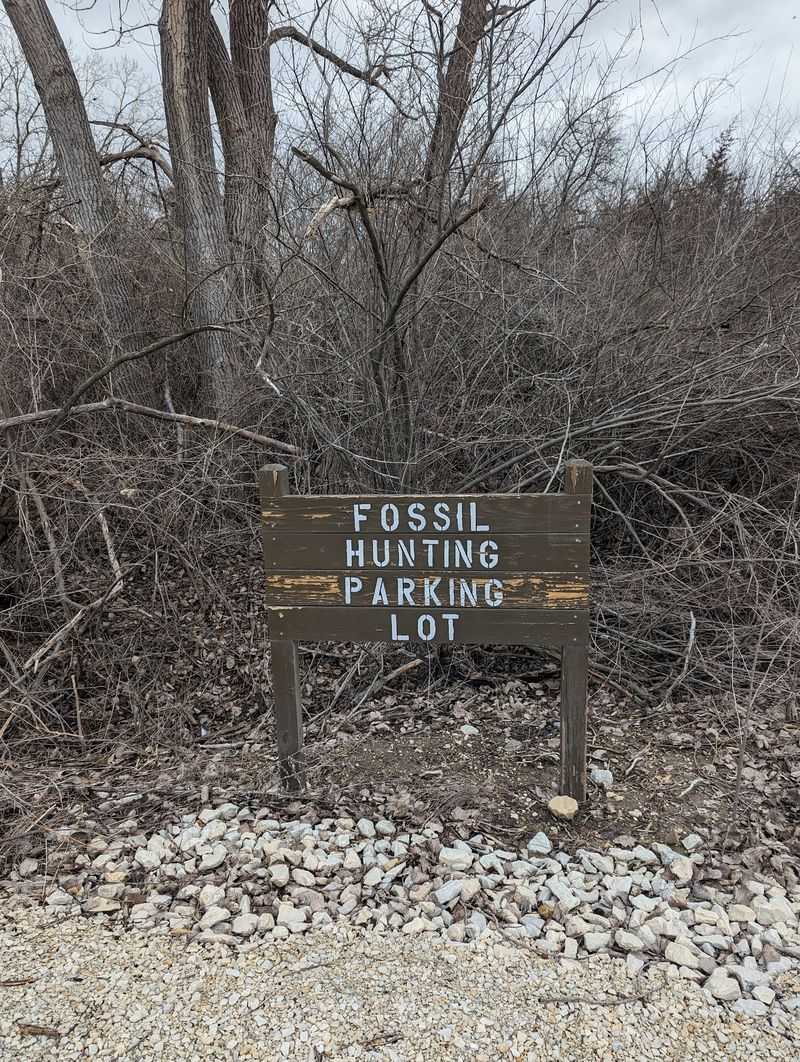
Overgrown paths are part of the adventure here. Some fossil areas sit off the main roads, and signs can be sparse.
That means preparation matters more than usual. Think of it as a mini expedition, not a stroll.
Bring plenty of water, especially on warm days. A backpack with a hydration bladder keeps your hands free for rocks.
Gloves protect you from thorns and sharp edges. A small first aid kit handles scrapes before they become a bigger deal.
A fully charged phone is a must. Download offline maps and drop a pin where you parked.
Deer trails can look a lot like people trails. Paying attention to landmarks helps you find your way back.
Tell someone your plan before heading into the woods. Pick a turnaround time and stick to it.
A sturdy bag or bucket helps carry your finds. Nodules add up fast, and your pockets will complain.
Bring a notebook or use your phone to log spots. Good notes help on return trips.
A little caution keeps the day fun. The fossils have waited 300 million years, so they can wait while you pack properly.
Old Mine Land Turned Into Lakes Worth Casting In
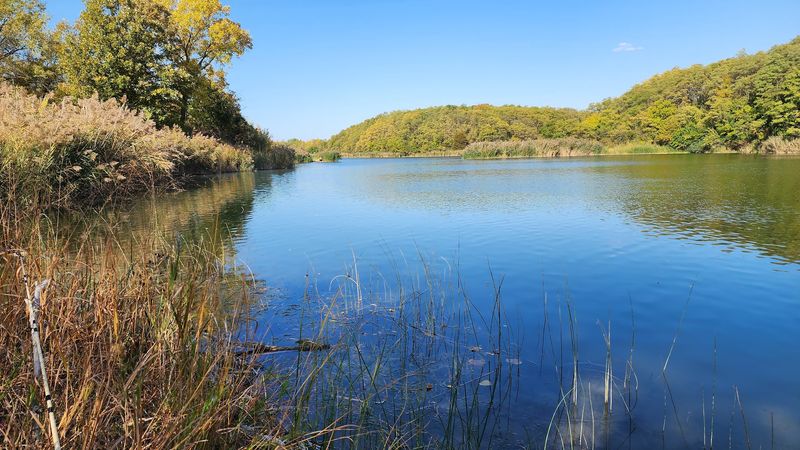
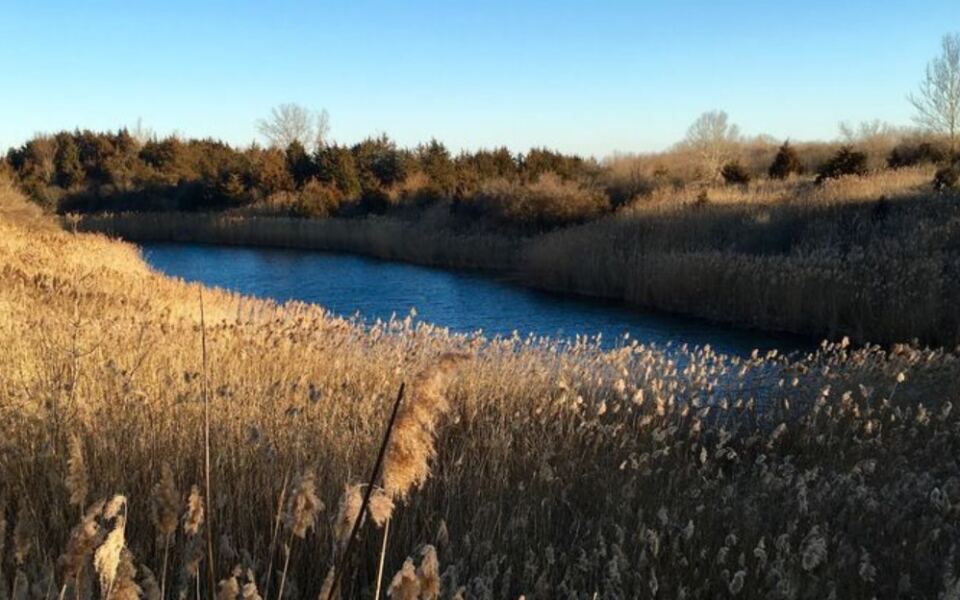
Fishing fans, this place has your back. The site covers about 1,017 acres, with numerous lakes and ponds scattered across former strip-mined land.
Coal mining once reshaped this ground. Today, those old pits hold water and fish instead of machines.
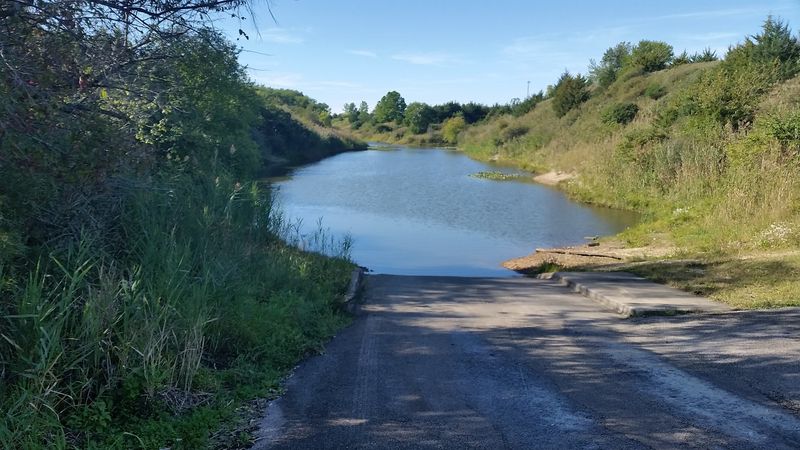
Shoreline access is plentiful, so you can roam until a spot feels right. Several boat ramps make launching easy too.
Catfish, bass, and panfish are common targets in Illinois strip mine lakes. Check current IDNR fishing rules for specific lakes and limits.
An Illinois fishing license is required for anglers who need one. Keep it handy, since rules are enforced on state land.
Here’s a fun combo idea. Spend the morning hunting fossils, then cool off with an afternoon of fishing.
The quiet setting is a big part of the appeal. Open skies and calm water make a relaxing backdrop.
Sunrise and sunset can be especially pretty over the lakes. Golden light on still water is hard to beat.
Bring a folding chair and snacks. Some days the fish bite, and some days you just enjoy the view.
Kayakers Get a Quiet Playground Full of Calm Water
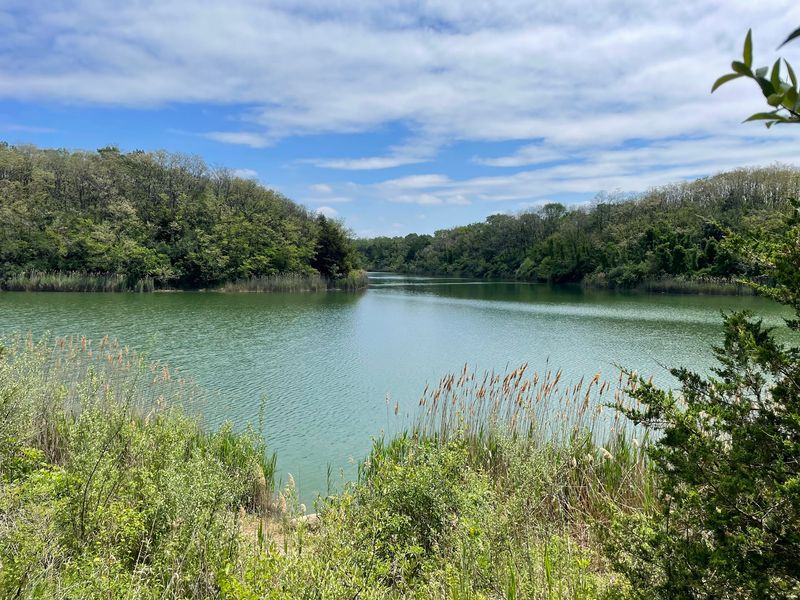
Paddles up! Kayaking is one of the most relaxing ways to explore this area.
With so many lakes to choose from, you can try a new one each visit. Boat ramps make sliding a kayak into the water simple.
Some smaller lakes offer sheltered paddling opportunities, but conditions and boating rules vary by location.
Braidwood Lake can become dangerous in strong winds, so check the specific lake’s regulations and weather conditions before launching. Always wear a life jacket.
Kayak fishing is popular here too. Drifting quietly lets you reach spots that shore anglers can’t.
Shorelines can hide surprises as well. Erosion along the water sometimes exposes rocks worth a closer look.
If you collect from the shore, follow your permit rules. Fossil collecting is allowed only in permitted areas.
Wildlife sightings are another bonus. Herons, ducks, and turtles often hang around quiet Illinois lakes.
Pack sunscreen and a hat, because open water offers little shade. A dry bag keeps your phone and snacks safe.
Morning paddles are often the most peaceful. The water tends to be smoother before afternoon breezes pick up.
Check Illinois boating rules before launching. Being prepared means more time enjoying the glide and less time worrying.
Birders and Hunters Share These Wide Open Grasslands
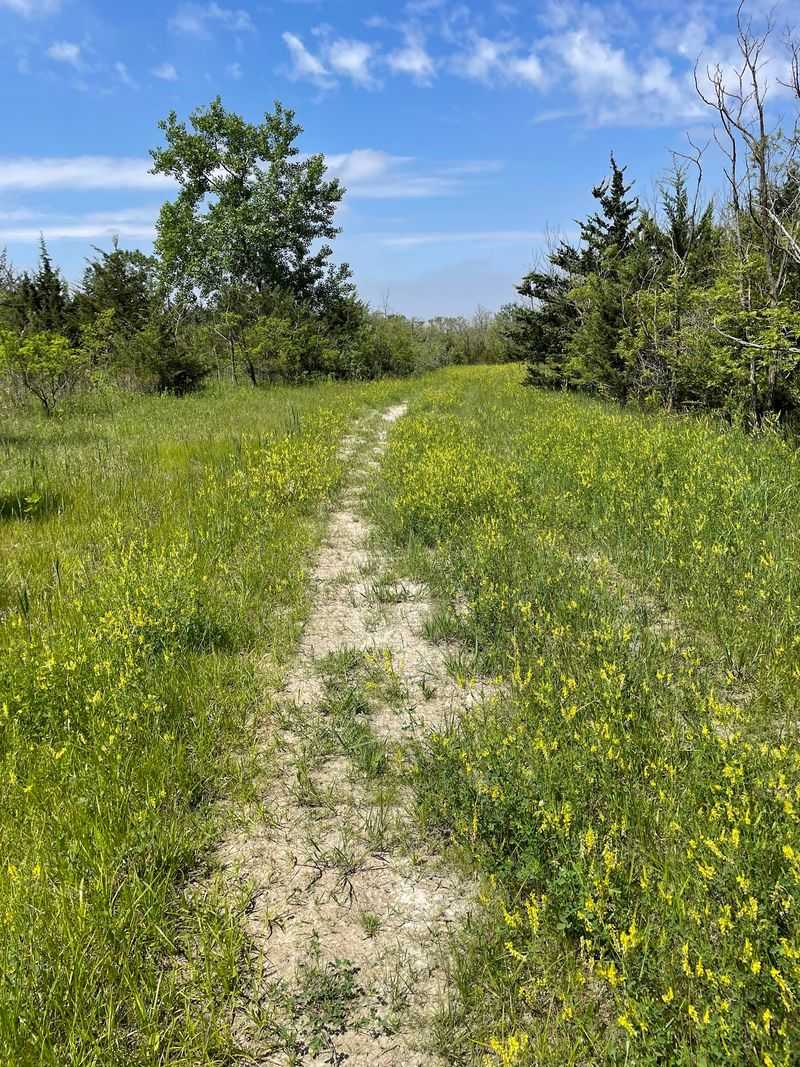
Grassland stretches across much of the property, giving it a big-sky feel. That open habitat supports a wide range of wildlife.
Birdwatchers can enjoy grassland songbirds, waterfowl, and birds of prey. Binoculars are worth bringing, even on a fossil trip.
The site is also a managed hunting area. Seasons for game like deer, waterfowl, and upland birds follow Illinois rules.
Hunters should check IDNR regulations and any site-specific requirements. Rules can change from year to year.
Non-hunters should stay aware during open seasons. Blaze orange clothing helps everyone spot each other.
Some visitors describe the landscape as having a western feel in spots. Wide grasses and scattered water can feel far from busy Chicagoland.
Hiking roads and paths offer chances to stretch your legs. Some routes are easy, while others get grassy and rough.
Dusk brings softer light and more animal activity. It’s a peaceful time to look and listen.
Clear nights can also make for decent stargazing, away from city glow. Just remember the 10 PM closing time.
Whatever brings you here, leave the land as you found it. The wildlife will appreciate it.
Finding It Is Easier Than Finding a Tully Monster
Good news for day-trippers. Getting here is a simple drive from much of northern Illinois.
The address is IL-53 and E Huston Rd, Braceville, IL 60407. It sits in the Braidwood and Braceville area of Will and Grundy counties.
Chicago-area visitors can make it an easy outing. That makes Mazonia-Braidwood State Fish and Wildlife Area a great pick for a spontaneous Saturday.
Many separate parking areas spread across the property. That lets you choose a lake, a trail, or a fossil zone without crowding.
Gates open daily from 6 AM to 10 PM. Plan to be back at your car well before closing.
Stop at the site office first if you plan to collect fossils. That’s where you’ll grab maps and permit forms.
Facilities are basic, so arrive prepared. Bring food, water, and anything else you need for the day.
Nearby Braidwood offers spots to refuel after your adventure. A post-hunt snack feels well earned.
Leave plenty of room in the trunk. You may be heading home with a bucket of mystery rocks and a freezer full of plans.
Share this story