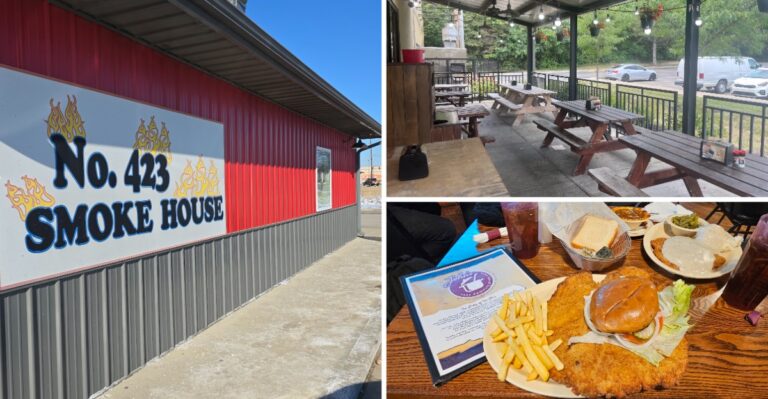
Some of Indiana’s most memorable dining destinations are hiding in places you’d least expect. Winona Lake is one of them. This charming lakeside town pairs scenic waterfront views with a walkable village filled with locally owned restaurants, cozy cafés, bakeries, and inviting patios that make every meal feel like part of the experience.
Whether you’re starting the morning with fresh coffee and pastries, enjoying a leisurely lakeside lunch, or settling in for dinner overlooking the water, the town turns dining into something worth planning around. If you enjoy discovering food destinations that combine great meals with beautiful surroundings, Winona Lake deserves a place on your Indiana travel list.
A Boardwalk Entrance With Real Appetite Appeal
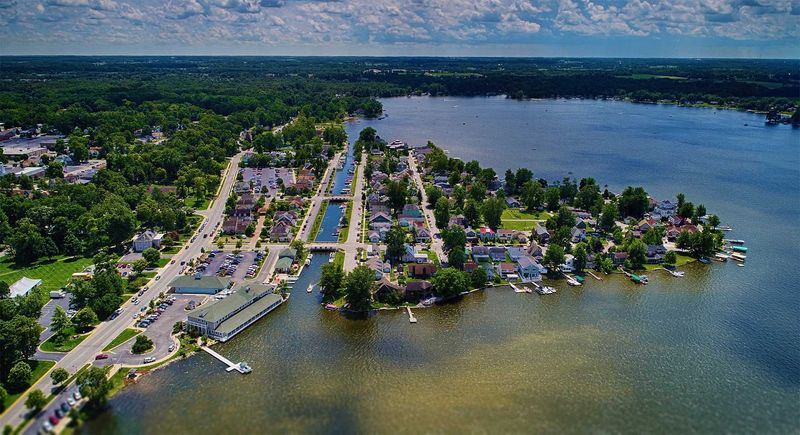
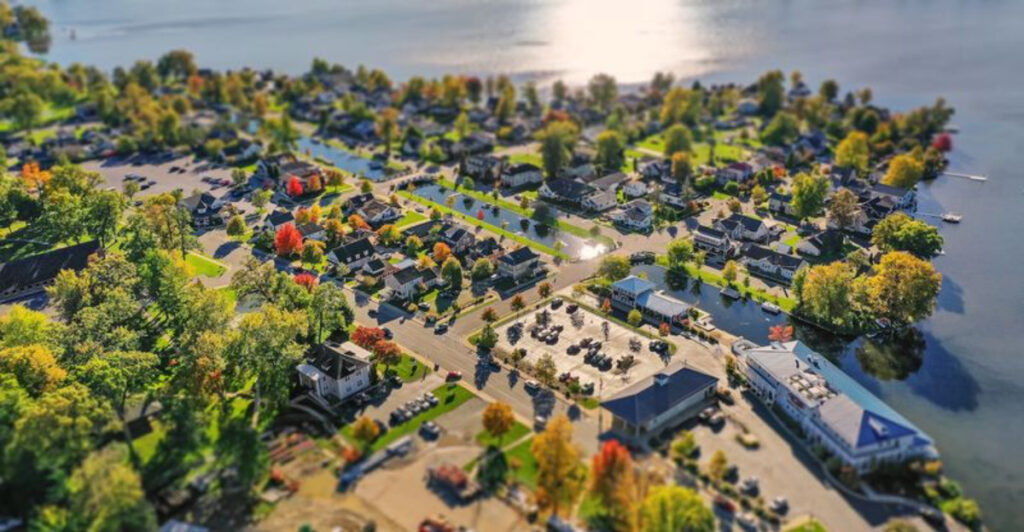
The surprise begins before any menu lands on the table. Winona Lake presents dining as part of the scenery, with the Village at Winona linking storefronts, walkways, and lakeside views into one compact, easy rhythm.
Instead of a strip of isolated stops, the town offers a setting where coffee, lunch, dessert, and a sunset stroll naturally fold into the same outing.
That layout changes expectations fast. You are not driving from one meal to the next or scanning a commercial corridor for chain signage.
You move on foot past brick facades, wooden details, landscaped edges, and glimpses of the water, which makes every restaurant choice feel tied to the place rather than dropped in from somewhere else.
Even the pace around dining feels different here. Tables near windows and patios matter more when the view includes lake light, passing walkers, and the soft activity of a village center that still feels relaxed.
The setting gives ordinary decisions, like where to sit or whether to order dessert, a little more weight because the surroundings invite you to stay longer.
That is where Winona Lake quietly outperforms expectations. The town understands that a dining scene is not only about the food itself, but also about how easily people can move between meals, shopping, shoreline air, and conversation without breaking the mood.
In a larger city, that seamless flow can be hard to find. So the first impression is not a single dish or headline restaurant. It is the fact that dining here arrives wrapped in a walkable lakeside environment that immediately raises the ceiling on the whole experience.
Before you compare menus, Winona Lake has already made eating out feel more inviting, more scenic, and much more intentional.
Where Lake Views Meet Date-Night Menus
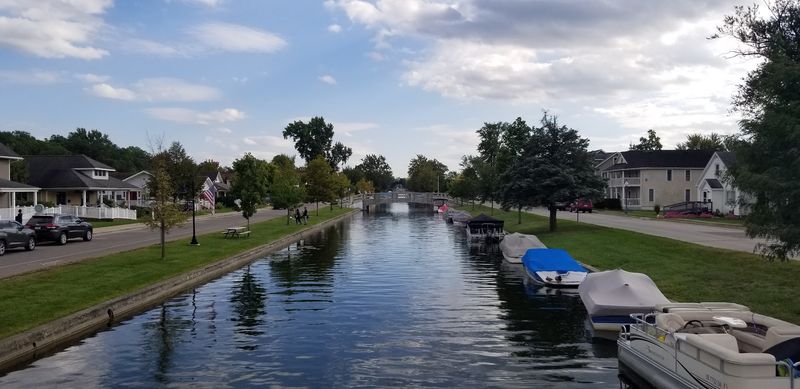
Once you settle into the village, the next surprise is how naturally Winona Lake supports a proper night out. This is not only a daytime stop for sandwiches after a walk.
The town has the visual ingredients that make dinner feel elevated, especially when the water turns reflective in the evening and the storefront district softens under warmer light.
Lakeside dining tends to work best when the view does not overwhelm the meal, and Winona Lake benefits from that balance. The shoreline is present, but not theatrical.
You get enough openness to make a table feel special, while the village architecture and close-set businesses keep the experience grounded and social rather than sprawling or resort-like.
That matters when choosing where to spend an evening. A place can offer good food, but if the setting is disconnected, the night ends too quickly.
Here, dinner can stretch into a full sequence: a drink, a walk by the water, a look through nearby shops, then back for dessert or coffee as the light drops lower across the lake.
The town also avoids one-note dining energy. Some lake destinations lean fully casual, built around quick baskets and dockside convenience.
Winona Lake leaves room for polish without losing its small-town ease, which broadens the audience. Couples, families, and day-trippers can all find a version of the evening that fits.
That flexibility is why the dining scene lands harder than expected. You are not choosing between scenic and satisfying, or between laid-back and occasion-worthy.
In Winona Lake, those modes overlap. The result is a destination where dinner can be simple or dressed up, but the setting still gives it the extra lift that makes the night feel complete.
Coffee, Pastries, and the Slow Morning Advantage

Winona Lake makes a strong case for starting hungry and not rushing. In many lake towns, mornings are treated as a brief pause before boating or shopping.
Here, breakfast and coffee feel built into the day, helped by a compact village setting where early light, calm sidewalks, and nearby storefronts encourage you to settle in rather than grab and go.
That morning rhythm changes how the dining scene is experienced. A pastry and coffee are not just fuel before the real agenda begins.
They become part of the main attraction because the environment supports lingering, people-watching, and slow conversation. The town gives breakfast a backdrop that is visually gentle but never dull.
You notice practical details more in the morning. Short walking distances, nearby parking, and the ease of moving between the village and lakefront make a casual stop feel frictionless.
If you want another drink, a second bakery item, or a short detour through shops before lunch, the town accommodates those small decisions with almost no planning.
Morning also reveals why Winona Lake can support a more layered dining identity than its size suggests. A destination built only for peak mealtime crowds usually feels flat before noon.
This place has enough built-in charm and pedestrian flow to make earlier hours rewarding, which helps local cafes and breakfast spots carry real presence instead of serving as secondary options.
For visitors, that means the first meal can set the tone for the whole day. Rather than racing toward the lake and treating food as an afterthought, you are nudged to begin with coffee, baked goods, and a little unplanned time.
In a town this compact, that simple shift makes the entire dining experience feel fuller and more thoughtfully paced.
The Village at Winona Turns Meals Into a Full Outing
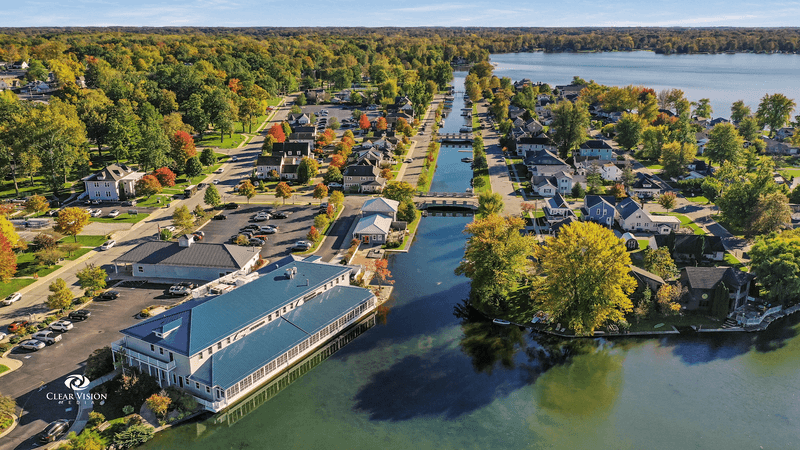
One reason Winona Lake punches above its size is that meals rarely stand alone. The Village at Winona is arranged so dining works in tandem with browsing, walking, and pausing at the waterfront.
That combination sounds simple, but in practice it gives the town a fuller hospitality rhythm than many small destinations that separate eating from everything else.
Because the district is compact, an afternoon here develops naturally. You can move from lunch to boutique shopping, step outside for a quick lake view, then circle back later for dessert or coffee without ever feeling locked into a rigid plan.
The food scene benefits from that casual movement, since restaurants are part of the flow instead of isolated anchors.
This also means dining gets support from surrounding visual detail. Storefront architecture, tidy public spaces, and the presence of pedestrians all help restaurants feel active even when the town remains quiet by city standards.
There is enough motion to create energy, but not so much that the place becomes hectic or hard to navigate. For travelers, that matters more than a long list of addresses. A small town with several places to eat can still feel limited if each stop requires its own separate trip.
Winona Lake compresses the experience into a walkable cluster, making it easier to sample more than one spot across the day and easier to change plans based on mood, weather, or timing.
That is the kind of practical strength visitors often notice only after arriving. The dining scene is not surprising solely because food exists by the lake.
It stands out because the town has created an environment where eating is woven into the entire outing. In Winona Lake, lunch is rarely just lunch, and that distinction raises the appeal of the whole district.
Why Winona Lake, Indiana Works Better Than a Typical Suburban Stop
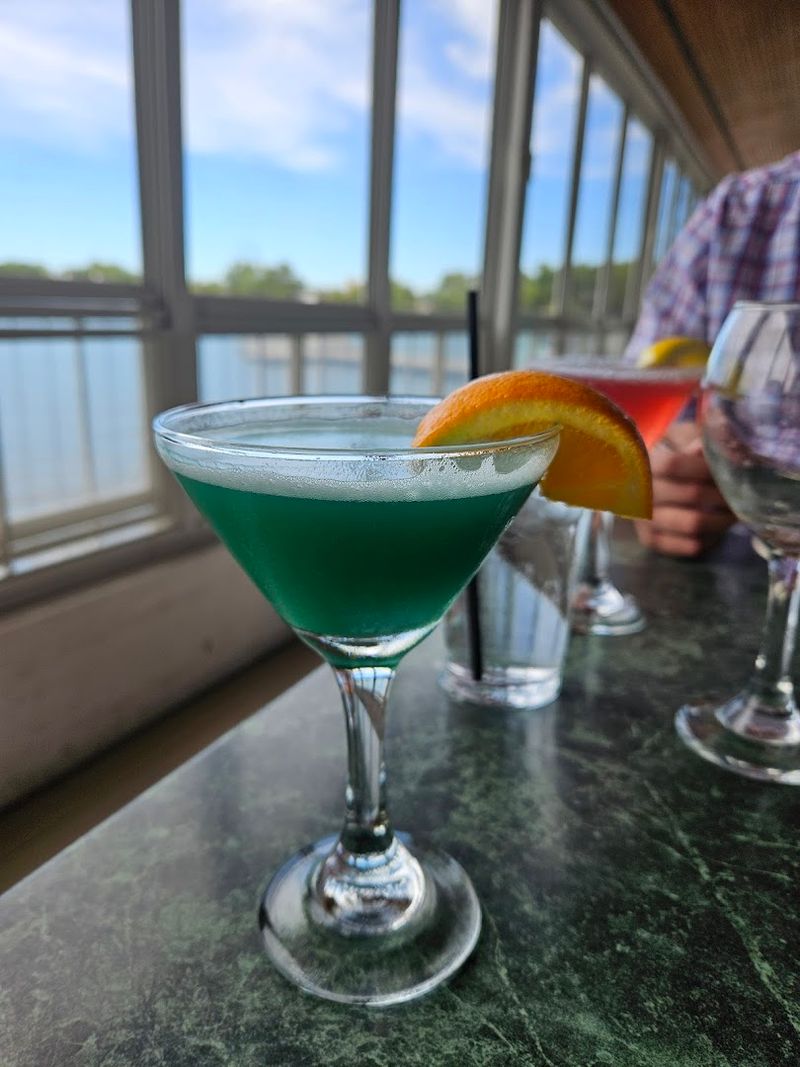
On paper, Winona Lake can be read as part of the broader Warsaw area, a town connected to everyday regional life rather than sealed off as a resort enclave. That context makes the dining scene more interesting, not less.
It means the food culture here has to function for regular routines while still offering enough character to pull in visitors.
The payoff is a place that feels more grounded than a pure getaway market. Restaurants in towns built only around tourism can lean heavily on novelty, view, or seasonal traffic.
Winona Lake has a different challenge. Dining has to make sense for locals, day-trippers, and out-of-town guests at the same time, which usually produces steadier, more practical appeal.
You can see that advantage in the town’s scale and layout. It is accessible, easy to understand quickly, and connected to a real community instead of operating like a detached entertainment zone.
That gives meals a more natural setting. A lakeside dinner here sits beside normal town life, which makes the experience more relaxed and less performative.
There is also an Indiana-specific charm in that balance. The landscape is calm, the village center is manageable, and the dining scene does not arrive with a lot of swagger.
Instead, it earns attention through placement, walkability, and consistency of setting. The surprise comes from discovering how much range can emerge inside a town that initially appears modest.
That is why Winona Lake catches visitors off guard. It does not advertise itself through size, density, or flashy urban credentials.
Yet once you are there, the combination of lakefront beauty, village structure, and everyday livability creates a more satisfying food destination than many larger suburban stops. The town proves that context can sharpen a dining scene just as much as menu ambition.
Best Times to Eat by the Water
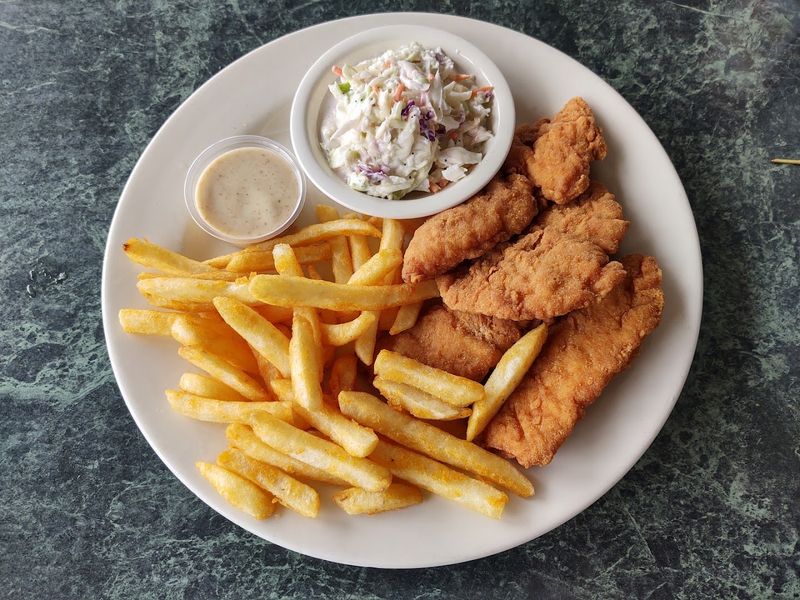
Timing shapes the Winona Lake experience more than visitors may expect. Because the lake, paths, and village all work together, the same restaurant area can feel noticeably different from morning to midday to evening.
Choosing when to eat is not just about hunger. It is part of how you get the best version of the town’s dining personality.
Mornings suit anyone who wants the quietest pace. The sidewalks are easier to drift through, the light on the water is softer, and breakfast or coffee can feel almost tucked into the landscape.
This is the best window if you want room to browse afterward without competing with the fuller movement that arrives later in the day.
Lunch brings a different energy. By then, the village feels more active, and the convenience of nearby shops and shoreline access becomes especially useful.
A midday meal works well if your goal is to make dining part of a larger outing, because everything around the table is open to extension: a walk, a browse, or a second stop for something sweet.
Evening is where the scenic value sharpens. As the light changes, patios and window seats gain extra pull, and the lake gives dinner a stronger visual frame.
This is the best time for stretching the experience, especially if you want a meal that rolls naturally into a longer stroll instead of ending the moment the check arrives.
Season also matters, especially in northern Indiana where outdoor comfort shifts across the year. Still, the core planning idea stays simple: match your meal to the pace you want.
Winona Lake rewards that kind of timing because its dining scene is tied so closely to movement, light, and the changing mood of the waterfront village around it.
A Small-Town Food Scene That Changes the Whole Trip
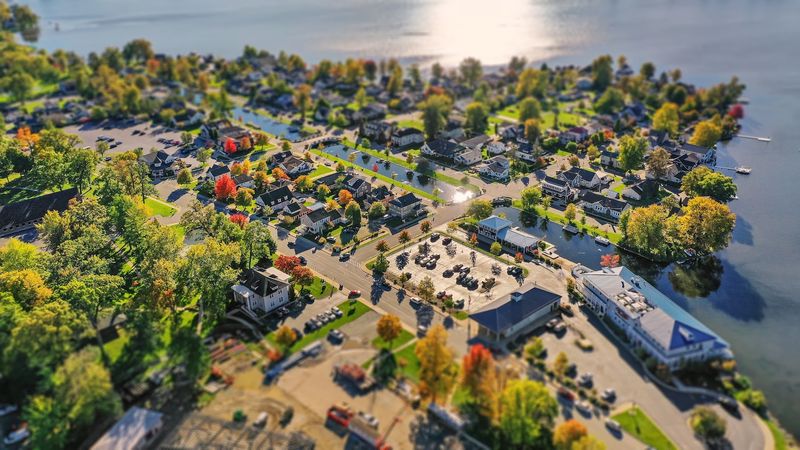
By the end of a visit, the clearest takeaway is that Winona Lake does more than provide a convenient place to eat near the water. The town uses dining to shape the entire trip.
Food here is tied to movement, scenery, and pacing so closely that meals become the framework around which the day naturally organizes itself.
That distinction explains why the town surprises first-time visitors. Plenty of small lake communities offer a pretty view and a handful of places to sit down.
Winona Lake goes further by making dining visible, central, and easy to combine with everything else that brings people here. You are rarely far from the shoreline, a storefront, or the next small decision that extends the outing.
The effect is subtle but powerful. Instead of treating restaurants as necessary stops between attractions, the town lets food function as one of the attractions without turning overly polished or artificial.
That keeps the scene approachable. You can come for a quick coffee, a relaxed lunch, or a more deliberate dinner and still feel connected to the same larger village experience. There is also a confidence in the town’s scale. Winona Lake does not need endless options to feel compelling.
What it offers is coherence: lake setting, walkable layout, restored village charm, and enough dining variety to keep the day from flattening into one note. In a destination this compact, coherence matters more than sheer volume.
So yes, the lake brings people in, and the village gives them room to wander. But the dining scene is the detail that changes assumptions.
It turns Winona Lake from a pleasant stop into a place with texture, appetite, and repeat appeal. For a northern Indiana town of modest size, that is an unexpectedly strong finish to the story.
Share this story