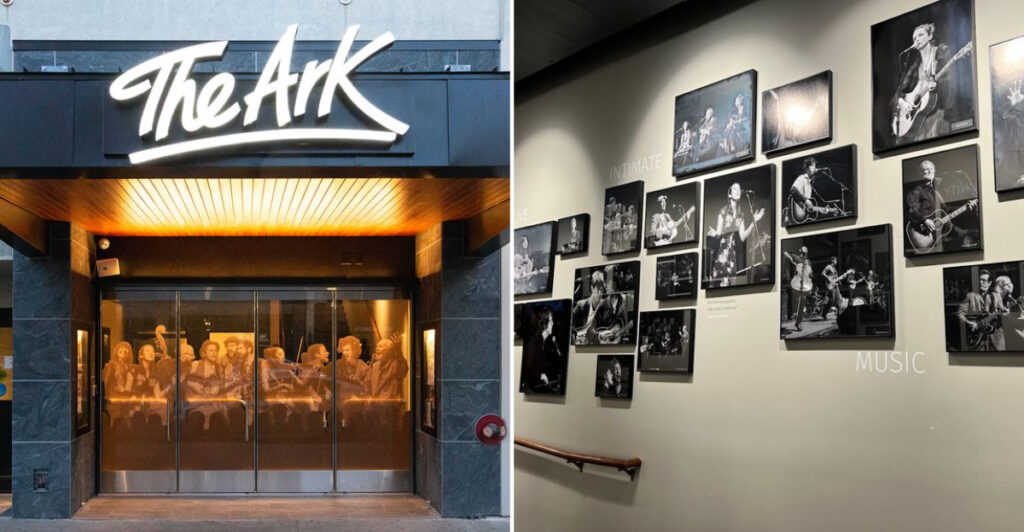
On South Main Street in Ann Arbor, Michigan, The Ark proves that a music venue does not need a massive stage to leave a lasting mark. Since 1965, this beloved non-profit acoustic venue has helped shape Michigan’s live music scene with intimate shows, thoughtful programming, and a reputation that reaches far beyond Ann Arbor.
Fans regularly travel long distances for a single performance, drawn by a room where every seat feels close, every lyric lands clearly, and the sound carries the kind of warmth bigger venues often lose. Whether you love folk, roots, blues, singer-songwriters, or simply the magic of live music in a space built for listening, The Ark is one of those Michigan venues that stays with you long after the final song.
A Historic Room Built on Decades of Acoustic Devotion
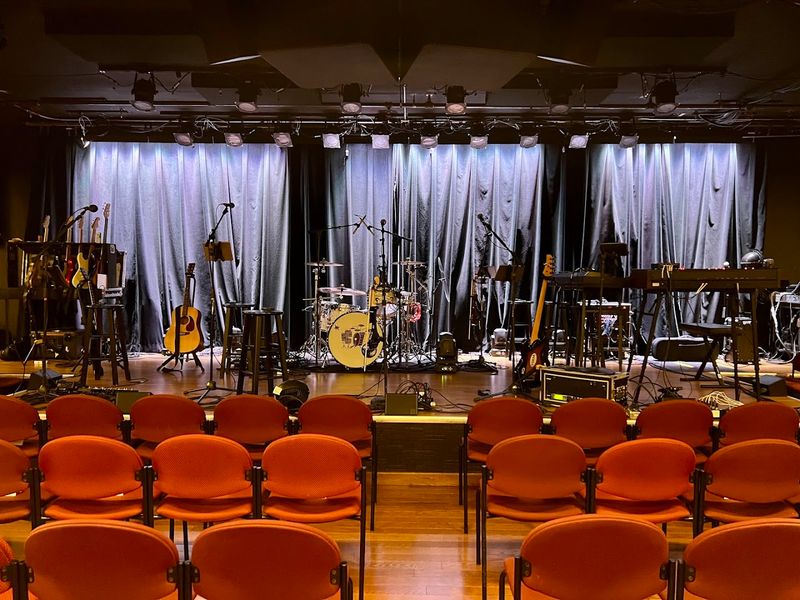
Since 1965, The Ark has operated as one of the most consistently respected acoustic music venues in the United States. That kind of longevity does not happen by accident.
It takes intentional programming, community investment, and a physical space that actually delivers on its promises night after night.
The venue currently sits upstairs in what was formerly Kline’s Department Store on South Main Street — its third and final home in Ann Arbor. The move into that building brought with it more square footage without sacrificing the close-quarters energy that defines the experience.
Walking through the entrance, the walls immediately announce the venue’s past. Vintage concert posters from artists like Arlo Guthrie and Great Big Sea line the hallways, each one a timestamp from a different chapter of the venue’s story.
The Ark operates as a non-profit, which shapes nearly everything about how it functions. There are no corporate ticketing fees tacked on at checkout.
Programming decisions prioritize musical quality over commercial popularity. That philosophy has attracted an extraordinarily loyal audience over the decades — people who return season after season because they trust the curation.
Folk, roots, blues, and singer-songwriter acts form the backbone of the lineup. Artists like Ronnie Baker Brooks, Suzy Bogguss, Amanda Shires, and Loudon Wainwright III have all taken the stage here.
The range is broad enough to keep regulars surprised, but focused enough that the venue maintains a clear identity.
For a room that seats a modest crowd, The Ark punches well above its weight in cultural impact. Decades of consistent programming have turned it into a cornerstone of Ann Arbor’s artistic identity, one that newer venues in the city are still measured against.
Sound Engineering That Turns Every Show Into a Listening Event
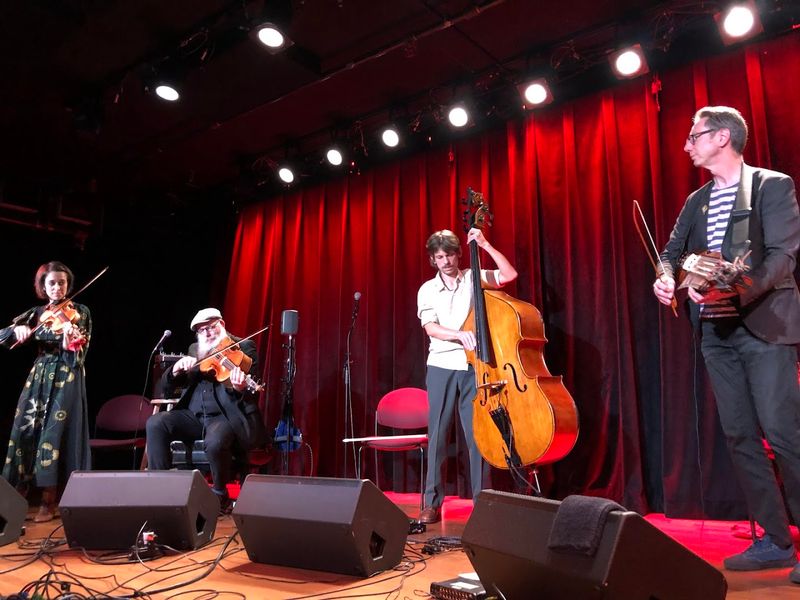
A lot of small venues treat sound as an afterthought. The Ark treats it as the whole point.
The acoustic engineering inside this room is genuinely exceptional, and that reputation has spread through the music community in a way that keeps both artists and audiences coming back.
The speakers are calibrated carefully — loud enough to fill the room with full, clear sound, but never crossing into the uncomfortable range that sends concertgoers reaching for earplugs. That balance is harder to achieve than it sounds, and it speaks to the experience level of the engineers working the board.
Even opening acts, which at most venues get a rushed sound check and mediocre mixing, tend to sound polished and well-balanced at The Ark.
For acoustic music specifically, the room’s design works in natural harmony with the performances. Folk guitar, upright bass, and unprocessed vocals carry with a warmth and clarity that electronic-heavy genres can sometimes mask.
Sitting in the audience feels less like attending a concert and more like being let into a private session where every note lands exactly as intended.
The engineering staff brings genuine expertise to each show. This is not a rotating crew of generalists — it is a team that understands the room’s specific acoustic properties and adjusts accordingly for each artist and instrument configuration.
That consistency raises the floor for every performance that happens here.
Several concertgoers have described the listening experience as closer to sitting in a well-designed home theater than a public venue. That description is apt.
The sound at The Ark does not just support the music — it elevates it, making even a moderately familiar artist sound like the best version of themselves on any given night.
Volunteer-Powered and Community-Rooted, Right in Downtown Ann Arbor
Most music venues run on paid staff and corporate logistics. The Ark runs on something rarer: genuine community investment.
Volunteers handle a significant portion of the operations here, from greeting guests at the door to managing the floor during shows. That choice is not just a cost-saving measure — it creates a specific kind of energy that paid staff rarely replicate.
The volunteers tend to be deeply invested in the venue’s mission. Many are long-time members who transitioned from audience regulars to active participants.
Their familiarity with the space and the culture shows in small but meaningful ways — a warm recommendation about where to sit, a quick word about the artist’s backstory, an efficiency at the door that keeps lines short without feeling rushed.
The Ark’s membership model supports this community structure. Members gain access to certain perks, including the ability to purchase wine and beer at shows — a benefit that non-members do not receive.
Membership revenue also helps sustain programming without relying on the kind of ticket markups that larger commercial venues depend on. No Ticketmaster fees.
No hidden service charges. Just a straightforward ticket price that reflects what the show actually costs to produce.
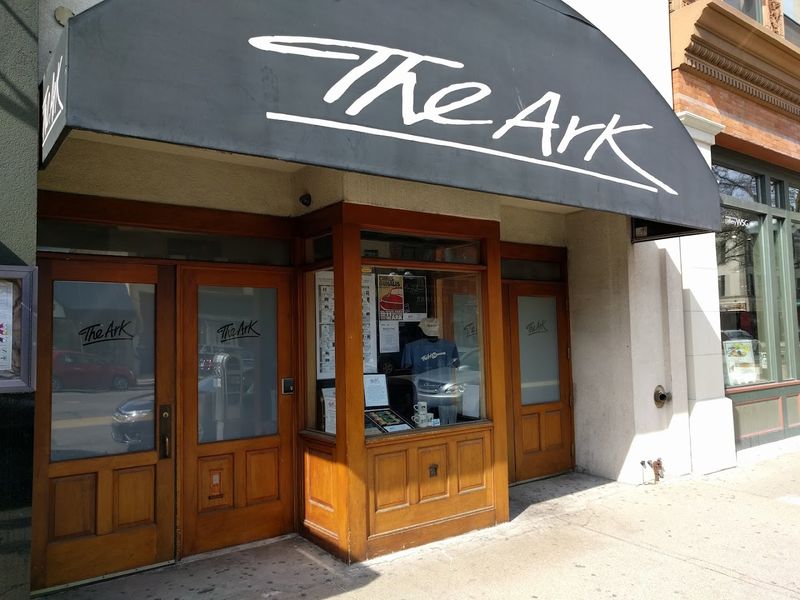
Located at 316 S Main St in Ann Arbor, the venue sits in the heart of a walkable downtown district. Parking is available in a lot behind the building off Ashley Street, typically running around seven dollars.
The surrounding neighborhood offers plenty of options for dinner or drinks before the doors open at 7:30 PM, making it easy to build an entire evening around a show.
The community-first structure gives The Ark a texture that money alone cannot manufacture. It runs like a neighborhood institution because, in every practical sense, that is exactly what it is.
Seating Layout Secrets That Affect Your Entire Night
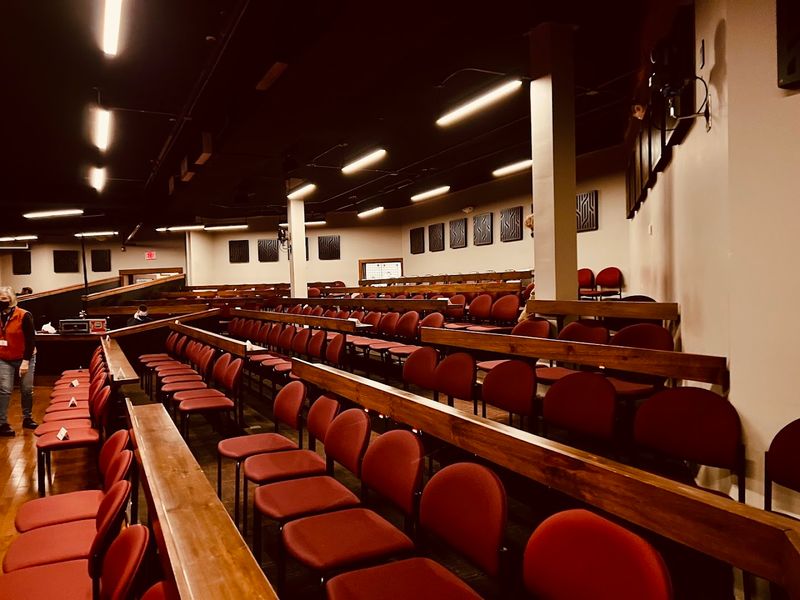
Picking the right seat at The Ark requires a bit of insider knowledge that the venue’s seating chart does not make immediately obvious. General Admission tickets, which are often priced lower than VIP options, actually place you closest to the stage.
That counterintuitive setup catches first-time visitors off guard.
VIP seating sits further back in the room. For a venue this size, the distance difference is not enormous, but it does affect the sense of proximity to the performer.
At a room built around intimate acoustic experiences, being up front changes the dynamic considerably. You can see the artist’s expressions, catch the small between-song moments, and feel the performance rather than simply observe it from a comfortable distance.
Sightlines throughout the venue are generally strong. The layout is designed so that sight obstructions are minimal regardless of where you end up sitting.
Even seats that appear to be off-angle on the seating map tend to deliver a workable view, though fully side-on positions can occasionally feel limiting depending on how much the performer moves around the stage.
The Ark functions as a listening room in the most deliberate sense. Audiences are expected to be seated and attentive during performances, which is a different social contract than a standing bar show or a festival set.
That format suits the programming perfectly — acoustic folk and roots music rewards focused listening in a way that background music at a crowded bar simply does not allow.
Photography and recording policies are strictly enforced by venue staff rather than left to individual artists’ discretion. Come prepared to be present rather than document.
For most people who make the trip, that turns out to be a feature rather than a limitation — the show demands full attention, and the show earns it.
The Curated Lineup That Sets Michigan’s Folk and Roots Standard
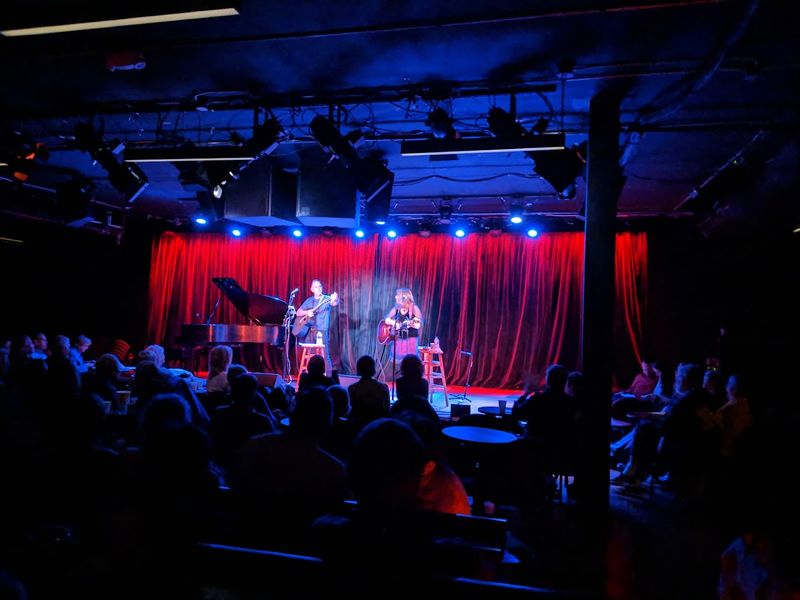
Booking decisions at The Ark reflect a curatorial instinct that is genuinely rare in the live music industry. The programming team does not chase trending names or fill the calendar with whoever is available.
The lineup reads like a carefully assembled playlist from someone who has spent decades learning what acoustic music can actually do to a room full of people.
Blues artists, Americana acts, folk singer-songwriters, roots bands, and occasional comedy performers all share the calendar across a given season. The variety keeps the schedule fresh, but a consistent thread of musical quality runs through every booking.
Opening acts receive the same level of production attention as headliners, which says a great deal about how seriously the venue takes each individual show.
Some of the most memorable performances in the venue’s history have come from artists who were not household names at the time of the show. The Ark has a track record of booking performers before broader audiences catch on, which gives regular attendees a sense of discovery that keeps the experience from going stale even after years of attendance.
Tickets for high-demand shows sell out quickly. The venue’s capacity is limited enough that popular acts fill up fast once word spreads through the membership base.
Checking the schedule early and buying tickets without hesitation is the practical move for anyone targeting a specific show.
The non-profit structure means programming decisions are not driven by which act generates the highest bar revenue or merchandise sales. Artists are booked because they fit the room and the mission.
That freedom produces a lineup that feels considered and coherent across an entire season, giving The Ark a programming identity that most commercial venues cannot afford to maintain.
Planning Your First Visit: Timing, Parking, and What to Expect
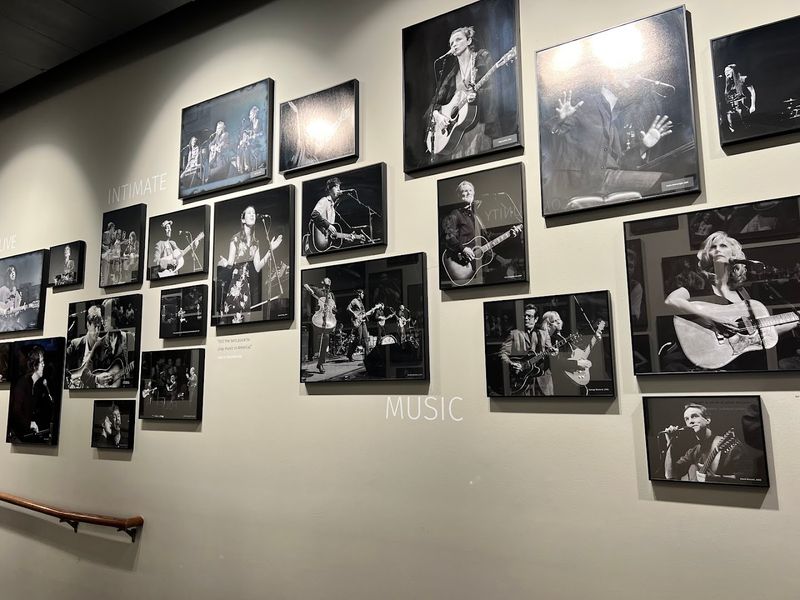
Doors at The Ark open at 7:30 PM most evenings, with shows running until around 11 PM on weekdays and slightly earlier on Sundays when the venue closes at 10:30 PM. Arriving close to door time is a smart move, especially for General Admission shows where seat selection is first-come.
Getting there early also gives you time to take in the memorabilia-lined hallways before the room fills up.
Parking is available in a lot behind the venue off Ashley Street. Rates have settled around seven dollars, which is reasonable for downtown Ann Arbor on a show night.
Street parking exists in the surrounding blocks but availability varies depending on the day of the week and the draw of the particular show. Planning ahead rather than circling the block is the better approach.
The venue is a non-profit, so concessions operate differently than at a commercial club. Beer and wine are available for purchase, but only to members.
Concessions also close partway through the show, so grabbing a drink before the performance begins is advisable rather than planning to order at intermission. The nearby downtown restaurant and bar scene along Main Street makes pre-show dining straightforward — there are options at nearly every price point within a short walk.
First-time visitors often note the clean, well-maintained condition of the space, including the restrooms, which hold up surprisingly well for a venue of this age and size. The staff is consistently described as welcoming and efficient, which sets a calm, positive tone from the moment you arrive.
For anyone driving in from outside Ann Arbor, the trip is genuinely worth the mileage. The combination of sound quality, programming, and venue character delivers an experience that most regional music fans do not find closer to home.
Why This Small Stage Carries an Outsized Reputation Across the Midwest
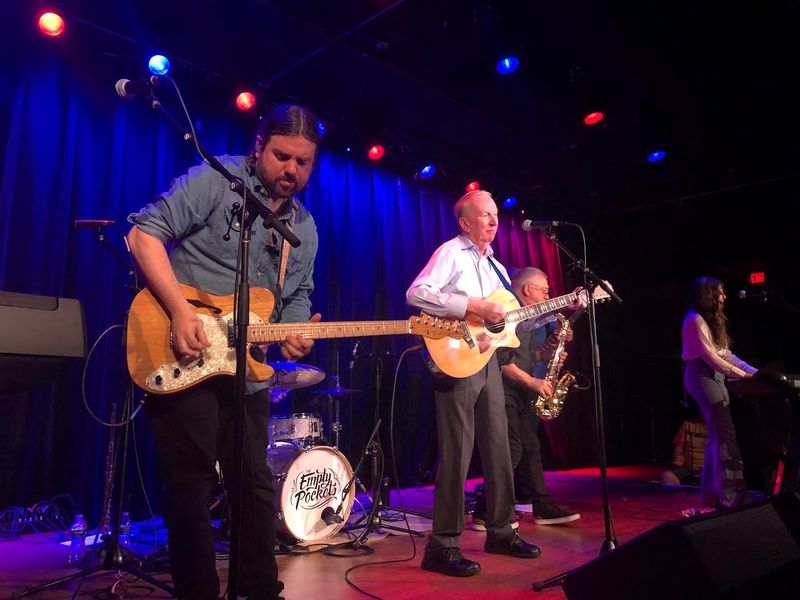
A 4.9-star rating across nearly a thousand reviews is not something a venue accumulates through luck or novelty. It reflects consistent execution over a long period of time — show after show, season after season, in a room that has been doing this since Lyndon Johnson was in the White House.
The Ark’s reputation extends well beyond Ann Arbor’s city limits. Music fans in Detroit, Lansing, Toledo, and even Chicago factor it into their live music calendars.
The willingness to drive significant distances is a recurring theme among the venue’s regulars, and it speaks to something specific: there are not many places in the Midwest where acoustic music gets treated this seriously in a room this intimate.
Part of what sustains the reputation is the lack of compromise in how the venue operates. No corporate ticketing platforms inflating prices.
No pressure to run the room at maximum commercial capacity. No decision-making driven by sponsor relationships or brand partnerships.
The Ark answers to its donors, its members, and its mission — and that freedom shows up directly in the quality of what happens on stage.
The venue also benefits from genuine institutional memory. Staff and volunteers who have been involved for years carry knowledge about the room, the audience, and the artists that newer venues simply do not have access to.
That accumulated experience shows in the small details that add up to a great night: the sound mix, the pacing of the evening, the way the room is managed during a sold-out show.
For Michigan music history, The Ark is not a footnote — it is a primary source. Generations of concertgoers have had their relationship with live acoustic music shaped by what they first heard in this room on South Main Street.
Share this story