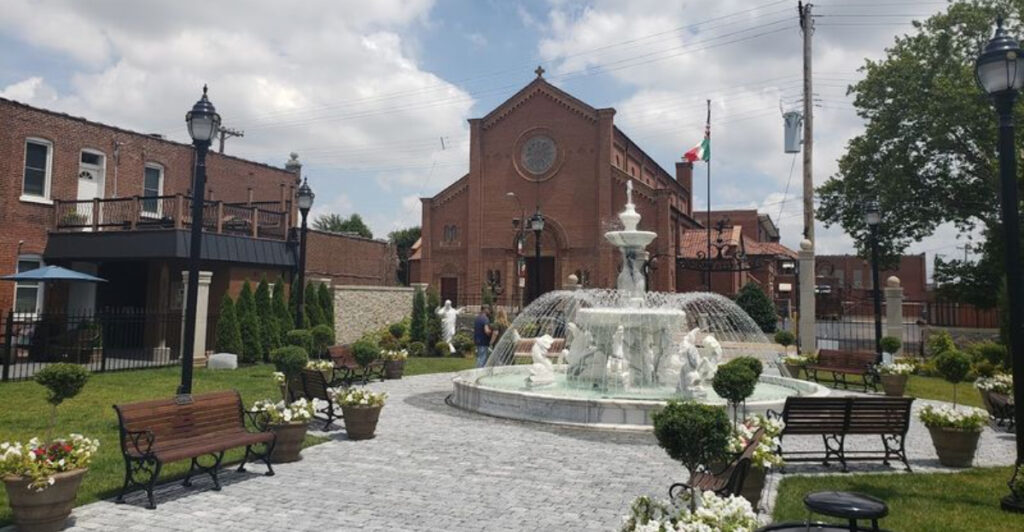
The Hill in St. Louis is the kind of neighborhood that turns a simple meal into an all-day experience before you even realize it is happening. Famous for its deep Italian roots, this compact stretch of the city layers old-school bakeries, beloved red-sauce restaurants, family-run delis, bocce courts, and decades of community tradition into a place that feels genuinely lived-in rather than staged for visitors.
Every corner seems to offer another excuse to stop, browse, snack, or sit down for one more plate of pasta. The atmosphere feels warm, local, and deeply tied to the city’s identity. If you love destinations where food and neighborhood character are completely intertwined, The Hill absolutely delivers.
A Streetscape Built for Appetites
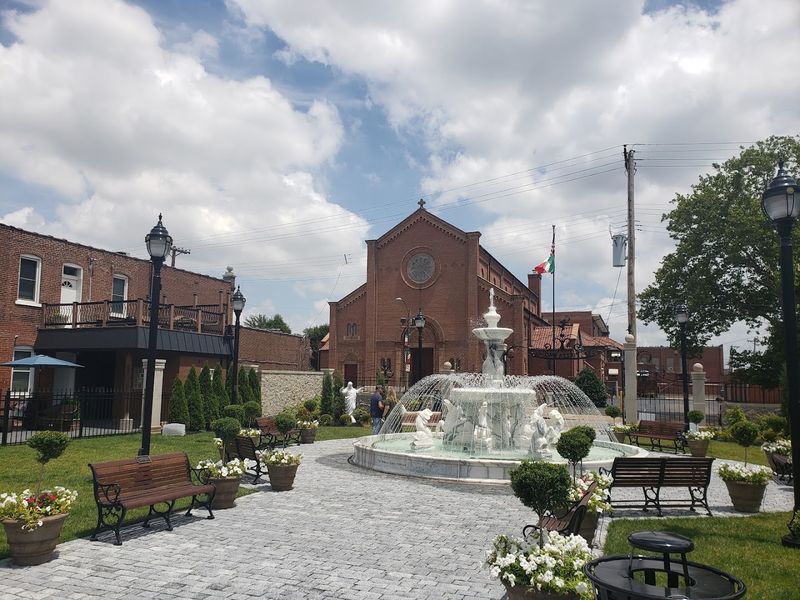
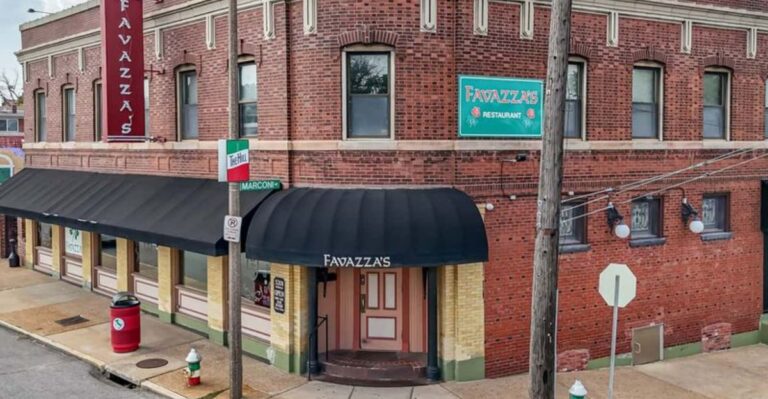
The Hill grabs your attention before a menu ever lands in your hand. Brick storefronts, tidy homes, painted signs, and flashes of Italian flags give the neighborhood a visual rhythm that reads as both lived-in and proudly specific.
Instead of feeling polished for visitors, the streets feel organized around daily ritual – shopping for bread, stopping for lunch, picking up cured meats, and chatting outside a favorite corner spot.
That steady neighborhood energy is part of the appeal. You are not walking through a themed dining district built to imitate heritage; you are moving through a place where food businesses and family life still share the same blocks.
Cars roll by slowly, sidewalks invite detours, and one sign after another tempts you to keep going just a little farther.
The compact layout helps, too. Marconi Avenue, Shaw Avenue, and Wilson Avenue create the kind of easy roaming territory every food lover wants, where a sandwich shop can turn into a bakery stop, then a market visit, then dinner plans without much effort.
The Hill rewards curiosity because the distance between a quick snack and a full meal is often just a short walk. For first-time visitors, that sense of concentration is the immediate thrill.
You can spot the neighborhood’s culinary identity in its windows, smell it near doorways, and see it in the grocery bags people carry back to their cars.
Before you choose where to eat, The Hill has already made its point: this part of St. Louis takes food seriously, and it does so in plain sight.
Where Delis and Bakeries Set the Pace
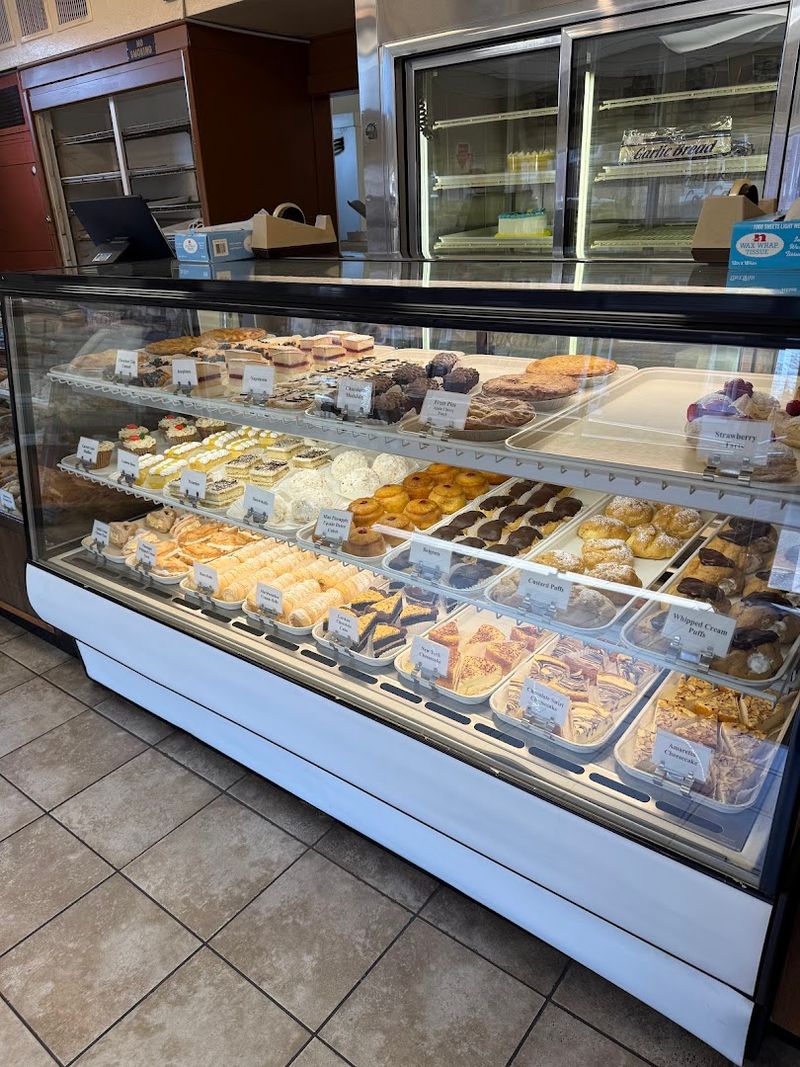
If you want to understand The Hill quickly, start where people shop as much as they eat. The neighborhood’s delis and bakeries create the daily pulse, turning simple errands into the kind of outing that ends with extra cookies, a loaf of bread, and a sandwich wrapped for later.
Counters stacked with meats, cheeses, pastries, and pantry staples make every stop feel like a practical pleasure instead of a formal event.
That matters because The Hill is not only about sitting down for a long restaurant meal. It shines in the in-between moments – choosing something from a case, smelling fresh bread, debating whether to add toasted ravioli to the plan, or carrying home provisions that extend the visit beyond one lunch.
The shopping experience adds texture, making the neighborhood useful as well as delicious. You also notice how many places specialize without becoming narrow.
A bakery may pull you in with crisp cookies and soft rolls, while a nearby deli handles the serious business of layered sandwiches and imported staples.
That variety keeps the neighborhood from blurring into one giant plate of pasta, which is exactly why food lovers stay engaged from block to block.
For visitors, the smartest move is to pace yourself and think in courses rather than destinations. Grab something savory early, save room for pastry, and let a market visit double as edible souvenir hunting.
The Hill rewards that kind of grazing because its appeal lives in accumulation: one bite, one counter, one paper bag at a time, until your afternoon starts looking like an extremely well-planned haul.
The Red-Sauce Core and the Special-Occasion Tables
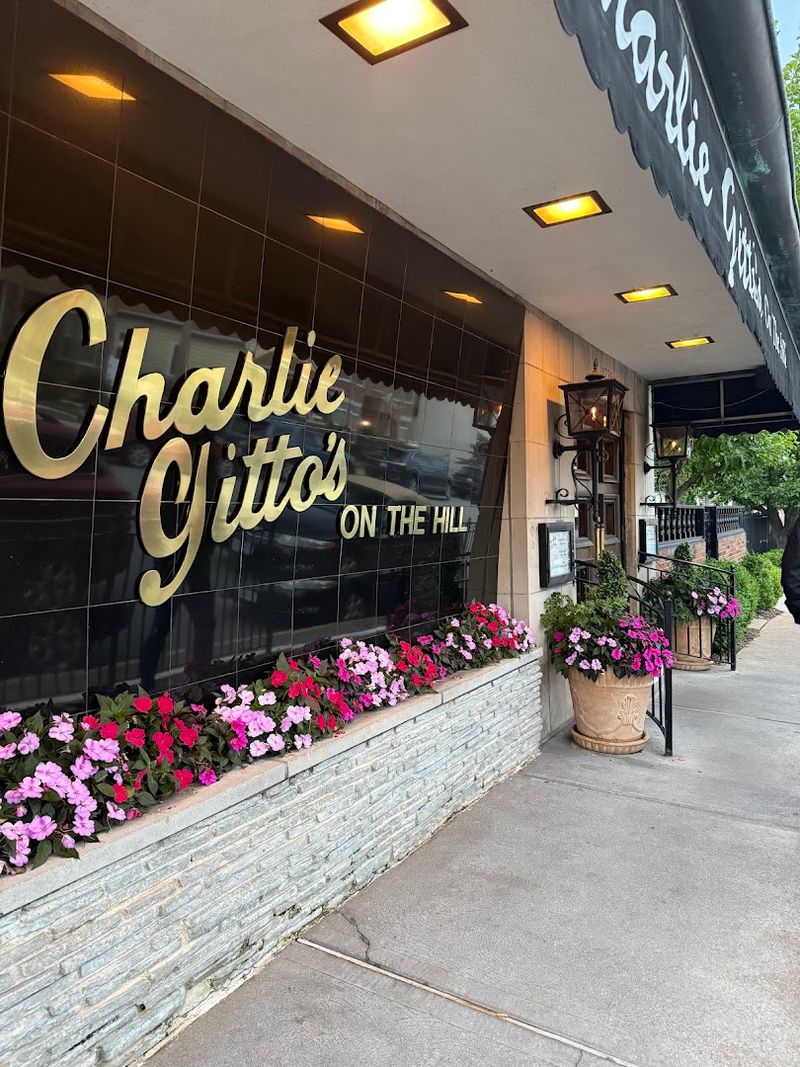
Then there is the restaurant layer, the one most visitors picture first and for good reason. The Hill offers a tight concentration of trattorias, pizzerias, and more polished Italian dining rooms, so you can choose between a relaxed plate of pasta and a dinner that leans celebratory without leaving the neighborhood.
That range is one of its strengths because it lets different moods coexist on the same few streets. The food identity here is unmistakably Italian-American, and The Hill does not need to apologize for that.
Rich red sauces, hearty portions, classic pizzas, house specialties, and beloved St. Louis standards such as toasted ravioli fit naturally into the rhythm of the area.
You are not chasing novelty for novelty’s sake; you are stepping into a neighborhood that understands the value of dishes people actually crave repeatedly.
What keeps the restaurant scene interesting is contrast. One place may promise the comfort of a familiar booth and garlic-heavy abundance, while another dials up the occasion with quieter lighting, a broader wine list, and a slower meal.
That flexibility makes The Hill useful for family dinners, date nights, celebratory gatherings, and solo food missions where the only agenda is ordering with confidence.
The best approach is to avoid treating dinner as your only event. Walk first, notice the storefronts, scan a pastry case, maybe split a snack, then settle into the restaurant that matches your energy level.
By the time your main course lands, you have already absorbed the neighborhood’s logic: on The Hill, eating well is not reserved for one marquee meal. It is built into the whole district, from casual cravings to white-tablecloth evenings.
Look Up, Slow Down: The Hill’s Everyday Landmarks

Food may be the headline, but The Hill becomes more interesting when you start noticing the landmarks between meals.
Near St. Ambrose Catholic Church, the Italian Immigrants statue adds a visible reminder that the neighborhood’s identity comes from people, labor, migration, and community building rather than restaurant branding alone. It gives the area historical weight without needing a museum-style setup to explain itself.
That kind of detail changes the pace of a visit. Instead of rushing from one reservation to the next, you slow down enough to notice church architecture, corner markers of local life, and the way residential streets sit comfortably beside commercial ones.
The Hill works because it never separates heritage from everyday use; memory and lunch are often on the same block.
There is also something grounding about seeing how small-scale the neighborhood remains. Big-city dining districts can become a blur of signage and turnover, but The Hill still rewards simply looking around.
Front steps, parked cars, tidy sidewalks, and longstanding institutions create a setting that reads as personal rather than anonymous, which makes each meal feel more connected to place.
For visitors who like context with their calories, this is where The Hill really deepens. Taking time for the statue and the surrounding streets makes the food scene easier to understand because you can see the neighborhood’s cultural framework in plain view.
The result is not a history lecture and not a checklist stop. It is a more complete visit, one where your appetite shares space with attention, and the neighborhood becomes memorable for more than what is on the plate.
Missouri Bocce, Side Streets, and the Social Energy
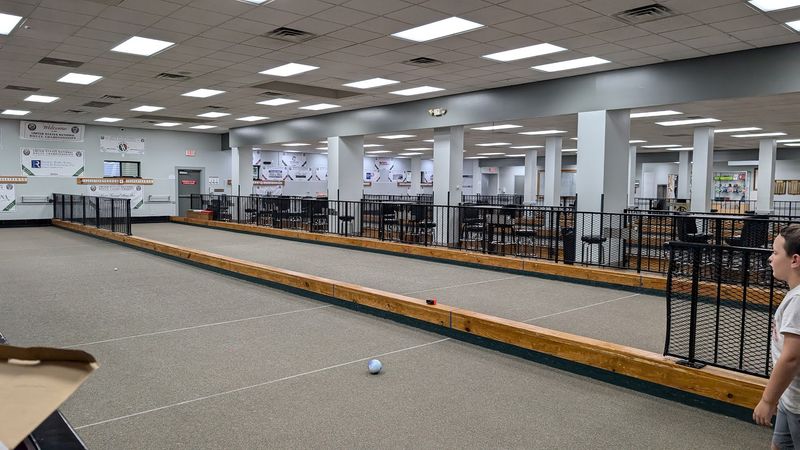
A lot of food neighborhoods can feed you, but fewer know how to occupy the hours between lunch and dinner. The Hill has bocce in its social vocabulary, with places such as Milo’s Bocce Garden and neighborhood gathering spots giving the area an extra layer of motion and personality.
That matters because it shifts the experience from pure consumption to participation, even if you are only watching from the edge.
The appeal is simple: people linger here. Conversations stretch out, games create small pockets of attention, and the neighborhood reads less like a one-and-done dining destination and more like a place where time naturally loosens.
You can feel that social ease while walking side streets, where homes and local institutions reinforce the sense that this is a functioning community first and a visitor draw second.
That balance is one reason The Hill stays distinct. You are not boxed into a single mode of experience, and the neighborhood does not demand constant motion to stay interesting.
A good visit can include a long meal, a stroll, a stop to watch bocce, and another snack later, all without the day ever feeling overplanned or overproduced.
For travelers, this is a useful reminder to leave open space in the schedule. The Hill improves when you allow room for casual observation, unplanned turns, and a slower rhythm than your appetite might initially suggest.
Even if you never pick up a bocce ball, seeing that side of the neighborhood helps explain why people speak about it with such specificity. The food is central, of course, but the social fabric around it gives the place staying power beyond the plate.
How to Build the Perfect Eating Day Here

The best way to experience The Hill is to treat it less like a single meal and more like a full day of eating your way through the neighborhood.
Start with a bakery stop in the morning, wander the side streets for a while, grab a deli sandwich or toasted ravioli for lunch, then leave enough room for a proper Italian dinner later in the day.
The neighborhood works best when you give yourself time to move between places instead of rushing from reservation to reservation. Morning and early afternoon are especially good for exploring because the pace feels slower and the streets are easier to browse.
Picking up pastries or fresh bread early also gives you an excuse to walk around before settling on where to eat next. Once you spend a little time around Marconi, Shaw, and Wilson, the layout starts feeling easy to navigate, and one stop naturally leads into another.
Spacing out your meals also makes the variety easier to appreciate. A deli lunch can be filling without wiping out your appetite for dinner, and the time between meals gives you room to enjoy the neighborhood itself.
Walk past the markets, pause near a bocce court, or duck into another bakery because something in the window caught your attention. Some of the best moments on The Hill happen between planned stops.
If your visit is short, focus on balance instead of quantity. One bakery item, one deli or market stop, and one sit-down meal is enough to understand why people love this neighborhood so much.
Trying to hit every famous counter in a single afternoon usually becomes exhausting. The Hill is more enjoyable when you slow down, eat gradually, and leave with a few places still waiting for the next trip back.
Why The Hill Stands Out in St. Louis
Plenty of neighborhoods build a reputation around food, but The Hill feels different because the restaurants are only part of the experience.
In this corner of St. Louis, bakeries, delis, markets, churches, bocce clubs, and longtime family businesses all sit within a few walkable blocks, creating a neighborhood that feels active and lived-in rather than designed mainly for visitors.
One of the biggest strengths of The Hill is how naturally everything fits together. A bakery stop can turn into lunch plans, which can turn into a market visit or an afternoon stroll past neighborhood landmarks without ever feeling forced.
The area does not rely on one famous restaurant or one heavily photographed street to carry the experience. Instead, the appeal comes from the steady mix of food, local routines, and community traditions visible throughout the neighborhood.
That balance also makes the visit easier to remember. People leave talking about more than a single pasta dish or pastry case.
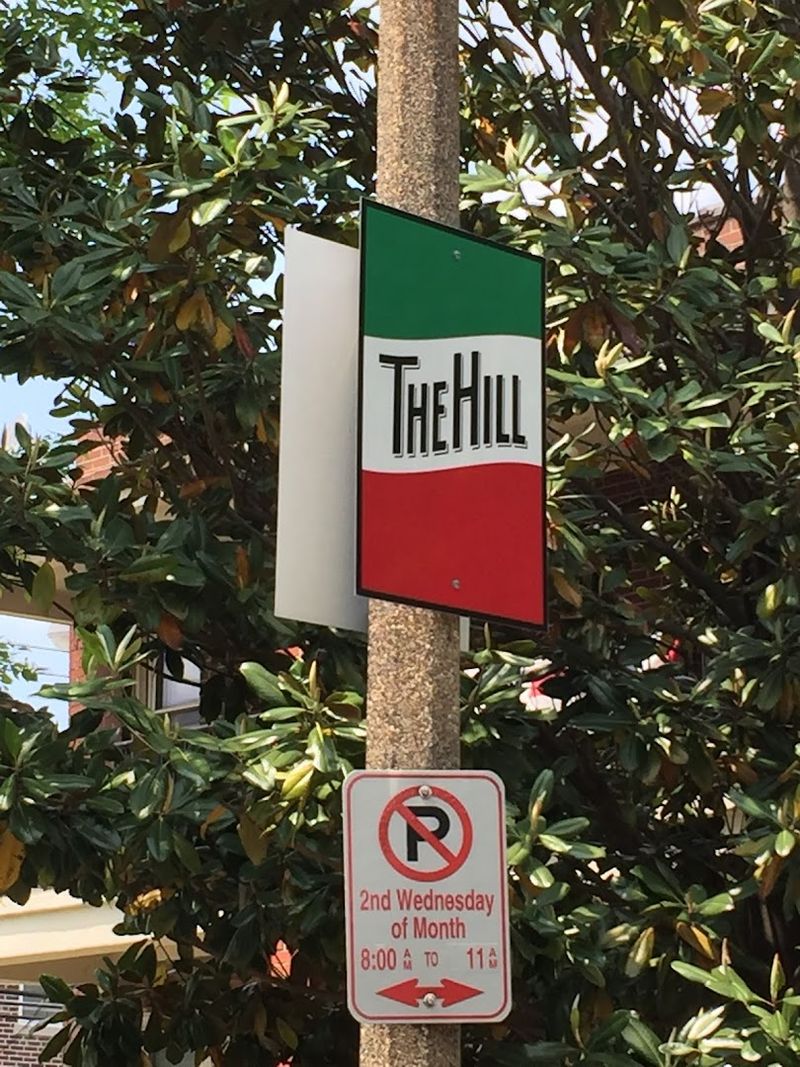
They remember the streets, the storefronts, the Italian flags hanging above sidewalks, and the feeling of moving through a neighborhood where everyday life still shapes the atmosphere.
For food-focused travelers, that matters because the best dining districts usually feel connected to the people who actually live there.
By the end of the day, The Hill leaves a strong impression not because it tries too hard, but because it stays consistent from block to block.
The meals are memorable, the neighborhood feels welcoming, and there is enough variety packed into a relatively small area to keep visitors wandering longer than expected.
You may arrive planning one good Italian meal, but most people leave feeling like they experienced an entire food culture woven into the neighborhood itself.
Share this story