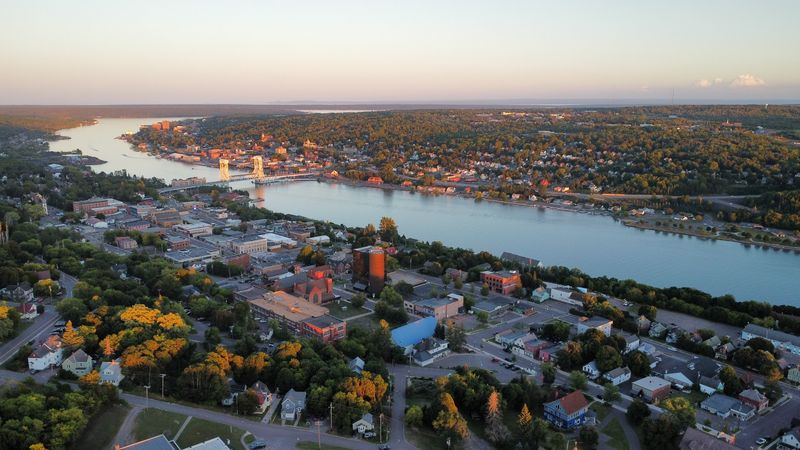
Every June, the small city of Hancock in Michigan’s Upper Peninsula transforms into a little corner of Finland. The Juhannus Summer Solstice Celebration brings Finnish traditions, music, food, sauna culture, bonfires, and community spirit to the shores of the Keweenaw Waterway.
In 2026, the celebration feels even more meaningful. Hancock has been named the 2026 Finno-Ugric Capital of Culture, giving this midsummer weekend an international layer of language, heritage, music, and identity.
Taking place from June 17th to 21st, 2026, the festival will fill the city with cultural programs, performances, markets, games, workshops, and gatherings that honor both Finnish and broader Finno-Ugric traditions. Whether you have Finnish roots or simply love discovering new traditions, this is one Michigan summer event you will not want to miss.
What Juhannus Actually Means and Why It Matters
Long before modern calendars existed, Finnish people marked the summer solstice as one of the most powerful moments of the year. Juhannus, also known as Midsummer, celebrates the longest day of sunlight and the height of summer’s energy.
In Finland, it is one of the biggest holidays of the entire year, second only to Christmas in cultural importance.
The word Juhannus comes from Johannes, the Finnish name for John the Baptist, whose feast day falls close to the summer solstice. Over centuries, Christian traditions blended with much older pagan customs tied to fire, water, and nature.
That layered history is exactly what makes this celebration feel so rich and meaningful when it comes to life in Hancock.
For Finnish-Americans in Michigan’s Copper Country, Juhannus is more than a party. It is a living thread connecting families to their ancestors who crossed the Atlantic and built communities in the rugged Upper Peninsula.
Hancock has one of the highest concentrations of Finnish-American heritage in the entire country, which makes celebrating Juhannus here feel genuinely rooted rather than performative.
Understanding what the holiday represents helps visitors appreciate every part of the festival more deeply. The bonfires are not just for atmosphere.
The traditional songs are not just entertainment. Each element carries a story stretching back hundreds of years.
Coming to Hancock for Juhannus means stepping into that story yourself, even if you are visiting for the very first time.
The Finnish American Heritage Center: Heart of the Celebration
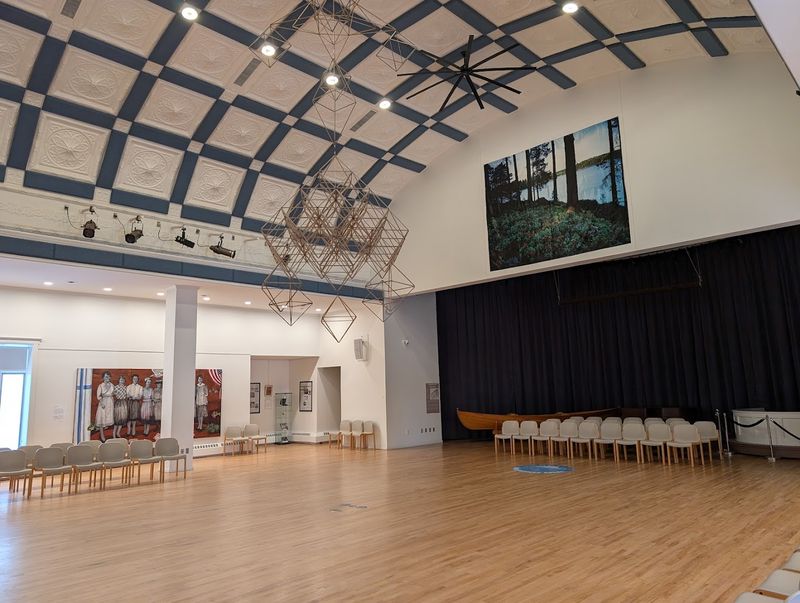
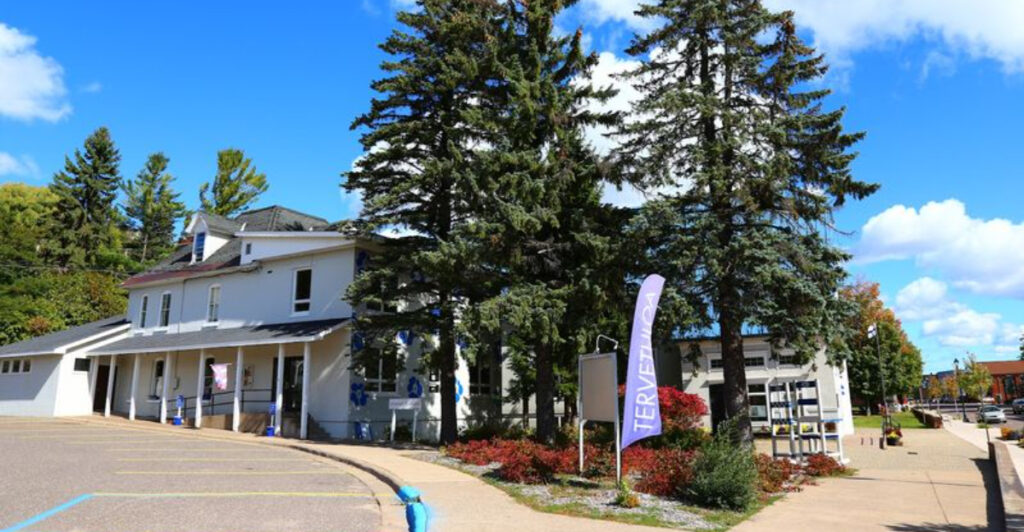
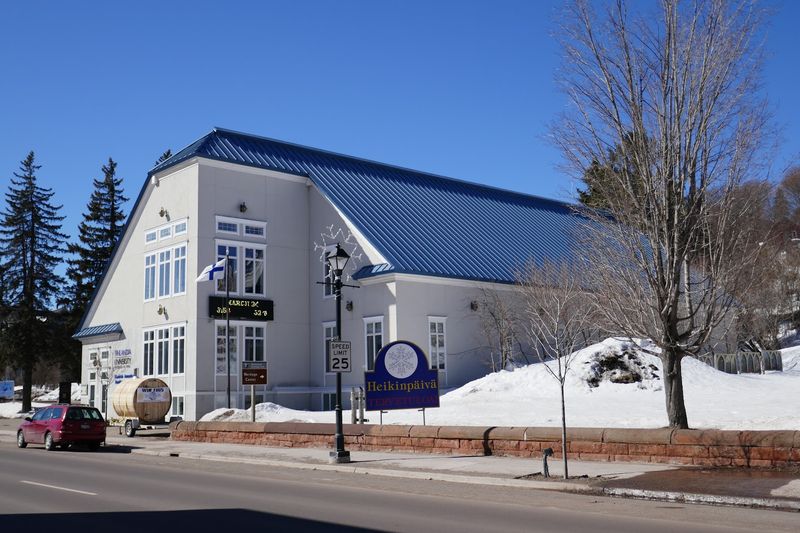
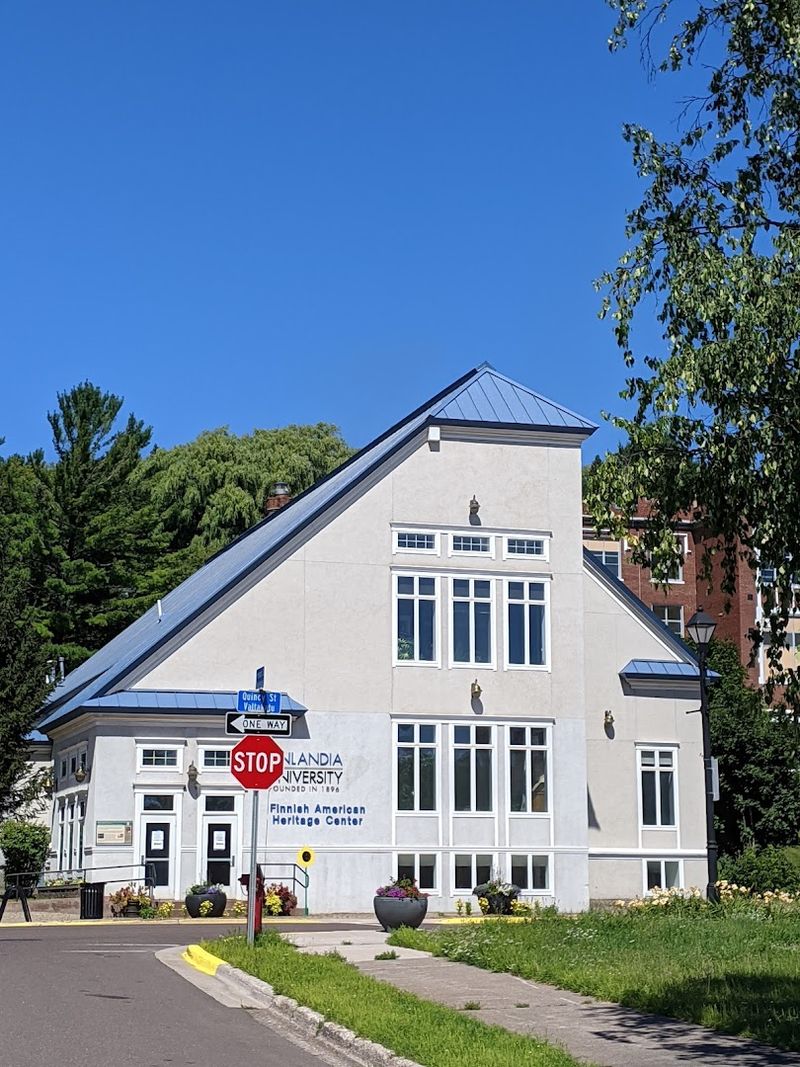
Sitting at 435 Quincy Street in Hancock, the Finnish American Heritage Center is the beating heart of the Juhannus celebration. Rated 4.8 stars by visitors, this community center is housed in a beautifully restored former church building with stunning hardwood floors, soaring ceilings, and a spacious ballroom that feels tailor-made for cultural gatherings.
One reviewer called the ceiling alone a work of art.
The center is operated under the Finlandia Foundation and serves as a gathering place for Finnish-American culture year-round. It houses a library dedicated exclusively to Finnish literature, a small museum featuring military uniforms and medals from Finnish soldiers spanning the 19th and 20th centuries, and a rotating art gallery showcasing Finnish and Finnish-American artists.
During Juhannus, all of these spaces come alive with extra energy and programming.
Visitors who have stopped in outside of festival time have described the staff as genuinely warm and always willing to share knowledge. During Juhannus, that welcoming spirit multiplies as the community opens its doors wide to newcomers and longtime attendees alike.
The large ballroom accommodates hundreds of guests for dances, performances, and community meals.
You can reach the center by phone at 906-487-7549, and their website at fahc.finlandiafoundation.org has updated event schedules leading up to the festival. Regular hours run Tuesday through Friday from 9 AM to 4 PM, though event days often extend well beyond that window.
Parking is described by visitors as ample and easy to navigate, which is always a welcome detail when you are arriving for a full day of celebration.
Bonfires, Birch Trees, and Midsummer Rituals You Will Actually See
Ask anyone who has attended a Finnish Juhannus celebration what stands out most, and the answer is almost always the bonfire. Called a kokko in Finnish, the midsummer bonfire is the visual centerpiece of the entire holiday.
Flames leaping toward a pale summer sky while the sun barely sets creates an atmosphere that is genuinely hard to describe until you have seen it yourself.
Birch branches play a big symbolic role in midsummer traditions as well. In Finland, homes are decorated with fresh birch boughs to welcome summer’s abundance and greenery.
You may spot this detail woven into decorations throughout the Hancock celebration, adding an authentic touch that connects the Michigan event to its Old World roots.
Water is another major theme of Juhannus. Traditional beliefs held that water had special healing and magical properties during midsummer.
Some Finnish communities still observe customs tied to lakes and rivers during this time, and the Keweenaw Waterway provides a naturally stunning backdrop for those moments in Hancock.
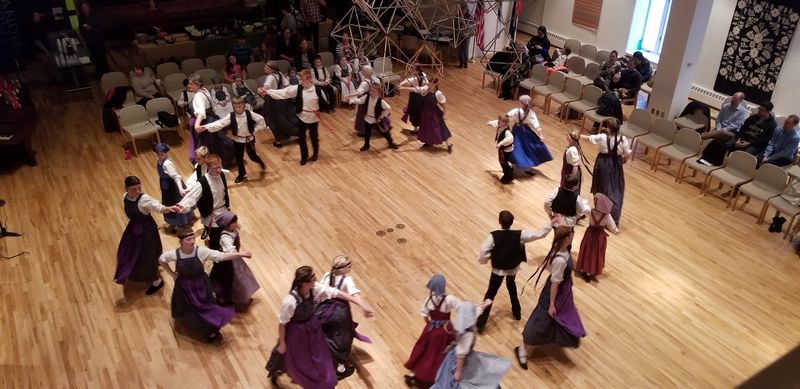
Folk songs, outdoor games, and community circle dances round out the ritual side of the festival. These are not staged performances meant to look picturesque for cameras.
They are participatory traditions where newcomers are genuinely welcomed to join in. If you have never tried a Finnish folk dance before, Juhannus in Hancock is honestly one of the friendliest possible places to give it a shot for the first time.
Traditional Finnish Food and Drink at the Festival
Food is a love language at Juhannus, and the Hancock celebration takes that seriously. Finnish cuisine has a reputation for being hearty, honest, and deeply satisfying, and midsummer is when some of the most beloved dishes make their annual appearance.
Fresh strawberries hold a particularly special place at Finnish midsummer tables, symbolizing the sweetness of the season.
Grilled sausages, known as makkara, are practically mandatory at any proper Juhannus gathering. Cooked over an open fire whenever possible, they have a smoky, rustic quality that perfectly matches the outdoor festival atmosphere.
Rye bread, pickled herring, new potatoes with dill, and creamy dairy-based dishes also tend to appear in generous quantities at community spreads.
The Finnish American Heritage Center has a full kitchen on-site, which allows for the kind of large-scale community cooking that makes these events feel like a real shared meal rather than a catered affair. Reviewers of the center have praised the food quality at events held there, noting a good variety and genuine home-cooked character to the dishes served.
For visitors who want to explore Finnish flavors beyond the festival itself, Hancock and the surrounding Copper Country have a handful of spots where Finnish-influenced baked goods and local specialties pop up regularly. Pulla, a soft cardamom-spiced sweet bread, is one treat worth tracking down while you are in the area.
Showing up hungry to Juhannus is genuinely the right strategy, because the food alone makes the trip worthwhile.
Live Music, Folk Dancing, and Cultural Performances
There is something magnetic about live folk music played outdoors on a long summer evening. At Juhannus in Hancock, music is not background noise.
It is a central pillar of the entire celebration, carrying the emotional weight of a culture that has always expressed itself through song and rhythm. Finnish folk music has a distinctive sound, often built around the kantele, a traditional Finnish string instrument that produces a hauntingly beautiful tone.
Accordion music also plays a big role in midsummer festivities, driving the lively dances that bring people of all ages onto the floor. The Finnish American Heritage Center’s ballroom, with its gorgeous restored hardwood floors, was practically built for this kind of dancing.
Community members and visitors alike are encouraged to join in, and the atmosphere tends to be inclusive and joyful rather than intimidating.
Cultural performances during Juhannus often include choral singing, theatrical storytelling, and demonstrations of traditional Finnish crafts. These elements give the festival an educational depth that goes beyond pure entertainment.
You can genuinely learn something about Finnish history and identity just by paying attention to what happens on the stage.
One reviewer who attended a regular event at the center described the programming as excellent, and festival season tends to bring out an even higher level of community effort and artistic investment. Local performers are joined by visiting artists, creating a lineup that feels both rooted in tradition and genuinely alive.
If you appreciate live cultural performance, Juhannus delivers it in a setting that feels personal and community-driven rather than commercial.
Hancock’s Deep Finnish Roots and Why This City Is the Perfect Host
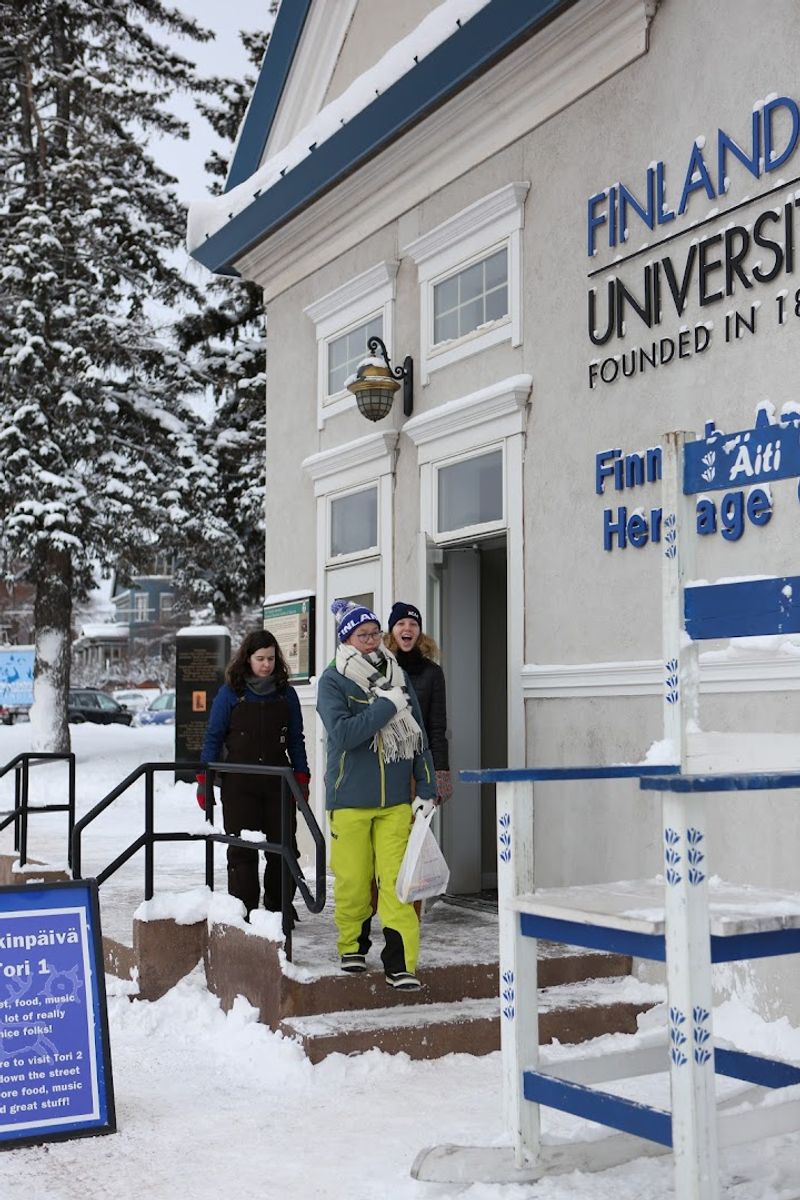
Hancock did not become a hub of Finnish-American culture by accident. During the late 1800s and early 1900s, waves of Finnish immigrants arrived in Michigan’s Upper Peninsula to work in the booming copper mining industry.
They brought their language, their food, their music, their sauna culture, and their fierce sense of community. That legacy is still visible and alive in Hancock today.
At its peak, the Copper Country had such a large Finnish population that multiple Finnish-language newspapers were printed locally. One visitor to the Finnish American Heritage Center was genuinely stunned to learn that eight foreign-language daily newspapers were once produced right in this community.
That kind of cultural density shaped everything about how Hancock developed as a city.
Finlandia University, located in Hancock, is the only Finnish-American university in the United States. Its presence has helped sustain Finnish language education, arts programming, and cultural scholarship across generations.
The connection between the university and the Heritage Center means that Juhannus draws on real academic and artistic resources, not just nostalgic tradition.
Walking through Hancock during Juhannus week, you feel the history embedded in the architecture, the street names, and the faces of people who have celebrated this holiday their entire lives. For visitors coming from other parts of Michigan or beyond, the city offers a genuinely rare window into an immigrant community that shaped an entire region.
Juhannus is the perfect occasion to experience all of that history in its most festive and welcoming form.
How to Plan Your Visit to Juhannus in Hancock This June
Getting to Hancock requires a bit of planning, especially if you are coming from the Lower Peninsula or a major Michigan city. The drive from Marquette takes roughly two hours, while travelers from Green Bay or Duluth will find Hancock reasonably accessible via US-41.
The Upper Peninsula road trip itself is part of the experience, with scenic views of forests, lakes, and old mining landscapes along the way.
Accommodations in Hancock and neighboring Houghton tend to fill up during festival weekends, so booking early is a smart move. A mix of small hotels, vacation rentals, and campgrounds serve the area, giving visitors options at different price points.
Staying in Houghton puts you just across the bridge from Hancock, with easy walking access to the festival sites.
The Finnish American Heritage Center is open Tuesday through Friday from 9 AM to 4 PM for regular visits, though festival days typically have extended hours. Calling ahead at 906-487-7549 or checking the website at fahc.finlandiafoundation.org will give you the most current schedule for Juhannus events.
Admission details and specific programming lineups are usually posted as the festival date approaches.
Pack layers even in June, because Upper Peninsula evenings can get surprisingly cool, especially near the water. Comfortable walking shoes, a light jacket, and an open appetite will serve you well.
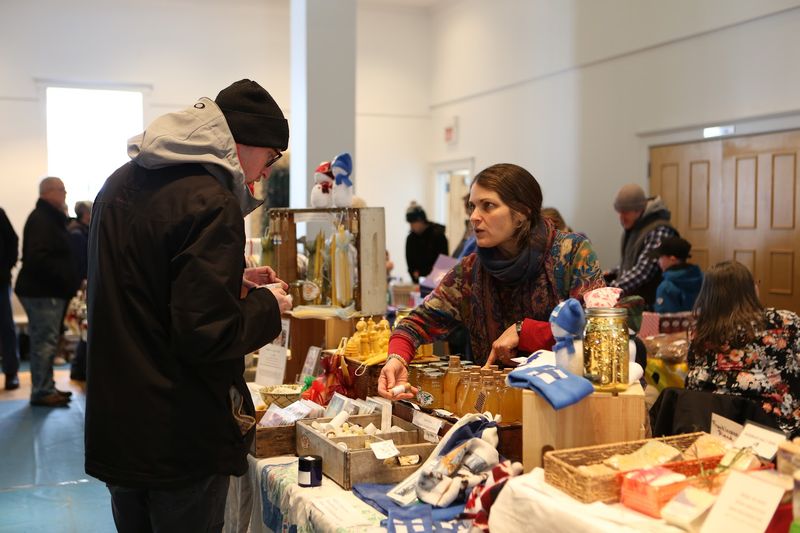
Bring cash for vendors and local artisans who set up during the festival, as not every small seller accepts cards. Most importantly, come with curiosity and a willingness to talk to the locals.
They are genuinely proud of this celebration and love sharing it with anyone who shows up ready to enjoy it.
Share this story