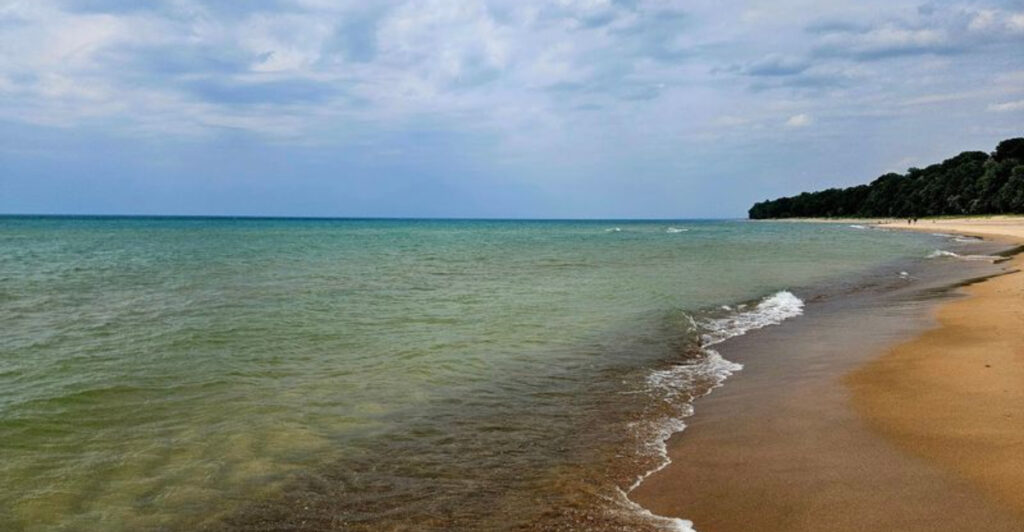
Second-home searches get more interesting when the town offers beach access, weekend quiet, and an easy escape from the city. In Union Pier, Michigan, buyers find a small Lake Michigan community with a strong pull, thanks to its shoreline setting, relaxed pace, and convenient distance from Chicago.
The appeal is not just the beach, but the lifestyle around it: slower mornings, casual dining, local charm, and the feeling of having a peaceful place to return to. That mix has helped make this corner of southwest Michigan a spot more home shoppers are watching closely.
For anyone trying to understand the buzz, Union Pier shows how setting, housing, and lifestyle can come together in a powerful way.
Shoreline Views That Sell the Dream
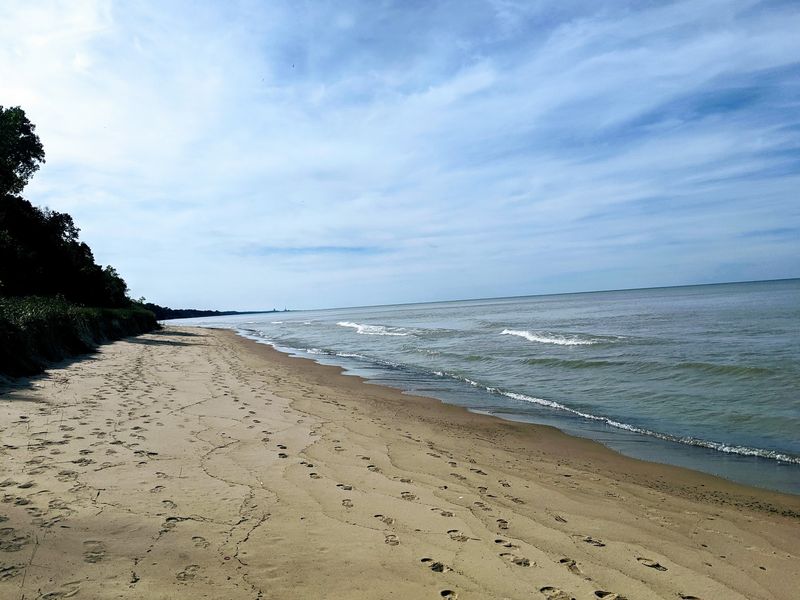
A short walk toward the water explains a lot about Union Pier. The Lake Michigan shoreline brings a wide-open view that changes by the hour, with pale morning light, bright afternoon blue, and sunsets that make ordinary beach roads feel more valuable the closer they get to the lake.
That scenery matters in a second-home market because buyers are not only shopping for square footage. They are also buying easy access to a setting that feels different from city life, where sand, wind, and tree cover do much of the work that a big entertainment district might do somewhere else.
Union Pier has a quieter beach-town look than flashier resort spots. Homes are often tucked behind pines, along leafy lanes, or near paths leading toward the water, so the area gives privacy without losing the main reason many buyers came in the first place.
Lake access, even when indirect, can shape how a property is seen. A house does not need to sit right on the shoreline to benefit from the town’s beach identity, because being near the lake changes the daily routine in practical ways, from sunrise walks to quick evening swims.
The landscape also helps explain why second-home interest stays strong. Dunes, mature trees, and a low-key street pattern soften the built environment, which makes even busier summer weekends feel more relaxed than crowded.
For buyers comparing options around southwest Michigan, Union Pier often stands out through this visual balance. It offers a real Lake Michigan setting, but the town still looks residential instead of overbuilt, and that difference can be a deciding factor when a second home is meant to be both an escape and a place used often.
A Straightforward Escape From Chicago

Location does plenty of heavy lifting in Union Pier. One of the clearest reasons second-home buyers pay attention to this town is simple geography: it gives people a Lake Michigan getaway that is close enough to use often, not just for long holiday weekends.
That kind of access changes the math. A second home becomes easier to justify when the trip does not require a full day of planning, complicated connections, or a feeling that every visit needs to be a major event.
Union Pier sits in southwest Michigan, not far from the Indiana state line, and that placement gives it a strong regional pull. For Chicago-area buyers in particular, the town can function as a practical break from the city, where leaving after work on a Friday still leaves time for dinner near the lake.
Convenience sounds less romantic than dunes or sunsets, but it shapes demand in a powerful way. Homes that are easy to reach often get used more, and frequent use is exactly what many second-home shoppers want when they picture long summers, school breaks, and quick off-season weekends.
The route also supports flexibility. Owners can come for two nights, extend a holiday stay, or even spend part of the week in town if work schedules allow a mix of office time and remote time.
That pattern helps explain why Union Pier attracts buyers who want more than a once-a-year retreat. The town fits a modern version of second-home ownership, where the property serves as a regular base for family time, rest, and small routines rather than a distant trophy address visited only a few times.
In a market shaped by convenience as much as charm, being reachable is one of Union Pier’s strongest advantages.
Village-Style Calm, Not a Full Resort Scene
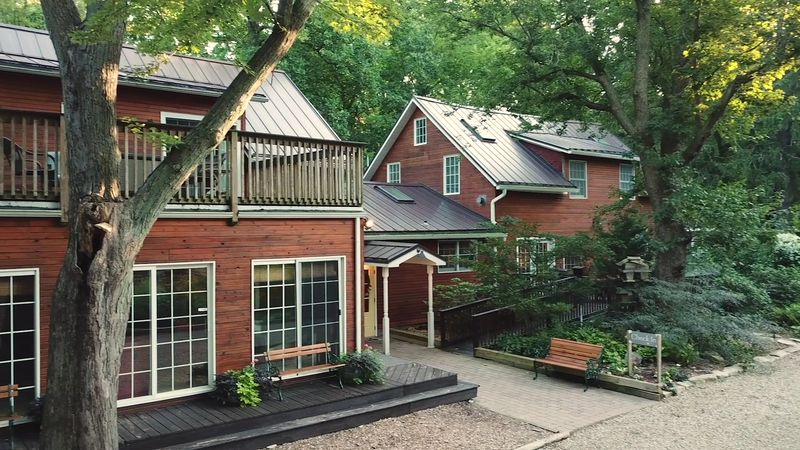
Union Pier does not depend on a loud boardwalk personality to attract attention. Its appeal works in a quieter register, with local roads, small businesses, and a low-rise pattern that supports a second-home lifestyle centered on ease rather than nonstop activity.
That difference matters because many buyers are not hunting for a packed vacation zone. They want a place where the day can include coffee, a beach visit, dinner nearby, and a slow walk home without the pressure of traffic jams, giant parking lots, or an entertainment strip competing for attention.
The community’s scale helps it function this way. Union Pier is small enough to feel personal, yet active enough in warm months to avoid seeming empty, which gives owners a useful middle ground between sleepy and busy.
For second-home buyers, that village-style calm can be more attractive than a place built around constant motion. A home in town is not only a launch point for outings.
It can also be the main event, especially when the surroundings already support a simple, relaxed rhythm.
Another practical piece is the visual consistency. Tree cover, cottages, and modest commercial pockets keep the area readable and approachable, so the town feels easy to learn quickly even for newcomers who only spend weekends there at first.
That kind of environment often encourages repeat use across seasons. Summer may be the headline draw, but a smaller, less overbuilt place can also work well in spring, fall, and even quiet winter weekends, when buyers want peace more than spectacle.
Union Pier’s charm is not based on overwhelming visitors with attractions. It comes from offering enough to do, enough to enjoy, and enough breathing room to make second-home ownership feel restful instead of complicated.
For many households, that balance is exactly the point.
Michigan Cottages With Flexible Appeal
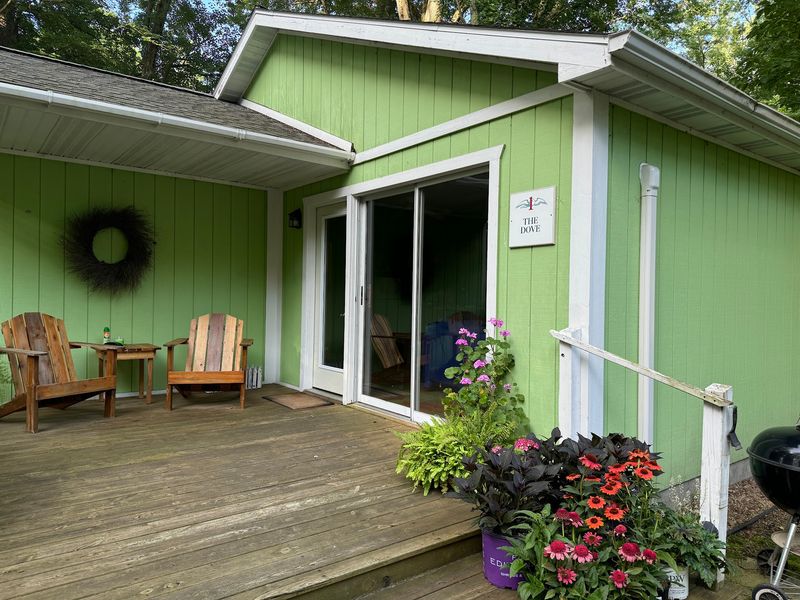
Housing in Union Pier adds another layer to its popularity. Instead of offering only one type of vacation property, the area is known for a mix that can include older cottages, updated homes, and larger residences on wooded lots, giving buyers several paths into the market.
That variety matters when different households want very different things from a second home. Some are looking for a compact place near the beach that is easy to maintain, while others want room for extended family, outdoor gatherings, or longer seasonal stays.
Older cottages often carry the classic lake-town image buyers imagine when they start searching in southwest Michigan. Porches, mature trees, and simple layouts can make a house feel tied to the area’s long summer tradition, even when updates are needed to support modern use.
Renovated and newer homes appeal for a different reason. Buyers who plan frequent visits may prioritize open kitchens, stronger year-round systems, home office space, or outdoor areas designed for both entertaining and privacy.
That flexibility helps Union Pier attract a wide second-home audience rather than one narrow buyer profile. The town can work for couples wanting a weekend base, families planning school-break trips, or owners who expect guests to rotate through much of the summer.
Lot size and tree cover also influence the experience. In a place where outdoor living is part of the appeal, yards, decks, screened porches, and tucked-away seating areas can matter almost as much as the inside square footage.
Anyone considering a purchase still has to weigh maintenance, location, and access carefully. Yet Union Pier’s housing stock supports the larger story behind its growing reputation: buyers are not just chasing one postcard property type.
They are finding a community where different home styles can support the same goal, which is an easier life near Lake Michigan.
Privacy Has Become Part of the Luxury
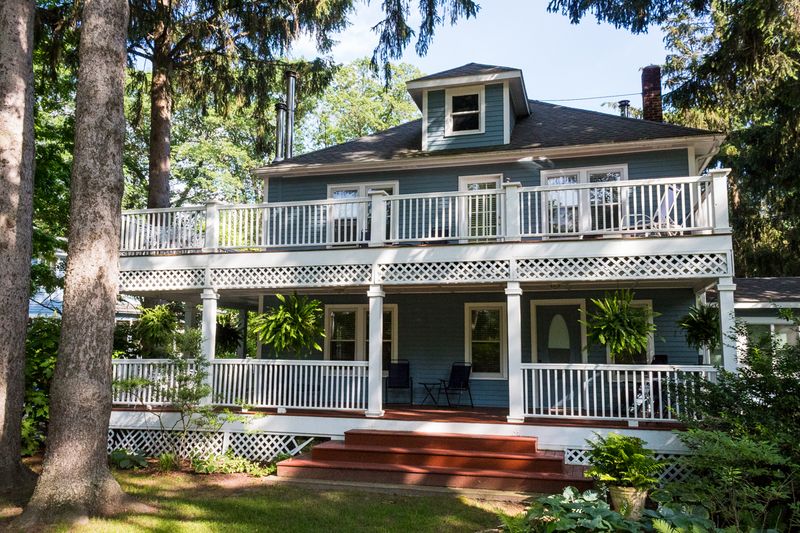
Not every popular second-home town gets more desirable by staying restrained, but Union Pier benefits from that quality. The community offers a kind of low-key comfort where privacy, greenery, and distance from heavy commercial clutter can feel more valuable than flashy extras.
In practical terms, buyers are often drawn to space that lets them shut the world down for a while. A wooded lot, a tucked-back driveway, or a screened porch can shape the experience as much as a polished interior, especially when the goal is to step away from city noise.
That preference has grown stronger as second homes are used for more than summer holidays. People may want a place to work remotely for part of a week, host relatives without crowding, or spend shoulder-season weekends in total quiet, and Union Pier is well suited to that pattern.
The town’s physical layout helps. Residential streets can feel shaded and separated, and many properties gain a sense of enclosure from trees rather than fences or gates, which creates comfort without turning the neighborhood into a showpiece landscape.
There is also a style difference here. Union Pier does not need loud luxury signals to communicate value.
In many cases, the draw comes from simple things done well, such as outdoor showers after the beach, long dining tables on decks, or enough yard space for kids to move around while adults stay close.
For second-home buyers, that understated quality can be a major advantage. A house becomes easier to enjoy when it supports informal living instead of demanding constant upkeep or performance.
The result is a market where privacy functions almost like an amenity. In Union Pier, quiet surroundings, tree cover, and room to breathe are not side benefits attached to lake living.
They are part of the core package, and they help explain why interest in the town continues to hold attention.
How Owners Use the Town Changes the Market
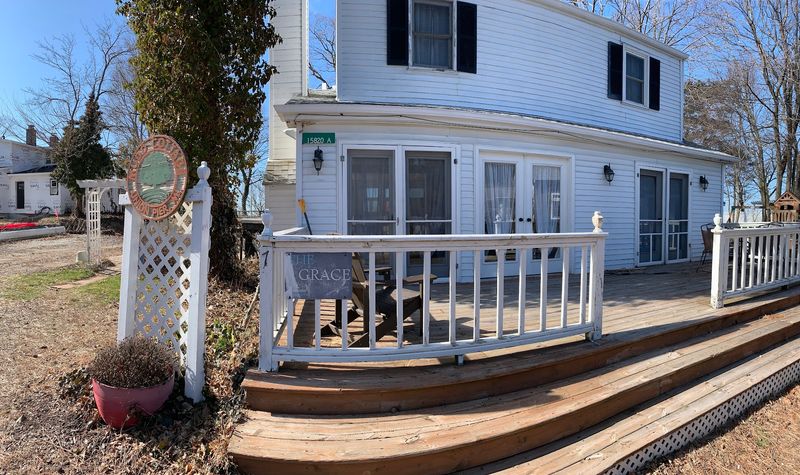
A second home in Union Pier is rarely only about occasional vacation time. The town works best when it becomes part of a repeat routine, and that steady, real-world use helps explain why buyers keep giving it serious attention.
Many households want a place that can serve several roles without much friction. One weekend it may host a quick beach break, another week it may become a base for remote work, and later in the season it can handle visiting relatives or a cluster of family birthdays.
Union Pier fits that pattern because the experience does not depend on one major attraction. The lake is the anchor, of course, but the town also supports ordinary pleasures that make ownership practical, like morning walks, easy meals, bike rides on local roads, and afternoons spent mostly at home.
That matters in a second-home market because the strongest properties are often the ones that hold up under normal use. Buyers are not only asking whether a house looks good in July.
They are also considering whether it will still work during a rainy weekend, a cool October visit, or a midweek stay with mixed schedules.
Homes that can shift between quiet retreat and social base tend to have extra appeal. Outdoor seating, flexible sleeping space, and layouts that let different age groups spread out all support the way many owners actually use a lake-area property.
Union Pier also benefits from being easy to revisit in short bursts. Frequent use can strengthen the value of ownership, not only financially but in day-to-day life, because the house becomes familiar rather than ceremonial.
That pattern sets the town apart from destinations that work best as a one-time splurge. In Union Pier, the attraction grows when a property can handle ordinary weekends beautifully, turning simple habits into the reason a second home gets used again and again.
Timing, Trade-Offs, and the Real Reason Union Pier Stands Out

Buzz around Union Pier can make it sound effortless, but smart buyers still need to look closely at timing and fit. The town’s appeal is strongest when expectations match what it actually offers: a peaceful Lake Michigan community with seasonal energy, not a nonstop resort machine.
That distinction helps buyers make better decisions. A household that wants constant nightlife, dense shopping, or a highly urban pace may find the area too quiet, especially outside peak summer weeks when the rhythm naturally slows.
For many second-home shoppers, though, that slowdown is exactly the advantage. Shoulder seasons can reveal whether a place has staying power, because they show how a town functions when the beach crowd thins and daily life becomes simpler and more local.
Union Pier tends to hold up well under that test. The lake remains a major draw, the tree-lined setting still carries the experience, and the town’s small scale can feel even more appealing when the summer rush eases.
Timing also matters in a practical sense. Buyers should think about how often they will visit, how much maintenance they can handle, and whether they want a property ready for immediate use or one that may need updates over time.
Those choices shape the ownership experience more than fantasy does. A charming cottage close to the beach may come with different demands than a newer house farther back on a larger lot, and the best fit depends on how the home will actually be used.
Union Pier stands out because it brings several strong qualities together without overcomplicating them. There is shoreline beauty, regional convenience, a calm small-town pattern, and a housing mix that supports real second-home living.
Put together, those features explain why this southwest Michigan community has become such a compelling target for buyers looking beyond a simple weekend escape.