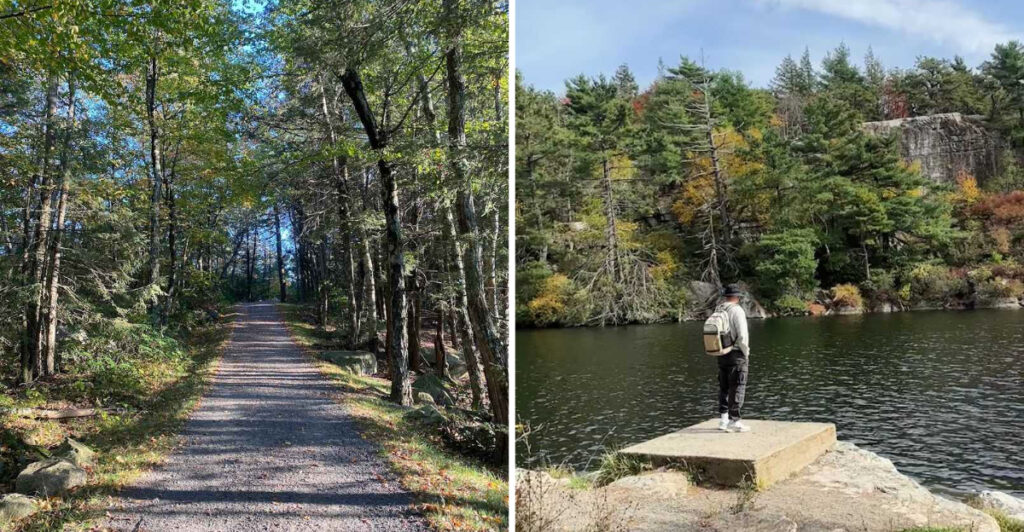
Here’s a rare hike where nearly every step rewards you with a view. At Lake Minnewaska, wide carriage roads loop around a cliff-ringed lake, offering sweeping overlooks, fresh breezes, and dramatic scenery without punishing climbs. It’s an experience that feels both accessible and memorable, perfect for a relaxed day outdoors.
Arrive early, park once, and let the easy loop unfold at your own pace, with one scenic moment leading naturally into the next. You’ll cover plenty of ground without feeling rushed—and leave genuinely surprised by how much beauty fits into such a compact, effortless hike.
Kickoff at the Carriage Road Gate
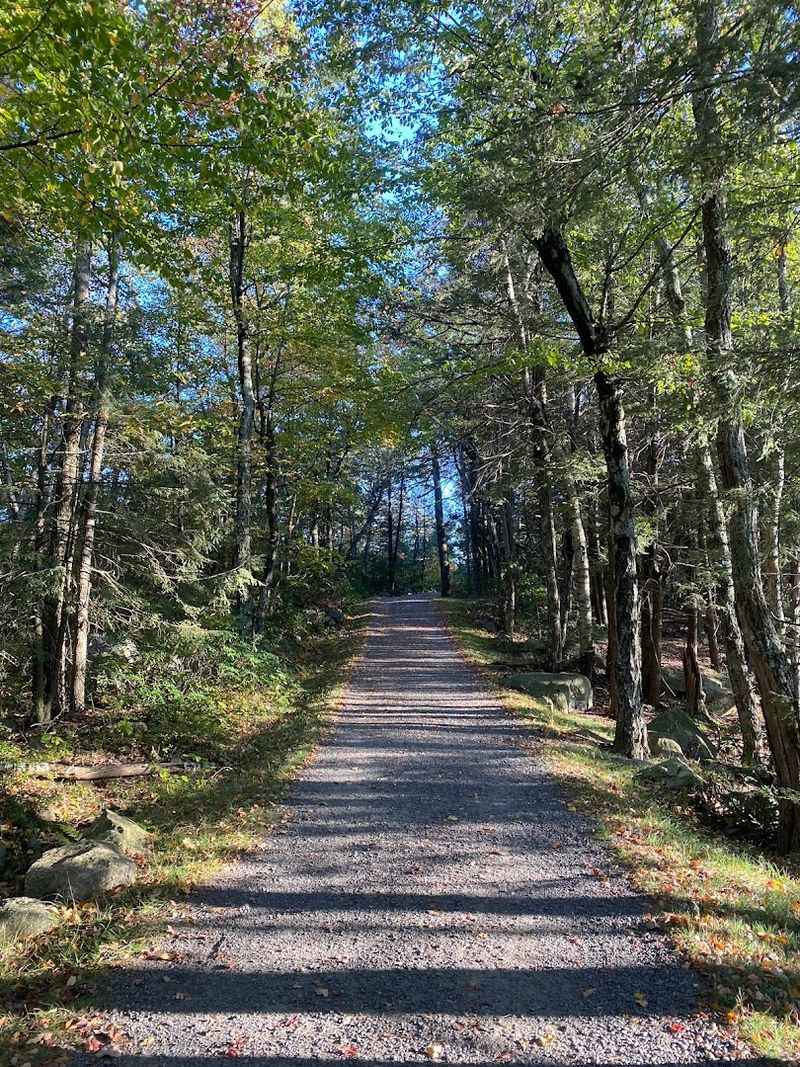
Begin at the Lake Minnewaska Carriage Road trailhead, where the wide gravel path rolls gently from the lot toward cliffs, pines, and open water. Arriving early makes a noticeable difference—parking near the Education Center fills quickly, and the entrance line can build by midday. Once you’re through, though, the transition is immediate.
Within minutes, the scenery starts to unfold. What makes this start special is how quickly it delivers. The lake appears in layers, framed by trees and rock, with each bend offering a slightly different angle. The carriage road itself is broad and well-maintained, making it easy to walk side by side without worrying about footing.
It’s relaxed from the beginning, more about taking it in than pushing forward. As you settle into your pace, small details start to stand out. Wind moves across the water, cliffs shift in color with the light, and birds circle above the treeline.
It’s the kind of setting that doesn’t demand effort to impress—it just keeps revealing itself gradually. Trail etiquette is simple but important here. Stay to the right, remain aware of bikers, and give space when needed. The path is shared, but it rarely feels crowded once you’re a short distance from the start.
Before heading farther along the loop, take a moment at one of the early overlooks. Step onto the rock, pause, and let the view settle in. It sets the tone for everything that follows—steady, scenic, and quietly rewarding without ever feeling rushed.
Shoreline Views That Change Constantly
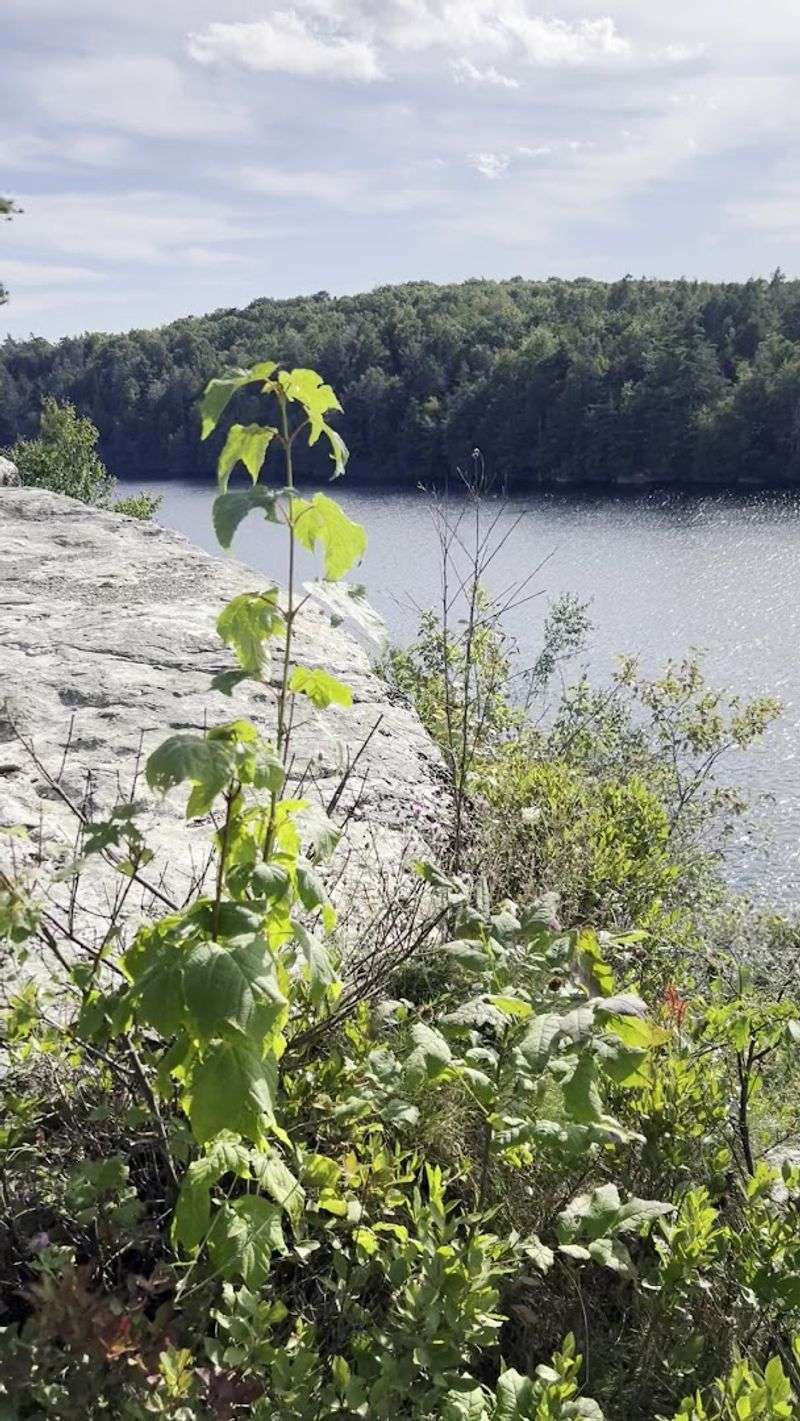
Step clockwise from the beach spur and the shoreline quickly takes over, shifting between quartzite shelves, windbent pines, and overlooks that hush conversation mid-sentence. You never lose sight of the lake, but the angles stay fresh, with cliffs stepping closer, then pulling back like stage sets sliding while the water keeps steady time.
Listen for swallows skimming the surface, watch for dragonflies on warm afternoons, and notice how patches of shade drift across the path as clouds pass overhead. The rhythm feels unforced, like the landscape is doing the storytelling for you.
Short spur paths lead to rock perches where you can sit comfortably, snack, and trace ripples moving toward the far shore. If you’re hiking with kids, this stretch works especially well. The scenery changes often, stopping points are frequent, and the loop format keeps energy up without much encouragement.
It’s the kind of section where curiosity takes over naturally and keeps everyone moving without realizing the distance. Conditions shift with the seasons, so a little preparation helps. Bring microspikes in colder months, carry water in the heat, and keep a light layer handy since breezes move quickly across the lake.
Watch your footing on damp rock, stay aware of passing bikes, and yield where the path narrows. As the loop begins to close, take one last look back across the water. The distance is short, but the variety leaves a lasting impression that lingers well beyond the trail.
Safe Overlooks And Trail Etiquette
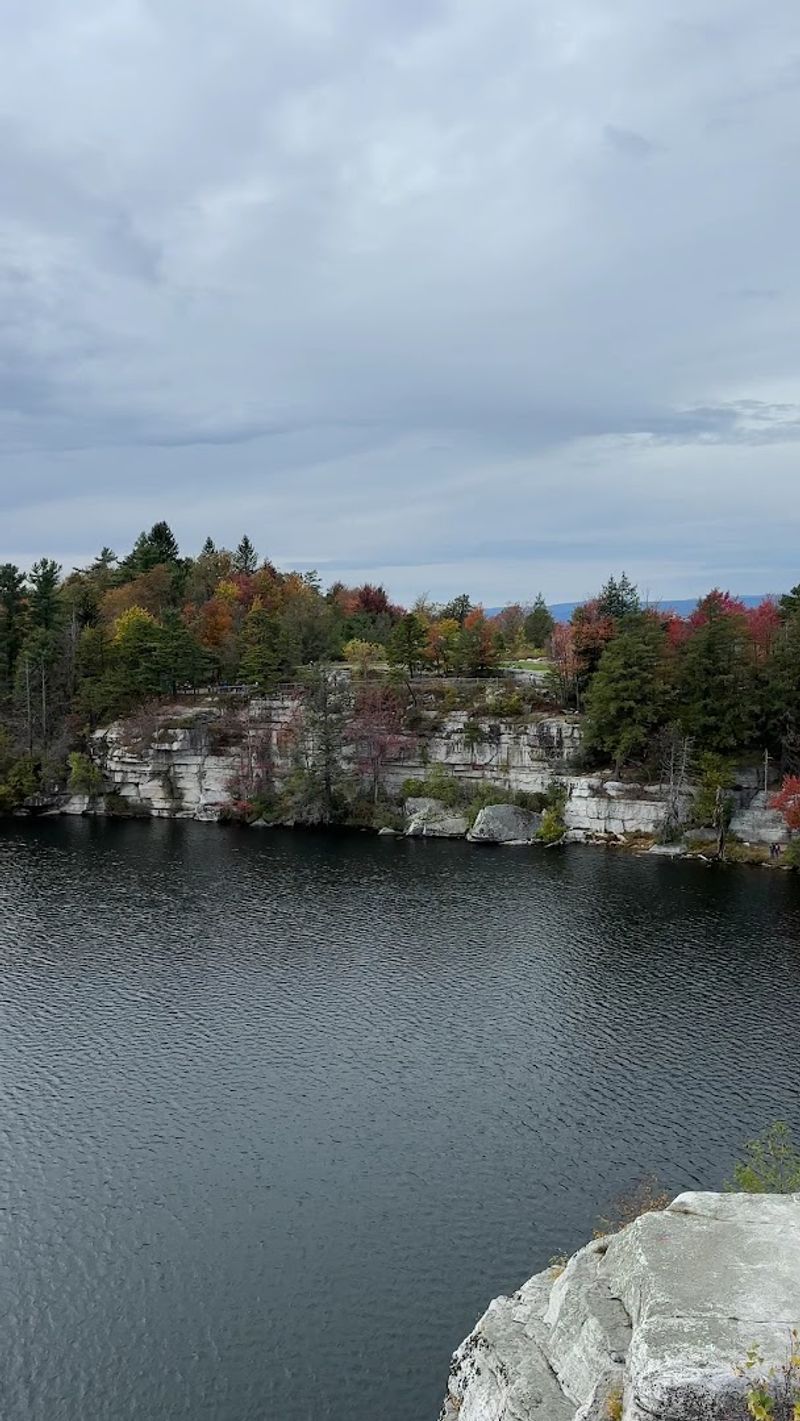
The ledges and viewpoints are part of what makes this loop so memorable, and with a little awareness, you can enjoy every angle without stress. Keeping a comfortable distance from edges, especially on windy days, makes a noticeable difference.
Gusts can pick up quickly along the cliffs, so securing loose items and staying mindful of footing helps you stay relaxed and focused on the view instead of the drop. Footwear matters more here than it might seem at first.
Dry gravel feels stable, but smooth rock near overlooks can become slick after rain or during cooler months. Shoes with good grip give you confidence to move naturally without second-guessing every step. Keeping your hands free also helps, especially when navigating uneven patches, stepping aside for others, or pausing quickly for a photo.
This trail is shared space, and a little courtesy goes a long way. Walk to the right, yield where needed, and stay aware of bikes approaching from behind. At narrower viewpoints, take turns and give people space to enjoy the scenery without feeling rushed. The flow tends to work best when everyone stays predictable and patient.
If you’re hiking with kids, this section remains very manageable with a bit of attention. Hold hands near railings or open ledges, set clear boundaries early, and keep movement calm rather than hurried. Frequent viewpoints create natural break spots without pressure. Simple habits—watching your step, packing out what you bring, and staying aware—help preserve the experience for everyone.
Biking the Carriage Roads
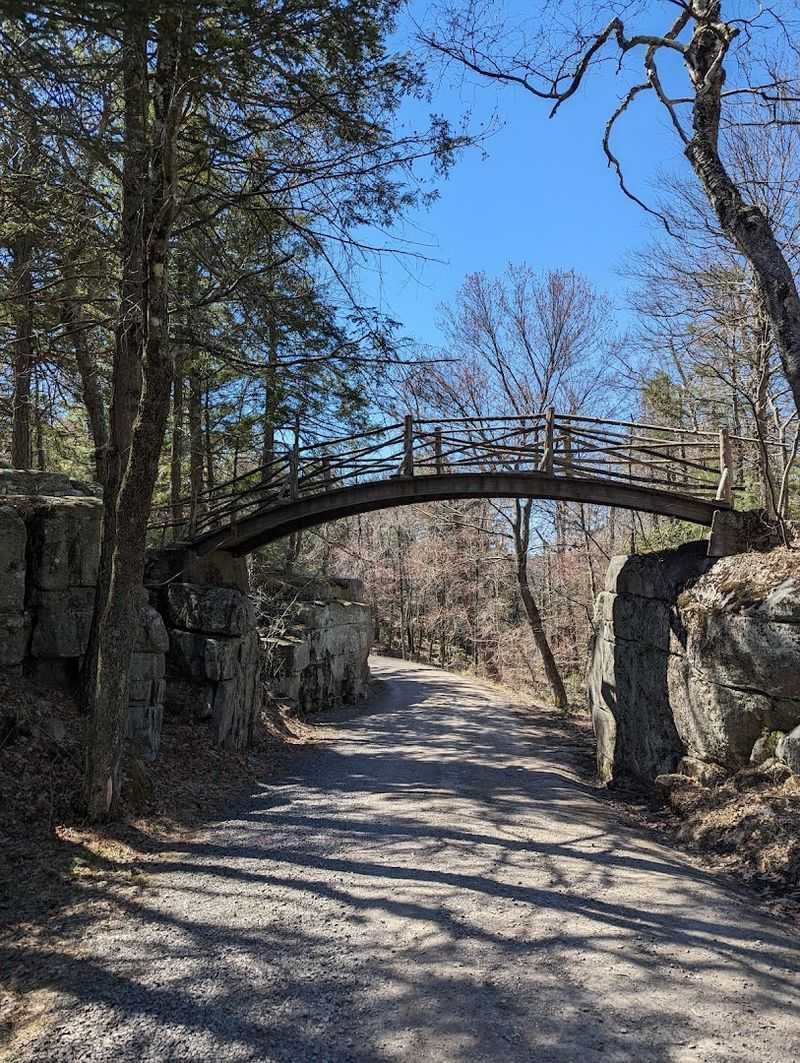
Two wheels fit beautifully here, thanks to wide, well-graded roads that welcome both confident riders and casual explorers. Expect crushed gravel under your tires, gentle elevation changes, and frequent scenic pauses that practically invite you to slow down and take it all in.
Mountain bikes and hybrids feel most comfortable on this surface, while thinner road tires can struggle with traction on looser sections. Starting with an easy lap is a smart move before branching into longer routes. It gives you a feel for how the terrain rides and where to ease off or carry momentum.
Speed management matters, especially around walkers. Call out clearly when passing, use a bell if you have one, and give extra space where sightlines narrow. Smooth lines and controlled braking go further here than aggressive riding, particularly on corners where loose gravel collects.
It’s best to arrive prepared. While there may be basic tools or information at the trailhead, bringing your own pump, tube, and multitool keeps things simple if adjustments are needed. Weather can shift quickly around the lake, and wind tends to pick up along exposed stretches, so a lightweight shell is worth packing. Carry enough water as well, since refill options are limited once you’re out on the loop.
When a view catches your attention, stop fully before reaching for your camera. Step off, park your bike safely off the path, and take a few minutes to soak it in. The ride back always feels quicker, with just enough new light and perspective to keep it interesting.
Swimming Area Reality Check
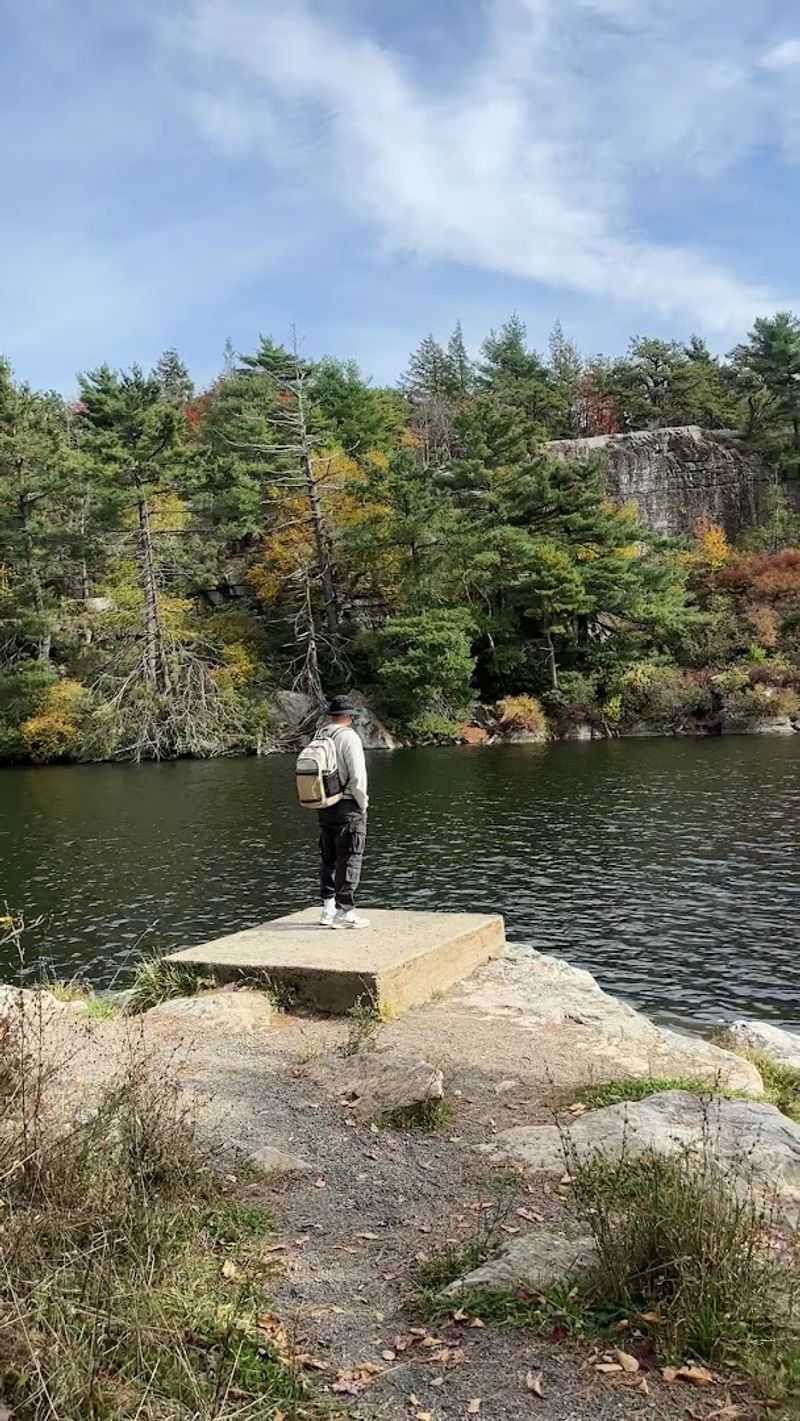
On warm days, the designated swimming area flips the script after your hike. Cool, clear water and defined boundaries create a refreshing finish when conditions allow, often with a lifeguard on duty during peak hours.
There are set rules around access, timing, and entry points, but they help keep the space organized and comfortable for everyone using it. Bring a towel and a dry layer so you can transition easily from breezy overlooks to post-swim comfort.
The water feels especially rewarding after a steady walk, and the surrounding cliffs give the cove a sheltered, almost amphitheater-like feel. It’s a natural pause point that invites you to linger a little longer. On busy weekends, expect a mix of hikers and swimmers sharing the space, especially when the weather cooperates.
Check posted signage as soon as you arrive, since swimming access can change depending on conditions or staffing. If it’s closed, don’t worry—the shoreline still offers plenty of places to sit, snack, and relax while taking in the view. Building a little extra time into your plan makes this section feel like a bonus rather than a rush.
Keep valuables out of sight in your car and secure essentials in zip pockets before heading down. Hydration matters here more than it seems, especially with sun and wind working together. By the time you head back, that short walk feels lighter, helped along by cool water and one last look across the lake.
Timing, Weather, And Crowd Strategy
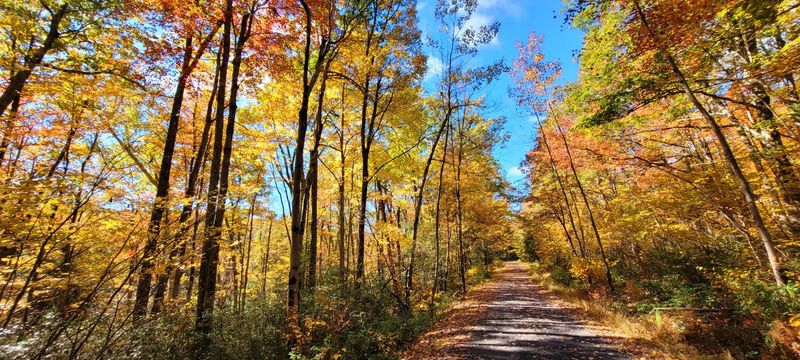
Getting the timing right at Lake Minnewaska can completely change how the loop feels. Early mornings are your biggest advantage, especially on weekends and during peak fall foliage. Arriving before the gates get busy means easier parking, quieter paths, and that first stretch of trail almost to yourself.
The lake also tends to look its best early, with softer light and calmer water reflecting the cliffs. As the day builds, so do the crowds, but the carriage roads handle it better than most trails. Within ten minutes of walking, the space naturally opens up and the noise fades.
If you’re arriving later, just lean into a slower pace and plan for a few extra pauses along the way. The scenery makes waiting worth it. Weather plays a bigger role here than you might expect. Spring can bring damp patches and lingering runoff, while summer often feels warm but breezy thanks to the lake.
Fall delivers the most dramatic views, but also the biggest crowds. Winter adds a completely different mood, with ice, quiet trails, and the need for traction on shaded sections. The surface stays mostly consistent—crushed stone with occasional exposed rock near overlooks—but conditions can shift quickly with rain or freeze-thaw cycles.
Shoes with solid grip go a long way, and bringing an extra layer is almost always a smart move. Plan for flexibility, not perfection. A little patience, the right timing, and a willingness to adjust will turn this compact loop into a surprisingly smooth and memorable experience.
Make Your Photos Count
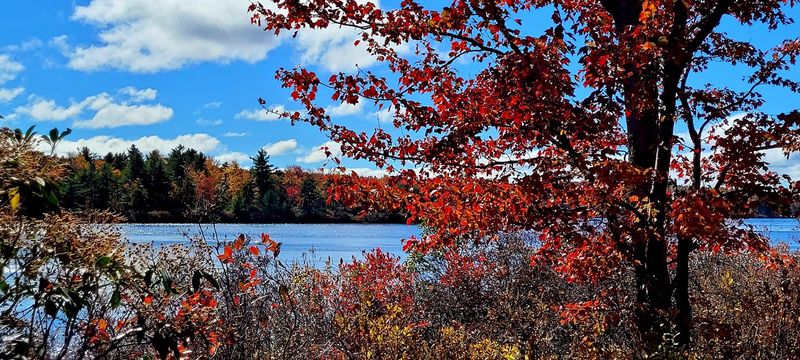
Photography is easy to overthink, but this loop practically composes your shots for you. Early or late light rakes across the cliffs, adding texture and depth without harsh glare. Midday can still work if you lean into shaded angles, adjust exposure, and let ripples add movement and pattern to the lake’s surface.
The scenery does most of the heavy lifting—you just need to frame it thoughtfully and stay aware of shifting light. Keep the horizon level by anchoring a rock, railing, or foreground detail in your frame. Step back from edges and shoot wider than you think, then crop later for balance.
If you’re using a phone, a quick lens clean goes a long way. Tap to expose for highlights, avoid digital zoom, and let natural contrast define the shot instead of forcing it. Small adjustments like these make a noticeable difference.
Adding a person can instantly bring scale to the landscape. Have a friend stand on a safe slab, position them along a thirds line, and let the cliffs rise behind them. That single element shifts the image from scenery to story, making the moment feel more personal and grounded. It also helps capture the true sense of scale.
Clouds are your quiet advantage, softening light and layering reflections across the water. Be patient—conditions shift constantly, and the next moment often looks better than the last. Before leaving, take one final shot looking back, then pause without the camera. Some of the best frames are the ones you keep to yourself.
Share this story