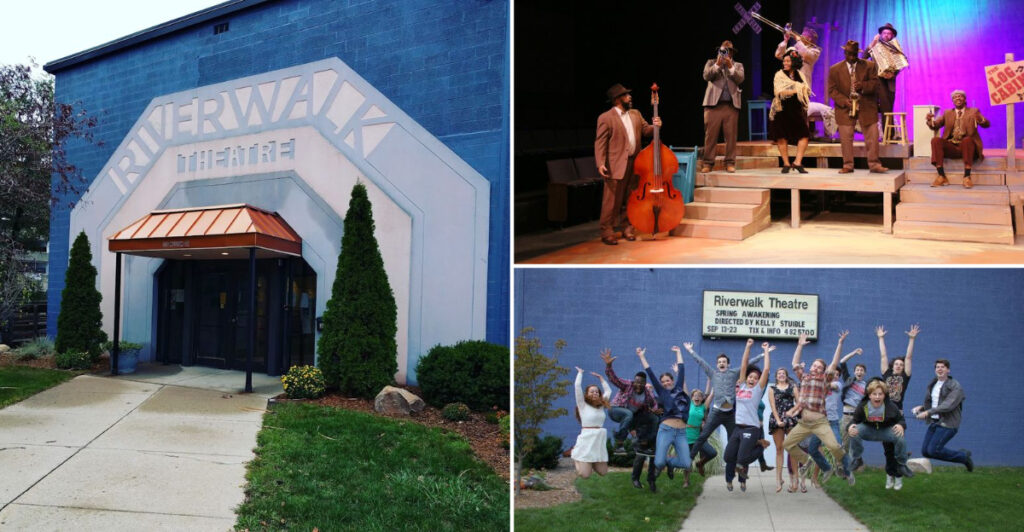
A great local theater does not need a massive marquee to make an audience feel something. In the heart of Lansing, Michigan, Riverwalk Theatre has built a loyal following inside a renovated warehouse that now hums with community, creativity, and serious stage talent.
Its season lineup moves from sharp comedies to emotionally rich dramas, giving regulars plenty of reasons to come back and newcomers a strong reason to pay attention. With a 4.8-star rating across hundreds of reviews, the praise is not just polite applause.
Once the lights dim and the story takes over, it is easy to see why this Lansing performing arts space keeps people returning season after season.
A Renovated Warehouse That Feels Like It Was Always Meant for the Stage
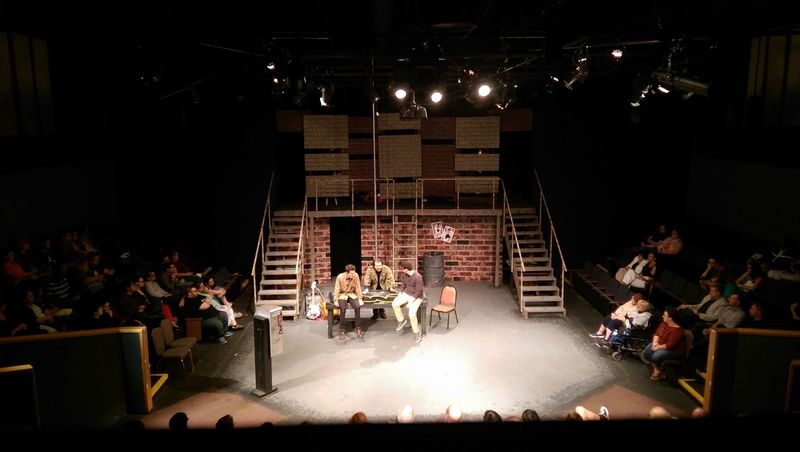
Not every great theater starts life as a theater. Riverwalk Theatre began as a warehouse, and that industrial past gives the space a character you simply cannot manufacture from scratch.
The bones of the building — sturdy, open, and raw in the best way — create an acoustic environment and visual intimacy that purpose-built venues often struggle to replicate.
Walking in for the first time, the scale surprises most people. The renovated space feels cozy rather than cavernous, with sight lines that put even back-row seats within comfortable viewing distance of the stage.
There is no bad seat in the house, and that is not just a saying here — the layout genuinely supports it.
The lighting setup deserves its own mention. Reviewers have specifically called out the quality of the lighting design, and it shows in how productions are framed and focused.
Shadows fall where they should, and performers are lit in ways that amplify the emotional weight of each scene.
Located at 228 Museum Dr, the building sits in a part of Lansing that rewards a little exploration before or after the show. The neighborhood has its own quiet energy, and arriving early gives you a chance to settle in without rushing.
Parking is available nearby, which makes the logistics of a night out considerably easier.
The renovated warehouse layout also allows for flexible staging, meaning different productions can use the space in different ways. That flexibility keeps the visual experience fresh from show to show.
Whether the stage is set for an intimate two-person drama or a full musical with ensemble numbers, the space adapts without losing its essential warmth and character.
Michigan’s Community Theater Scene Has a Quiet Powerhouse in Lansing
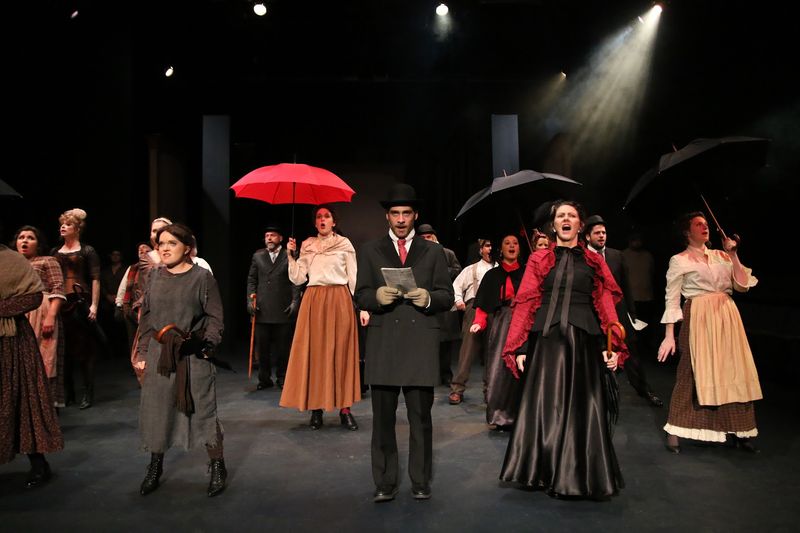
Community theater gets underestimated all the time, but Riverwalk Theatre is exactly the kind of place that resets those expectations fast. Operating as a resident acting company rather than a rotating cast of hired professionals, the theater builds something most big-budget productions cannot buy — genuine ensemble chemistry developed over multiple seasons of working together.
Michigan has no shortage of arts venues, but Riverwalk occupies a specific and valuable niche. It sits between the polished distance of a professional touring production and the rough charm of a first-year community group.
The performers here are serious about their craft, and it comes through in every production, from the comedic timing in lighter fare to the emotional precision required in heavier dramatic work.
The variety in the season calendar is a big part of the theater’s sustained appeal. A single season might include a classic musical, a contemporary drama, an improv showcase, and a sketch comedy night.
That range keeps the audience base broad and gives returning patrons something genuinely different to anticipate with each new show.
Lansing audiences have responded with consistent loyalty, and the theater’s reputation has spread well beyond the immediate neighborhood. People drive in from surrounding communities specifically for Riverwalk productions, treating a night at the theater as a destination rather than a casual afterthought.
That level of commitment from an audience says a great deal about the quality being delivered on stage.
The resident company model also means the theater invests in its people over time. Directors, actors, and technical crew develop a shared shorthand that shows up in the finished product.
Productions feel cohesive and intentional, not assembled at the last minute. That consistency is rare in community theater and worth celebrating.
From Rocky Horror to Ravenscroft — The Show Selection Keeps Everyone Guessing
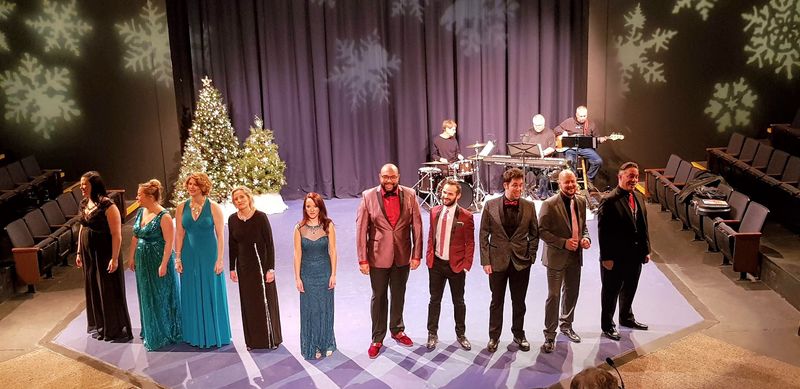
Programming choices reveal a theater’s personality more than almost anything else. Riverwalk Theatre’s season calendar reads like it was curated by someone who genuinely loves theater in all its forms rather than someone playing it safe.
Rocky Horror Picture Show, Ravenscroft, All Together Now, Doubt, First Date, Bell Book and Candle — the range is striking.
Mixing genres is a deliberate strategy that pays off. A theater willing to program a campy cult classic alongside a serious psychological thriller is a theater confident in both its audience and its performers.
That confidence is contagious, and it creates a sense of anticipation around each new announcement. Regulars genuinely do not know what to expect next, which is exactly how it should be.
The improv and sketch comedy offerings add another dimension entirely. Bare Bones Improv, for example, has drawn enthusiastic responses for the raw energy and quick thinking on display.
Live improv is a completely different skill set from scripted performance, and having performers capable of both signals serious range within the company.
Children’s productions have also been part of the mix, with shows like Emperor’s New Clothes bringing in younger audiences and families. Getting kids into a theater seat early — and making that experience genuinely fun — builds the next generation of theater-goers.
Riverwalk seems to understand that long game well.
Each production is treated with the same level of care regardless of genre. Technical elements, casting, and rehearsal investment do not appear to scale down based on whether a show is considered more or less prestigious.
That consistent standard across wildly different material is one of the clearest signs of a theater operating with real artistic integrity. Audiences pick up on it quickly.
The Volunteer Culture Here Runs Deeper Than Most Realize
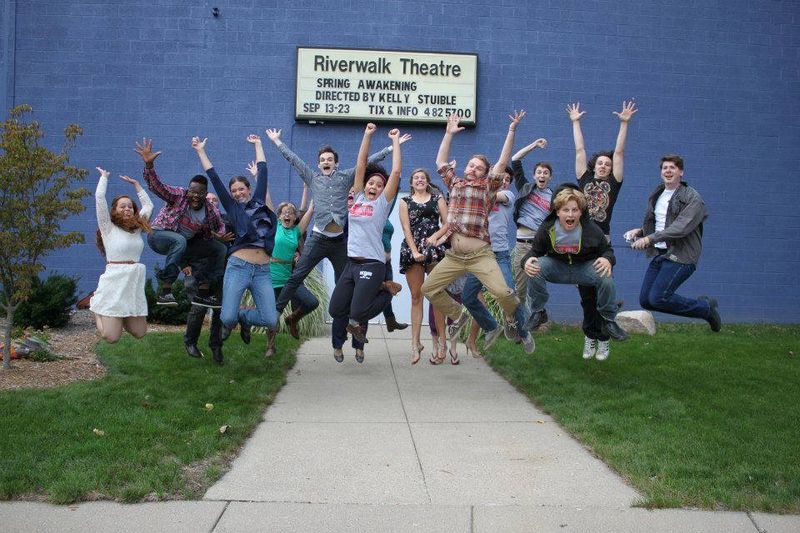
Behind every clean lobby, every smooth ticket transaction, and every program handed to an audience member is a volunteer infrastructure that Riverwalk Theatre has built with obvious intention. The volunteer culture here is not just functional — it is foundational to what makes the experience feel different from a commercial venue.
Ushers greet people by name. Box office staff go out of their way to make first-timers feel oriented.
The warmth is consistent enough that it clearly comes from the top down — from leadership that has decided hospitality is part of the performance, not separate from it. Specific staff members have been called out by name in reviews, which is a remarkably personal level of appreciation rarely seen for front-of-house theater workers.
The volunteer opportunities extend beyond the front of house. Anyone with an interest in theater — whether performing, building sets, managing costumes, or helping with production logistics — can find a way to get involved.
Open auditions are a regular feature of the calendar, making the stage genuinely accessible rather than a closed club for the already-connected.
That openness creates a self-reinforcing community loop. People come to see a show, get pulled into the warmth of the environment, find out about auditions or volunteer slots, and suddenly they are not just audience members anymore.
They are part of the operation. That transition from spectator to participant is something Riverwalk actively encourages and clearly values.
For performers who have worked here, the experience of being supported by dedicated volunteers and a welcoming community often stands out as much as the productions themselves. The sense that everyone — from the lead actor to the person taking tickets — is invested in the same outcome creates a unified energy that audiences can feel the moment they walk through the door.
Seats, Sightlines, and Concessions — Planning Your First Visit Right
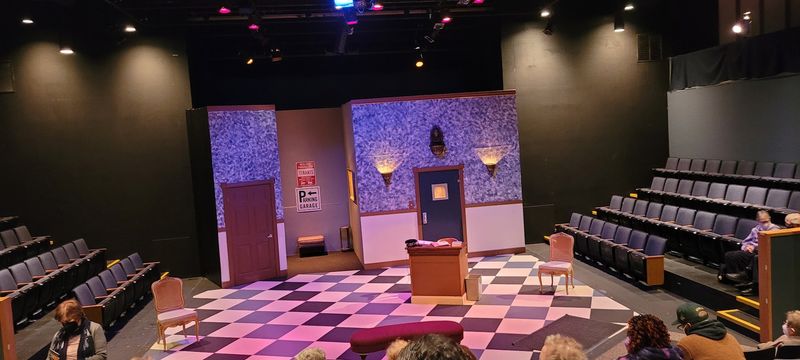
First-time visitors to Riverwalk Theatre sometimes do not know what to expect from the physical setup, and a little advance knowledge makes the evening go more smoothly. The theater is small and intimate by design — that is a feature, not a limitation.
Seating is comfortable, and the layout ensures clear views from nearly every position in the house.
Arriving a few minutes early is worth doing for more than just finding your seat. The pre-show atmosphere in the lobby has its own casual energy, and concessions are available before performances.
Depending on the show, alcoholic beverages may also be on offer, which adds a relaxed social dimension to the evening that a lot of people appreciate.
The theater operates with a casual but attentive vibe. Dress codes are not a concern — come as you are.
The crowd tends to be a mix of longtime regulars, couples on date nights, groups of friends, and families, all sharing the same comfortable, low-pressure environment. That mix of demographics reflects the broad programming appeal the theater has cultivated over the years.
Parking near 228 Museum Dr is generally manageable, which removes one of the more common friction points of a night out in any mid-sized city. The location in Lansing also puts the theater within easy reach of dining options for those who want to make the evening a fuller outing.
For shows with live music, sitting toward the middle of the house tends to provide the most balanced audio experience. The theater has received feedback about mix levels in musical productions, and while the team continues to refine that balance, being thoughtful about seat selection helps.
Front-to-middle placement typically delivers the clearest blend of vocals and instrumentation during musicals.
Talent on That Stage Has No Business Being This Good for the Ticket Price
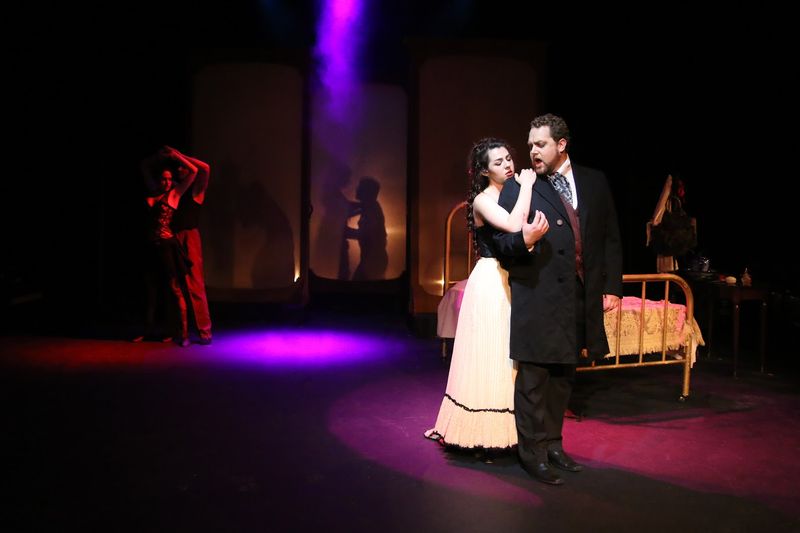
Ticket prices at Riverwalk Theatre sit well below what you would pay for a comparable evening at a larger regional venue, and the gap between cost and quality is genuinely striking. Productions here regularly draw comparisons to professional-level work, not because reviewers are being generous, but because the performers have put in the hours to earn that comparison.
The casting tends to be sharp. Reviewers have singled out individual performances for their emotional precision and comic timing, which suggests a casting process that takes matching performer to role seriously.
When a production like Doubt lands correctly — and by all accounts, the Riverwalk version did — it requires actors who can hold tension and nuance across an entire evening without losing the audience’s trust.
Musical productions add another layer of challenge. Singing, acting, and moving simultaneously under stage lights while hitting emotional beats is genuinely difficult.
The Riverwalk company handles it with enough consistency that musical nights draw their own dedicated following. Hairspray, All Together Now, and similar productions have all generated strong responses from audiences who came in with real expectations and left satisfied.
The sketch and improv performers deserve separate credit. Improvised comedy requires a specific kind of fearlessness — the willingness to commit fully to an idea with no script to fall back on.
The Bare Bones Improv ensemble has been described as second to none, which is high praise for any improv group, community-based or otherwise.
Reasonable ticket pricing makes repeat attendance easy, which is part of why the audience base stays so loyal. When seeing four or five shows in a season does not break the budget, people actually do it.
That consistent exposure builds the kind of deep familiarity with a theater’s work that turns casual attendees into genuine fans.
Why Riverwalk Theatre Keeps Earning Its Place on the Lansing Calendar Year After Year
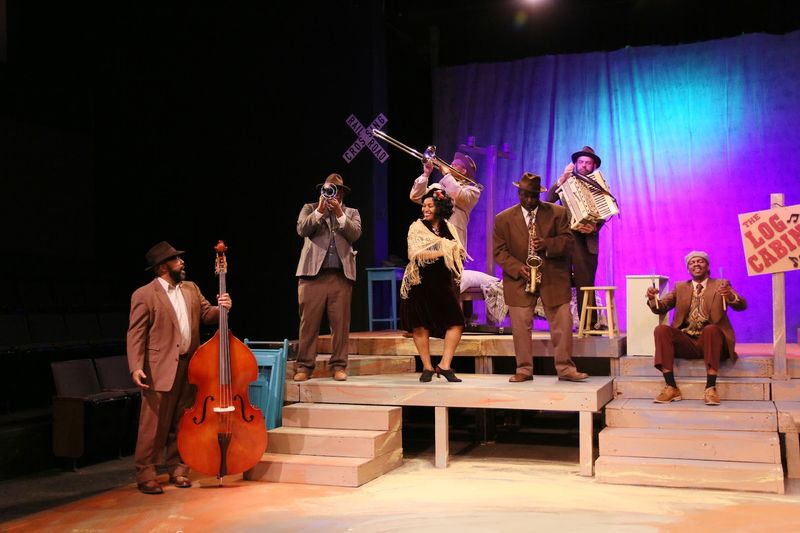
Consistency is the hardest thing for any performing arts organization to maintain. Budgets fluctuate, casts change, and audience tastes shift.
Riverwalk Theatre has navigated all of that across multiple seasons while holding a 4.8-star rating that reflects genuine satisfaction rather than inflated goodwill. That is not luck — it is the result of deliberate choices made repeatedly over time.
The theater’s identity is clear. Community is not just a descriptor attached to the name — it is the operating principle behind every decision, from how volunteers are recruited to how the season is programmed.
When performers talk about working here, the sense of belonging comes up as often as the quality of the productions. That dual focus on artistic output and human connection is rare and difficult to sustain.
Public safety and cleanliness have been taken seriously, particularly during periods when returning to live performance required extra care. That attentiveness to the audience’s comfort and wellbeing extends beyond the performance itself into every aspect of the visit.
It signals an organization that thinks about the whole experience, not just the ninety minutes on stage.
New audience members tend to leave planning their next visit. That is the clearest possible indicator of a venue doing something right.
The conversion rate from first-timer to regular seems unusually high, and it makes sense given how much effort goes into making every aspect of the evening feel welcoming and worthwhile.
Riverwalk Theatre earns its place on the Lansing social calendar not through marketing muscle or big-name draws, but through the accumulation of hundreds of well-executed evenings that sent people home genuinely glad they came. That track record, built one show at a time, is exactly the kind of foundation that keeps a theater thriving for seasons to come.
Share this story