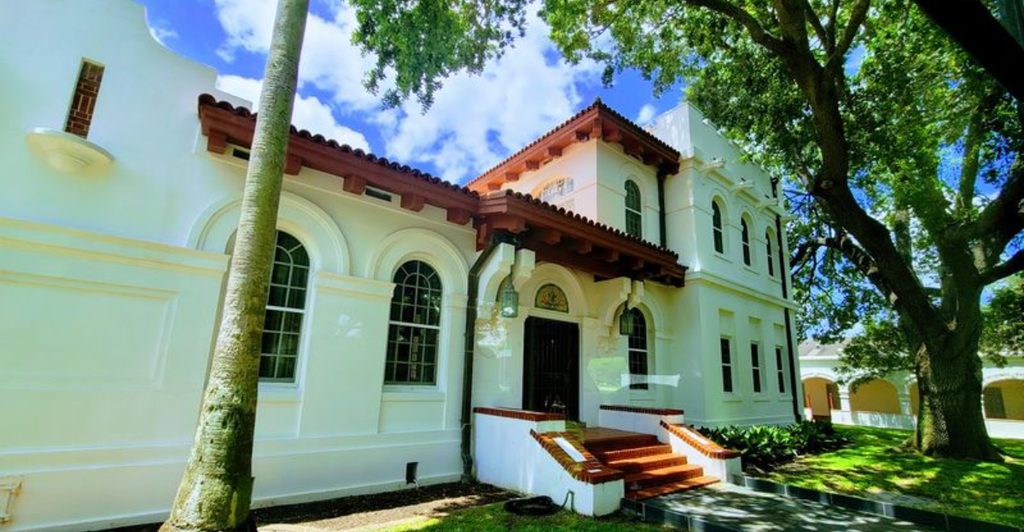
King Ranch sprawls across 825,000 acres of South Texas rangeland, making it larger than the entire state of Rhode Island. Founded in 1853 by Captain Richard King, this working cattle operation has shaped the cowboy culture, ranching innovations, and wildlife conservation efforts that define Texas heritage. Today, visitors can explore this legendary property through guided tours that reveal the fascinating history, diverse wildlife, and ongoing ranching operations that keep this iconic piece of Texas alive.
1. A Working Ranch That Pioneered Modern Cattle Ranching
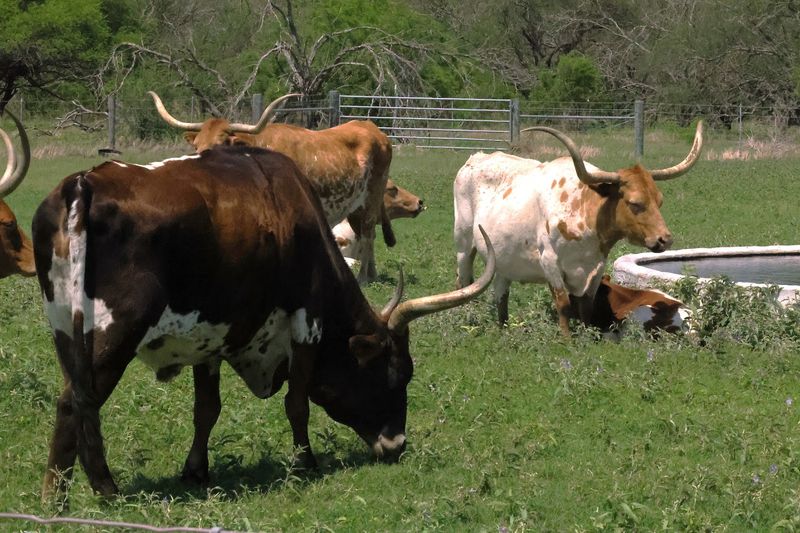
Captain Richard King purchased the land that would become King Ranch in 1853 for less than two cents per acre. What started as a dream transformed into the birthplace of American ranching as we know it. The ranch developed the Santa Gertrudis breed, the first beef cattle breed created in the Western Hemisphere, combining the hardiness of Brahman cattle with the beef quality of British Shorthorns.
Walking onto King Ranch property means stepping into a living museum where ranching operations continue exactly as they have for generations. Cowboys still ride horses across the vast pastures, managing herds that can number in the thousands. The ranch employs time-tested methods alongside modern innovations, creating a unique blend of tradition and progress.
Tour guides share stories about the King family’s ranching philosophy, which emphasized quality over quick profits. This approach led to groundbreaking developments in selective breeding, land management, and water conservation that revolutionized the entire cattle industry. The ranch’s Running W brand became one of the most recognized symbols in ranching history.
Visitors often spot working cowboys during tours, especially during morning hours when cattle operations are most active. The sight of mounted riders moving across endless grasslands offers an authentic glimpse into the cowboy lifestyle that built Texas. This isn’t a theme park recreation but the real deal, where every fence post and water tank serves an actual purpose in managing one of America’s largest cattle operations.
2. Quarter Horse Breeding Legacy That Changed Equine History
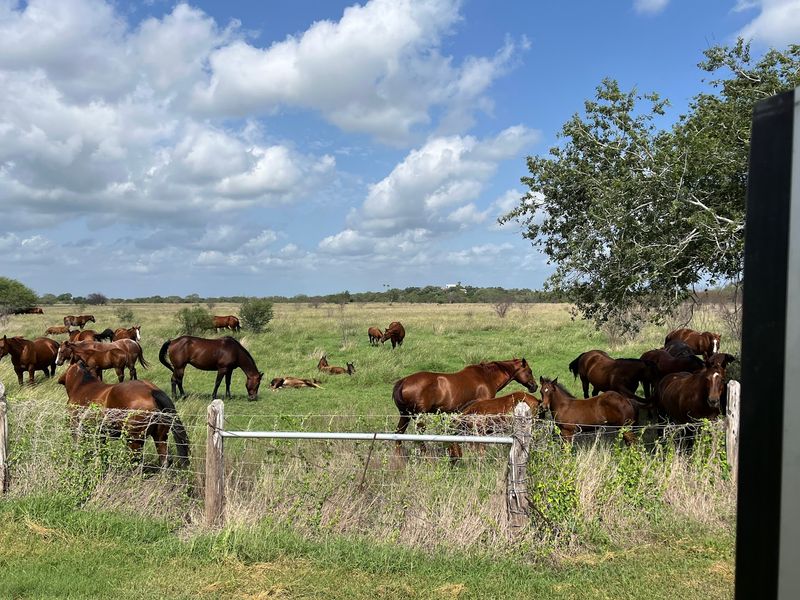
Beyond cattle, King Ranch earned worldwide recognition for breeding some of the finest Quarter Horses ever produced. The ranch’s horse program began in the 1940s and quickly became legendary among equestrians. Their horses dominated racing tracks and rodeo arenas, establishing bloodlines that remain highly sought after today.
The most famous King Ranch horse, Wimpy, became the very first horse registered in the American Quarter Horse Association studbook. This single animal’s influence on the breed cannot be overstated. His descendants went on to win countless championships and establish the foundation for modern Quarter Horse breeding programs across America.
During ranch tours, visitors frequently encounter these magnificent animals grazing in designated pastures. Tour guides point out the distinctive characteristics that make King Ranch Quarter Horses special: powerful hindquarters, compact bodies, and calm temperaments. Watching mares with their foals provides unforgettable photo opportunities, especially during spring months when babies are most active.
The ranch maintains strict breeding standards that have remained consistent for decades. Every horse born here carries generations of careful selection aimed at producing animals with both athletic ability and gentle dispositions. Multiple reviews mention seeing these horses during tours, with visitors consistently impressed by their beauty and obvious health.
The horse program represents another way King Ranch has shaped Texas agricultural heritage while maintaining relevance in modern equestrian circles.
3. Wildlife Paradise With Over 300 Bird Species
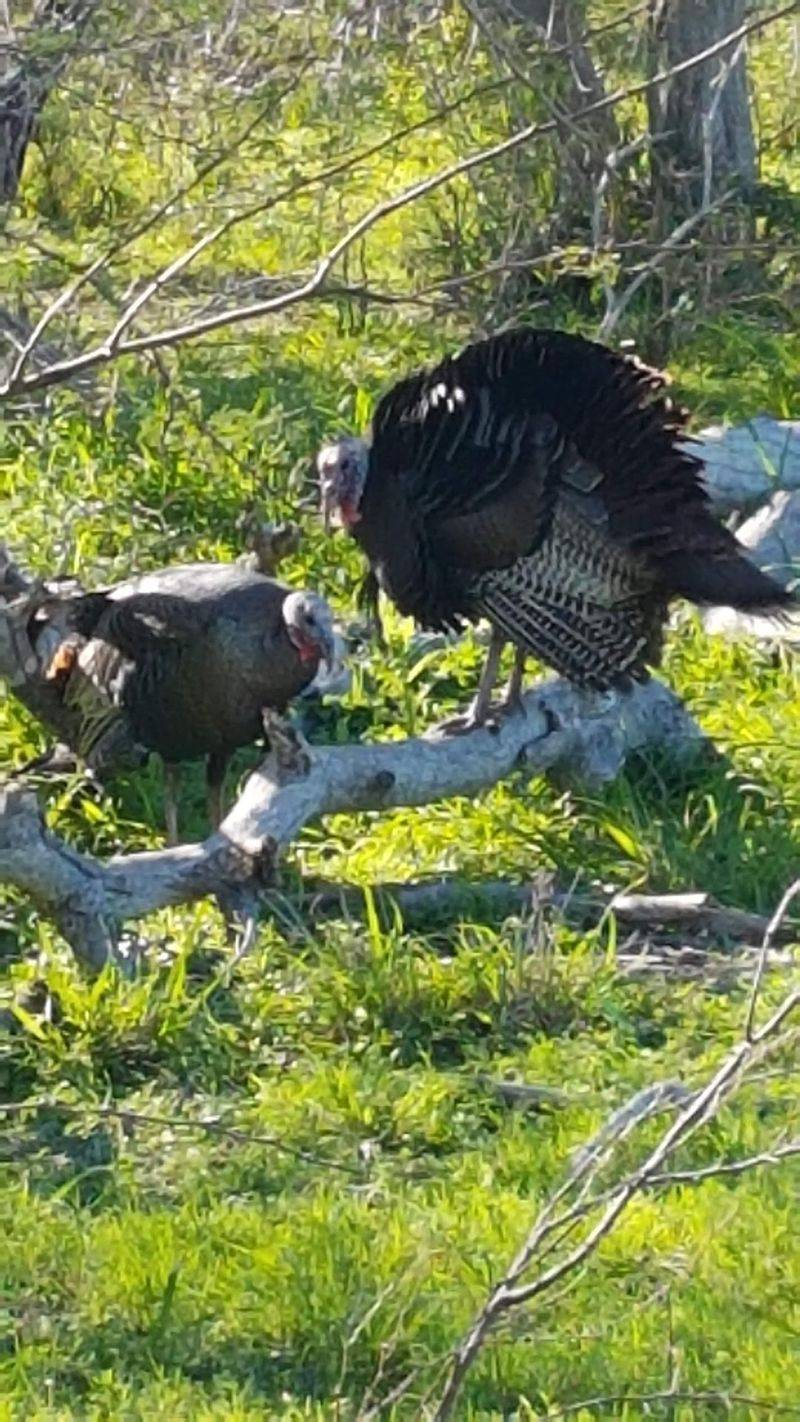
Birding enthusiasts consider King Ranch one of Texas’s premier wildlife destinations, with documented sightings of over 300 bird species. The ranch’s diverse habitats, from coastal prairies to brushland, create perfect conditions for both resident and migratory birds. Serious birders travel from across the country specifically to add rare South Texas species to their life lists.
The specialized birding tours led by expert guide Janice Travis receive consistently glowing reviews. One visitor spotted a pygmy owl peeking from its nest hole, a moment they described as unforgettable. Another birder added 13 new species to their life list during a single morning tour, while a different group tallied over 75 species during their half-day excursion.
These tours venture deep into the Norias Division, areas not accessible during standard history tours. Guides know exactly where to find elusive species and provide frequent stops for observation and photography. The expertise displayed by tour leaders transforms casual wildlife watching into an educational adventure that reveals the intricate ecosystems thriving on ranch property.
Ranch management takes wildlife conservation seriously, implementing grazing practices that benefit both cattle and native species. This balanced approach has created habitat conditions that support incredible biodiversity. Even visitors on regular ranch tours often spot white-tailed deer, javelinas, and numerous bird species from tour vehicles, though dedicated birding excursions offer far superior wildlife viewing opportunities for nature enthusiasts willing to invest extra time.
4. Guided Tours That Bring Ranch History to Life
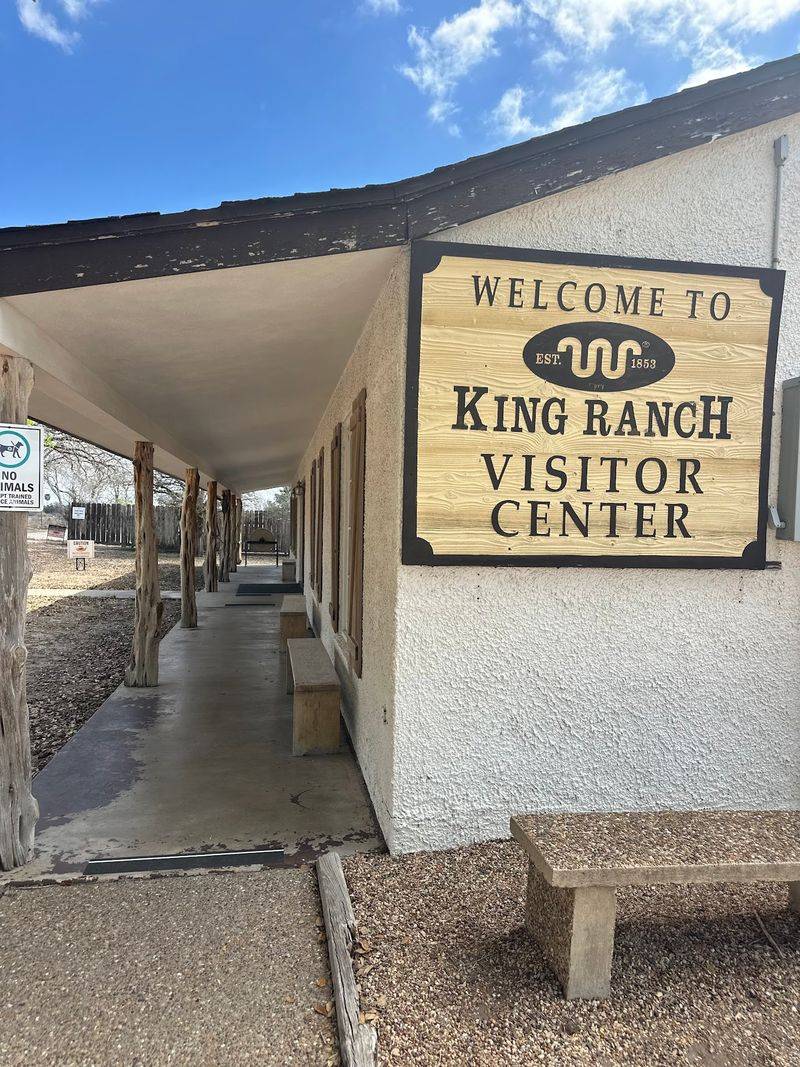
Standard history tours run Tuesday through Saturday from 10 AM to 3 PM, offering visitors their primary window into ranch operations. Tour guide Danny receives particular praise in reviews for his obvious pride in King Ranch heritage. His passion proves contagious, helping visitors understand why this property matters so deeply to Texas identity.
The two-hour narrated bus tours cover significant ground, literally and figuratively. Guides explain how the King family built their empire, discuss ranching innovations developed here, and point out wildlife along the route. Visitors see pastures where Santa Gertrudis cattle graze, corrals where cowboys work horses, and historic structures that have stood for generations.
Local legend Gabe also earns enthusiastic mentions from tour participants who appreciate his deep knowledge and storytelling abilities. These guides don’t just recite facts but share personal connections to the ranch, creating intimate experiences that generic tours cannot match. Their expertise transforms what could be a simple bus ride into an engaging journey through time.
Special interest tours lasting three to four hours provide access to additional ranch areas and more detailed information. Multiple reviewers called these extended tours worth every penny, praising the opportunity to learn even more about this remarkable property. Tour availability requires advance reservations, especially during peak winter months when temperatures are most comfortable.
The visitor center also features a video providing historical context, and the associated museum in Kingsville offers additional exhibits about ranch heritage and South Texas culture.
5. Authentic Cowboy Camp Lunch Experience
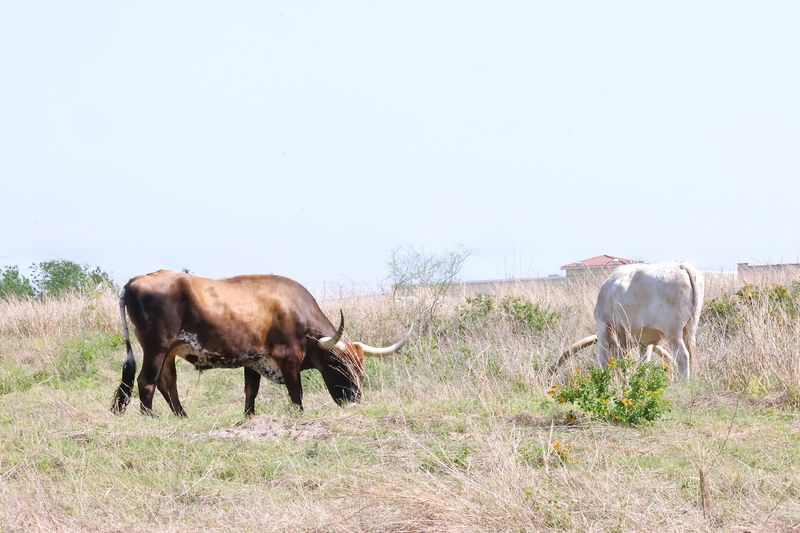
Full-day tours include an authentic cowboy camp lunch that reviewers consistently highlight as a tour highlight. The King Ranch kitchen prepares traditional meals featuring carne asada, frijoles, and rice served at actual working camps on the property. This simple but delicious food connects visitors directly to ranch heritage in the most fundamental way possible.
Eating where real cowboys take their meals adds immeasurable authenticity to the ranch experience. The food tastes exactly like what working hands have eaten for generations, prepared using traditional methods and served in no-frills style. One reviewer described the meal as grounded in ranch heritage, exactly the kind of food you’d expect after a morning on the range.
The lunch stop provides more than just sustenance. It offers a natural break in the tour day, giving visitors time to stretch legs, chat with guides, and absorb the ranch atmosphere without rushing. The setting itself tells stories about daily life on a working cattle operation where meals fuel hard physical labor.
Special events like the annual Ranch Hand Breakfast the Saturday before Thanksgiving have become beloved traditions for many families. One Boston couple flies in specifically for this event each year. These special occasions offer expanded menus and opportunities to mingle with other ranch enthusiasts while enjoying food prepared in quantities that would satisfy even the hungriest cowboy after a long day moving cattle across endless Texas pastures.
6. 825,000 Acres of Diverse Texas Landscapes
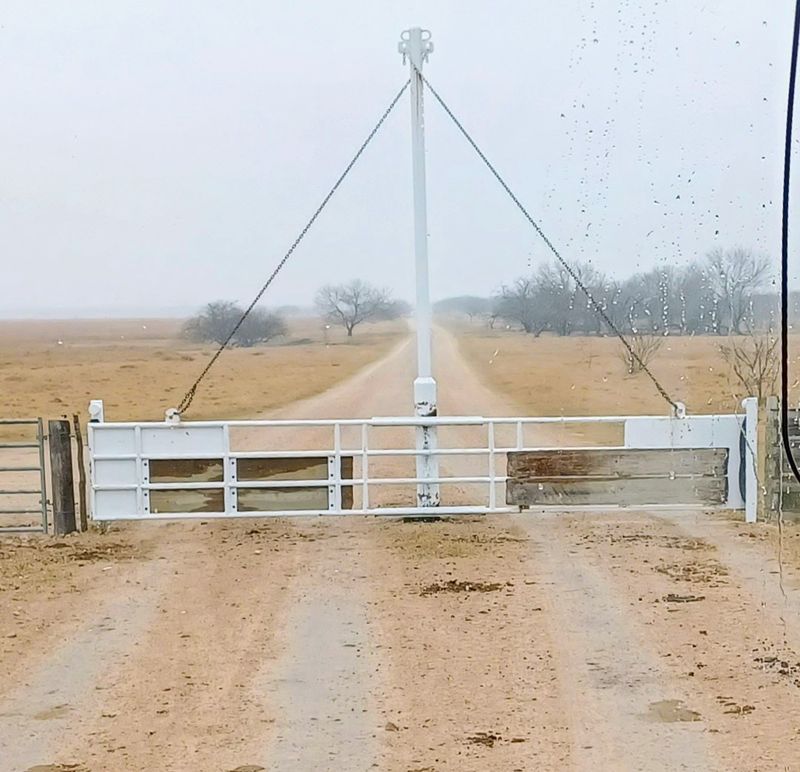
Understanding King Ranch’s true scale requires putting the numbers in perspective. At 825,000 acres, the ranch covers more land than Rhode Island’s 776,000 acres. That means you could fit the entire Ocean State inside King Ranch boundaries and still have room left over for additional property.
The ranch stretches across four separate divisions, each with distinct characteristics and management needs. The terrain varies from coastal prairie to dense brush country, with everything in between. This diversity supports the remarkable wildlife populations that make birding tours so successful while providing ideal conditions for cattle ranching.
Driving across ranch property takes hours, even at highway speeds. Tour buses travel miles between points of interest, giving visitors a genuine sense of the distances involved in managing such vast acreage. The horizon seems endless in every direction, with fences and roads disappearing into the distance under that famously big Texas sky.
Land management on this scale requires sophisticated planning and execution. The ranch employs range scientists, wildlife biologists, and experienced cowboys who understand how different areas respond to grazing pressure and weather patterns. Water resources receive particular attention since adequate water distribution determines where cattle can graze effectively.
The ranch’s commitment to sustainable practices ensures the land remains productive for future generations while maintaining habitat quality for native wildlife species that call these acres home alongside domesticated livestock.
7. Rich Historical Heritage Dating to 1853
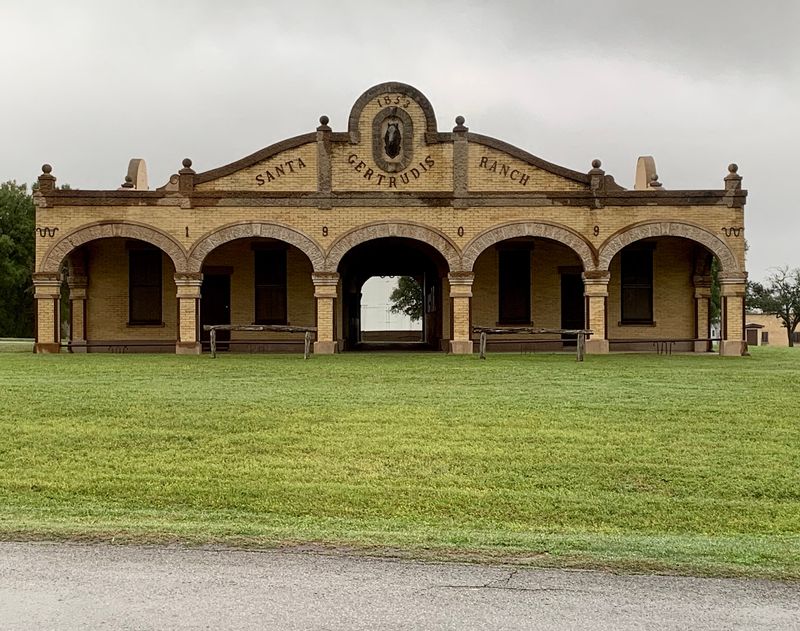
Captain Richard King’s vision began when he purchased a Spanish land grant along Santa Gertrudis Creek. A former riverboat captain, King recognized the potential in this seemingly barren land that others overlooked. His partnership with Mifflin Kenedy and later his marriage to Henrietta Chamberlain created the foundation for a ranching dynasty that would span generations.
The ranch survived the Civil War, Reconstruction, and numerous economic challenges that bankrupted other operations. Each generation of the King family added innovations while respecting traditions established by their predecessors. This balance between progress and preservation defines King Ranch’s approach to modern ranching.
Tour guides share fascinating stories about the King family’s relationships with their workers, many of whom came from Mexico and established multi-generational connections to the ranch. The Kinenos, as these families became known, developed deep loyalty to the operation and helped build the ranch’s reputation for excellence. Their descendants still work on the ranch today, maintaining traditions passed down through their own families.
Historical markers scattered across the property identify significant locations where important events occurred. Ellen, a tour guide mentioned in multiple reviews, excels at bringing these historical moments to life through vivid storytelling. Her knowledge extends beyond basic facts to include personal anecdotes and lesser-known details that reveal the human side of ranch history.
Understanding this heritage helps visitors appreciate how King Ranch influenced not just Texas but American ranching culture as a whole.
8. Operating Ranch Tours With Real Working Cowboys
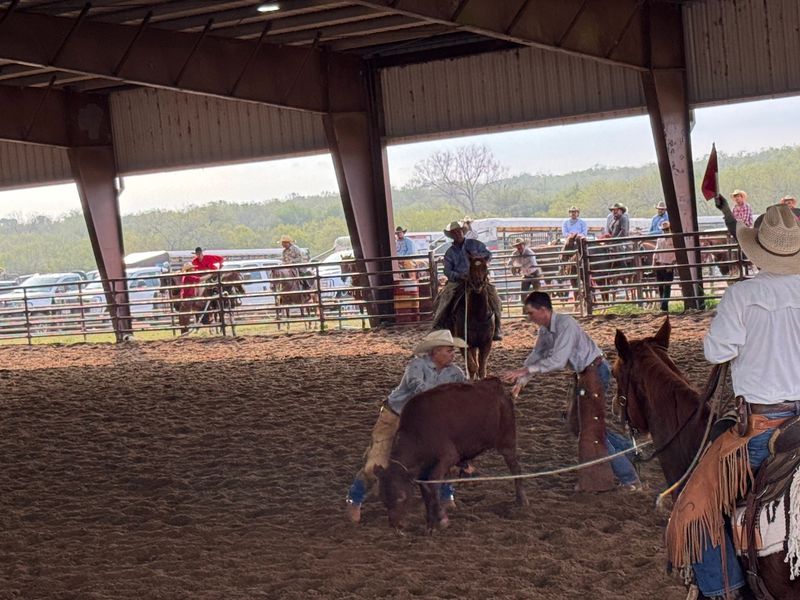
King Ranch remains a fully operational cattle and horse ranch, not a historical recreation or theme park. Real cowboys perform actual ranch work every single day, managing livestock across those 825,000 acres. Tour visitors sometimes witness these operations in progress, adding unexpected authenticity to their experience.
Morning tours offer the best chances of seeing working cowboys since many ranch activities happen during cooler early hours. Cattle need checking, horses require training, and fences always need mending. The work never stops on an operation this size, creating constant activity across the property.
Reviews mention seeing cowboys on horseback, cattle being moved between pastures, and other genuine ranching activities. These aren’t staged demonstrations but actual work that would happen whether tourists were present or not. This authenticity distinguishes King Ranch tours from other attractions that merely recreate ranch life for entertainment purposes.
The ranch’s continued viability as a working operation proves that traditional ranching methods can thrive in modern times when combined with sound business practices and commitment to excellence. King Ranch produces beef, horses, leather goods, and other products sold commercially while maintaining its historical character. Tour revenue provides supplemental income but the ranch’s primary business remains raising quality livestock.
Visitors leave with genuine appreciation for the skill, knowledge, and dedication required to manage such an enormous operation successfully while preserving the heritage that makes King Ranch a true Texas legend.
Share this story