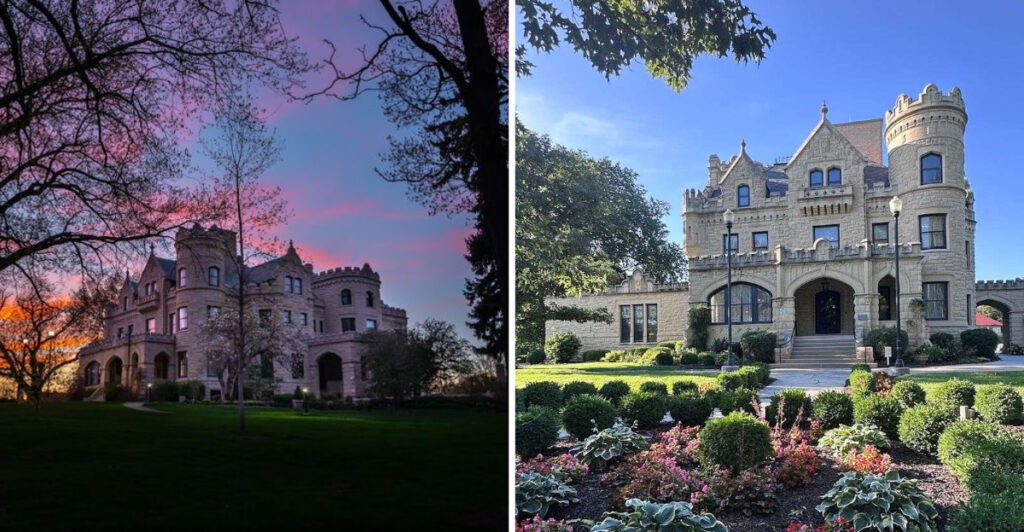
Tucked into a quiet Midtown neighborhood, Joslyn Castle & Gardens feels like discovering a hidden piece of history in the heart of Omaha. The striking Scottish-inspired stone exterior rises unexpectedly, instantly transporting you to another era. Inside, intricate woodwork, detailed craftsmanship, and grand staircases capture your attention at every turn.
Guided tours reveal stories that bring the space to life, making each room feel rich with character and purpose. It’s more than just a historic site—it’s an experience that lingers. If you’re drawn to architecture, history, and timeless charm, this destination offers far more than you might expect.
First Look at the Scottish-Style Facade
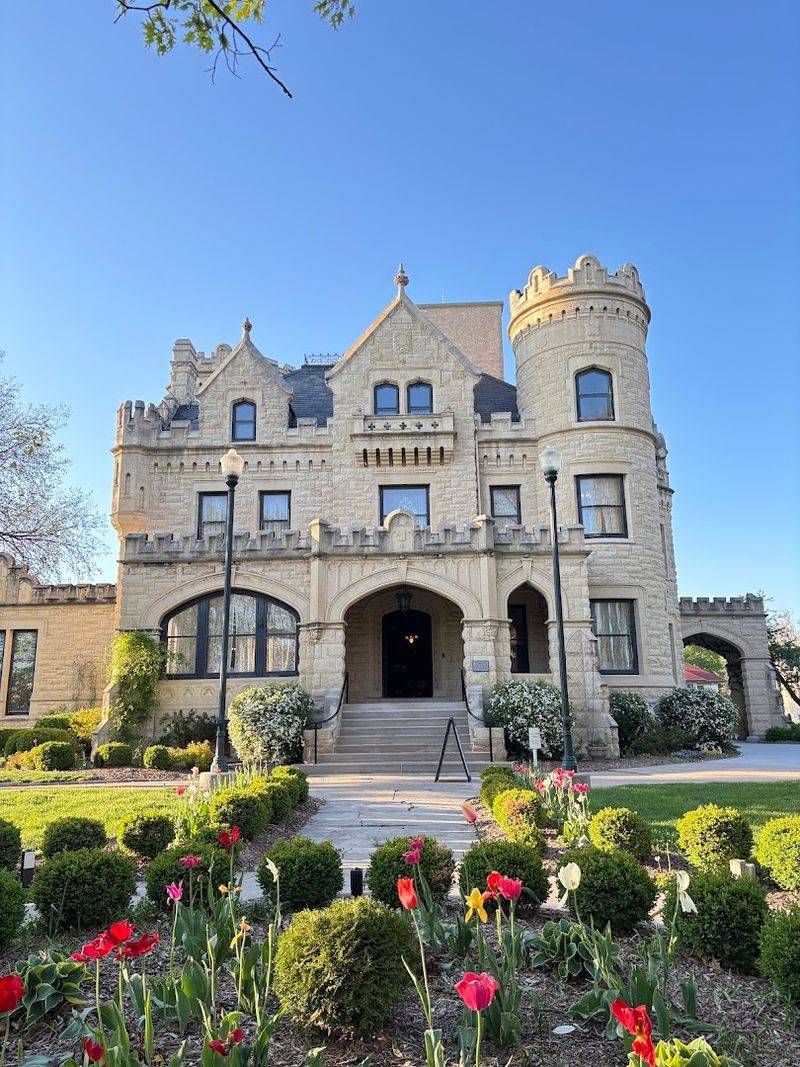
Turn the corner and it catches you off guard—in the best way. A stone castle rising quietly against a wide Nebraska sky isn’t something you expect to stumble upon, yet here it stands with a rugged, almost Scottish presence softened by mature trees and a calm neighborhood setting.
It doesn’t shout for attention, which somehow makes it even more striking. The structure feels rooted, like it’s always belonged, even as the city has grown up around it. Step a little closer and the details start doing the talking.
Arched windows, textured stonework, and a broad front stairway give it that old-world sense of arrival, the kind built to impress long before anyone thought about photos or social feeds. There’s a confidence in the design—nothing flashy, just solid craftsmanship that holds your attention the longer you look.
You begin to notice how each angle reveals something slightly different. What really lands is how inviting it feels. Despite the turrets and castle-like features, the space doesn’t push you away—it pulls you in. The grounds encourage you to slow down, sit for a moment, and take it in rather than rushing through.
Walk the perimeter if you have time, and you’ll catch how the light shifts across the stone, changing the mood with every few steps. It’s a quiet reminder that history here isn’t tucked away—it’s right in front of you.
Inside the Tour: Flow, Pace, and Best Seats
The tour here starts simply, almost quietly, and that’s part of what makes it work so well. A guide offers just enough context to get you oriented, then steps back and lets the rooms unfold in their own rhythm. You move through a natural loop that keeps things flowing, with each space revealing something new without feeling staged or over-explained.
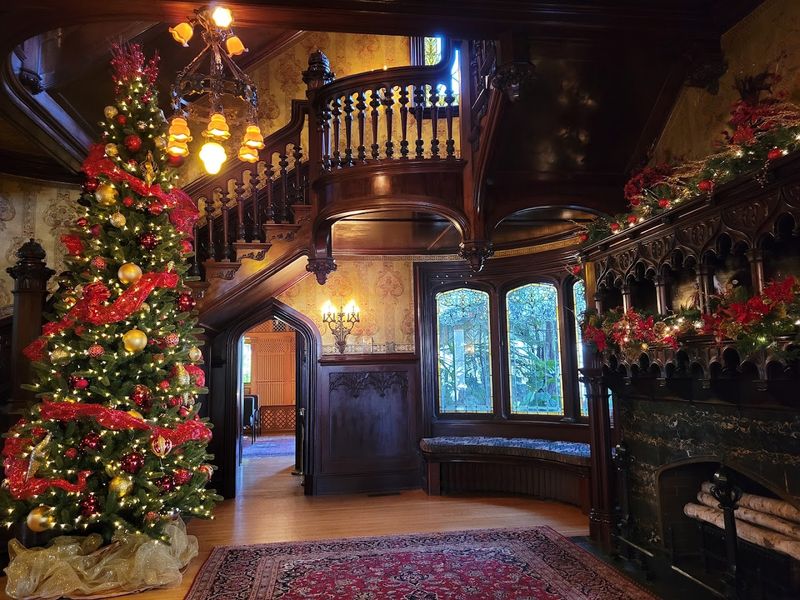
There’s a steady, thoughtful pace to it all. You’re given time to actually look—really look—at the details that might otherwise blur together. Intricate woodwork, carefully chosen light fixtures, and subtle design touches start to stand out the longer you linger.
The guides add depth where it matters, sharing stories and context in a way that feels conversational rather than scripted, which keeps the experience grounded and easy to follow.
A small but worthwhile trick is to shift your perspective in each room. Take a moment to look up at the ceilings and scan the corners, where a lot of the craftsmanship quietly lives. Landings and transitions between spaces are worth slowing down for too, giving you a chance to reset and take in the layout as a whole.
There’s no pressure to remember every detail. What stays with you is the overall feel—the blend of early 1900s ambition and practical design, and the sense that this was once a lived-in, working home. By the end, you’ll have a few favorite corners in mind and a reason to come back.
Woodwork That Stops You Mid-Sentence
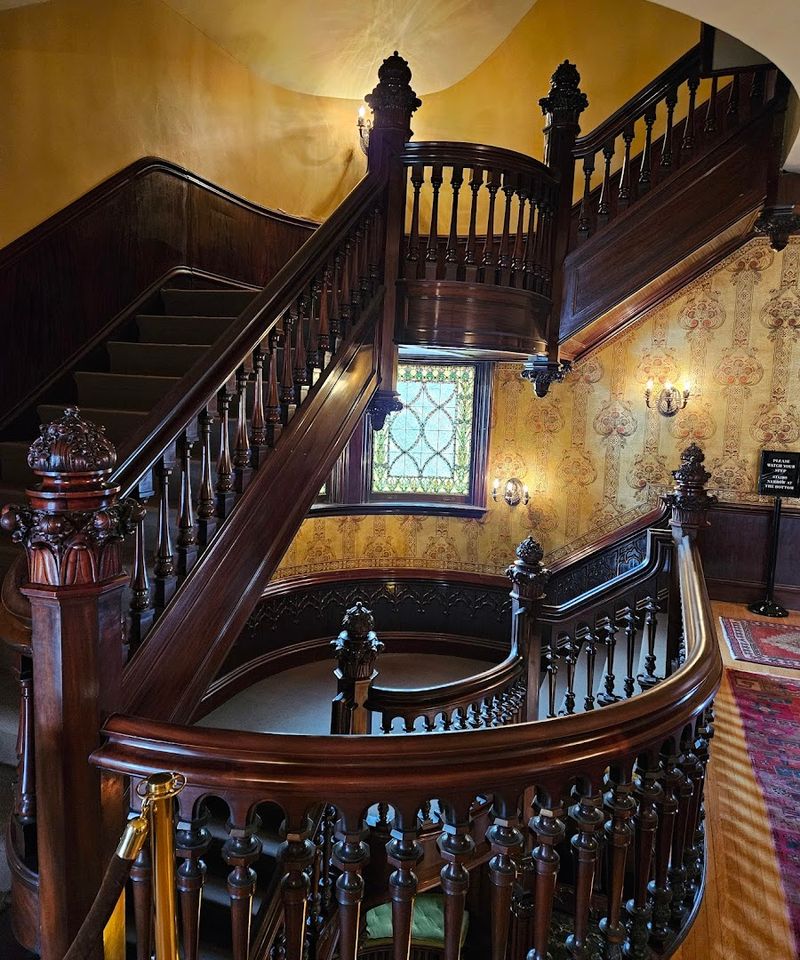
Begin with the banisters and doorframes, and you’ll quickly realize the craftsmanship here isn’t something you take in all at once. It unfolds gradually, layered like a piece of music that reveals new details each time you return to it.
Every curve, joint, and carved edge carries a sense of patience, the kind that comes from careful, hands-on work rather than rushed construction. It feels intentional, and that intention lingers as you move from room to room. Lighting plays a quiet but important role in how it all comes together.
When sunlight hits at an angle, the wood grain starts to show its depth, revealing patterns within patterns that reward a slower look. Even the transitions between spaces feel deliberate, with subtle shifts that guide you forward without breaking the flow. There’s a rhythm to it, almost like each room is passing something along to the next.
If you’re curious, asking a guide about restoration adds another layer to the experience. You start to notice what’s original, what’s been refreshed, and how those decisions were made. It sharpens your perspective without making things feel overly technical.
You don’t need any special knowledge to appreciate it. Just take your time, stand close, and let your eyes follow the details. Small flourishes begin to stand out, and suddenly the space feels less like a preserved landmark and more like a home that still carries its story.
Gardens and Grounds: The Easy Stroll
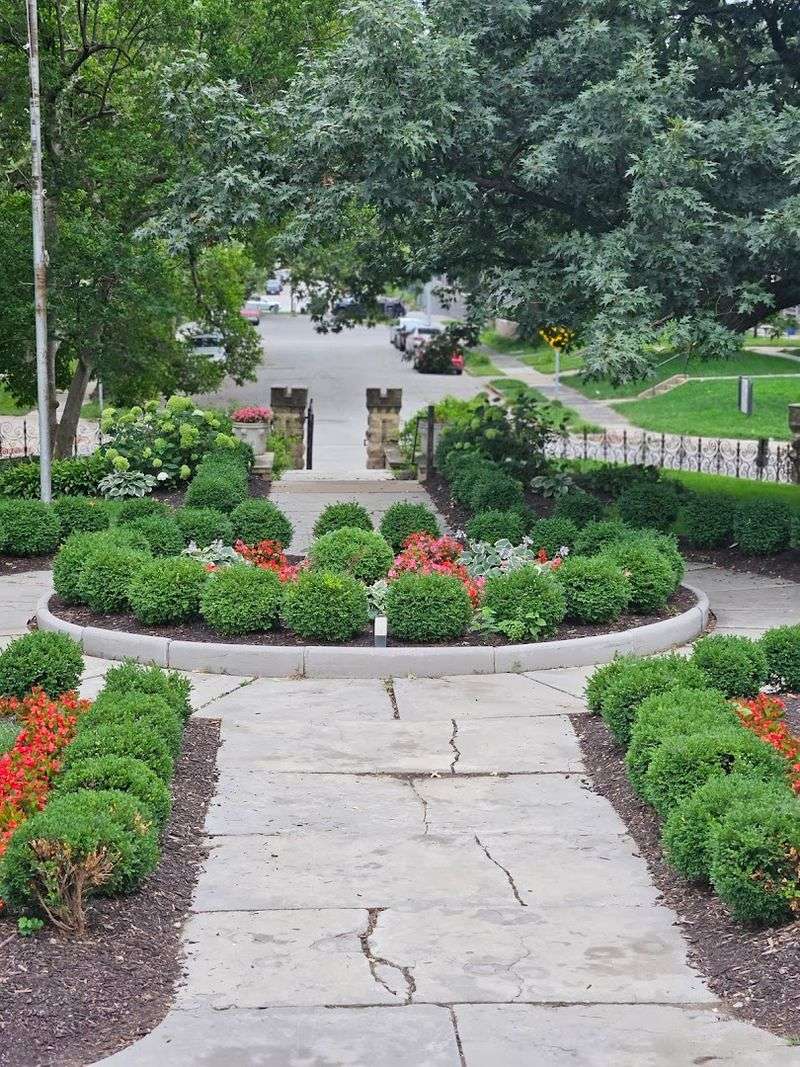
Step out back and the whole place seems to loosen its shoulders a bit. The gardens don’t try too hard, which is exactly why they work so well—open lawns, mature trees, and a handful of thoughtfully placed beds that frame the castle instead of competing with it.
It’s the kind of space that invites you to wander without a plan, just following whatever path looks good in the moment. As you move along, the views keep shifting in subtle ways. One turn gives you a full, postcard-worthy angle of the stone façade, while another pulls you closer to textures and details you might have missed from the front.
It’s an easy place to take photos, but even easier to just pause and take it in without a screen. The distance from the building helps you appreciate its scale, yet it never feels imposing. There’s a quiet soundtrack here if you pay attention.
Leaves brushing against stone, a bit of wind moving through branches, the kind of soft background noise that fits the setting without demanding attention. On calmer days, the grounds feel almost like a shared neighborhood space, just with a much better backdrop.
Find a bench, give yourself a few minutes, and watch how the light shifts across the walls. It’s a simple moment, but it lands. You start to understand why people keep coming back, bringing friends along to see it for themselves.
Events That Make the Castle Feel Alive
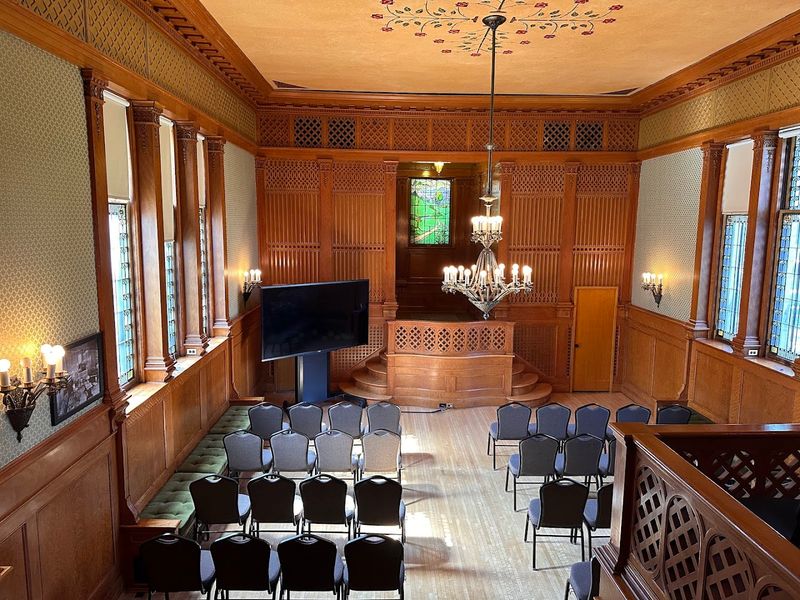
Catch it on a quiet day or arrive when something’s happening, and you’ll feel two entirely different sides of the same place. When events are on, the whole building seems to come alive, as if it was always meant to host a crowd.
The atmosphere lands in that rare middle ground—elegant without ever feeling stiff—so you can enjoy the setting without worrying about formality. What stands out is how naturally everything fits. Music carries easily through high ceilings, talks feel close and engaging in wood-paneled rooms, and seasonal events stretch out onto the lawns in a way that feels organic rather than staged.
Nothing feels forced, which makes the experience more memorable. The space does a lot of the work on its own, adding character you simply can’t recreate elsewhere. If you’ve got a flexible schedule, it’s worth checking what’s on before you go.
Timing your visit around an event—even if you’re just there earlier in the day—adds a subtle energy to the experience. The staff manage the flow well, keeping things organized without disrupting the relaxed feel that defines the place.
There’s a quiet pride in how it’s all maintained and shared. You notice it in small details, in the easy greetings at the door, and in the way the space is cared for. Give yourself time afterward to step outside, because that sense of atmosphere tends to linger.
Photography Tips Without Being That Person
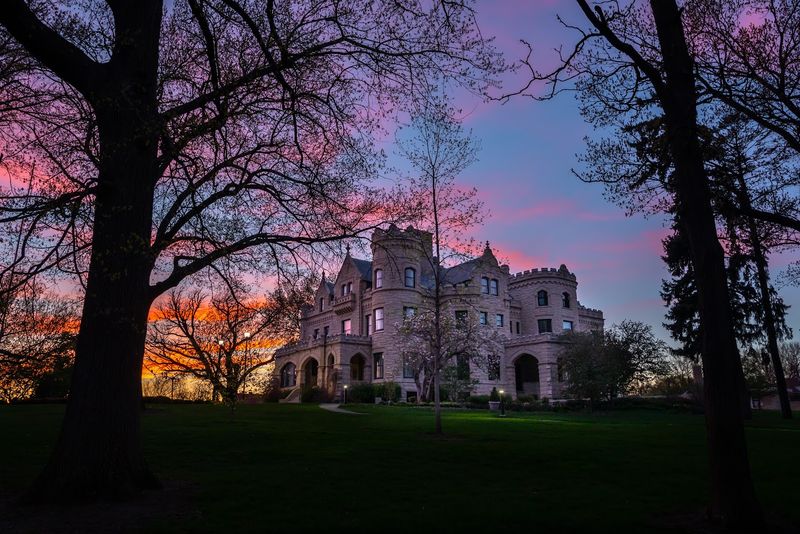
Bring your camera, but don’t forget a little patience goes a long way here. The interiors reward a slower approach, where natural light and clean angles do most of the work without needing flash or constant repositioning. Instead of rushing for a quick shot, step back, wait for a break in the flow of visitors, and let the room settle before you frame it.
Inside, corners are your best friend. They add depth and help capture the scale of each space, especially when you include details like staircases or ceiling fixtures under soft window light. Outside, walking the perimeter opens up more balanced compositions, where trees naturally frame the stone and soften the overall look.
It’s less about chasing the perfect angle and more about letting the scene come together. You don’t need a professional setup to get something worthwhile. Phones handle the light well if you stay steady and expose for the brighter window areas instead of the shadows. That small adjustment helps preserve texture without washing everything out.
Often, taking fewer photos and spending more time looking leads to better results than snapping nonstop. Respect for the space matters just as much as the shot. Be mindful of tours, staff, and posted guidelines as you move through. This isn’t a staged environment—it’s a lived-in historic place, and that authenticity is what makes your photos feel real without heavy editing.
Colder Weather, More Magic
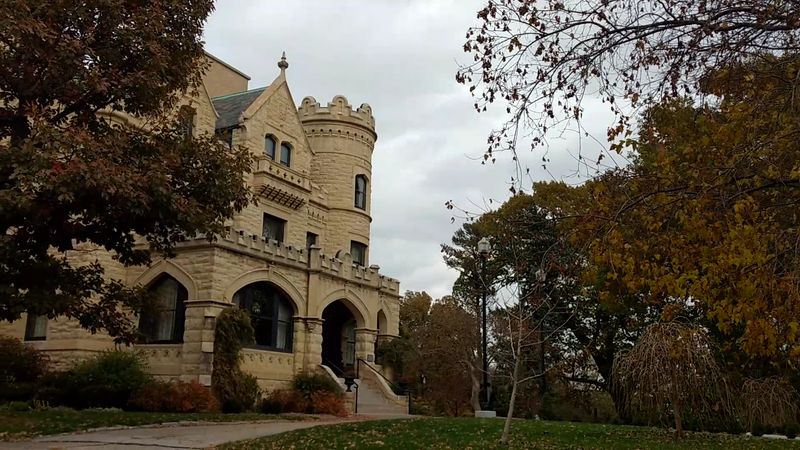
When colder weather settles in—whether it’s late fall or full winter—the entire place shifts into a quieter, more reflective mood. The stone deepens in tone, the air feels crisper, and the usual background noise softens into something close to silence. Every doorway and arch seems a little more inviting, like the building is pulling you in from the chill.
Even before stepping inside, there’s a sense of slowing down, of easing into a different pace. Cross the threshold and that contrast becomes part of the charm. Warmth wraps around you, wood surfaces catch the softer seasonal light, and the details feel easier to absorb without the buzz of peak crowds.
Smaller groups during colder months mean you can linger longer, taking in craftsmanship without feeling rushed. Guides keep things relaxed and welcoming, matching the slower, cozier rhythm that fall and winter naturally bring.
If the grounds are open, a careful walk outside is worth it. Fallen leaves or a light dusting of snow create a clean, textured backdrop that makes the architecture stand out in new ways. You’ll likely pause more often than planned, so dressing for the temperature makes a difference.
Checking hours ahead is a smart move, especially as weather can shift quickly. A flexible plan can reward you with a quieter visit that feels almost private. By the time you leave, that calm tends to follow you back into the city.
How to Plan: Timing, Tickets, and Little Wins
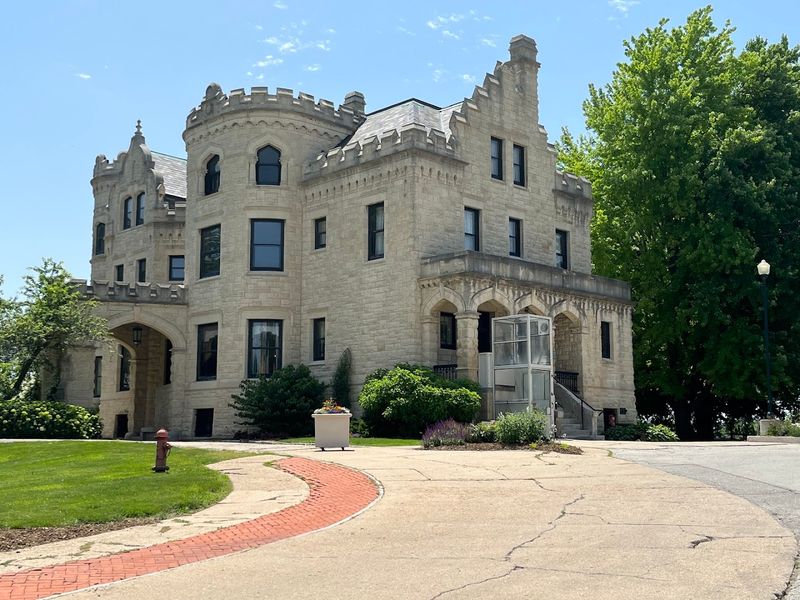
A smooth visit here starts with a quick check of the schedule. Tours run at specific times, and showing up a little early keeps things relaxed instead of rushed. There’s something nice about waiting on the front steps with a handful of other visitors, taking in the facade while the group gathers—it sets an easy, welcoming tone before you even step inside.
Parking in the neighborhood is generally simple, but giving yourself a small buffer makes a difference. Those extra few minutes turn into time to notice details you might’ve missed otherwise or chat with a travel companion about what you’re hoping to see. It’s the kind of place that rewards a slower start rather than a last-minute dash.
Once the tour begins, keeping things light helps. A small bag and comfortable shoes make it easier to move through tighter spaces without distraction. If something catches your attention, hold onto the question—guides are great at circling back with context that adds meaning to what you’re seeing.
Afterward, it’s worth stretching the visit into a laid-back afternoon. Nearby cafés and casual spots make it easy to grab a coffee or a bite, letting the experience settle in. The whole outing feels low-effort in the best way, like you’ve tapped into something local without overplanning it.
Why It Sticks With You
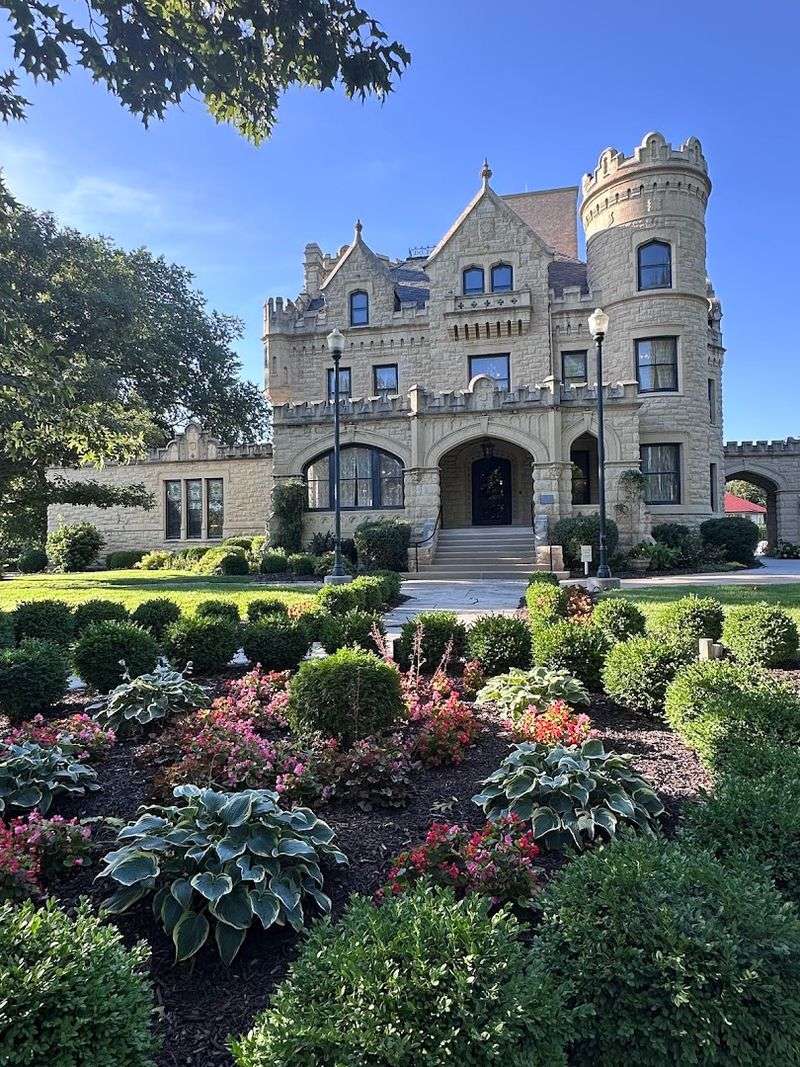
Plenty of places look impressive at first glance, but this one lingers long after you leave. There’s a balance here that’s hard to pull off—the scale feels grand, yet the experience stays personal, almost like the building has taken a moment to introduce itself properly.
You walk out not just having seen it, but having connected with it in a way that sticks. Part of that comes down to the materials. Stone, wood, and glass come together with the kind of depth that photographs well but feels even richer in person.
Light shifts across surfaces, textures reveal themselves slowly, and nothing feels over-polished or staged. The rest comes from how it’s cared for. There’s a clear sense of stewardship, with a team that treats the space less like a display and more like something meant to be shared.
It’s easy to think of it as Omaha’s quiet flex. The building doesn’t chase attention—it earns it through detail, history, and atmosphere. Even visitors who arrive a bit skeptical tend to leave pleasantly surprised, realizing they experienced more than they expected.
On the way home, small details tend to resurface—the way light hit a railing, the curve of a doorway, the feeling of moving through the space. That’s usually the sign of a place worth recommending. Add it to your list, and let it unfold at its own pace.
Share this story