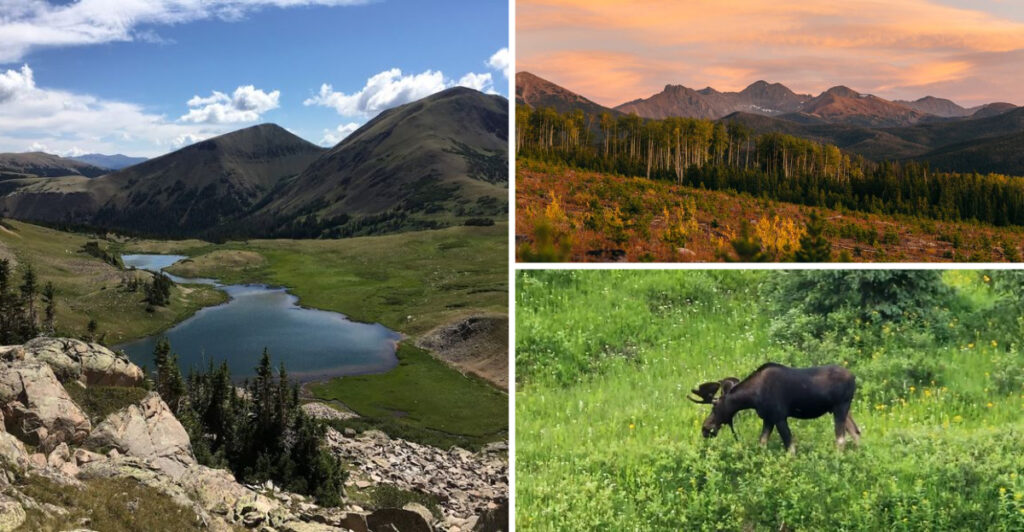
Wildlife sightings always feel a little more special when they happen naturally, and few places in Colorado offer better odds than State Forest State Park near Walden. Known as the state’s premier moose-viewing destination, this vast alpine park is home to one of Colorado’s largest moose populations, giving visitors a remarkable chance to spot these impressive animals in their natural habitat.
Beyond the wildlife, you’ll find pristine lakes, mountain meadows, scenic drives, hiking trails, and sweeping views that showcase some of northern Colorado’s most spectacular landscapes. Whether you’re carrying binoculars or simply hoping for an unforgettable road trip, this hidden gem delivers the kind of outdoor experience that keeps people coming back.
Where the Road Opens and the Park Starts Showing Off
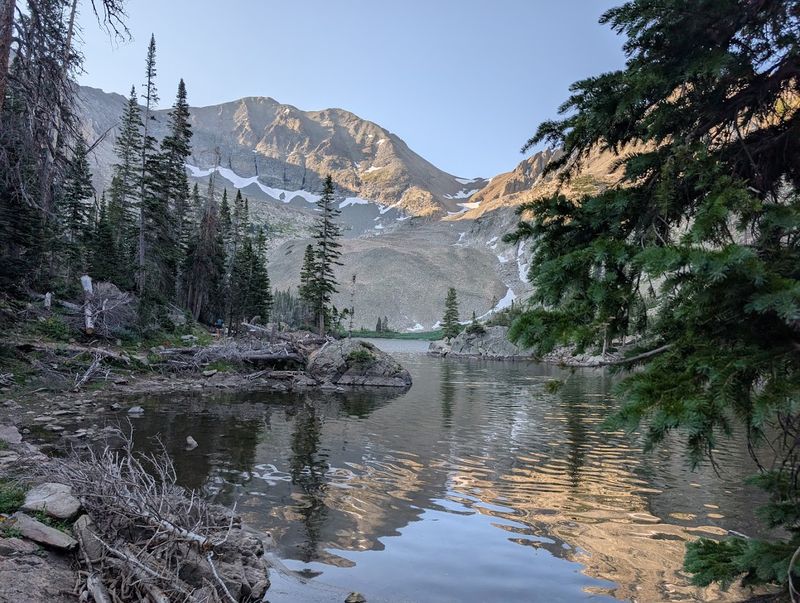
State Forest State Park does not ease you in gently. The landscape opens with that big North Park scale – broad valley floor, long ridgelines, scattered timber, and sky that seems far wider than what most Colorado visitors expect.
Instead of the tight canyon approach common in mountain trips, this place announces itself in layers, with open meadows giving way to forested slopes and distant peaks.
That first visual contrast matters because it sets up everything the park does well. Moose habitat here is not hidden deep behind technical terrain or locked behind a punishing hike.
You start noticing creeks, marshy edges, ponds, and willow-heavy stretches almost immediately, and those are exactly the kinds of places that make you slow down and scan more carefully out the window.
The park is enormous, covering tens of thousands of acres, so the sense of room never really disappears. Roads branch toward campgrounds, lakes, trailheads, and overlooks, yet the place still reads as wild instead of overbuilt.
Even the developed areas sit inside a much bigger sweep of water, forest, and mountain backdrop, which keeps the whole park from feeling trimmed down for convenience.
That scale also changes your pacing. You do not rush through State Forest State Park as a single stop on the way somewhere else.
You drive a bit farther, pull over more often, notice weather moving over the Medicine Bow Mountains, and begin treating every willow flat like a possible wildlife scene. Before any hike starts or any campground comes into view, the park has already made its point with sheer geography.
Where Colorado’s Biggest Wildlife Star Steals the Show
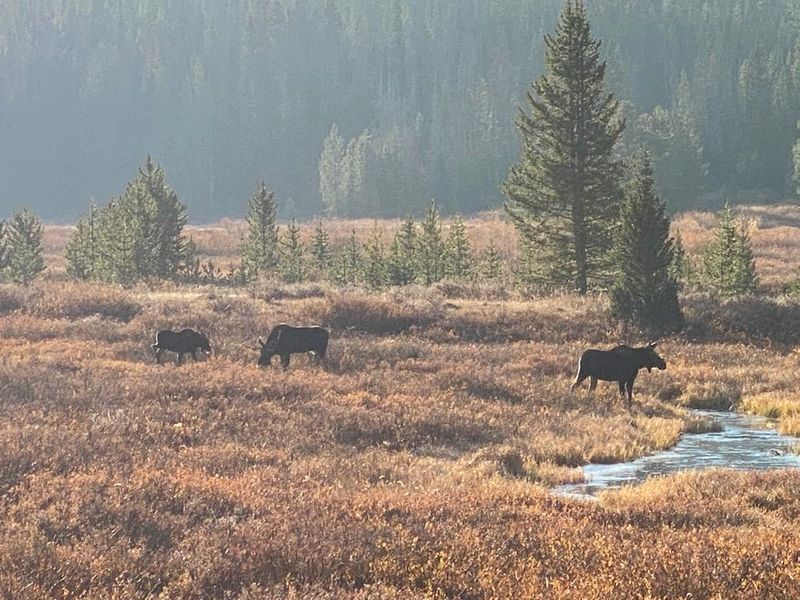
The main draw here is obvious, and State Forest State Park does not pretend otherwise. This is one of Colorado’s best-known places to look for moose, but the experience lands differently than a simple wildlife checklist.
You are not staring at a penned animal or scanning a busy roadside turnout packed with cameras. You are watching an enormous, awkward, powerful creature move through habitat that actually suits it.
That habitat is the key. Moose tend to favor wet, willow-rich ground, pond edges, slow creeks, and marshy openings, and this park has plenty of all four.
A drive past Ranger Lakes, a patient stop at an overlook, or an early scan near low, brushy water can suddenly turn into the moment everyone in the car goes quiet. The animal often appears almost too large for the landscape, then disappears with surprising ease.
There is also a practical reason the viewing feels stronger here than in many headline parks. State Forest State Park has space.
The roads, campgrounds, and trail systems spread people out, so wildlife watching can still feel observational instead of theatrical. You are more likely to have a calm minute to look, adjust your distance, and let the scene unfold without a wall of parked vehicles turning it into a spectacle.
That does not guarantee a sighting, and that uncertainty is part of the appeal. Some trips produce nothing but tracks, browsed willows, and a lot of hopeful scanning.
Then one bend changes the day. A cow stepping through grass, a bull standing in profile, or a calf near water delivers the kind of adrenaline only true wild-animal encounters can provide.
Ranger Lakes, Willow Flats, and the Pullouts That Deserve Your Time
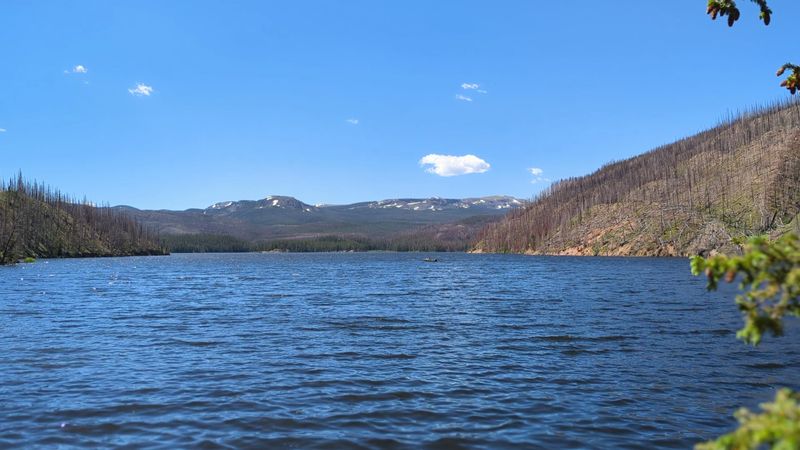
Not every memorable part of this park requires hiking boots and a full day pack. Some of the smartest stops are the unflashy ones: lakeside roads, small decks, pullouts near wetlands, and those broad stretches where willows gather around water.
Around Ranger Lakes and other low, brushy zones, the park becomes a lesson in paying attention to edges rather than summits.
That is useful because many travelers arrive trained to chase the biggest alpine payoff. Here, the flatter scenes often hold the best wildlife potential.
A still pond, muddy margin, and thick band of shrubs may not look dramatic at first glance, but that mix creates exactly the kind of browsing corridor moose use. The same areas can also produce deer, birds, and an overall feeling that the park is more alive than it appears from a speeding vehicle.
The pullouts work best when treated as pauses instead of photo-only stops. Cut the engine, look beyond the road, and scan slowly through the willows rather than searching for instant movement.
Midday can wash everything out, while early and late light adds shape to antlers, ears, and dark bodies. Even when moose stay hidden, the lakes, broad valleys, and mountain walls still make these stops worthwhile on their own.
There is also a simple pleasure in how accessible these viewing moments can be. Families, casual road trippers, and serious wildlife spotters can all use the same overlooks and roadside spaces without needing a specialized itinerary.
In a state where many famous nature experiences come with a line, a permit, or a parking battle, these quiet, watchful stops give State Forest State Park a very different rhythm.
Colorado’s Wild Side Without the Crowds
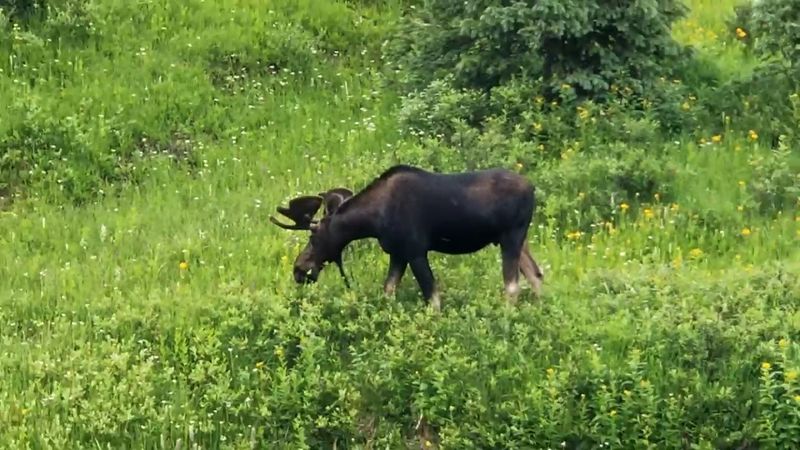
One of the biggest advantages of State Forest State Park is how much room it gives both visitors and wildlife. While many of Colorado’s best-known outdoor destinations can feel crowded during the busiest months, this park spreads its scenic roads, lakes, campgrounds, and trailheads across an enormous landscape.
Instead of competing for one famous overlook, visitors have space to explore at their own pace. That sense of openness changes the entire experience.
A drive through the park often includes long stretches where the scenery takes over completely, with broad meadows, willow flats, forests, and distant peaks replacing traffic and constant activity. Pullouts become places to stop, listen, and scan the landscape rather than simply taking a quick photograph before moving on.
The quieter atmosphere also makes wildlife watching more rewarding. Rather than joining a crowd gathered around one roadside sighting, visitors can spend time observing marshes, ponds, and creek corridors where moose, deer, birds, and other animals naturally move through the landscape.
Even when wildlife stays hidden, the park still feels engaging because the scenery constantly changes as you travel between different areas. That combination of space and variety is one of the reasons people return year after year.
A morning might begin with a scenic drive, continue with a hike or picnic beside a mountain lake, and end watching evening light settle across the meadows. The park never feels rushed, and neither do you.
State Forest State Park proves that one of Colorado’s greatest luxuries is not always another famous viewpoint. Sometimes it is simply having enough room to slow down, enjoy the landscape, and let the wildlife appear on its own schedule.
More Than Moose: Lakes, Trails, Cabins, and Long Scenic Detours
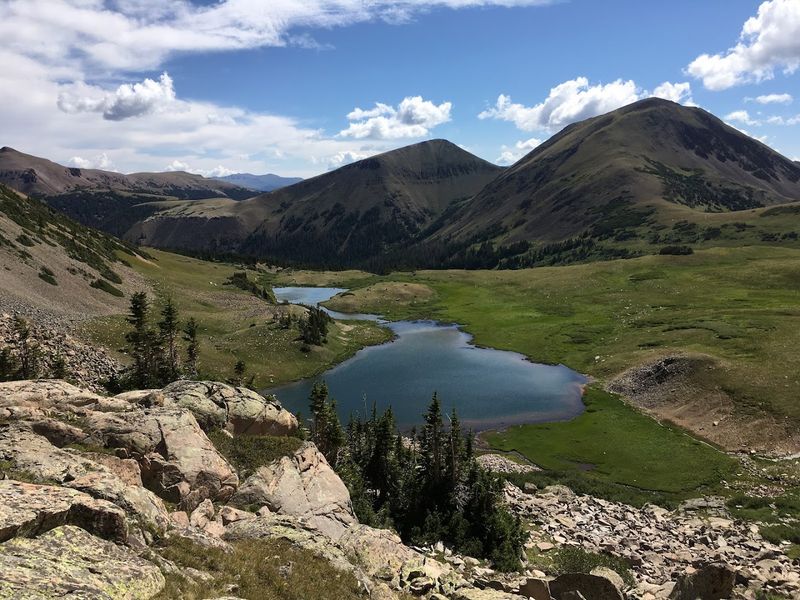
It would be easy to market this park as a one-animal destination and leave it there, but that sells the place short. State Forest State Park is built for longer stays because the wildlife viewing overlaps with real variety.
Campgrounds range from more rustic setups to areas with stronger amenities, and the mix of cabins, yurts, lakes, and trail access means the park works for more than one kind of traveler.
The water features alone give the landscape multiple personalities. One section may offer a calm reservoir edge suited to paddling or quiet shoreline time, while another leads toward smaller fishing waters or high-elevation lake hikes.
Lake Agnes gets plenty of attention for good reason, and other trail systems such as American Lakes pull the experience upward into more alpine country. That variety keeps a wildlife-focused trip from narrowing into hours of roadside waiting.
The trail network broadens the park’s appeal even more. Some routes are approachable enough for a short outing, while others ask for more stamina, more elevation tolerance, and more time behind the wheel before the hike even starts.
That rougher, farther-flung structure is part of the park’s character. You are not moving through a neatly polished resort landscape. You are navigating a big recreation area where scenery and access still feel tied to terrain.
The overnight options reinforce that sense of range. A camper, cabin renter, angler, hiker, and wildlife photographer can all have very different versions of the same park and still overlap at a lake road or visitor stop.
That layered use is one reason State Forest State Park stays interesting beyond the moose headline. Even if the animals stay hidden for a day, the park still has enough texture to carry the trip.
How to Time Your Visit for the Best Odds and the Best Light
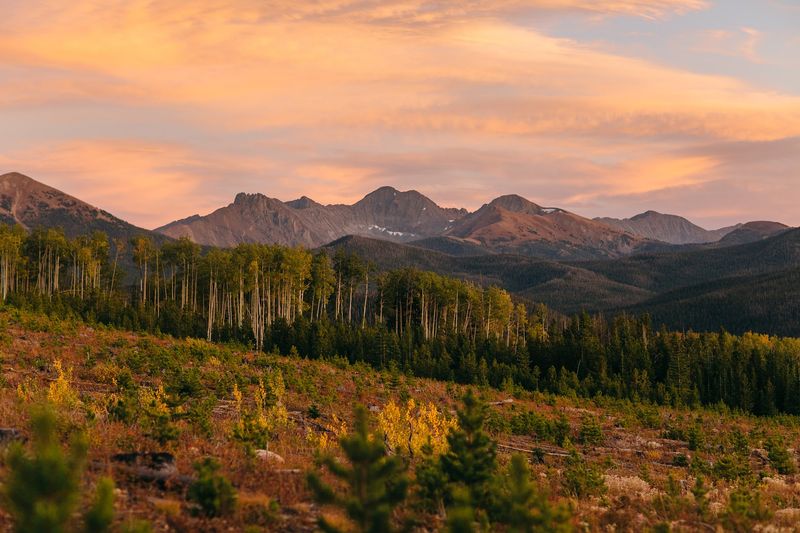
If the goal is seeing a moose instead of merely visiting moose country, timing matters almost as much as location.
The most productive windows are usually early morning and evening, when temperatures are lower, light is softer, and wildlife movement is easier to catch along wet meadows and willow stands. Midday can still be beautiful, but it tends to flatten the landscape and reduce the odds of a dramatic sighting.
Season also shapes the experience. Summer brings accessible roads, green habitat, and long daylight hours that make it easier to combine wildlife watching with hikes and lake stops.
Early fall adds color, crisp air, and the visual punch of changing vegetation around open water. Conditions can shift quickly at elevation, though, and some roads become rougher or less dependable as weather turns.
A park this large always asks for flexibility. The best approach is not to chase a single fixed stop and hope for instant results. Drive slowly, build in time for repeat passes through likely habitat, and treat pauses at overlooks as part of the plan rather than wasted minutes.
Moose are large, but they blend more than expected when they stand still in dark brush or partly behind willows. A patient second scan often works better than a fast first one.
Practical details help the day go smoother. The park is open around the clock, which gives sunrise chasers and night-sky campers plenty of freedom.
Fuel up and plan for distance, because getting between areas can take longer than new visitors expect. Keep dogs leashed where required, give wildlife generous space, and leave enough room in the schedule for the park’s best trick: rewarding the people who slow down.
Why This Park Belongs on Every Wildlife Lover’s List
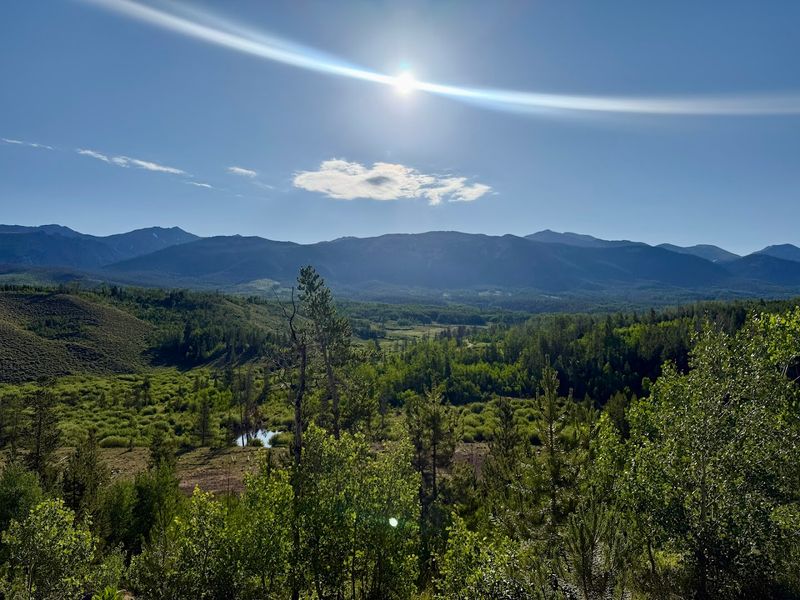
State Forest State Park stands out because it delivers a version of Colorado that still has surprise in it. The mountain scenery is real, the wildlife potential is serious, and the recreation options are broad enough to fill a weekend without forcing every hour into a rigid plan.
Most importantly, the park does not rely on one polished viewpoint to earn attention. Its best moments arrive while driving, waiting, scanning, and wandering through a landscape that stays genuinely spacious.
That makes the moose story more persuasive, not less. In some places, wildlife marketing feels bigger than the actual encounter.
Here, the habitat backs up the reputation. You can look across willow flats or stand near a quiet lake and understand why this animal belongs here.
Even before a sighting happens, the terrain explains the possibility in a clear, physical way. When a moose finally appears, it reads as part of the park rather than an isolated attraction.
The park also benefits from contrast. One hour can involve a campground shower house, a visitor center stop, or a stocked cooler in the car.
The next can be a rougher road, an alpine trail, weather rolling over the mountains, or a silent wildlife scan at dusk. That blend of comfort and unpredictability gives the place depth.
It is accessible enough for a casual traveler and expansive enough for someone who wants a more immersive outdoor trip.
If the question is whether this little-known Colorado park might be the best place to see a moose in the wild, the answer is strong. Not because sightings are guaranteed, and not because the park is trying to stage-manage the experience.
It is strong because State Forest State Park combines the right habitat, the right scale, and the right amount of breathing room for wild encounters to happen naturally.
Share this story