There’s a small Texas city near the Mexican border whose name translates to “the jewel” in Spanish. With just over 5,000 residents, La Joya might not be the first place that comes to mind when planning a Texas getaway, but its surroundings offer some unexpected surprises.
Just south of town, the Rio Grande winds along the international border. Nearby, the historic Los Ebanos Ferry is known for its unusual hand-pulled crossing, a reminder of how people once traveled between communities on opposite sides of the river.
Nature lovers have plenty to get excited about, too. Colorful green jays, noisy plain chachalacas, and bright yellow great kiskadees are among the birds found in this part of the Rio Grande Valley. With wildlife refuges and scenic river landscapes nearby, the area is especially appealing to birdwatchers.
La Joya may be small, but its rich border culture, natural surroundings, and fascinating history give it plenty of character. It’s the kind of overlooked Texas destination that makes you wonder what else you’ve been missing in the Rio Grande Valley.
A Name That Sets the Bar Sky-High

La Joya, Texas translates directly from Spanish as the jewel. Most towns get named after a railroad boss or a creek, so this one clearly aimed higher.
The name fits the area in a playful way. La Joya sits in Hidalgo County, right in the heart of what Texans simply call the Valley.
Spanish and English both show up in daily life here. Signs, conversations, and family traditions often blend the two languages without anyone thinking twice.
That mix tells you a lot about the city’s personality. Border culture isn’t a theme here, it’s simply how life works.
The 2020 Census counted 4,457 people living in La Joya. That makes it small enough to feel personal and close enough to bigger cities for errands.
Small numbers can fool you, though. The surrounding communities and the school district give La Joya a much bigger footprint than its population suggests.
A town calling itself a jewel invites a little friendly skepticism. Fair enough, because the fun part is checking whether it actually earns the title.
Spoiler alert, the river, the birds, and the location make a strong case. The rest of this list lays out the evidence.
The School District Is Way Bigger Than the Town

Here’s a fun mismatch for trivia night. La Joya has only a few thousand residents, yet La Joya Independent School District ranks among the larger districts in the Rio Grande Valley.
The district reaches well beyond city limits. It serves students from several nearby communities across western Hidalgo County.
That reach makes the La Joya name familiar to tens of thousands of Valley families. Plenty of people who live elsewhere still proudly say they went to school in La Joya ISD.
Friday nights matter around here too. High school sports and band programs pull in families who show up with lawn chairs and loud voices.
For visitors, the district explains why the name pops up so often in local news. You’ll hear about games, graduations, and student achievements far more than the town size suggests.
It also says something about community pride. Families here clearly treat education as a shared project, not a private one.
Driving through on a school day? Watch your speed near campuses, because school zones in Texas come with strict limits and no sense of humor.
A jewel needs a strong setting. In La Joya, the schools help hold everything together.
The Rio Grande Is Practically a Next-Door Neighbor
Few Texas towns sit this close to an international river. The Rio Grande runs just south of La Joya, forming the border between Texas and Mexico.
That river shaped everything here. Farming, settlement, and family ties across both banks all trace back to this stretch of water.
The land near the river feels different from the dry ranch country farther north. Thick brush, mesquite, and riverside trees create a greener landscape than many people expect from South Texas.
Much of this habitat is protected today. The Lower Rio Grande Valley National Wildlife Refuge includes tracts scattered along the river in this part of Hidalgo County.
Those protected tracts matter for wildlife moving through the region. Animals use the river corridor like a long, leafy highway.
For visitors, the takeaway is simple. Bring a camera, pack water, and respect posted rules, since some areas near the border have restricted access.
Standing near the Rio Grande gives you perspective. Two countries, one river, and a long shared story all meet right here.
That kind of setting doesn’t come with a gift shop. It just comes with geography that’s hard to beat.
Bring Binoculars, Because the Birds Show Off

Green jays look like a kid colored them with every marker in the box. These bright birds live in the Rio Grande Valley, and the area around La Joya sits right in their range.
The Valley ranks among the top birding regions in the United States. Its location near the tip of Texas draws tropical species found almost nowhere else in the country.
Great kiskadees announce themselves with loud calls and yellow bellies. Plain chachalacas sound like a noisy group chat happening in the treetops.
Bentsen-Rio Grande Valley State Park sits a short drive east in Mission. It serves as headquarters for the World Birding Center, a network of nature sites across the Valley.
The park offers trails, bird blinds, and feeding stations that make spotting wildlife easier. Beginners can enjoy it just as much as serious birders with long lenses.
Early mornings usually bring the most activity. Cooler temperatures help too, especially during the warmer months.
A simple field guide or birding app goes a long way here. You might arrive knowing zero bird names and leave bragging about a kiskadee.
That’s a pretty fun souvenir.
A Hand-Pulled Ferry Still Crosses the River Nearby
Engines are optional at one crossing just west of La Joya. The Los Ebanos Ferry is known as the last hand-pulled ferry on the Rio Grande, although visitors should confirm its operating status before traveling.
Workers move the small ferry across the river by pulling on a rope line. It’s an old-school method that feels almost unreal in a world full of apps and automation.
The ferry connects Los Ebanos, Texas with Mexico. It carries a limited number of passengers and vehicles on each trip.
History fans will enjoy the backstory. The crossing has long served as a link between communities on both sides of the river.
Planning matters here. Operating hours can change, and crossing into Mexico requires proper documents for reentry into the United States.
Even if you don’t cross, the ferry is worth a look. Watching it move across the water shows a slower rhythm of border life.
Kids usually find it fascinating too. A boat powered by human muscle beats any science lesson about pulleys.
Very few places in Texas can offer something this unusual so close by. La Joya gets to claim it as a neighbor, and that’s a nice bragging right.
Your Taste Buds Will Thank You for Visiting the Valley

Breakfast tacos are basically a food group in the Rio Grande Valley. La Joya sits right in the middle of that delicious tradition.
Valley cooking blends Mexican roots with Texas habits. Flour tortillas, beans, rice, and spicy salsas show up at plenty of family tables.
Barbacoa on Sunday mornings is a well-known Valley custom. Families often pick some up for a weekend breakfast with fresh tortillas.
Tamales take center stage around the holidays. Making them is often a group effort, with relatives forming an assembly line in the kitchen.
Small taquerias and local spots around western Hidalgo County keep these flavors going. Mission and McAllen, both nearby, add even more options for a food-focused day trip.
A practical tip helps here. Ask what’s popular before you order, since many family-run places have daily favorites worth trying.
Hot weather pairs well with cold drinks like aguas frescas. Flavors such as horchata and jamaica offer a sweet break from the heat.
Food tells a story in this region. Every bite reflects generations of families who made the border their home.
That’s a tasty way to understand a place.
Winter Feels More Like a Polite Suggestion Here

Snow shovels don’t get much use in La Joya. The Rio Grande Valley has a warm climate, and winters usually stay mild compared to most of the country.
That weather explains the Valley’s famous winter visitors. People from colder states, often called Winter Texans, head south to escape the freezing months.
Many settle into RV parks and seasonal communities across Hidalgo County. They bring a lively energy to the region from late fall through early spring.
Mild winters also make outdoor plans easier. Birding, hiking, and exploring the river area feel much more comfortable during cooler months.
Summers tell a different story. Heat and humidity can get intense, so sunscreen, hats, and plenty of water become your best friends.
A smart visit plan keeps outdoor fun early in the day. Afternoons are perfect for air-conditioned meals or a drive to nearby cities.
Palm trees around the Valley add to the tropical feel. You might forget you’re still in Texas for a second.
For travelers trying to dodge winter, that’s a big win. La Joya offers sunshine without the crowds of famous beach towns.
Getting Here Is Easier Than Pronouncing Chachalaca
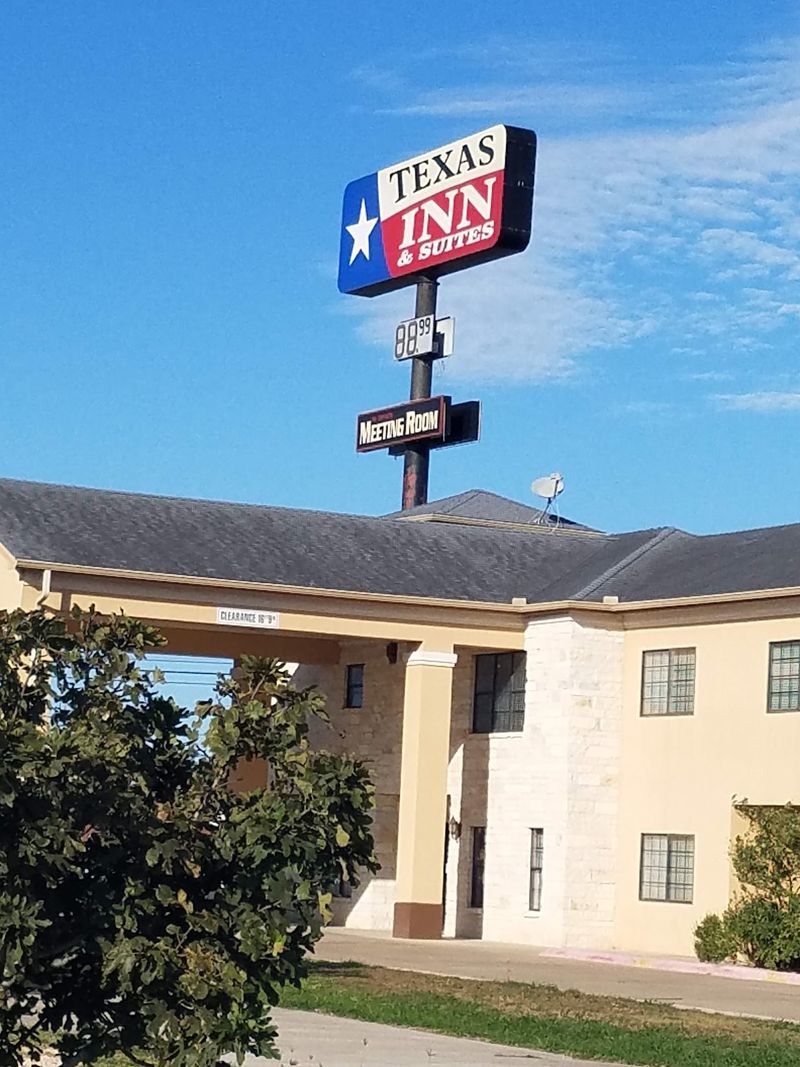
Road trips in South Texas often follow U.S. Highway 83. That route runs through western Hidalgo County and connects La Joya with the rest of the Valley.
Plug La Joya, TX 78560 into your map, and you’ll land in a spot with easy access to bigger neighbors. Mission sits a short drive east, with McAllen just beyond it.
That location gives visitors the best of both worlds. You get small-town calm without being far from shopping, dining, and an airport.
McAllen International Airport serves the region. Flying in and renting a car makes a La Joya visit simple for out-of-state travelers.
Heading west on Highway 83 leads toward Starr County and Rio Grande City. That direction offers more river towns and wide-open South Texas scenery.
Distances here feel manageable. Many Valley highlights sit within a short drive, so one base can cover plenty of ground.
Gas up before long drives into rural stretches. Services can thin out once you leave the busier corridors.
La Joya works well as a quiet starting point. It lets you explore the Valley without staying in the middle of city traffic.
Plan a Day That Proves the Nickname Right
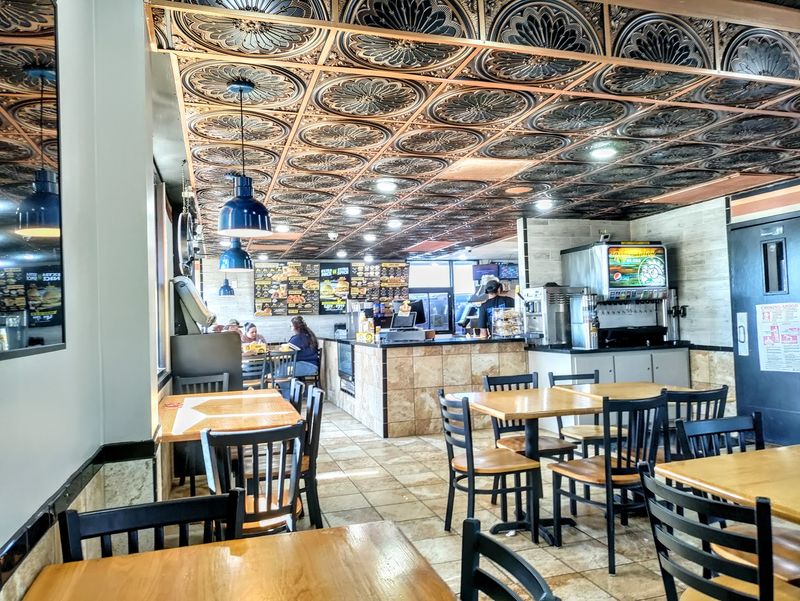
A great La Joya day starts early, ideally with a breakfast taco in hand. From there, the whole western Valley opens up like a sampler platter.
Morning works best for birding at Bentsen-Rio Grande Valley State Park. Cooler temperatures keep both birds and humans happier.
Late morning could include a drive west toward the Los Ebanos Ferry. Watching that rope-pulled crossing adds a fun history lesson to the trip.
Lunch belongs to a local taqueria or family-run spot nearby. Ask about the daily specials and keep an open mind.
Afternoons can turn into errands or exploring in Mission and McAllen. Both cities offer more shopping, parks, and dining choices.
Sunset back near La Joya brings a calmer mood. The Valley sky often glows orange over the flat, green landscape.
Families can tweak this plan easily. Shorter walks and frequent snack breaks keep younger travelers cheerful.
So does La Joya, Texas deserve its sparkly name? With a river at its doorstep, rare birds nearby, and deep border culture, the answer leans toward yes.
Jewels are meant to be found, after all. This one is waiting.
Share this story