Tucked away in Fort Worth’s Cultural District sits a museum that tells the stories most history books skip over. The National Cowgirl Museum and Hall of Fame celebrates the fearless women who shaped the American West through grit, talent, and determination. From rodeo champions to ranch owners, from Wild West performers to modern-day equestrians, this place proves that cowgirls deserve just as much glory as their male counterparts.
Whether you’re looking to escape the Texas heat or inspire the next generation, this museum delivers history with heart and a whole lot of Western flair.
1. Annie Oakley’s Legacy Lives Here
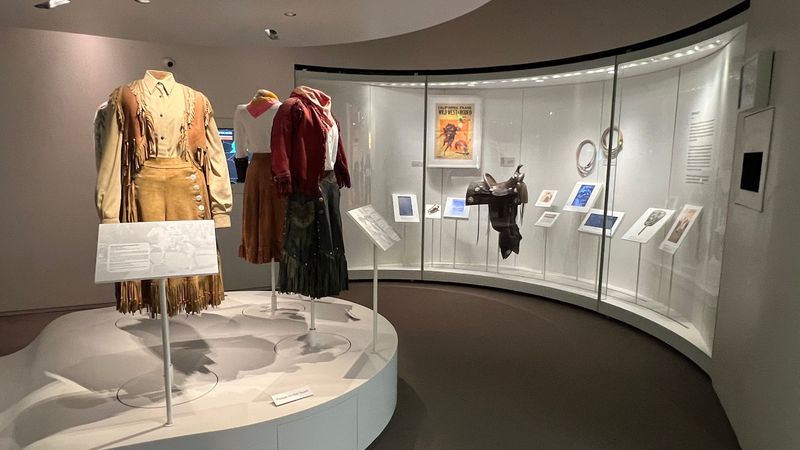
Walking through the Wild West show exhibit feels like stepping back in time to when sharpshooting women stunned audiences across America. Annie Oakley’s actual wedding ring sits behind glass, a tiny piece of jewelry that belonged to one of history’s most legendary performers. She could shoot a playing card edge-on from thirty paces and hit targets while riding horseback at full gallop.
Buffalo Bill’s Wild West show gave women like Oakley a platform to showcase skills that society said they shouldn’t have. The exhibit doesn’t just celebrate her marksmanship. It digs into how she broke barriers and inspired countless girls to pick up rifles and chase their own dreams.
You’ll find photographs, costumes, and artifacts that paint a complete picture of her touring life. The holographic displays bring her story to life in ways that make you feel like you’re watching her perform. Kids especially love seeing how someone barely five feet tall became such a towering figure in American culture.
This section alone makes the trip worthwhile, especially if you’ve only heard Oakley’s name in passing. Her story proves that size, gender, and expectations mean nothing when you’ve got talent and determination. The museum staff knows every detail and loves sharing fun facts about her legendary career.
2. Holographic Technology Brings Cowgirls to Life
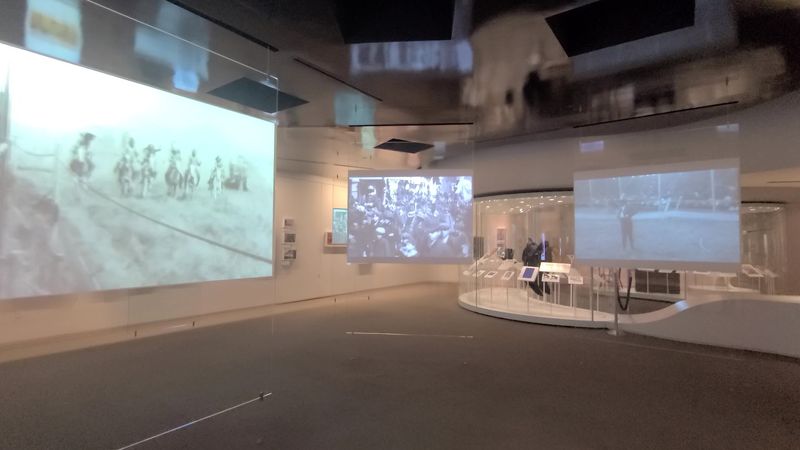
Forget dusty mannequins and boring plaques. This museum uses cutting-edge hologram technology that makes historical cowgirls appear right in front of you, sharing their stories in their own words. The effect is startlingly realistic, almost like these women stepped out of the past to have a conversation.
Several exhibits feature these holographic presentations where cowgirls discuss their daily lives, challenges, and triumphs. You’ll hear about breaking horses, competing in rodeos, and running ranches when society expected women to stay home. The technology adds an emotional punch that traditional displays just can’t match.
Kids go absolutely wild for these interactive elements because they feel futuristic and engaging. Adults appreciate how the format makes history accessible and memorable rather than something you read and forget. The museum invested serious money in this tech, and it shows.
These aren’t just gimmicks either. The content is thoroughly researched and presented by actresses who bring authentic emotion to each story. You’ll leave remembering specific details about individual women rather than just vague impressions.
The hologram rooms stay comfortably cool, making them perfect spots to linger during hot Texas afternoons. Multiple visitors mention this feature in reviews because it genuinely sets the museum apart from traditional history presentations. It’s proof that honoring the past doesn’t mean using outdated methods.
3. Interactive Exhibits Kids Actually Enjoy
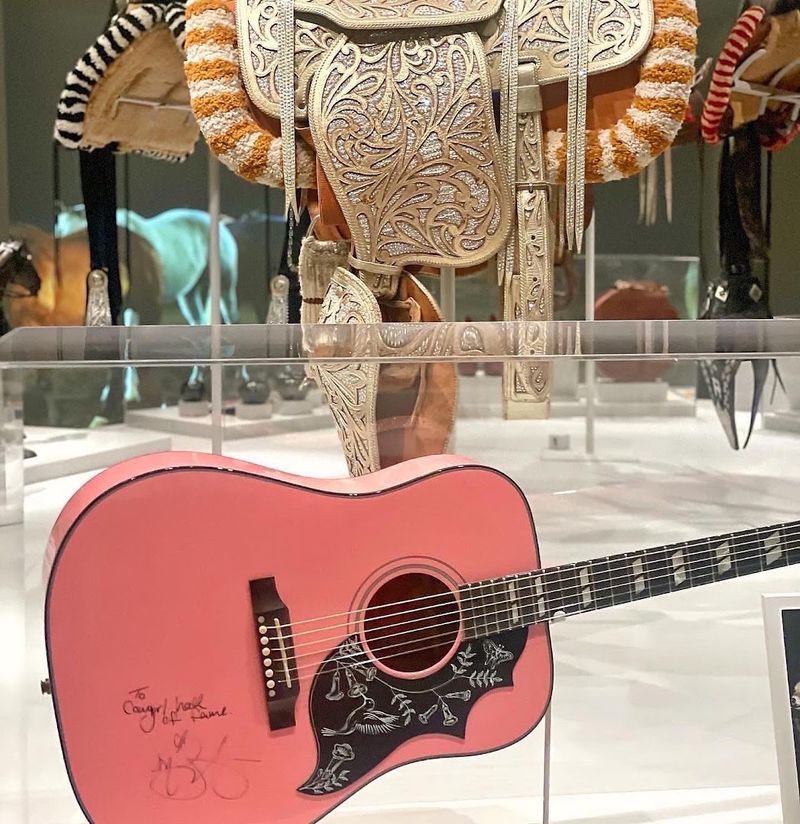
Most museums tell kids to look but don’t touch. This place flips that script with hands-on activities that keep young visitors entertained for hours. The mechanical bucking horse upstairs is a huge hit, letting kids test their rodeo skills while a camera captures the whole ride.
Touchscreen stations allow visitors to design their own cowboy boots, horses, and Western jackets using digital tools. The designs are colorful and creative, giving kids ownership over their museum experience. You can email or text the creations to yourself as free digital souvenirs.
There’s even a photo booth where families can insert themselves into Western scenes for fun keepsake pictures. These interactive elements mean kids aren’t just passively observing history. They’re engaging with it in ways that make the experience memorable and fun.
Parents consistently mention how these features kept their children interested throughout the entire visit. The museum understands that young visitors need different engagement strategies than adults. Smart design means everyone leaves happy rather than dragging bored kids through endless displays.
The mechanical horse comes in two versions, one for smaller children and a more challenging adult version. Multiple families report spending extra time at these stations because the kids refused to leave. It’s educational entertainment done right, proving museums don’t have to be boring to be worthwhile.
4. Escaramuzas Charras Exhibit Showcases Mexican Equestrian Excellence
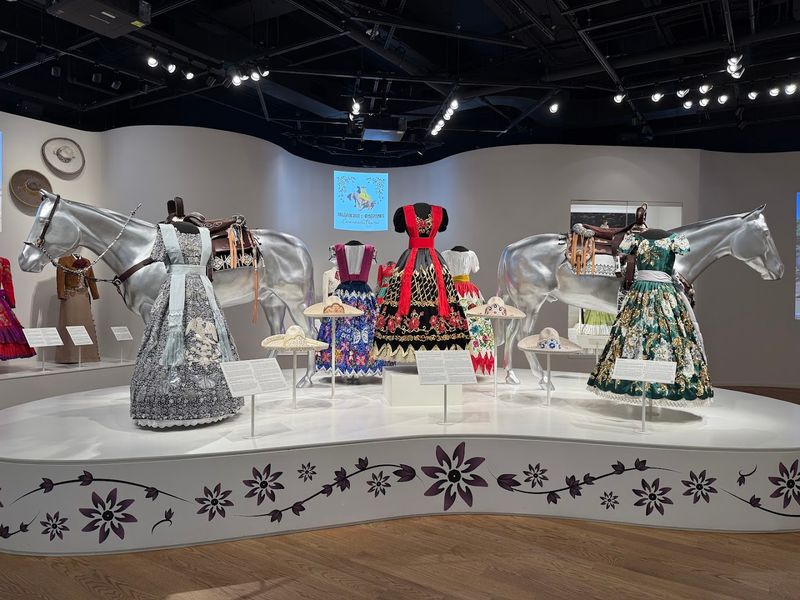
The rotating Amazonas to Soldaderas exhibition introduces visitors to escaramuzas charras, a breathtaking Mexican sport where women perform intricate choreography on horseback while riding sidesaddle in stunning traditional dresses. Most Texans have never heard of this discipline despite its deep roots in border culture and ranching traditions. The exhibit corrects that oversight beautifully.
These athletes execute complex synchronized maneuvers that require incredible skill, balance, and courage. The dresses alone are works of art, featuring vibrant colors and elaborate embroidery that somehow don’t interfere with athletic performance. Watching video footage of these riders will leave you speechless.
The exhibit also covers Soldaderas, the fearless women who fought in the Mexican Revolution. Their stories connect directly to Texas history in ways most textbooks ignore. Learning about these Hispanic equestrians adds crucial cultural context to the broader narrative of Western women.
Staff members are enthusiastic about sharing details of this special exhibition, clearly proud to showcase this aspect of cowgirl culture. The museum plans a major expansion opening in November 2026, which will likely include even more diverse cultural perspectives. Reviews specifically call out this exhibit as a highlight, with students mentioning how it connected to their classroom learning.
It’s refreshing to see a museum acknowledge that cowgirl culture extends far beyond white American women. This exhibit honors the full spectrum of women who shaped Western heritage.
5. Henrietta King and the HK Brand Legacy
Before visiting, you might think the famous King Ranch brand stood for the ranch founder’s initials. Wrong. That iconic HK brand honored Henrietta King, the remarkable woman who transformed a sprawling property into an empire after her husband’s death.
Her story deserves far more attention than it typically receives.
Henrietta didn’t just maintain the ranch. She expanded it, modernized operations, and proved that women could manage massive agricultural enterprises with skill and vision. The museum’s exhibit on her achievements includes artifacts, photographs, and detailed accounts of her business decisions.
She faced skepticism from male ranchers who assumed she’d fail without her husband’s guidance. Instead, she became one of the most successful ranch operators in Texas history. The HK brand became her signature, a permanent reminder that women built the West alongside men.
Visitors consistently mention this section as eye-opening, especially Texans who grew up knowing the King Ranch name without understanding the woman behind its success. The exhibit places her accomplishments in historical context, showing how rare and difficult her position was. She didn’t just break glass ceilings; she shattered them while running hundreds of thousands of acres.
Learning her story makes you reconsider how many other women’s contributions got erased from popular Western narratives. The museum exists precisely to correct these historical oversights and give credit where it’s long overdue.
6. Stunning Architecture and Design
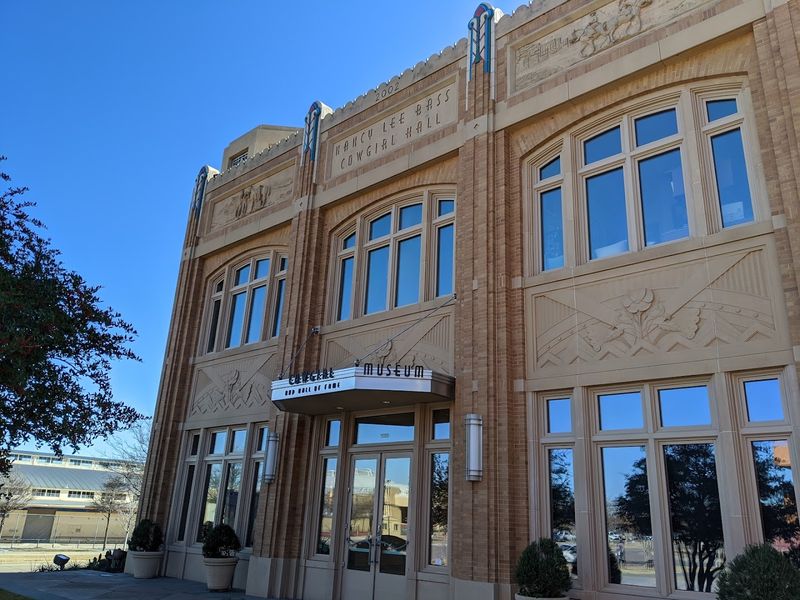
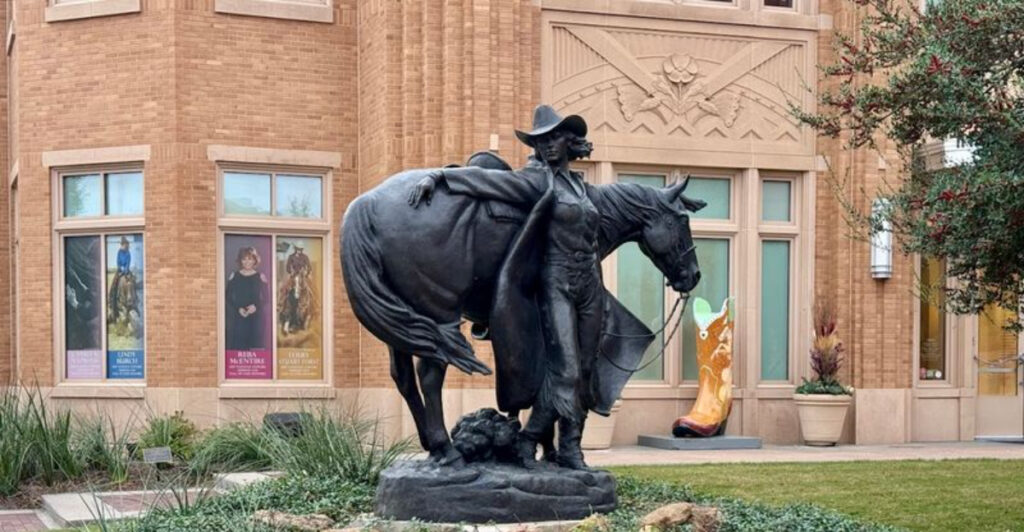
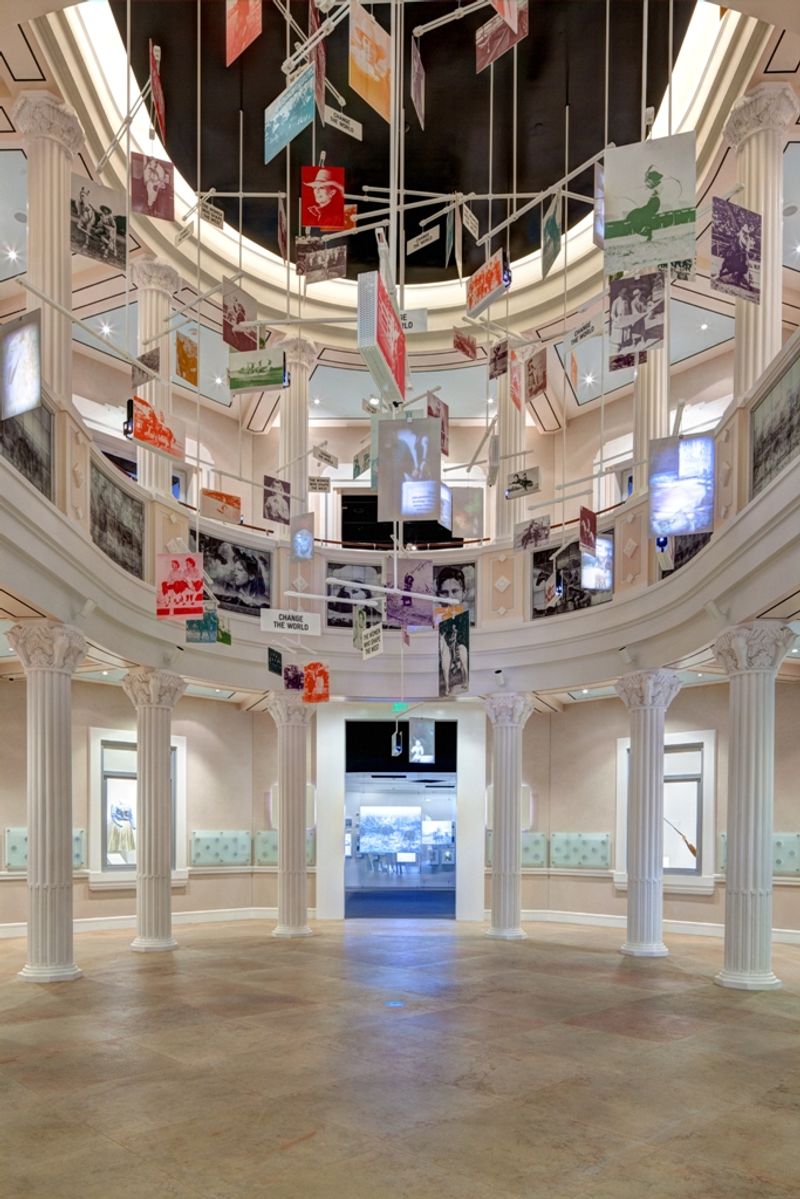
Even before you see the exhibits, the building itself makes an impression. The architecture balances modern design with Western aesthetic in ways that feel fresh rather than kitschy. Natural light floods the galleries, creating an open, welcoming atmosphere that makes browsing a pleasure.
The layout flows logically from one section to another, guiding visitors through chronological and thematic progressions without feeling forced. You won’t get lost or confused about where to go next. Everything feels intentional and well-planned.
The interior spaces use clean lines and neutral tones that let the colorful exhibits pop without competing for attention. It’s beautiful enough that multiple reviewers specifically mention the aesthetic quality. Museums often overlook design, but this place understands that environment affects the entire experience.
Located directly across from Dickies Arena and near the Fort Worth Museum of Science and History, the building anchors the Cultural District with style. The exterior construction currently underway promises even more impressive spaces when the expansion completes in 2026. Visitors report no parking issues despite the ongoing work.
Staff keeps the facility spotless, which enhances the overall professional impression. Good lighting makes reading exhibit information easy without causing eye strain. Small details like comfortable temperatures and clean restrooms might seem minor, but they contribute significantly to visitor satisfaction.
The space proves that honoring history doesn’t require old-fashioned buildings. Sometimes the best way to celebrate the past is by creating something beautiful for the future.
7. Saddles, Costumes, and Authentic Western Gear
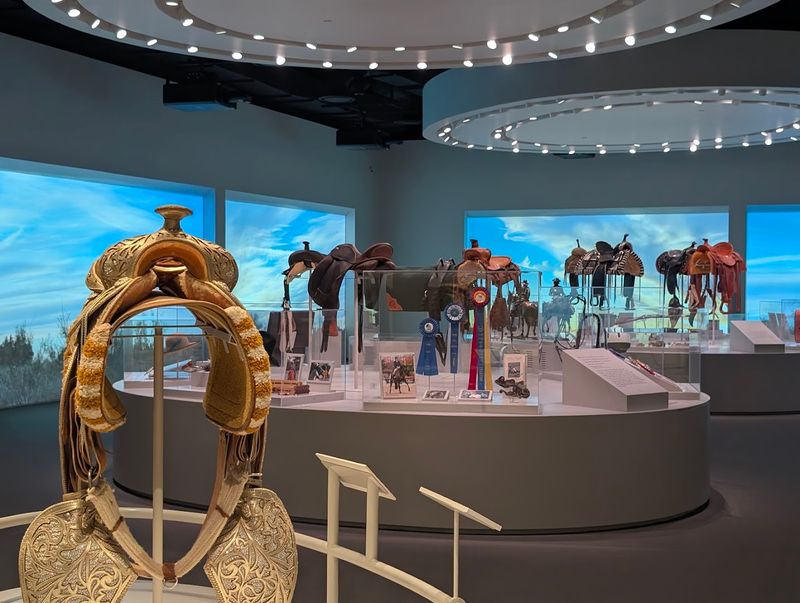
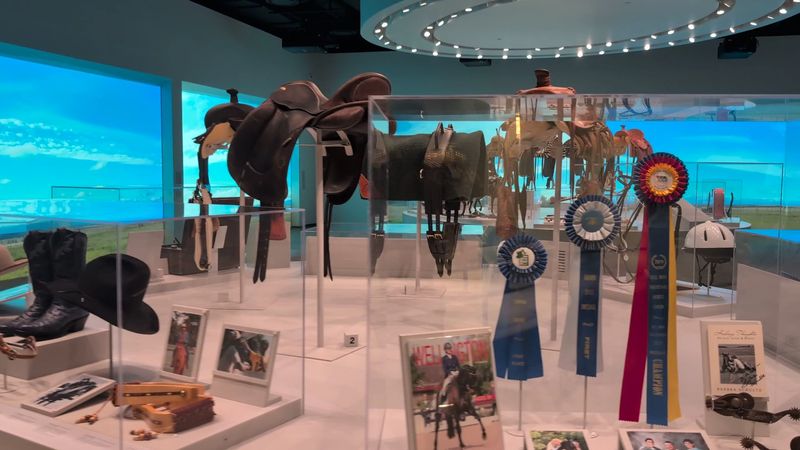
The second floor houses an impressive collection of actual saddles, outfits, medals, and equipment used by real cowgirls throughout history. These aren’t replicas or approximations. They’re the genuine articles, complete with wear patterns and personal touches that tell individual stories.
Each saddle represents a different era, discipline, or personal style. Some are purely functional working ranch gear, while others are elaborately decorated competition pieces. The craftsmanship is extraordinary, reminding visitors that Western equipment combined artistry with practicality.
Costumes range from Wild West show sparkle to practical ranch wear to modern rodeo competition outfits. You’ll see how women’s Western fashion evolved alongside changing social norms and athletic requirements. The embroidery work alone deserves serious appreciation.
Medals and trophies showcase achievements in barrel racing, roping, cutting, and other competitive events. Reading the accompanying stories reveals just how dominant some of these women were in their respective fields. Many won championships repeatedly, proving their success wasn’t luck.
The displays include detailed information about the women who owned each piece, connecting objects to personal histories. This approach transforms what could be a simple equipment showcase into an intimate look at individual lives. You’ll leave understanding that every saddle and costume represents someone’s dreams, work, and accomplishments.
Visitors consistently describe this floor as where the museum really shines. The tangible artifacts make history feel real and accessible rather than distant and abstract.
8. Perfect Location in Fort Worth’s Cultural District
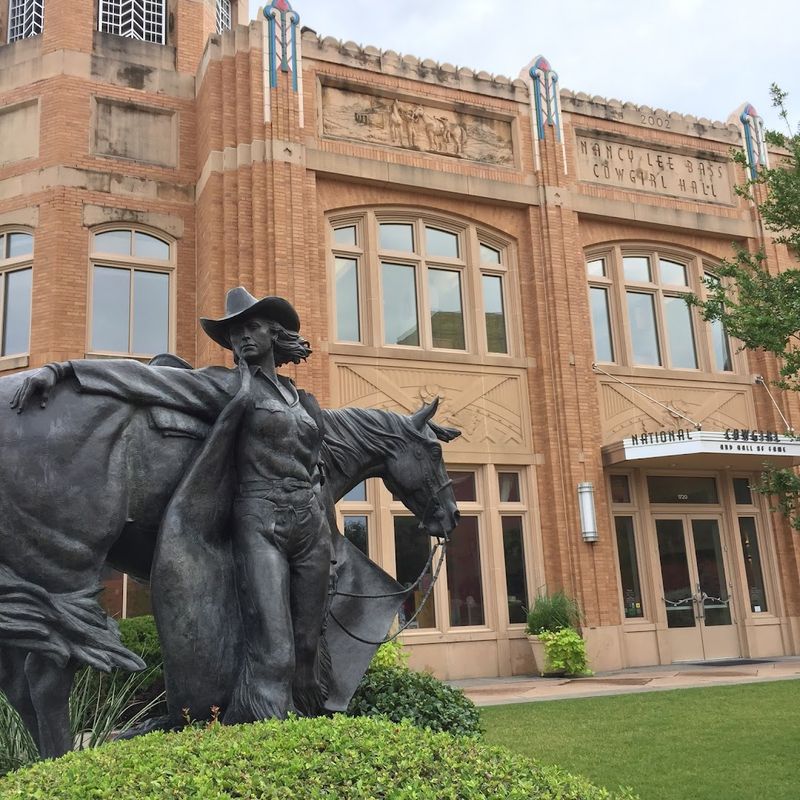
Situated at 1720 Gendy Street, the museum sits in the heart of Fort Worth’s Cultural District, making it easy to combine with other attractions. Dickies Arena is literally across the street, perfect for visitors attending concerts or events who want daytime activities. The Fort Worth Museum of Science and History and Omni Theater are close enough to visit all three in one day.
Parking is straightforward and convenient, with multiple lots serving the cultural district. Spend more than twenty dollars in the gift shop and your parking becomes free, which is a nice bonus. The location means you’re also near restaurants and cafes for pre or post-visit meals.
The museum opens at ten in the morning Tuesday through Saturday and noon on Sundays. It’s closed Mondays, so plan accordingly. Hours run until five in the evening, giving you plenty of time for a thorough visit without feeling rushed.
Being in the cultural district means you’re in a safe, well-maintained area designed for tourists and locals alike. Everything feels accessible and welcoming rather than intimidating or confusing. Families appreciate having multiple attractions within walking distance, especially when traveling with kids who need activity variety.
The neighborhood itself is pleasant for strolling between museums if weather permits. Fort Worth invested heavily in making this district visitor-friendly, and it shows. You won’t waste time getting lost or dealing with complicated logistics.
Call ahead at 817-336-4475 if you have specific questions or need accessibility information.
9. Inspiring Future Generations of Girls
Multiple reviews emphasize bringing daughters here specifically to inspire them with stories of strong, accomplished women. The museum understands this mission and designs exhibits to resonate with young girls who need role models beyond princesses and pop stars. Every display reinforces that women can be tough, skilled, and successful in traditionally male spaces.
The Hall of Fame inductees represent diverse achievements across ranching, rodeo, entertainment, business, and advocacy. Girls see that there’s no single path to greatness. Some cowgirls were athletes, others were entrepreneurs, and many excelled in multiple areas simultaneously.
Seeing authentic accomplishments from real women throughout history provides powerful evidence that gender limitations are social constructs rather than natural laws. The museum doesn’t preach or lecture. It simply presents facts and lets the stories speak for themselves.
Parents report meaningful conversations sparked by exhibits, with daughters asking questions about careers, challenges, and possibilities. Teachers bring school groups for the same reason, knowing the experience will stick with students far longer than textbook lessons. The museum offers educational programs designed specifically for youth engagement.
In a world where girls still receive messages about what they can’t or shouldn’t do, this museum provides a refreshing counternarrative. It celebrates competence, courage, and determination without apology. The women honored here didn’t wait for permission or approval; they just did the work and proved everyone wrong.
That’s a lesson worth learning regardless of age or gender.
Share this story