
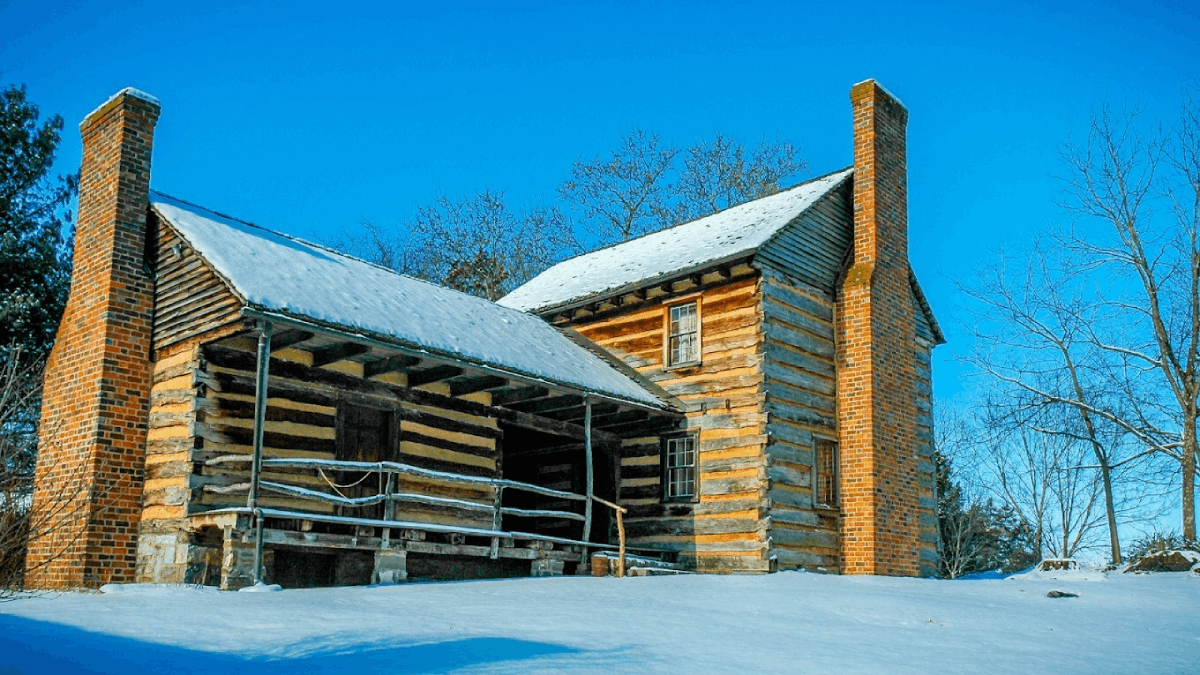
Tucked away in the rolling hills of Piney Flats stands a log home that witnessed the birth of Tennessee as we know it. Rocky Mount State Historic Site isn’t just another old building—it’s the actual place where territorial leaders gathered to shape what would become the 16th state. Walking through its doors is like stepping into the exact moment when Tennessee’s future was being written, one decision at a time.
For anyone curious about where it all started, this preserved frontier home tells that story better than any textbook ever could.
Why Rocky Mount State Historic Site Matters in Tennessee History
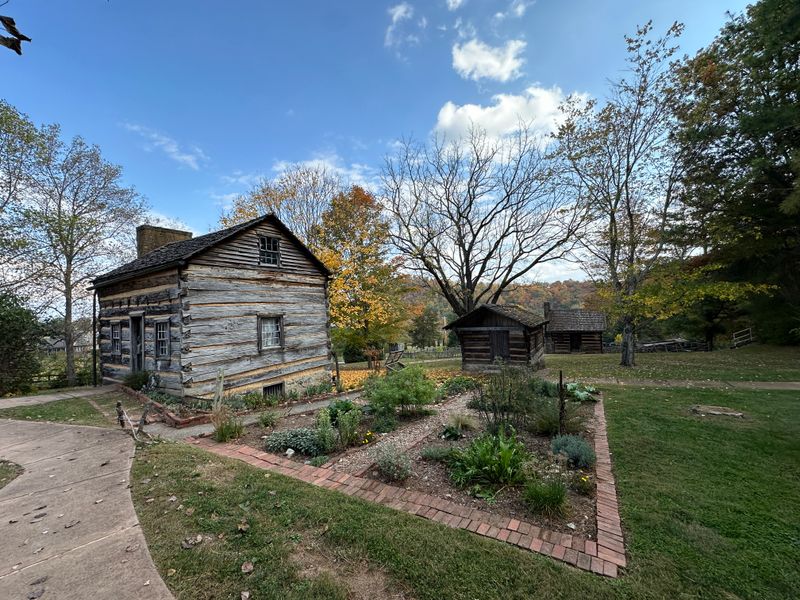
Between 1790 and 1792, this unassuming log structure served as the first territorial capital of the Southwest Territory. Governor William Blount conducted official business right here, making decisions that would eventually lead to Tennessee’s statehood in 1796. Without the groundwork laid at Rocky Mount, Tennessee’s path to becoming a state might have looked completely different.
Today, the site stands as a living reminder of early American governance on the frontier. It’s one of the few places where you can actually stand where history happened—not just read about it. Schools bring students here to connect with their state’s roots in a hands-on way.
The preservation efforts ensure future generations can experience this pivotal chapter. Rocky Mount bridges the gap between textbook facts and real-life history, making Tennessee’s founding story accessible and tangible for everyone who visits.
The Log Home Where Tennessee’s Future Began
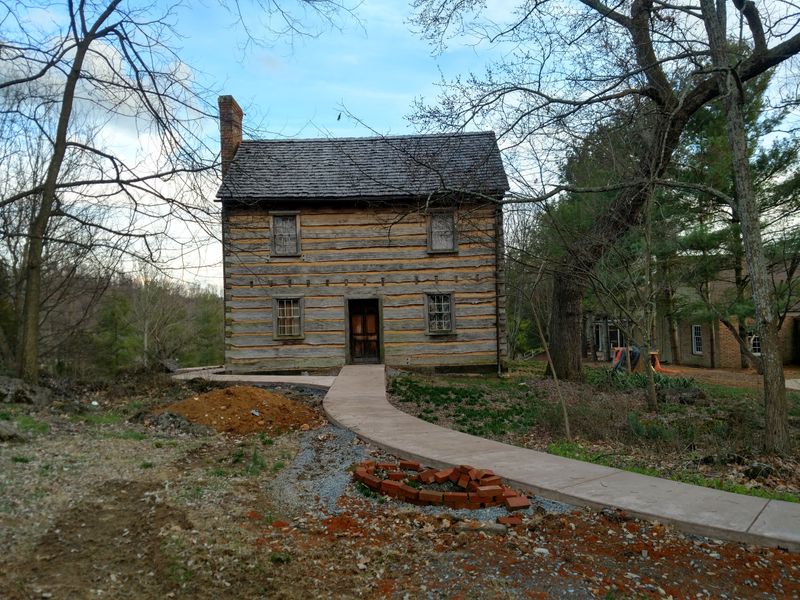
The Cobb-Massengill House is the heart of Rocky Mount, and stepping inside feels like traveling back 230 years. Governor Blount lived and worked here while overseeing the Southwest Territory, hosting important meetings in these very rooms. The preserved structure showcases original construction techniques that frontier builders used to create sturdy, lasting homes.
Walking through the doorways where territorial officials once passed is genuinely moving. You can see the actual spaces where political discussions shaped Tennessee’s future—the dining area where deals were made, the rooms where documents were signed. Every corner tells part of the story.
Period furnishings and artifacts fill the house, giving visitors a clear picture of life during this transformative time. Costumed interpreters bring the Cobb family and their famous guests back to life through engaging storytelling. It’s not just looking at history—it’s experiencing the atmosphere of decision-making that changed everything.
Life on the Frontier: What Daily Living Looked Like Here
Frontier life in the 1790s demanded constant work and resourcefulness. Families at Rocky Mount grew their own food, made their own clothing from wool and flax, and crafted nearly every tool they needed. There were no stores nearby—survival meant knowing how to do everything yourself.
Cooking happened over open hearths using heavy iron pots and skillets. Women spent hours spinning wool into yarn, then weaving fabric for clothes and blankets. Men chopped wood, tended livestock, and maintained buildings against harsh weather and wear.
Demonstrations at the site show visitors these lost skills firsthand. You might see interpreters cooking period recipes, dyeing fabric with natural materials, or showing how candles were made from animal fat.
Understanding these daily challenges makes you appreciate how remarkable it was that leaders still found time for governance and statehood planning amid such demanding lives.
The Land That Witnessed a State’s Beginning
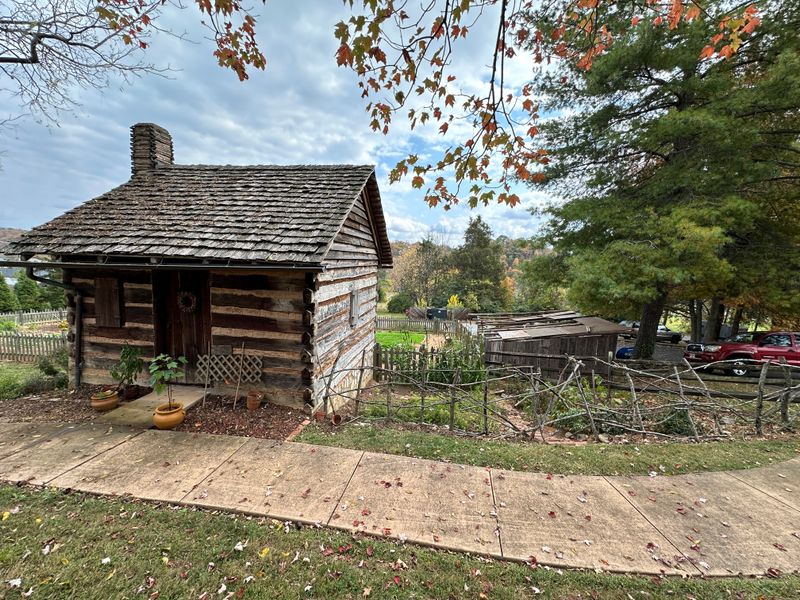
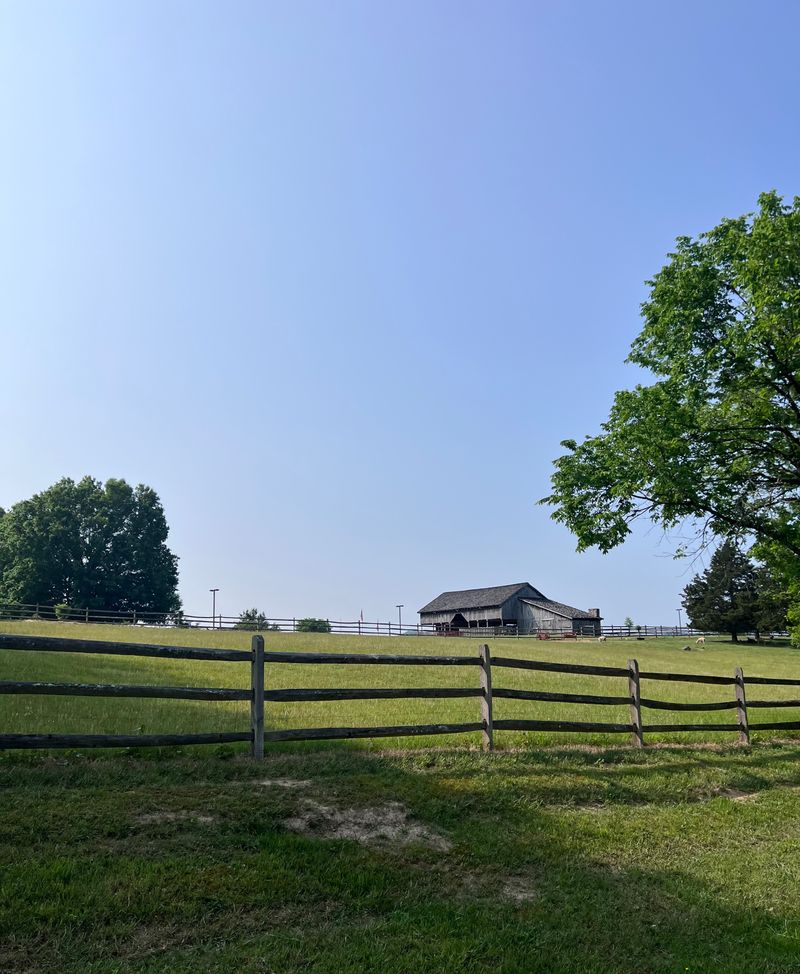
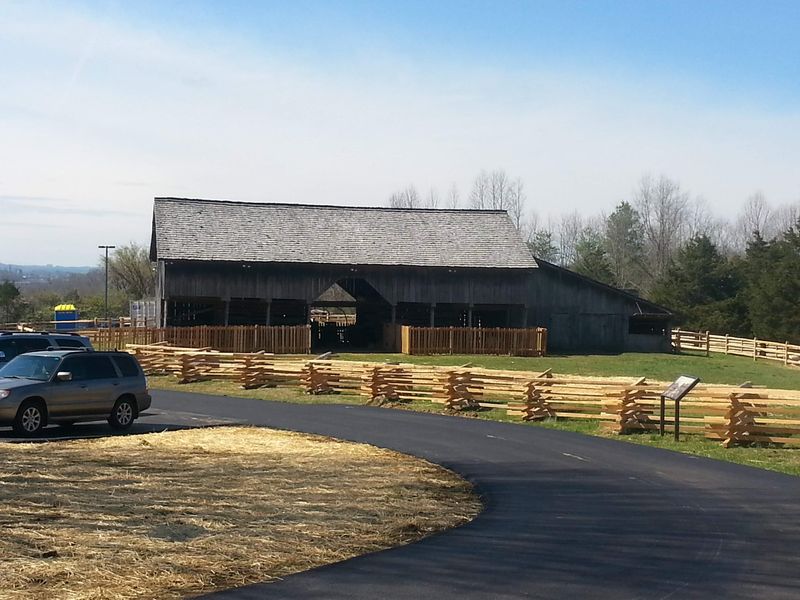
Rocky Mount’s 35 acres stretch across beautiful East Tennessee countryside that looks much like it did centuries ago. The property includes not just the main house but also outbuildings like smokehouses, a loom house, and barns that show how a frontier settlement operated. Walking the grounds gives you a real sense of the community that existed here.
The location itself was strategically important—close enough to travel routes for communication but protected enough for safety. Governor Blount chose well when he made this his headquarters. The land provided everything needed for self-sufficiency while serving as a governmental hub.
Gardens showcase heritage plants that would have grown here during the territorial period. Split-rail fences mark boundaries just as they did originally.
What You’ll Experience During a Visit
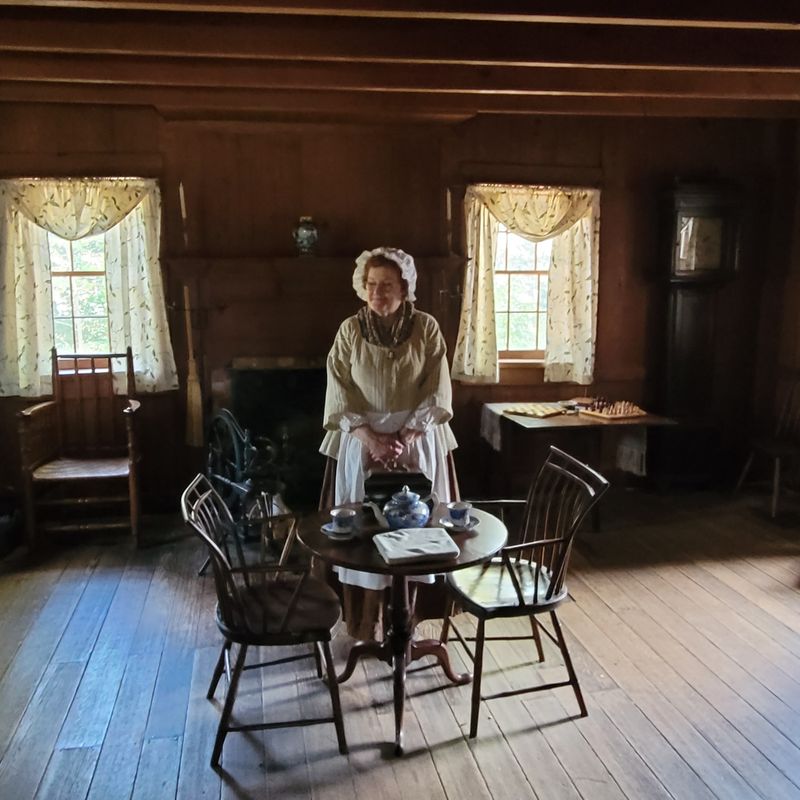
Guided tours led by costumed interpreters make history come alive in ways that surprise even reluctant learners. These knowledgeable guides stay in character as members of the Cobb family or period figures, answering questions and sharing stories that make the 1790s feel immediate and real. Tours typically last about an hour and cover the museum, house, and grounds.
Special events throughout the year add extra dimensions to the experience. Woolly Days in spring celebrates fiber arts with demonstrations and hands-on activities. The July 5th celebration features period games, crafts, and food trucks alongside historical programming.
The museum houses impressive artifact collections that provide context before you tour the house. Interactive elements engage younger visitors while adults appreciate the depth of historical information.
Why It’s More Than Just a Historic Cabin
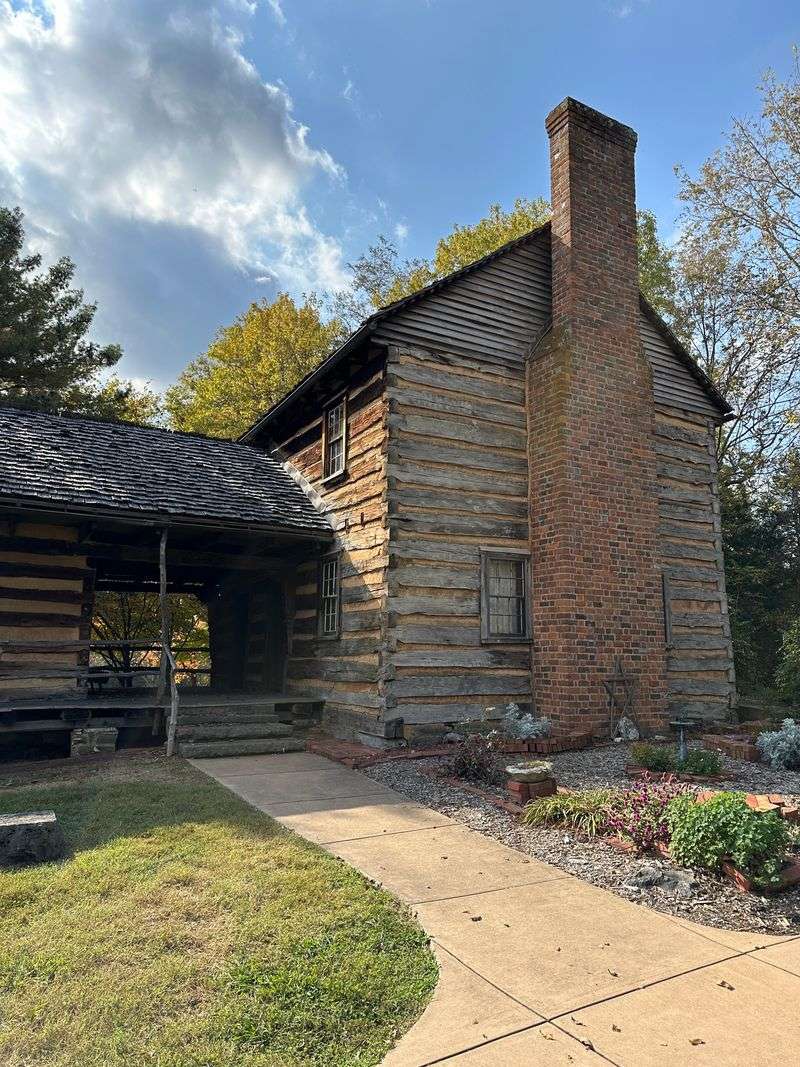
Rocky Mount connects Tennesseans to their state’s founding identity in deeply personal ways. This isn’t just where government happened—it’s where the idea of Tennessee as a distinct place with its own character began taking shape. Visiting helps people understand what makes Tennessee unique among American states.
The site celebrates early leadership qualities that still resonate today: determination, self-reliance, and community cooperation. Governor Blount and the Cobb family exemplified frontier leadership that balanced personal survival with public service. Their example reminds us that ordinary people in extraordinary circumstances created our state.
Touching the same door handles that territorial officials used or standing in rooms where Tennessee’s path was debated makes the past real. That tangible connection builds genuine pride in state heritage.
Many visitors leave feeling more connected to Tennessee’s story and more curious about local history. That sense of belonging and identity matters now just as much as it did in 1790.
Is Rocky Mount State Historic Site Worth Visiting Today?
History enthusiasts will absolutely love the authentic preservation and knowledgeable interpretation that make Rocky Mount special.
Families find it surprisingly engaging for kids, with hands-on elements and costumed characters keeping younger visitors interested. School groups regularly visit because the interactive approach works beautifully for educational purposes. Parents appreciate that children actually learn while having fun—a rare combination.
Day-trippers from nearby areas like Meadowview or those exploring East Tennessee will find it’s perfectly sized for a half-day visit. The admission cost is reasonable, and the experience delivers genuine value. Seasonal events add extra appeal if you can time your visit right.
Even people who “don’t usually like history stuff” mention being pleasantly surprised by how engaging and accessible the site feels. That universal appeal makes Rocky Mount worth visiting regardless of your usual interests.