
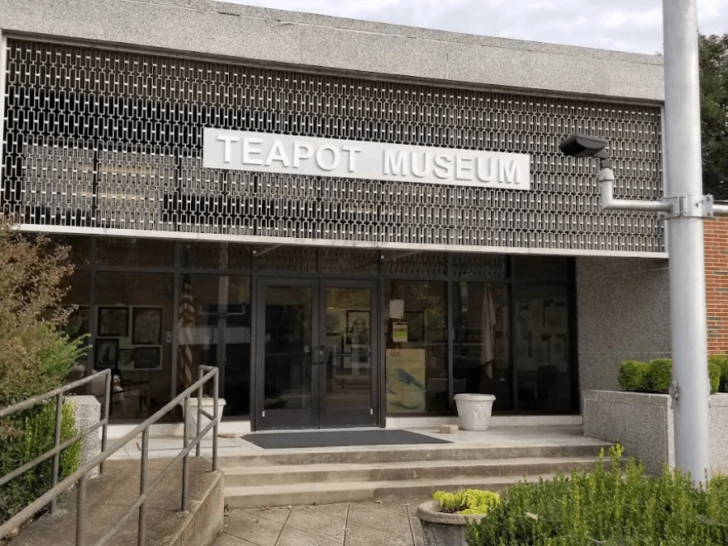
Tucked away in the small town of Trenton, Tennessee, sits a museum that houses one of the most impressive teapot collections you’ll ever see. With over 600 rare porcelain pieces dating back to the 16th and 17th centuries, this hidden gem attracts visitors from around the world.
Best of all, it’s completely free and open 24 hours a day, seven days a week, making it one of the most accessible museums anywhere.
A Teapot Lover’s Dream in Tennessee
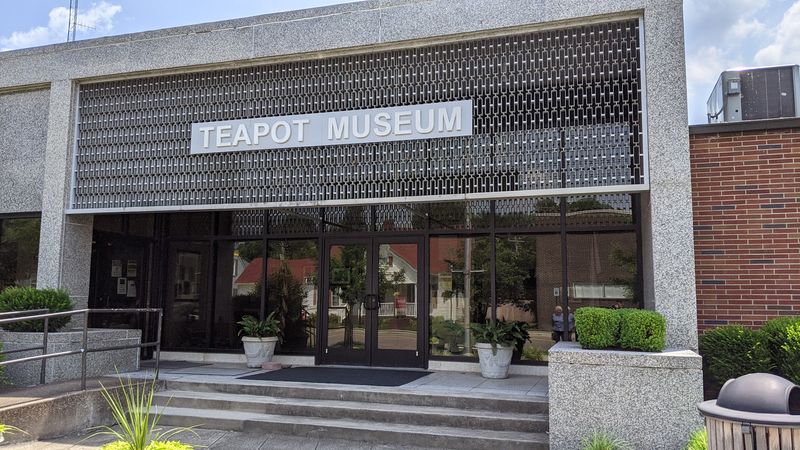
Most people wouldn’t expect to find a world-class collection of antique teapots in a tiny Tennessee town. Yet Trenton has become an unlikely destination for collectors and curious travelers alike. The museum sits right on College Street, attached to the town’s police department, creating an unusual but charming combination.
You can walk in anytime, flip on the lights yourself, and spend as long as you want admiring the displays. There’s no admission fee, though donations help keep the museum running.
Visitors often describe feeling surprised by the sheer scale and quality of what they find inside. Even the Louvre Museum in Paris expressed interest in acquiring some pieces, but they stayed right here in Tennessee.
What Is the Trenton Teapot Museum?
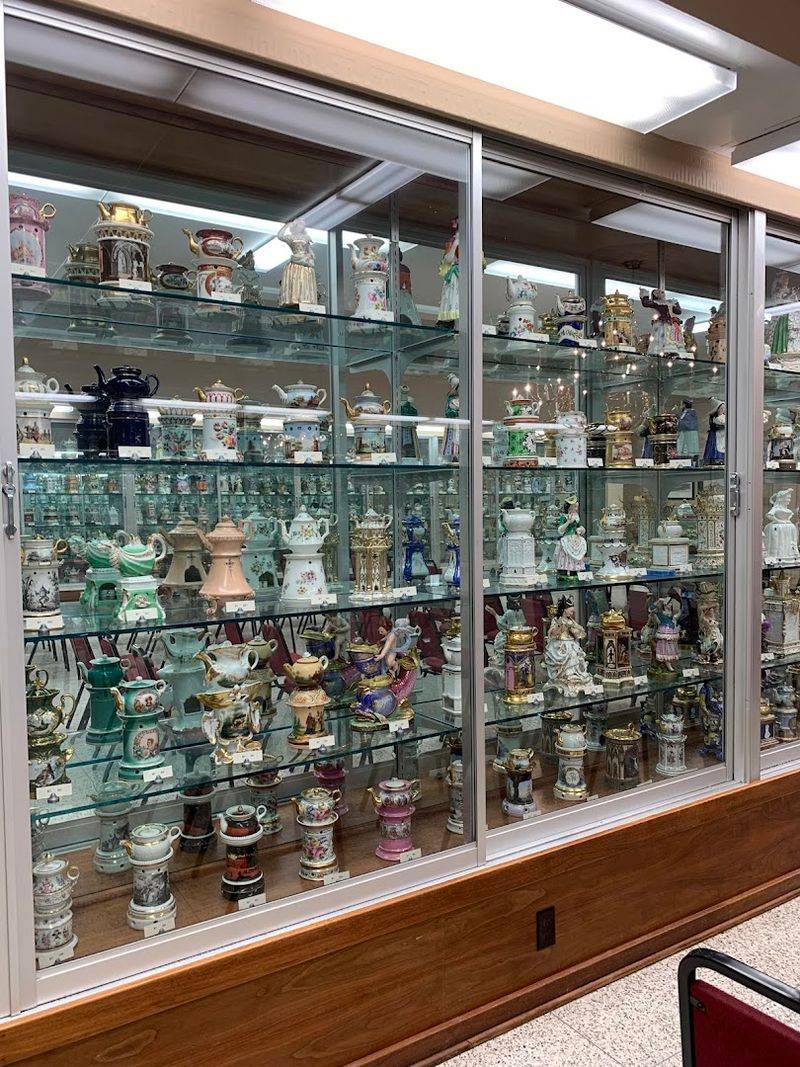
Located at 309 South College Street, the Trenton Teapot Museum occupies a dedicated room within the town’s municipal building. The space resembles a massive china cabinet, with glass-fronted cases stretching from floor to ceiling. Every shelf holds carefully arranged teapots that tell stories from centuries past.
Dr. Frederick C. Freed, a local physician who traveled extensively, assembled this remarkable collection over many years. When he passed away, he generously donated his entire collection to the town.
Trenton embraced this gift wholeheartedly, creating a proper museum space to honor his legacy.
The museum operates on an honor system that reflects small-town trust. Visitors sign a guestbook, control the lighting themselves, and explore at their own pace. If the door happens to be locked, friendly staff next door at the police or fire department will gladly open it for you.
Inside the Collection: Hundreds of Rare Teapots
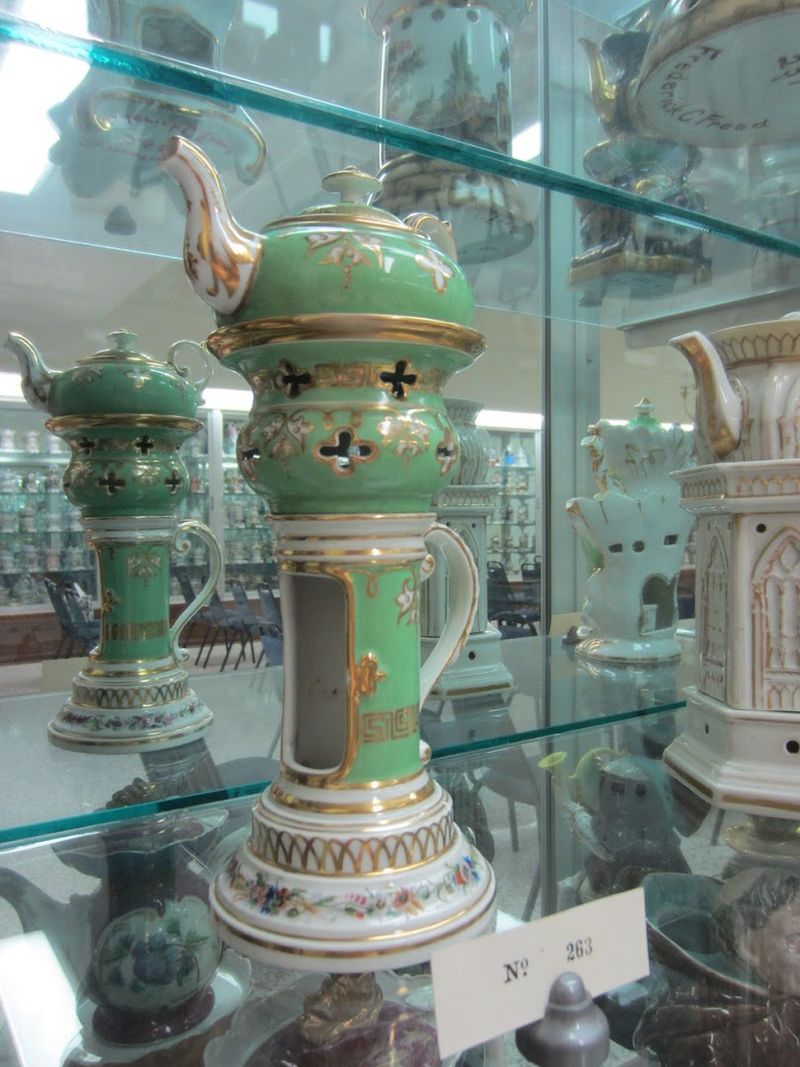
Walking into the museum feels like stepping into a porcelain wonderland. Over 600 teapots fill the display cases, each one unique in design, color, and craftsmanship. Many pieces are actually night-light teapots, featuring built-in warmers that once kept tea hot for hours.
The collection spans primarily European styles from the 16th and 17th centuries. You’ll see elaborate hand-painted designs, unusual shapes, and decorative elements that showcase the artistry of different eras.
European porcelain was highly prized during these periods, often worth more than gold. The craftsmanship involved in creating these pieces required exceptional skill. Each teapot represents not just a functional object but a work of art that survived centuries.
The Story Behind the Museum
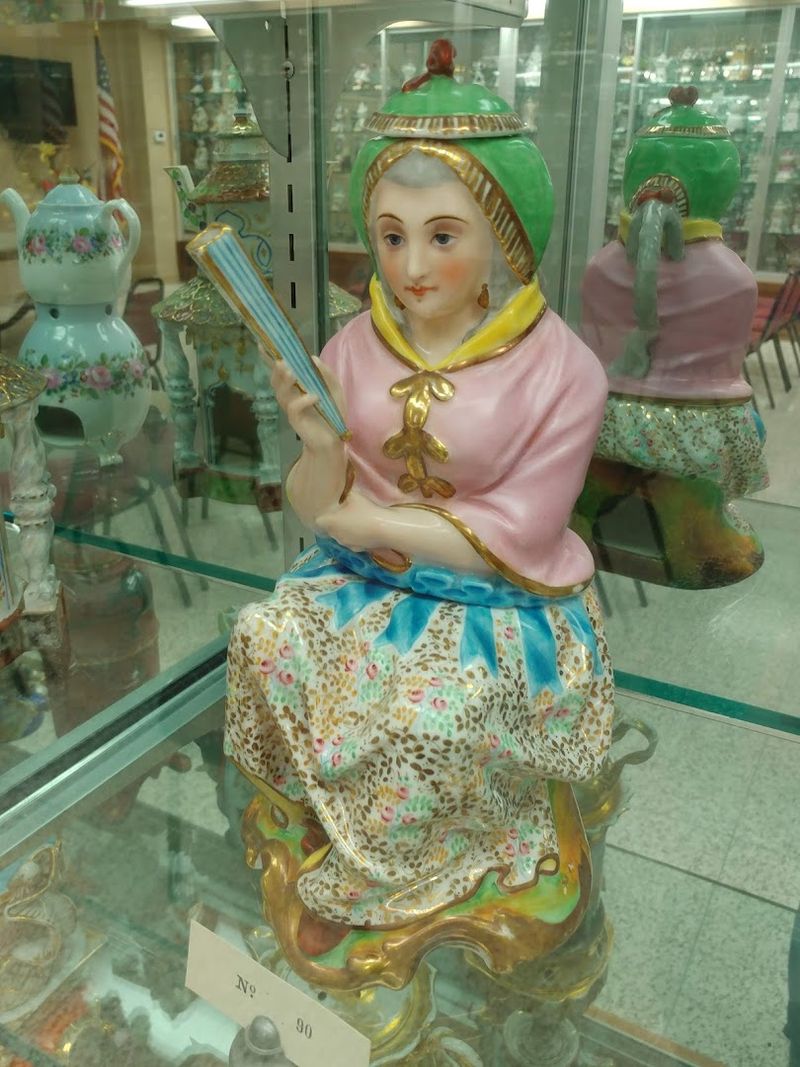
Dr. Frederick C. Freed wasn’t just a physician serving Trenton; he was an avid traveler and passionate collector. Throughout his journeys across Europe and beyond, he carefully selected teapots that caught his eye.
His medical practice funded his collecting habit, which became more than just a hobby over the decades.
Rather than keeping his treasures private or selling them after his death, Dr. Freed chose to give everything to his hometown. This generous gesture transformed Trenton into an unlikely cultural destination. The town honored his vision by creating a permanent home for the collection where everyone could enjoy it freely.
Trenton embraced its new identity, even incorporating teapot imagery into town murals and local pride. The museum has become central to the community’s character.
Why It’s More Than Just Teapots
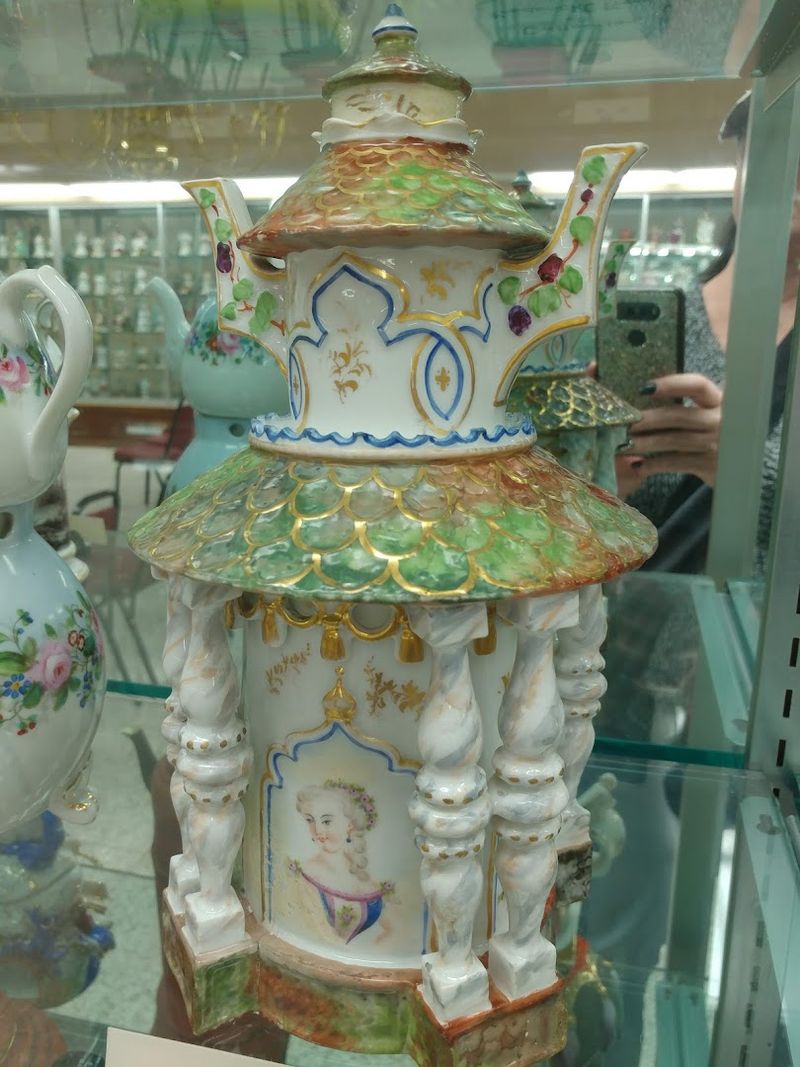
At first glance, a room full of teapots might seem like a niche interest. But visitors quickly discover there’s much more to appreciate here. Each piece represents incredible craftsmanship from an era when everything was made by hand.
The collection also offers a window into social history. Tea drinking was a significant cultural ritual in Europe, and owning fine porcelain demonstrated wealth. These weren’t everyday items but cherished possessions that families passed down through generations.
The museum sparks conversations about history, art, and the importance of preserving cultural artifacts. It reminds us that everyday objects can become extraordinary when crafted with care and preserved with respect.
What to Expect When You Visit
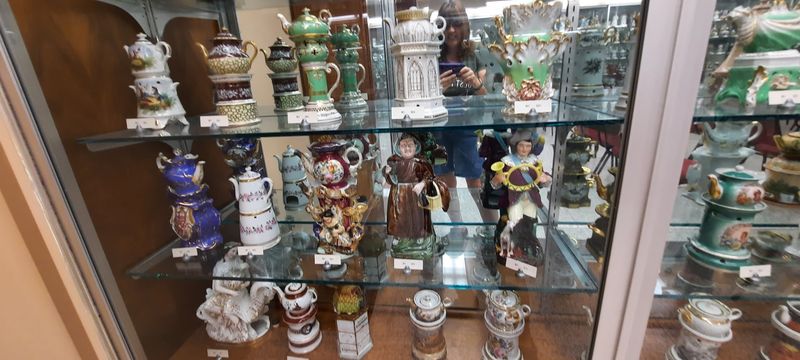
Your visit begins the moment you walk through the door and flip the light switch yourself. This self-guided experience gives you complete control over your pace and focus.
The layout is straightforward, with cases arranged around the room’s perimeter. You’ll walk along viewing each shelf, discovering favorites as you go. Many people enjoy the treasure-hunt feeling of spotting the most unusual or beautiful pieces.
A guestbook near the entrance lets you leave comments and read notes from previous visitors.
Don’t expect extensive labels or historical placards for each item, which some visitors miss. The museum focuses on visual appreciation rather than detailed documentation. However, if you’re lucky enough to catch a knowledgeable staff member, they can share fascinating stories about specific pieces.
Why This Hidden Gem Is Worth the Stop

In a world of flashy tourist attractions, the Trenton Teapot Museum offers something refreshingly genuine. It’s not trying to be anything other than what it is: a heartfelt collection shared freely with anyone who’s curious. The fact that it’s always open and always free removes every barrier to visiting.
The museum represents the best of community pride and generosity. It proves that cultural treasures don’t only belong in major cities or expensive institutions. Sometimes the most memorable experiences come from places you’ve never heard of.
If you’re anywhere near northwest Tennessee, this delightful detour deserves a spot on your itinerary.