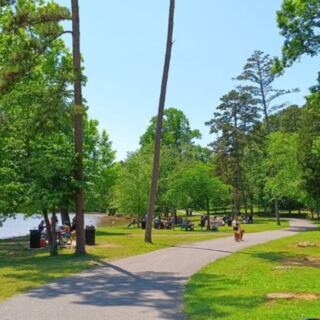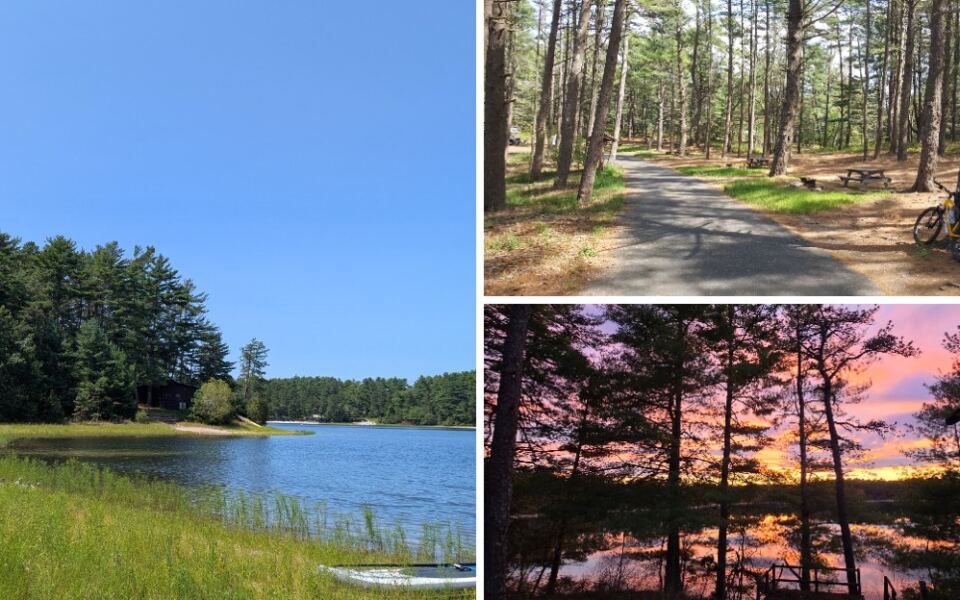
Fifty-eight ponds in one forest. I had to stop and think about that number for a second.
And the fact that many of them were left behind by melting glaciers thousands of years ago makes the whole place even more interesting.
It’s not quite the landscape you’d expect to find south of Boston, either. Instead of thick, leafy woods, there are sandy trails, pitch pines, and scrub oaks.
Some ponds even change size as groundwater levels rise and fall, which means the view might look a little different each time you visit.
And then there are the wild blueberries. I can already picture myself wandering along the trails in summer, stopping every few minutes to admire the little bushes and take in the scenery.
With so many ponds around, I’d probably have a hard time deciding which direction to explore first.
What I love most is how much you can do here without traveling far from the coast. Swimming, biking, camping, or simply spending a quiet afternoon among the pines all sound pretty tempting.
I’d bring a picnic, wear comfortable shoes, and leave plenty of time to wander. Fifty-eight ponds are a lot to choose from, after all!
Those 58 Ponds Came From Melting Glacier Ice
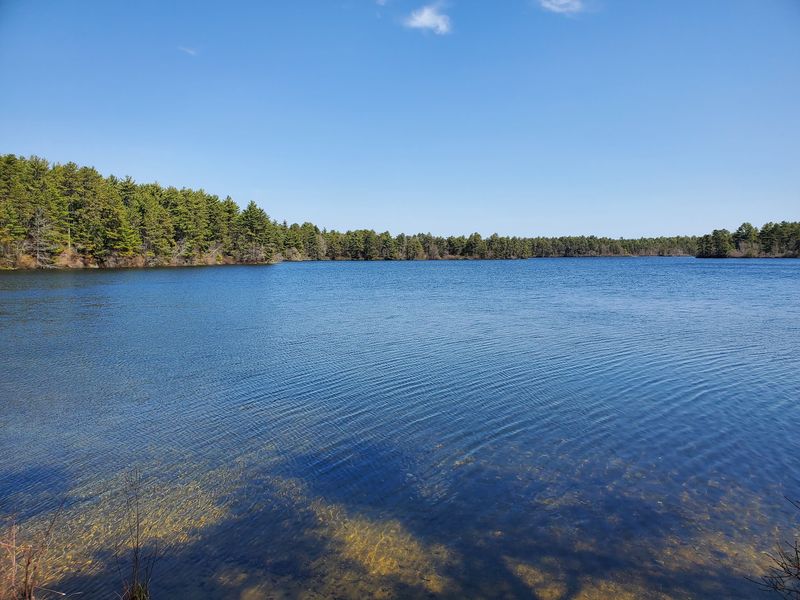
Myles Standish State Forest owes its watery personality to the last Ice Age. Retreating glaciers left huge blocks of ice buried in sand and gravel.
When that ice melted, the ground slumped into bowl-shaped holes called kettles. Many of those kettles filled with groundwater, and that’s how the forest ended up with dozens of ponds.
Several of these are coastal plain ponds, a fairly rare type of habitat. Their water levels shift with the seasons because they’re fed by groundwater rather than streams.
That rising and falling shoreline matters more than you’d expect. It creates room for specialized plants that can handle being flooded one year and dry the next.
For visitors, the payoff is simple. You can hike for a while and keep stumbling onto another quiet pond through the pines.
College Pond, Fearing Pond, and Barrett Pond are some of the better-known names. Each one feels a little different, depending on the light and the shoreline.
Bring a camera and some patience on calm mornings. Still water and tall pines make for easy, pretty photos.
Just remember these ponds are delicate habitats. Staying on marked paths helps protect the rare plants growing along their edges.
You’re Standing In One Of The Biggest Pine Barrens In New England
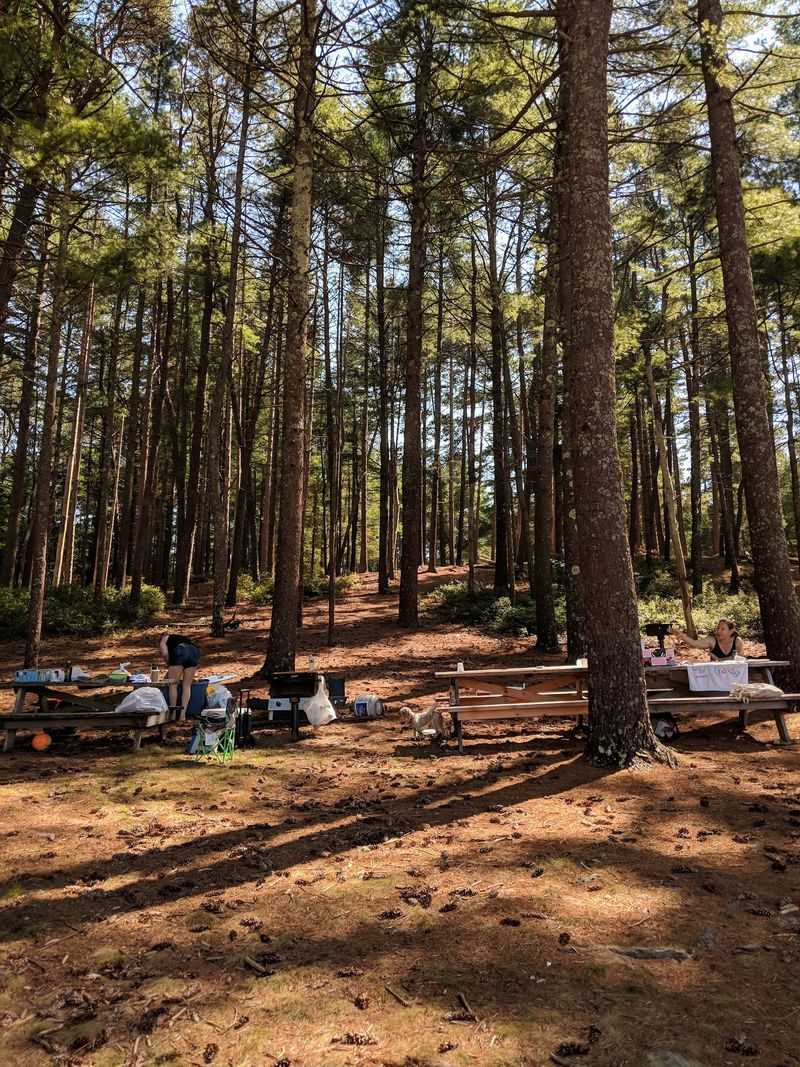
Sand, pitch pine, and scrub oak. That trio defines the landscape here, and it’s not what most people picture when they think of Massachusetts woods.
The forest protects part of the Plymouth pine barrens, one of the largest pine barrens ecosystems in the northeast. The sandy soil drains fast, so only tough plants really thrive.
Pitch pines are built for this life. They handle poor soil well, and they can even resprout after fire.
Fire actually plays a big role in keeping pine barrens healthy. State land managers use prescribed burns in parts of the forest to support this habitat.
That might sound alarming at first. In reality, controlled burns reduce dangerous fuel buildup and help fire-adapted plants keep their footing.
The barrens also support wildlife that depends on open, sunny spaces. Certain moths, birds, and other species call this unusual habitat home.
You’ll notice the difference right away on the trails. The canopy feels open, the ground stays sandy, and the air often smells like warm pine.
It’s a reminder that New England has more than one type of forest. This one just happens to look a lot like a beach that decided to grow trees.
Your Summer Hike Might Turn Into A Berry Snack Break
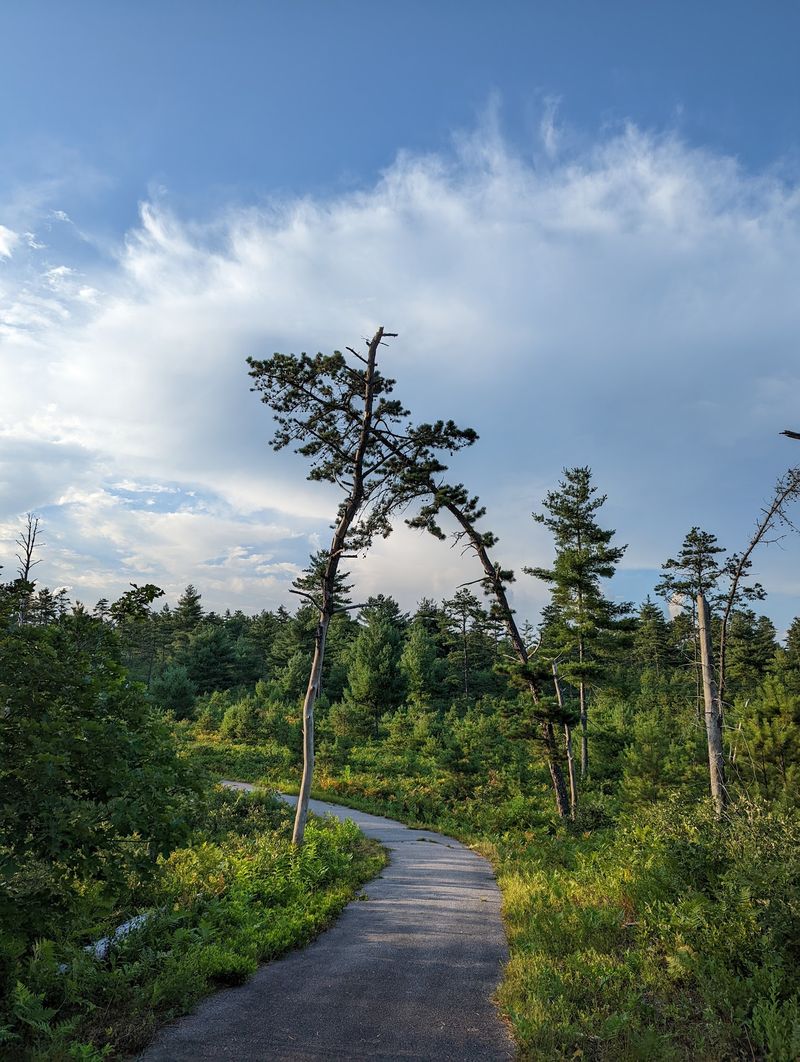
Low, scraggly shrubs line plenty of trails here, and many of them are blueberries. Acidic, sandy soil happens to suit these plants nicely.
Lowbush blueberries and huckleberries both grow in pine barrens habitats like this one. By midsummer, the bushes can be dotted with small, dark berries.
So yes, your walk might slow down a bit. That’s not a bad thing on a warm July afternoon.
A few smart habits make berry spotting more fun. Know exactly what you’re picking, and skip anything you can’t identify with confidence.
It’s also kind to leave plenty behind. Birds and other wildlife count on these berries much more than we do.
Ticks are common in sandy, brushy areas across Massachusetts. Long pants, bug spray, and a quick check after your hike are all worth the effort.
Berry timing changes from year to year. Weather, rainfall, and fire history can all affect how many bushes produce fruit.
Think of the blueberries as a bonus rather than a guarantee. If the bushes deliver, great.
If not, you still get a gorgeous walk through the pines.
Bring Your Bike, Boots, Or Even Your Horse
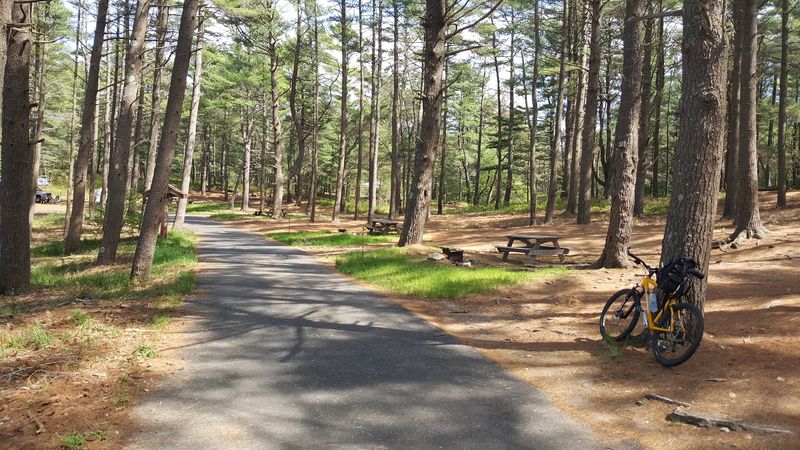
Trail lovers get a serious playground here. The state lists miles of hiking, biking, and horseback riding trails across the property.
A paved bike path is one of the big draws. It winds through the pines and past several ponds, so it works well for casual riders and families.
Prefer something rougher? Sandy fire roads and dirt trails stretch deeper into the forest for mountain bikers and hikers.
Equestrians have their own space too. Bridle trails and an equestrian camping area make this a solid option for horse owners.
Sand changes the workout a little. Soft spots can feel surprisingly tough on legs, especially when the sun is out.
Pack more water than you think you’ll need. Shade can be patchy in the barrens, and summer heat builds fast.
A trail map is your best friend here. The forest is large, and many sandy roads start to look alike after a while.
Hunting is allowed in season, so wearing bright orange during fall and early winter is a good idea. It’s a small step that keeps everyone easier to spot.
Cool Off At A Pond Beach On A Hot Afternoon
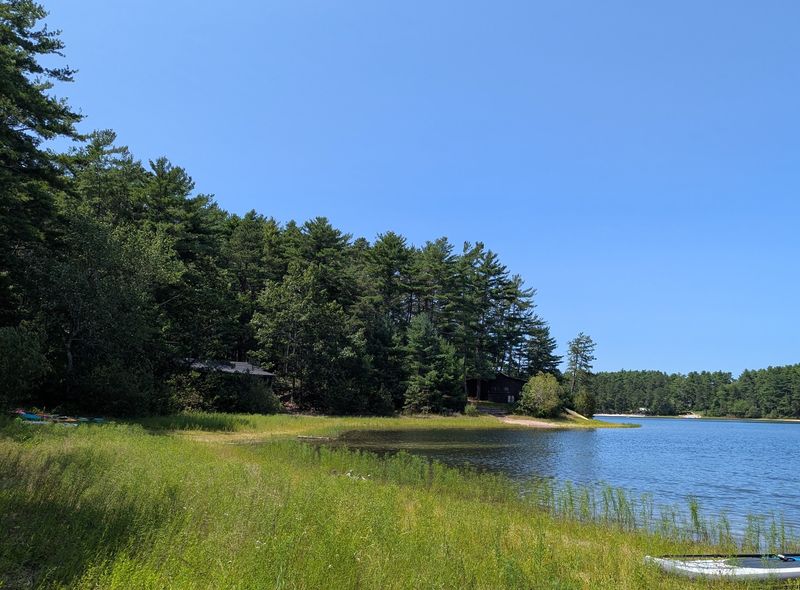
Swimming in a glacial kettle pond just sounds cooler than a regular swim. At Myles Standish State Forest, you can actually do it.
College Pond and Fearing Pond are known for their day-use swimming areas. The sandy bottoms and pine-lined shores give them an easygoing, lakeside feel.
Lifeguard coverage and swimming rules can change by season. Checking with the Massachusetts Department of Conservation and Recreation before you go saves surprises.
Pack the basics and keep it simple. Water, sunscreen, snacks, and a towel go a long way here.
Fishing is another popular pond activity. Fearing Pond is stocked with trout in spring and fall, while other ponds offer opportunities to catch bass, perch, and other freshwater fish.
Paddling fans can bring small non-motorized boats to some ponds. A kayak drifting across quiet water feels like a small vacation all on its own.
Water quality is monitored at swimming areas during summer. Closures sometimes happen after testing, so a quick check that morning is smart.
Above all, treat these shorelines gently. They’re part of a rare habitat, and careful visitors help keep them clean, clear, and swimmable for years.
Pitch A Tent Under The Pines For The Night
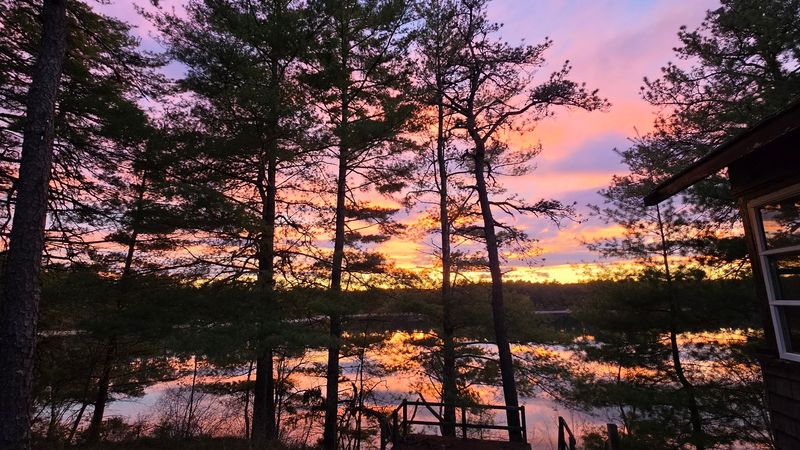
Hundreds of campsites spread across several camping loops make this one of the larger camping spots in Massachusetts. Many sites sit near ponds or tucked among the pines.
Areas like Fearing Pond, Charge Pond, and Barrett Pond host campsites. Each loop has its own feel, so it’s worth comparing before you book.
Reservations are made through the state’s ReserveAmerica system. Summer weekends tend to fill early, so planning ahead pays off.
The forest also has group camping areas. An equestrian campground gives horse owners a place to stay with their animals.
Restrooms and showers serve the camping areas during the season. Exact services can vary, so check details for your specific loop.
Evenings out here have a laid-back rhythm. Pine scent, pond views, and a campfire can make the day stretch long in the best way.
Firewood rules matter for forest health. Buying wood locally helps stop invasive pests from hitching a ride in from other areas.
Bring a lantern and a good headlamp. Once the sun drops, the barrens get dark fast, and the stars get a lot more interesting.
A Name Straight Out Of Plymouth Colony History
Myles Standish sailed on the Mayflower in 1620. He became the military leader of Plymouth Colony, so the forest’s name carries some serious local history.
The state started buying land for the forest in 1916. Over time, it grew into one of the largest publicly owned recreation areas in southeastern Massachusetts.
The Civilian Conservation Corps worked here during the 1930s. Crews built roads, trails, and other features that helped shape the forest people use today.
That CCC legacy still shows up across many state parks. It’s a neat reminder that young workers once helped build places families still enjoy.
Cranberry bogs border parts of the area too. That fits right in, since Carver is famous for its cranberry growing history.
The forest spans parts of both Carver and Plymouth. Its sheer size, more than 12,000 acres, makes it feel like a world of its own.
History lovers can easily pair a forest visit with Plymouth’s colonial sites. The town’s historic waterfront sits a short drive away.
Knowing the backstory makes the trails feel richer. You’re walking through land tied to centuries of regional history.
Keep Your Eyes Open For Rare Wildlife
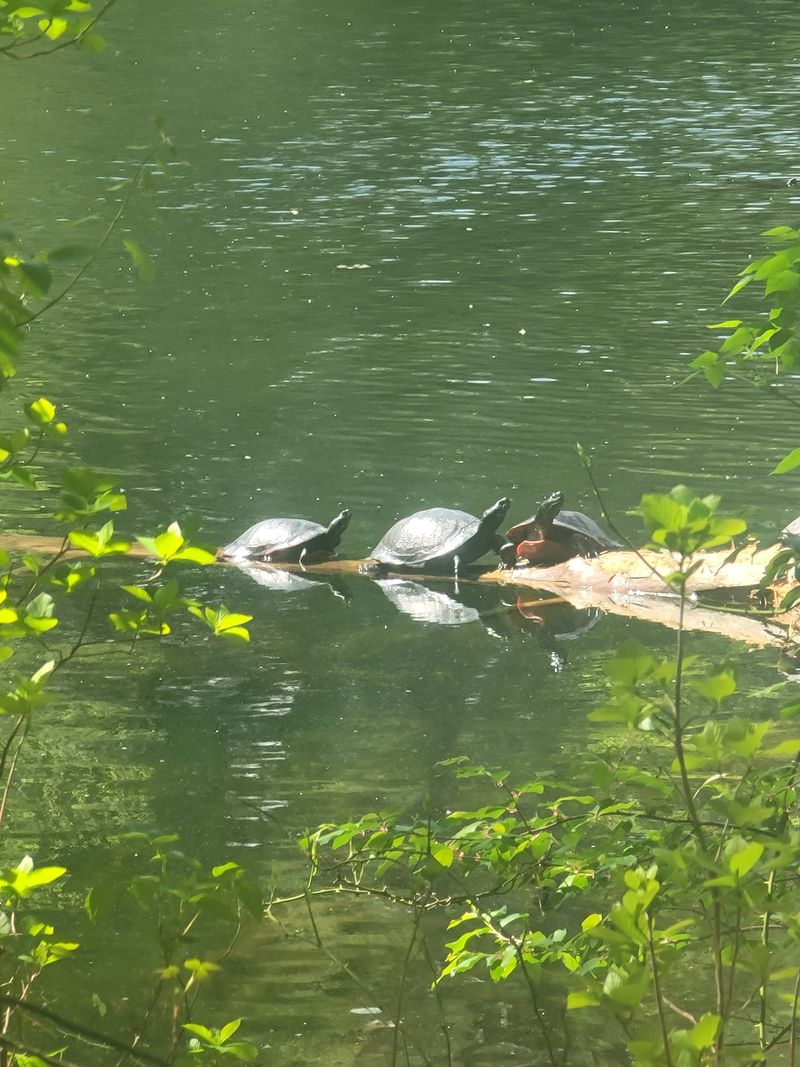
Moths might not sound thrilling. Out here, though, rare moths are part of what makes the pine barrens so ecologically important.
Pine barrens habitats support species that need sandy soil, open sunlight, and fire-adapted plants. Some of those species are listed as rare in Massachusetts.
Box turtles are among the creatures associated with this kind of landscape. If you spot one, enjoy the moment and leave it right where it is.
Birdwatchers have plenty to look for too. Woodland songbirds, hawks, and waterbirds near the ponds keep binoculars busy.
Early mornings are usually the best time for wildlife. Animals tend to be more active before the day heats up.
Moving quietly helps a lot. So does pausing near a pond edge and simply watching for a few minutes.
Deer roam the forest as well. Spotting tracks in the soft sand is a fun bonus, especially for kids learning to read the trail.
Please keep a respectful distance from all wildlife. Feeding animals or handling them can cause real harm, even when it feels harmless.
Patience is the best gear you can bring.
Plan Your Trip To The Carver Headquarters First
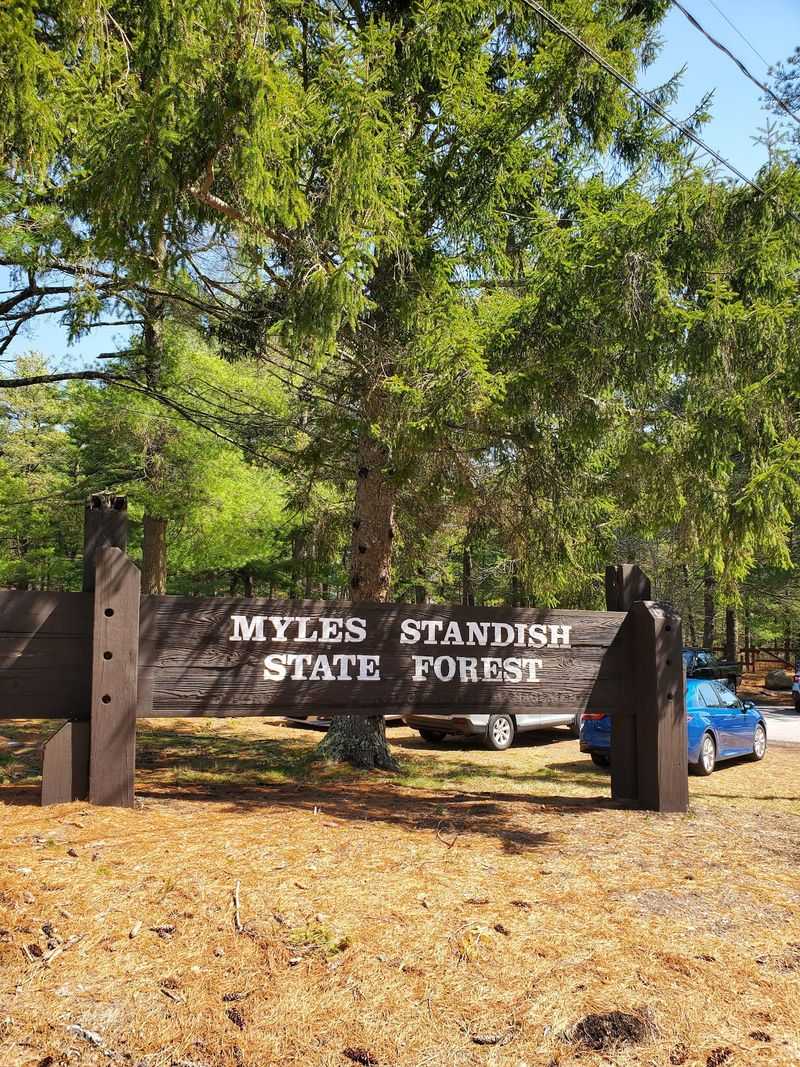
Getting your bearings is easier with one smart stop. The forest headquarters sits at 194 Cranberry Rd, Carver, MA 02330.
From there, you can grab maps and get a feel for the property’s layout. With so many roads and ponds, that head start really helps.
Myles Standish State Forest is managed by the Massachusetts Department of Conservation and Recreation. Day-use parking fees may apply at certain areas during the season.
Massachusetts residents and out-of-state visitors may pay different rates. Checking ahead keeps the start of your trip smooth.
The forest sits roughly an hour south of Boston, depending on traffic. Cape Cod is also close, which makes it handy for longer road trips.
Each season brings a different mood. Summer means swimming, fall brings crisp hiking weather, and winter offers quiet trails with fewer crowds.
Cell service can be spotty in parts of the forest. Downloading a map before arrival is a simple move you won’t regret.
Pack water, snacks, and bug spray, then go explore. Between the ponds, pines, and berries, this forest gives you plenty of reasons to come back.
Share this story