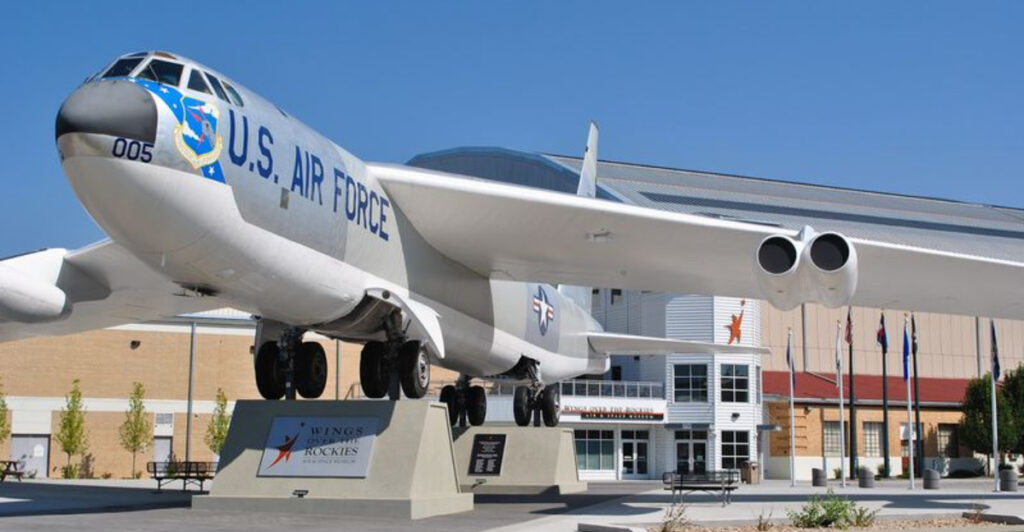
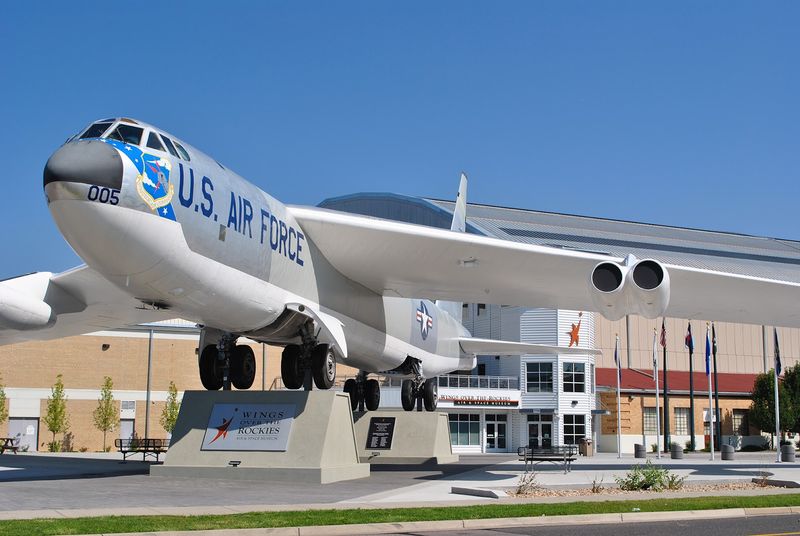
Wings Over the Rockies Air and Space Museum in Denver turns a former Air Force hangar into one of Colorado’s most unexpectedly impressive attractions. Located on the old Lowry Air Force Base grounds, the museum packs more than 50 aircraft, spacecraft, and aviation exhibits into a massive space that feels impossible to fully appreciate from the outside.
One minute you are standing beneath a towering WWII bomber, the next you are staring at technology tied to the space race and modern flight. The scale alone is enough to stop people in their tracks. If you are looking for a Denver experience that feels immersive, fascinating, and genuinely memorable, this museum absolutely delivers.
Colorado Aviation History Hits You Immediately Inside
The moment you walk through the entrance of Wings Over the Rockies, the sheer scale of the space hits you like a gust of wind off a runway. The building itself is a former Lowry Air Force Base hangar — massive, industrial, and full of character.
High ceilings stretch above rows of aircraft that seem almost too large to be indoors, and yet here they are, close enough to touch. There’s something genuinely stirring about standing in a space where military history still feels alive in the walls.
The hangar’s bones date back decades, and the museum has done a thoughtful job of honoring that history while making the whole experience feel welcoming rather than stuffy. Natural light filters in alongside carefully placed displays, giving the space an open, almost cinematic quality.
First-time visitors often describe the entry moment as a full stop — the kind where you pause mid-step because your brain needs a second to process what your eyes are seeing. Planes of every size, era, and purpose stretch out across the floor.
Some hang from above, frozen mid-flight, while others sit grounded with their cockpits open for a closer look. The layout guides you naturally from one aircraft to the next without feeling like a forced march.
Informational plaques are positioned at eye level, and video screens nearby show real interviews with pilots who actually flew these machines. It adds a deeply human layer to what could otherwise be a purely mechanical exhibit.
Even before you reach the first major display, you get the sense that this museum was built by people who genuinely love aviation — and that enthusiasm is contagious from the very first step inside.
The Aircraft Collection Alone Justifies the Visit
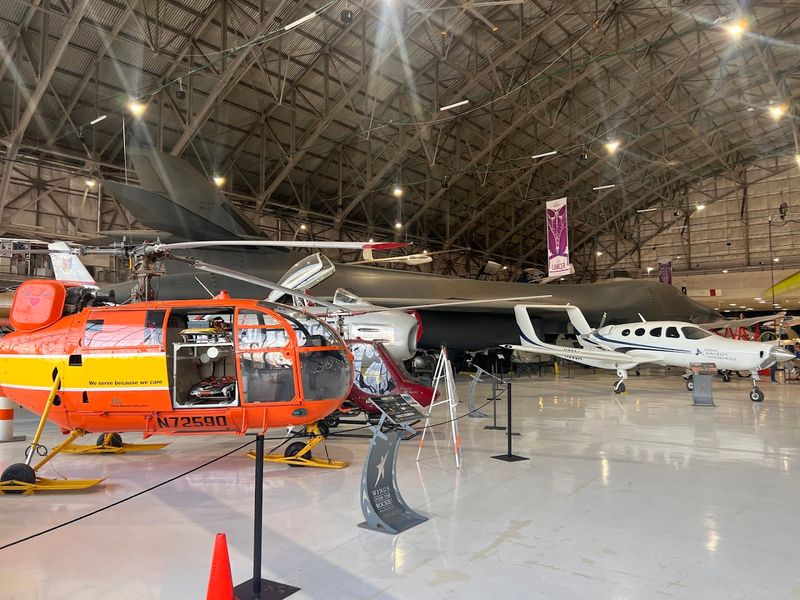
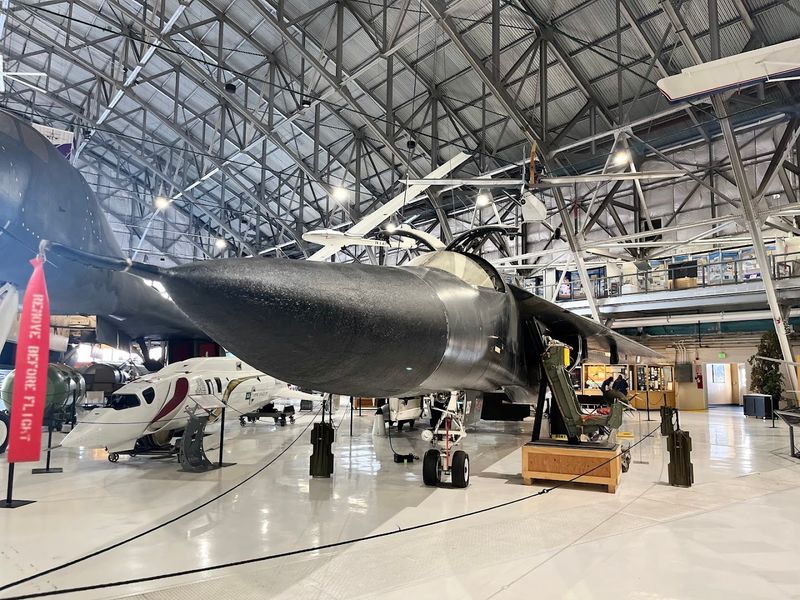
More than 50 aircraft call this museum home, and the collection spans an impressive stretch of aviation history — from propeller-driven warbirds of the 1940s to jet-age fighters that defined the Cold War.
The B-18 Bolo bomber is one of the rarest finds here, a type that saw service in the early years of WWII and is almost impossible to find anywhere else on public display. Spotting it feels like finding a hidden track on a classic album.
The B-1 Lancer is another showstopper — a supersonic strategic bomber with a variable-sweep wing design that looks like something out of a science fiction film.
Standing beneath it gives you a real sense of the engineering ambition that went into Cold War-era aircraft. These weren’t just machines built to fly; they were built to make a statement.
Beyond the military heavyweights, the collection includes aircraft from multiple eras and purposes, from early experimental designs to helicopters and even spacecraft.
Each piece has its own story, and the museum does a solid job of telling those stories through plaques, videos, and knowledgeable volunteer docents who are genuinely excited to share what they know.
One unexpected highlight is the Star Wars-inspired spacecraft donated by filmmaker Steven Spielberg. It sits among the real aircraft with a playful confidence, drawing fans of all ages into a grinning double-take. It’s a reminder that aviation and imagination have always been close cousins.
The variety here keeps every type of visitor engaged, whether your background is military history, engineering, pop culture, or just a general appreciation for things that defy gravity. The collection rewards slow, curious exploration rather than a quick walk-through.
The Smaller Exhibits Most Visitors Accidentally Miss
Most visitors follow the main floor and miss some of the museum’s best-kept secrets hiding in the side rooms and smaller exhibit spaces. Wander off the main path and you’ll find a WWII uniform collection that puts real faces and stories to the war era in a way that flight hardware alone cannot.
The level of detail in these displays is quietly impressive — the kind of thing that makes you slow down and actually read every word on the placard.
The Colorado Air National Guard exhibit is another room worth seeking out. It traces the state’s role in national defense through photographs, equipment, and firsthand accounts that connect Colorado’s identity to the broader arc of American military aviation.
It’s a local story told with national stakes, and it lands with surprising emotional weight. Aviation art also makes a strong showing throughout the museum.
Large-scale paintings and illustrations capture aircraft in dramatic flight, offering a different kind of appreciation for these machines — one rooted in beauty rather than engineering specs. Several pieces are striking enough to stop you mid-stride just to take them in properly.
Volunteers can sometimes be spotted actively working on aircraft restoration in certain areas, which adds a living, behind-the-scenes energy to the visit.
Watching someone carefully restore a historic plane with their own hands is a reminder that this museum is more than a collection — it’s an ongoing act of preservation.
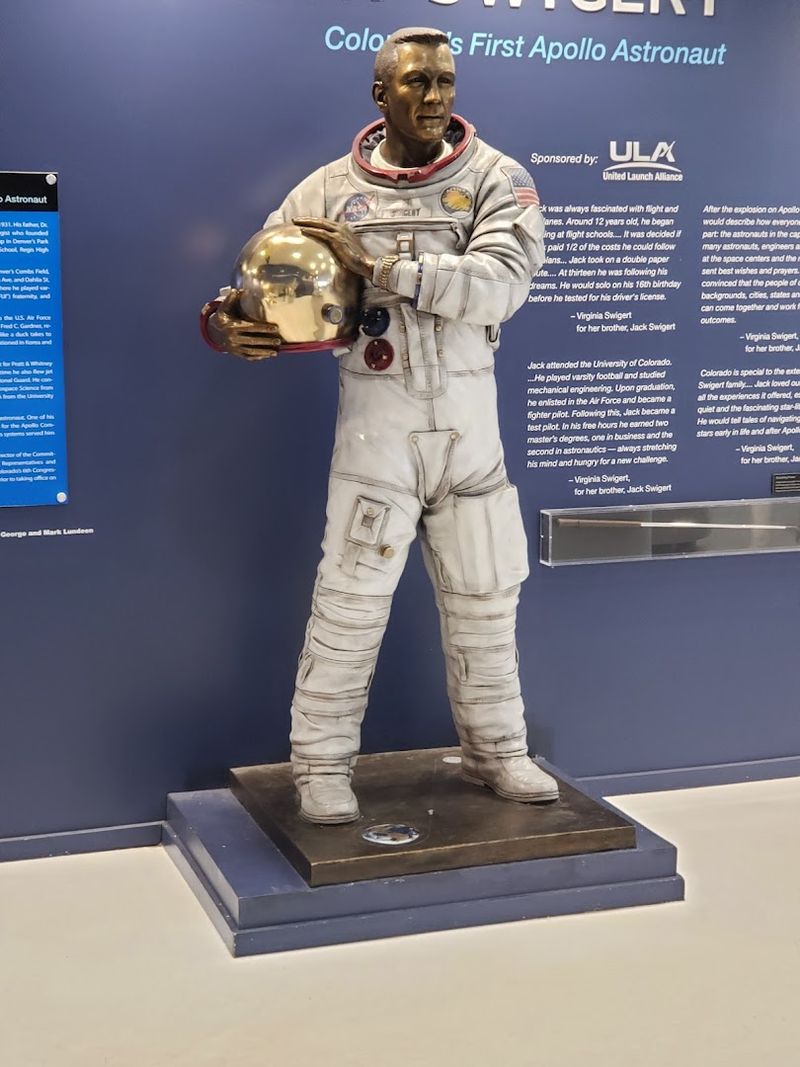
Keep your eyes open for the space exploration section, which features artifacts and displays that shift the focus from the skies above Colorado to the universe beyond. It’s a seamless transition that broadens the scope of the visit without losing the thread of the main story.
The Museum Lets You Explore at Your Own Pace
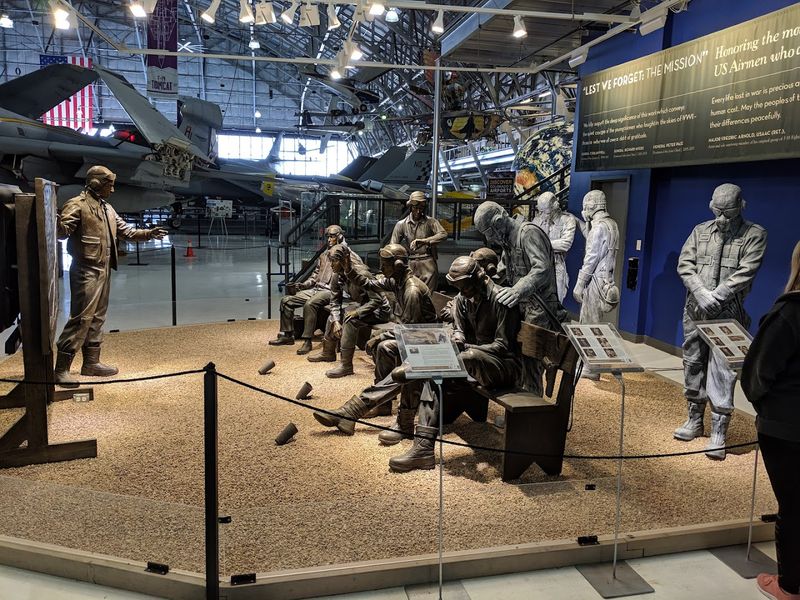
One of the best things about Wings Over the Rockies is that it doesn’t force you into a single experience. The layout is open and intuitive, which means you can follow the main path, double back to something that caught your eye, or spend thirty minutes in one spot talking to a volunteer docent without feeling like you’re falling behind.
There’s no audio tour dictating your pace — just you and the planes. Free walk-up guided tours are available on Fridays, which is a great option for visitors who want a bit more structure and context without booking anything in advance.
The guides are typically knowledgeable volunteers with personal connections to aviation, and their stories add texture to the displays that no placard can fully replicate. Showing up on a Friday without a plan can turn into one of the most memorable parts of the visit.
For those who want a fully hands-on experience, the flight simulators are not to be skipped. The museum offers simulators that let you select from a range of aircraft and actually fly over Colorado’s Front Range in a virtual cockpit.
It sounds like a novelty, but the experience is surprisingly immersive — the kind of thing that turns skeptics into believers mid-flight.
Sensory-friendly hours are also offered on select days, making the museum genuinely accessible for families with children who benefit from a quieter environment. That kind of thoughtfulness in programming reflects how seriously the museum takes being a space for everyone, not just aviation insiders.
Plan on at least two hours if you want to cover the main floor and a few side rooms. Three hours gives you time to linger, chat with staff, and try a simulator without feeling rushed.
What To Know Before Spending an Afternoon Here
Wings Over the Rockies is located at 7711 E Academy Blvd in Denver’s Lowry neighborhood — a former military base that still carries the quiet dignity of its history. Parking is available on site and is generally easy to find, which is a genuine relief compared to some of Denver’s busier attractions.
The surrounding neighborhood is walkable and pleasant, with restaurants nearby that make it easy to turn the visit into a full afternoon out.
The museum is open Tuesday through Saturday from 10 AM to 5 PM and on Sundays from 12 PM to 5 PM. It is closed on Wednesdays.
Admission is reasonably priced for what you get, and the museum occasionally offers free entry days that are worth checking for on their official website at wingsmuseum.org. Booking tickets in advance online can save time at the door, especially on busier weekends.
Staff are consistently described as friendly and helpful, and the volunteer docents are a genuine resource if you want to go deeper on any particular aircraft or exhibit.
Restrooms are clean and well-maintained, which matters more than it sounds on a long visit. The space is also large enough that it never feels overcrowded, even on popular days.
Strollers and wheelchairs can navigate the main floor without issue.
One practical tip: wear comfortable shoes. The hangar floor is hard and the exhibits are spread across a large area, so you’ll be on your feet for most of the visit.
Bringing a light layer is also smart — the hangar can run cool regardless of the season outside.
Why This Museum Feels More Personal Than Most
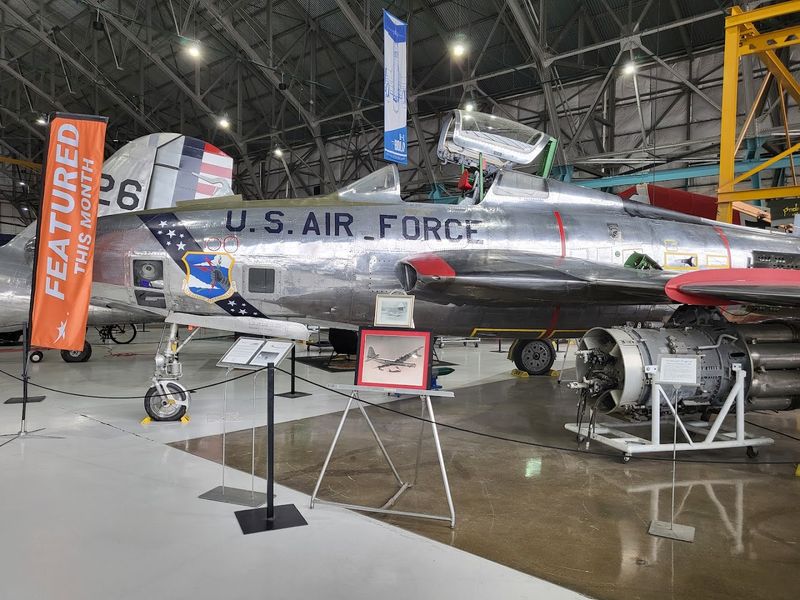
A lot of museums put planes behind ropes and call it a day. Wings Over the Rockies takes a different approach — one that puts visitors as close to the aircraft as safely possible, adds video interviews with actual pilots, and staffs the floor with volunteers who have real stories to tell.
That combination of access, storytelling, and human connection is what separates this place from a standard exhibit hall.
The historic setting matters more than it might seem. Being inside an actual WWII-era military hangar rather than a purpose-built museum building gives the whole experience an authenticity that’s hard to manufacture.
The space has memory, and that memory makes every aircraft feel more significant simply by being there alongside it.
The programming calendar is another standout element. Beyond regular museum hours, Wings Over the Rockies hosts candlelight concerts, industry events, private gatherings, and community programs that bring entirely different audiences into contact with aviation history.
A concert held among bomber planes is an experience that sticks with you — the music sounds different when you’re surrounded by machines built for a different kind of sky.
The museum also takes education seriously, offering resources and exhibits designed to engage younger visitors without dumbing anything down.
Kids leave knowing more than they expected to, and adults often find themselves genuinely surprised by how much they didn’t know going in. That’s the mark of a well-designed museum.
There’s also a sense of ongoing mission here. Restoration projects, community partnerships, and a constantly evolving collection mean the museum isn’t static. Returning visitors reliably find something new, which is a rare quality in an institution of this size and focus.
The Denver Neighborhood Around It Is Worth Exploring Too
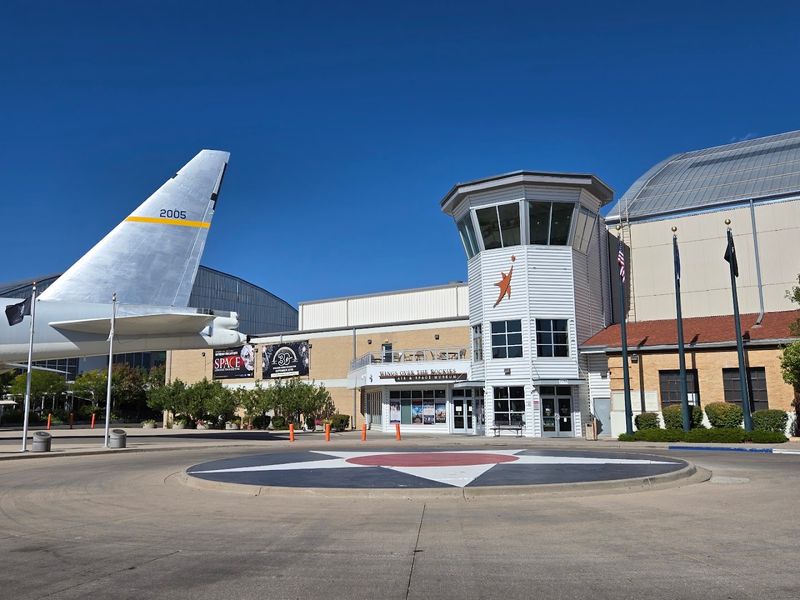
The Lowry neighborhood surrounding Wings Over the Rockies is one of Denver’s more underappreciated spots, and pairing a museum visit with time in the neighborhood makes for a genuinely satisfying full day.
Several well-regarded restaurants sit just steps from the museum entrance, ranging from casual lunch spots to places worth lingering over dinner. Post-museum meals have become something of a tradition for repeat visitors who know how to work the neighborhood.
The former base grounds themselves are worth a slow walk if time allows. Historic buildings from Lowry’s military days still line some of the streets, giving the whole area a layered quality — part residential neighborhood, part open-air history lesson.
Walking the blocks after a museum visit adds context to everything you just saw inside the hangar. For families, the combination of the museum and the surrounding outdoor space makes it easy to keep kids engaged before and after the exhibit.
There’s room to run, things to look at, and enough variety in the neighborhood to keep energy levels up through the afternoon. It’s the kind of outing that doesn’t require military-level planning to pull off successfully.
Groups visiting for special events — concerts, corporate gatherings, or private tours — will find the venue uniquely memorable.
There aren’t many places in Denver where you can hold a meeting in the shadow of a Cold War-era bomber or attend a concert surrounded by aircraft that once flew combat missions. The novelty never quite wears off.
Whether the visit lasts two hours or stretches into an evening, Wings Over the Rockies anchors a Denver experience that’s hard to replicate anywhere else in the state. Plan it well, take your time, and let the planes do the talking.
Share this story