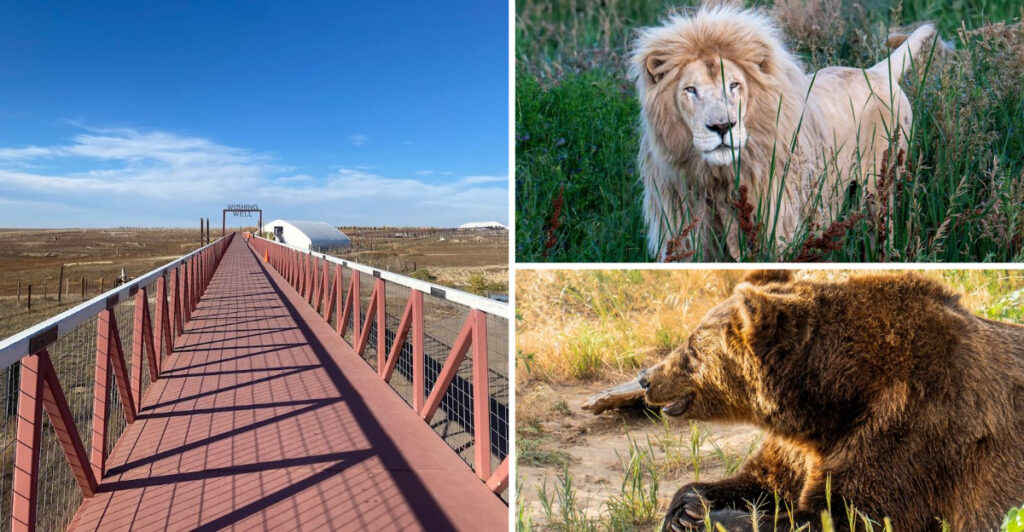
The Wild Animal Sanctuary in Keenesburg, Colorado, offers one of the most unexpected wildlife experiences in the state, and it feels completely different from a traditional zoo the moment you arrive. Set across wide-open prairie outside Denver, the sanctuary uses elevated walkways that let visitors look out over enormous habitats where rescued lions, tigers, bears, and wolves roam far below.
The fences fade from view, the landscape opens up, and the whole experience feels more immersive and reflective than performative. Instead of crowded exhibits, you get space, quiet, and a powerful reminder of what these animals need to thrive. If you want a Colorado attraction that feels memorable, emotional, and genuinely different, this one absolutely stands apart.
The Catwalk That Changes the Whole Scene
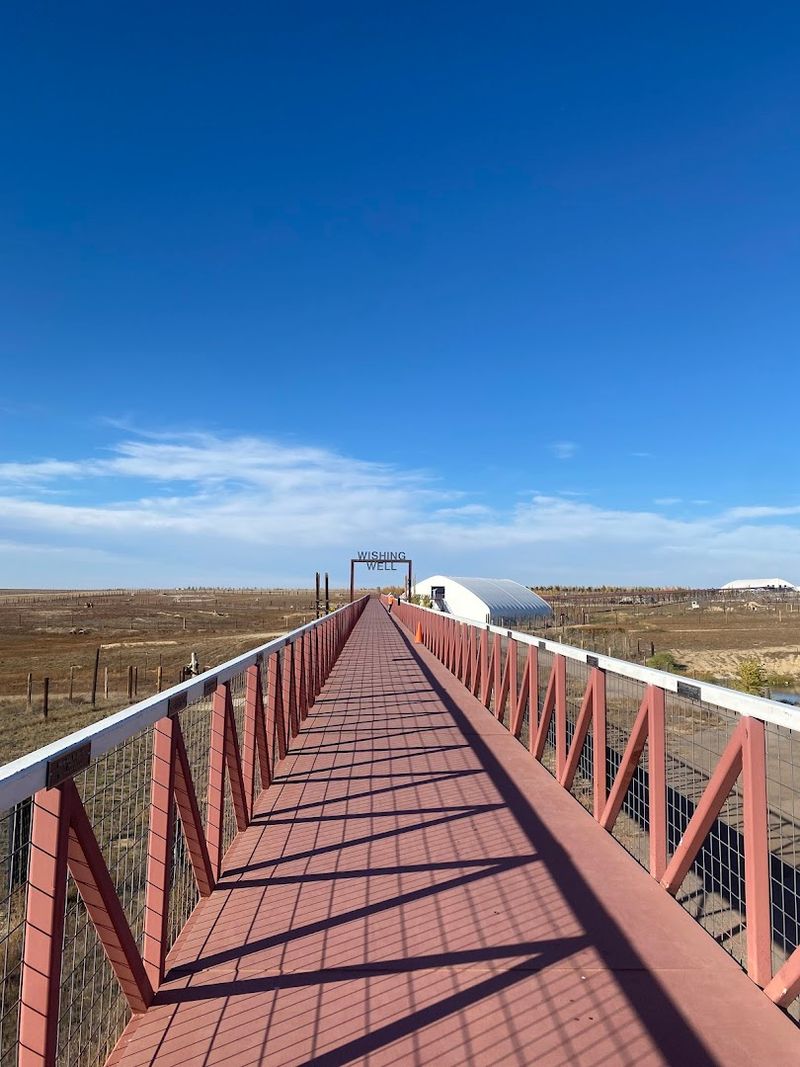
The first surprise here is architectural, not animal. Instead of pressing your face to glass or peering through tight fencing, you step onto an elevated walkway that carries you above the habitats and shifts your entire point of view.
The land opens immediately, with long bands of grass, water features, and big enclosures that read more like open range than a conventional animal facility.
That change in elevation matters more than you might expect. Looking down from above gives the animals room to move without the constant pressure of people crowding the edge, and it gives you a broad, uninterrupted scan across the prairie.
On a clear day, the scene can register more like a distant safari landscape than a stop along a Colorado county road.
The walkway itself is a major part of the experience, stretching roughly 1.5 miles one way, or about 3 miles round trip.
That distance encourages a slower pace, which is exactly the right approach here because animals may be resting far out in the grass, crossing between shade and sun, or gathered near ponds and shelters. This is not a place to race through in an hour and call it done.
Even the soundscape plays differently from a standard zoo. Wind moves across the plains, conversations drop lower, and the spacing between habitats creates a calmer rhythm as you walk.
By the time the first lion comes into view below, the sanctuary has already made its point: the design puts space first, and everything you notice afterward becomes sharper because of it.
Where Colorado Starts Looking Like Open Savannah
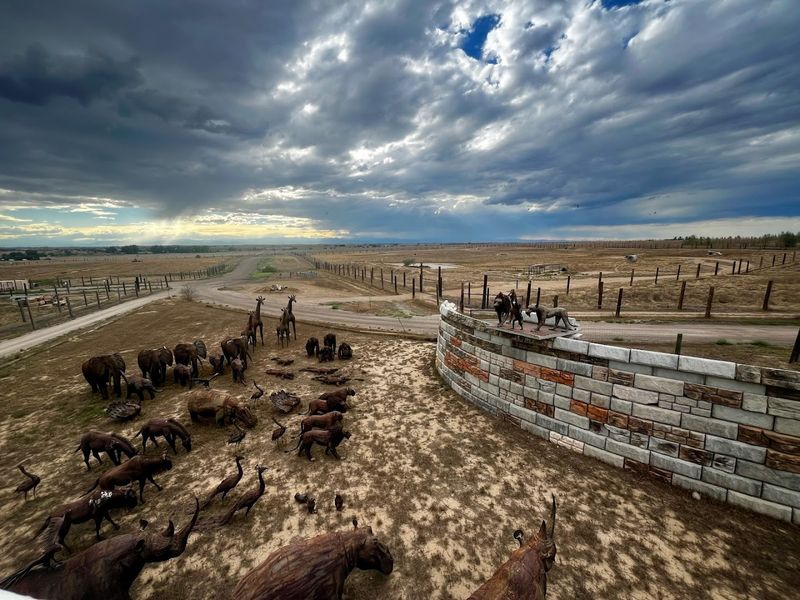
Plenty of places promise a wild setting, but this one earns attention through scale and sightlines. The Keenesburg property spreads across rolling grasslands, and that terrain creates an unexpectedly savannah-like visual effect, especially when tawny lions are stretched across pale earth or moving through tall dry grass.
Colorado is still unmistakably Colorado, yet the resemblance appears in flashes that catch you off guard. The trick is not that the sanctuary copies Africa with themed scenery or decorative tricks.
It relies on open land, distance, weather, and habitat design that allows animals to occupy big spaces with ponds, shade structures, and room to roam.
When multiple lions are visible across one broad enclosure, the eye reads the scene differently than it would in a compact exhibit.
That visual illusion gets stronger the longer you stay still. A group of cats can appear as tiny shapes at first, then resolve into individual bodies as they stand, reposition, or settle again near grass and water.
Because the habitats range across several acres, the animals are not always centered for you, which oddly makes every sighting more memorable.
There is also a practical upside to this huge-landscape effect. You are seeing rescued animals in spaces designed for comfort and dignity rather than constant close-up display, and that changes the mood of the visit.
Instead of asking how near you can get, the better question becomes how much of their behavior you can catch when they have room to choose where to be.
Lions, Tigers, Bears, and the Pause Between Sightings
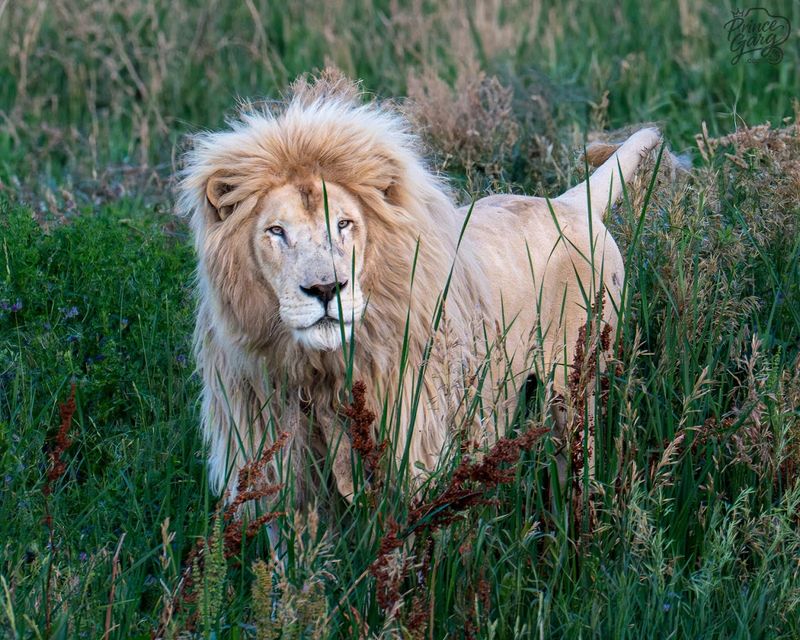
The headline animals are exactly the ones you hope for: lions, tigers, bears, wolves, and other large carnivores living in roomy habitats below the walkway. But the real thrill is not simply checking species off a list.
It is the spacing between sightings, that moment when you scan the grass, spot movement, and realize a tiger has been there the whole time.
This sanctuary is home to rescued animals, many of them coming from abuse, abandonment, illegal possession, or exploitation. That context matters because it reframes the encounter from spectacle to recovery.
You are not looking at performers or props for entertainment, but animals that now have room, care, and a permanent place to live.
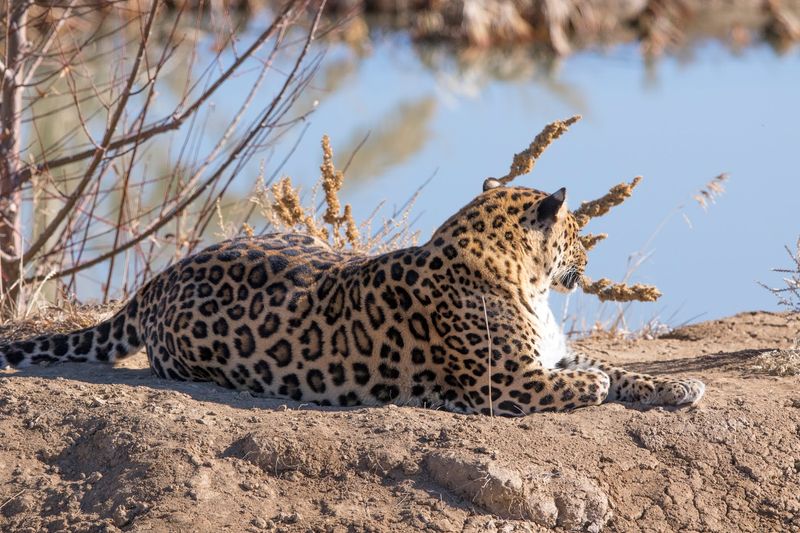
Different species create completely different viewing rhythms. Lions often command the horizon with group presence and sheer visual drama, while tigers can blend into shade and emerge with almost theatrical timing.
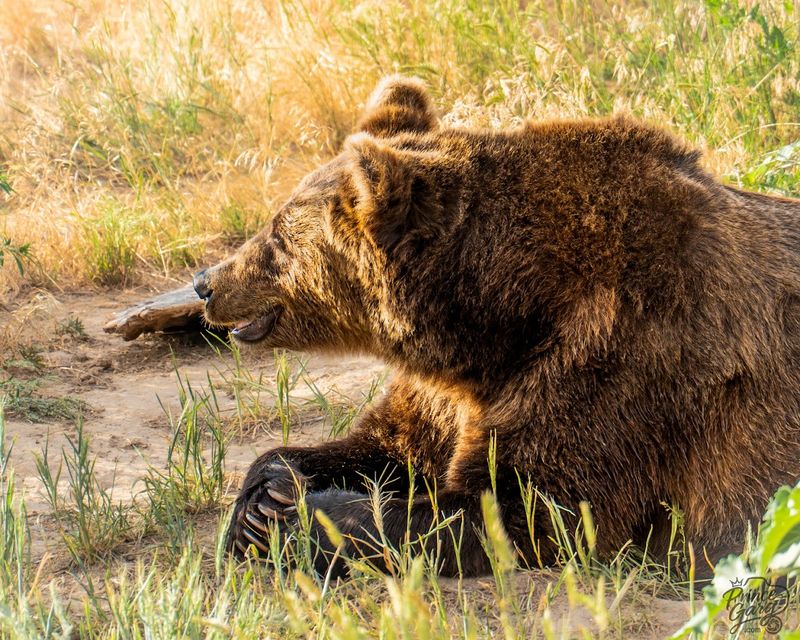
Bears bring another kind of energy altogether, especially when they move through water, dig into the ground, or wander with the unhurried confidence of an animal that finally has space.
Then there are the wolves and smaller surprises that reward patience. Watching social animals interact from a respectful distance can be more compelling than any close encounter because you are observing patterns rather than poses.
The sanctuary never guarantees a perfectly staged look at every resident, and that unpredictability is part of the appeal: you keep paying attention because the landscape is active even when it appears still.
The Rescue Mission Gives the Visit Its Weight
Without the sanctuary’s mission, the scenery would be impressive but incomplete. This place was established in 1980 and exists to rescue captive wild animals that cannot simply be released into the wild, then provide lifelong homes built around space, safety, and species-appropriate care.
That purpose gives every habitat a different kind of meaning the moment you understand why the animals are here.
The educational side is present, but it does not swamp the visit with guilt or lecture-heavy messaging. Instead, the rescue context works in the background as you walk, helping connect the scale of the property to the scale of the problem it addresses.
The broader issue of captive wildlife becomes part of the experience as you move through the sanctuary, which adds depth without turning the experience into a classroom exercise.
That balance is one of the strongest parts of the place. You can admire a lion stretched in sunlight, then remember that this animal is here because somebody once kept a powerful wild creature in conditions that failed it.
The contrast between past confinement and current open habitat gives the landscape moral weight without requiring dramatic wording.
It also explains why the sanctuary does not behave like a conventional attraction built around guaranteed visibility. Animal comfort comes before visitor convenience, and the setup makes that clear through distance, habitat design, and the quiet pace of observation.
By the time you are halfway down the walkway, the point lands cleanly: this is a refuge first, and that is exactly why the experience stands out so strongly.
Best Strategy for Seeing More in Keenesburg, Colorado
If you want the strongest visit, treat this place like a long outdoor observation walk, not a quick roadside stop. The full walkway is about 3 miles round trip, and the smartest plan is to give yourself enough time to move slowly, stop often, and scan every habitat on both the outward and return walks.
Rushing guarantees you will miss animals that are visible only after a few extra seconds of looking. Bring comfortable shoes and dress for open-weather Colorado conditions, because wind, heat, and seasonal shifts all affect how the walk feels and how active the animals may be.
Binoculars or a monocular make a real difference here since some residents may be resting far out in the grass or near water. A slower eye almost always beats a faster pace.
Timing also matters, though there is no single perfect hour that promises nonstop action. Cooler parts of the day can improve your chances of seeing more movement, while hotter periods may send big cats into shade and reduce visible activity.
That said, this is a sanctuary, not a performance schedule, so flexibility is part of the deal. It is also worth planning mental energy, not just walking stamina.
The route rewards patience, repeated scanning, and a willingness to revisit the same enclosure from a slightly different angle on the way back.
Many visitors notice entirely new animals during the return walk, which makes the second half feel less like retracing steps and more like unlocking details the prairie kept hidden the first time.
Small Details That Quietly Upgrade the Whole Experience
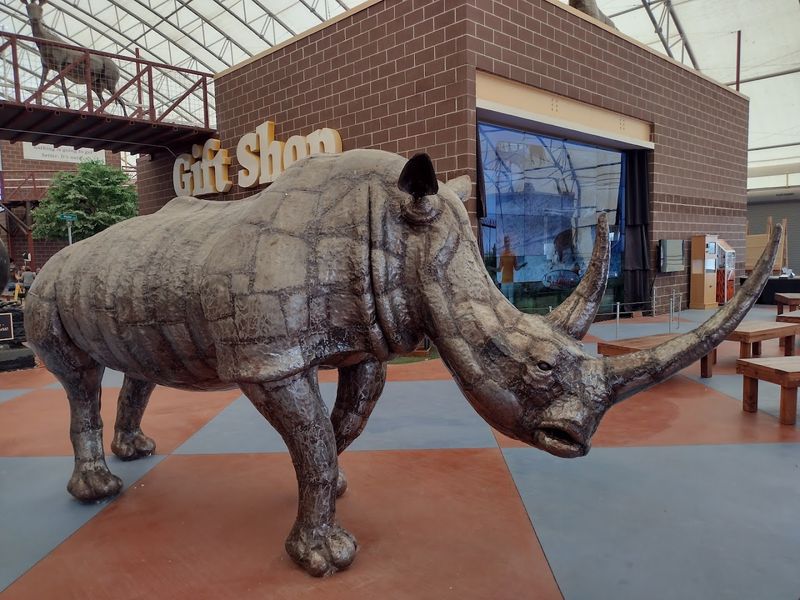
One reason this sanctuary works so well is that the supporting details stay useful without stealing attention from the animals.
The long elevated route is accessible enough to make the experience less intimidating than its mileage might suggest, and along the way you encounter practical pauses that help break up the walk.
That matters because a place built around observation needs comfort, shade, and breathing room for people too.
There is also an understated rhythm to the amenities. Instead of crowding the route with gimmicks, the sanctuary lets the infrastructure serve the visit with rest points, food and drink options near key areas, and informational material that adds context when you want it.
You are never forced into a museum-style march, yet you are also not left wandering without guidance. Another strength is how the elevated design keeps the human side orderly while preserving a calmer environment below.
Visitors can stop, look, and talk without pressing directly against habitat boundaries, which makes the whole place feel more respectful and less frantic.
That separation creates a better viewing experience precisely because it reduces the usual noise and jostling you get in many animal attractions.
Even the return walk benefits from these small planning choices. You can pause, reset your focus, and head back with a different scanning pattern instead of dragging through the second half.
In a destination defined by large spaces and subtle animal movement, those modest conveniences are not throwaway extras – they are part of why the sanctuary remains engaging for the full distance.
Why This Sanctuary Stands Apart After the Last Overlook
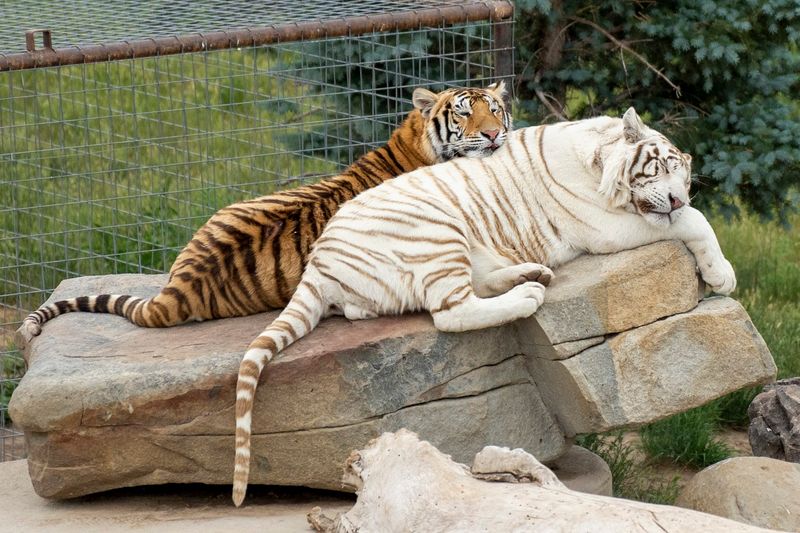
By the end of the walk, the sanctuary separates itself for a reason that is bigger than any single animal sighting. It combines a dramatic visual setting with a rescue mission that is easy to understand the moment you see how much land the residents are given.
That pairing stays with you because the place is built around a different priority than most wildlife stops. The scale is part of the story, of course.
The Keenesburg location spans a huge stretch of grassland, and the broader organization operates on an even larger footprint across Colorado, housing hundreds of rescued animals.
Yet numbers alone are not what linger most strongly after a visit; it is the relationship between space, quiet, and the animals’ ability to exist without performing for the crowd.
That is where the sanctuary leaves its sharpest impression. The elevated walkway lets you witness lions, tigers, bears, wolves, and other residents in a way that feels observational rather than intrusive, and the landscape does much of the storytelling without flashy packaging.
You are encouraged to look harder, stay longer, and adjust expectations away from instant entertainment. Plenty of destinations can offer novelty.
Very few can deliver a scene that looks this expansive while also asking a more serious question about how wild animals should be treated once human choices have already altered their lives.
The Wild Animal Sanctuary stands out because it pairs memorable scenery with a clear purpose, and that combination gives the entire experience unusual staying power.
Share this story