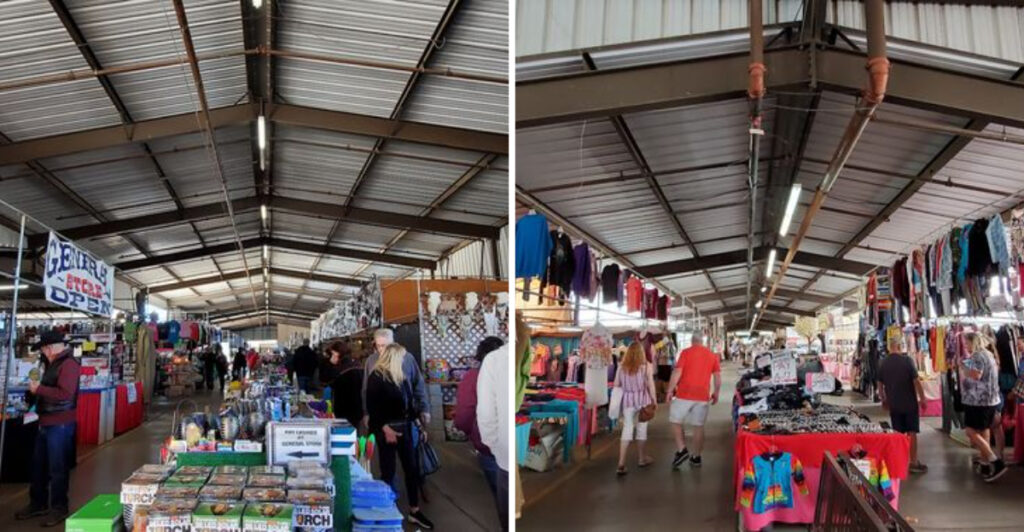
Ready to explore one of Arizona’s biggest treasure hunts without paying an entry fee? Mesa Market Place Swap Meet brings together more than 1,200 vendors, creating a lively maze of finds that range from tools and collectibles to handmade art and unique gifts.
The atmosphere stays upbeat with a bustling food court, live music, and plenty of spots to pause and recharge. You can start with breakfast, wander for hours, and still feel like there’s more to discover. It’s part shopping trip, part local experience. Here’s how to make the most of your visit—and eat well along the way.
Your Game Plan for Conquering the Market
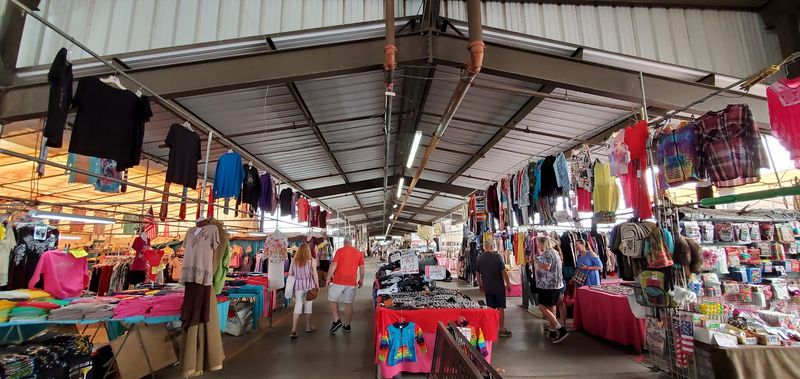
The smartest way to tackle a place this size is to treat it like a mission, not a sprint. Arriving early gives you a noticeable advantage—the air is cooler, the aisles are easier to move through, and vendors are often more relaxed and chatty before the late-morning rush kicks in.
Right from the entrance, the layout begins to make sense once you pick a simple strategy, and a zigzag approach works best if you want to cover ground without doubling back too much. It helps to mentally anchor yourself to a recognizable booth or sign near the front so you always have a reference point when everything starts to blend together.
As you move deeper, the variety builds quickly, and that’s where pacing becomes important. Instead of grabbing the first thing that catches your eye, take a quick first lap to scan what’s out there, then return to the pieces that actually stick with you.
Carrying small bills makes transactions smoother, especially when you decide to negotiate or bundle items. A reusable tote or lightweight bag will quickly prove essential, because even the most disciplined shoppers end up picking up more than expected.
The trick is to stay curious without getting overwhelmed, and once you find your rhythm, the entire market starts to feel less like chaos and more like a well-paced treasure hunt.
Breakfast, Snacks, and Live Music Vibes
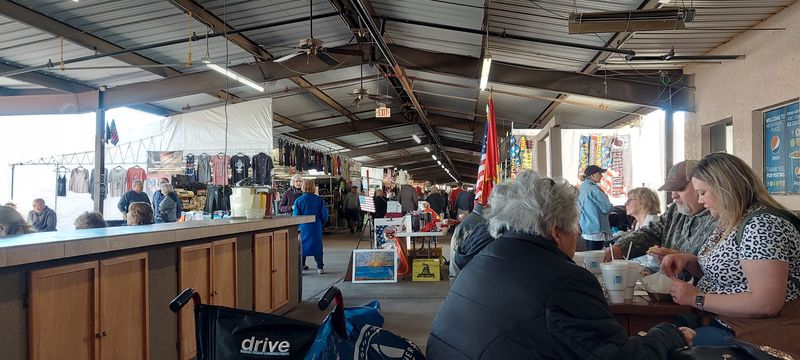
Before the shopping really kicks into gear, the food scene sets the tone for the entire visit. Early in the day, the scent of hot griddles and fresh coffee pulls people toward the food court, where breakfast isn’t just a quick stop—it’s part of the experience.
Plates come out generous and satisfying, from hearty omelets to grab-and-go pastries that pair perfectly with a strong cup of coffee. The seating area becomes a natural meeting point, especially once live music starts filling the space with a laid-back, familiar energy that makes it easy to linger longer than planned.
Timing matters here, because lines build quickly as the morning crowd grows, so grabbing something to eat sooner rather than later keeps the day flowing smoothly. Hydration is just as important, especially under the Arizona sun, and having water on hand makes a noticeable difference once you’re back weaving through the aisles.
As the day moves forward, snack options keep the momentum going without slowing you down, and the variety makes it easy to satisfy different tastes if you’re visiting with a group. The combination of food, music, and movement gives the market a steady rhythm that feels more like a weekend hangout than a typical shopping trip.
What You Will Actually Find Here
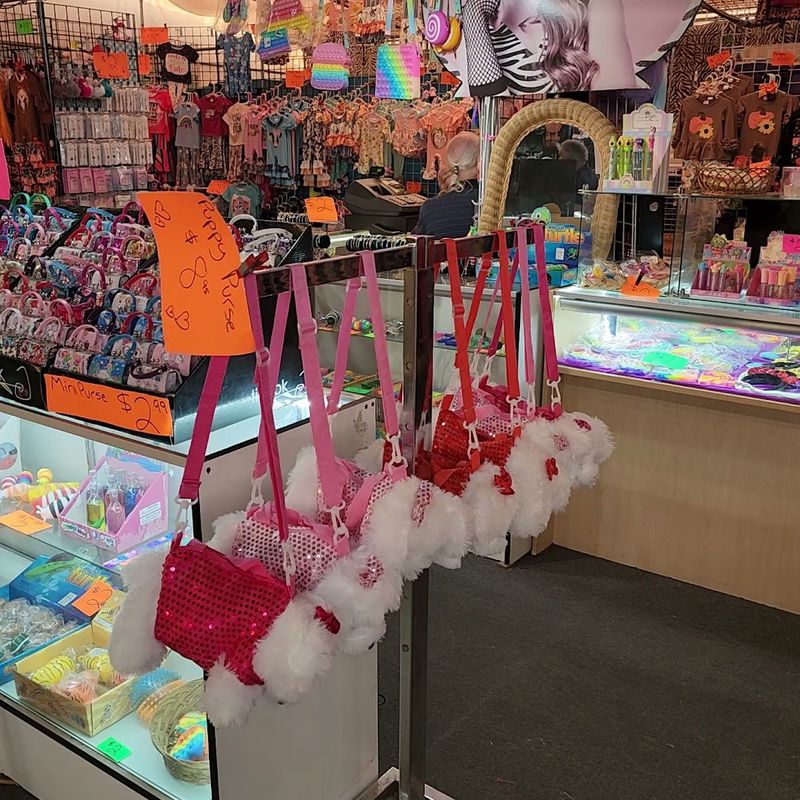
Walking through the aisles feels a bit like flipping channels—every few steps, the scene changes completely. One booth might be stacked with sturdy tools and practical gear, while the next bursts with colorful clothing, handmade jewelry, or decorative pieces that feel completely one-of-a-kind.
That constant shift is what keeps people engaged, because you never quite know what’s coming next. Some vendors specialize in handcrafted items, bringing a personal touch to everything from woodwork to custom art, while others focus on everyday essentials that somehow feel more interesting in this setting.
Plants and outdoor décor add a refreshing pop of green, especially against the desert backdrop, and collectible tables tend to draw in visitors who enjoy taking their time inspecting details. You’ll notice that certain categories repeat across different aisles, but that actually works in your favor—it gives you the chance to compare quality, pricing, and style before committing to a purchase.
Demonstrations occasionally pull small crowds, turning a simple product into something more interactive and easier to understand. The key is to stay observant and willing to explore, because the most memorable finds are often tucked between the expected ones, waiting for someone patient enough to notice.
Insider Timing, Weather, and Comfort Moves
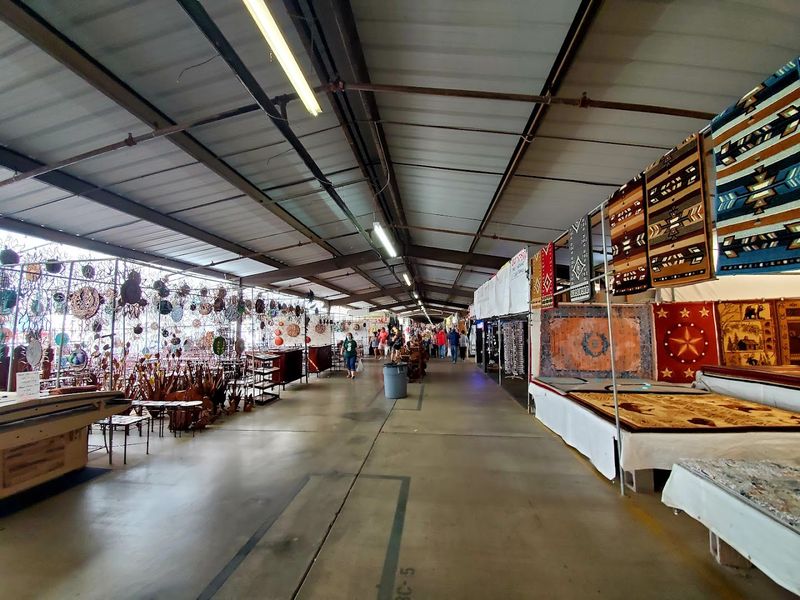
Getting the timing right can completely change how the market feels from start to finish. Early hours tend to be calmer and easier to navigate, giving you space to browse without feeling rushed, while mid-morning brings a noticeable uptick in energy as more visitors arrive and the atmosphere becomes livelier.
Arizona’s climate adds another layer to the experience, and even with shaded walkways, preparation makes a difference. Lightweight clothing, comfortable shoes, and a bit of sun protection go a long way when you’re covering this much ground.
The temperature can climb faster than expected, so having water on hand isn’t optional—it’s essential. Instead of pushing through nonstop, short breaks help reset your focus and keep the day enjoyable rather than exhausting.
Shaded seating areas and the food court offer easy places to pause, regroup, and decide what’s worth revisiting. Some visitors prefer to break the trip into smaller loops rather than tackling everything at once, which keeps energy levels steady and decisions sharper.
Paying attention to how the day unfolds—both in terms of weather and crowd flow—lets you adjust on the fly, making the entire visit feel more relaxed and manageable without missing out on the best parts.
Smart Bargaining Without The Awkwardness
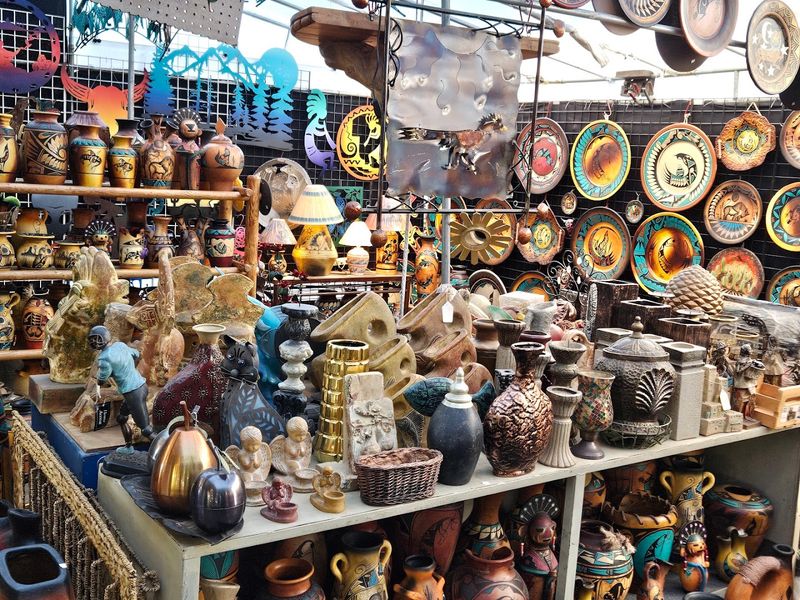
Negotiating prices here feels less like a tense exchange and more like part of the conversation. Vendors are generally open to reasonable offers, especially when you approach them with a friendly attitude and genuine interest in what they’re selling.
Starting with a simple question about the item often opens the door naturally, making it easier to ease into a discussion about price without it feeling forced. Bundling items is one of the easiest ways to land a better deal, since buying more than one piece gives vendors a reason to work with you on the total.
Cash tends to simplify things, particularly when you have smaller bills ready to go, because it signals you’re prepared to complete the purchase on the spot. At the same time, not every item needs to be negotiated—many are already priced fairly, especially handmade or higher-quality goods.
If you’re unsure, taking a moment to compare similar items across different booths gives you a clearer sense of value before committing. Respect goes a long way in this environment, and even a polite pass keeps the interaction positive. The overall vibe stays easygoing, which makes the experience enjoyable whether you strike a deal or simply keep moving.
Navigating Aisles, Landmarks, and Parking Like a Pro
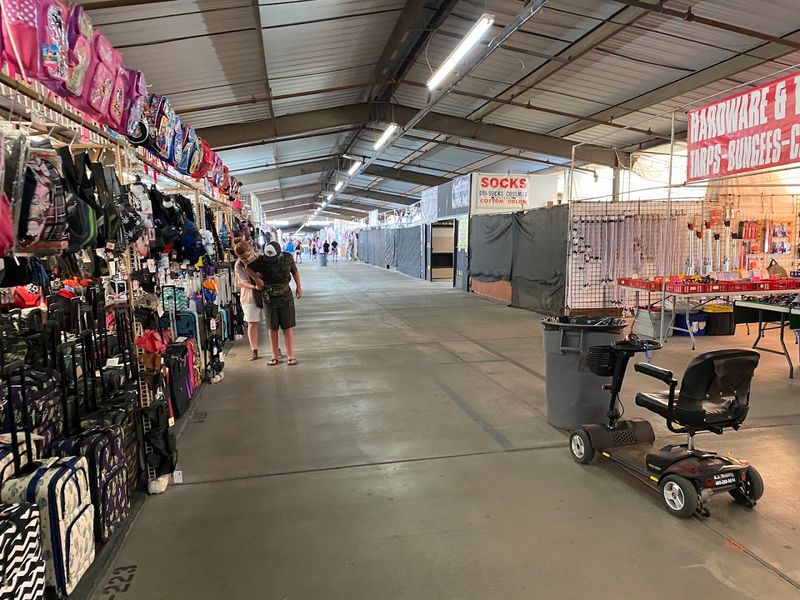
Once you’re a few rows in, the market can start to feel endless, which is why having a simple navigation strategy makes a big difference. Choosing a recognizable landmark—whether it’s a standout booth, a sign, or the food court—gives you a reliable point to return to whenever things start to blur together.
Moving through the aisles in a consistent pattern helps reduce backtracking, and snapping quick photos of interesting booths or price tags can save time when you want to return later. Parking is generally straightforward, but arriving earlier makes it easier to find a spot closer to the entrance, while parking slightly farther out can make leaving at peak times much quicker.
If you’re planning to buy larger items, some vendors are willing to hold purchases until you’re ready to head out, which keeps you from carrying everything around all day. The layout becomes easier to read the longer you’re there, and what initially feels overwhelming starts to click into place.
Taking a few moments to reset and reorient yourself when needed keeps the experience smooth and prevents that disoriented feeling that can come with spaces this large.
Finding Quality: How To Spot The Keepers
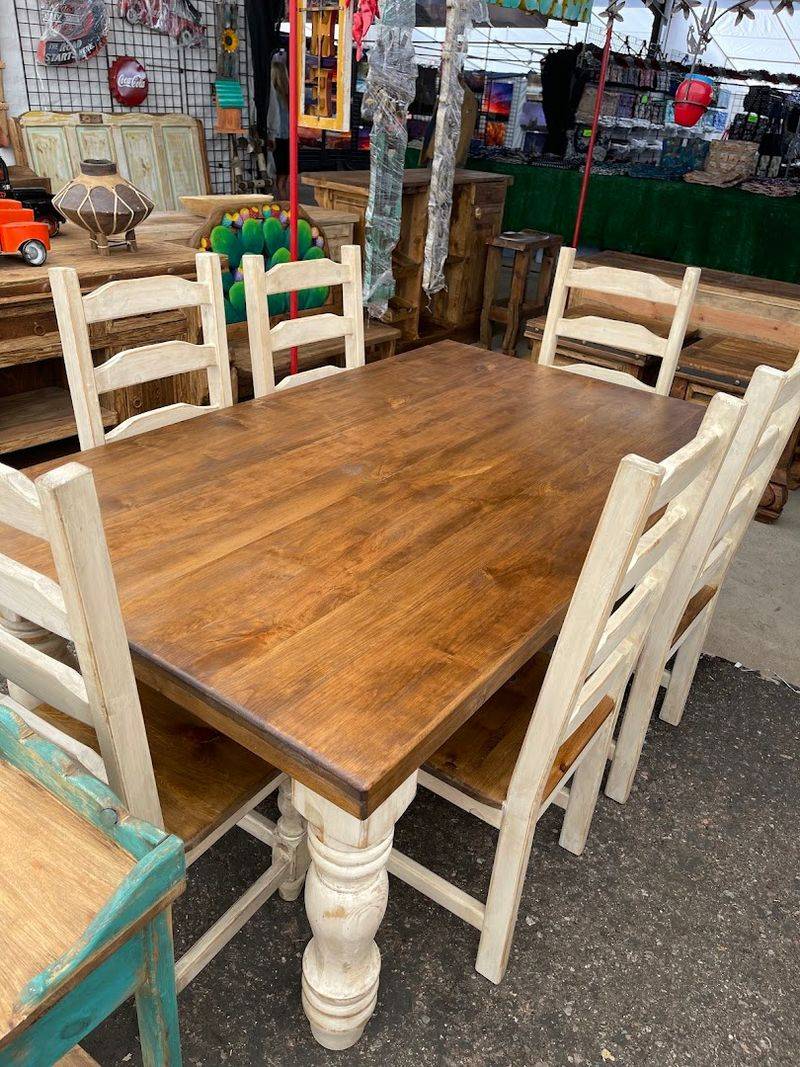
Not everything that catches your eye deserves a spot in your bag, and learning how to spot quality makes all the difference. Small details reveal a lot, whether it’s the stitching on clothing, the weight and balance of a tool, or the finish on a piece of furniture or décor.
Items that feel solid and well-made tend to stand out once you start comparing them side by side, and that’s where patience pays off. Asking a few simple questions about how something is made or how it holds up over time can give you extra confidence before buying.
Jewelry pieces are worth a closer look, especially when it comes to clasps and durability, while outdoor items should be able to handle the intense Arizona sun without fading or weakening too quickly. Demonstrations can be surprisingly helpful, turning uncertainty into clarity in just a few minutes.
Trusting your instincts is important, but backing that up with a quick comparison across similar booths helps avoid impulse decisions. The items that stick with you after walking away are usually the ones worth returning for, and that extra lap often confirms whether something is truly a great find or just a passing interest.
Why This Market Keeps People Coming Back
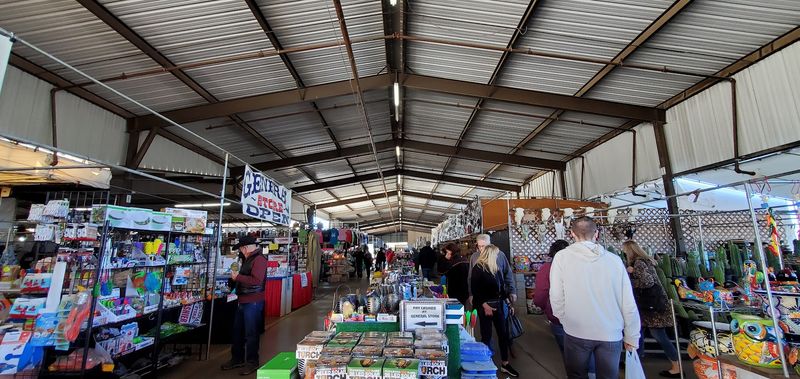
By the time you loop back toward the exit, the appeal of Market Place Swap Meet starts to click in a way that goes beyond numbers or scale. It’s not just the sheer volume of vendors or the range of products—it’s how the entire experience comes together.
The mix of casual browsing, unexpected finds, and low-pressure interactions creates something that feels more personal than your average shopping trip. You’re not rushing through aisles—you’re wandering, pausing, doubling back, and occasionally stumbling onto something you didn’t know you wanted.
What keeps it interesting is how no two visits feel exactly the same. The crowd shifts, vendors rotate stock, and timing changes the pace entirely. One day might be about hunting down something specific, while another turns into a slow, open-ended stroll with no real agenda.
That flexibility is part of the draw. You can treat it like a mission or just show up and let the place lead you. There’s also a rhythm that settles in once you’ve been a couple of times. You start to recognize certain booths, figure out where to pause, and develop your own route without even thinking about it.
It becomes familiar without ever feeling predictable. Even a short visit can leave you with something—whether it’s a great find, a good meal, or just that sense of having spent time somewhere lively and real. That’s what brings people back.
Share this story