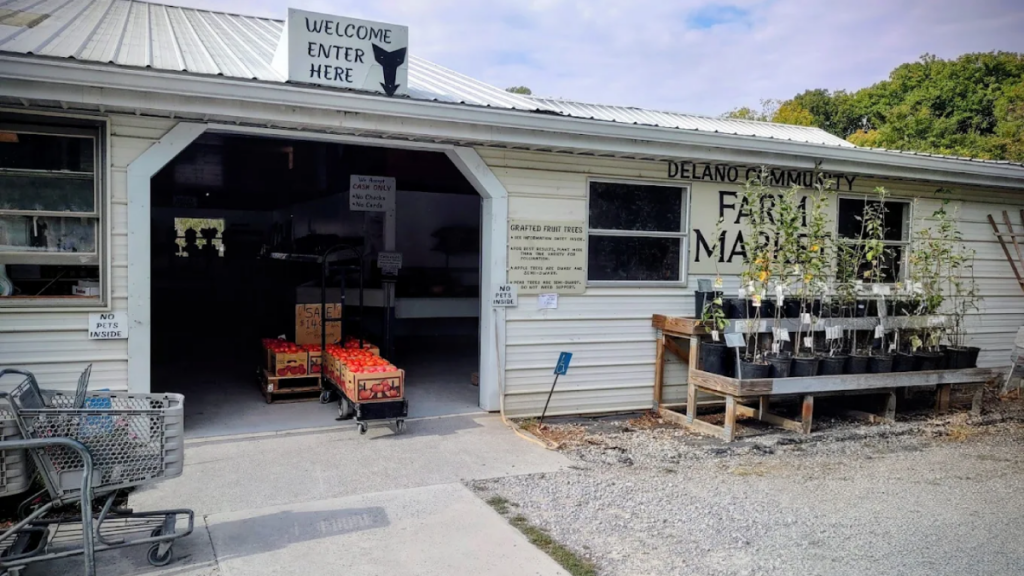
Tucked away in the rolling hills of Southeast Tennessee, Delano Community Farm Market stands as a genuine country treasure run by a welcoming Mennonite community. This isn’t your typical roadside stand—it’s a sprawling destination where farm-fresh produce, homemade baked goods, and handcrafted items fill every corner.
Whether you’re a local looking for the freshest tomatoes you’ve ever tasted or a traveler seeking an authentic slice of rural Tennessee life, this market delivers an experience that feels worlds away from the grocery store grind.
The Kind Of Country Market You’ll Want To Wander Through Slowly
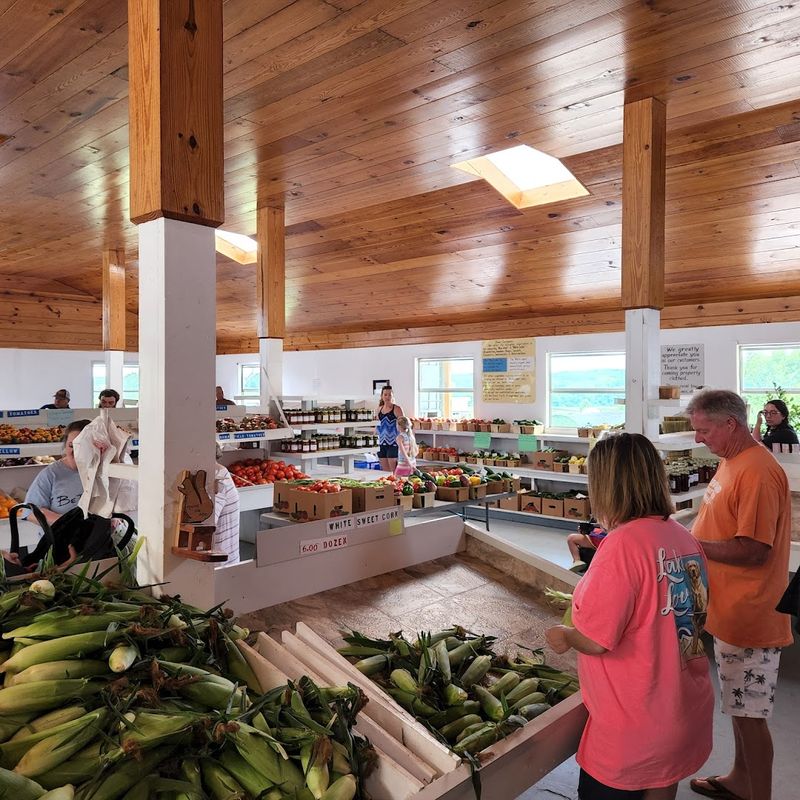
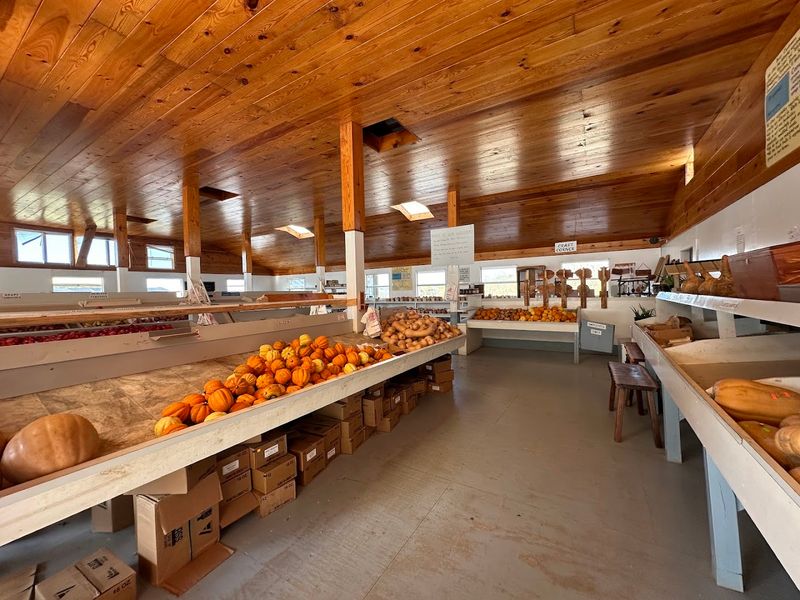
Walking into Delano Community Farm Market feels like stepping back to a simpler time when shopping meant conversation and connection. The market sprawls across multiple buildings and outdoor spaces, each area packed with seasonal treasures that change throughout the year.
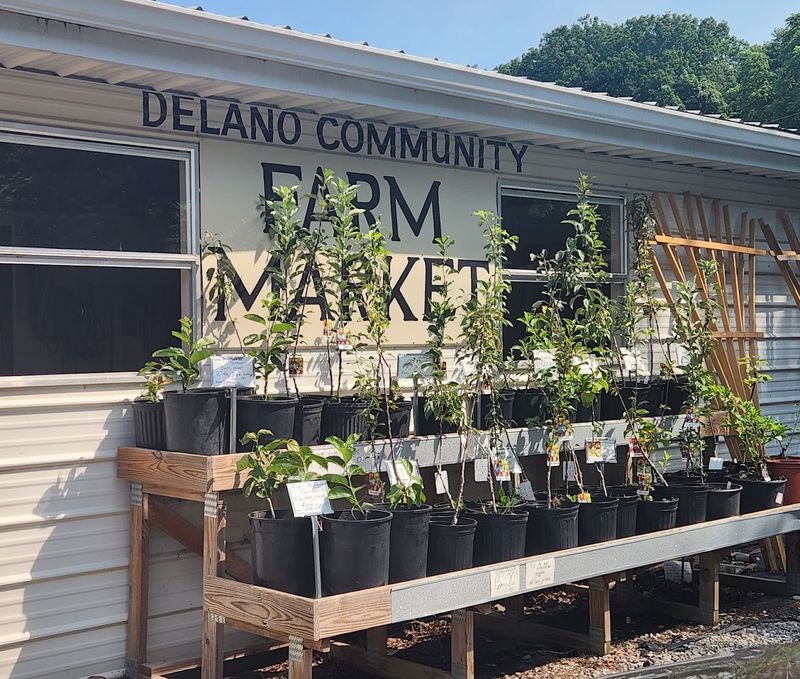
Visitors consistently mention the unhurried atmosphere that makes browsing an actual pleasure rather than a chore. The layout encourages exploration, with handcrafted furniture sitting alongside jars of homemade jam, and greenhouse plants near bins of just-picked vegetables.
The market operates Monday through Saturday from 9 AM to 4 PM, closing only on Sundays. Locals recommend arriving before lunch for the best selection, especially during peak growing season when the bins overflow with heirloom tomatoes, crisp cucumbers, and colorful peppers. The staff, including Mr. Beechie who runs the register and sells his famous sauerkraut, take time to chat about their products and offer growing tips.
Cash is king here—no credit cards accepted—so plan accordingly.
Why This Delano Stop Is More Than A Quick Grocery Run
Most people stumble upon Delano Community Farm Market by accident, then become devoted regulars who plan their weeks around market days. Located at 163-285 Needle Eye Lane in Delano, this place transforms routine grocery shopping into an experience worth the drive from Chattanooga, Cleveland, or even farther.
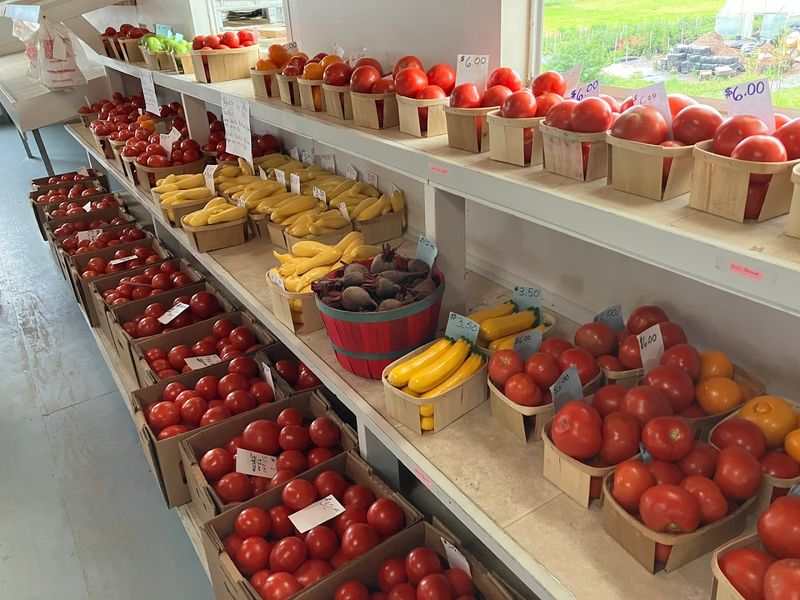
The difference comes down to freshness that supermarkets simply can’t match. Tomatoes here get picked at peak ripeness, not shipped green and gassed to fake color. Lettuce comes straight from nearby fields, and the variety of vegetables—including multiple colors and heirloom types—makes conventional grocery produce sections look sad by comparison.
In May, when most stores still stock pale winter tomatoes, Delano already offers gorgeous slicing varieties from their greenhouses.
Prices surprise first-time visitors who expect premium quality to cost premium dollars. Instead, you’ll find fair pricing that reflects the community’s values rather than corporate profit margins. A huge case of spaghetti squash goes for around ten dollars, and the overall cost of filling your basket runs significantly less than conventional stores.
The market also sells beyond produce—expect handcrafted furniture, custom-built greenhouses, picnic tables, natural soaps, shampoos, and even farm animals during special seasons. This variety means you might come for vegetables and leave with a handmade chair or starter plants for your own garden.
Start With The Shelves Of Bulk Foods And Pantry Staples
Beyond the produce bins, Delano Community Farm Market stocks an impressive selection of bulk foods and pantry essentials that home cooks and bakers treasure. Ground wheat pastry flour, cornmeal, and other grains sit ready for scooping, offering quality and freshness you won’t find in boxes that have been warehoused for months. These staples form the backbone of serious home cooking, and getting them fresh makes a noticeable difference in your final dishes.
The bulk section reflects the Mennonite community’s commitment to practical, from-scratch living. You’ll find ingredients for bread baking, canning, and preserving—the building blocks of a well-stocked pantry that supports real cooking rather than reheating processed meals. Prices stay reasonable because you’re buying direct from the source without layers of packaging and marketing costs.
Shoppers who embrace seasonal eating and food preservation find this section particularly valuable. The availability changes with harvest cycles, so what you see in spring differs from fall offerings. This connection to natural growing seasons might feel inconvenient at first, but it actually reconnects you with how food production really works.
Many regulars stock up on these staples during market visits, buying enough to last between trips. The quality justifies the drive, and storing bulk grains properly means they’ll stay fresh in your pantry.
Don’t Skip The Baked Goods, Jams, And Homemade Treats
The bakery section at Delano Community Farm Market earns rave reviews that border on poetic. Visitors specifically mention cinnamon rolls baked all the way through with perfect texture, the kind that make you question every bakery cinnamon roll you’ve ever settled for. These aren’t mass-produced pastries sitting under heat lamps—they’re made fresh using traditional methods and quality ingredients that you can actually taste.
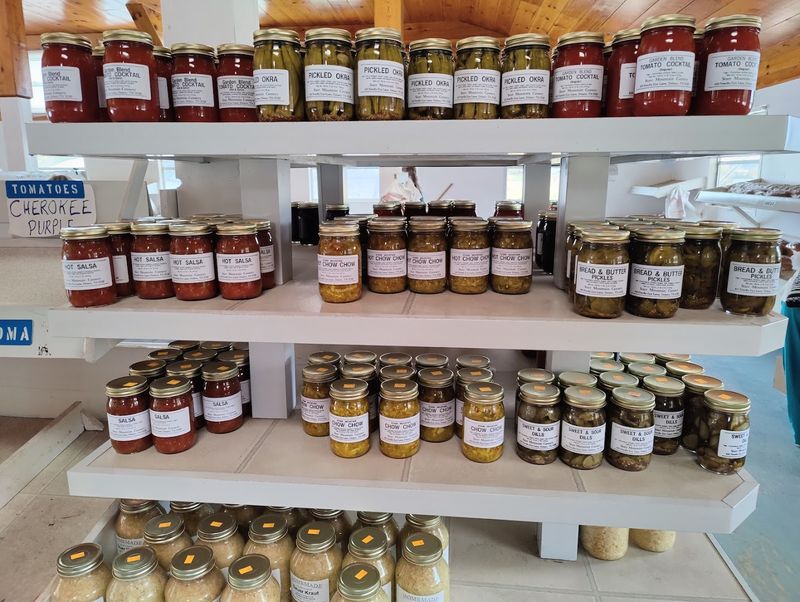
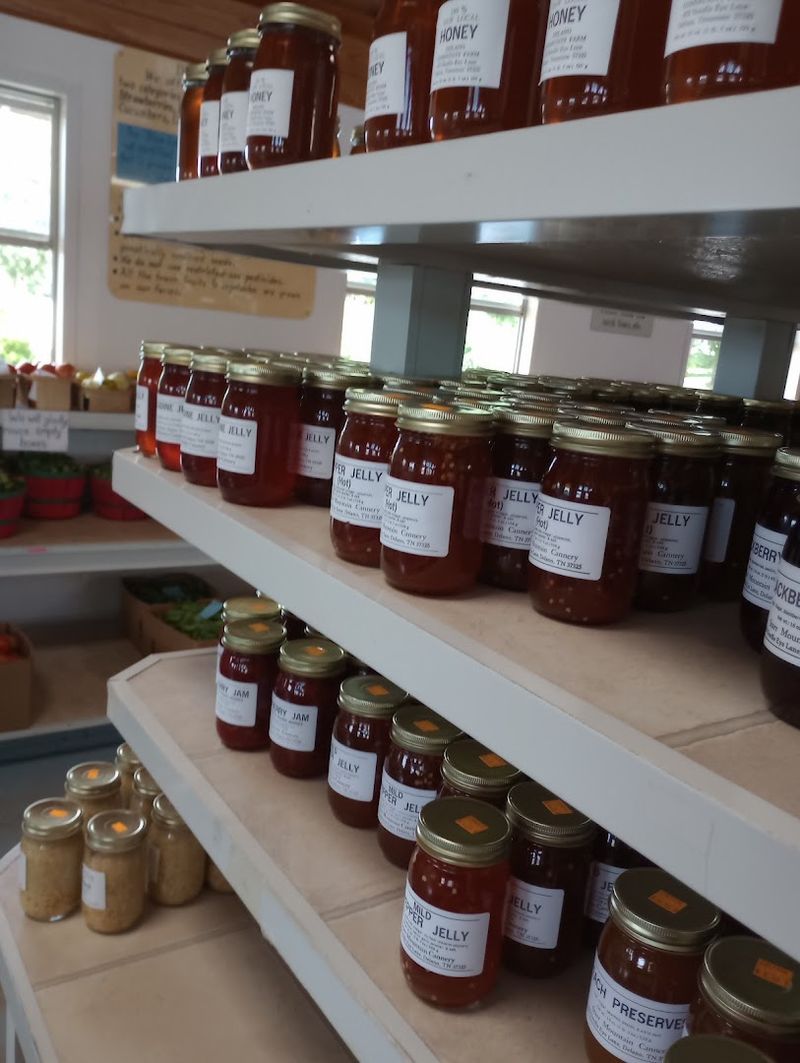
Alongside the baked goods, you’ll discover shelves lined with homemade jams, jellies, honey, and canned goods, including spaghetti sauce. Each jar represents hours of work—picking fruit at peak ripeness, cooking small batches with care, and processing everything properly for long-term storage. The flavors reflect this attention, offering intensity and depth that factory-made versions can’t replicate.
This combination of fresh produce and preserved goods means you can stock both your immediate meals and your pantry during a single visit.
The baked goods and preserves also make excellent gifts for people who appreciate real food. A jar of homemade jam or a loaf of fresh bread carries more meaning than anything from a corporate gift basket. The market’s sorghum, cookies, and other specialties offer tastes of traditional Tennessee foodways that are increasingly rare in our convenience-driven food culture.
What Makes Mennonite Markets Feel So Different
Stepping into Delano Community Farm Market introduces you to a different way of approaching commerce and community. The Mennonite families running this operation bring values shaped by faith, tradition, and a commitment to quality that prioritizes integrity over profit maximization. You’ll notice it immediately in how staff members interact—genuinely friendly, knowledgeable about their products, and willing to share information without rushing you along.
The market operates seasonally, closing for winter on a specific date rather than staying open year-round selling shipped-in produce. This honest approach to seasonal availability means what you buy was actually grown locally, not trucked in from California or Mexico. When tomato season ends, the tomatoes disappear from the bins—simple as that.
There’s no hard sell, no manipulative marketing, just a straightforward presentation of goods grown and made with care. The simplicity feels refreshing in a world of constant advertising and manufactured urgency.
Multiple reviewers mention the kindness and friendliness of everyone working at the market. This welcoming spirit isn’t a customer service technique—it’s genuine hospitality rooted in community values. The experience reminds you that shopping can be a human interaction rather than an anonymous transaction, and that connection adds value beyond what you carry home in your basket.
Turn The Visit Into A Scenic Southeast Tennessee Detour
Getting to Delano Community Farm Market requires leaving the highway and venturing into the genuine countryside of Southeast Tennessee. The drive itself becomes part of the experience, taking you through landscapes that most people only glimpse from interstate exits. Rolling hills, working farms, and mountain views remind you that Tennessee’s beauty extends far beyond its tourist-famous cities.
The market sits in an area that rewards exploration beyond just the shopping stop. Pack a cooler for your purchases, then spend the day discovering the region’s back roads, small towns, and natural areas. This part of Tennessee offers hiking opportunities, scenic overlooks, and the kind of rural character that’s increasingly rare in our developed world.
Many visitors from Chattanooga make the market a regular destination, proving that the drive—roughly 30-40 minutes depending on your starting point—offers value beyond just convenience. The journey becomes a mini-escape from city life, a chance to see how food actually grows and meet the people who grow it.
Consider timing your visit to coincide with the market’s best seasons. Spring through fall offers the widest selection, with different crops peaking at different times. The greenhouse operation means you’ll find options even in shoulder seasons when most markets have closed or scaled back dramatically.
A Few Things To Know Before You Fill Your Basket
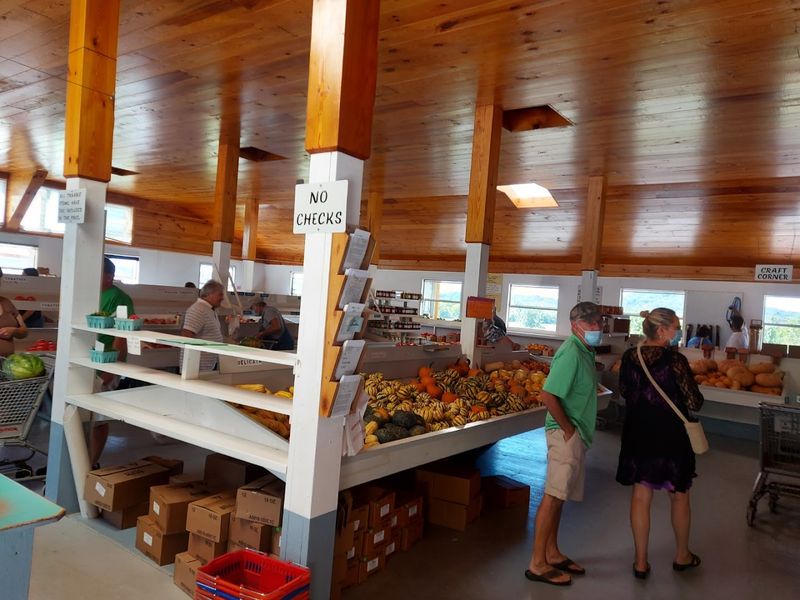
Before you load up at Delano Community Farm Market, remember the cash-only policy. No credit cards, no debit cards, no mobile payments—just good old-fashioned currency. The nearest ATM might be several miles away, so hit one before you arrive or risk leaving empty-handed despite being surrounded by things you want to buy.
This policy isn’t about being difficult; it’s about keeping operations simple and costs low, which ultimately benefits shoppers through better prices.
The market’s hours run Monday through Saturday from 9 AM to 4 PM, with Sundays off. Arriving earlier in the day, especially before lunch, gives you first pick of the best produce. Popular items sell out, and once they’re gone, they’re gone until the next harvest.
Serious shoppers know that timing matters.
Bring your own bags or boxes for transporting purchases, though the market provides some packaging. A cooler makes sense if you’re buying meat, dairy, or anything perishable and have a long drive home. The quality of produce here means it’ll last longer than supermarket equivalents, but proper handling still matters.
Be prepared for seasonal closures and availability changes. The market follows natural growing cycles rather than artificial year-round supply chains. What you find in May differs completely from the October offerings.
This variability might require flexibility in your meal planning, but it connects you to the reality of where food actually comes from and when it naturally grows in Tennessee’s climate.
Share this story