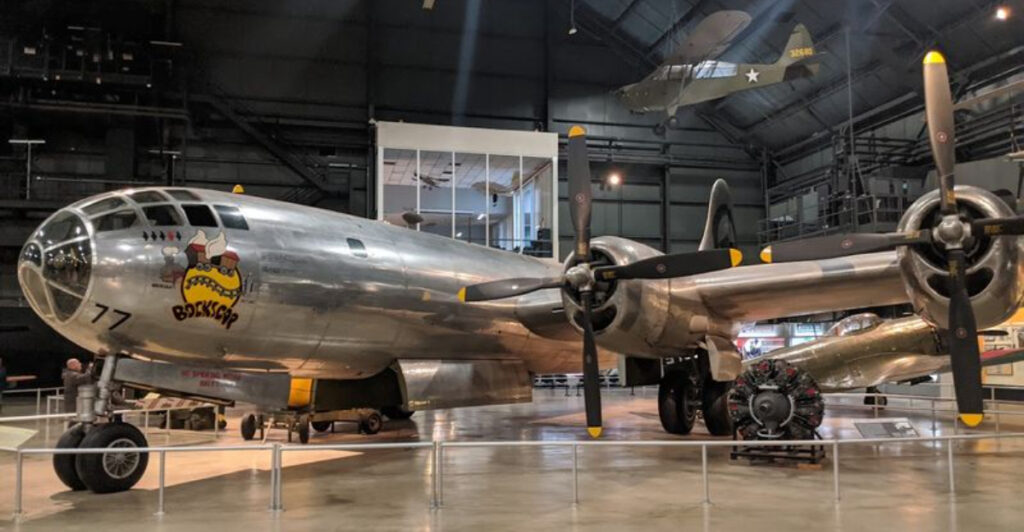
If you love places that completely exceed expectations, this Dayton gem belongs at the top of your list. The National Museum of the U.S.
Air Force is enormous, deeply moving, and somehow still free to visit, which feels almost impossible once you step inside. From legendary warbirds to presidential aircraft and space artifacts, every gallery gives you something unforgettable to look at.
If you are planning an Ohio day trip that feels bigger than a typical museum stop, this is the one.
1. It Is the Largest Military Aviation Museum on Earth
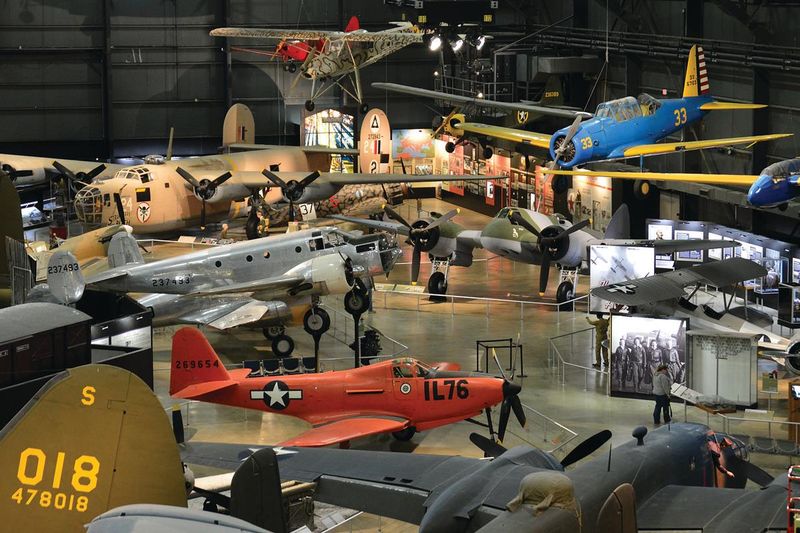
The first thing that hit me about the National Museum of the U.S. Air Force was the sheer scale.
This is not a quick museum stop where you glance at a few displays and leave an hour later. It is the world’s largest military aviation museum, and every step inside makes that title feel earned.
Located at 1100 Spaatz Street in Dayton, the museum stretches across multiple giant hangars packed with aircraft, artifacts, and exhibits that trace the history of flight and conflict. You are not looking at replicas in most cases, either.
You are standing beside real machines that changed history.
What makes it even more remarkable is that admission is completely free, and parking is free too. In a travel world full of overpriced attractions, that alone feels refreshing.
Here, the experience is grand, accessible, and surprisingly generous from the moment you arrive.
2. The Four Massive Hangars Make This Feel Like an All-Day Adventure
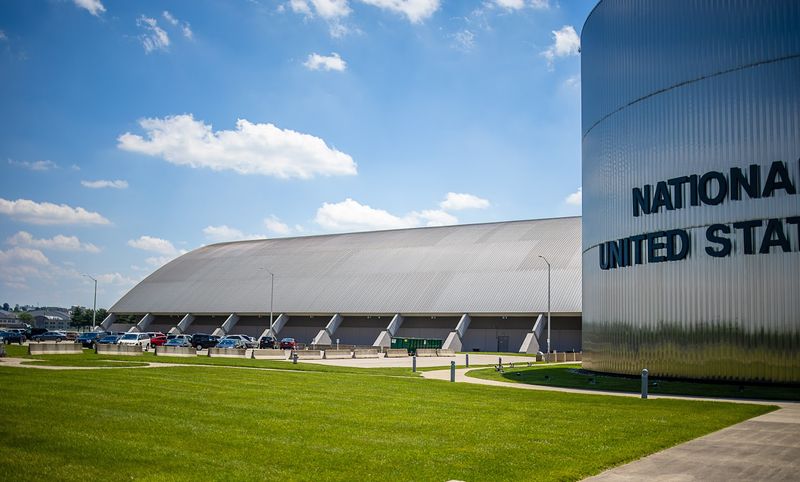
One of the best ways to understand this museum is to think of it as a full-day experience, not a casual stop. Visitors regularly mention needing at least four to five hours, and honestly, that sounds conservative if you like reading displays and lingering near the aircraft.
The museum’s four huge hangars keep unfolding one era at a time.
Each building carries you through a different chapter of aviation history, and the layout flows better than you might expect for a place this large. Instead of feeling chaotic, it feels organized and intentional.
You can move from early flight to World War II, Cold War tension, modern stealth technology, and space exploration in a way that feels natural.
The size never becomes overwhelming because there is a rhythm to the visit. Still, comfortable shoes are essential.
This place is vast, and you will want the energy to keep exploring.
3. The Aircraft Collection Is Absolutely Staggering
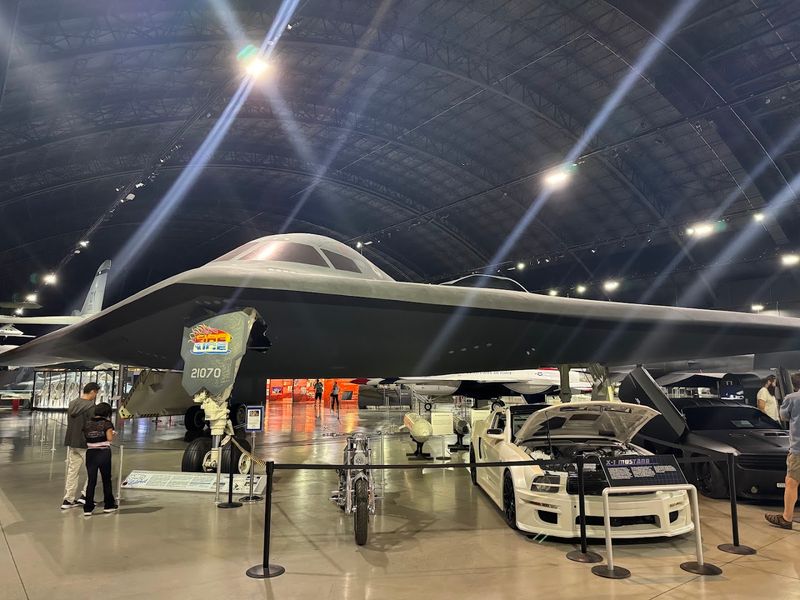
If you have ever wanted to see the real scale of military aircraft, this museum delivers in a way photos simply cannot. Reviews constantly mention that the planes look bigger, more powerful, and more impressive in person.
Standing near icons like the B-52 or the striking XB-70 Valkyrie gives you that rare feeling of being dwarfed by history.
The collection includes hundreds of aircraft, from the earliest days of military aviation to cutting-edge jets that still look futuristic. There is a strong mix of famous names and unexpected discoveries, which keeps the experience interesting even if you are not already an aviation expert.
You do not need deep technical knowledge to appreciate the craftsmanship and ambition behind these machines.
What I like most is the range. Massive bombers, nimble fighters, transport planes, helicopters, and experimental aircraft all share the spotlight, creating a visit that feels layered, dramatic, and endlessly photogenic.
4. The Presidential Gallery Adds a Powerful Human Dimension
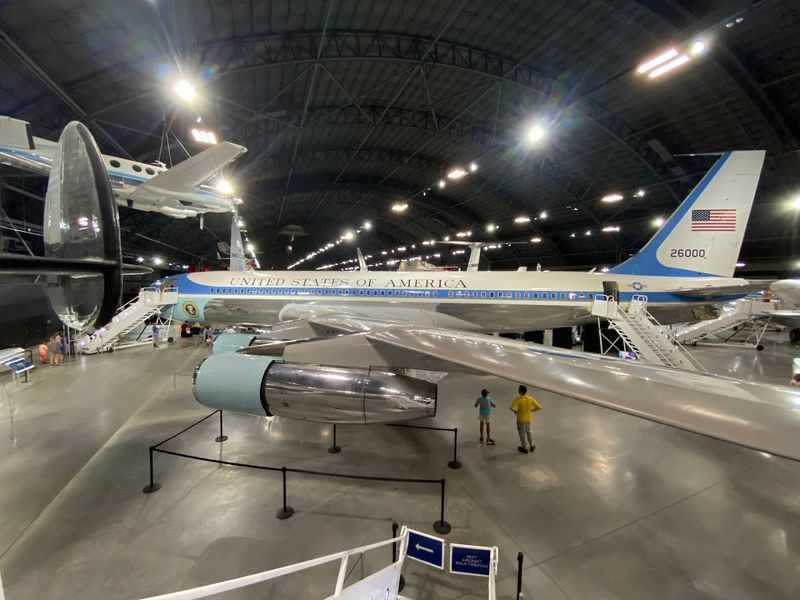
Among the museum’s most memorable spaces is the Presidential Gallery, where aviation history suddenly becomes personal and political. Seeing the aircraft used by American presidents adds a different emotional weight to the visit.
These are not just impressive planes. They are witnesses to major decisions, crises, ceremonies, and turning points.
Many visitors are especially drawn to the planes associated with John F. Kennedy, Lyndon B.
Johnson, and Richard Nixon. Walking through these aircraft makes history feel immediate in a way textbooks rarely manage.
You can picture the conversations, the tension, and the sheer symbolism carried inside those cabins.
One of the most talked-about moments is seeing the aircraft connected to the oath taken by President Johnson after Kennedy’s assassination. That connection turns an already fascinating exhibit into something deeply reflective.
It reminds you that this museum is not only about machines. It is also about the people and moments they carried.
5. The Space Exhibits Expand the Story Beyond the Runway
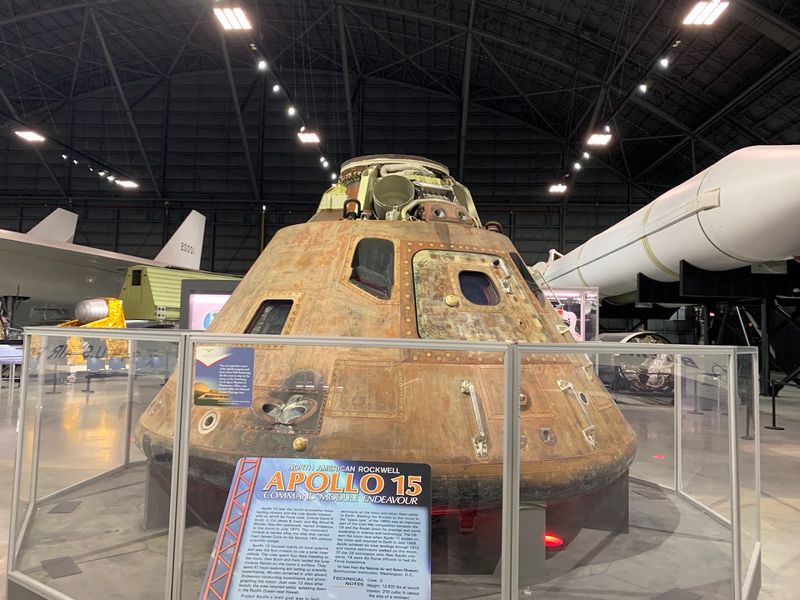
Just when you think the museum is only about airplanes, the space exhibits widen the story in a thrilling way. The galleries move from military aviation into aerospace exploration, showing how the pursuit of flight eventually stretched far beyond Earth.
That shift gives the museum an even bigger sense of ambition.
You will find spacecraft, missiles, rockets, and exhibits that connect Air Force innovation with the broader history of space research and technology. For visitors who love science as much as history, this section can easily become a favorite.
It helps you see aviation not as a finished story, but as the beginning of something much larger.
I also appreciate how this gallery keeps the pacing fresh. After rows of aircraft, the focus on space systems and exploration introduces a new visual language and a new set of questions.
It feels like stepping from one epic chapter directly into the next, without losing momentum.
6. It Is Surprisingly Interactive for a Museum This Serious
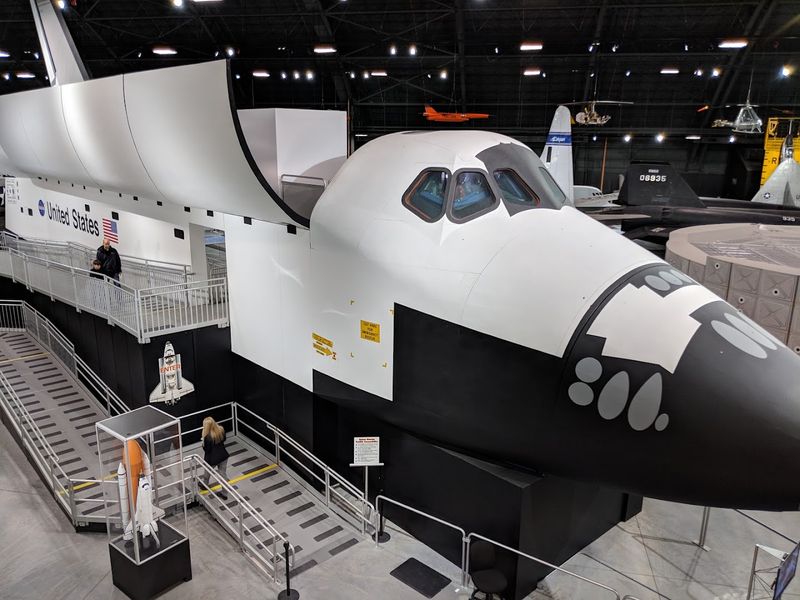
Despite the weighty history on display, this museum never feels stiff or distant. Visitors consistently talk about the interactive elements, and they make a real difference in how approachable the experience feels.
You can find flight simulators, mock cockpits, walk-through aircraft, quizzes, and films that break up the slower, more reflective parts of the visit.
That variety matters because it keeps different age groups engaged. Kids get hands-on moments that spark curiosity, while adults have plenty of context and detail to absorb.
Even if someone in your group does not think of themselves as a museum person, there is a good chance they will find an entry point here.
The 3D theater and simulator experiences add an extra layer of fun without overshadowing the history. They complement the collection rather than distracting from it.
The result is a museum that teaches constantly while still feeling lively, modern, and welcoming from start to finish.
7. Free Admission Does Not Mean a Small Experience
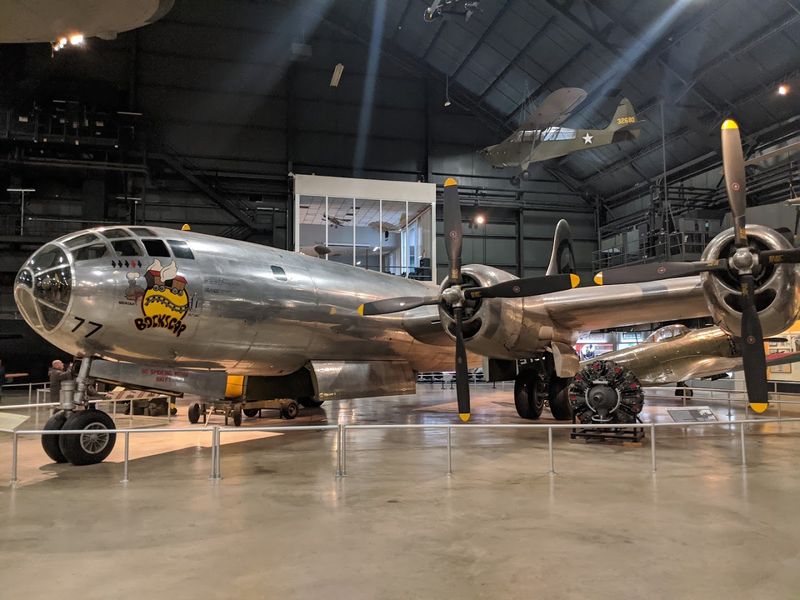
There is something almost unbelievable about walking into a museum of this caliber without buying a ticket. At a time when many attractions charge premium prices for far less, the National Museum of the U.S.
Air Force offers free admission and free parking. That decision makes the museum feel genuinely public in the best sense.
The cost savings are not matched by a reduced experience, either. You still get immense galleries, beautifully restored aircraft, thoughtful interpretation, and a visit that easily competes with major paid museums.
If anything, the free entry encourages you to slow down and enjoy the day without feeling pressure to rush through every corner.
It also makes the museum more inviting for families, road trippers, and repeat visitors. You can come back for another hangar, another gallery, or another favorite aircraft without turning the trip into a budget debate.
That kind of accessibility is rare, and it matters more than ever.
8. It Is Easy to Visit, But Planning Ahead Helps
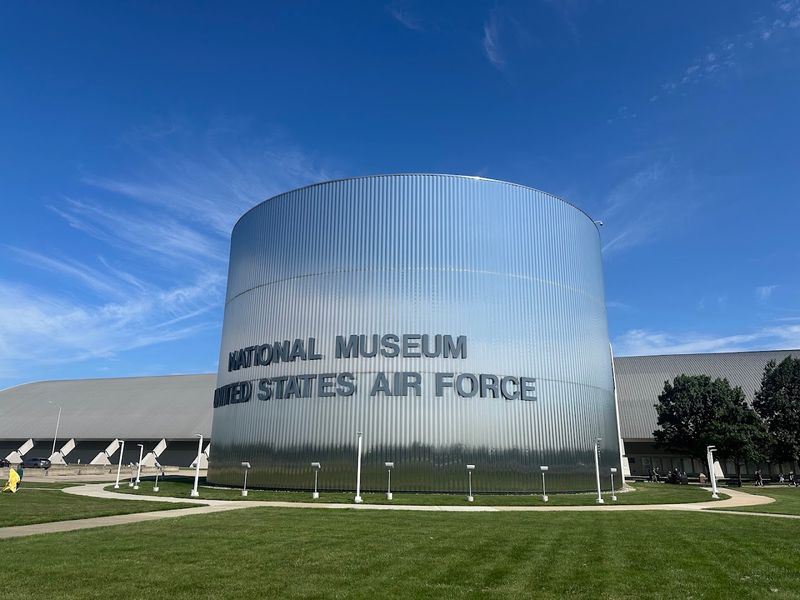
The museum is open daily from 9 AM to 5 PM, and that steady schedule makes it easy to fit into a trip through Dayton. Still, the smartest move is treating your visit like a real excursion rather than an afterthought.
People who arrive expecting a quick walk-through often end up staying for most of the day.
Wear comfortable shoes, because the floors are concrete and the distance adds up fast. If you need a break, there is an on-site cafe, and some visitors even choose to bring food and picnic outside.
That flexibility makes the day easier, especially for families or anyone pacing themselves.
Another helpful detail is the museum’s accessibility. Reviews frequently praise the availability of mobility scooters and the ease of getting around.
Between the clear layout, ample parking, and thoughtful amenities, the experience feels well-managed from arrival to departure, which lets you focus on the exhibits instead of logistics.
9. The Volunteers Help Bring the Collection to Life
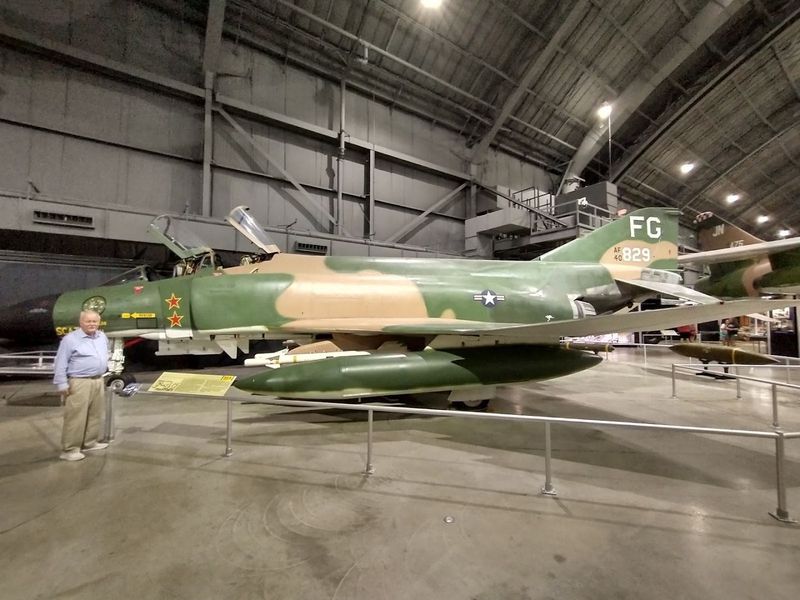
A museum this large could easily feel impersonal, but the volunteers help keep it warm and human. Again and again, visitors mention how knowledgeable, friendly, and eager to share stories the staff and volunteers are.
That kind of interaction can turn a great display into a memorable moment you talk about long after the trip.
Sometimes it is a conversation with a veteran who can explain an aircraft from lived experience. Other times it is a volunteer who notices your curiosity and offers details you would never catch from a placard alone.
Those unscripted exchanges add texture and emotion that no display case can create by itself.
I think that is part of why the museum feels so beloved. It is not just about preserving machines behind ropes.
It is about connecting visitors to the people, missions, and decisions behind them. The aircraft provide the scale, but the volunteers often provide the soul of the visit.
10. This Dayton Museum Is Worth Building a Trip Around
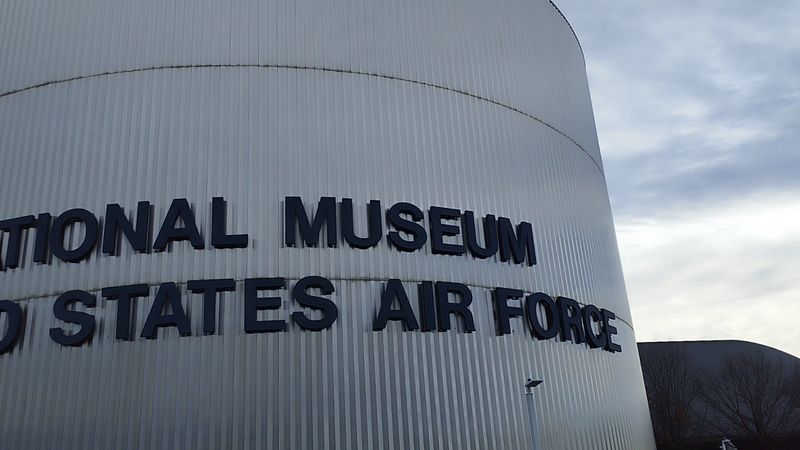
Some museums are nice additions to a weekend itinerary. The National Museum of the U.S.
Air Force is the kind of place that can become the reason for the trip itself. With a 4.9-star rating from tens of thousands of visitors, it has clearly made that impression on people from Ohio and far beyond.
What stands out most is how often travelers say the museum exceeded already high expectations. Even visitors who are not especially into planes leave impressed by the size, storytelling, and quality of the exhibits.
That broad appeal is hard to achieve, especially in a museum focused on a specialized subject.
If you are passing through southwest Ohio, this stop deserves serious time on your schedule. And if you are choosing a destination for a history-filled, family-friendly, surprisingly affordable day, Dayton has a clear winner.
Free, massive, and unforgettable, this museum earns every bit of the praise that surrounds it.
Share this story