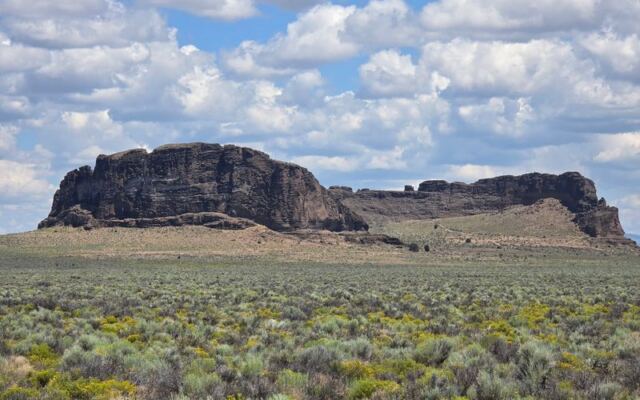
Out in the flat, empty high desert of central Oregon, a giant ring of jagged rock walls rises from the ground like a castle nobody built. It looks so much like a fort that early settlers simply named it after one. The walls are real, the history goes back thousands of years, and the place costs nothing to explore.
Keep reading to learn how a volcano, an ancient lake, and the oldest known sandals all ended up in one remarkable spot.
A Fortress in the Middle of Nowhere
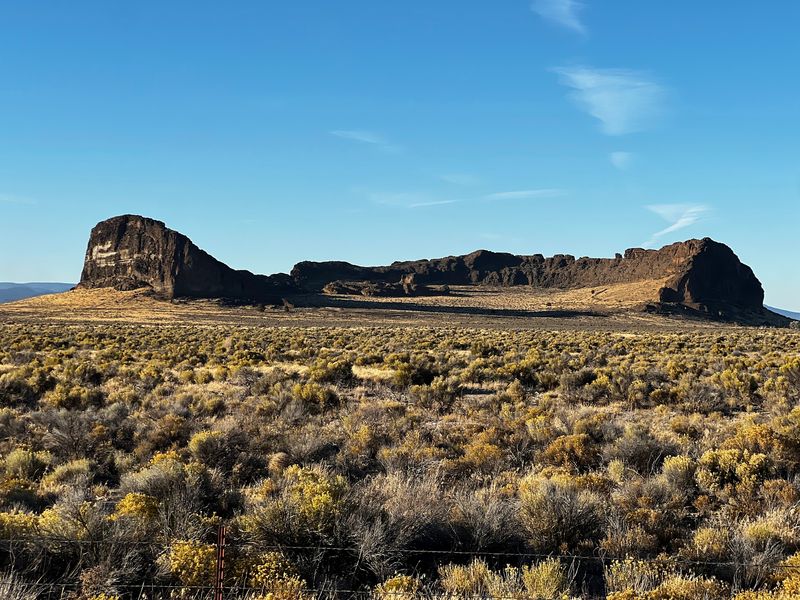
The name tells you almost everything, and the rock does the rest. Fort Rock State Natural Area sits at Fort Rock Rd, Fort Rock, OR 97735, in the high desert of central Oregon.
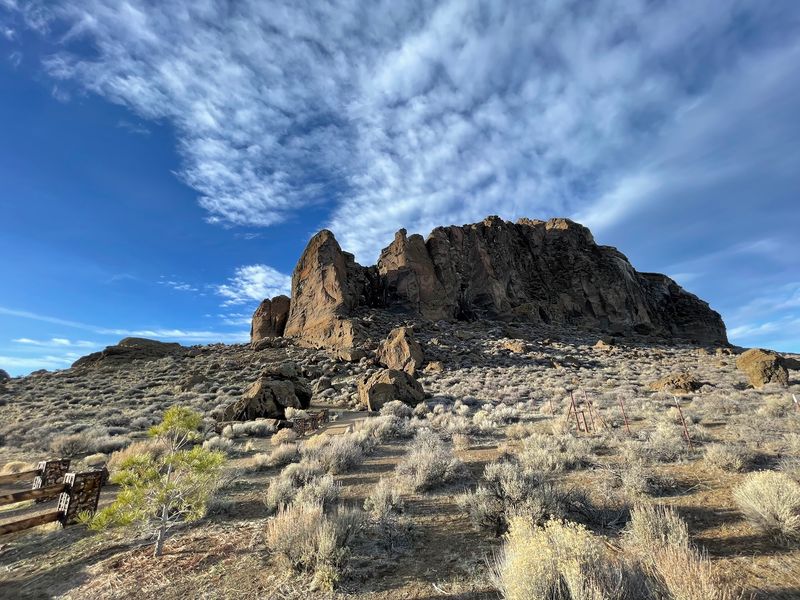
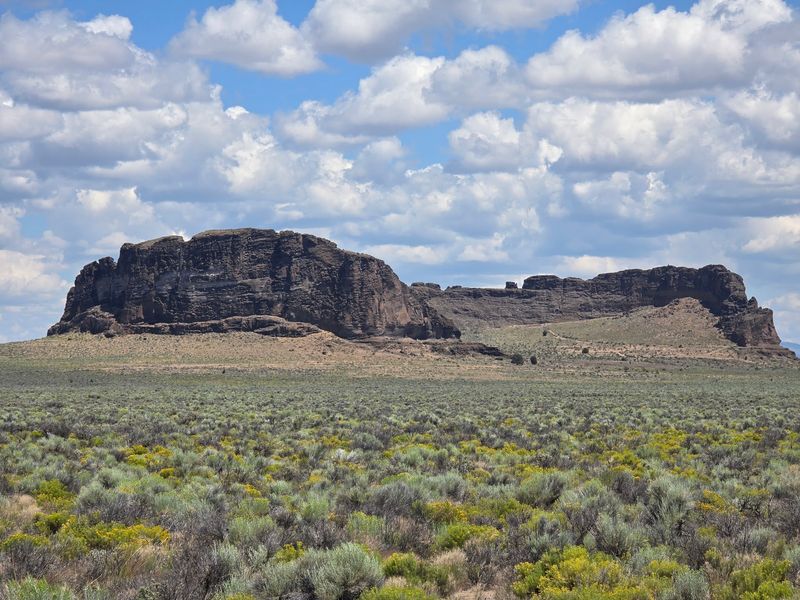
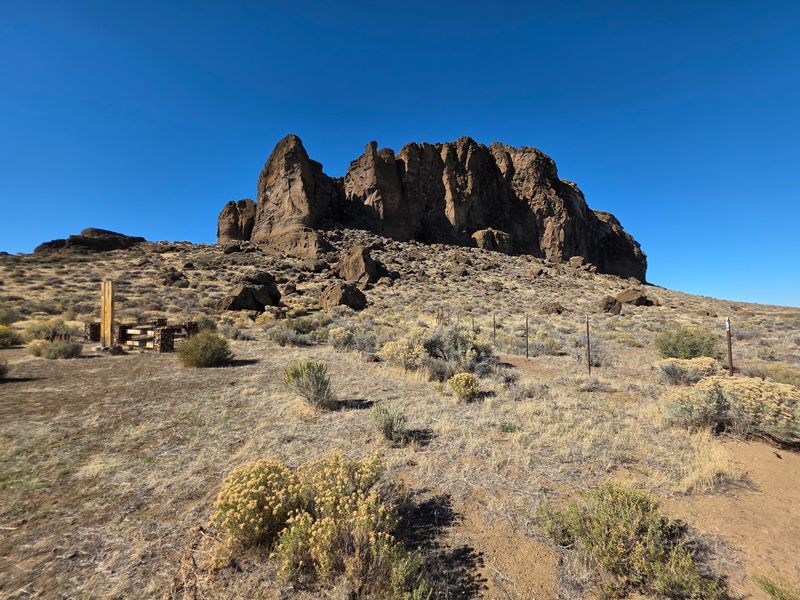
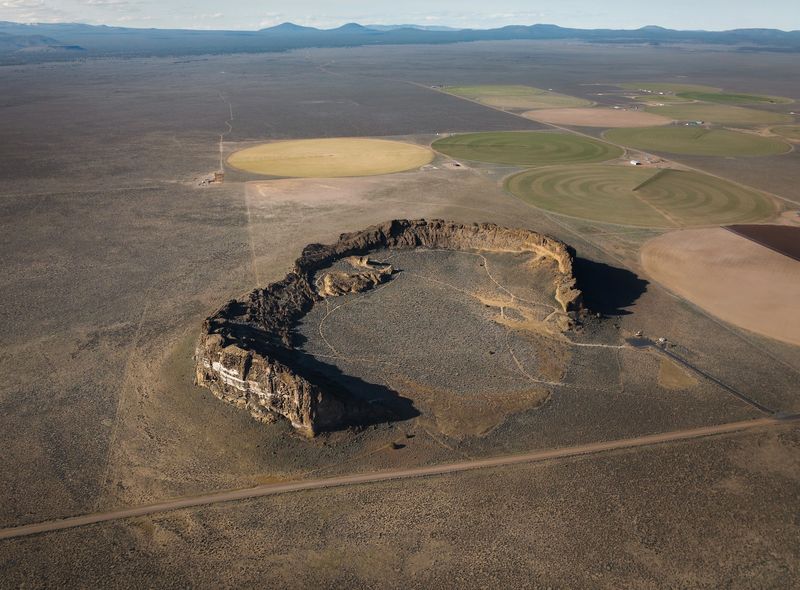
From a distance, the formation stands tall above the surrounding flatlands. Up close, it becomes a near-circle of towering, jagged walls with a single wide opening that works like a front gate.
The site is a state park and a National Natural Landmark. It is also refreshingly off the beaten path, about six miles from the main highway.
Many people spot the formation on a map long before they ever make the trip. Once they arrive, the scale tends to surprise them, because photos simply cannot capture how large the ring really is.
The park lies at the foot of the rock, close to the tiny town that shares its name. That town holds a small museum with artifacts from the surrounding area, which makes a handy add-on for history fans.
So how did a stone fortress end up out here with no army to guard it? The answer starts with fire and water.
Born Where Magma Met a Lake
Long before sagebrush, there was water. The flat basin around Fort Rock once held a large, shallow lake.
Rising volcanic magma pushed up through that lake. When the hot rock met cold water, it cooled rapidly and exploded into layers of ash and debris, building what geologists call a tuff ring.
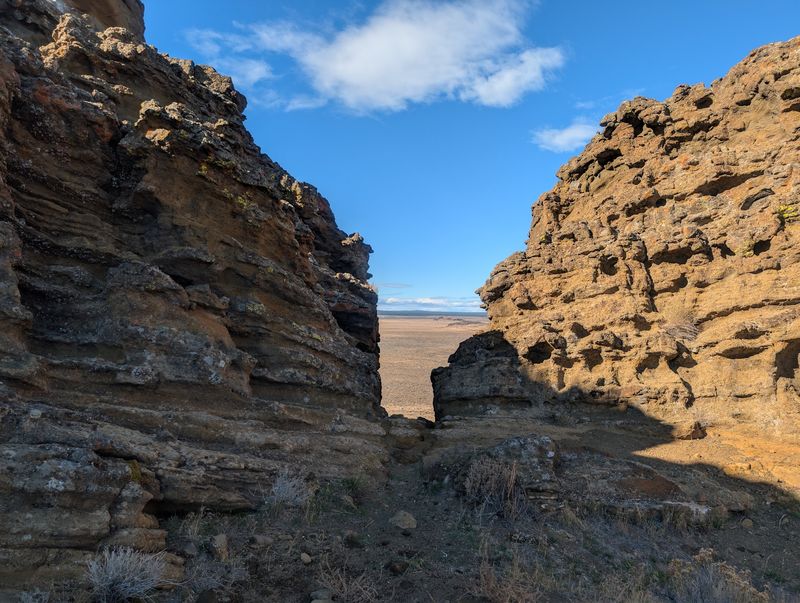
Over time, part of the rim collapsed. That broken section is the opening that gives the formation its gate-like look today.
The walls still carry clues from those watery days. Sea shells can be found on the side walls, and the rock looks as if it has been through tremendous heat at some point in the distant past.
For a while, the ring stood as an island in the lake. Now it sits surrounded by a dry lake bed that stretches across the desert floor.
A few minutes with the interpretive signs makes the hike far more interesting. Knowing the backstory turns every crumbly ledge into a page from a very old geology book, and that book has one more surprising chapter.
The World’s Oldest Known Shoes
Fashion history has a surprising home address in rural Oregon. Woven sandals found in a cave near Fort Rock are among the oldest footwear ever discovered.
Those sandals date back roughly 9,350 to 10,500 years. They also mark some of the earliest dated human activity in the area.
That detail changes the way the landscape feels during a walk. Early Native Americans likely traveled by canoe to and from the formation back when it was an island in the lake.
Talk about shoes that have aged well. Few places let you hike the same ground where people walked in woven grass footwear more than ten thousand years ago.
The park host has been known to share plenty of information about the geology and history. Asking a question or two can add helpful context before setting off on the trails.
History buffs can also visit the small museum in town, which displays artifacts from the surrounding area. Pairing the museum with the hike gives a fuller picture of the people who called this basin home, and it sets the stage nicely for exploring the rim itself.
Trails Around the Inner Rim
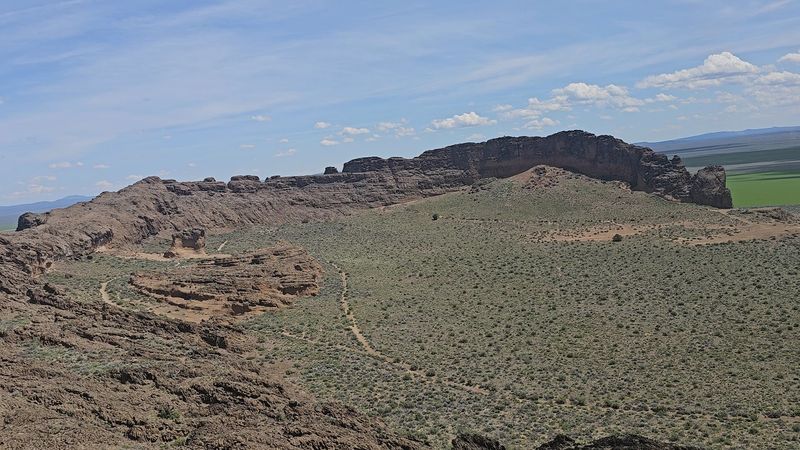
Short legs, long legs, and everything in between can find a route here. The trails start right from the parking lot and head into the heart of the ancient volcano.
A loop trail follows the inside of the rim on an uneven, rocky path. It runs about a mile in each direction and gets slightly steep in places.
The start can look a little intimidating, yet many find it turns into a pleasant walk. Most of the hiking is considered easy, though some rim sections get tougher for anyone with health concerns.
Different paths branch out to interesting rock formations along the way. Curious explorers often end up wandering the full interior route just to inspect the odd shapes up close.
Families tend to have a great time here. Kids who love scrambling and exploring usually find plenty to keep them busy.
There is also a way to climb the rear side for a look over the natural wall toward the back of the formation. That climb leads to the best payoff in the park, which deserves a section all its own.
The Summit Worth the Scramble
Every fortress needs a lookout tower. At Fort Rock, that job belongs to the highest point on the southwest side of the park.
The hike up gets a little steep at times. Even so, it stays manageable for most people, and many consider it the single best path in the park.
From the top, the views open in every direction. The higher parts of the rim show off panoramic scenes of the valley, the surrounding desert, and distant mountains.
On clear days, the view seems to stretch for hundreds of miles. Photographers tend to linger here longer than they planned.
Wildlife adds another layer to the climb. Birds nest in the rocky formations that tower above the trail, and birds of prey are a common sight.
Weather on the rim can shift. It can be windy and cool up high, so a light layer is a smart addition to the daypack.
Once the sun drops, though, the real show is far from over.
Quiet Days and Starry Nights
Crowds are not really a thing here. Many arrive to find very few other people around, and an early morning visit can be remarkably still on a windless day.
That calm makes the park a favorite for photographers and artists. The landscape practically asks to be captured with a camera or a paintbrush.
After dark, the remote setting pays off. On a new moon night, the sky over the rock can reveal the Milky Way in excellent detail for astrophotography.
Seasons bring their own personality. Summer days are often blazing hot, though bugs are pleasantly absent, while winter is described as the most beautiful time despite the serious cold.
Cell service is limited. T-Mobile users may get a signal if they can see the town, but planning ahead without relying on a phone is wise.
For anyone craving open space and a slower pace, the setting delivers. Just make sure the practical details are sorted before heading out.
Free Entry and Handy Basics
Good news for the wallet: admission is free. In a state where everyday costs keep climbing, a no-fee outing to a National Natural Landmark is a welcome bargain.
The park offers ample parking, picnic tables, and a covered, shaded picnic area. Bringing snacks or lunch turns the stop into an easy half-day trip.
Restrooms and running water are on site, along with a park host stationed in a trailer. Restroom upkeep has been uneven over the years, so a backup plan never hurts.
Water matters out here. Filling bottles before the hike is essential, especially during warm weather.
Getting there is straightforward. The park sits about an hour from Bend, roughly 36 miles from La Pine on a few country roads off OR-31.
A popular pairing is Hole in the Ground, a crater located east of Fort Rock. Reaching it requires a dirt fire road, so a high-clearance vehicle such as an SUV is the better choice.
Next door, one more quiet stop rounds out the visit.
A Stone Fort Worth Keeping
Just beside the park, an old cemetery holds weathered headstones from the area’s early settlers. Its decorative touches make it a thoughtful final stop after the hike.
That small graveyard fits the bigger story. Fort Rock is a place where layers of time sit side by side, from volcanic eruptions to ancient sandals to pioneer families.
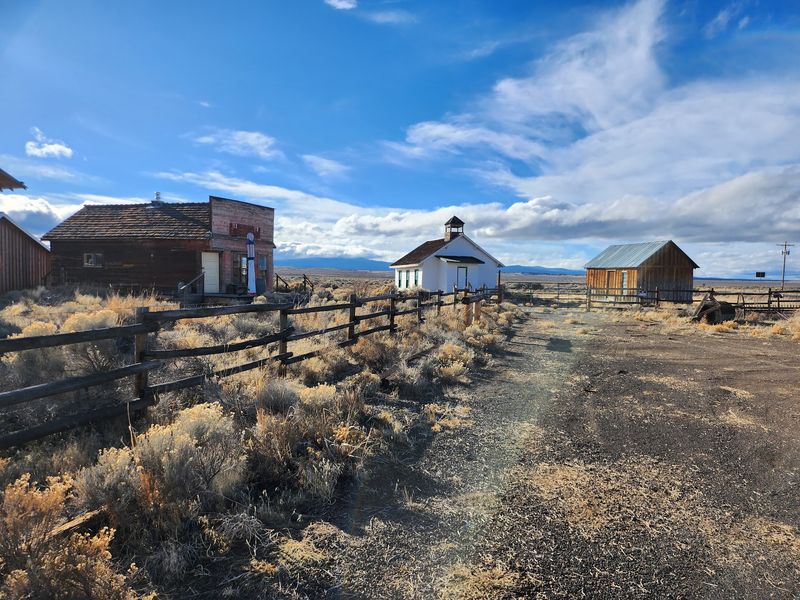
Longtime fans remember when the tiny town had a small store and gas station. Things have changed, yet the formation itself remains as dramatic as ever.
Places like this are part of what makes Oregon feel like home. Protecting them keeps a free, family-friendly adventure open for the next generation of explorers.
For travelers driving through the high desert, the detour is short and the reward is huge. Kids get a real-life castle, hikers get a summit, and history lovers get ten thousand years of stories.
Bring water, pack a lunch, and leave some time for the rim. Fort Rock has been standing guard for ages, and it seems happy to keep welcoming anyone willing to walk through the gate.
Share this story