In downtown Fredericksburg, a sprawling treasure trove awaits that feels worlds away from an ordinary Texas shopping experience. Carol Hicks Bolton Antiques spans three enormous warehouse buildings packed floor-to-ceiling with imported finds that range from weathered French armoires to quirky taxidermy and religious relics. Whether you’re a serious collector or just someone who appreciates the charm of old-world craftsmanship, this place offers an experience that’s equal parts shopping trip and historical adventure.
1. French Armoires That Tell Stories
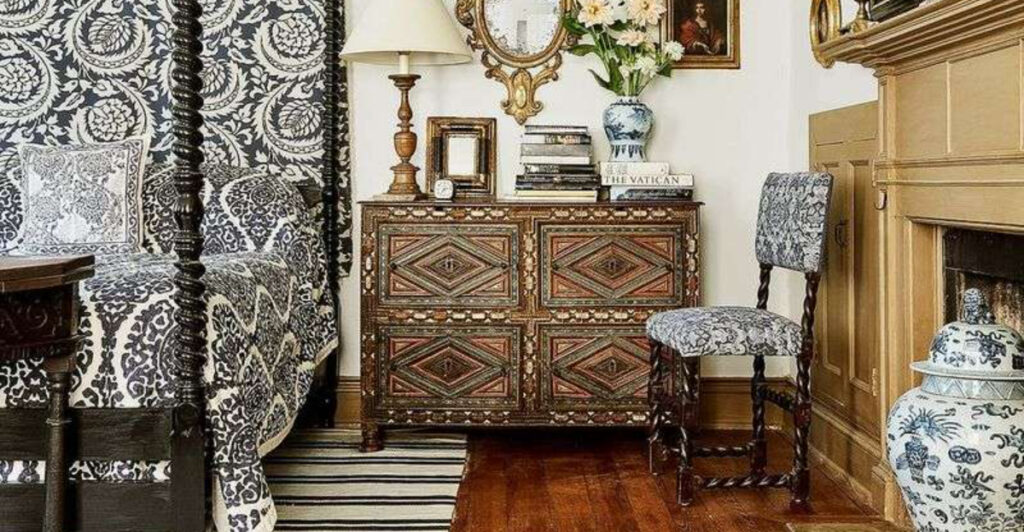
Walking past rows of towering French armoires feels like stepping into a Parisian flea market without the jetlag. These aren’t your grandmother’s boring closets—they’re hand-carved masterpieces with original hardware, peeling paint layers that reveal decades of history, and enough character to anchor an entire room. Each piece carries its own backstory, from farmhouse storage in Provence to chateau bedroom furniture.
The beauty lies in their imperfections. Scratches, worn corners, and faded finishes aren’t flaws here—they’re proof of authenticity. Many still have original keys dangling from ornate locks that actually work.
You’ll find everything from petite single-door versions perfect for tight spaces to massive double-door behemoths that could swallow your entire wardrobe collection.
Prices reflect the quality and rarity, but staff members know their inventory inside out and can explain the provenance of specific pieces. Some armoires feature traditional Louis XV styling with curved legs and floral motifs, while others showcase simpler provincial designs with clean lines. The selection rotates as items sell and new shipments arrive from Europe.
If you’ve been hunting for statement furniture that sparks conversation, these armoires deliver. They work beautifully in bedrooms, dining rooms as china storage, or even converted into media centers for modern living spaces.
2. Religious Relics and Catholic Treasures
Forget everything you think you know about religious decor. The Catholic relics collection here spans centuries and continents, featuring hand-carved santos figures from Spain, elaborate processional crosses with original gilding, and prayer books bound in crumbling leather with pages yellowed to perfection. These aren’t mass-produced reproductions—they’re genuine devotional objects that once graced European churches and private chapels.
You’ll spot life-sized Madonna statues with glass eyes that seem to follow you, ornate reliquaries designed to house sacred fragments, and wooden crucifixes worn smooth by countless fingers. Some pieces date back to the 1700s and 1800s, carrying the weight of generations of faith and craftsmanship. The collection appeals to serious collectors, interior designers seeking dramatic statement pieces, and anyone drawn to the artistry of religious iconography.
What makes this section particularly fascinating is the variety. Tiny pocket-sized prayer books sit alongside massive altar candlesticks that stand several feet tall. You might discover a painted wooden angel missing part of one wing or a complete set of Stations of the Cross ready to install.
Even if you’re not religious, the artistic merit alone justifies browsing. These objects represent some of Europe’s finest folk art traditions, blending devotion with exceptional skill.
3. Architectural Salvage That Steals the Show
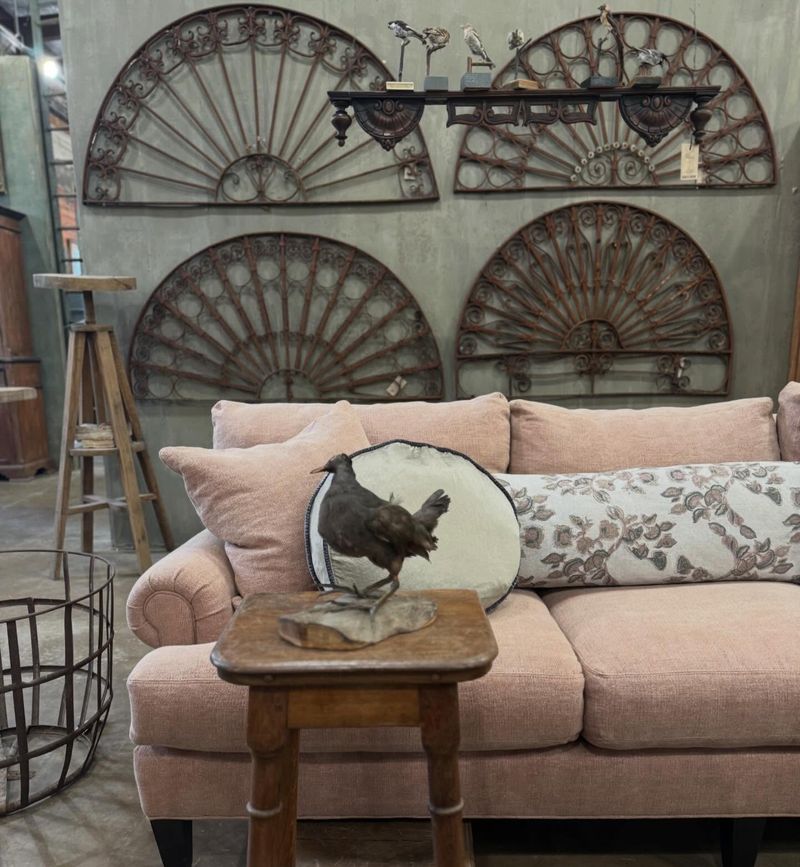
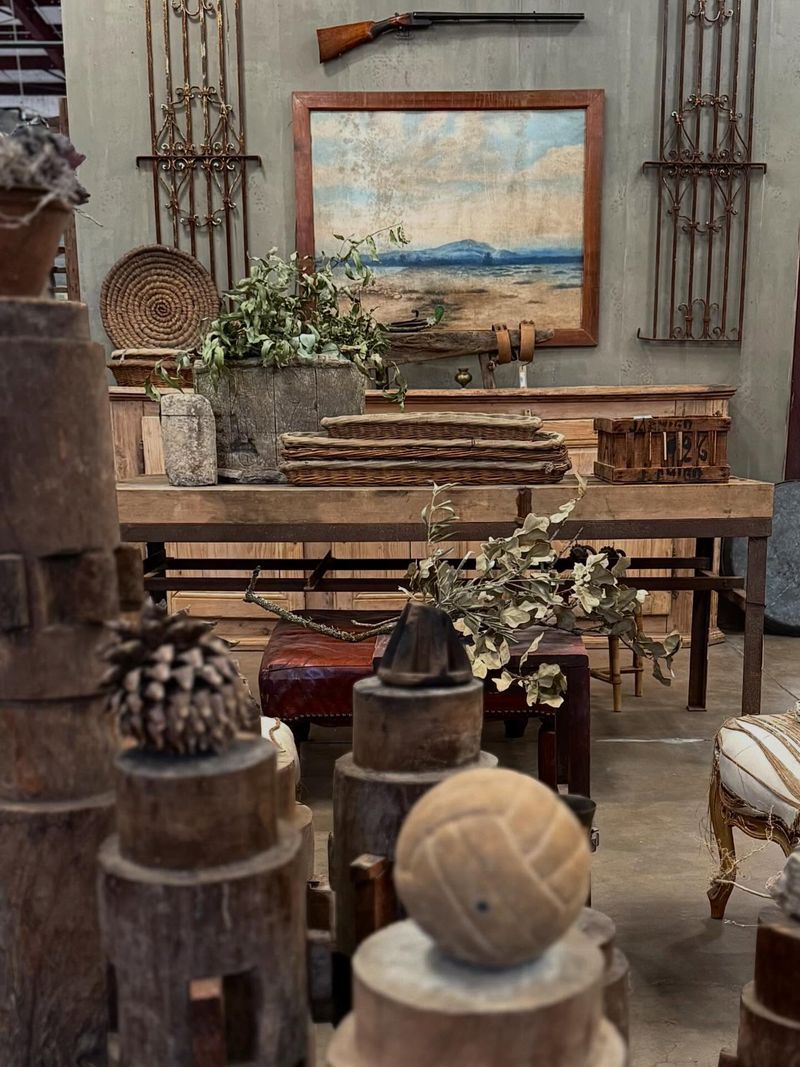
Chunks of European history literally line the walls here in the form of salvaged architectural elements you never knew existed. Massive carved stone mantels that once warmed French countryside homes now wait for modern installation. Original cast-iron gates with rust patina and intricate scrollwork lean against warehouse walls, while antique sinks—the kind with legs and backsplashes—beg to become bathroom centerpieces.
The salvage section reads like a greatest hits of old-world building materials. You’ll find weathered wooden doors tall enough for castle entryways, stained glass windows pulled from demolished churches, and terra cotta roof tiles that spent decades under Mediterranean sun. Corbels, columns, and carved capitals offer ways to add instant architectural interest to new construction or renovation projects.
Designers regularly raid this section for unique focal points. An old apothecary cabinet becomes a kitchen island. A set of iron window grilles transforms into garden art.
Stone urns find new life as planters on modern patios. The staff understands these pieces require vision and can discuss practical installation considerations.
Prices vary wildly based on size, rarity, and condition. A small decorative corbel might run under a hundred bucks, while a complete fireplace surround commands serious investment. Either way, you’re buying authentic European craftsmanship impossible to replicate today.
4. Linens That Look Like Heirlooms
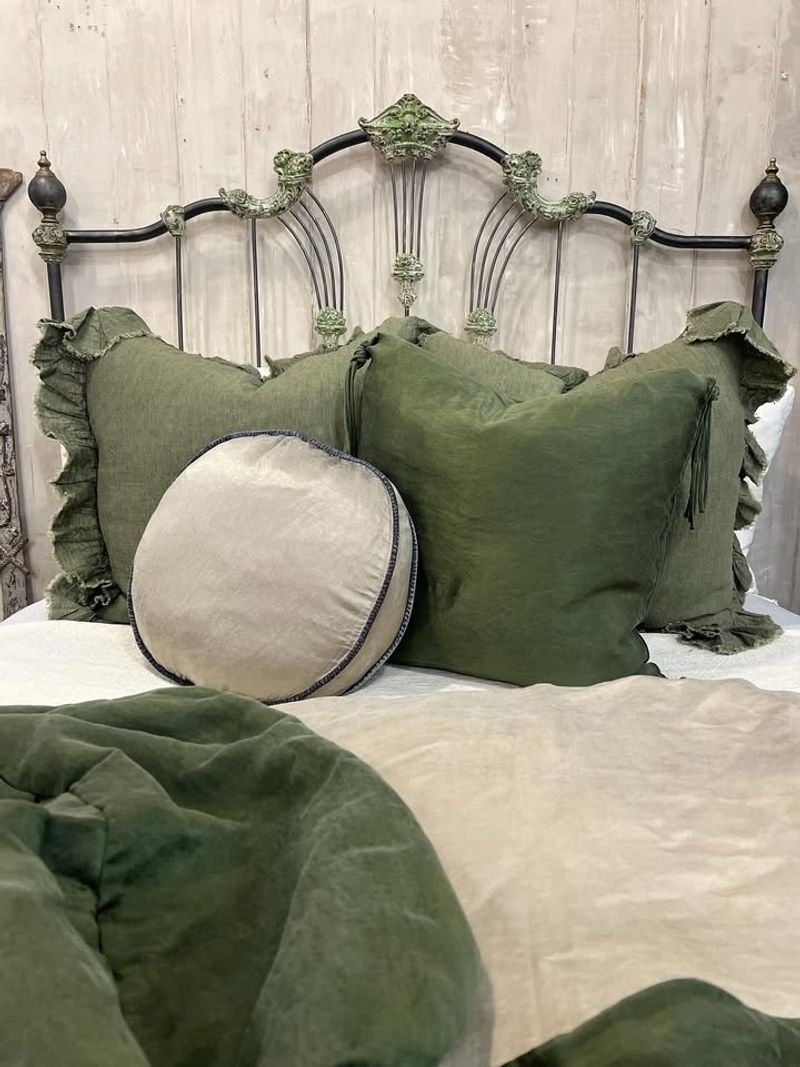
Piles of luxurious European linens fill entire sections, showcasing needlework skills that barely exist anymore. Hand-embroidered French monograms decorate pillowcases that probably required weeks of painstaking stitching. Tablecloths feature lace edging so intricate you’ll wonder how human hands created such delicate patterns.
These aren’t machine-made department store goods—they’re genuine textiles that wealthy European families commissioned and treasured for generations.
The linen selection spans practical to purely decorative. You’ll discover heavyweight hemp sheets that soften with each washing, gauzy curtain panels perfect for creating romantic bedroom vibes, and table runners adorned with cutwork embroidery. Many pieces show their age through gentle fading or minor repairs, which only adds to their charm and authenticity.
What’s remarkable is the variety of monograms and initials worked into the fabric. Some feature elaborate scripts surrounded by floral wreaths, while others showcase simple block letters. Collectors hunt for specific initial combinations, but most buyers simply appreciate the old-world elegance these details provide.
The staff can explain proper care for antique textiles, including washing and storage tips. Prices depend on size, condition, and complexity of decoration. A small embroidered napkin set costs far less than a king-sized bedspread with extensive lacework.
Either purchase brings European sophistication into your home without boarding a transatlantic flight.
5. Quirky Taxidermy and Natural History
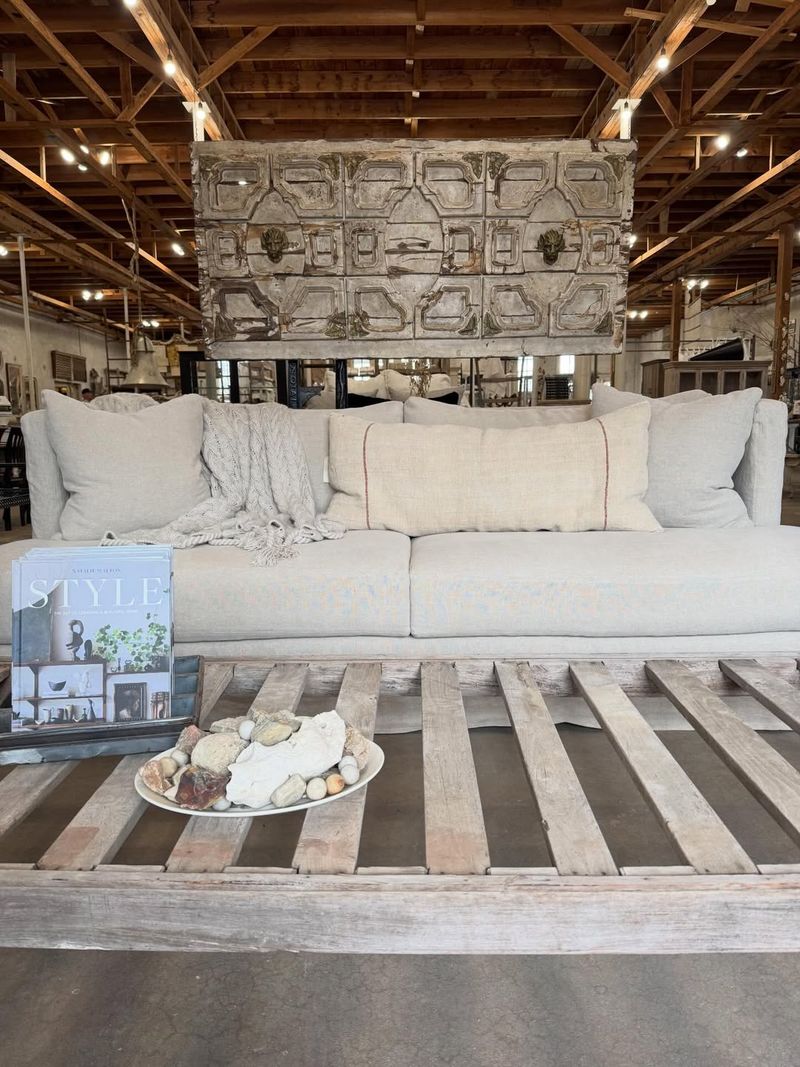
Not every antique store dares to stock mounted animals, but this place embraces the weird and wonderful. The taxidermy collection ranges from Victorian-era glass domes protecting exotic birds to full deer heads with impressive antler spreads. You’ll even spot stranger specimens—one reviewer mentioned false teeth salesman samples, proving this inventory doesn’t follow predictable patterns.
European taxidermy tends toward the dramatic. Pheasants frozen mid-strut, foxes captured in lifelike poses, and fish mounted on carved wooden plaques all compete for attention. Some pieces show their age through faded feathers or cracked glass, while others remain surprisingly pristine.
The collection appeals to hunters, natural history enthusiasts, and anyone decorating in that trendy cabinet-of-curiosities aesthetic.
What separates quality taxidermy from creepy garage sale finds is craftsmanship and presentation. These specimens were professionally mounted decades ago using techniques that prioritized artistry over quick assembly. Many include original Victorian-era cases or bases that enhance their display value.
If you’re squeamish about preserved animals, simply skip this section—but you’d miss some genuinely fascinating pieces. The taxidermy adds unexpected personality to the overall inventory and represents another facet of European collecting traditions. Prices reflect rarity, species, and condition.
Common birds in simple cases cost less than elaborate multi-animal dioramas under antique glass.
6. Weathered Tables for Every Purpose
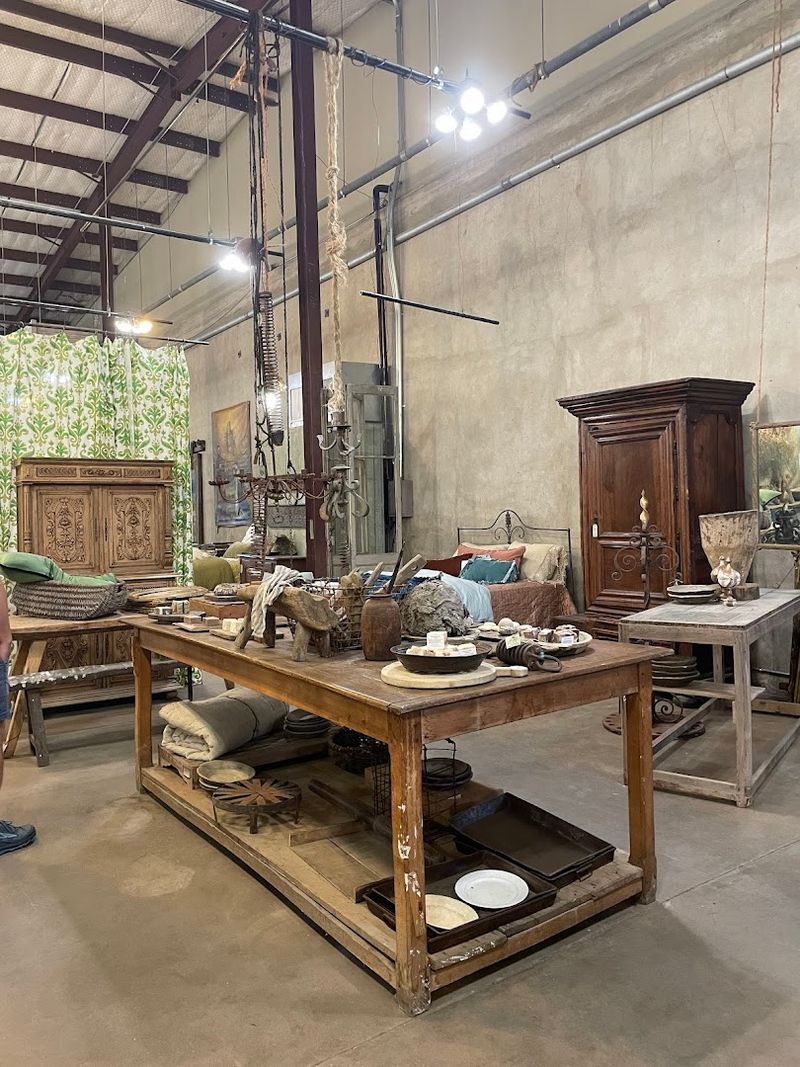
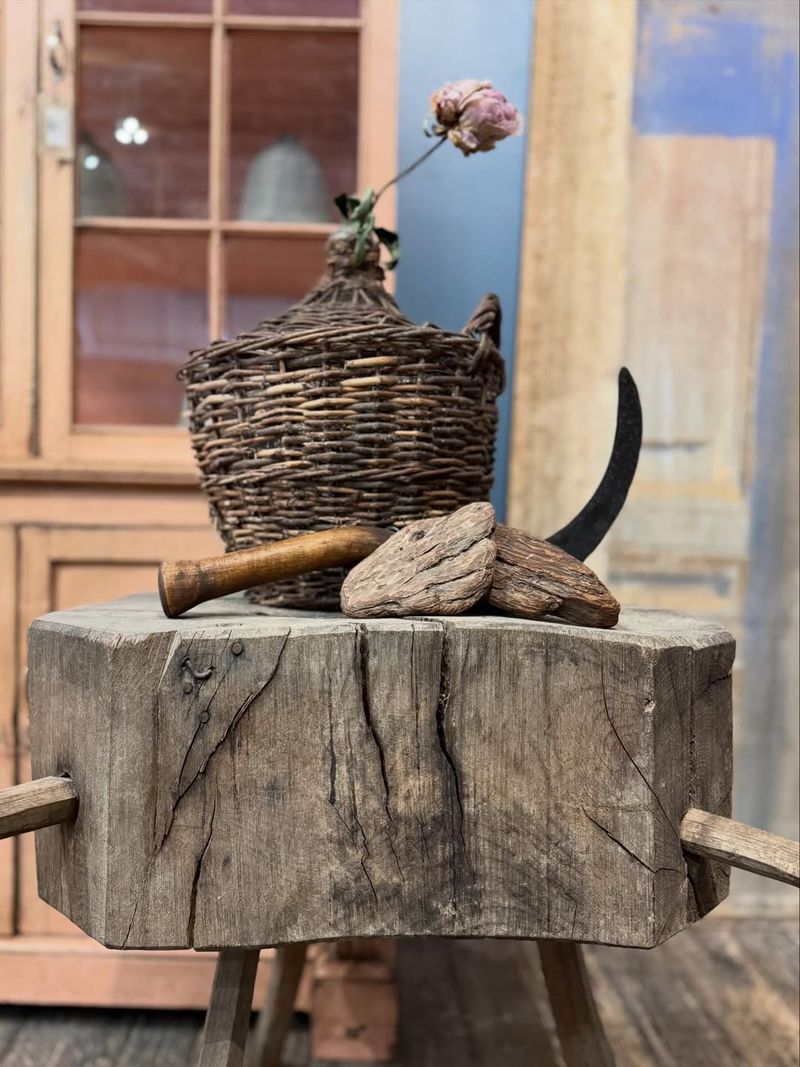
Tables fill every corner—farm tables scarred by generations of family meals, elegant side tables with marble tops, and massive dining pieces that could seat a small village. The European origins show in construction details like hand-cut dovetail joints, irregular plank widths, and wood species you don’t find in American furniture. Oak, walnut, chestnut, and fruitwoods each bring distinct grain patterns and aging characteristics.
The farmhouse tables particularly shine here. These workhorses spent decades in French or Italian kitchens absorbing spills, knife marks, and the patina of daily use. Their thick tops and sturdy bases mean they’ll easily handle another century of service.
Some retain original paint layers in muted blues, greens, or creams that peek through worn spots.
Smaller accent tables offer more affordable entry points into European antiques. A demilune console might anchor an entryway, while a rustic bedside table adds character to modern bedrooms. The variety means shoppers can find pieces for specific spaces rather than forcing wrong-sized furniture into their homes.
Staff can discuss wood types, restoration options, and practical considerations like height adjustments. Some tables work perfectly as-is, while others might benefit from professional refinishing. Either way, you’re buying furniture built to last using old-growth timber and traditional joinery methods.
Modern particle board tables simply can’t compete with this level of quality and history.
7. Lighting Fixtures With Original Patina
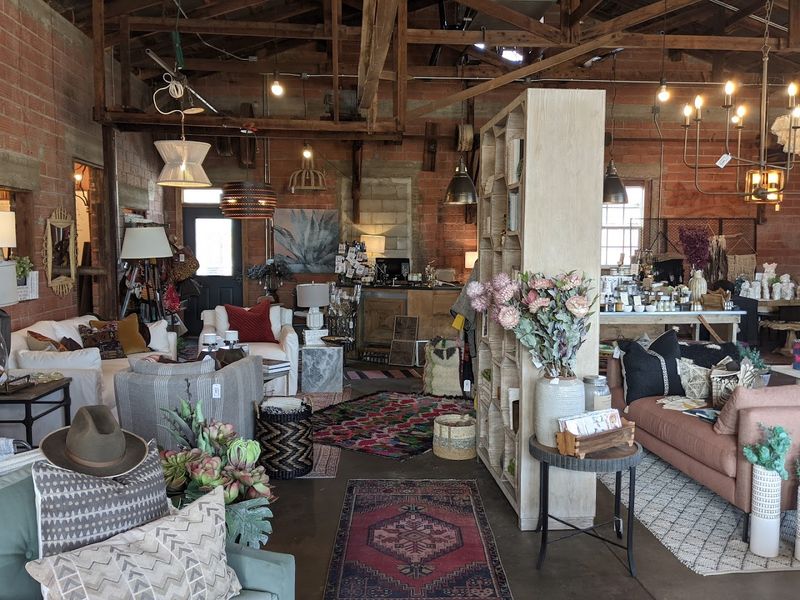
Overhead, dozens of chandeliers dangle at various heights, creating a canopy of vintage lighting magic. French crystal chandeliers drip with prisms that catch warehouse lights and throw rainbows across dusty floors. Italian iron fixtures showcase hand-forged scrollwork and candle-style arms.
Brass pendant lights aged to bronze tones hang ready to illuminate kitchen islands or dining nooks.
The lighting collection proves that functional items can be stunning art pieces. Many chandeliers retain original wiring that needs updating for safety, but their bones remain solid and beautiful. Wall sconces come in pairs or singles, offering flexibility for different installation needs.
Some fixtures feature glass shades—milk glass, colored glass, or delicate etched patterns—while others rely purely on metalwork for visual interest.
What makes antique lighting special is the quality impossible to find in modern reproductions. Hand-cut crystals refract light differently than machine-made versions. Forged iron develops patina that spray paint can’t replicate.
Even simple brass fixtures gain character through decades of oxidation and use.
Buyers should plan for rewiring costs unless they’re electrically savvy. The store can recommend local professionals who specialize in antique fixture restoration. Prices span from affordable single pendants to investment-grade crystal chandeliers that command thousands.
Size matters too—a small bedroom fixture costs considerably less than a grand entryway statement piece.
Either way, you’re installing lighting with genuine European heritage.
8. Old Books and Journals With Secrets
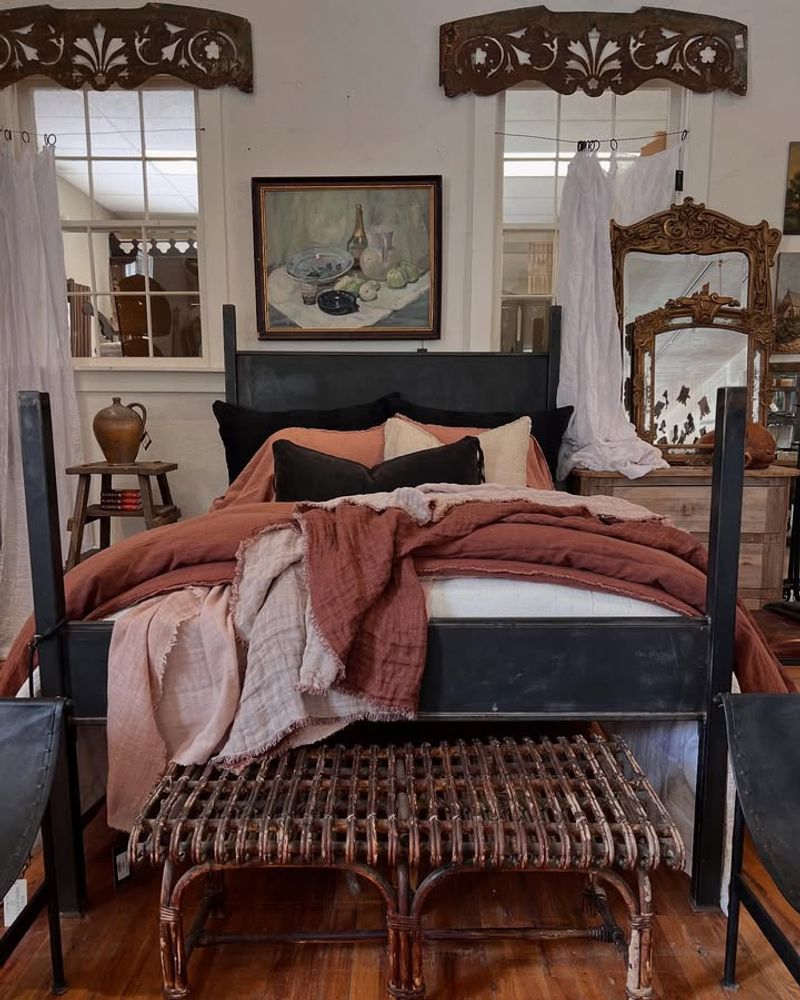
Stacks of leather-bound volumes rest throughout the store, their spines cracked and pages yellowed to that perfect tea-stain color. These aren’t valuable first editions necessarily—they’re working books that Europeans actually read, wrote in, and passed down through families. You’ll find everything from Latin prayer books to French novels, German ledgers to Italian music scores.
The appeal lies in their physical beauty and the mystery of their previous owners.
Many books feature marbled endpapers, gilt edges that still glimmer faintly, and tooled leather covers embossed with decorative patterns. Some contain handwritten notes in margins or pressed flowers between pages. Journals offer blank pages ready for modern use or fascinating glimpses into past lives through existing entries.
Even if you can’t read the language, these volumes add instant sophistication to bookshelves or coffee tables.
The book selection changes constantly as inventory turns over. You might discover a complete set of 19th-century encyclopedias one visit and children’s primers with hand-colored illustrations the next. Prices generally remain reasonable since most books lack rare book collector value—their worth comes from decorative appeal and historical charm.
Designers buy them by the yard for styling shelves, while readers hunt for specific languages or subjects. Either approach works. Just remember these are fragile antiques requiring gentle handling.
Don’t expect pristine condition—foxing, loose bindings, and missing pages come with the territory.
9. Unique Conversation Pieces You Won’t Find Elsewhere
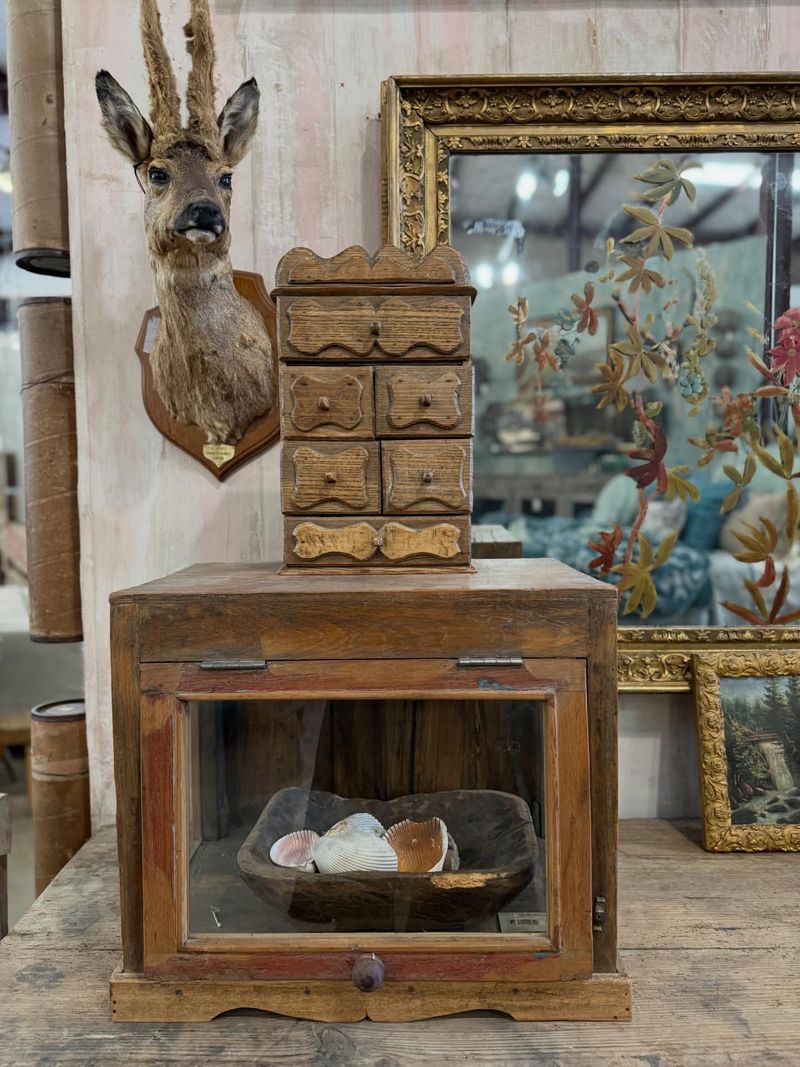
Beyond the major furniture and decor categories, countless oddities demand attention. Remember those false teeth salesman samples mentioned in reviews? That’s the kind of unexpected treasure hiding here.
You might stumble across apothecary bottles still bearing original labels, vintage shop displays from European storefronts, or industrial molds used in long-defunct factories. These one-of-a-kind items separate serious collectors from casual browsers.
The beauty of oddball antiques is their ability to start conversations and showcase personal style. A set of antique surveyor’s tools becomes wall art in a home office. Old pharmacy jars transform into quirky bathroom storage.
Wooden shoe molds cluster into sculptural displays. The possibilities expand as far as your imagination allows.
Part of the fun involves simply identifying mysterious objects. Staff members love sharing knowledge about obscure items, explaining original purposes and historical context. Sometimes you’ll leave empty-handed but educated about European trades and crafts you never knew existed.
Other times you’ll fall hard for something completely impractical that somehow becomes essential to your happiness.
Prices for unique pieces vary dramatically based on rarity, condition, and demand. Some oddities sit for months waiting for the perfect buyer who understands their value. Others sell within hours of hitting the floor.
If something speaks to you, don’t assume it’ll still be available next visit.
This inventory moves, and truly unique items rarely reappear once sold.
Share this story