
Hidden just off the everyday bustle of Van Dyke Avenue in Utica, Michigan, this unforgettable animal destination grabs your attention the moment you walk through the door. Inside, baby alligators, graceful stingrays, a two-headed turtle, and an incredible collection of reptiles most people have only ever seen on a screen are all waiting to be discovered.
Built on the vision of the late YouTube reptile legend Brian Barczyk, the facility has quickly become one of the most talked-about animal experiences in Michigan. Whether you’re six or sixty, the hands-on energy here is something a typical zoo or aquarium simply can’t match.
The Moment You Step Inside: A Space That Surprises Immediately
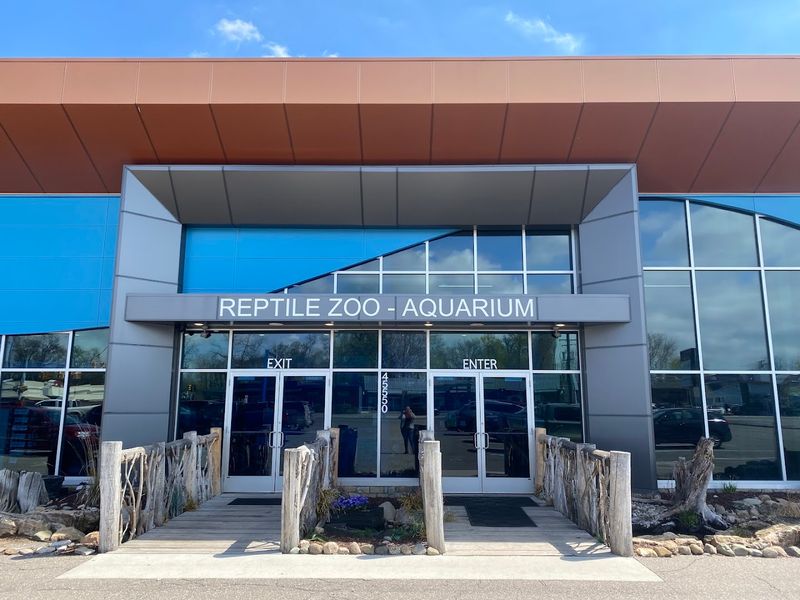
Most people expect a small, dimly lit room with a few tanks along the wall. LegaSea Aquarium and The Reptarium immediately corrects that assumption.
The facility is spacious, well-lit, and organized into distinct zones that move naturally from the aquarium side to the reptile-heavy Reptarium section, giving the whole visit a clear sense of flow and discovery.
The aquarium portion is brand new, and it shows. Tanks are clean, displays are polished, and the creatures inside range from jellyfish to eels to sharks.
The stingray station in particular draws a crowd from the moment visitors spot it. Watching rays glide just below the surface with their wide, flat bodies is the kind of visual that makes kids freeze mid-step and stare.
The reptile side runs warm by design, so dressing in light layers is a smart move before arrival. The warmth is necessary for the animals, and most visitors adjust quickly once the excitement kicks in.
Staff members are stationed throughout the floor, not behind desks, but actively moving through the space holding animals and inviting interaction without waiting to be asked.
Free parking is available in a large lot, which makes arrival stress-free even on busier days. The layout inside accommodates strollers and wagons, though weekend crowds can make navigation a bit tighter in certain sections.
A gift shop near the exit offers affordable keepsakes ranging from small trinkets to more substantial souvenirs. First impressions here are shaped less by signage and more by the immediate energy of animals, knowledgeable staff, and visitors who are clearly having a genuinely good time from the moment they arrive.
Baby Alligators Up Close: Holding One Is More Calm Than You Would Expect
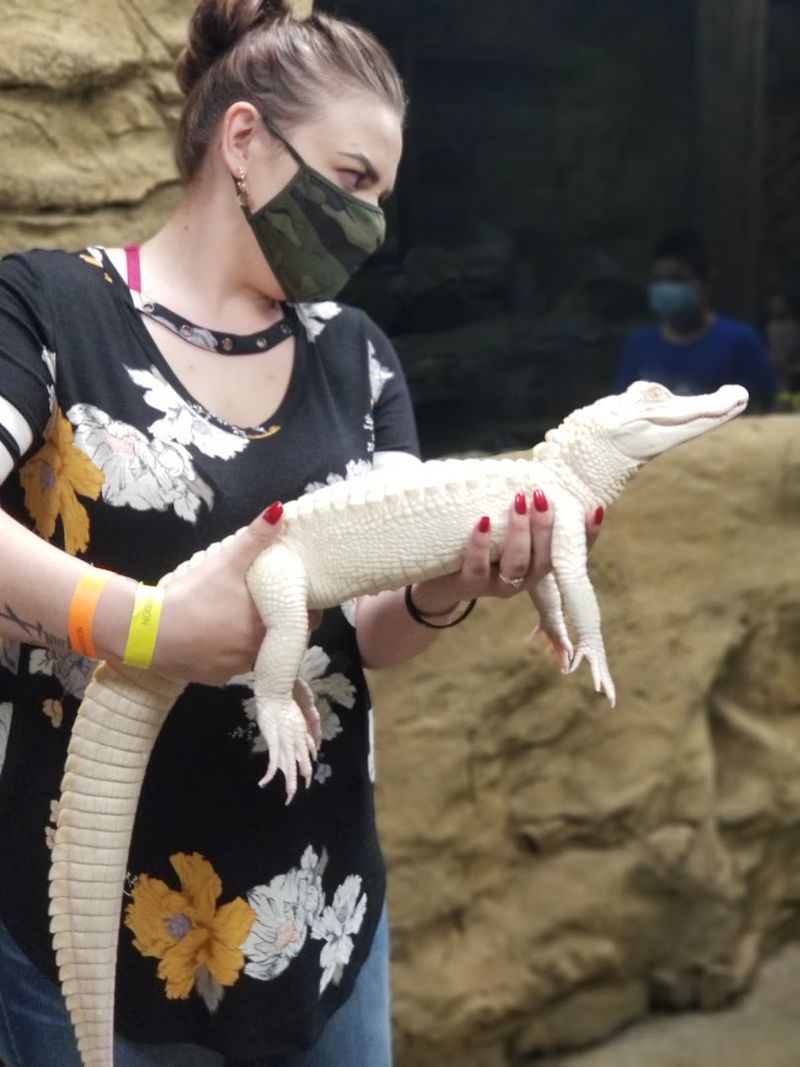
Baby alligators have a reputation that their actual size does not quite back up. At LegaSea Aquarium and The Reptarium, the young gators on display are small enough to hold and calm enough to make even nervous visitors reconsider their hesitation.
Staff members handle them regularly and bring them out for guests to interact with directly, which quickly becomes one of the most photographed moments of any visit.
The alligators are fed during scheduled demonstrations, and watching a feeding in person is a surprisingly educational experience. Staff walk visitors through the animal’s diet, behavior, and biology in a way that feels more like a conversation than a lecture.
Kids tend to absorb this information instantly because they are watching it happen right in front of them, not reading about it on a plaque.
Explorer and adventure pass holders get opportunities to participate in feedings more directly, including guided interactions with the alligators under proper supervision. Even with general admission, though, the access is impressive.
Staff members are proactive about offering hands-on moments, and visitors rarely have to ask twice before someone brings an animal closer for a better look.
Alligators are native to the southeastern United States, so seeing one in Michigan already carries a novelty factor. Holding one, even briefly, tends to shift how people think about these animals entirely.
The experience strips away the fear-based image most people carry and replaces it with something closer to curiosity and respect. Parents often note that their kids talk about the alligator encounter long after the visit ends, which says quite a bit about how effectively the staff turns a single animal interaction into a lasting memory worth carrying home.
Stingrays You Can Actually Feed: The Aquarium Section Is Worth the Trip Alone
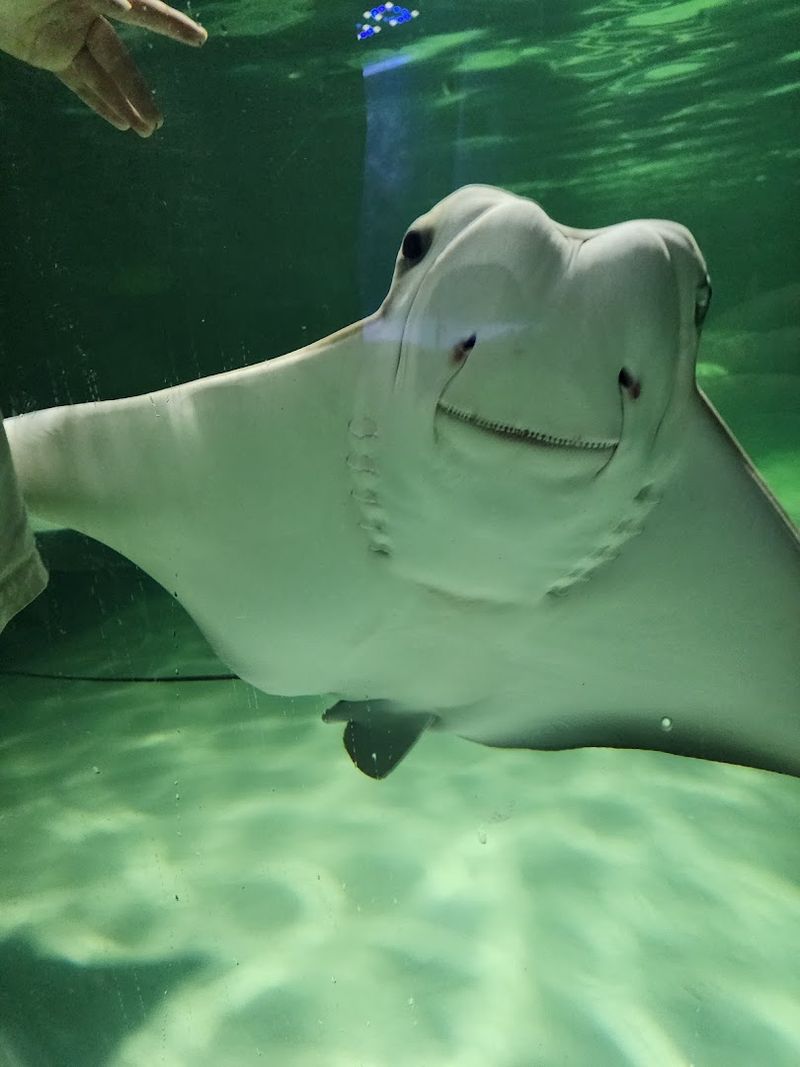
The stingray station at LegaSea Aquarium is one of those exhibits that earns its own reputation entirely on its merits. Rays move through the water with an almost hypnotic smoothness, and the open-top tank design lets visitors reach in and make contact.
The texture of a stingray, smooth and cool and surprisingly soft, is something that photographs simply cannot communicate.
Feeding the stingrays is available as an add-on experience, and the guides who lead it are genuinely knowledgeable. They cover how rays hunt, how they use electroreception to detect prey, and why their barb is defensive rather than aggressive.
The information sticks because it is delivered while visitors are actively interacting with the animals, not standing at a distance reading a wall panel.
Sharks are also part of the aquarium section, adding another layer of visual impact that makes the space feel substantial rather than supplemental. The entire aquarium portion is described by staff as still growing, with some exhibits continuing to develop.
That ongoing evolution actually makes repeat visits interesting, since the space shifts and expands over time rather than staying static.
People who visit primarily for the reptile side often end up spending more time in the aquarium than they planned. The stingray tank in particular tends to hold groups for extended stretches because the interaction never quite feels finished.
There is always another ray circling, always another angle to observe. Loyal customers recommend arriving when the facility first opens at 11 AM to get the most unhurried time at the stingray station before weekend crowds build up and the tank area becomes harder to access comfortably.
The experience rewards patience and early planning in equal measure.
The Two-Headed Turtle and Other Animals You Will Not Find Anywhere Else in Michigan
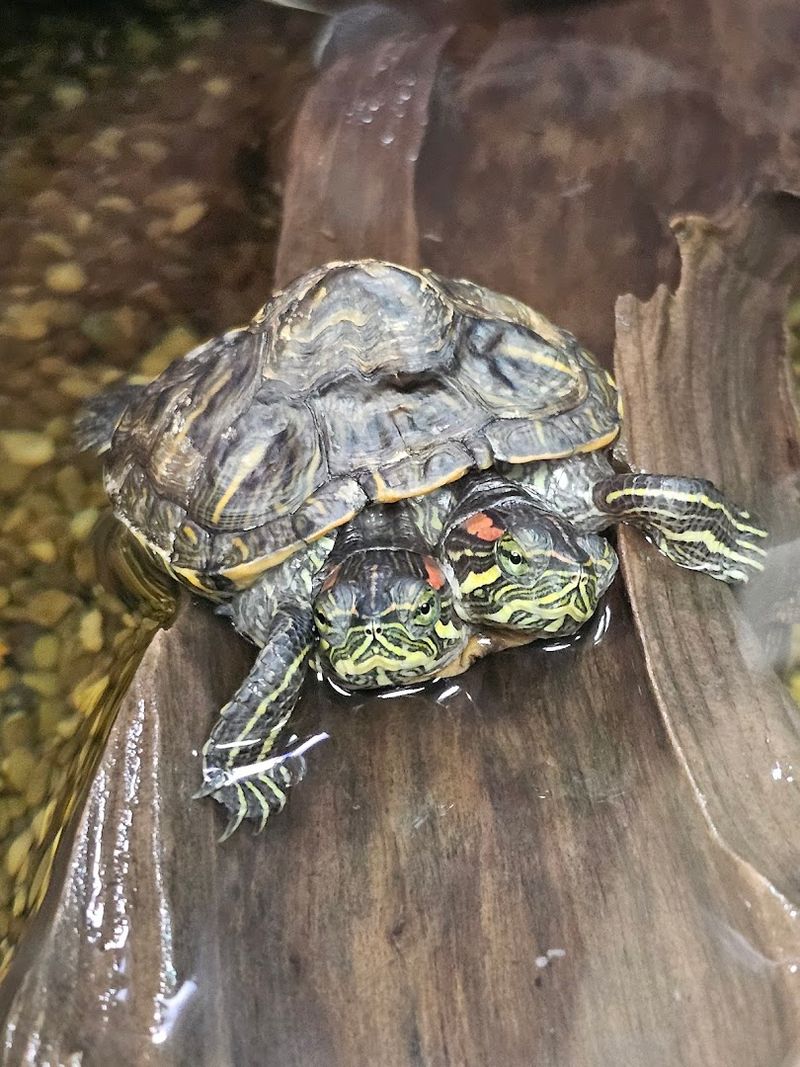
Two-headed turtles are not mythological. They exist, they are rare, and one of them lives at LegaSea Aquarium and The Reptarium in Utica, Michigan.
Polycephaly, the condition that produces two heads on a single body, occurs across many species but rarely survives long in the wild. The fact that this turtle is thriving in a controlled, well-monitored environment makes it one of the most genuinely unusual animals on display anywhere in the state.
Watching it move is a study in coordination. Each head has its own personality and response pattern, and the two do not always agree on direction.
Staff members are well-prepared to explain the biology behind the condition and can answer follow-up questions with impressive depth. This kind of animal is the sort of thing that makes adults stop scrolling their phones and actually pay attention.
Beyond the two-headed turtle, the facility also houses a sightless python, a binturong named Stitch who is interactive and curious during encounter sessions, and capybaras that reportedly roll over for belly rubs. The animal roster here reads like a list assembled specifically to include creatures that most people have never seen outside of a documentary.
That diversity is a deliberate part of what makes the collection feel different from a conventional zoo.
Axolotls, the aquatic salamanders with feathery external gills and a near-mythical status among animal enthusiasts, are on display in the aquarium section. Two are currently available to observe, and they draw significant attention from visitors who recognize them and from those who are discovering them for the first time.
The range of unusual species here is broad enough that no two visitors tend to walk away talking about the exact same animal.
The Vision Behind the Place: Brian Barczyk and What His Dream Became
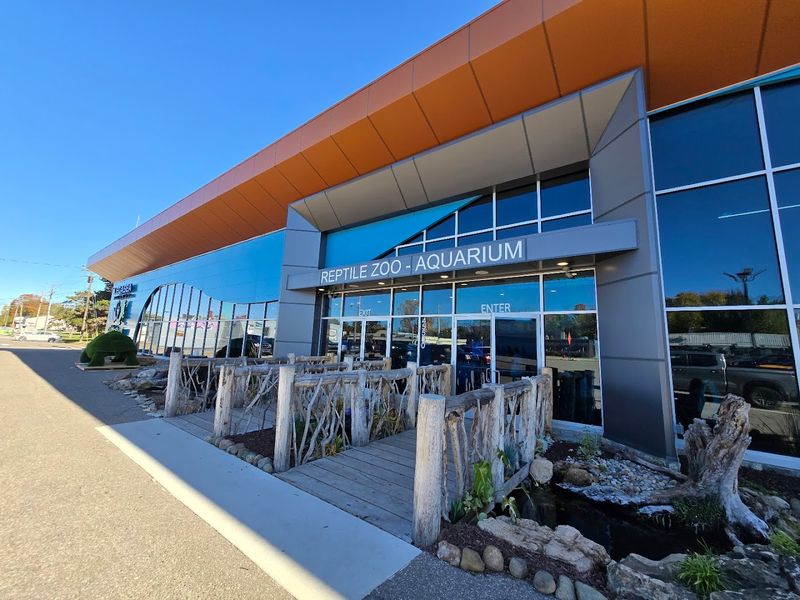
Brian Barczyk spent years building one of the most recognized reptile channels on YouTube, introducing millions of viewers to snakes, lizards, and exotic animals through his videos. His goal was always to create a physical space where people could experience those animals in person, not just through a screen.
LegaSea Aquarium and The Reptarium is the direct result of that vision, and it opened after his passing, completed by his family and team who carried the project through to its opening.
For long-time followers of his channel, walking through the facility carries an emotional weight that first-time visitors might not immediately recognize. Seeing animals that appeared in his videos, now housed in a space he designed and dreamed about, gives the place a specific kind of meaning that goes beyond typical attraction novelty.
People say the connection to his legacy is palpable in how the staff talks about the animals and how the entire operation is run.
His wife Lori and the crew have maintained the hands-on, education-first approach that defined his public persona. The philosophy of letting people touch, hold, and learn rather than observe from behind glass is woven into every part of the visitor experience.
Staff members are not just handlers; they are educators who take genuine pride in changing how someone thinks about a snake or a reptile they previously feared.
The facility also serves as a tribute in a more literal sense, with the care and enthusiasm of the staff reflecting the values Barczyk championed throughout his career. For visitors who grew up watching his content, the experience carries a layer of nostalgia that makes the visit feel personal.
For those discovering it fresh, the energy of the place speaks entirely on its own terms without any backstory required.
Planning Your Visit: Tickets, Timing, and How to Get the Most Out of Every Hour
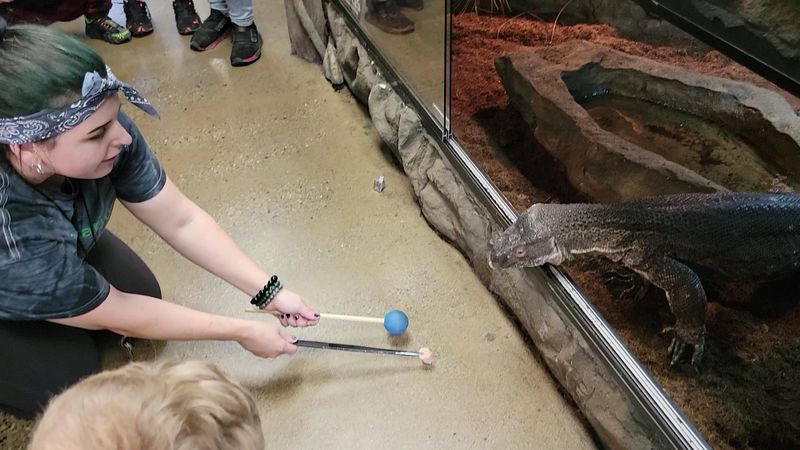
LegaSea Aquarium and The Reptarium is open every day of the week from 11 AM to 7 PM, which gives visitors solid flexibility for planning around school schedules, weekend trips, or weekday outings. Buying tickets in advance online is strongly recommended, especially for weekend visits when the facility fills up quickly and parking, while plentiful, moves fast in the morning rush.
General admission runs around $25 and covers a substantial amount of hands-on access on its own. Staff regularly bring animals out to the floor for interaction without requiring an upgraded ticket.
That said, the Explorer Pass and adventure pass options unlock feeding experiences with stingrays, baby alligators, capybaras, and more, making them worth considering for visitors who want a deeper level of participation during their time there.
Private tours are also available and deliver a more personalized experience, particularly for groups with specific animal interests or for special occasions like birthdays. The facility has hosted birthday parties and group events that people describe as significantly more memorable than a standard party venue.
Guides on private tours are consistently noted for their knowledge and their ability to match the energy of the group they are leading.
The fish spa is free for hands and costs $10 for feet, and the tiny fish that nibble at skin produce a reaction that people describe as ticklish, hilarious, and oddly relaxing all at once. A passport booklet is available for purchase and adds a scavenger-hunt element to the visit that keeps younger kids especially engaged throughout the tour.
Plan for at least ninety minutes at a brisk pace, though most families end up staying considerably longer. Arriving close to opening on a weekday offers the most relaxed, crowd-free version of the experience available.
Share this story