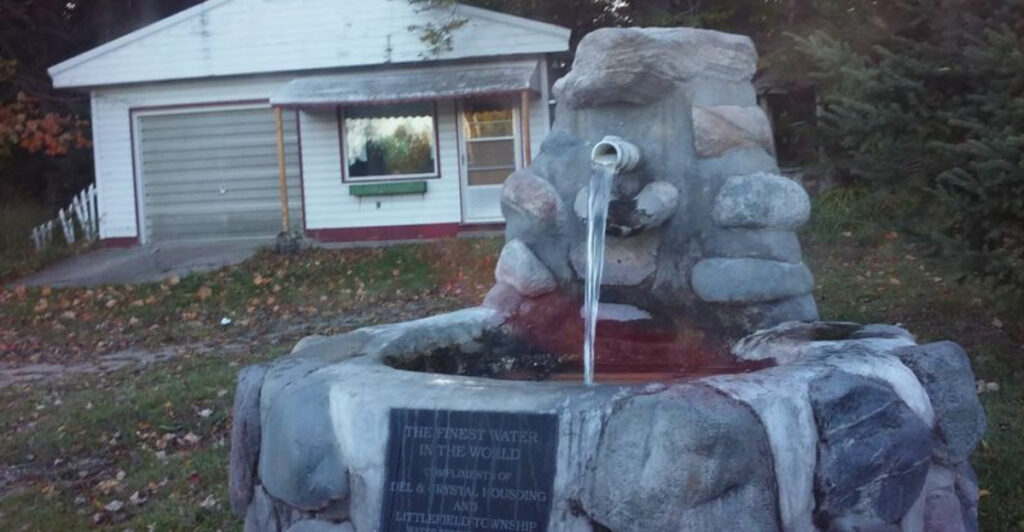
Tucked along US-31 near the small town of Alanson, Michigan, a humble roadside well has been quietly drawing visitors for generations. Families pull off the highway, pop their trunks, and line up with gallon jugs and camping containers to collect some of the cleanest, coldest spring water in northern Michigan.
For many locals, stopping here is less of an errand and more of a ritual passed down from grandparents to grandchildren. This is the story of a simple well that became something much more meaningful.
Cold Water Flowing at the Edge of US-31
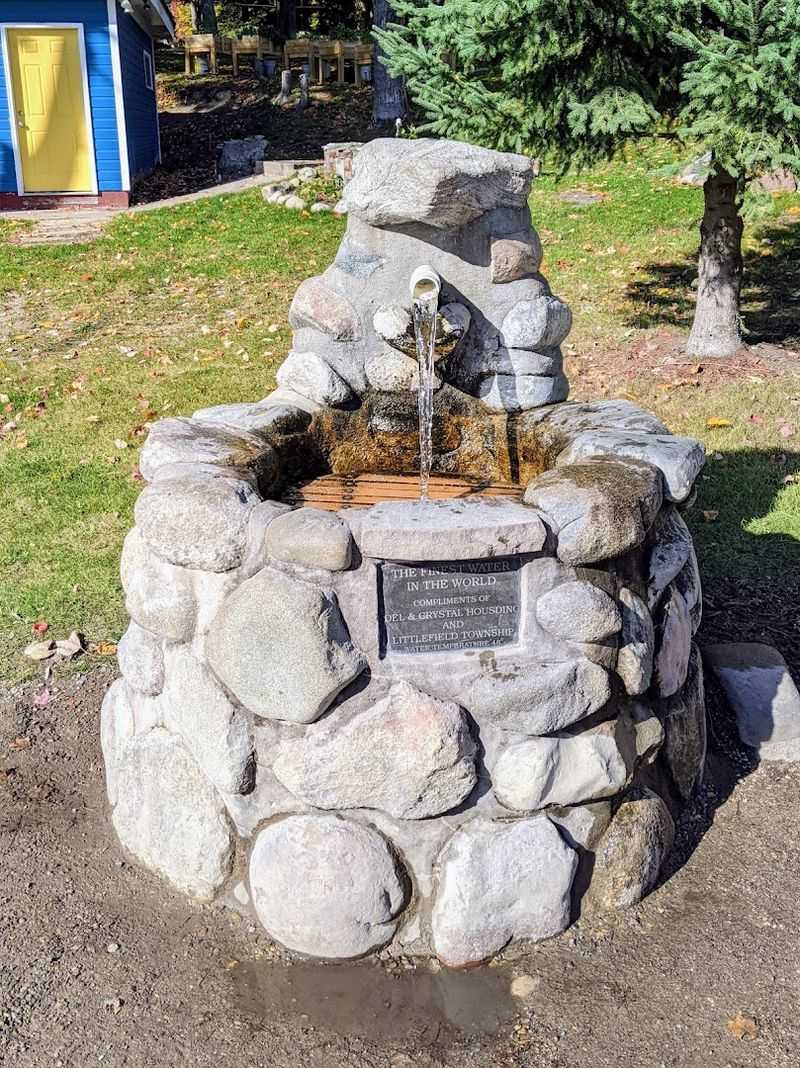
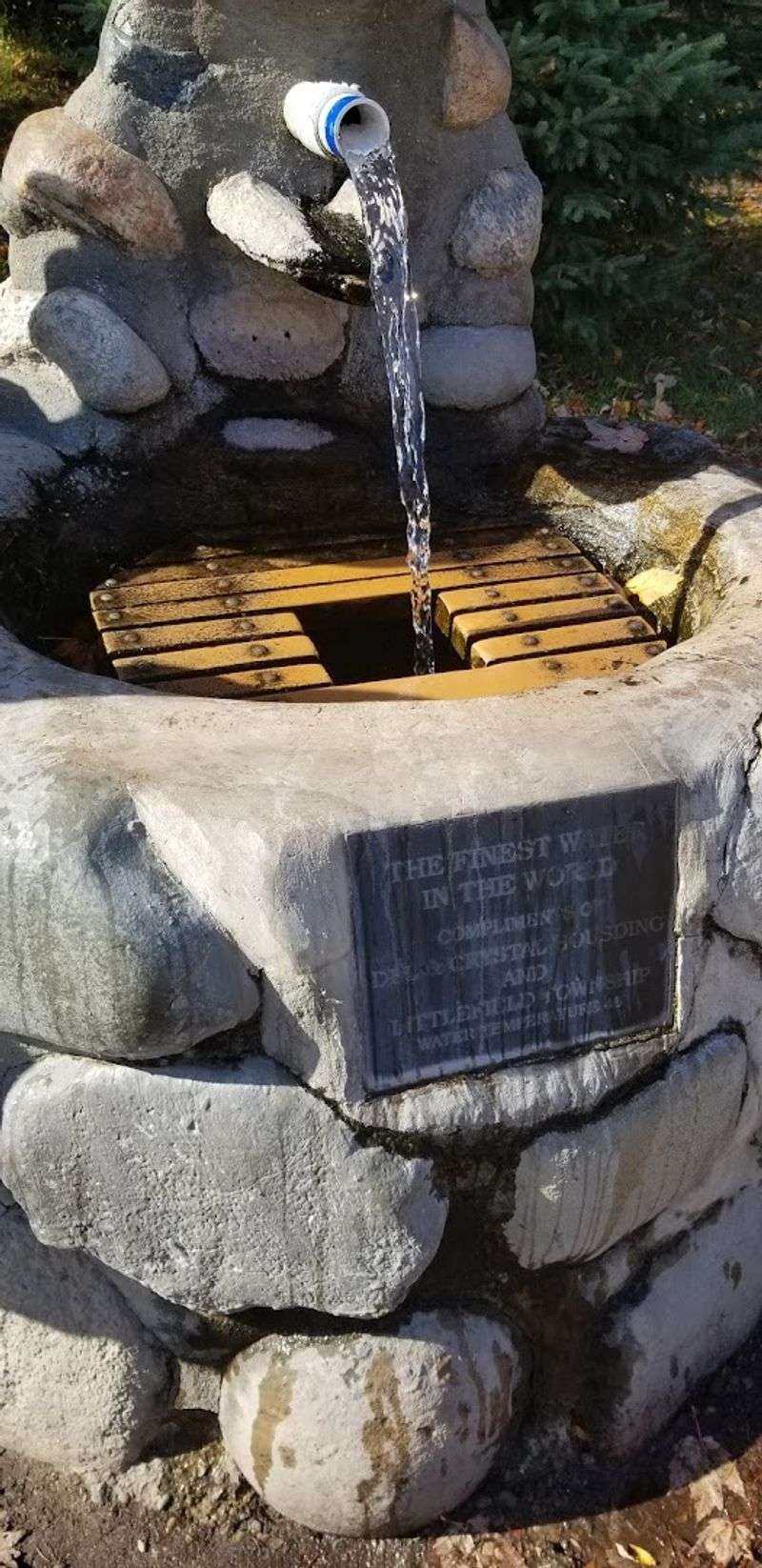
Pull off US-31 just outside Alanson and you will immediately understand why people stop here. The water comes out with serious force, not a trickle or a slow drip, but a steady, powerful flow that fills a gallon jug in seconds.
That kind of pressure is rare for a roadside well, and it makes the whole experience feel surprisingly efficient.
The well sits in a modest pull-off area with room for a couple of vehicles at a time. On busy summer days, cars line up along the shoulder, and a quiet, polite order forms naturally among strangers.
Drivers cut the engine, step out, and stretch their legs while waiting their turn. There is no signage pushing you to hurry, no timer, no fee.
Just cold water and open sky.
The water itself is crystal clear with zero aftertaste. No chlorine bite, no metallic edge, nothing artificial.
People who have been drinking municipal water for years often describe their first sip here as a genuine surprise, a reminder of what water can actually taste like when it comes straight from the ground without heavy processing.
The temperature stays consistently cold year-round, which makes it particularly satisfying on a hot August afternoon after hours on the highway. Even in winter, the flow keeps going, which speaks to the depth and reliability of the source.
Northern Michigan sits on top of exceptional groundwater reserves, and this well taps directly into that natural system. The location along a well-traveled route makes it easy to incorporate into any road trip heading toward Petoskey, Charlevoix, or Mackinaw City.
Most people who stop once tend to plan for it the next time around.
Three Generations and Still Counting
One of the most striking things about this well is how deeply it runs through local family history. There are accounts of grandparents bringing their children here as far back as 1949, which means some families are now on their third or fourth generation of stopping at this exact spot.
That kind of continuity is not common for a roadside landmark, and it says a lot about how consistently the well has delivered.
For those families, the stop is not really about water. It is about the moment itself.
Pulling off the highway, watching the kids scramble out of the backseat, listening to the rush of water hitting the jug. It is a small, repeatable ritual that connects a camping trip or a summer drive to something larger and more personal.
The well becomes a marker in time, a place where generations literally stand in the same spot.
Some of the stone work around the well has shown weathering over the years, which is a natural result of decades of exposure to Michigan winters and spring thaws. The aging structure actually adds to its character.
It does not look polished or manufactured. It looks like something that has been quietly doing its job for a very long time, which is exactly what it has been doing.
The emotional connection people feel here is not manufactured by clever marketing or a gift shop. It comes from repeated visits, from the sensory memory of cold water on a hot day, from the fact that a parent once stood here and now their child stands here doing the same thing.
That kind of place does not need a billboard. Word of mouth across decades has done all the work already.
Who Actually Keeps This Well Running
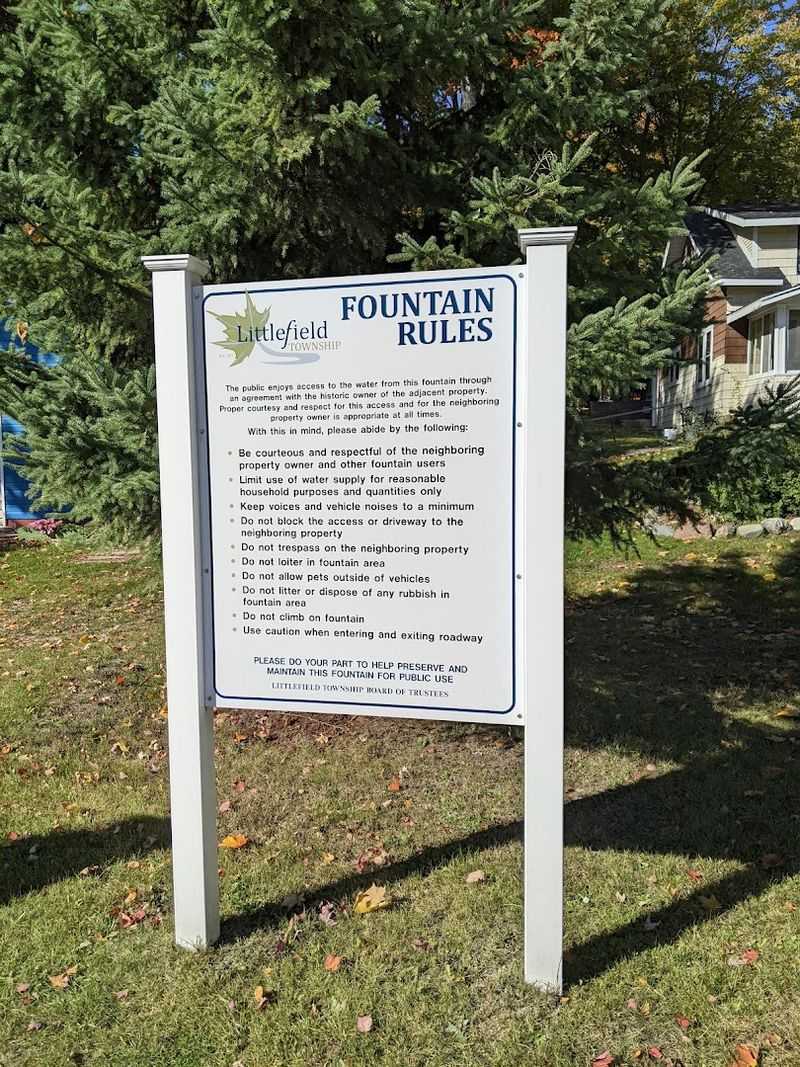
A common misconception among first-time visitors is that this well is a state or county-funded public amenity. It is not.
The well is maintained by the private property owner behind it, and that distinction matters more than most people realize when they pull up and start filling their containers for free.
Running a well pump continuously is not cheap. Electricity costs are real, and they have risen steadily over the years.
The fact that the owner keeps the water flowing around the clock, every single day of the year, entirely for the benefit of strangers passing through, is genuinely remarkable. There is no donation box, no fee, no gate that closes at sundown.
Just an open spigot and a generous arrangement that has held for decades.
The property has driveways on both the north and south ends of the pull-off area, and keeping those clear is important for the homeowner. Blocking either driveway creates a real safety issue, especially when someone needs to pull in or out onto a busy highway.
Being aware of that detail and leaving those lanes open is a simple way to show respect for the person who makes this whole experience possible.
Leaving the area clean is equally important. No trash, no empty packaging left behind, no muddy mess around the spigot.
The well has survived this long partly because visitors have largely treated it with care. A place this freely given deserves that kind of consideration in return.
The owner asks for nothing, which makes the social contract here entirely informal and entirely dependent on the goodwill of the people who show up. So far, that goodwill has been enough to keep the water running.
What Makes Northern Michigan Water Different
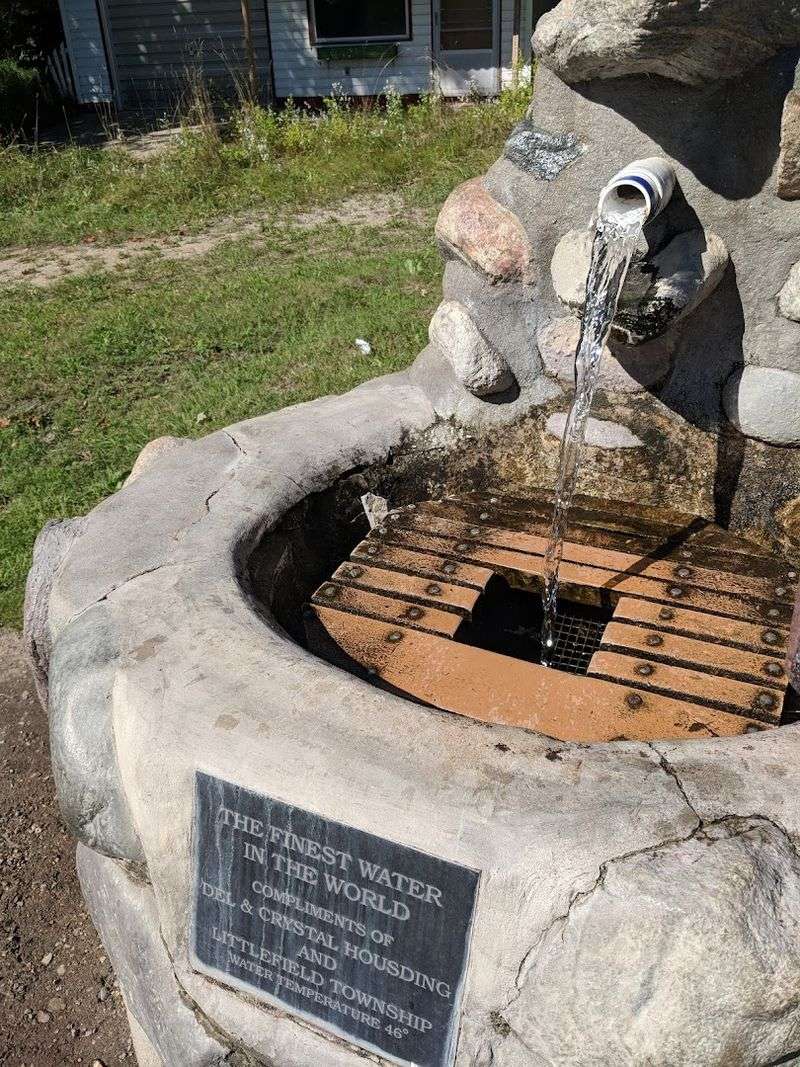
Northern Michigan sits on a geology that is genuinely special for groundwater. The region is underlain by layers of sand, gravel, and glacially deposited material that act as natural filters, cleaning water as it moves slowly downward through the earth before it reaches the aquifer.
The result is water that arrives at the surface already purified by the landscape itself.
The Alanson well draws from this same system, pulling water that has been naturally filtered over a long period of time before it ever reaches the spigot. That process strips out the kinds of impurities that municipal treatment systems have to address chemically.
Here, the geology does the work instead, which is why the water tastes so noticeably clean without any chemical edge.
People who use this water for coffee and tea consistently report that the difference is obvious. Tap water from many Michigan municipalities, particularly in areas with older infrastructure or agricultural runoff concerns, carries enough mineral content or treatment chemicals to noticeably affect flavor.
Spring water this clean lets the actual taste of the coffee or tea come through without interference.
The water temperature stays cold because it comes from deep enough underground that seasonal temperature swings at the surface do not affect it much. Even during a stretch of ninety-degree summer days, the water flowing out of the pipe feels like it just came out of a refrigerator.
That consistency is part of the appeal for campers and road-trippers who want cold drinking water without needing to pack ice. Northern Michigan’s aquifer system is one of the region’s quieter natural assets, and this well offers direct, unfiltered access to it in the most literal sense possible.
How to Plan Your Stop Without the Wait
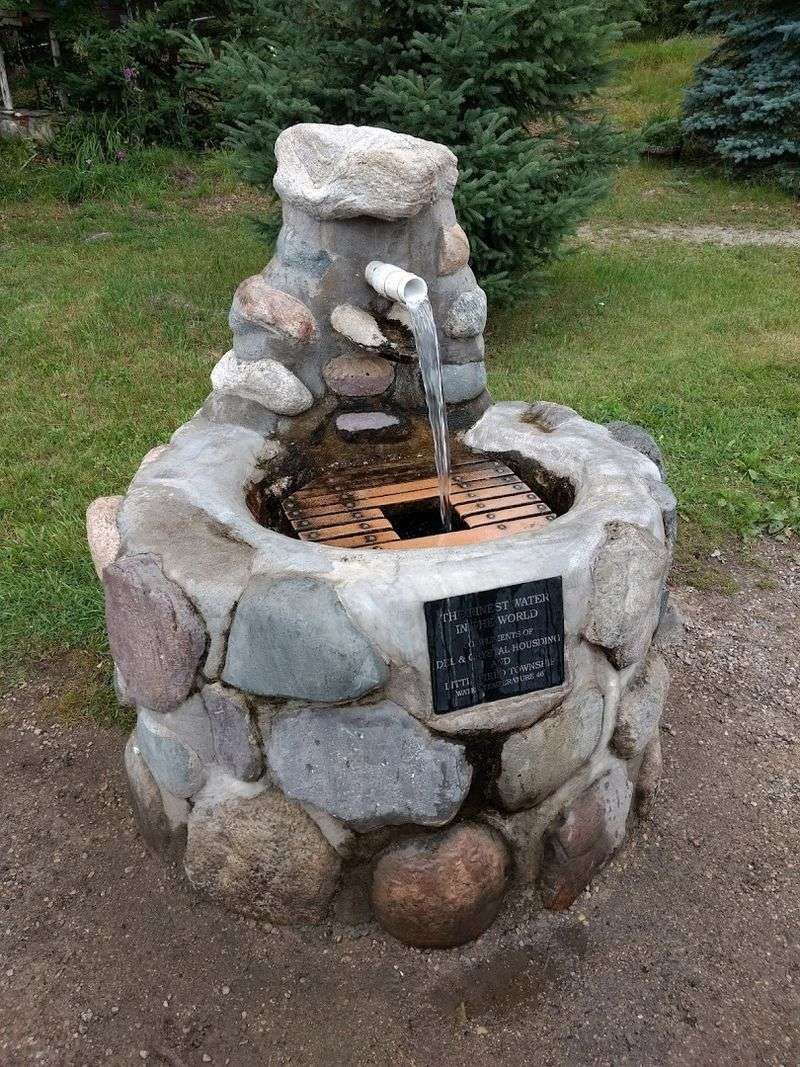
Timing matters at a spot this popular. Summer weekends, especially during peak camping season in July and August, can bring a steady stream of visitors.
The pull-off only accommodates two vehicles at a time, which means arriving during a busy stretch could mean waiting on the shoulder of US-31 for a few minutes while the car ahead finishes filling up.
Weekday mornings tend to be the calmest window. Early risers heading north toward Petoskey or Mackinaw City often stop around 8 or 9 in the morning with minimal competition.
Late evenings also tend to be quieter, and since the well runs twenty-four hours a day, there is no hard deadline that forces a rush. Night stops are uncommon but entirely possible for travelers passing through after dark.
Bringing the right containers makes a big difference. Wide-mouth gallon jugs are easiest to fill given the strong flow from the spigot.
Narrow-neck bottles can be tricky because the pressure is high enough to splash back. Camping water jugs with a five-gallon capacity work well if you plan to use the water for cooking at a campsite.
Filling a week’s worth of drinking water in a single stop is completely realistic given the flow rate.
Parking etiquette is worth keeping in mind. The pull-off is compact, and the homeowner’s driveways border each end of it.
Pulling in straight and not blocking either driveway access keeps the whole operation smooth for everyone, including the property owner. The unspoken rule among regulars is simple: take your turn, fill your jugs, leave the space clean, and move on.
Following that rhythm makes the stop quick and pleasant for the next person in line.
A Free Resource That Draws People From Miles Away
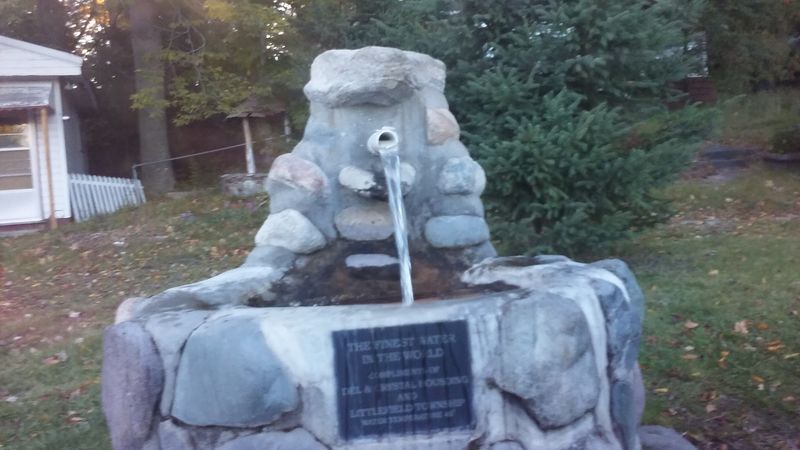
Driving twenty-five miles specifically to fill up thirty one-gallon jugs sounds like an unusual errand until you taste the water. That is exactly what some regulars do, making a weekly or bi-weekly run to the Alanson well as part of their household water routine.
For families living in areas where tap water has a strong chlorine smell or a noticeable mineral taste, the trade-off in time and gas is worth it.
The fact that it is completely free adds an obvious layer of appeal. Bottled water at a grocery store adds up fast, especially for a household that goes through several gallons per week.
Filling ten gallons here costs nothing, which is a practical advantage that keeps people coming back on a regular schedule rather than just as a one-time curiosity.
Campers headed to the many state parks and campgrounds in the northern Lower Peninsula have made this well a standard pre-camp stop. Filling up before setting up a site means cold, clean drinking water for the duration of the trip without relying on campground spigots or hauling cases of plastic bottles.
The environmental angle matters to some visitors too. Reusing the same jugs repeatedly instead of buying single-use plastic aligns with how many outdoor-minded travelers in this region already think about resource use.
The draw extends beyond the immediate Alanson area. Indian River, Petoskey, Boyne City, and even points further south contribute to the regular visitor flow.
Some people treat the stop as a destination in itself, building a short detour into a longer drive just to top off their supply. For a well with no advertising budget and no formal management structure, the word-of-mouth reach across northern Michigan is genuinely impressive.
Why This Spot Holds Its Own Against Everything Around It
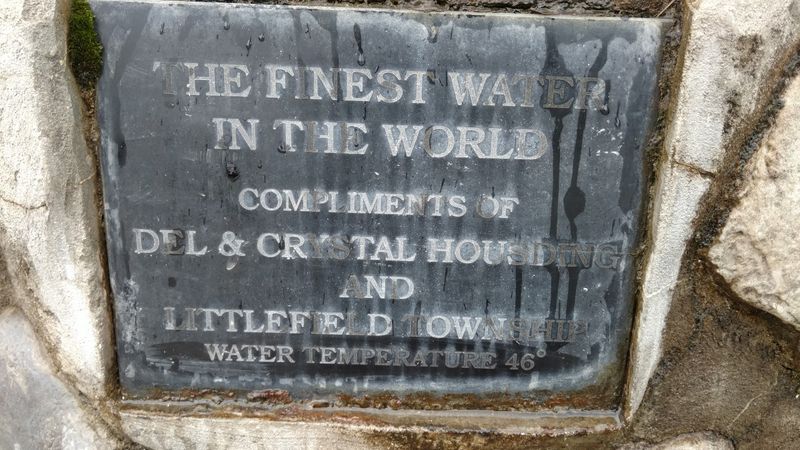
Northern Michigan is packed with scenic stops, charming small towns, lakeside overlooks, and roadside attractions that compete for a traveler’s attention. The Alanson well does not try to compete with any of them.
It offers one thing, cold clean water, and it delivers that one thing better than almost anywhere else on the route.
The simplicity is the point. There is no gift shop, no interpretive sign explaining the geology, no branded merchandise.
Just a pipe, a steady flow, and a small gravel pull-off. In a travel landscape where every experience seems designed to be photographed and monetized, a spot this plain and this functional stands out in its own quiet way.
People remember it precisely because it asks so little and gives so much.
The 4.9-star rating across over 160 reviews is not the result of clever hospitality or Instagram-worthy design. It reflects a place that consistently does what it promises, every day of the year, without fail.
Winter, summer, drought years, wet years, the water keeps flowing. That reliability is its own kind of excellence, and it is harder to maintain than it looks.
For anyone driving US-31 through Alanson, this well is worth at least one stop. Bring a couple of empty jugs, take your turn at the spigot, and fill up with water that tastes like it came from somewhere genuinely clean and cold.
The drive north to Petoskey or Mackinaw City will feel a little different with a jug of this water riding along in the back seat. Some spots earn their reputation through spectacle. This one earned it through decades of simply being exactly what it is, nothing more and nothing less.
Share this story