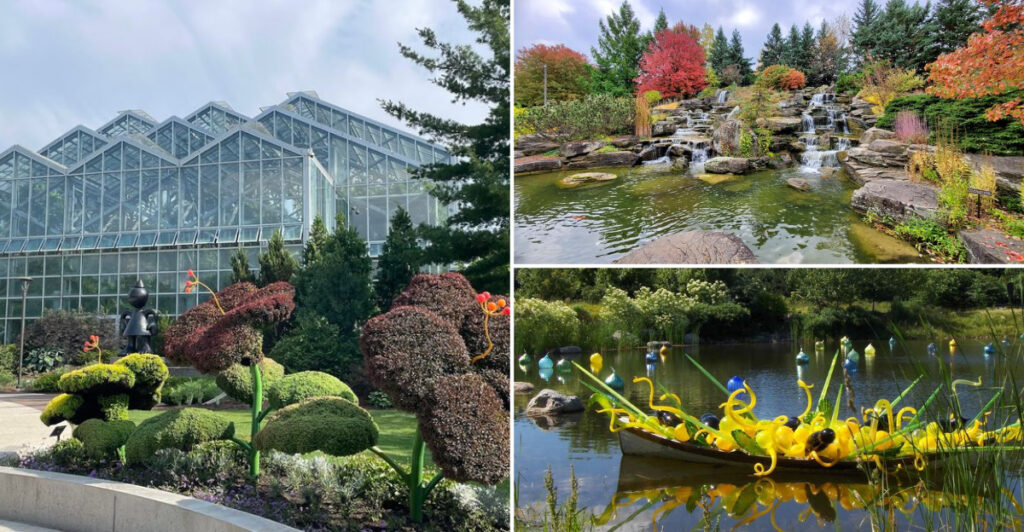
In Grand Rapids, Michigan, art and nature come together in a way that feels almost impossible to rush. Frederik Meijer Gardens and Sculpture Park stretches across 158 acres, blending world-class sculptures, lush botanical spaces, winding paths, seasonal displays, and quiet corners that make every visit feel layered and memorable.
One moment you are standing beside a massive outdoor sculpture, and the next you are surrounded by gardens that feel carefully designed to slow the day down. Whether you love plants, contemporary art, peaceful walks, or places that surprise you at every turn, this Grand Rapids destination proves why it has become one of the most beloved cultural escapes in the Great Lakes region.
Where Giant Sculptures Meet Open Sky

Step outside the main building at Frederik Meijer Gardens and the scale of everything shifts immediately. The outdoor sculpture park stretches across rolling terrain, with massive works of art placed deliberately among trees, open meadows, and winding paths.
These are not decorative pieces tucked into corners — they command full attention.
One of the most recognized landmarks on the grounds is the American Horse, a towering bronze sculpture standing nearly 24 feet tall. Created by sculptor Nina Akamu, it was inspired by an unfinished design by Leonardo da Vinci.
Standing next to it puts the sheer ambition of the piece into perspective — it is enormous, beautifully detailed, and oddly moving in person.
The outdoor collection spans multiple styles and time periods, featuring works by internationally known artists. Some pieces are abstract and angular, others are figurative and deeply expressive.
The variety keeps every turn of the path interesting, because there is no single visual tone to the collection.
Paths wind naturally through the property, guiding visitors past sculptures without making the experience feel like a rigid tour. The landscaping around each piece is intentional — plants, grasses, and seasonal blooms frame the sculptures rather than compete with them.
In spring and summer, the color contrast between bronze and greenery is especially striking.
For families, the outdoor space offers room to roam without feeling crowded. Kids can move freely between sculptures, and the open layout makes it easy to pause, photograph, and explore at a natural pace.
Comfortable walking shoes matter here — the grounds are large and the terrain varies. A tram service runs throughout the property for those who want to cover more ground with less effort.
The Chihuly Glass Experience That Stops You Cold
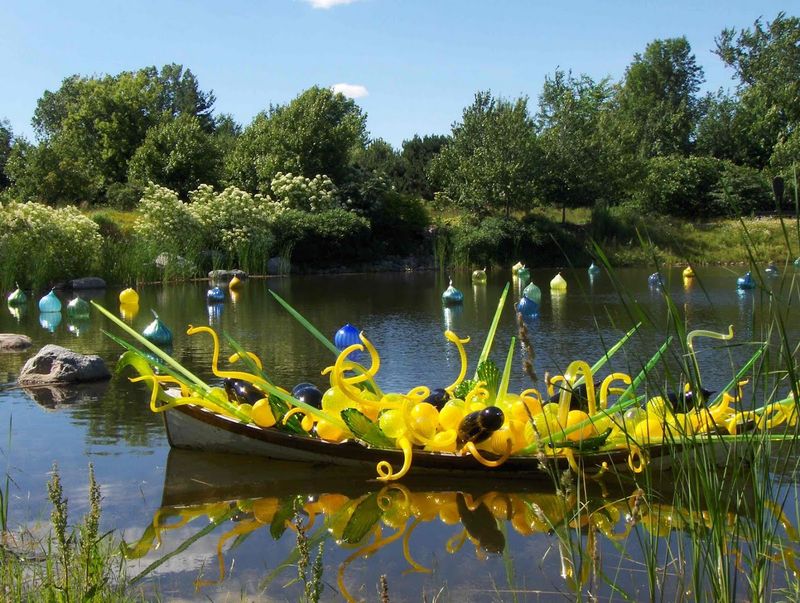
Dale Chihuly is one of the most recognized names in glass art worldwide, and his work currently transforms Frederik Meijer Gardens into something that feels genuinely surreal. Blown glass sculptures in explosive bursts of color are placed throughout the outdoor grounds and inside the greenhouse, creating moments of visual surprise around nearly every corner.
Outside, tall spire-like glass forms rise from garden beds, catching sunlight in ways that shift depending on the time of day. Early morning visits reveal soft warm tones, while midday sun pushes the colors into something almost electric.
The placement of each piece alongside living plants creates a layered visual effect that photography barely captures accurately.
Inside, a separate ticketed exhibit showcases smaller Chihuly works up close. The indoor setting allows visitors to study the detail and craftsmanship at a much closer range.
Swirling patterns, layered colors, and asymmetrical forms reveal just how technically demanding this kind of glasswork actually is. Each piece looks molten even when perfectly still.
The exhibit draws visitors who might not typically consider themselves art lovers, which says a lot about its accessibility. Color does a great deal of the work — Chihuly uses hues that feel instinctively joyful, and the organic shapes mirror natural forms in ways that feel connected to the garden setting rather than out of place within it.
For those interested in taking a piece home, the gift shop carries a curated selection of Chihuly works available for purchase, with prices generally ranging from several thousand dollars for smaller items. It is a serious collector’s opportunity in a setting most people associate with a casual day trip.
The combination makes the experience feel unexpectedly layered and worth planning around.
Inside the Tropical Greenhouse, Michigan Disappears
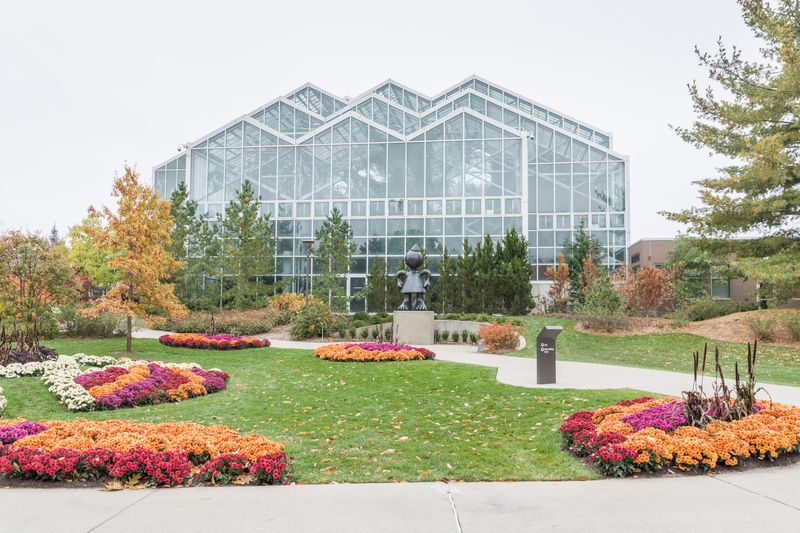
Walking into the main greenhouse at Frederik Meijer Gardens is a full sensory reset. The air is warm and thick, heavy with the kind of humidity that signals you have just crossed into a completely different climate zone.
Outside it might be 40 degrees and overcast — inside, tropical plants stretch toward a glass ceiling and banana trees grow tall enough to feel genuinely impressive.
The rainforest room is consistently one of the most talked-about spaces on the property. Towering plants, dense foliage, and the ambient sound of moving water create an atmosphere that feels far removed from a typical Michigan afternoon.
Bonsai collections are displayed nearby, offering a quieter and more meditative counterpoint to the lush chaos of the tropical section.
Seasonal flower shows cycle through the greenhouse throughout the year, which means repeat visitors consistently encounter something new. The displays are curated with real attention to color, texture, and arrangement — these are not casual plantings but carefully composed living installations.
During fall visits, the warm interior becomes an especially welcome contrast to the cooling outdoor temperatures.
The greenhouse layout encourages slow exploration rather than a straight-through walk. Side paths branch off into different climate zones and plant collections, and the transitions between them are gradual enough that most visitors do not notice the shift until they are already surrounded by something entirely new.
Snacks and drinks are available at the on-site cafe, making it easy to break up a long visit with a rest. Hot apple cider and donuts appear seasonally during fall, which pairs well with the greenhouse warmth.
Planning for at least two to three hours inside the greenhouse alone gives enough time to move through it without feeling rushed or like anything important was skipped.
Butterflies Land on You Here — Literally
There is a specific kind of quiet that settles over people the moment they step into the butterfly exhibit at Frederik Meijer Gardens. The room is warm, lightly humid, and filled with dozens of live butterflies moving freely through the air.
Some flutter past at eye level. Others land on shoulders, arms, or the brims of hats without any warning.
Blue Morpho butterflies are among the most striking species present during the exhibit season. Their wings flash an almost metallic blue when open, and the contrast when they fold to reveal a muted brown underside is genuinely startling.
Visitors wearing brighter colors, particularly blues and teals, tend to attract more attention from the butterflies — a small, unpredictable detail that makes every visit slightly different.
Children are especially captivated by the experience. The exhibit is enclosed and manageable in size, which means even young kids can navigate it comfortably.
The combination of moving color, the warmth of the room, and the occasional landing of a butterfly on a small hand creates a level of engagement that no screen-based experience can replicate.
The butterfly exhibit runs on a seasonal schedule, so checking current programming before a visit is worth doing. When the exhibit is active, it draws consistent crowds, particularly on weekends.
Arriving earlier in the day gives a slightly less busy experience and often produces better photographs in the softer morning light.
The gift shop near the exhibit entrance carries butterfly-themed items ranging from jewelry to educational books, which makes it a natural stopping point after the main experience. Annual membership holders tend to visit the butterfly exhibit multiple times across a single season, treating it less like a one-time attraction and more like a recurring pleasure worth returning to.
Michigan’s Best-Kept Garden Secret Has a Japanese Soul
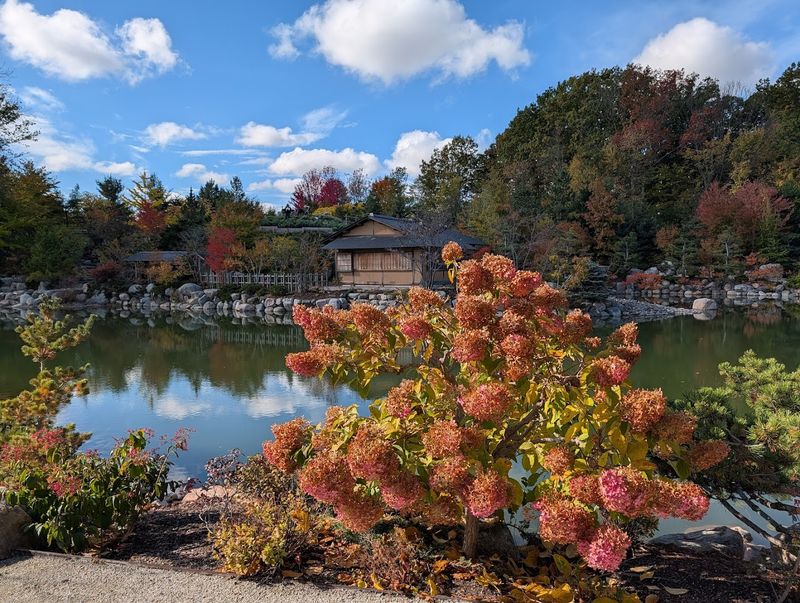
Not every visitor discovers the Japanese Garden on their first trip through the property, which makes finding it feel like a genuine reward. Tucked within the broader landscape of Frederik Meijer Gardens, this section operates on a completely different visual frequency from the rest of the park.
Everything here is measured, intentional, and deeply calm.
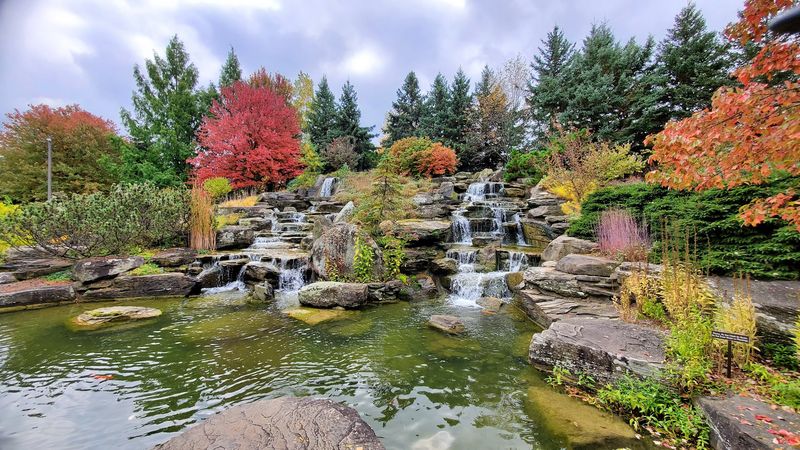
Stone lanterns, carefully pruned shrubs, and a koi pond anchored by a wooden bridge define the space. The design follows traditional Japanese garden principles, prioritizing balance and negative space as much as the plants and structures themselves.
Moving through it slowly is the only way to absorb what the layout is actually doing — rushing defeats the purpose entirely.
Seasonal changes affect the Japanese Garden dramatically. Spring brings soft blossoms and fresh green growth.
Autumn transforms the maples into deep reds and oranges that reflect off the water’s surface. Even in winter, the bare structure of the garden reveals a kind of architectural elegance that warmer months partially obscure beneath foliage.
Photographers tend to linger here longer than in other sections of the park. The framing opportunities are unusually strong — the combination of water, stone, and carefully shaped plants creates compositions that work from almost any angle.
Early morning visits offer the best light and the fewest other visitors in the frame.
For first-time visitors to the full property, the Japanese Garden often registers as a surprise highlight. People who came primarily for the sculptures or the Chihuly exhibit frequently mention it as the section they wish they had spent more time exploring.
Returning visitors often treat it as a first stop rather than an afterthought, which reflects how strongly it holds up across multiple visits and different seasons.
Planning Your Visit So You Actually See Everything
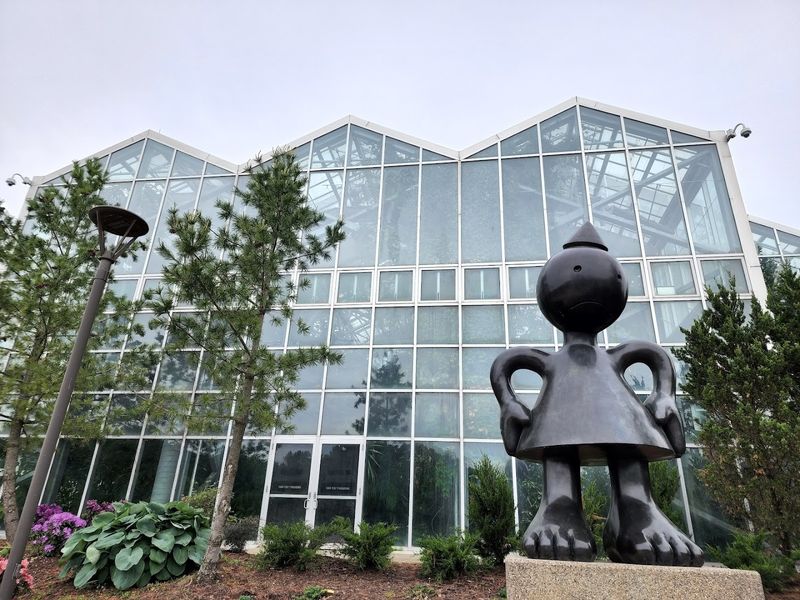
Frederik Meijer Gardens is large enough that an unplanned visit can feel overwhelming or incomplete. The property covers 158 acres, and the combination of indoor and outdoor spaces means there is genuinely more to see than most people can cover in a single afternoon.
Going in with a loose plan makes the experience significantly more satisfying.
Hours vary by day of the week. The gardens open at 9 AM on most days, with Friday, Tuesday, and Wednesday extending to 9 PM — making those evening hours a quieter, cooler option for outdoor exploration during warmer months.
Sunday hours begin at 11 AM, which is worth noting if an early start is part of the plan. The extended evening hours on select days are underused by most visitors and offer a noticeably different atmosphere as the light changes.
A tram runs through the outdoor grounds and operates as a hop-on, hop-off service, which is genuinely useful for covering the full property without exhausting everyone in the group. Families with young children, older visitors, or anyone who wants to pace themselves across a long day will find the tram worth using rather than skipping.
Parking is available on-site and the location on Beltline Avenue is accessible from downtown Grand Rapids within about 15 minutes, making it practical for visitors staying in the city. Ride-share pickup and drop-off is also straightforward, with a clear designated area near the entrance.
Annual memberships pay for themselves quickly for anyone planning more than a couple of visits per year. The membership also covers guest passes and early access to special exhibits, which makes it particularly worthwhile during high-draw shows like the Chihuly installation.
Budget a full day rather than a half-day — the property consistently rewards the extra time.
Why This Place Has a 4.8 Rating From 14,000 People
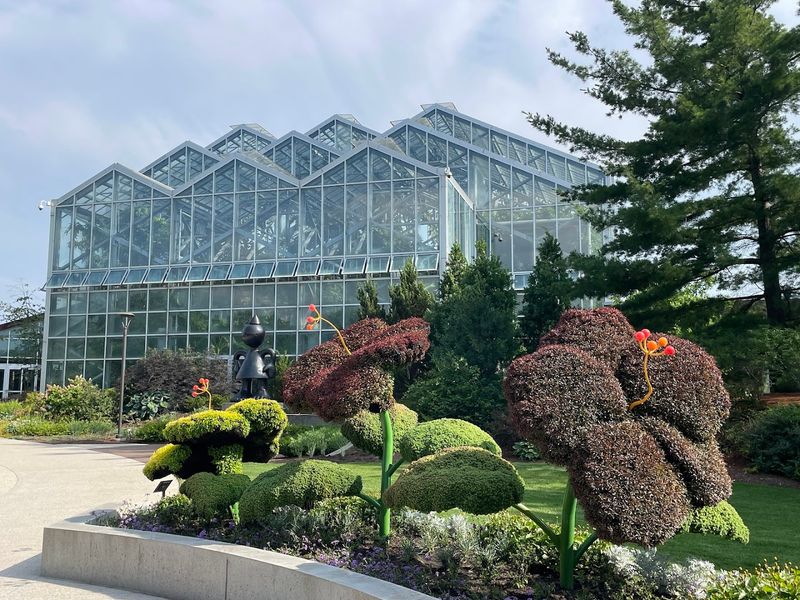
A 4.8-star rating across more than 14,000 reviews is not an accident — it reflects something structural about how Frederik Meijer Gardens operates. The grounds are maintained at a level of care that is immediately visible.
Paths are clean, plantings are well-tended, and the overall property feels like significant attention is given to the experience rather than just the attractions themselves.
The breadth of what the gardens offer is a major factor. Families with young children have the dedicated kids area, complete with a water table and hands-on activities in the children’s learning lab.
Adults who came for the art find rotating special exhibits, a permanent outdoor sculpture collection, and a Japanese Garden that rewards careful attention. The cafe serves food that holds up on its own — not just a convenience stop but a genuine dining option, with the Reuben sandwich earning particular loyalty among regulars.
Summer concerts on the outdoor amphitheater stage add another layer to the property’s appeal. The venue draws well-known performers, and the combination of live music with the garden setting creates an evening experience that is hard to replicate elsewhere in West Michigan.
Tickets for popular shows sell out well in advance, so planning ahead for those events is essential.
The property also runs seasonal programming throughout the year, which prevents the experience from feeling static across multiple visits. Fall decorations, butterfly season, winter light displays, and spring flower shows each give the gardens a distinct character that keeps annual members returning regularly rather than feeling like they have already seen everything.
There is enough variety here to satisfy completely different types of visitors on the same trip. That range — from world-class art to a child splashing at a water table — is exactly why the rating holds so consistently high across such a large number of reviews.
Share this story