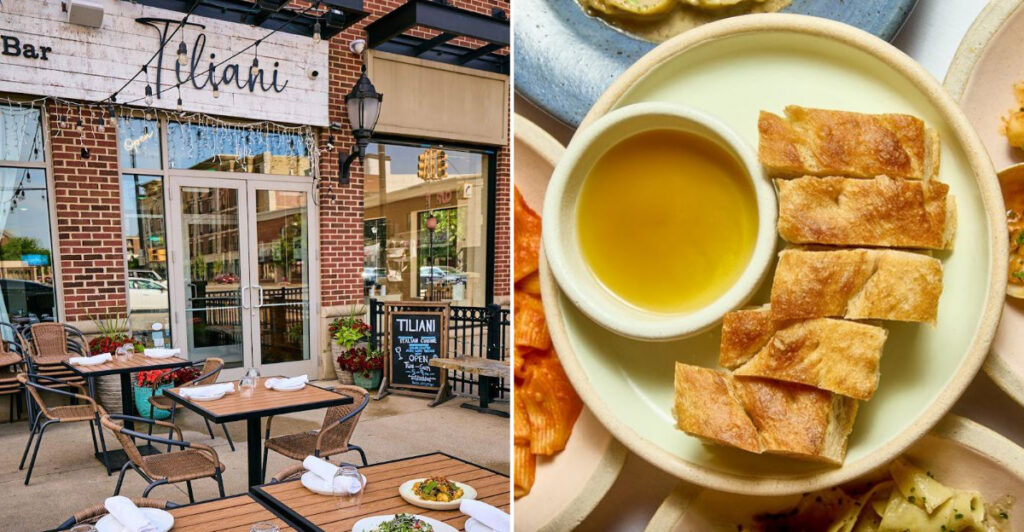
On a quiet stretch of South Military Street in Dearborn, Michigan, Tiliani Italian Restaurant and Bar brings a deeply personal story to the table. Chef Hisham uses olive oil pressed from his family’s land in Baalbek, Lebanon, folding that connection into the food in ways guests can actually taste.
The same oil goes into the focaccia baked fresh in the kitchen each evening, giving a simple bread course the kind of meaning most restaurants never manage. From handmade pasta to wood-fired olive oil cake, Tiliani blends Italian comfort with family history, careful technique, and a sense of place that reaches far beyond Dearborn.
It is the kind of restaurant where dinner feels less like a routine night out and more like something worth remembering.
Where Dearborn Meets the Lebanese Countryside on a Bread Plate
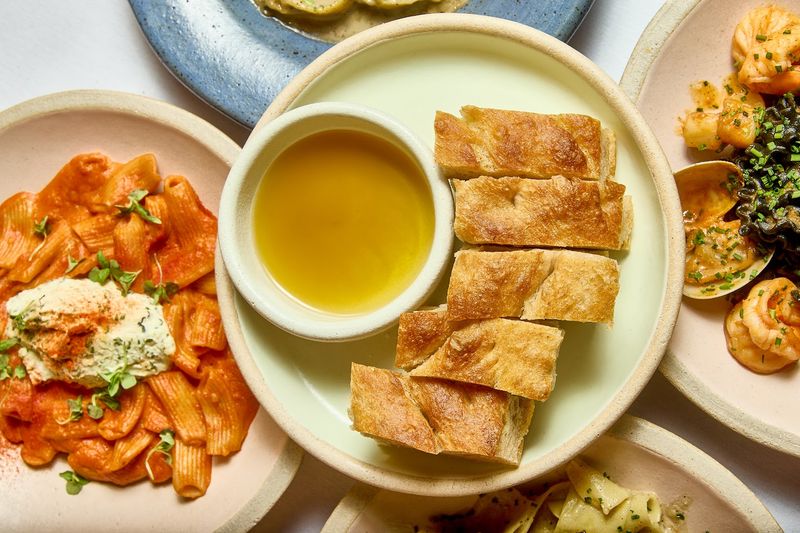
Before the pasta arrives, before the pizza comes out of the oven, the bread hits the table — and it stops people mid-conversation. Tiliani’s focaccia arrives warm, its surface catching the light with a generous pour of Lebanese olive oil that smells faintly of sun-dried herbs and earth.
That oil comes from Baalbek, in northern Lebanon, pressed from olive trees on Chef Hisham’s family land.
This is not a detail buried in a press release. Hisham talks about it openly, sometimes stopping by tables to explain the oil’s origin himself.
His father has been known to share the story too, describing his son’s journey from Lebanon to Michigan with obvious pride. The olive oil isn’t just an ingredient — it’s a through-line connecting the restaurant’s identity to something deeply personal.
Focaccia baked with that kind of oil has a different quality to it. The crumb stays open and airy, the crust develops a thin crackle, and the finish is clean rather than greasy.
It pairs well with almost everything on the menu, and many diners end up requesting more before their entrees arrive.
Tiliani opened on South Military Street in Dearborn with a focused concept: upscale halal Italian food, made with ingredients that carry meaning. The bread is the first signal that this kitchen operates with intention.
Nothing on the table feels accidental, from the way the oil is poured to the fact that there is no salt or pepper left out for guests to reach for — because the kitchen seasons everything before it leaves the pass.
That confidence shows up immediately in the bread course, and it sets the tone for the entire meal that follows.
Short Rib Pappardelle: The Dish That Keeps Filling Tables
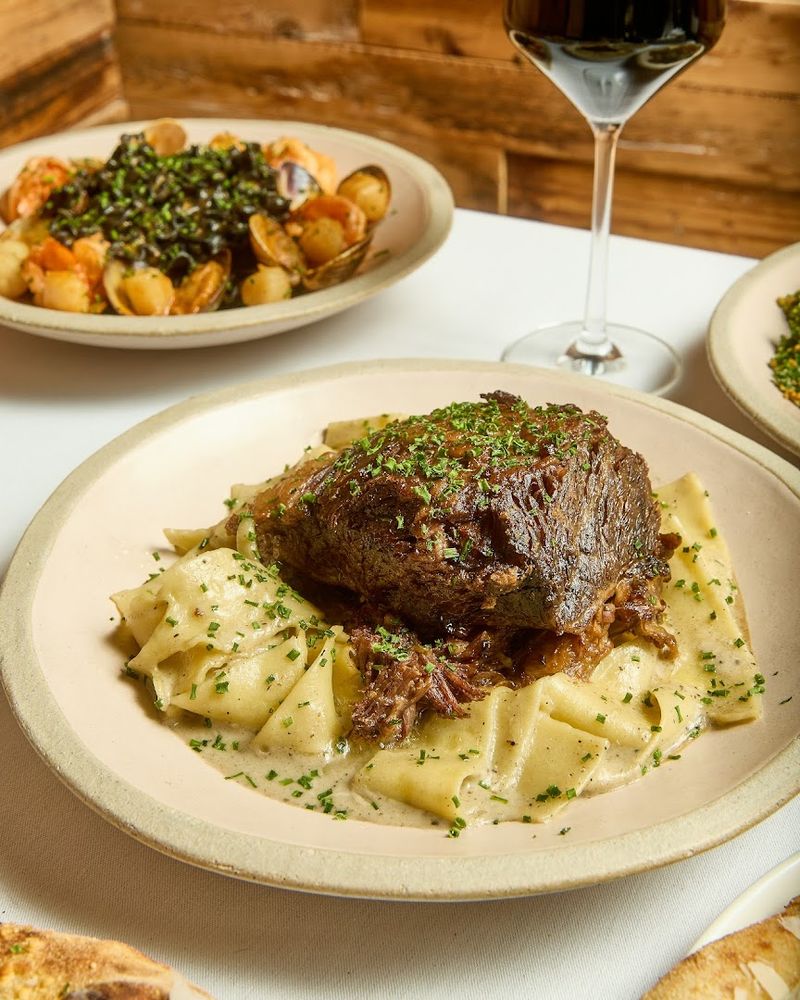
The braised short rib pappardelle at Tiliani has developed a reputation that spreads fast. Order it once and the combination of slow-cooked beef, house-pulled pasta ribbons, and a cream sauce that clings without overwhelming makes it very hard to order anything else on a return visit.
The short rib is portioned generously — more than most people expect from a refined Italian kitchen — and the meat pulls apart with almost no resistance.
House-made pasta has a texture that dried pasta simply cannot replicate. The pappardelle here has a slight chew that holds up against the weight of the braised beef without going soft.
Each strand catches the sauce evenly, so every forkful delivers the same balance from the first bite to the last. That consistency is harder to achieve than it sounds, especially at volume during a busy dinner service.
The dish works because the short rib brings deep savory notes while the cream sauce adds richness without heaviness. Some diners have noted they’d welcome a touch of acidity — a squeeze of citrus or a sharper finishing element — to cut through the fat.
That’s a fair observation, and one that speaks to how closely people are paying attention when they eat here. A dish only earns that level of scrutiny when it’s already doing most things right.
Tiliani’s kitchen is open Tuesday through Sunday starting at five in the evening, and the pappardelle is consistently one of the first items to run short on busy nights. Arriving early gives the best chance of getting it fresh from the first batch of the evening.
Pairing it with the kale Caesar salad beforehand makes for a well-rounded meal that covers both brightness and depth without feeling excessive.
The Wood-Fired Olive Oil Cake That Closes Every Great Night
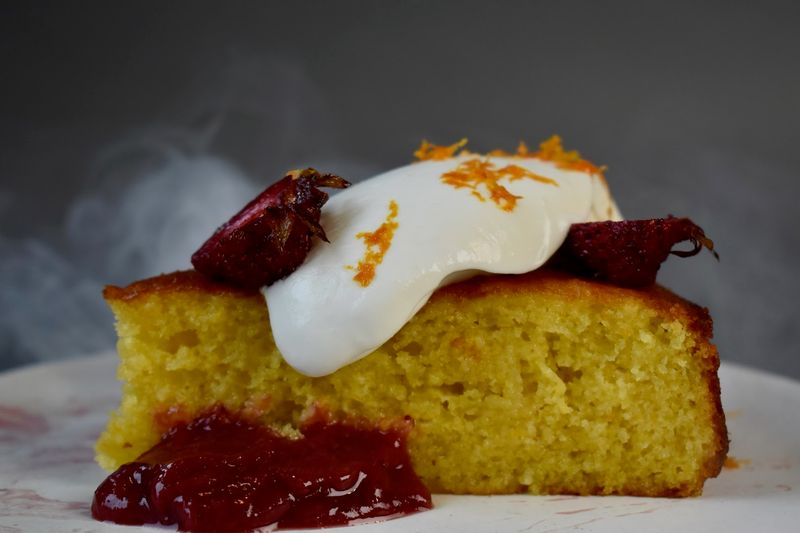
Dessert at Tiliani doesn’t follow the predictable script. There’s no towering chocolate lava cake or overly sweet cannoli platter dominating the end of the meal.
Instead, the wood-fired olive oil cake takes center stage — and once a table orders it, the reaction tends to be the same across the board. People slow down, take smaller bites, and start wondering how something this simple can be this satisfying.
Olive oil cake has roots in Mediterranean baking traditions that stretch back centuries. The fat in the oil replaces butter, resulting in a crumb that stays moist for longer and carries a faint savory undertone that makes the sweetness feel more complex.
When baked in a wood-fired environment, the exterior develops a thin caramelized layer that adds texture without drying out the interior. Tiliani’s version leans into that contrast fully.
The same family olive oil that greets diners in the bread course shows up again here, closing the meal with a kind of thematic symmetry that feels intentional rather than accidental. It’s a quiet way of reinforcing the restaurant’s identity — one ingredient, used twice, in completely different applications, each one executed with care.
Pairing the cake with an Americano is worth considering. The coffee at Tiliani has been described as some of the best in the area, and the slight bitterness of a well-pulled espresso-based drink cuts through the oil cake’s richness in a way that extends the pleasure of the last course rather than ending it abruptly.
The dessert menu stays compact, which means the olive oil cake gets the attention it deserves. On a warm evening, sitting with that plate and a good coffee, the South Military Street address feels like exactly the right place to be.
Squid Ink Mafaldine and the Kitchen’s Approach to Seafood
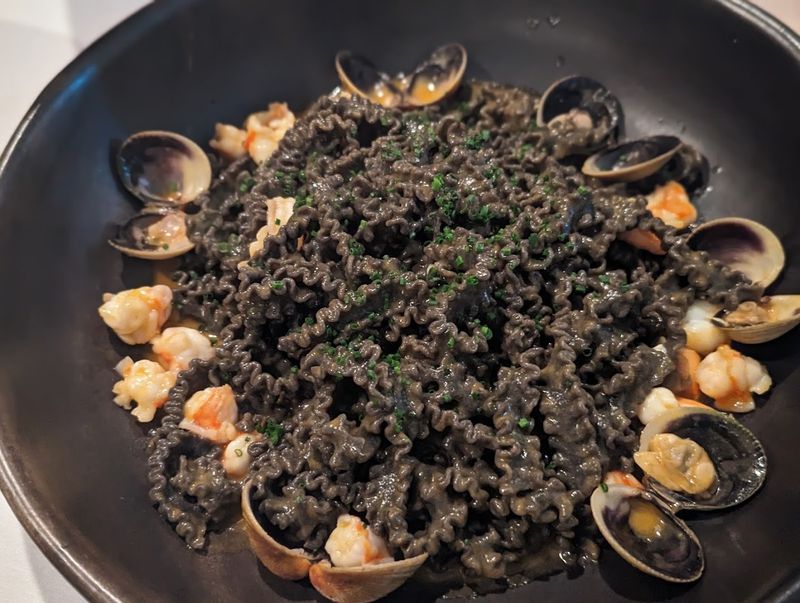
Squid ink pasta is bold in both appearance and flavor, and ordering it signals a willingness to trust the kitchen. Tiliani’s mafaldine — a long, ruffled pasta with edges designed to catch sauce — arrives jet black and glossy, plated with seafood cooked to the kind of precision that only happens when a chef genuinely cares about technique.
The ruffled edges do exactly what they’re supposed to, trapping sauce in small pockets along every bite.
The kitchen’s flexibility adds another layer of appeal. When a diner recently came in with a chili butter allergy, the staff substituted garlic butter without hesitation and without making it feel like a burden.
That kind of responsiveness is common in truly professional kitchens and rare in restaurants still finding their footing. At Tiliani, it reads as standard operating procedure rather than an exception.
Seafood cookery is one of the more unforgiving areas of Italian cuisine. Overcook a piece of fish by ninety seconds and the texture collapses.
The branzino on the menu — a Mediterranean sea bass — arrives boneless and finished with lemon and a bright, briny pesto. The flavors are clean and direct, leaning into the natural sweetness of the fish rather than masking it with heavy sauce.
Both the mafaldine and the branzino demonstrate that Tiliani’s range extends well beyond red meat and cream-based pasta.
Michigan diners accustomed to landlocked Italian-American menus often find the seafood section here to be a genuine surprise. The sourcing feels considered, and the cooking reflects a respect for the ingredient rather than a checkbox approach to menu variety.
For anyone who defaults to pasta on every visit, the branzino alone is reason enough to branch out at least once.
Brussels Sprouts, Pistachio Caesar, and the Art of the Starter
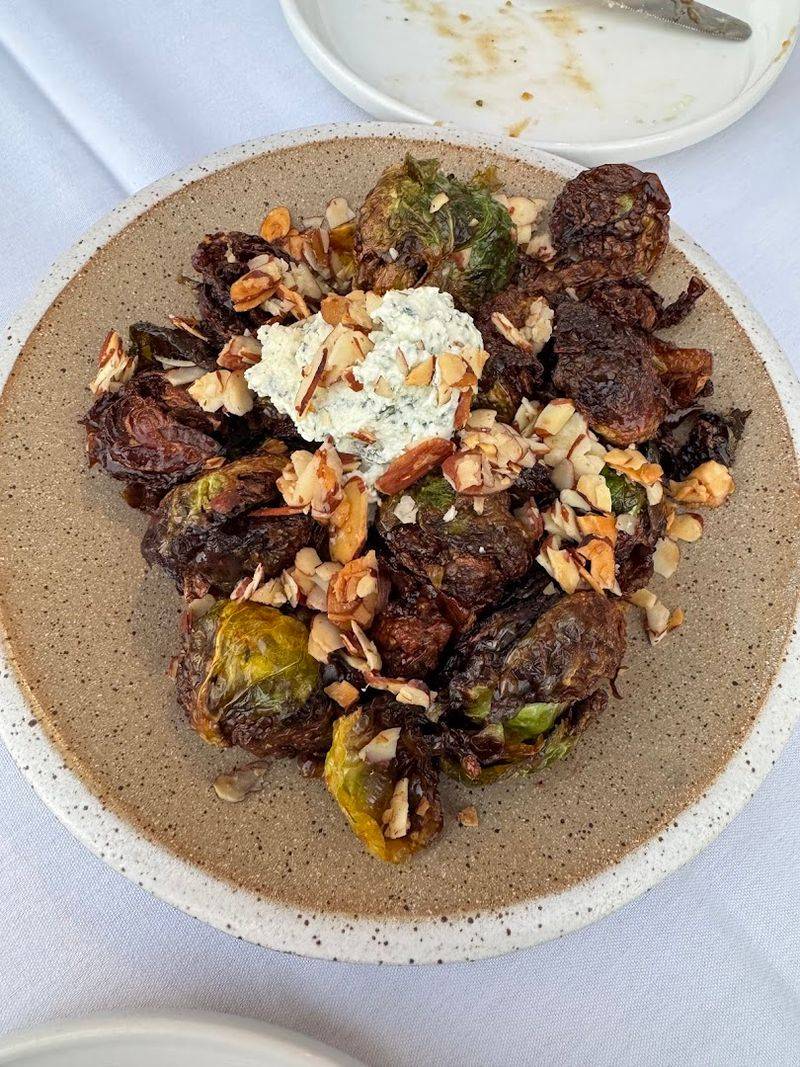
Appetizers at Tiliani are not an afterthought. The Brussels sprout dish — served with pumpkin and whipped ricotta — reads like it belongs on a menu at a restaurant charging twice the price.
The bitterness of the sprouts, the sweetness of the pumpkin, and the cool creaminess of the ricotta create a combination that’s genuinely surprising on the first encounter. It’s the kind of starter that makes a table fall quiet for a moment.
The kale Caesar follows a similar philosophy of elevating familiar formats through specific, thoughtful additions. Pistachio crumbs replace the standard crouton, adding crunch with a nutty richness that pairs unexpectedly well with the anchovy-forward dressing.
The portion is large enough to share, and the balance of the dish holds up from the first forkful to the last without the greens wilting or the dressing pooling at the bottom of the bowl.
Truffle fries appear on the menu as a shareable side, and they consistently draw attention. The truffle application here is restrained — enough to add an earthy, aromatic quality without turning the fries into an overpowering single note.
Served alongside a main course or as a standalone snack between courses, they disappear quickly at every table.
A new cucumber salad has recently been added to the rotation, and early reactions suggest it fits the same mold as the other starters: simple in concept, precise in execution, and well-suited to warm weather dining. The acidity in the cucumber preparation balances the richer dishes that follow it, acting as a palate reset rather than just a green thing on the side.
Tiliani’s starters are worth taking slowly. Rushing through them to get to the pasta means missing the part of the meal where the kitchen’s creativity shows most clearly.
Chef Hisham’s Story and Why It Changes the Way the Food Tastes
Hisham is not a chef who stays hidden in the kitchen. At Tiliani, he moves through the dining room regularly, checking in with tables, explaining dishes, and sharing the background behind ingredients that most restaurants would never bother to explain.
The olive oil conversation comes up often — not as a marketing pitch, but as a genuine expression of where he comes from and why it matters to him what goes on each plate.
His family’s olive trees grow in Baalbek, a region in the Bekaa Valley of Lebanon with a long agricultural history. The oil pressed there carries a flavor profile shaped by that specific soil and climate — slightly peppery, clean on the finish, and distinctly different from the generic olive oils that fill most restaurant back-of-house shelves.
Bringing that oil to a halal Italian kitchen in Michigan is a deliberate act of cultural bridging, and it gives Tiliani a narrative that no competitor can replicate.
The restaurant operates without salt and pepper on the tables. That detail sounds small but communicates something significant about the kitchen’s confidence.
Every dish leaves the pass already balanced. Guests are not expected to correct the seasoning — they’re expected to trust the chef.
Most do, and most leave having experienced exactly the kind of meal Hisham intends.
Opening a fine-dining-adjacent halal Italian restaurant in Dearborn was not a safe or obvious business decision. The city has one of the largest Arab-American communities in the United States, but the Italian restaurant landscape here has historically leaned conventional.
Tiliani carved out a distinct identity by refusing to compromise on either the halal certification or the culinary ambition. That combination is what gives the restaurant its particular energy — a place built on conviction rather than compromise.
Planning Your Visit to Tiliani on South Military Street in Michigan
Tiliani operates Tuesday through Sunday, opening at five in the evening and closing at ten. Monday is the only dark night of the week.
The restaurant seats a limited number of guests, and the dining room fills quickly on weekends, so a reservation made in advance is the practical move rather than an optional courtesy. Walk-ins are possible earlier in the week, but Friday and Saturday evenings book up fast.
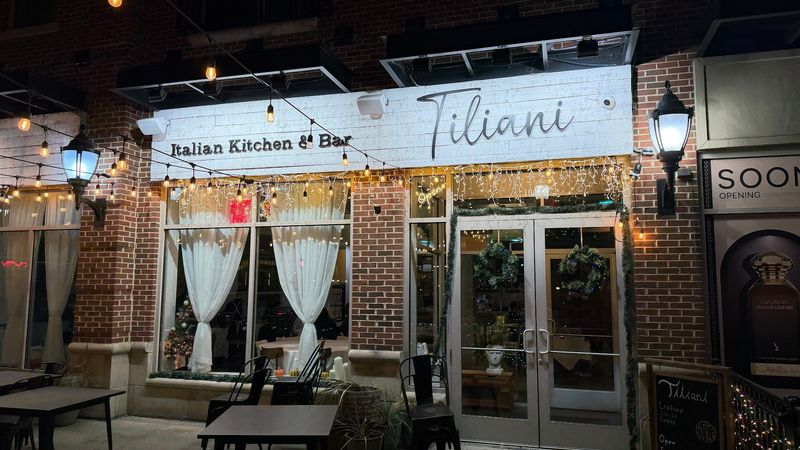
The address is 1002 South Military Street in Dearborn — a straightforward location with parking accessible from the street. The dining room itself is compact and intentionally so.
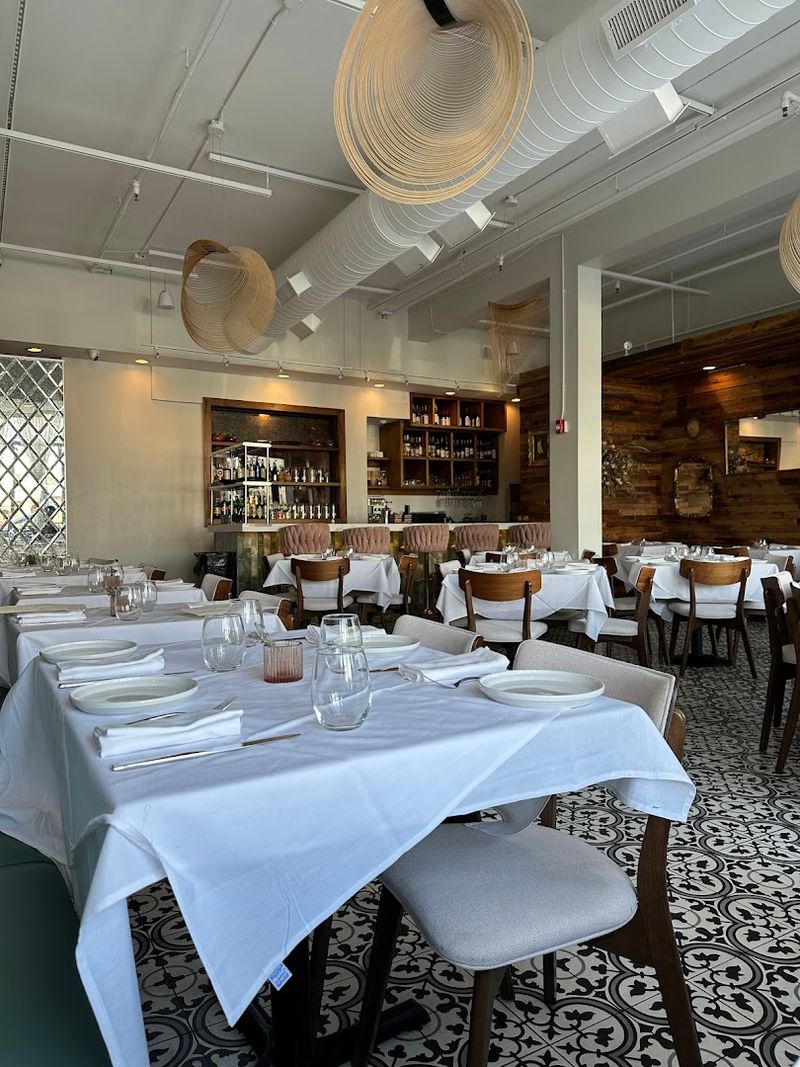
The intimate scale keeps the noise level manageable, allows the staff to maintain consistent attention across every table, and gives the space a warm, candle-lit quality that suits the menu’s tone. Tables are set cleanly without clutter, and the overall aesthetic leans elegant without crossing into stiff formality.
The menu is deliberately focused. There are no long pages of options designed to appeal to every possible preference.
Instead, the selections are tight enough to ensure that every dish receives proper attention in the kitchen. For diners who find sprawling menus stressful, Tiliani’s approach is genuinely refreshing.
The servers know the menu well and offer recommendations with confidence rather than reciting a list of specials without context.
Budget-wise, Tiliani sits in the mid-to-upper range for the Dearborn dining scene. The pricing reflects the quality of ingredients and the level of technique involved, and most diners find the value strong relative to what arrives on the plate.
Arriving hungry and with enough time to move through multiple courses — starter, main, dessert, coffee — is the best way to experience everything the kitchen has to offer. Rushing through a single entree misses the full shape of what Tiliani is trying to do.
Share this story